
Afro hair transplant
Hair Transplant Methods
Afro Hair Transplant in Turkey: curved follicles, transection risk, punch choice, keloid screening, hairline design and realistic density planning.
Free · no obligation
Leave your name and number — a coordinator replies personally.
Afro-textured hair grows from follicles that are curved beneath the skin, not only in the visible shaft. In a straight-haired scalp, a small punch can follow the follicle in a near-straight line; with a curved follicle the root bends away from the line of the hair at the surface. If the punch follows only the visible angle, it is more likely to cut across the follicle, a problem called transection, which damages the graft. Planning a transplant for afro-textured hair is therefore as much about extraction technique as about design.
Clinicians adapt for this in several ways. A larger or differently shaped punch, a blunt or hybrid punch, a shallower initial score followed by gentle freeing of the graft, or slower, more careful extraction may all be used. A small test extraction is often performed to see how your follicles behave before the full plan is confirmed. Because each graft takes longer to remove intact, sessions can be lengthy and the number of grafts in one day may be lower than in some straight-haired cases.
Diagnosis matters as much as technique. Hair loss in people with afro-textured hair is often pattern-related, but traction alopecia from tight braids, weaves or extensions, and scarring conditions such as central centrifugal cicatricial alopecia (CCCA), are also common. Scarring alopecias need assessment by a dermatologist and are often unsuitable for transplantation while active. A personal or family history of keloid or raised scarring is also checked carefully, since any surgery, including small punch wounds, carries some risk of abnormal scarring.
What it can help with
Results · before & after
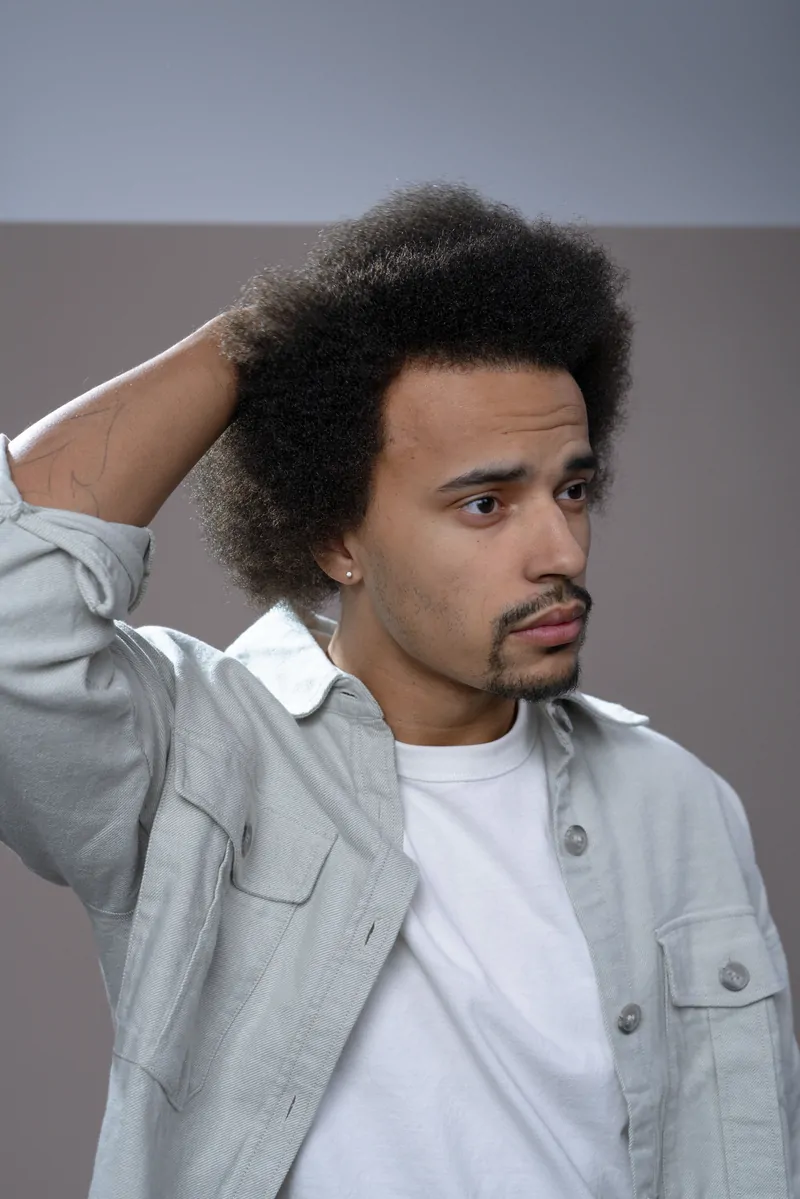
Before and after photographs from afro hair transplant and related treatments at our clinic in Istanbul. Drag the handle to compare each pair.
All hair results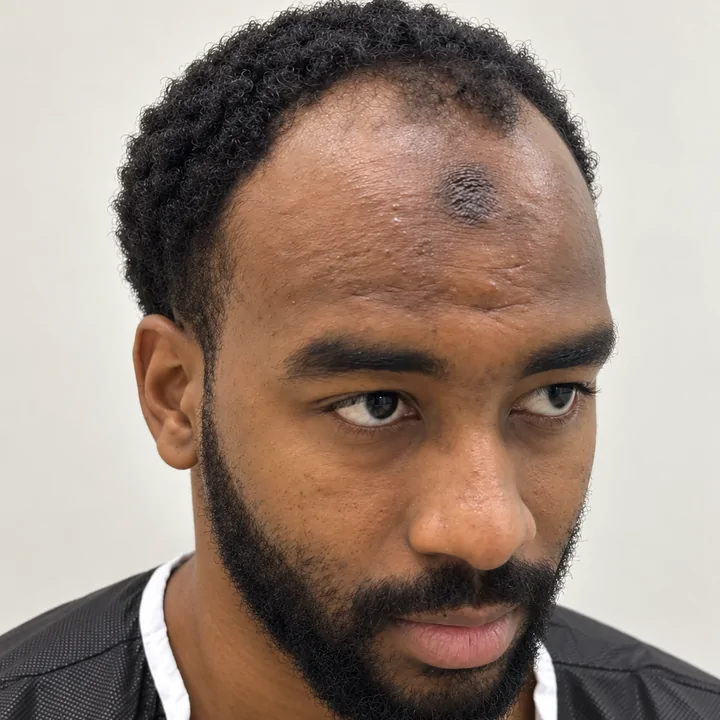
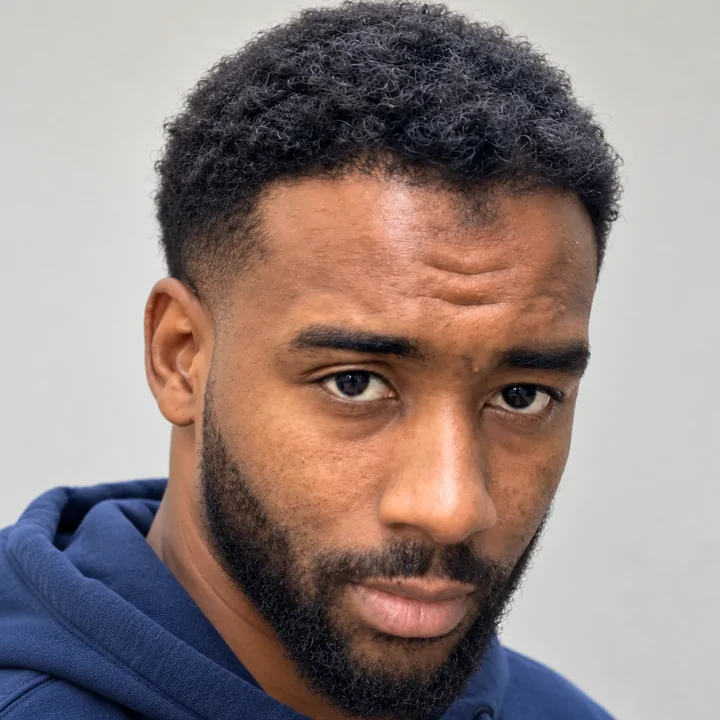
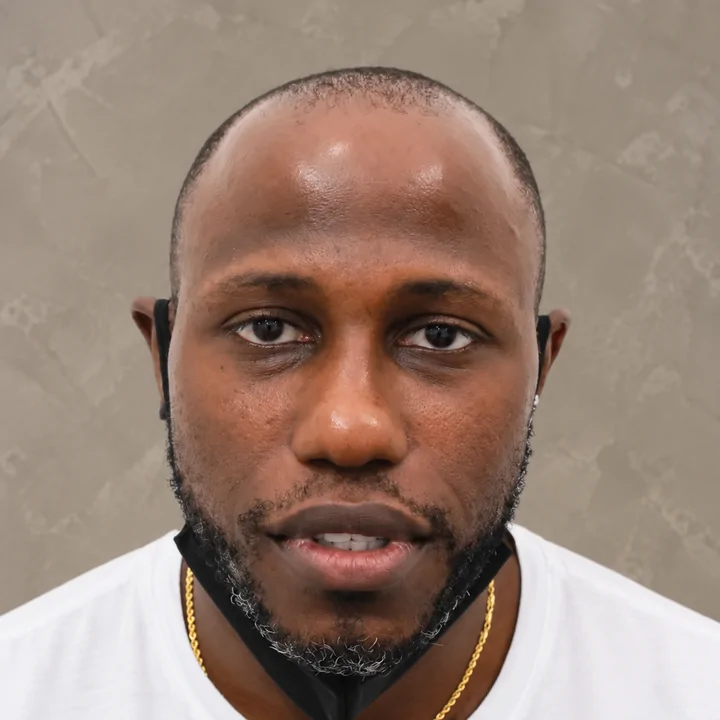
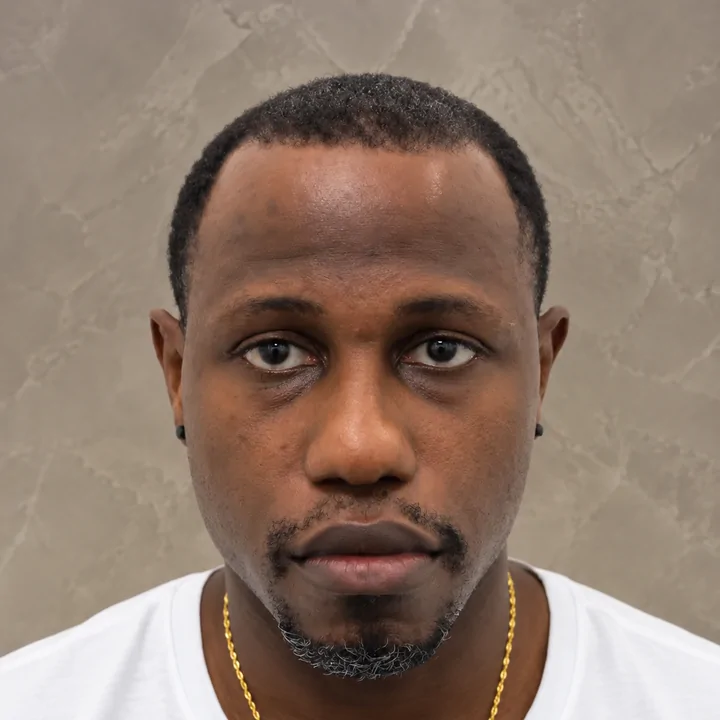
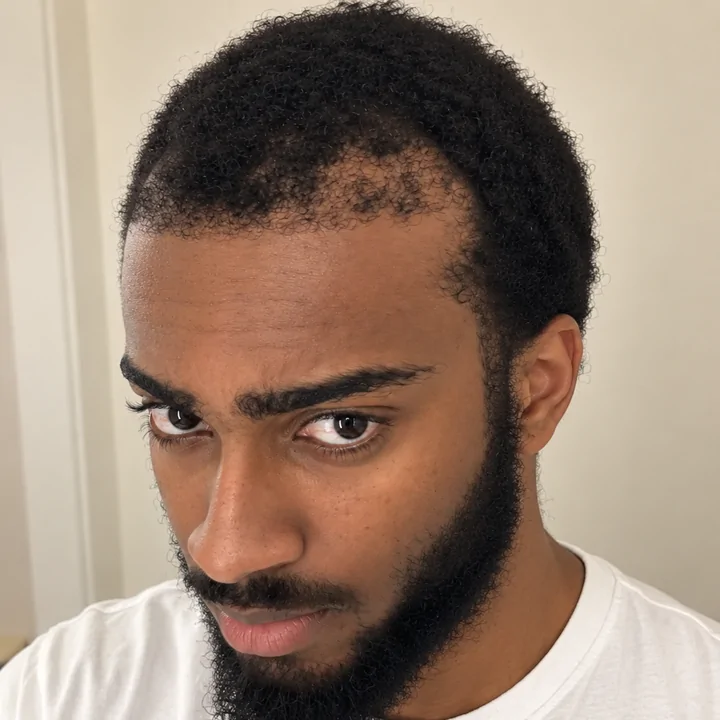
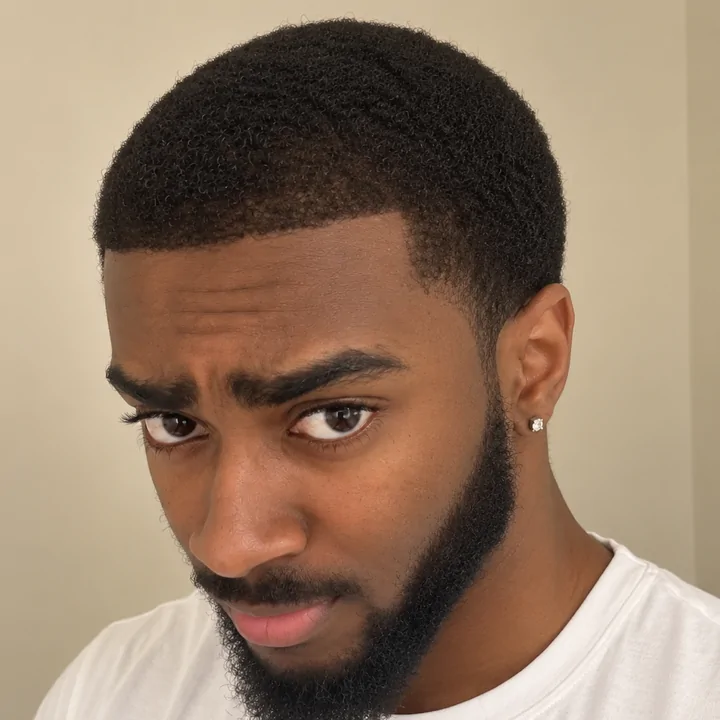
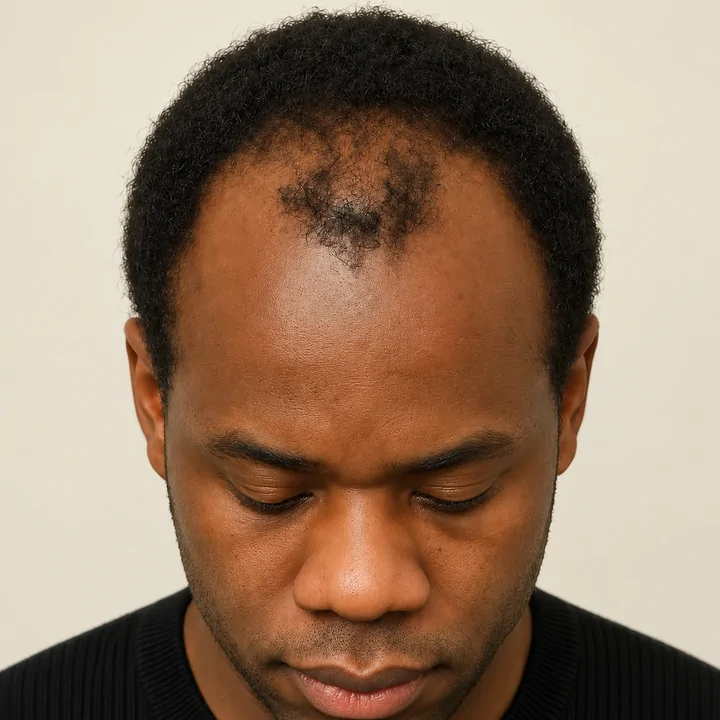
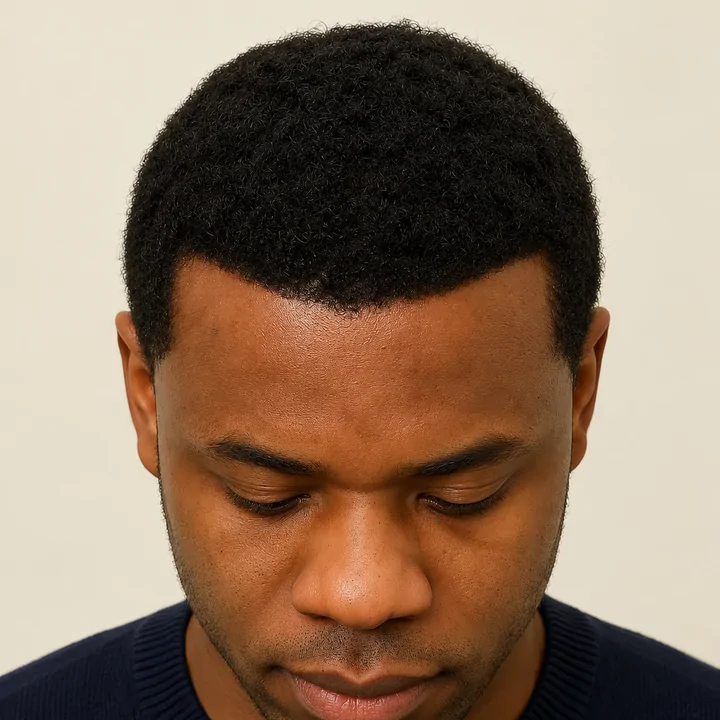
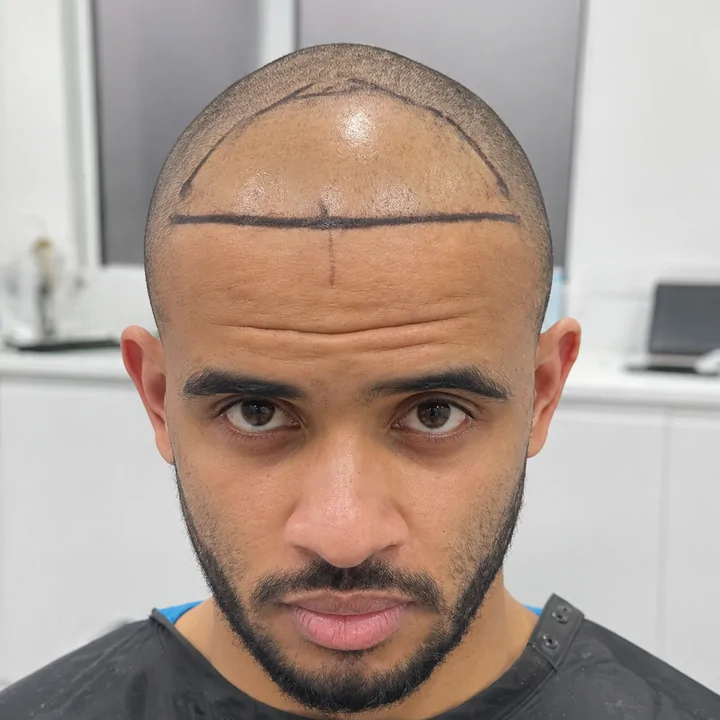
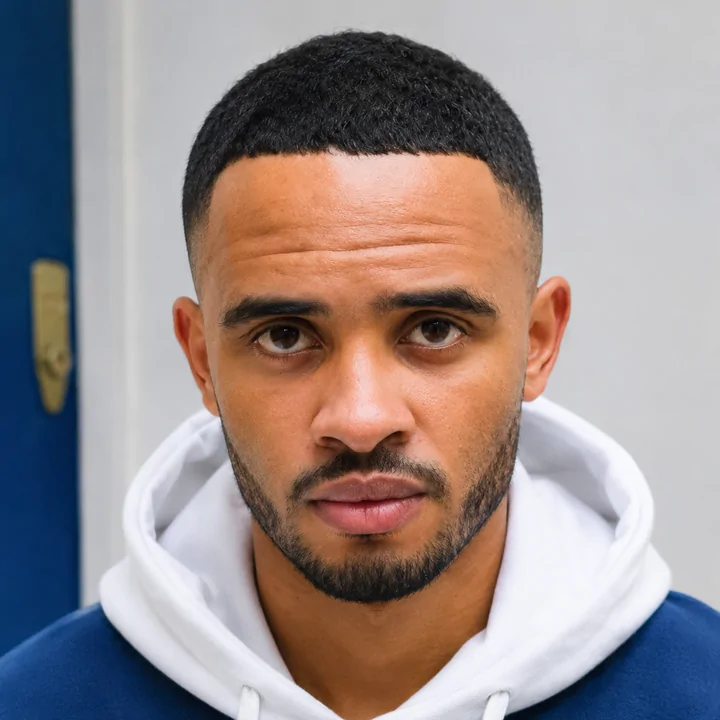

A transplant may be considered once the cause of hair loss is clear and stable, the scalp is healthy and the donor area can supply enough grafts. Some people are advised to address styling tension or see a dermatologist before surgery is discussed.
Often a good fit
Assessed carefully
Honest information
The procedure
Afro-textured hair asks for patience: confirming the diagnosis, checking how the follicles behave and designing a hairline that suits the hair type rather than copying a straight-haired template.

Your clinician reviews your history, styling habits and family history, and examines the scalp with magnification. Signs of scarring, inflammation or ongoing traction are looked for, and a dermatology opinion may be suggested before surgery is planned.

Previous scars, piercings and any raised scarring are discussed. Where there is concern, a cautious approach is taken, which may include a small test area and a period of observation before a full session is considered.
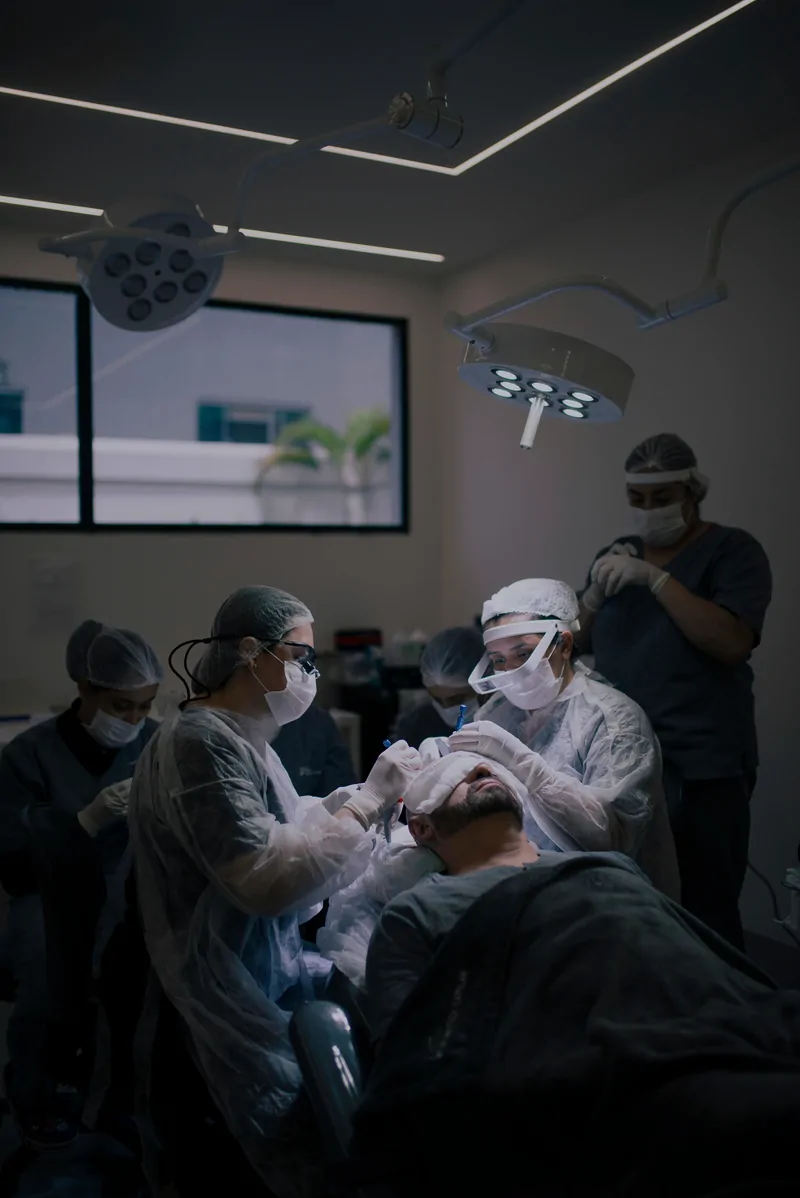
A few grafts may be extracted to see how the follicles curve and which punch and technique keep them intact. The graft estimate and session plan are then refined, rather than fixed in advance.
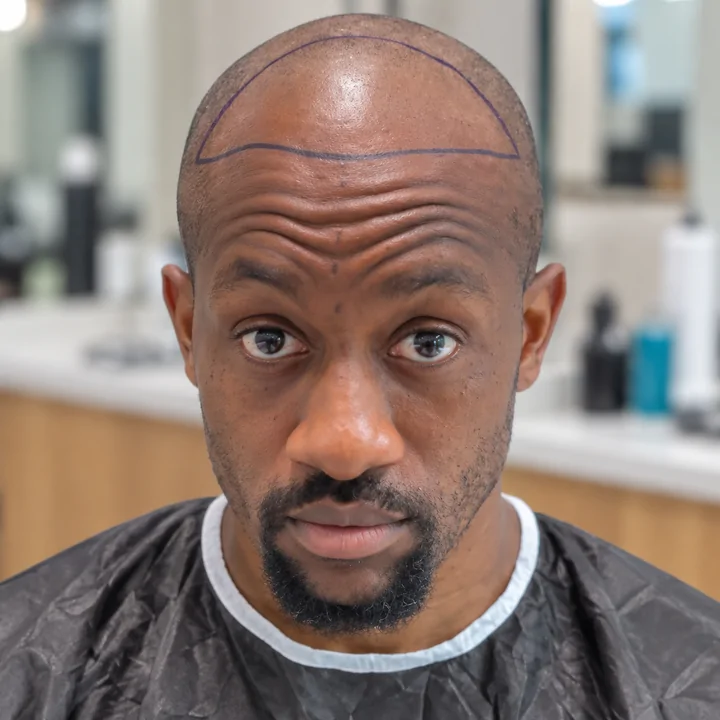
The hairline is drawn with you, following the natural shape of afro-textured hairlines, which are often softer and more rounded at the front and temples. Graft direction and spacing are planned around the way your hair curls and lies.
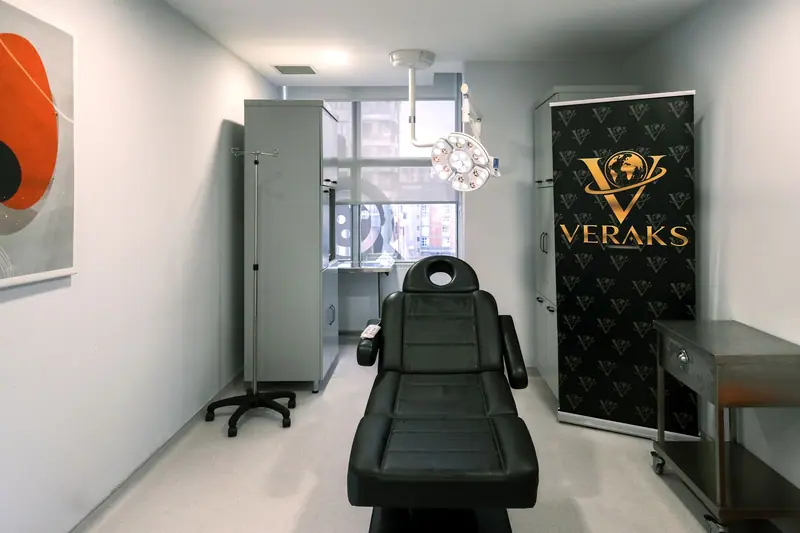
Under local anaesthetic, grafts are freed slowly and checked under magnification. Recipient sites are made to suit the curved grafts, which are placed carefully so the follicle is not bent or crushed.
The scalp is reviewed the next day and you receive written aftercare. Small punch wounds are watched for unusual scarring, and growth is followed with photographs over the coming year.
Gallery
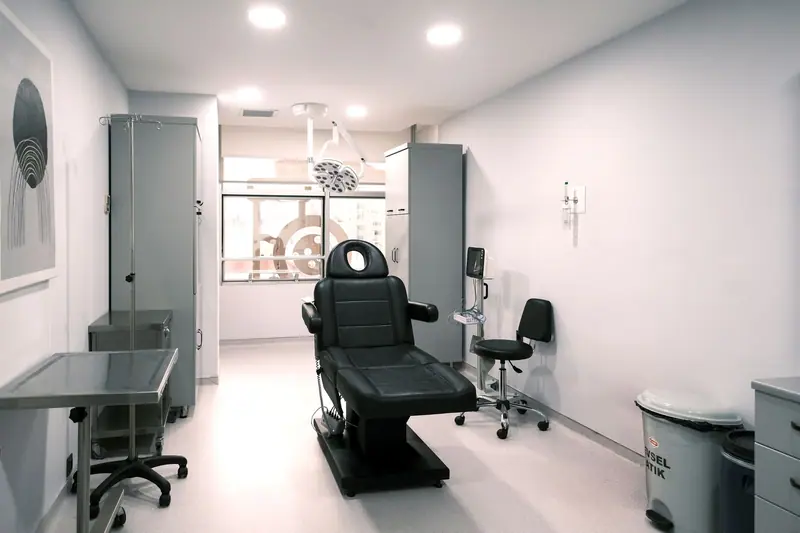


The source of the grafts and the basic FUE steps are the same. What differs is the follicle shape beneath the skin, which makes extraction slower and changes punch choice; the stronger emphasis on keloid screening and on traction or scarring causes of loss; and the hairline design, which follows the softer, rounded outline common in afro-textured hair. Because curly hair covers more scalp per hair, density can look fuller than graft numbers alone would suggest, though this varies.
Before & after treatment
Before you travel
Afterwards
In their words
Hair transplant patients describe their experience — from the first conversation to aftercare.
All patient reviewsGoogle reviews
Spoken with us already? Share your experience on Google.
Honest reviews — good or critical — help the next person decide. We read every one and never offer anything in exchange.
Questions
General answers — your own plan always depends on an individual assessment.
All hair questionsOften, yes, if the cause of loss is suitable and the donor area is adequate. The technique is adapted to the curved follicles, and a test extraction usually guides the final plan.
A history of keloids increases the risk of abnormal scarring and is taken seriously. Some people are advised against surgery; others may be offered a small test area first. Your clinician will discuss this with you openly.
Traction alopecia may be treatable with a transplant once the tension has stopped and the area has been stable for some time. If follicles are still being pulled, transplanted hair can be lost in the same way.
It depends on the area, your donor supply and how your follicles respond to extraction. Your clinician gives an estimated range after assessment and a test extraction, rather than a fixed figure.
Usually not until the grafts have settled and your clinician has reviewed healing. Tension and pressure should be avoided for longer, so ask for a specific timeline.
If this option is relevant to you, availability at our clinic and your suitability are confirmed during your consultation.
Also available
Free consultation
Tell us what you would like to change. A coordinator replies personally and arranges a hair specialist’s review of your photos — free, without obligation.
A person replies. Monday to Saturday, Istanbul time.
VHFree consultation
A coordinator replies personally — free, no obligation.