Dental implants
General Dentistry
Wisdom Tooth Extraction in Turkey: when wisdom teeth may need removing, simple vs surgical extraction, recovery, the risks to know and socket care.
Free · no obligation
Leave your name and number — a coordinator replies personally.
Wisdom teeth, or third molars, are the last teeth to develop and usually emerge – if at all – in the late teens or twenties. Many jaws do not have enough space for them, so they may remain fully or partly trapped beneath the gum or bone. This is called impaction, and a wisdom tooth can be impacted upright, tilted forwards, tilted backwards or lying horizontally.
Not every wisdom tooth needs to be removed. Healthy, fully erupted wisdom teeth that can be cleaned may be monitored. Extraction is generally considered when a wisdom tooth causes or is likely to cause problems: repeated gum infection around a partly erupted crown (pericoronitis), decay that cannot be treated, damage to the neighbouring molar, cysts, or pain.
A fully erupted wisdom tooth can often be removed much like any other tooth. An impacted tooth may need a surgical extraction, in which the gum is opened, a little bone may be removed and the tooth is sometimes divided into sections so it can be lifted out with less force.
What it can help with
Results · before & after
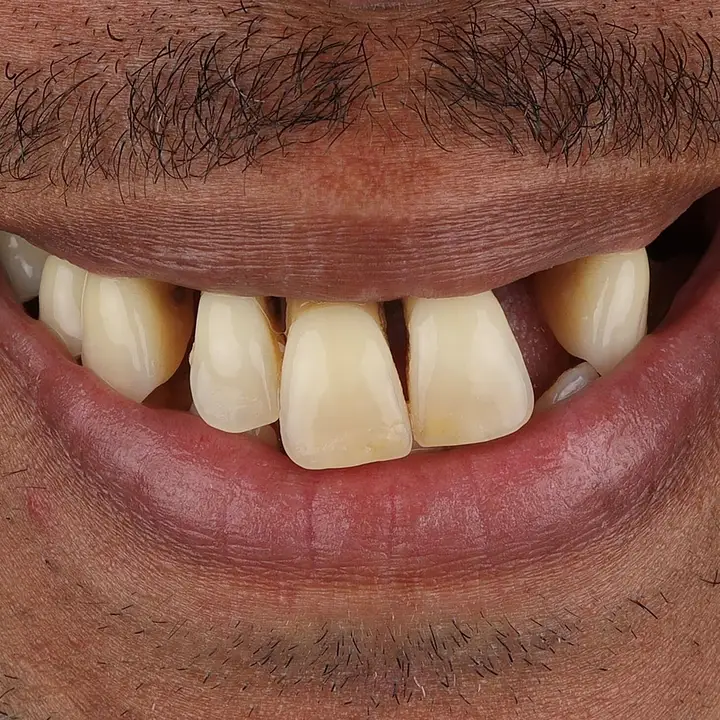
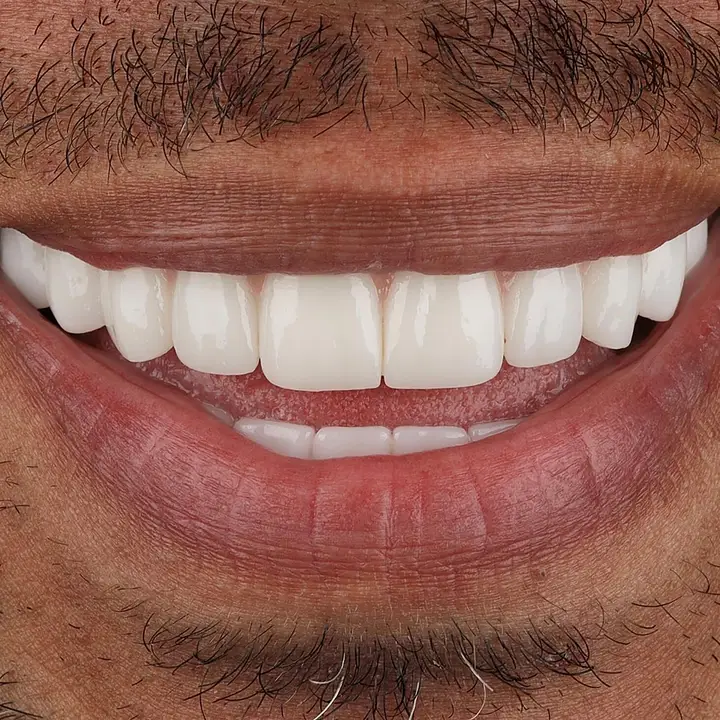
Before and after photographs from wisdom tooth extraction and related treatments at our clinic in Istanbul. Drag the handle to compare each pair.
All dental results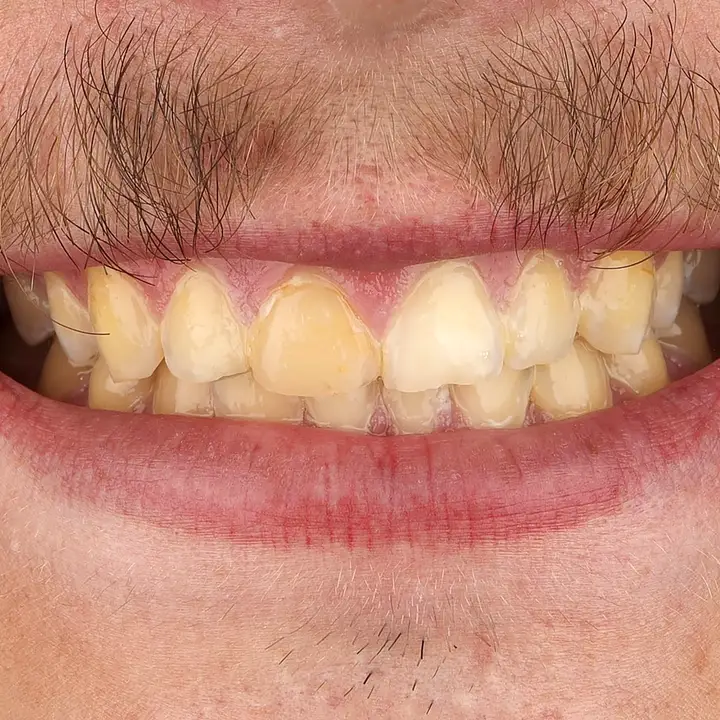
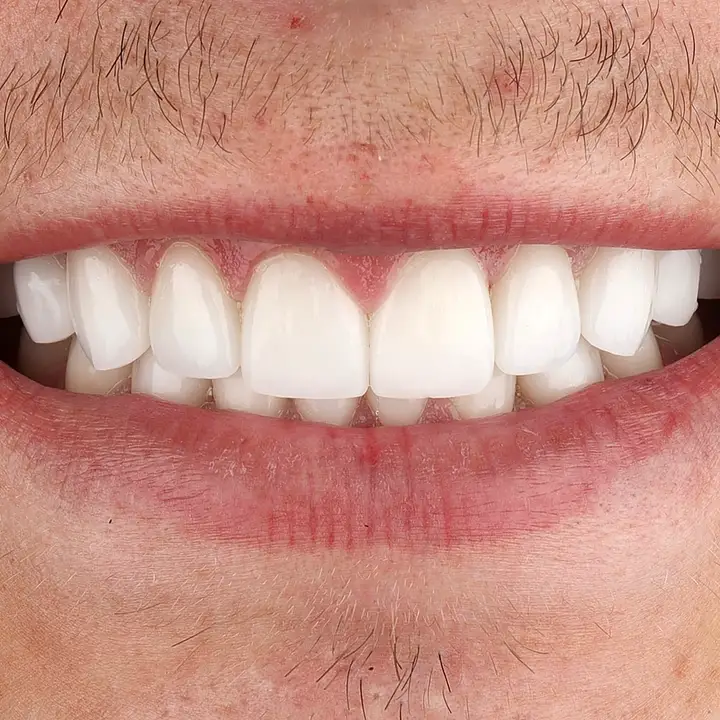
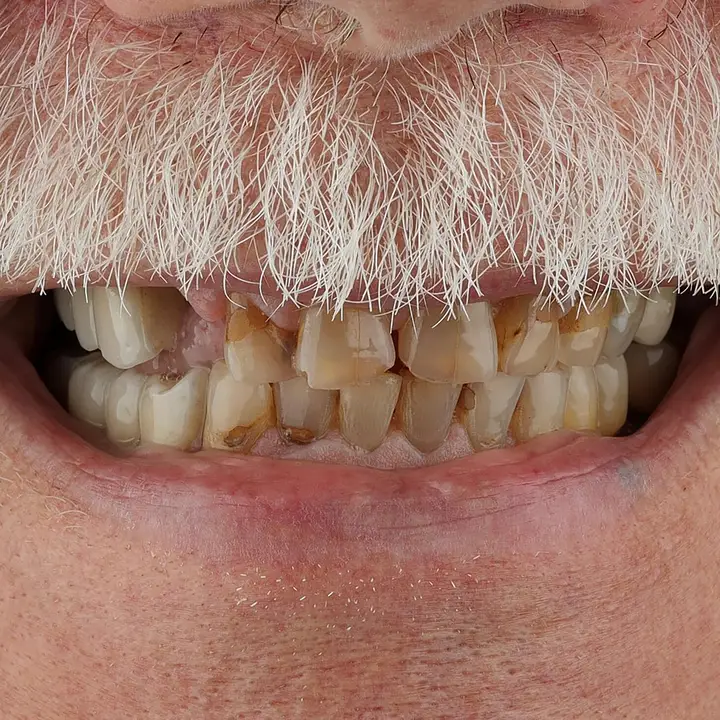
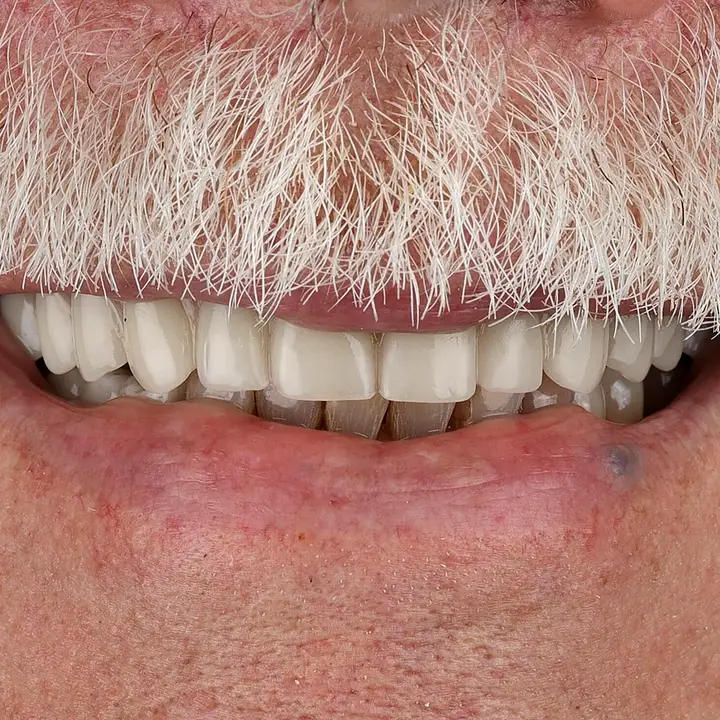
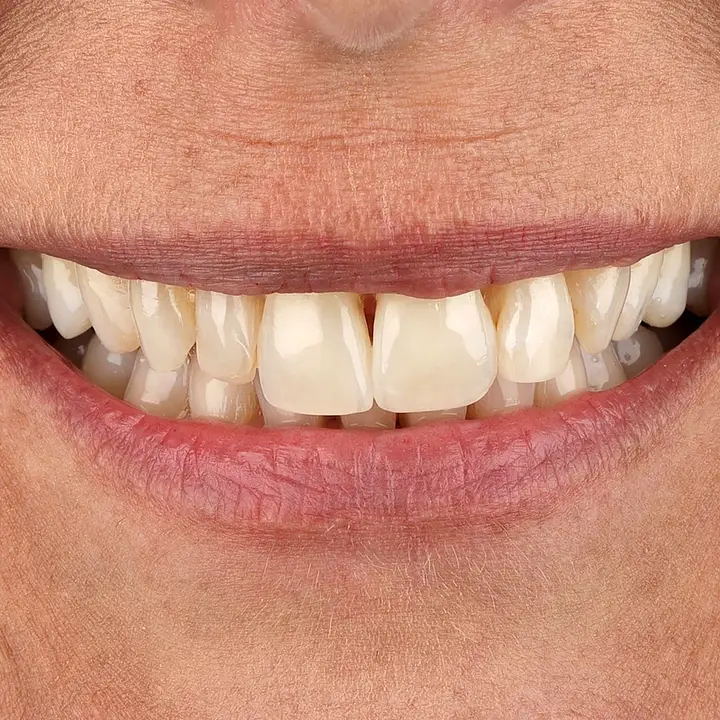
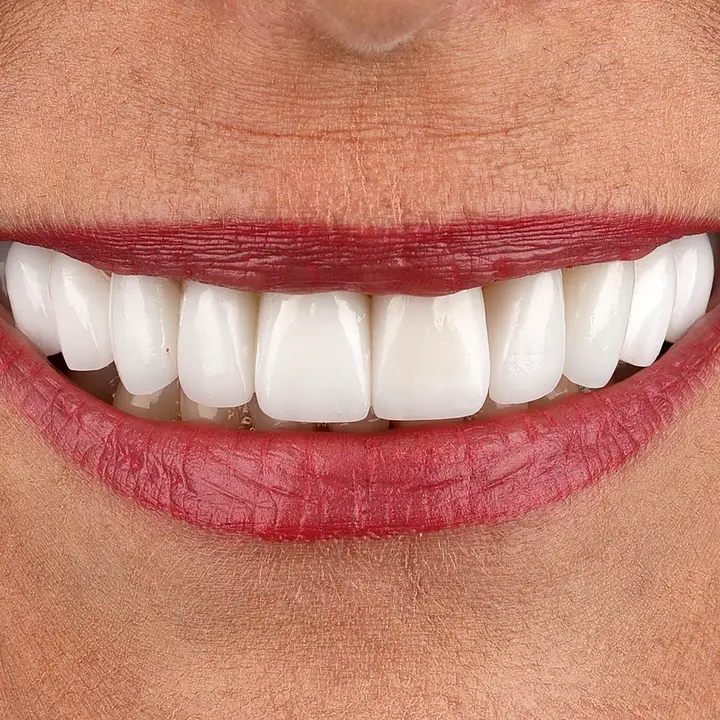
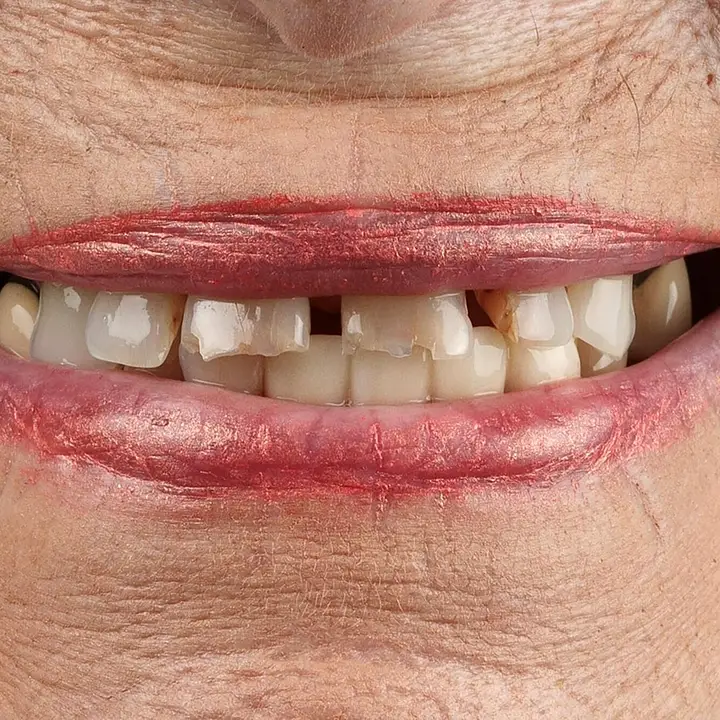
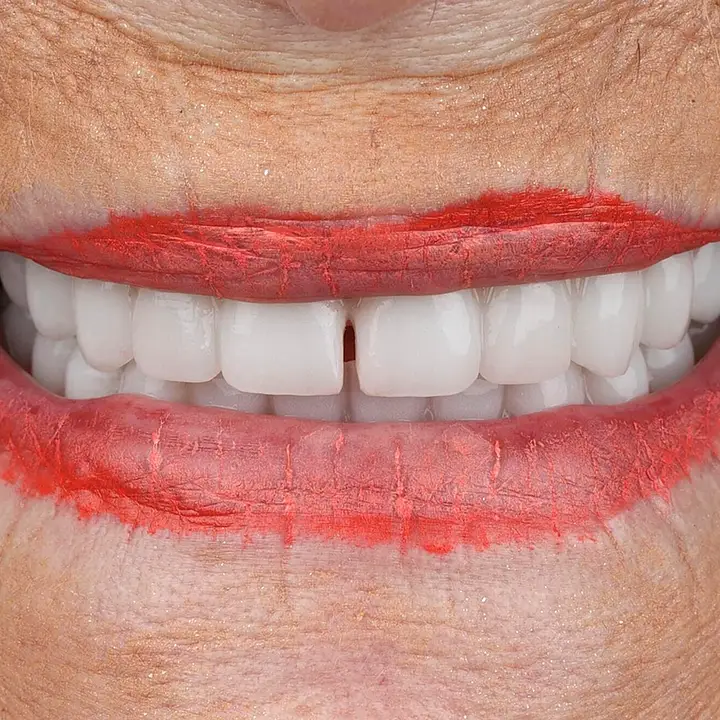
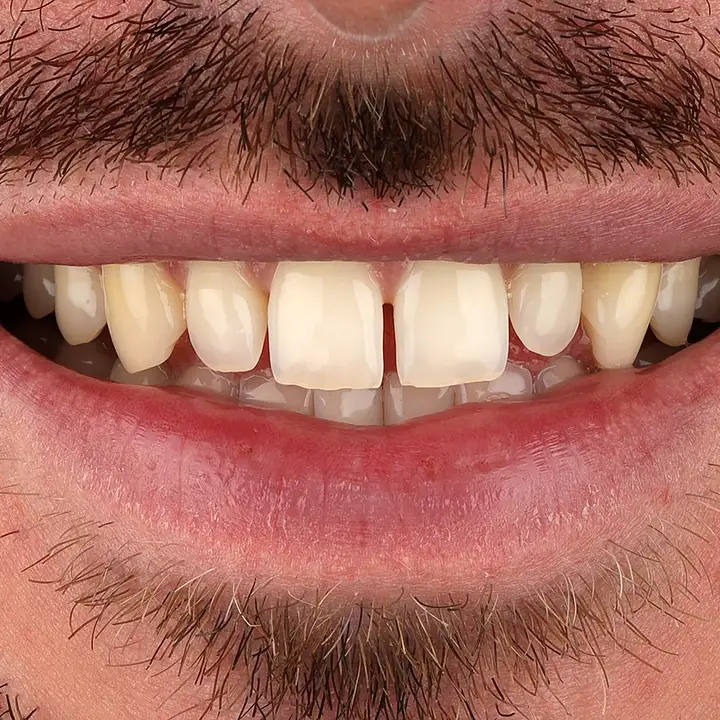
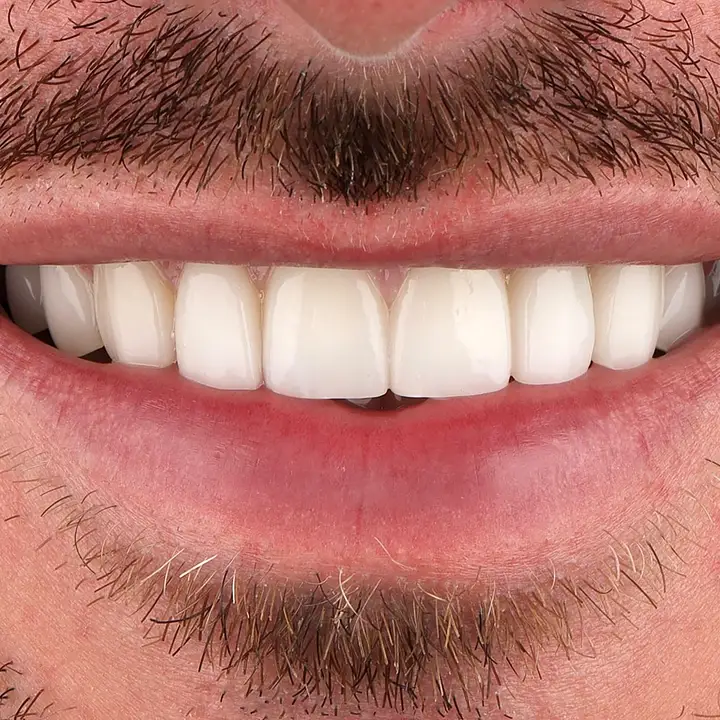
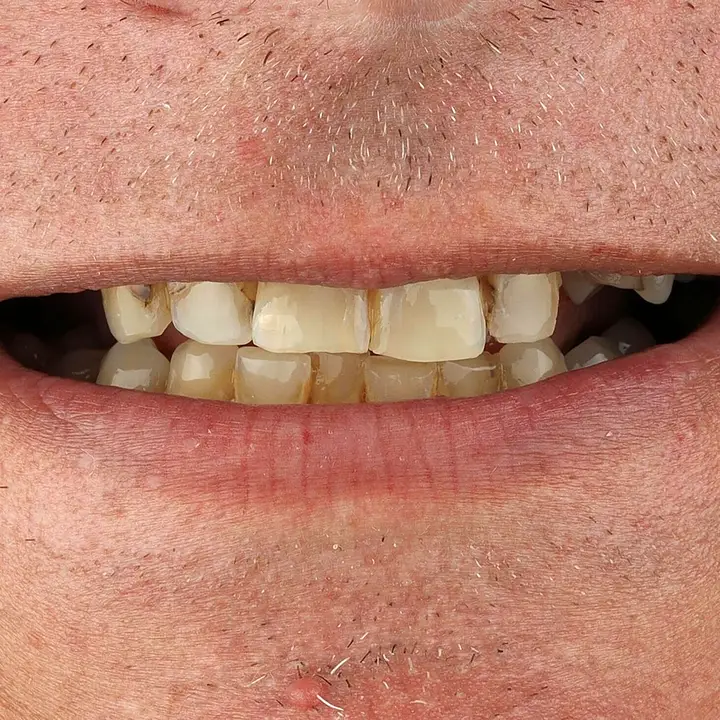
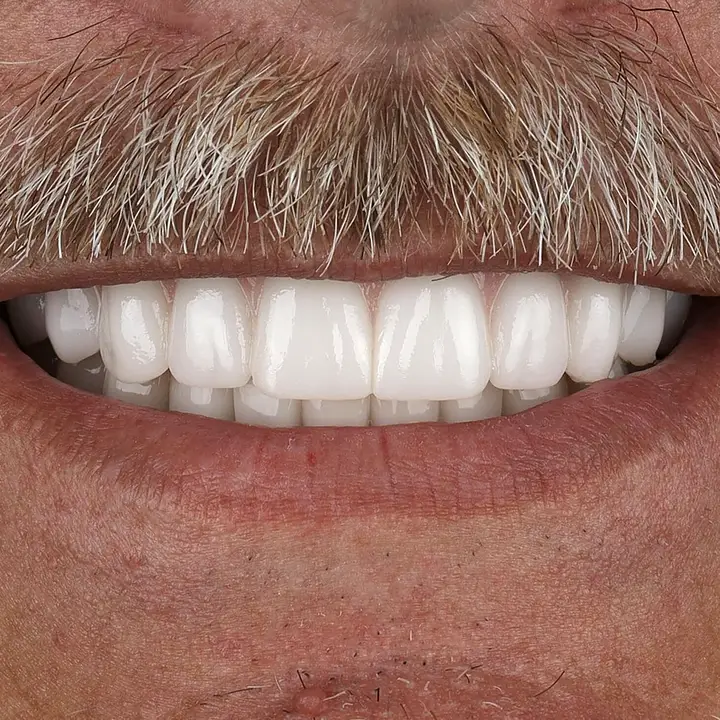
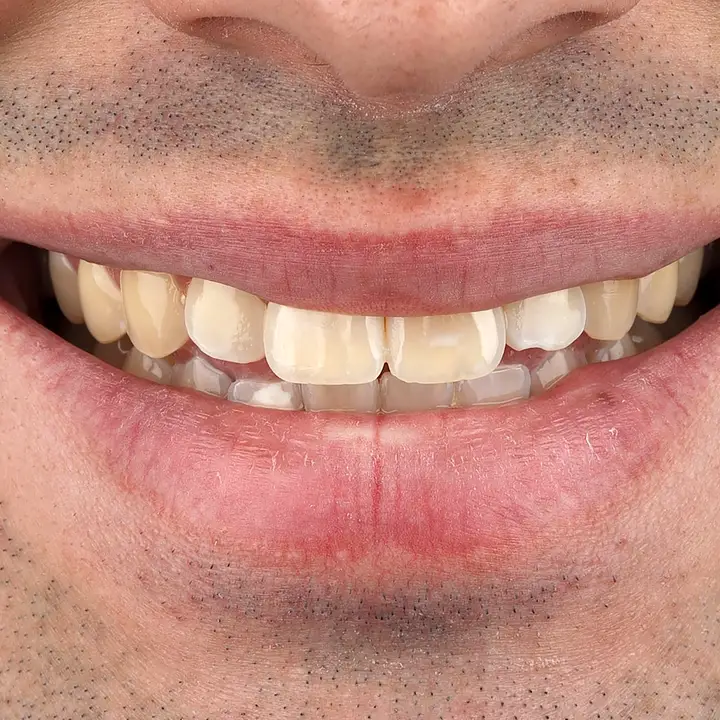
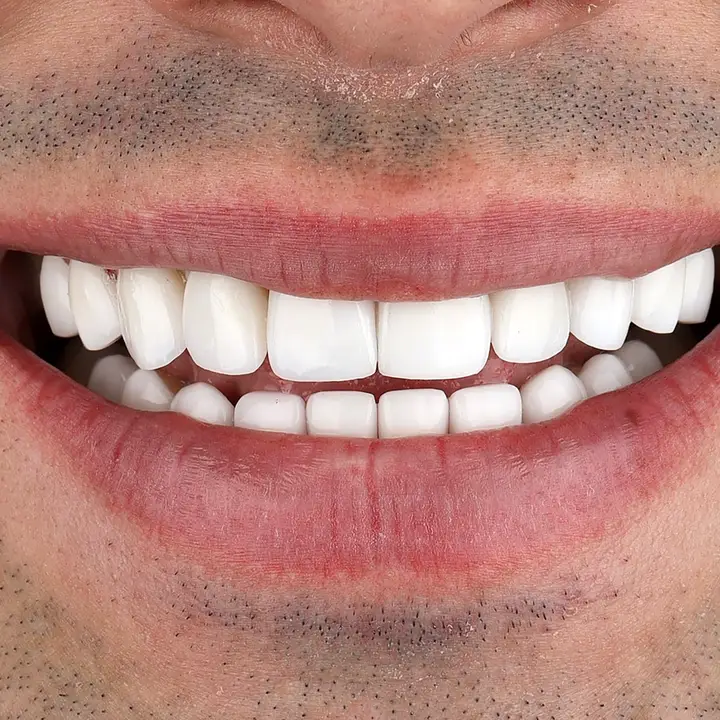
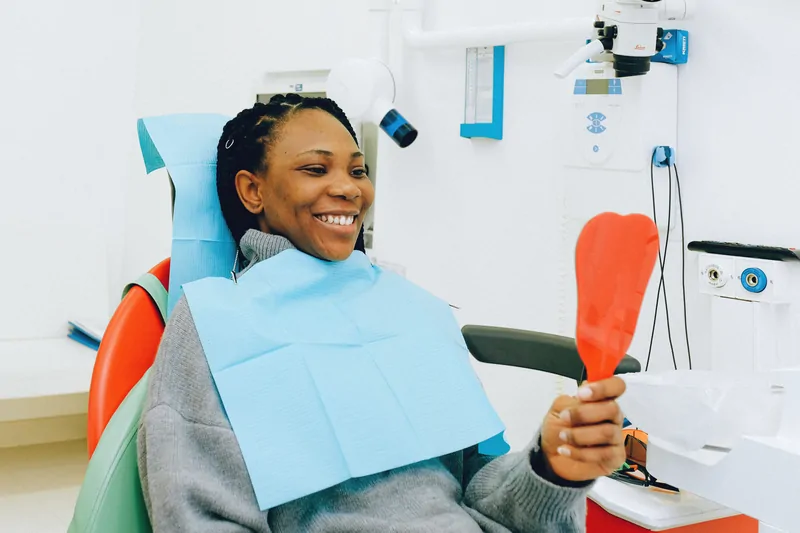
The decision to remove a wisdom tooth is based on symptoms, clinical findings and X-rays – not on age alone. Your clinician will weigh the benefits of removal against the surgical risks for your particular tooth.
Often a good fit
Assessed carefully
Honest information
The procedure
Planning centres on the tooth’s position and its relationship to nerves and the sinus, so the least traumatic method can be selected.
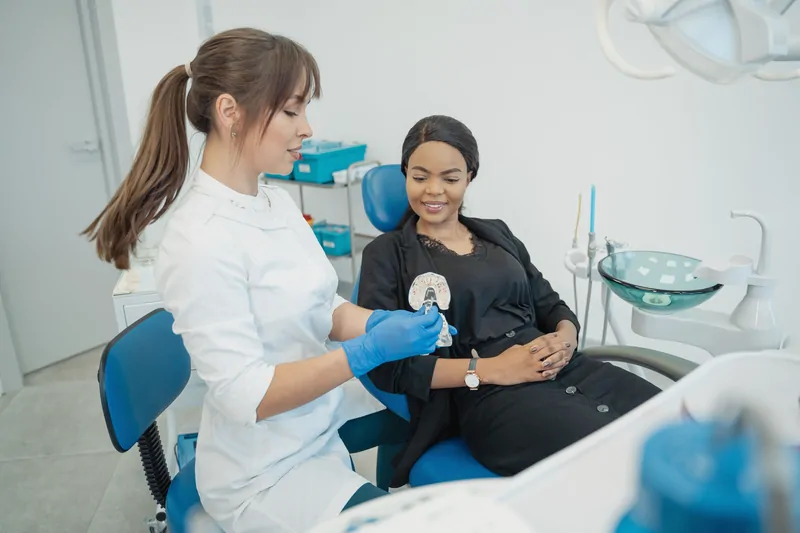
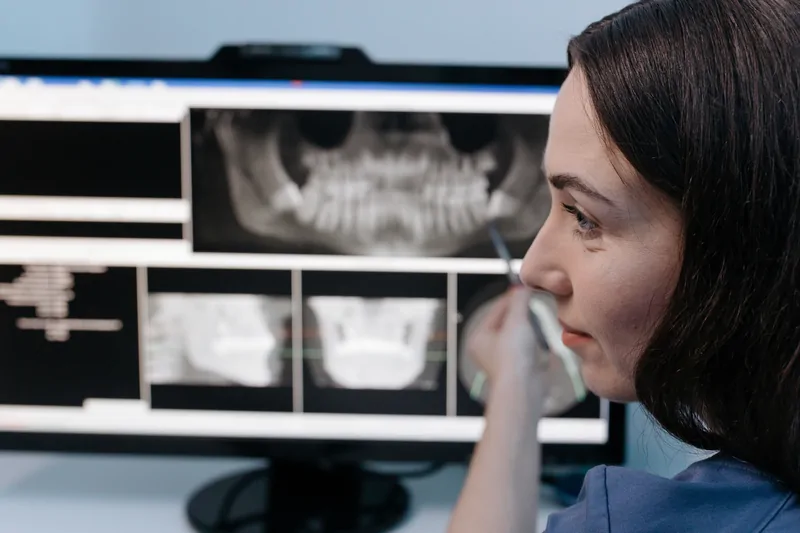
A panoramic X-ray is commonly taken. If the roots appear close to the nerve canal or sinus, a cone-beam CT scan may be recommended to see their relationship in three dimensions.
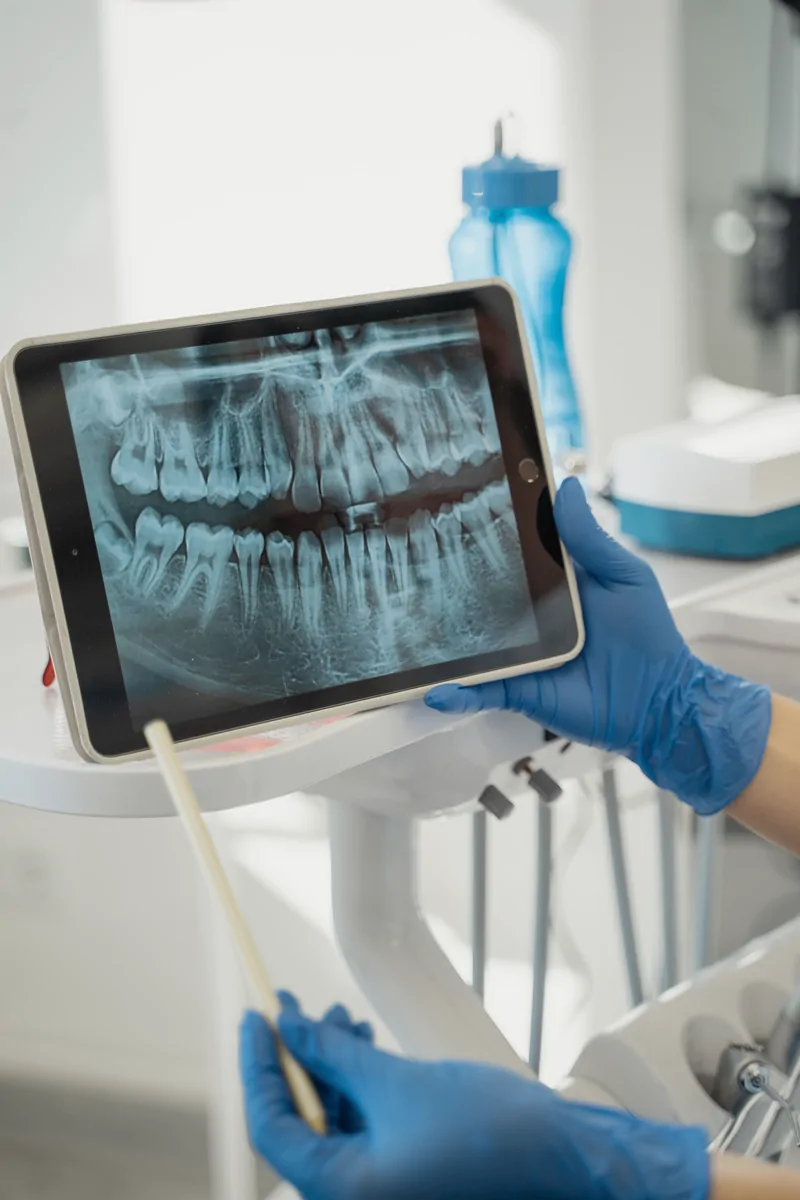
Your clinician explains whether a simple or surgical extraction is expected, the specific risks for your tooth and your anaesthesia options, so you can make an informed decision.
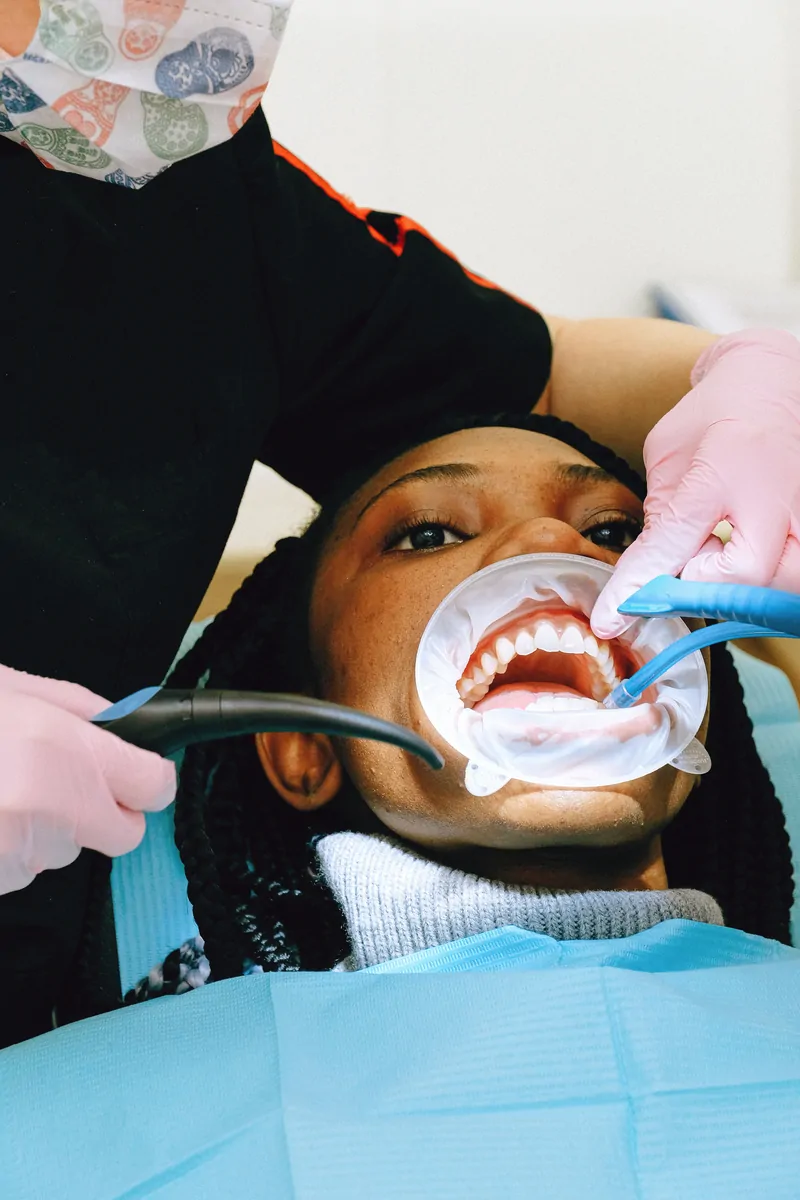
The area is numbed with local anaesthetic. Sedation may be offered for anxious patients or more complex extractions, depending on what is available and appropriate.
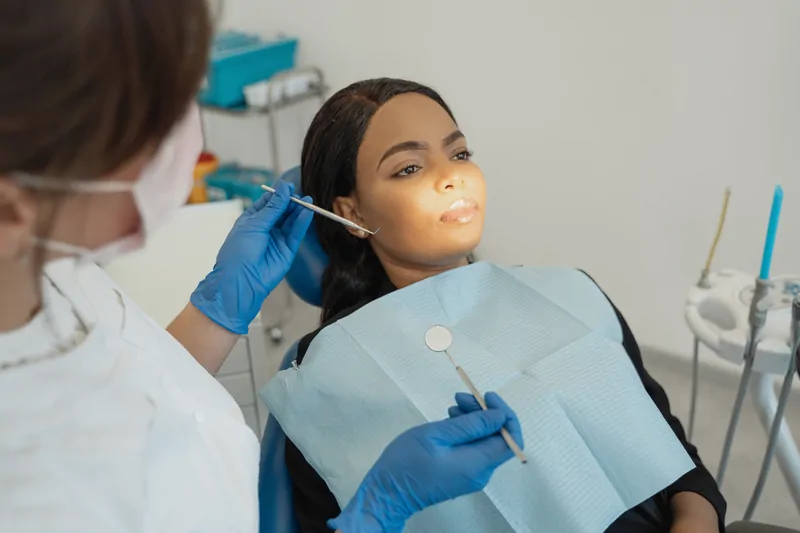
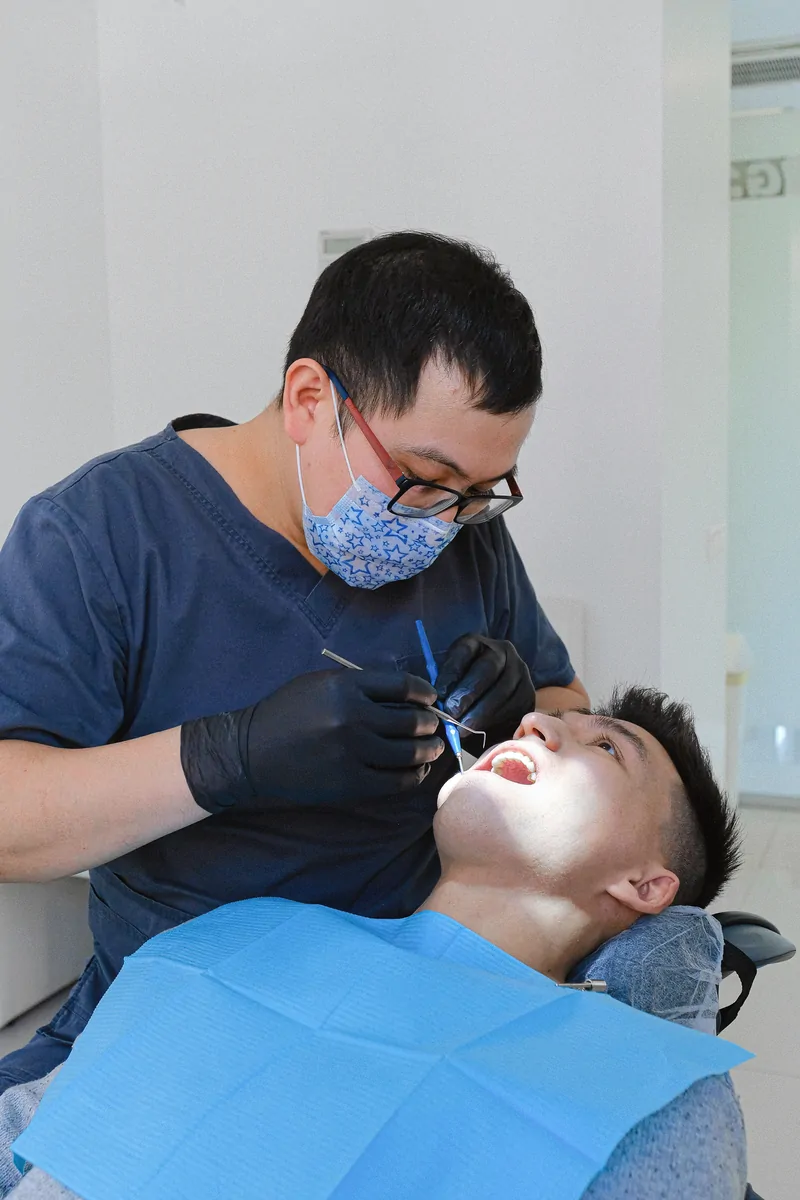
For an erupted tooth, it is gently loosened and lifted out. For an impacted tooth, a small gum flap is raised, some bone may be removed and the tooth may be sectioned into pieces to minimise trauma to the surrounding tissue.
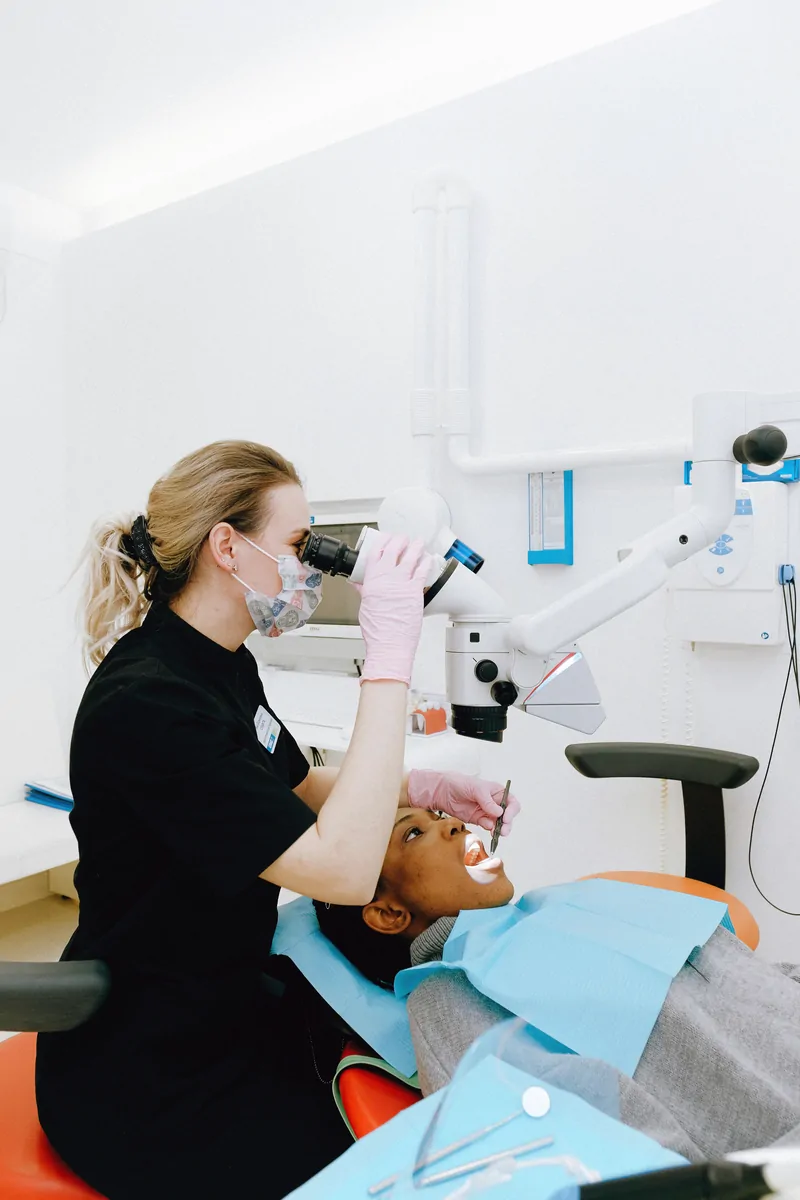
The socket is cleaned, any sharp bone edges are smoothed and stitches are placed if needed. Gauze is applied so a blood clot can form, which is essential for healing.
You receive written aftercare advice. A review may be arranged to check healing or remove non-dissolving stitches.
Gallery
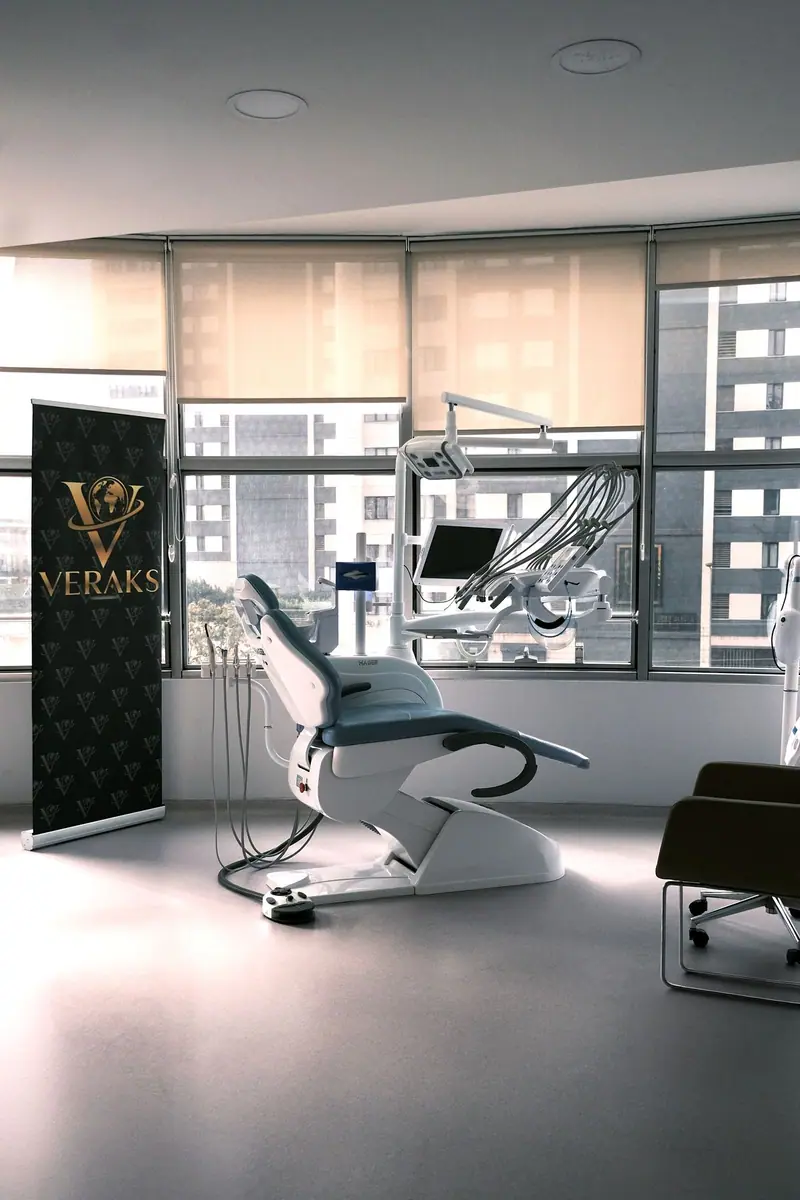
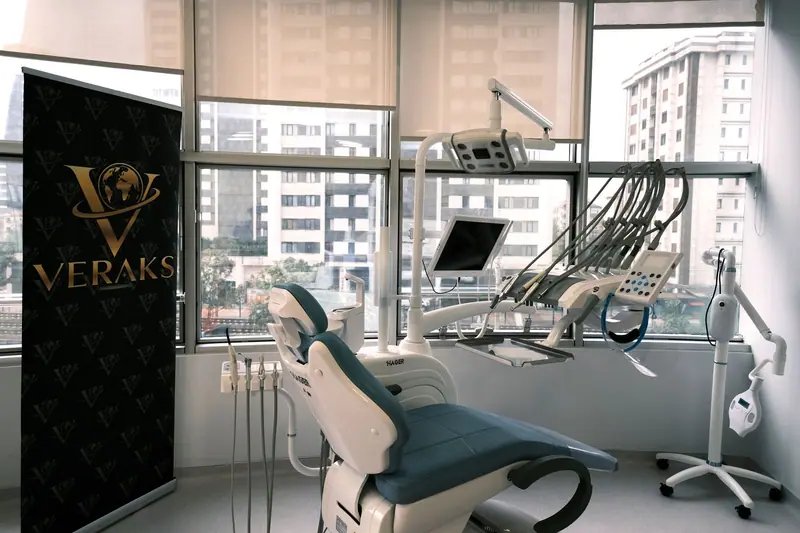
Before & after treatment
Before you travel
Afterwards
In their words
Dental patients describe their experience — from the first conversation to aftercare.
All patient reviewsGoogle reviews
Spoken with us already? Share your experience on Google.
Honest reviews — good or critical — help the next person decide. We read every one and never offer anything in exchange.
Questions
General answers — your own plan always depends on an individual assessment.
All dental questionsNo. Healthy wisdom teeth that are fully erupted and easy to clean may be kept and monitored. Removal is considered when there is a clear clinical reason.
Swelling commonly peaks around the second or third day and then settles over about a week, though this varies with the complexity of the extraction.
It occurs when the blood clot in the socket is lost early, exposing bone and causing aching pain a few days after extraction. Your clinic can dress the socket to ease symptoms.
Sometimes, depending on their positions, your health and anaesthesia options. Your clinician may also suggest removing them in stages.
Many people feel able to travel within a few days, but it is sensible to allow time for a review. Your clinician can advise based on your extraction.
If this treatment is relevant to you, availability at our clinic and your suitability are confirmed during your consultation.
Also available
Free consultation
Tell us what you would like to change. A coordinator replies personally and arranges a dentist’s review of your photos — free, without obligation.
A person replies. Monday to Saturday, Istanbul time.
VHFree consultation
A coordinator replies personally — free, no obligation.