
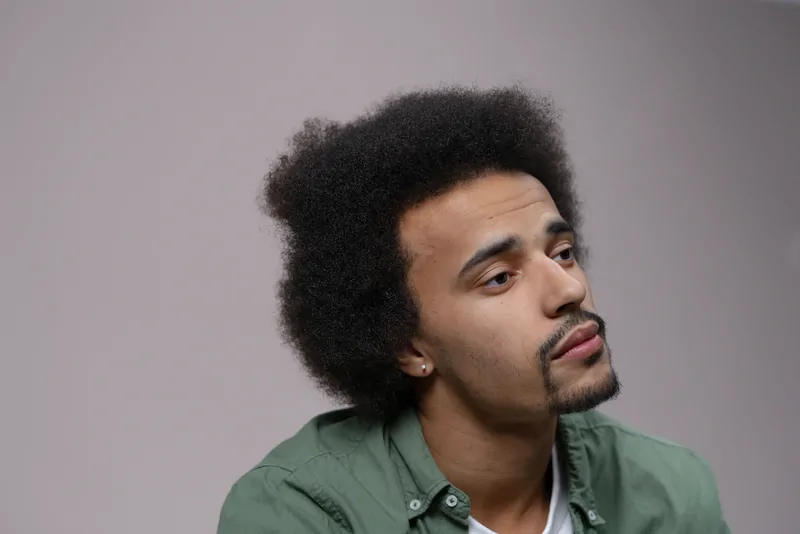
Afro hair transplant
Hair Restoration
Hairline Restoration in Turkey: age-appropriate hairline design, temple points, future hair loss, donor reserve and why planning comes before surgery.

Free · no obligation
Leave your name and number — a coordinator replies personally.
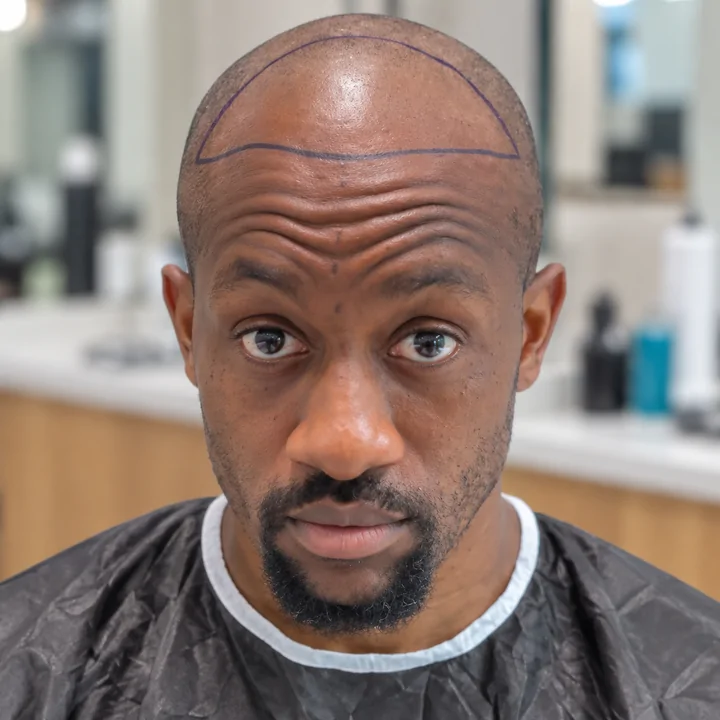
Hairline design is the process of deciding where, and in what shape, a new frontal hairline should sit before any grafts are placed. It is a planning stage within a hair transplant rather than a procedure in its own right. Because the hairline frames the face, it often influences how natural a result looks more than any other single decision — and because transplanted hair is usually long-lasting, the line drawn today needs to make sense in ten or twenty years.
A natural hairline is rarely a straight edge. It typically has a soft, irregular transition zone of fine single hairs, subtle peaks and recesses, and temple points that connect it to the sides. Mature hairlines also sit higher than adolescent ones. Designing a line that is too low or too dense can look striking at first but may become harder to blend if hair loss continues behind it.
Good planning also weighs the donor area. Every graft used at the front is one fewer available for the crown or for future sessions. Your clinician may therefore discuss how a hairline fits into a long-term plan rather than treating it as an isolated aesthetic choice. If this option is relevant to you, availability at our clinic and your suitability are confirmed during your consultation.
What it can help with
Results · before & after
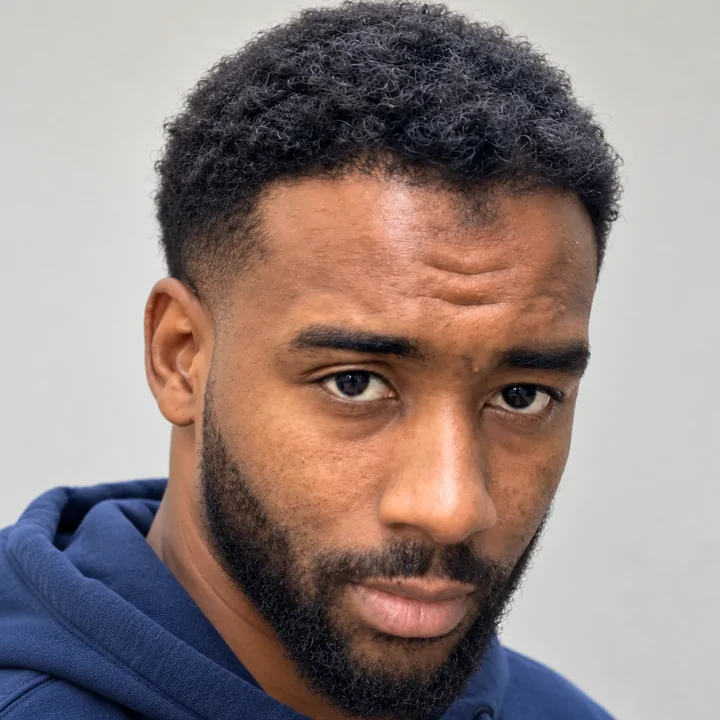
Before and after photographs from hairline restoration and related treatments at our clinic in Istanbul. Drag the handle to compare each pair.
All hair results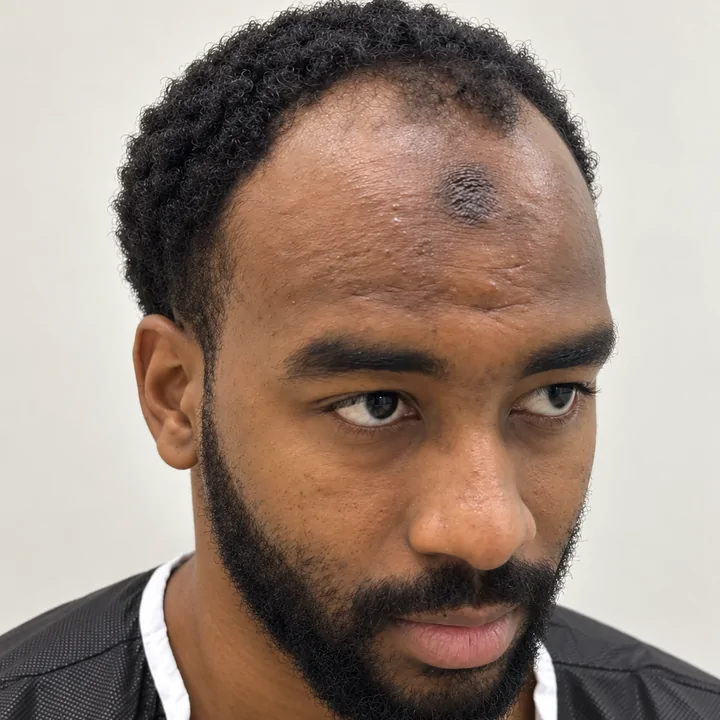
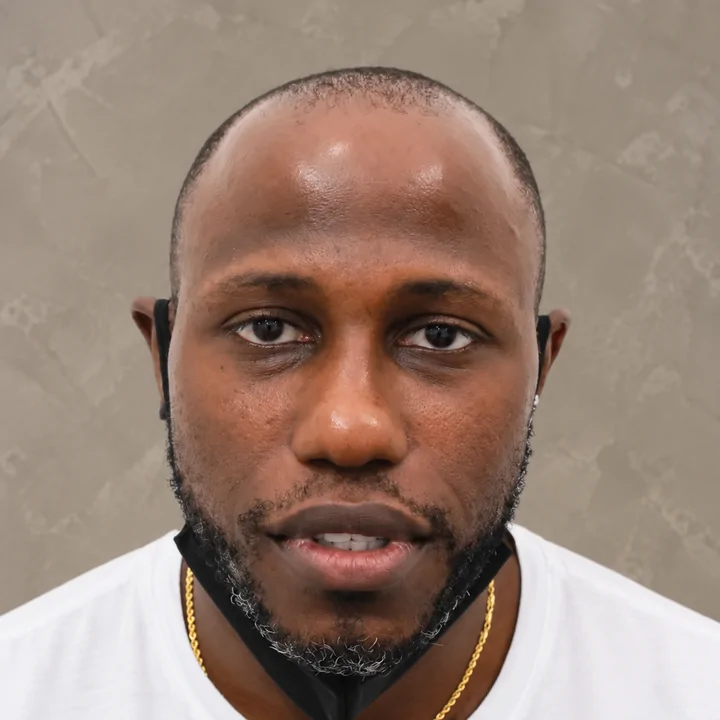

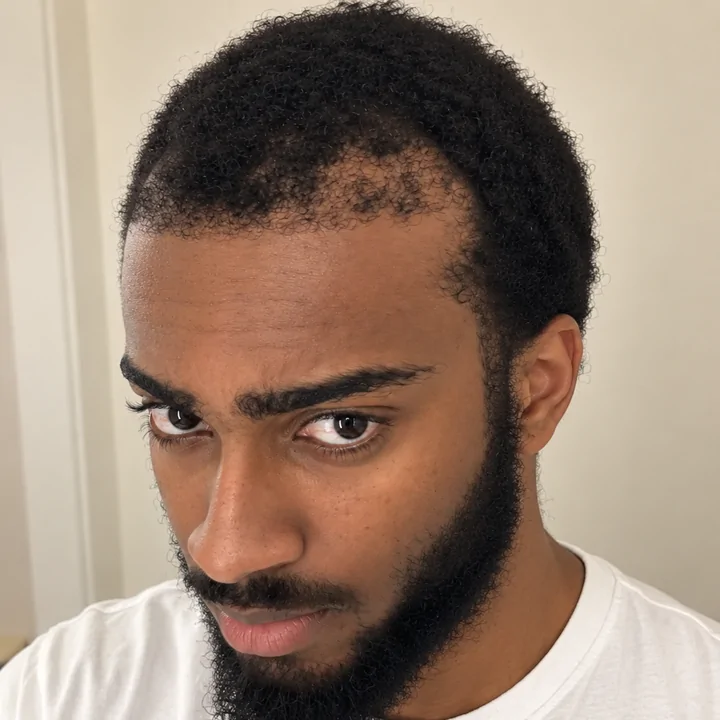
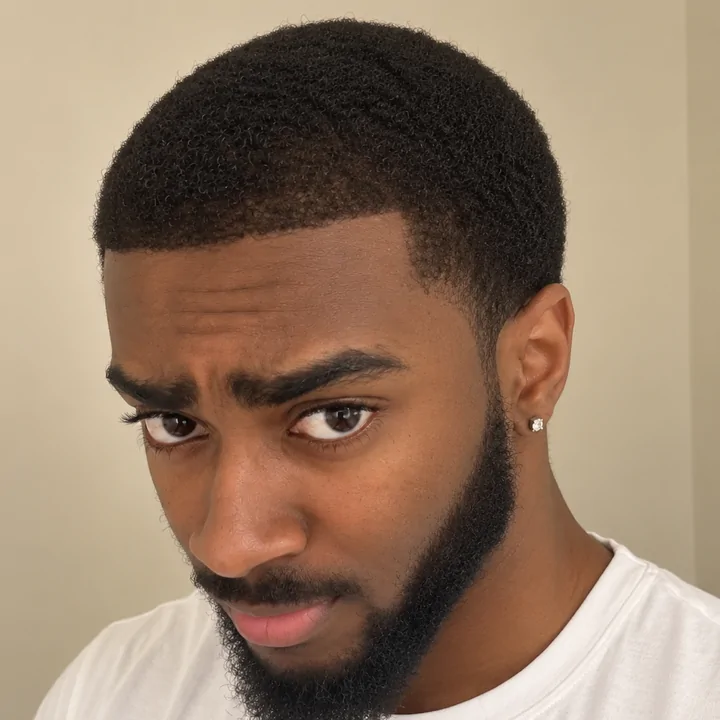
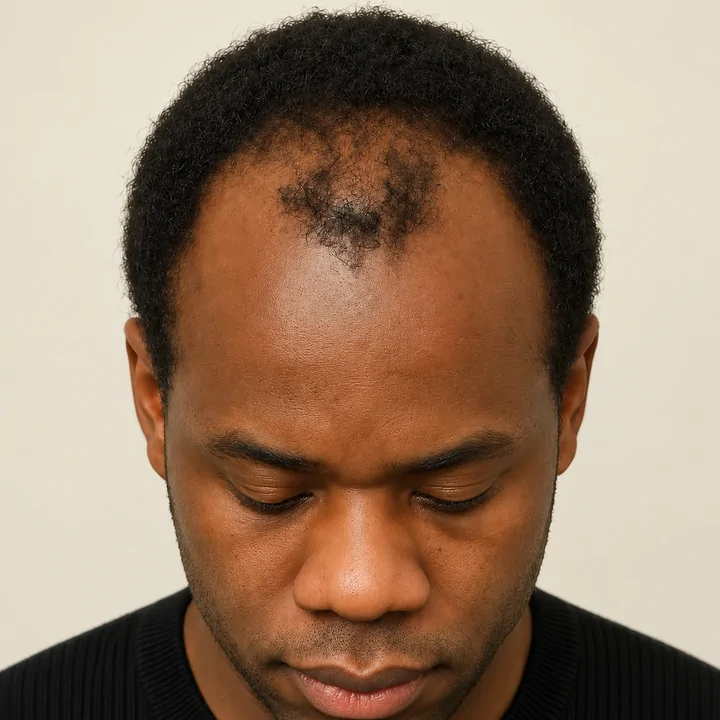
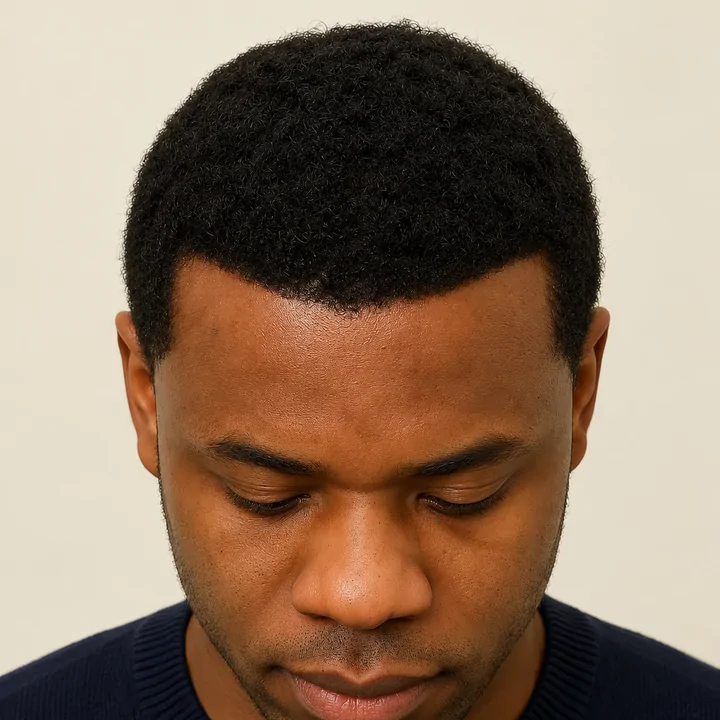
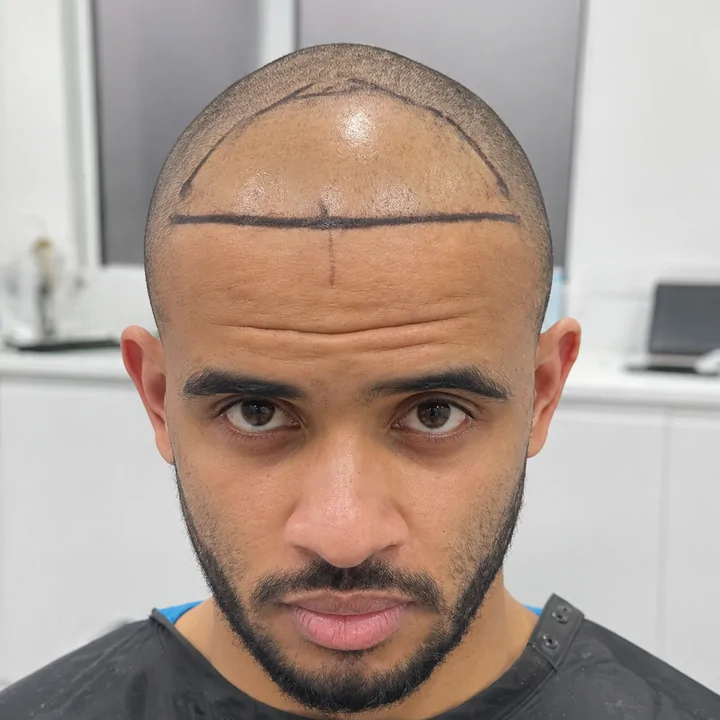
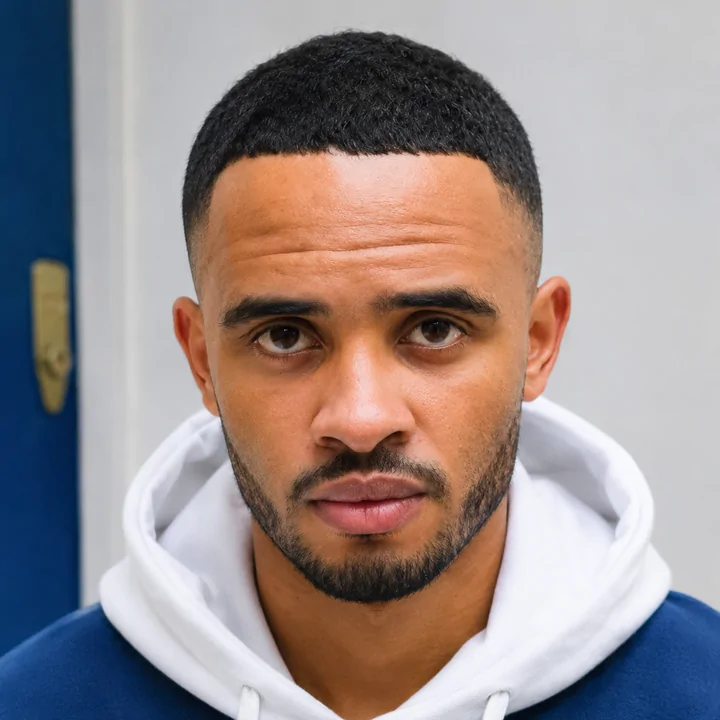

Hairline design applies to almost anyone planning a frontal transplant. The real question is not whether to design a hairline, but which line is appropriate for you.
Often a good fit
Assessed carefully
Honest information
The procedure
The approach to hairline design generally combines artistic judgement with a realistic view of donor supply and future loss. It is described here in general terms.

You describe what bothers you and what you hope to see. Photographs from earlier years can help, although the aim is usually a mature hairline rather than a copy of a teenage one.
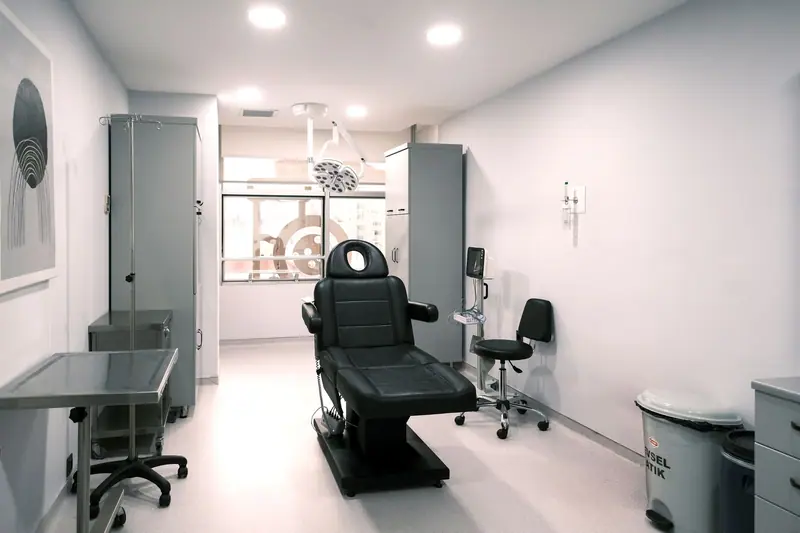
Your clinician may assess forehead height, the relationship between brow and hairline, the remaining native hair and signs of miniaturisation that suggest future loss.
A provisional hairline is drawn on the scalp, often with temple points and a slightly irregular edge. You can view it in a mirror and discuss adjustments.

The design is checked against your donor supply. Graft types are allocated, with single-hair grafts at the very front and multi-hair grafts further back to build density.
Before surgery the hairline is usually redrawn and confirmed with you, so the outline used to guide placement is one you have agreed to.
Gallery

Before & after treatment
Before you travel
Afterwards
In their words
Hair transplant patients describe their experience — from the first conversation to aftercare.
All patient reviewsGoogle reviews
Spoken with us already? Share your experience on Google.
Honest reviews — good or critical — help the next person decide. We read every one and never offer anything in exchange.
Questions
General answers — your own plan always depends on an individual assessment.
All hair questionsNo. It is the planning stage of a hair transplant, carried out during consultation and confirmed before surgery. It does not involve any treatment on its own.
Your preferences are central, but your clinician may advise against a position that could look unnatural later or use too much of your donor supply.
Most adult hairlines naturally sit higher than adolescent ones. A very low line may look out of place as you age and as hair behind it continues to thin.
They are the small triangular areas of hair at the sides of the forehead. Including them often makes a hairline look more natural and frames the face.
Yes. Hair thickness, colour, curl and skin contrast all influence how dense a hairline looks and how soft the transition zone needs to be.
Sometimes a hairline can be softened or adjusted with additional grafts, while a line that is too low is harder to change. A revision assessment can explain the options.
Also available
Free consultation
Tell us what you would like to change. A coordinator replies personally and arranges a hair specialist’s review of your photos — free, without obligation.
A person replies. Monday to Saturday, Istanbul time.
VHFree consultation
A coordinator replies personally — free, no obligation.