Dental implants
Implant Dentistry
Dental Implants in Turkey: 3D imaging, titanium implant placement, healing and osseointegration, then a custom crown or bridge, planned in clear stages.
Free · no obligation
Leave your name and number — a coordinator replies personally.
A dental implant is a small screw-shaped post, usually made of titanium or titanium alloy, that is placed into the jawbone where a tooth root used to be. Over the following months, bone can grow closely against the implant surface — a process called osseointegration — so it becomes a stable anchor. A connector called an abutment is then attached, and a custom crown, bridge or denture is fixed on top to restore the appearance and function of the missing teeth.
Because the implant sits in the bone, it can help stimulate the area and slow the shrinkage that normally follows tooth loss. It also replaces a tooth without needing to prepare the neighbouring teeth, as a conventional bridge does. These advantages come with requirements: enough healthy bone, healthy gums, good general health and a commitment to cleaning and regular reviews.
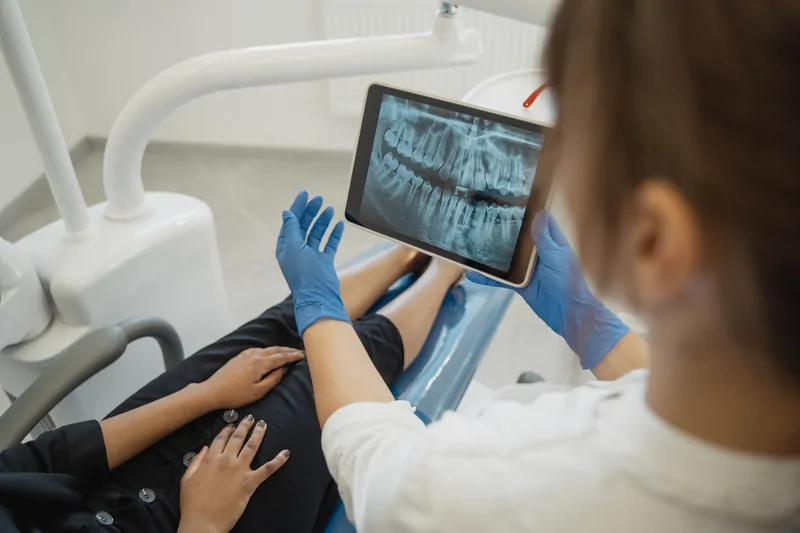
At our clinic, implant treatment is planned digitally before surgery. Three-dimensional imaging shows bone height, width and the position of nerves and sinuses, so the implant can be positioned for the final tooth rather than simply where bone happens to be. Where bone is insufficient, grafting or a sinus lift may be discussed as a preliminary step. Implants can replace a single tooth, several teeth with an implant-supported bridge, or a full arch. Full-arch options such as All-on-4 and All-on-6 have their own dedicated pages.
What they can help with
Results · before & after
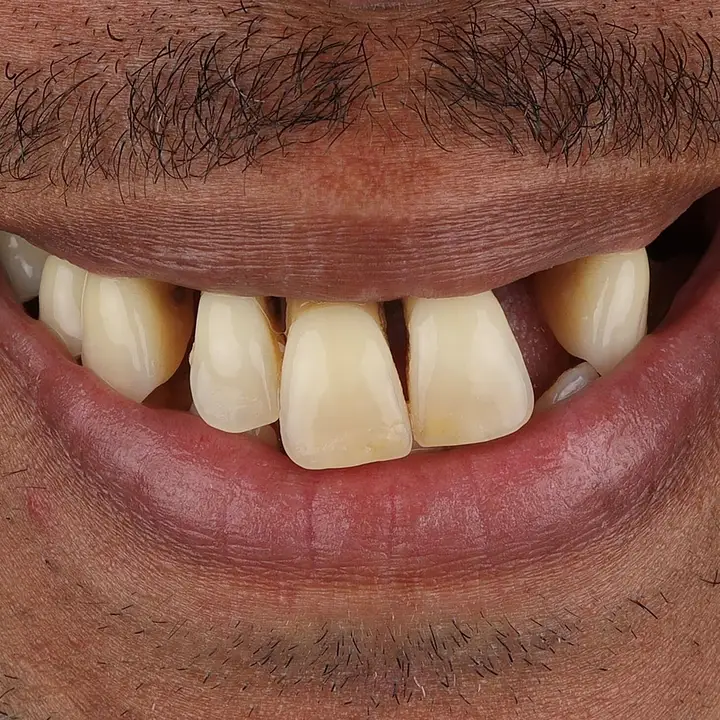
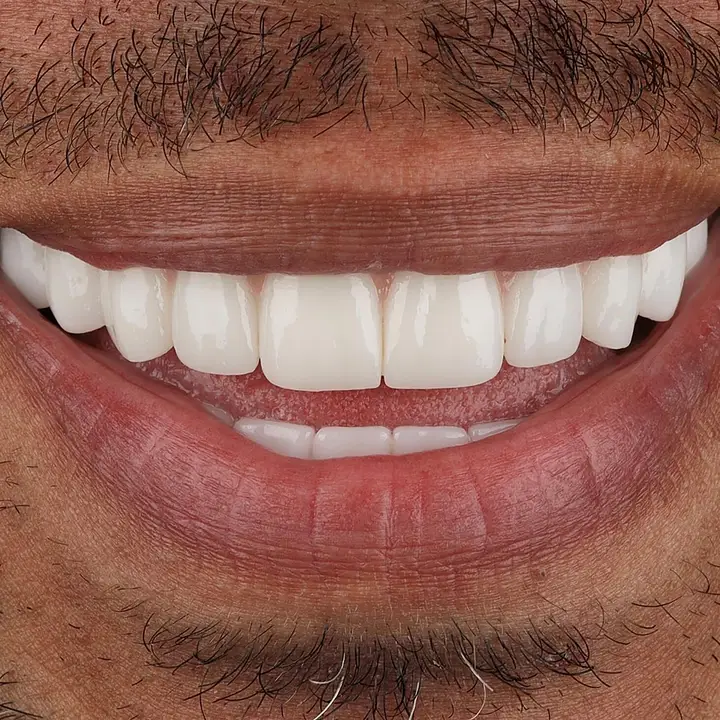
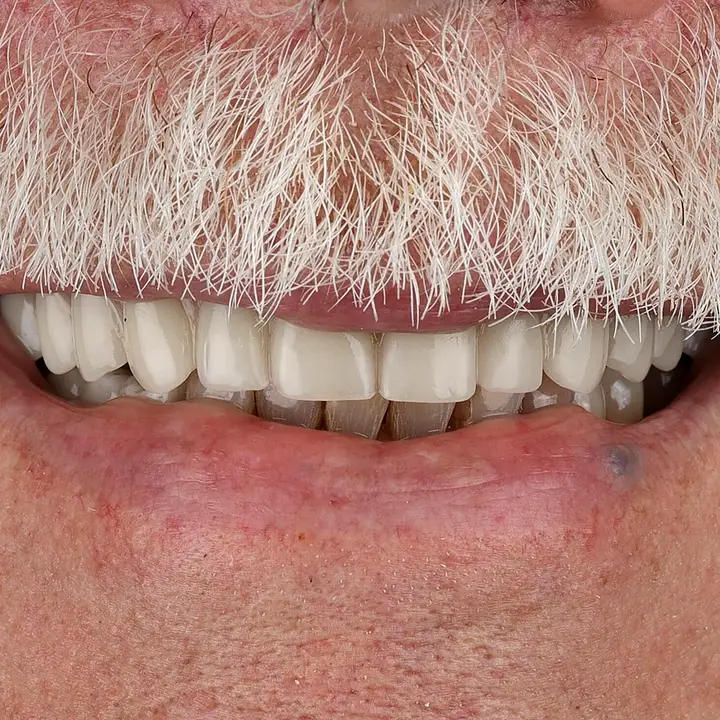
Before and after photographs from dental implants and related treatments at our clinic in Istanbul. Drag the handle to compare each pair.
All dental results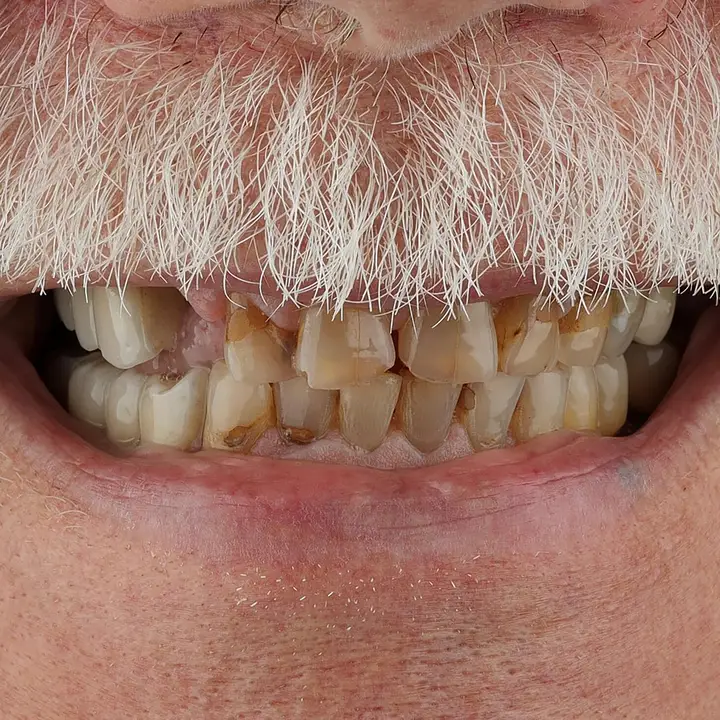
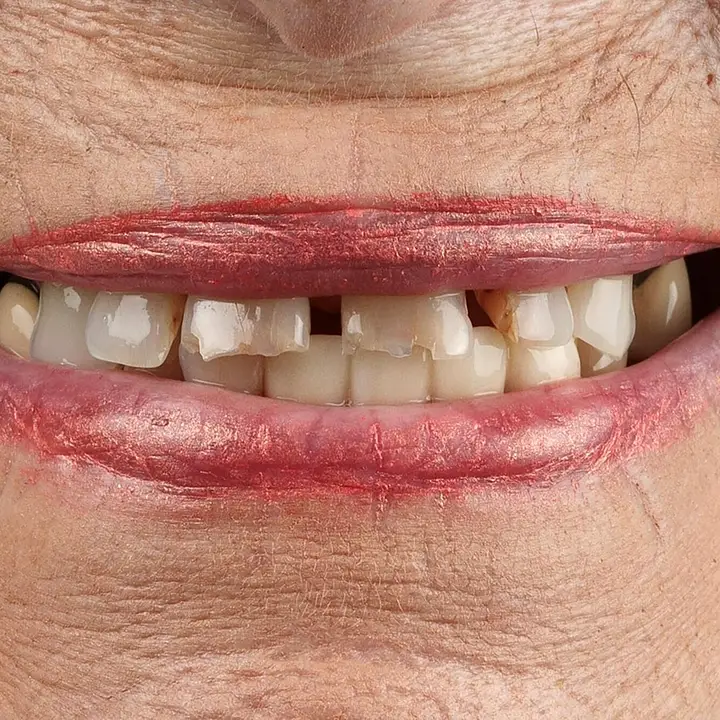
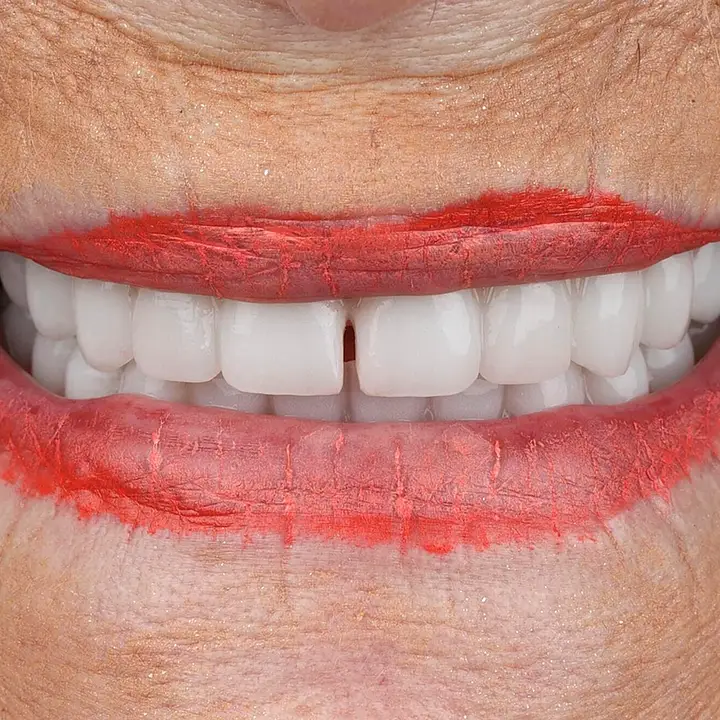
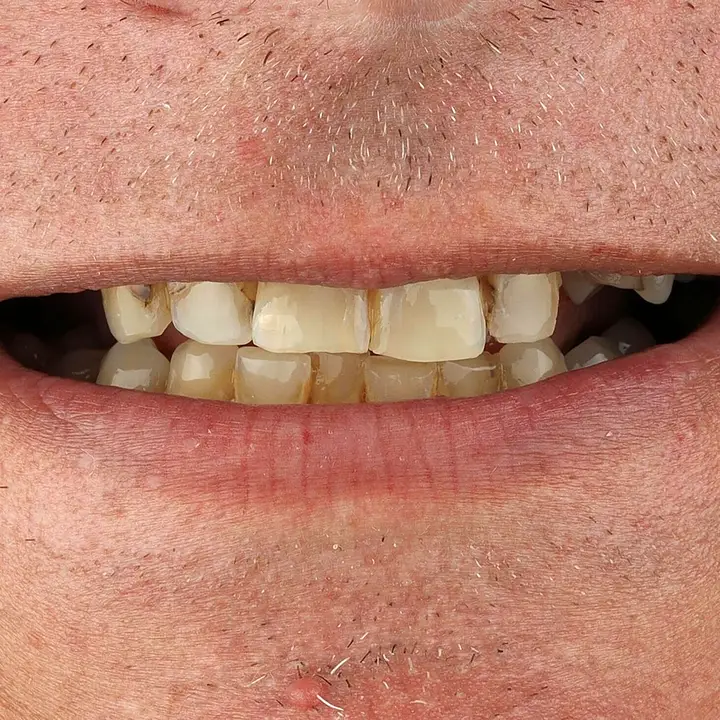
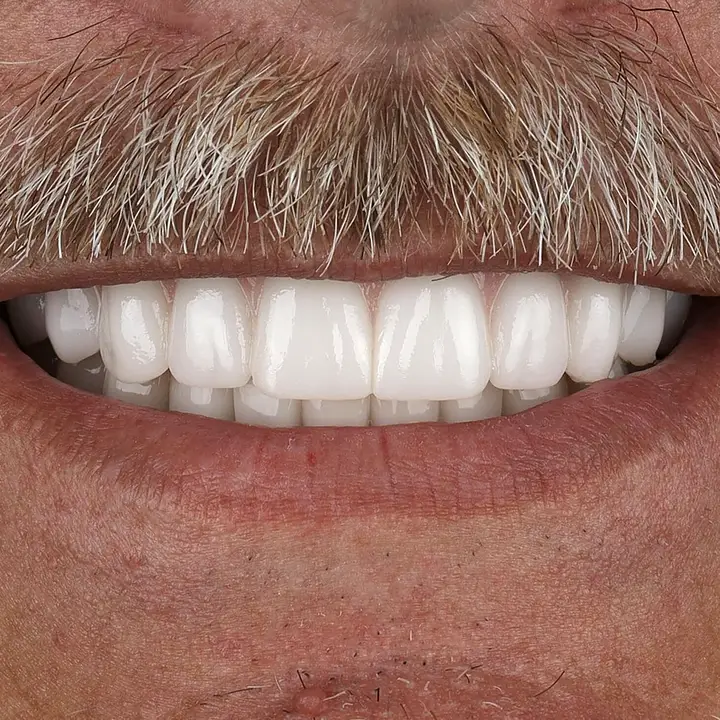
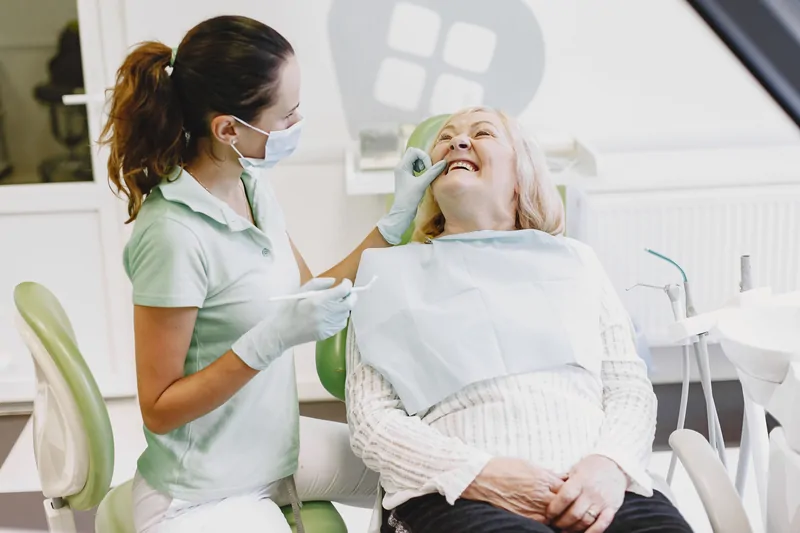
Most healthy adults who have lost a tooth can be assessed for implants. Whether treatment is advisable, and whether extra procedures are needed first, depends on several factors that your clinician will review in detail.
Often a good fit
Assessed carefully
Honest information
The procedure
Implant position is planned with the final tooth in mind, so the restoration can be cleaned easily and look natural. Technology supports the plan; clinical judgement decides it.

Your clinician examines your mouth, reviews your medical history and takes a 3D scan (CBCT) to measure the bone and locate nerves and sinuses. An intraoral scan records your teeth and bite, and the implant position is planned around the future tooth.
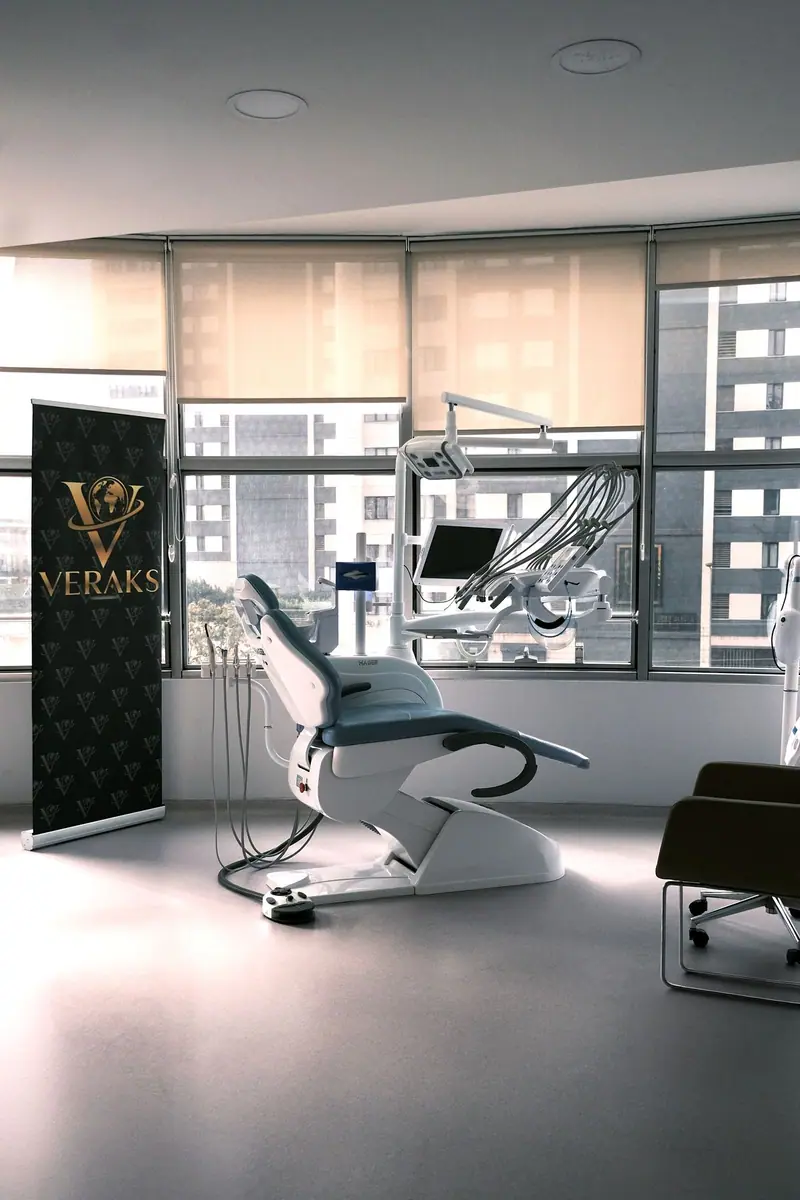
Under local anaesthetic, a small opening is made in the gum and a precise channel is prepared in the bone. The implant is inserted and either covered by the gum or fitted with a healing cap. A temporary tooth may be provided for appearance where appropriate.
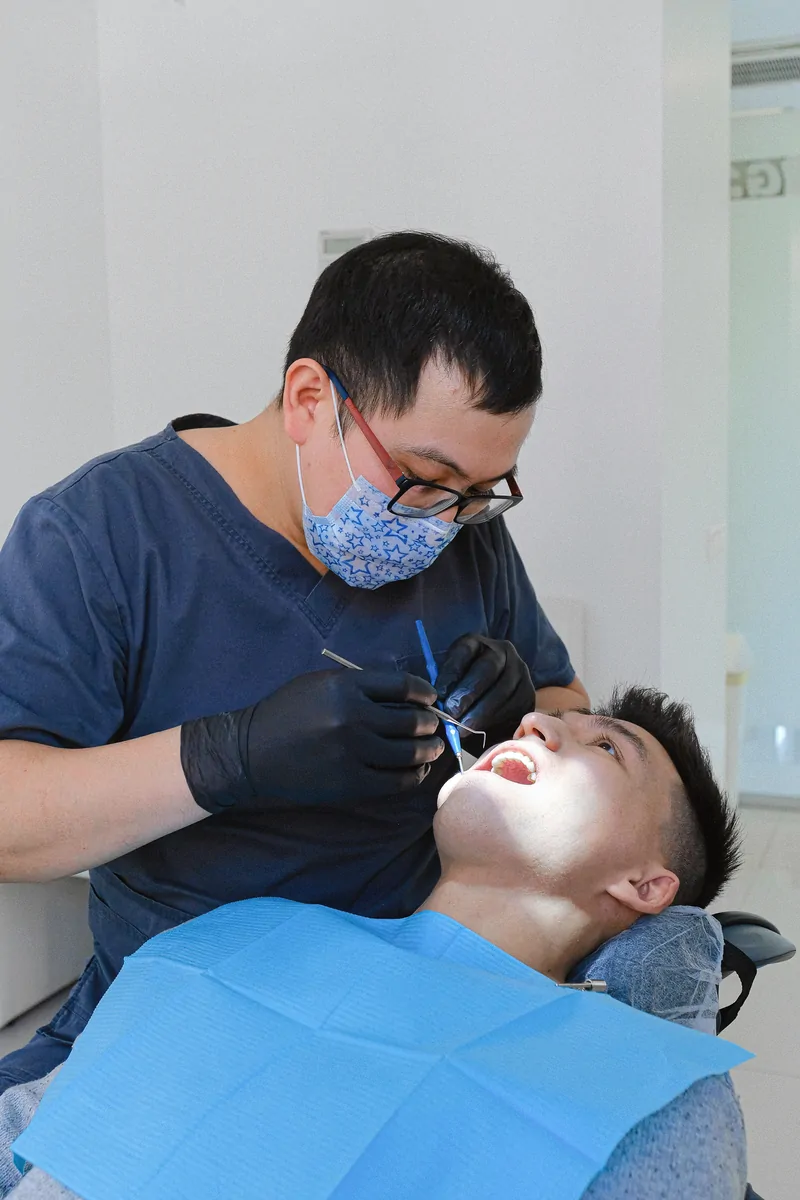
Over the following months, bone can bond to the implant surface. This period is often around two to six months, depending on the site, bone quality and whether grafting was performed. Many international patients return home during this stage.
Once the implant is stable, an abutment is connected and the area is scanned to capture the exact position of the implant and the surrounding gum. This information is used to design the final restoration.
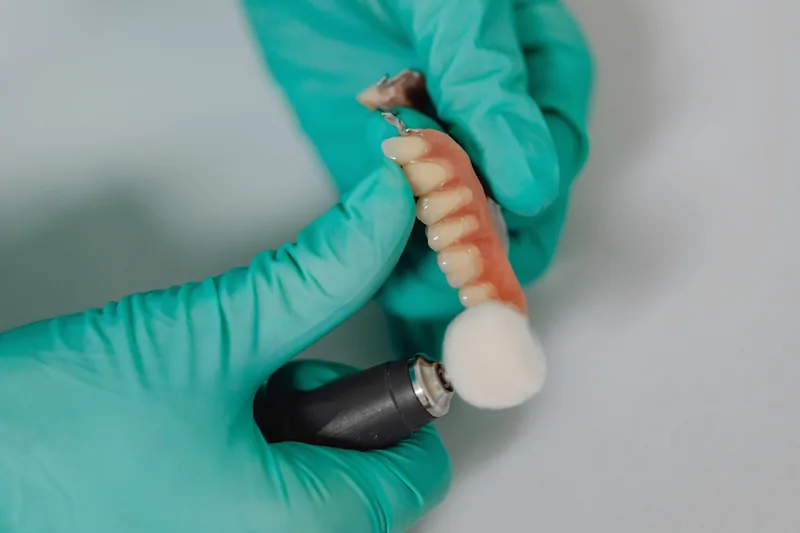
The custom crown or bridge — often zirconia or porcelain fused to a stable framework — is screwed or cemented in place. The shape, shade and bite are checked and adjusted so it blends with your natural teeth.

Follow-up visits check the gum around the implant, the bite and the restoration. Long-term, implants need daily cleaning and regular professional reviews, much like natural teeth.
Gallery
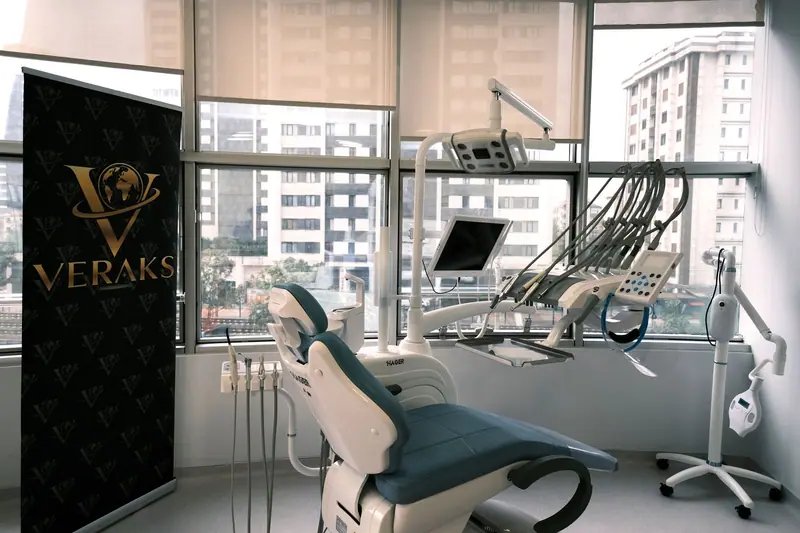



Before & after treatment
Before you travel
Looking after them
In their words
Dental patients describe their experience — from the first conversation to aftercare.
All patient reviewsGoogle reviews
Spoken with us already? Share your experience on Google.
Honest reviews — good or critical — help the next person decide. We read every one and never offer anything in exchange.
Questions
General answers — your own plan always depends on an individual assessment.
All dental questionsMany implants function for a long time, but no implant lasts forever for everyone. Longevity depends on bone health, gum health, bite forces, smoking and how well the implant is cleaned and reviewed. The crown on top may need replacing at some point.
The procedure is carried out under local anaesthetic, so you should feel pressure rather than pain. Afterwards, swelling and soreness are common for several days and are usually managed with recommended pain relief.
Sometimes. Immediate loading with a temporary tooth may be possible when the implant is very stable at placement and bite forces can be controlled. In many cases, a healing period comes first. Your clinician will advise after assessment.
Bone grafting or a sinus lift may be able to create enough volume, or a different implant position or size may be considered. These steps can add time to treatment and are discussed before you commit.
Commonly two: one for assessment and placement, and another for the final restoration after healing. Extra visits may be needed if grafting is required. Your coordinator can help you plan around your schedule.
Implants cannot decay, but the gum and bone around them can become inflamed — a condition called peri-implantitis. Daily cleaning, avoiding smoking and regular check-ups help reduce the risk.
Also available
Free consultation
Tell us what you would like to change. A coordinator replies personally and arranges a dentist’s review of your photos — free, without obligation.
A person replies. Monday to Saturday, Istanbul time.
VHFree consultation
A coordinator replies personally — free, no obligation.