Dental implants
Restorative Dentistry
Inlays & Onlays in Turkey: ceramic or composite partial restorations for back teeth, how they compare with large fillings and crowns, and visits.
Free · no obligation
Leave your name and number — a coordinator replies personally.
Inlays and onlays are indirect restorations: rather than being shaped directly in the mouth like a filling, they are made to fit outside the mouth and then bonded into the tooth. An inlay sits within the cusps — the raised points on the biting surface — while an onlay extends over one or more cusps to protect them. They are mainly used on premolars and molars where decay, a fracture or an old filling has removed a significant part of the tooth.
Because they are made as a single solid piece, inlays and onlays can restore the shape and contacts of a back tooth precisely, and ceramic versions are often chosen for their strength and natural appearance. Composite options are also available and are generally easier to repair. Compared with a crown, an onlay usually requires less removal of healthy tooth structure, as only the damaged or weakened areas are covered.
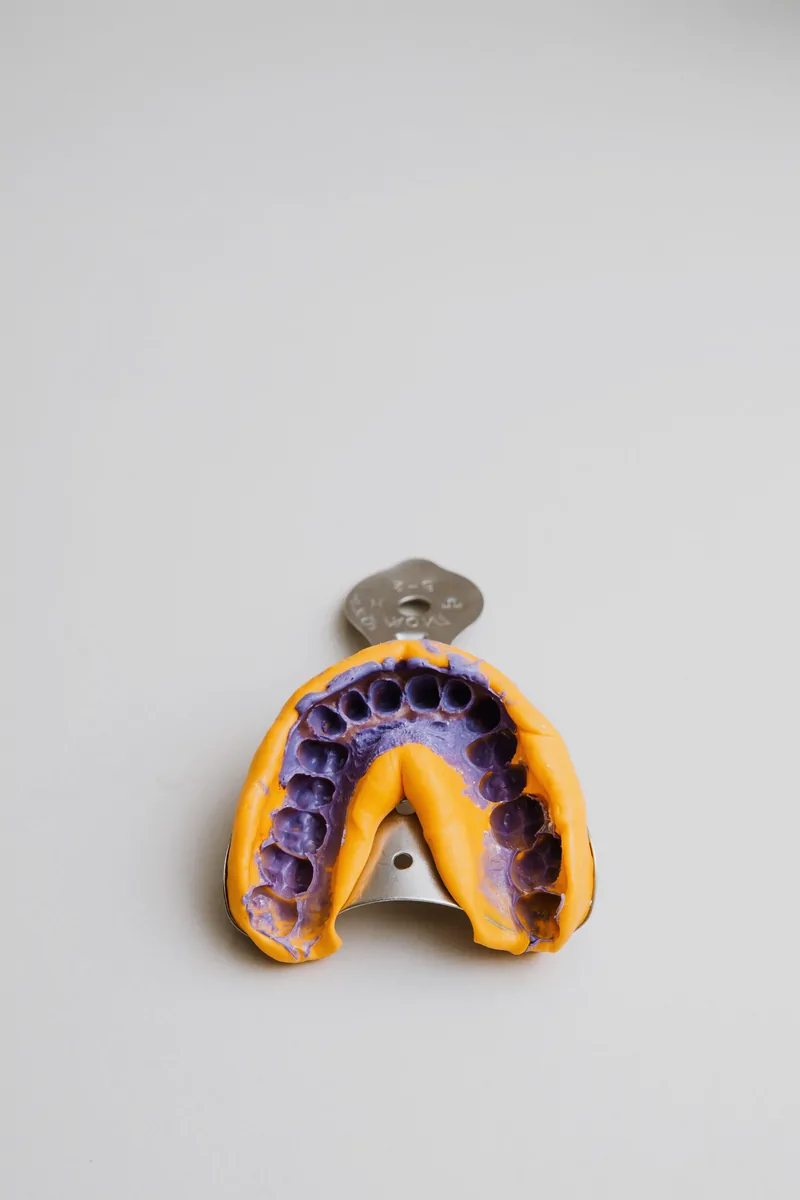
They can be made in two ways. In a two-visit approach, the tooth is prepared and scanned, a temporary is fitted and the final piece is made by a dental laboratory. Where in-surgery milling is available, the restoration can be designed and milled from a ceramic block on the same day. The availability of inlays and onlays, and of same-day milling, is confirmed during your consultation.
What they can help with
Results · before & after
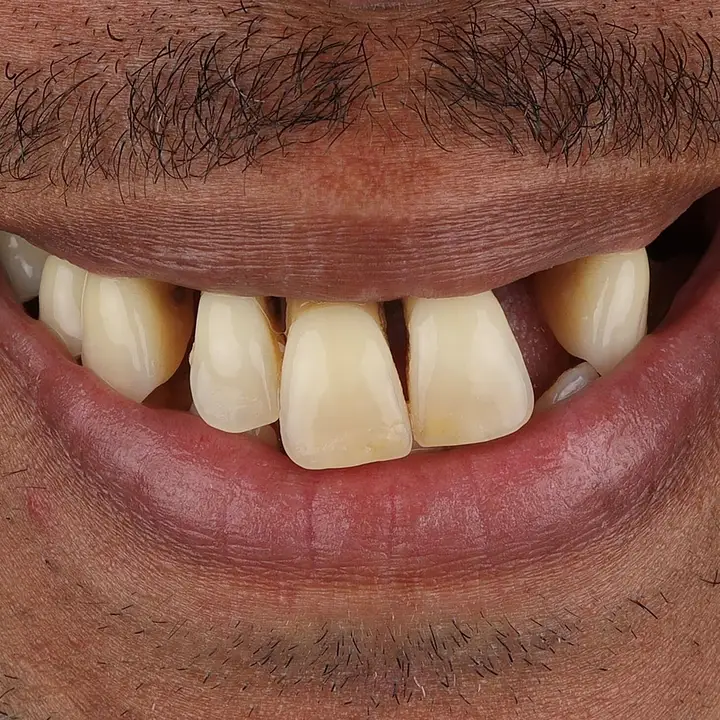
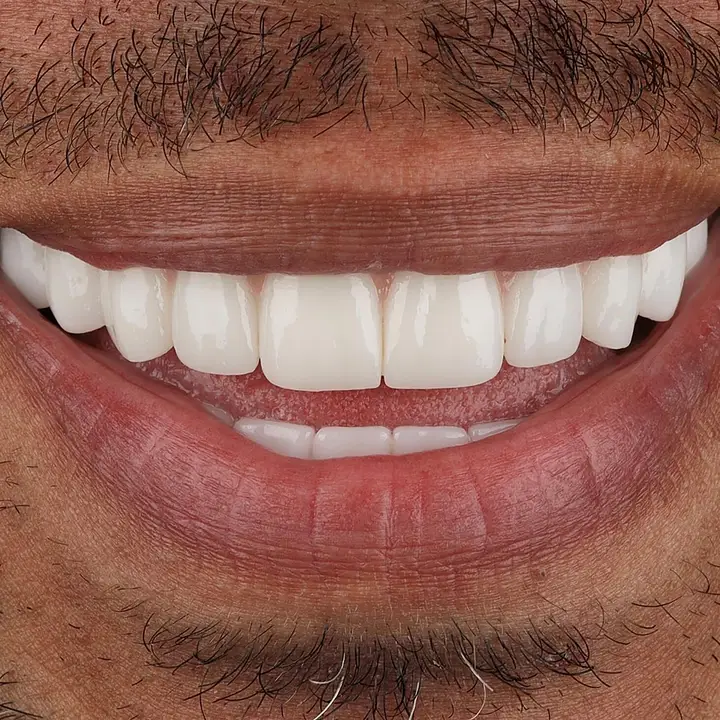
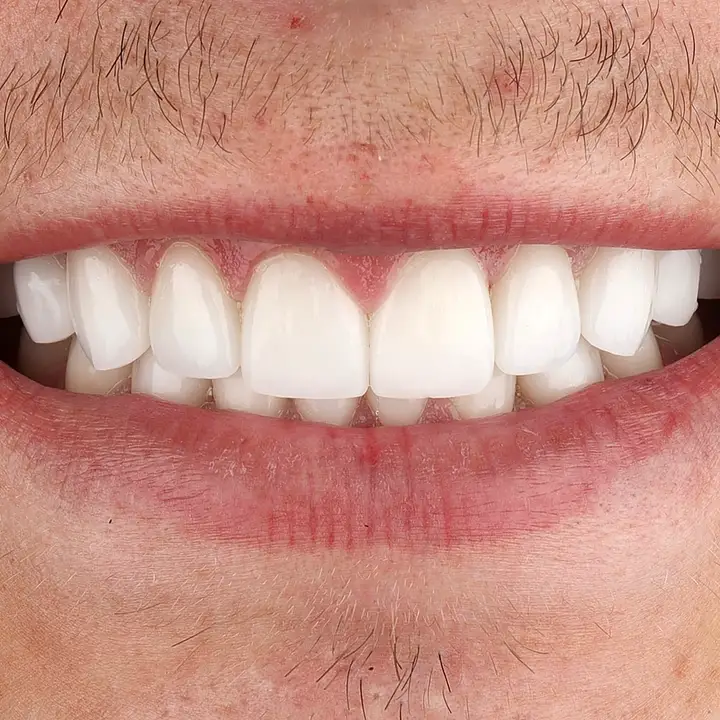
Before and after photographs from inlays & onlays and related treatments at our clinic in Istanbul. Drag the handle to compare each pair.
All dental results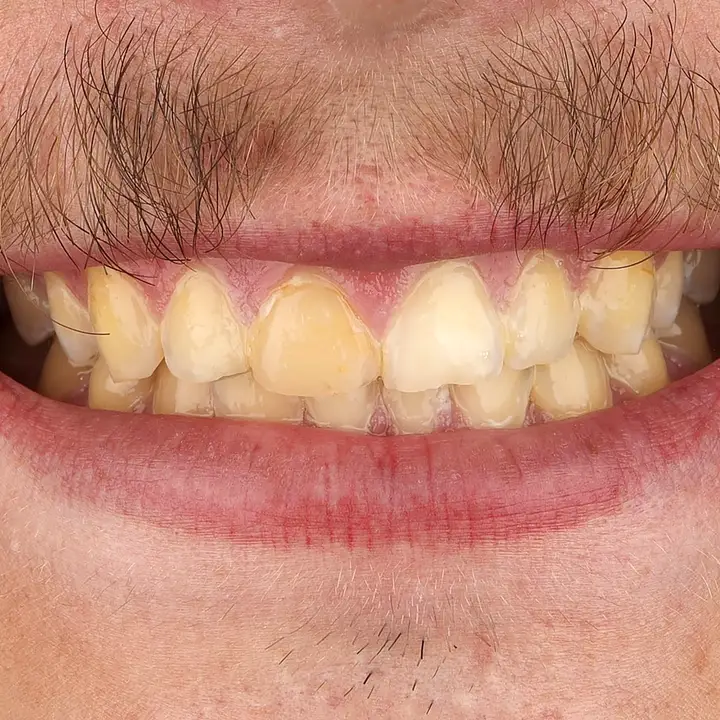
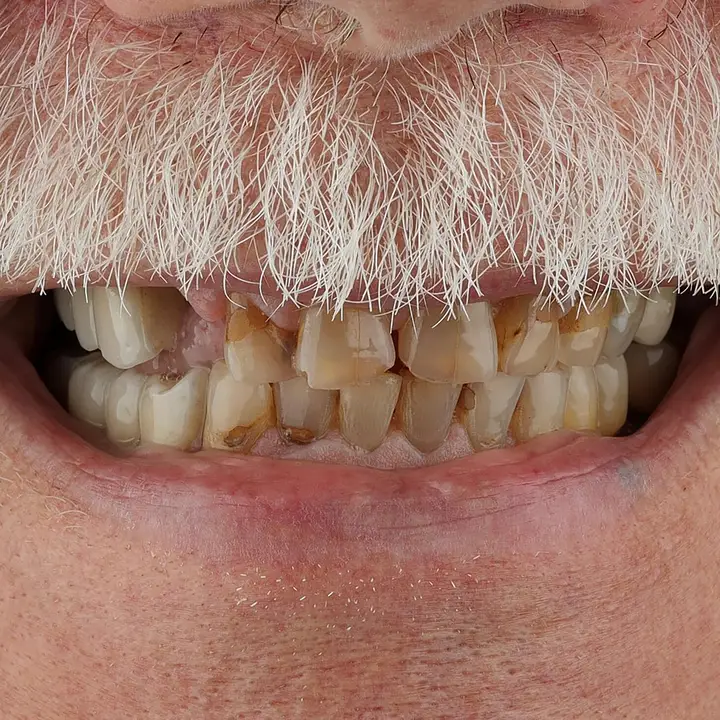
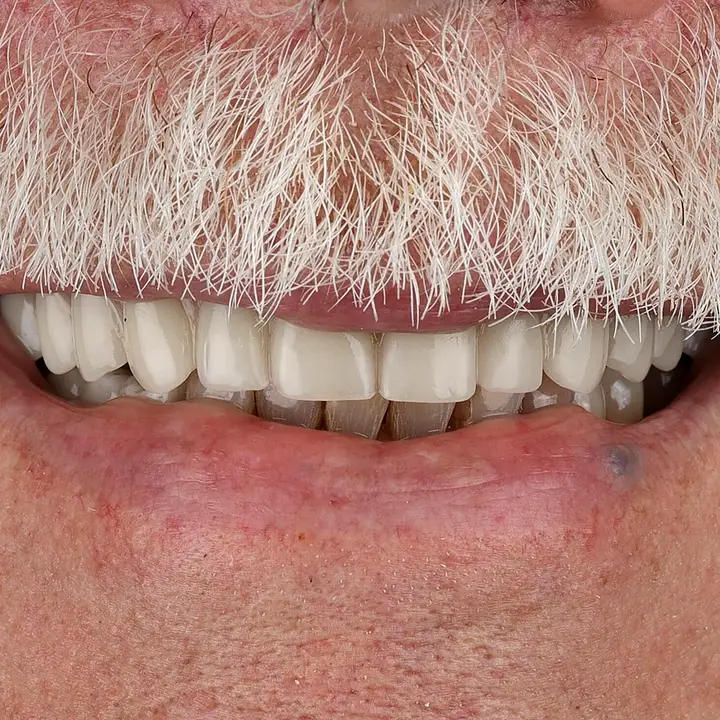
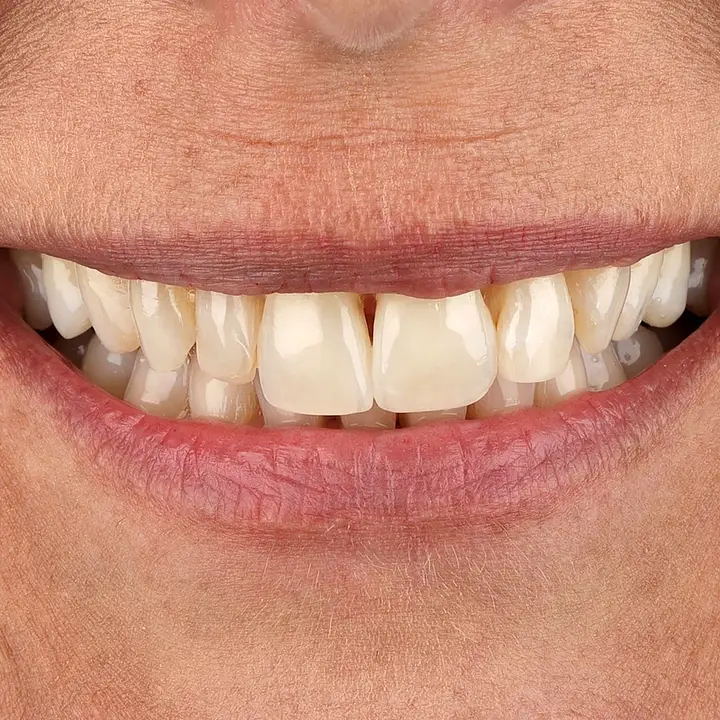
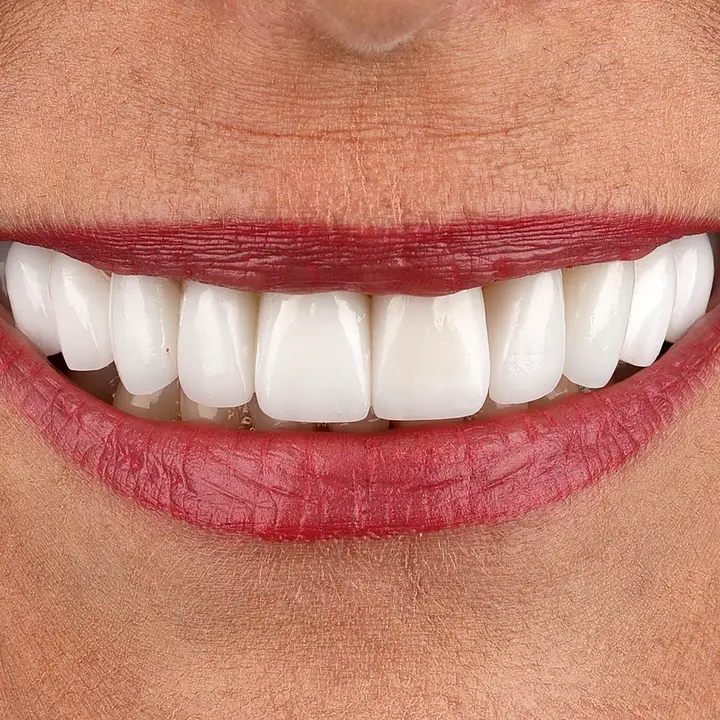
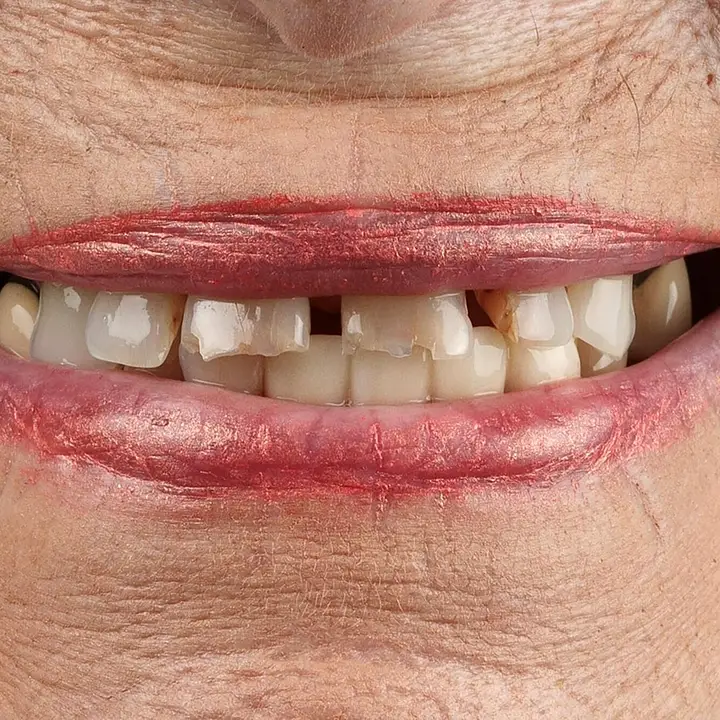
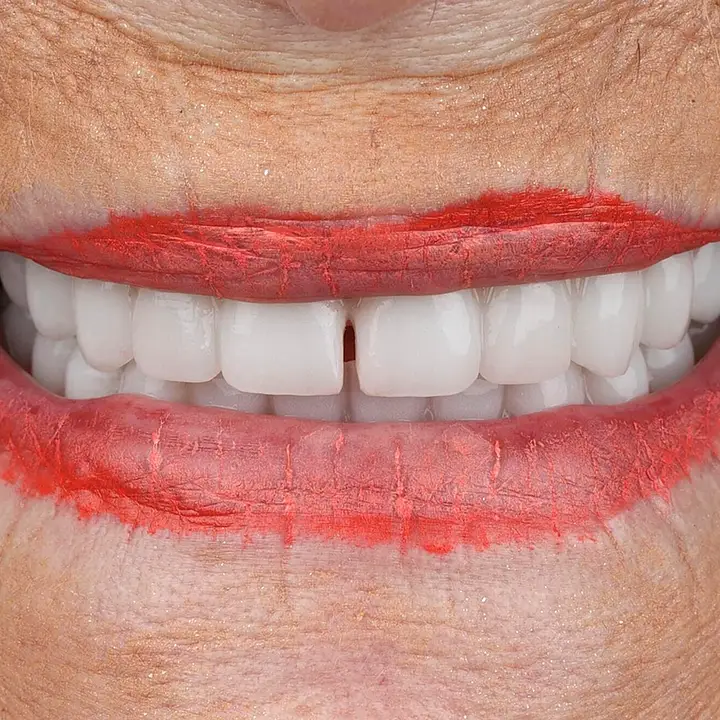
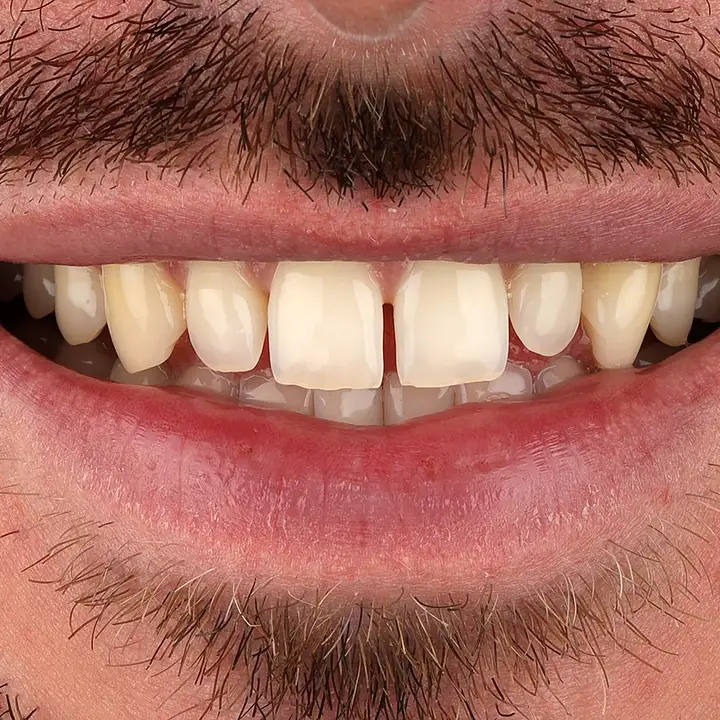
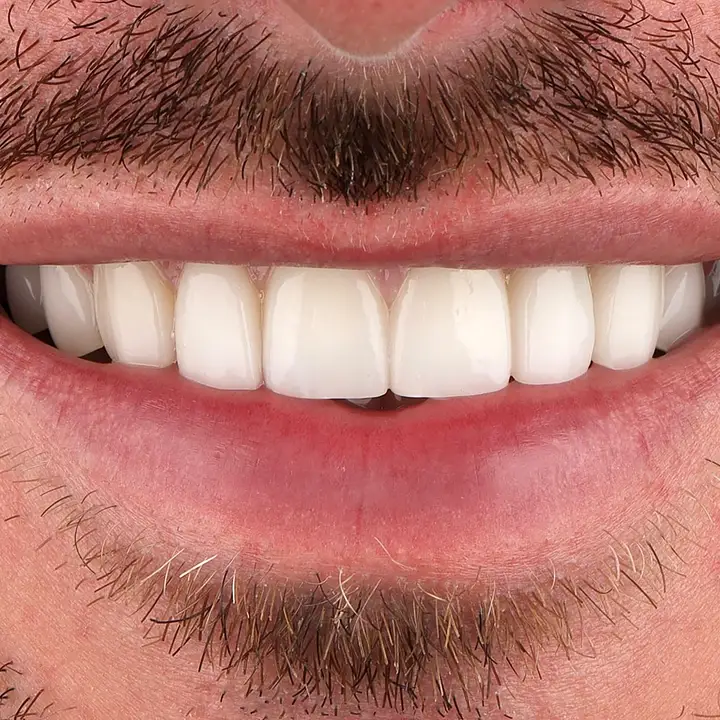
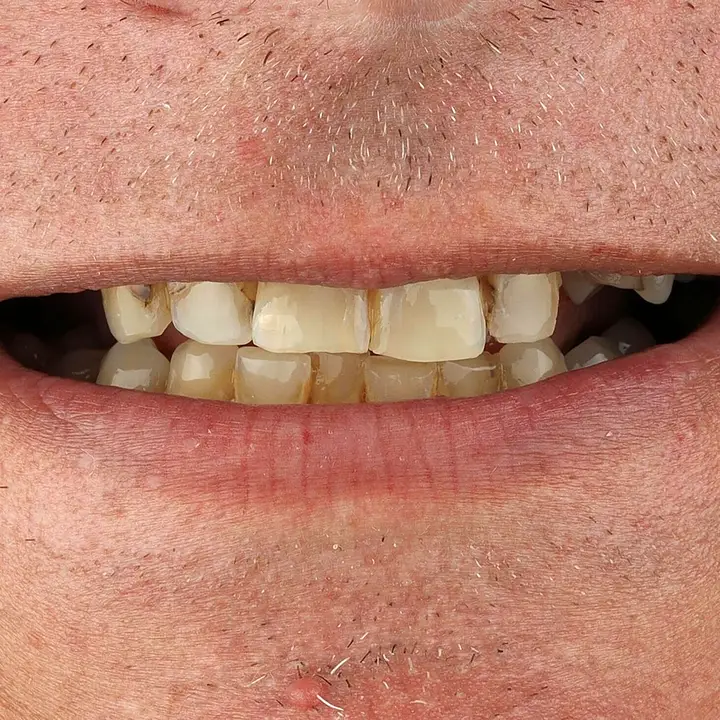
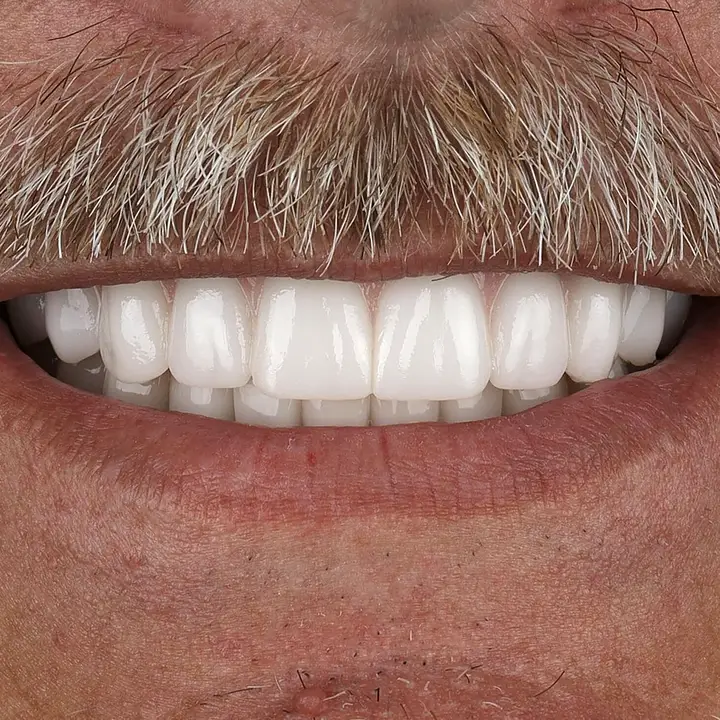
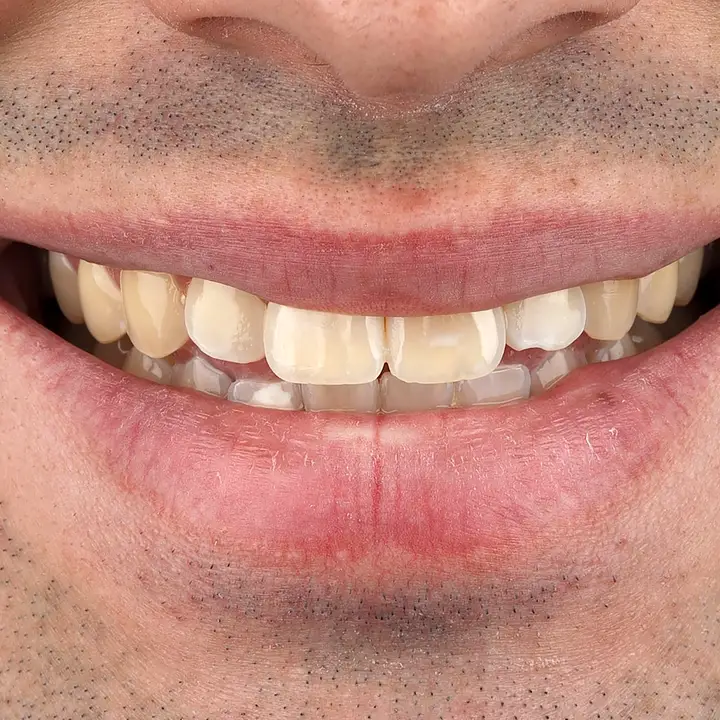
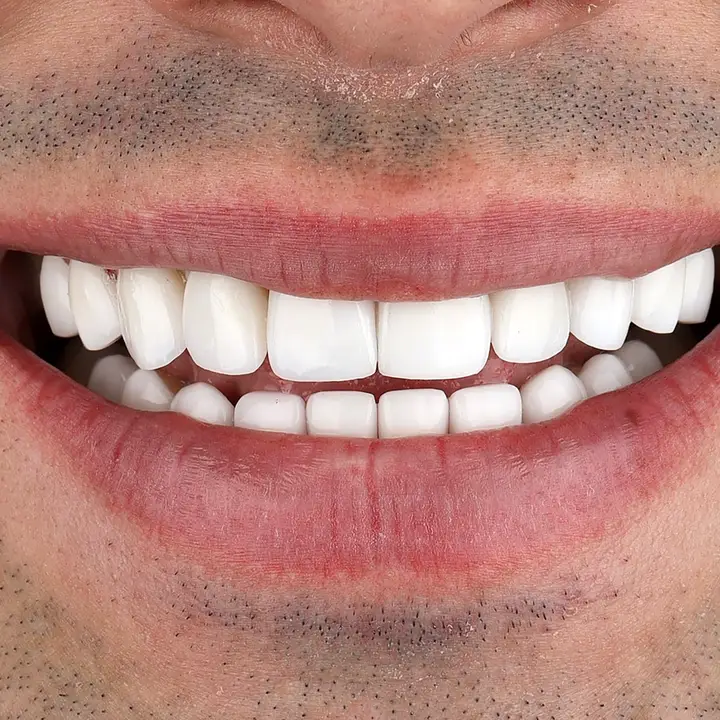

Inlays and onlays suit teeth that have lost a moderate amount of structure but still have enough healthy tooth to bond to. Your clinician will assess the size of the damage, the remaining walls and your bite before recommending this over a filling or a crown.
Often a good fit
Assessed carefully
Honest information
The procedure
The aim is to rebuild only what has been lost, using a restoration that fits accurately and is bonded to the tooth. The choice between an inlay, onlay, filling or crown is made tooth by tooth.

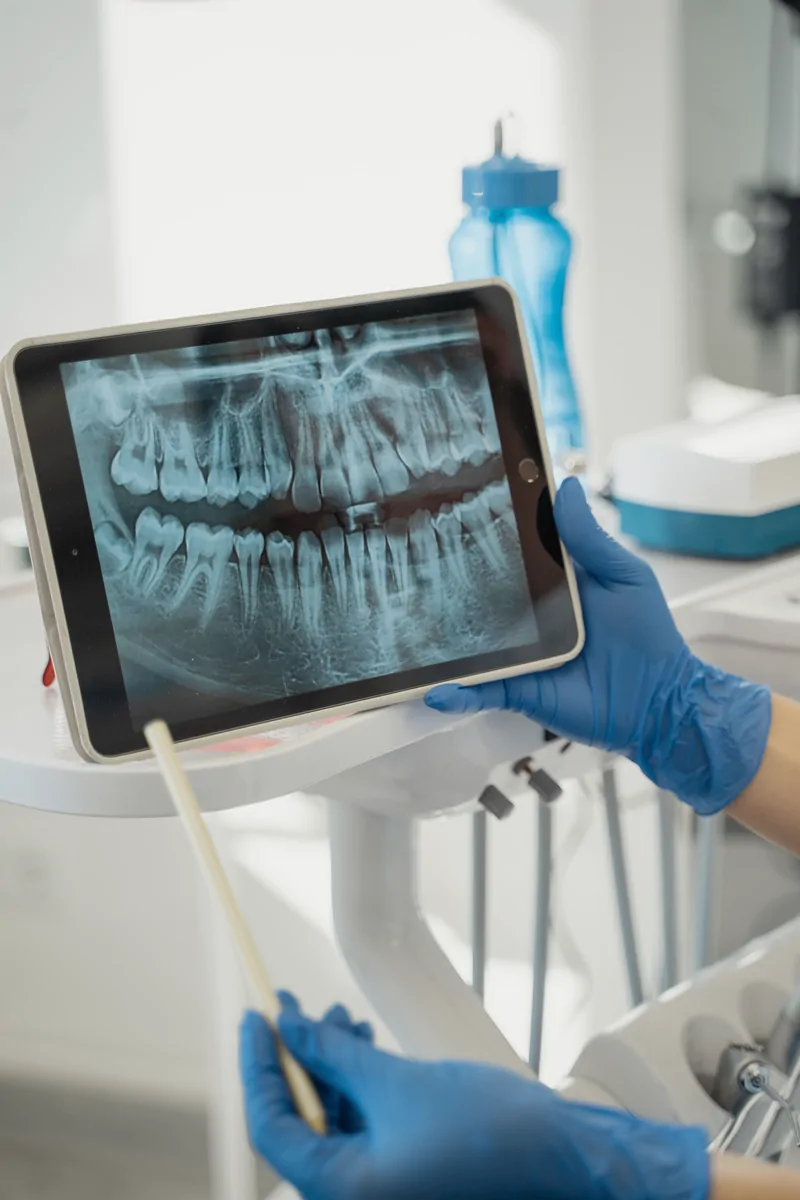
Your clinician checks the tooth, existing fillings and bite, and takes X-rays to assess decay depth and the health of the nerve. This determines whether an inlay, onlay, filling or crown is the most appropriate option.
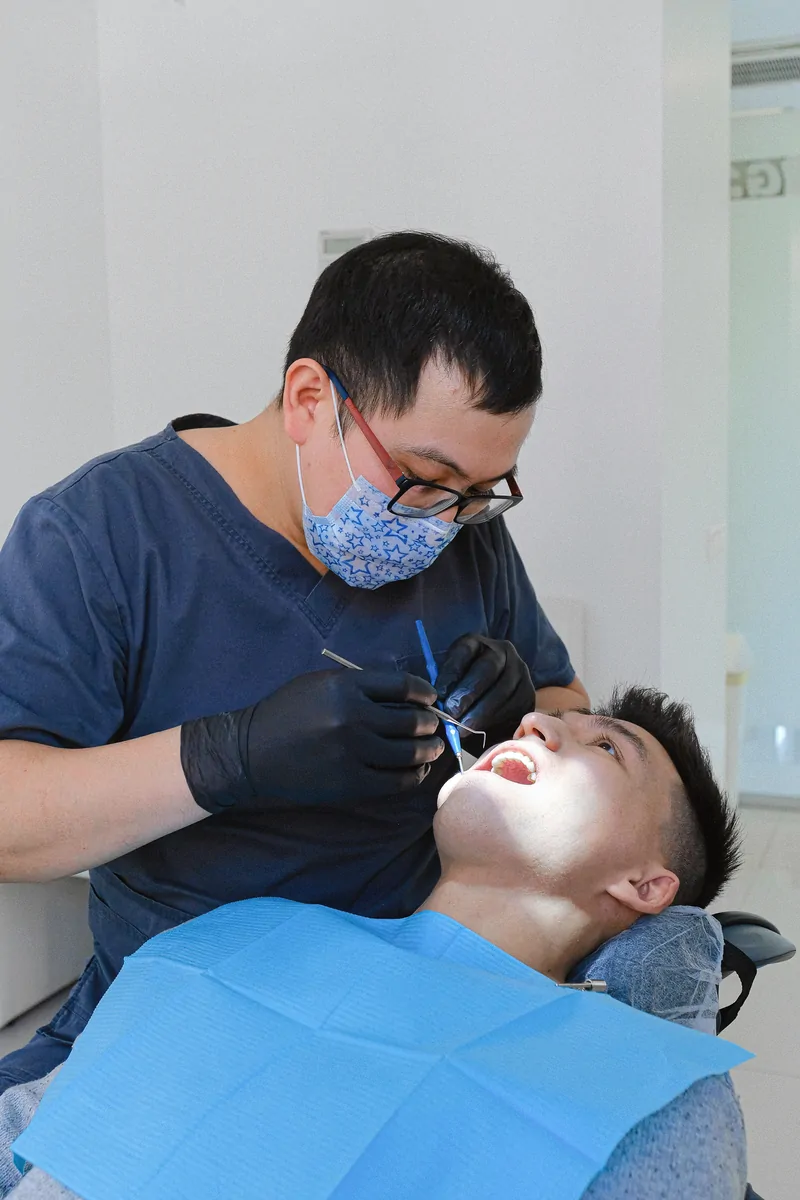
Under local anaesthetic, old filling material and decay are removed and the cavity is shaped so the restoration can seat precisely. Healthy tooth structure is kept wherever possible.
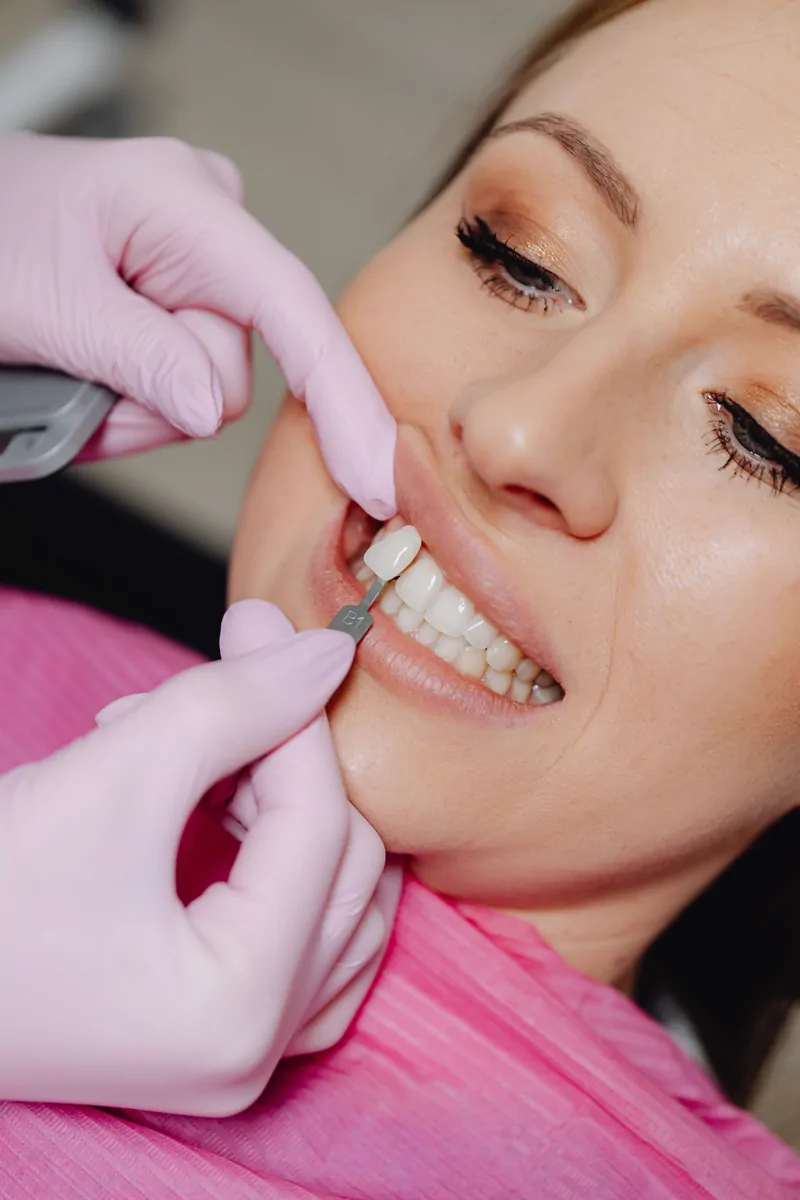
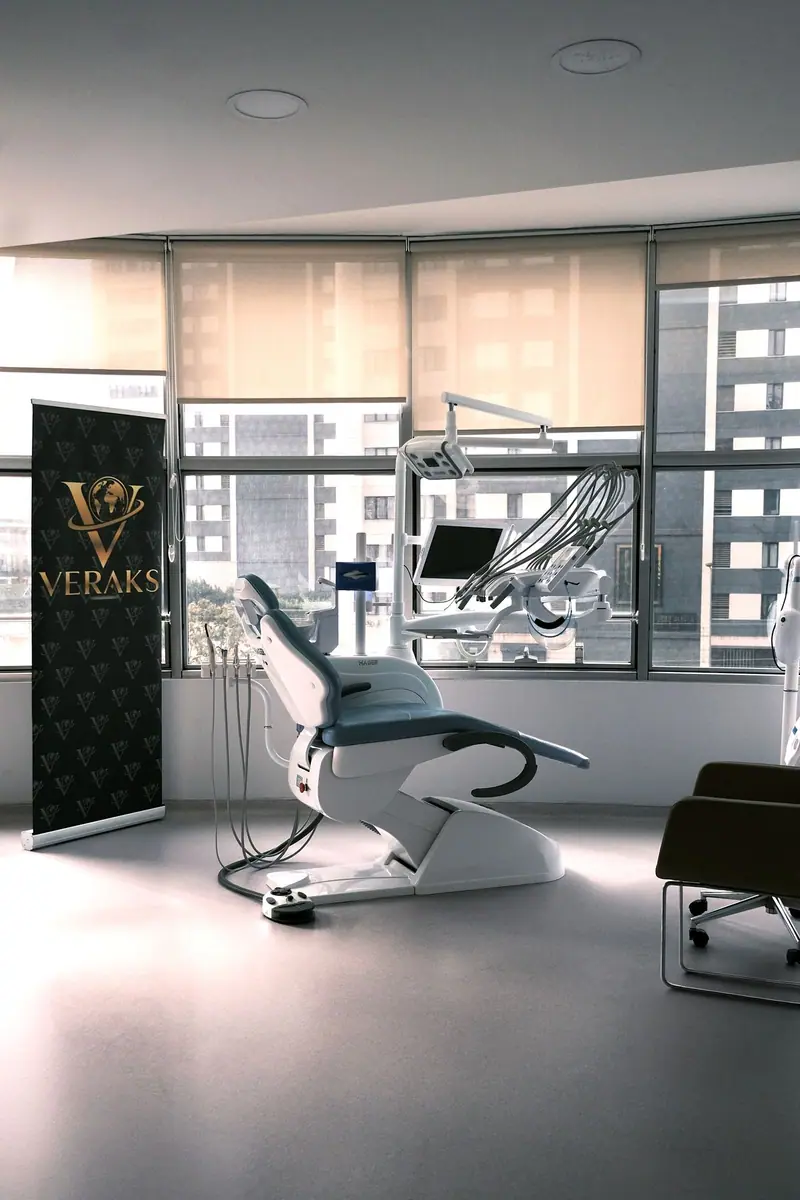
The prepared tooth is recorded with an intraoral scanner or impression, along with your bite. A shade is selected for ceramic or composite so the restoration blends with the neighbouring teeth.
For a two-visit approach, a temporary restoration is fitted while a laboratory makes the final piece. Where same-day milling is available, the restoration is designed on screen and milled from a ceramic block during the appointment.
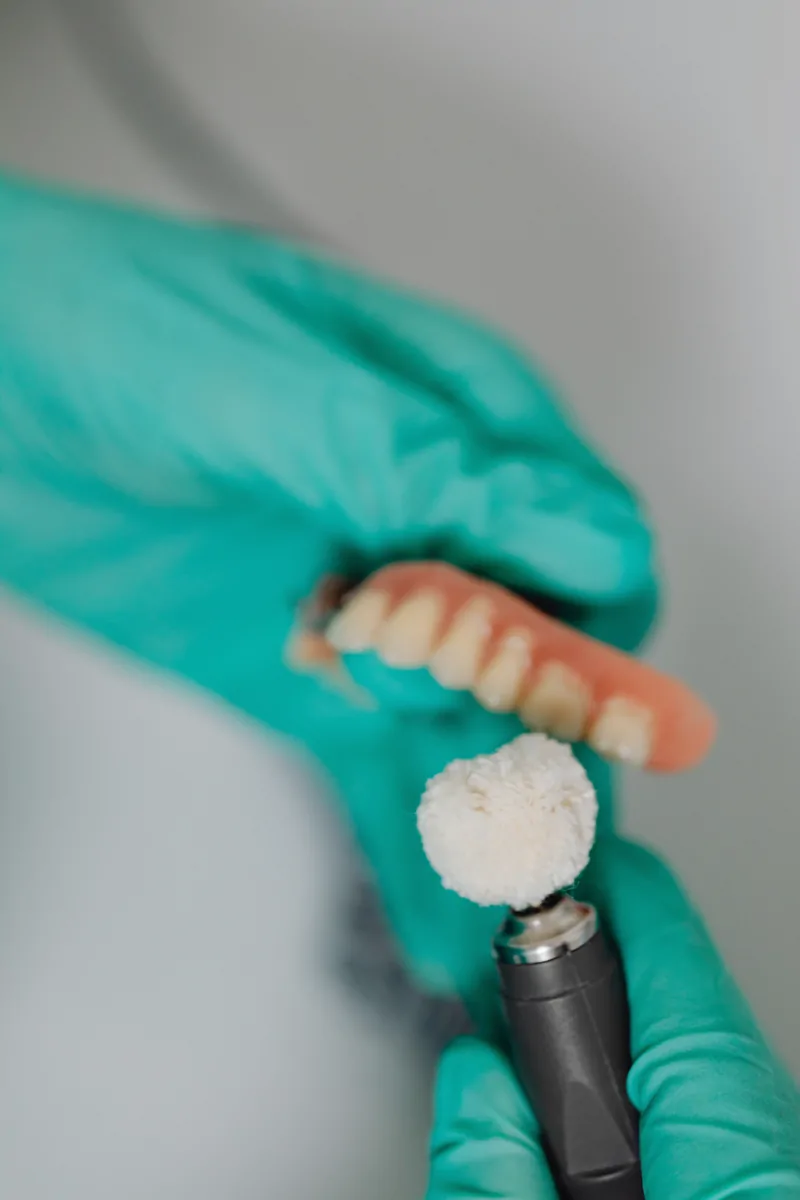
The fit, contacts and shade are checked before the inlay or onlay is bonded with adhesive cement. Your bite is adjusted and the margins are polished so they are smooth to clean.
Gallery


A filling is shaped directly in the tooth in one visit and suits small to moderate cavities. An inlay or onlay is made outside the mouth as a single piece and bonded in, giving precise shape and strength where damage is larger. A crown covers the entire visible tooth and usually needs more preparation; it is typically reserved for teeth with extensive damage or after root canal treatment. Your clinician recommends the least invasive option likely to last.
Before & after treatment
Before you travel
Looking after them
In their words
Dental patients describe their experience — from the first conversation to aftercare.
All patient reviewsGoogle reviews
Spoken with us already? Share your experience on Google.
Honest reviews — good or critical — help the next person decide. We read every one and never offer anything in exchange.
Questions
General answers — your own plan always depends on an individual assessment.
All dental questionsAn inlay fits within the cusps of a back tooth, much like a filling. An onlay extends over one or more cusps to protect them, so it is used when the biting surface is more weakened.
Neither is better in every case. An onlay usually conserves more healthy tooth, while a crown provides full coverage when damage is extensive. Your clinician will recommend the option that suits the remaining structure and your bite.
Ceramic is often chosen for its strength and stain resistance, while composite is gentler on opposing teeth and easier to repair. The choice depends on the tooth, your bite and habits such as grinding.
Where same-day milling is available, a ceramic inlay or onlay can be designed and fitted at one appointment. Otherwise, two visits are needed with a temporary in between. Options are confirmed after assessment.
Some sensitivity to cold or biting is common for a few days. If it persists or worsens, contact the clinic, as the bite may need adjusting or the nerve may need review.
Often, yes. Large amalgam fillings are a common reason for considering an inlay or onlay. Your clinician will check the tooth underneath, as cracks or decay can change the recommendation.
Also available
Free consultation
Tell us what you would like to change. A coordinator replies personally and arranges a dentist’s review of your photos — free, without obligation.
A person replies. Monday to Saturday, Istanbul time.
VHFree consultation
A coordinator replies personally — free, no obligation.