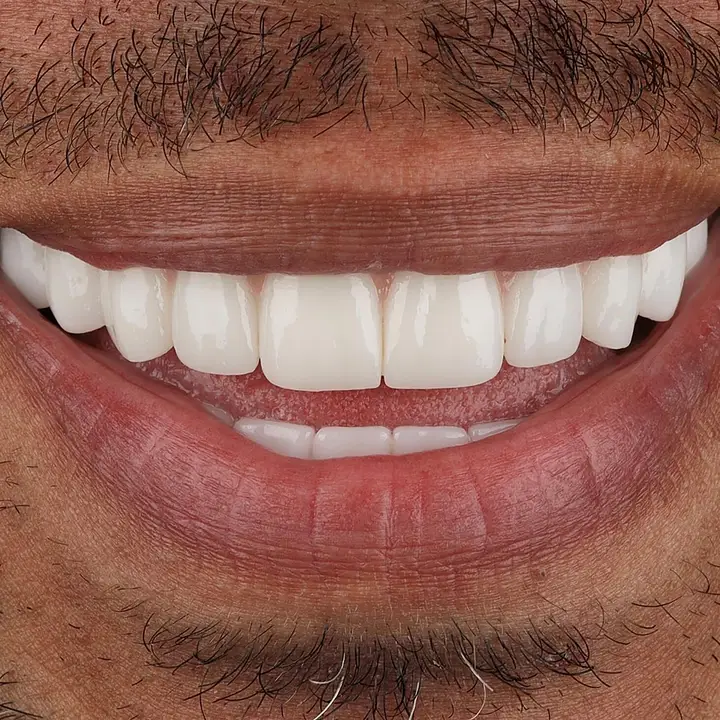
Dental implants
General Dentistry
Gum Treatments in Turkey: care for bleeding, swollen or receding gums — periodontal charting, deep cleaning, ongoing maintenance and home care support.
Free · no obligation
Leave your name and number — a coordinator replies personally.
Gum treatments address inflammation and infection of the tissues that hold teeth in place. In its early form, gingivitis, gums may bleed when you brush and look red or puffy, but the bone is not yet affected. If plaque and tartar remain below the gum line, the inflammation can progress to periodontitis, where pockets form between gum and tooth and the supporting bone gradually breaks down. Treatment focuses on removing the bacterial deposits that drive this process and helping the tissues heal.
Gum care at our clinic starts with measurement. Your clinician charts pocket depths, bleeding points, recession and tooth mobility, and reviews X-rays of bone levels. This creates a baseline so that the effect of treatment can be judged objectively at re-evaluation.
Gum health is also a foundation for other work. Veneers, crowns, bridges and implants all depend on stable, healthy tissue, so periodontal treatment is often completed before cosmetic or restorative plans move forward. Gum health is also linked with general health: inflammation in the mouth has been associated with conditions such as diabetes, and managing one can support the other, so your clinician may ask about your wider medical history.
What they can help with
Results · before & after
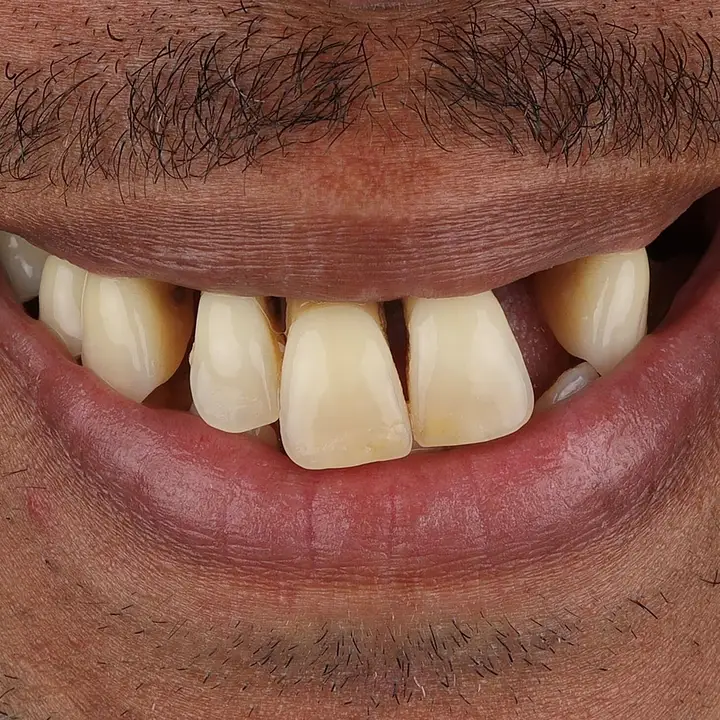
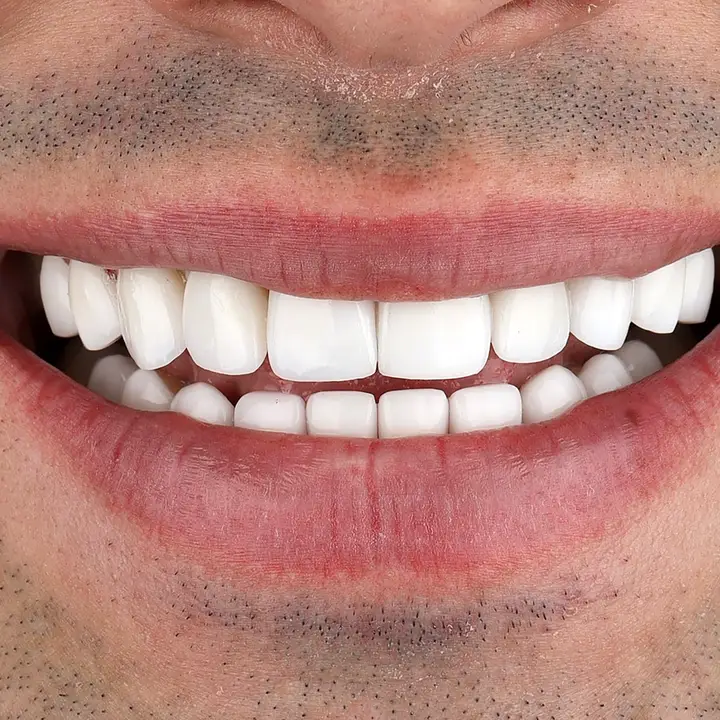
Before and after photographs from gum treatments and related treatments at our clinic in Istanbul. Drag the handle to compare each pair.
All dental results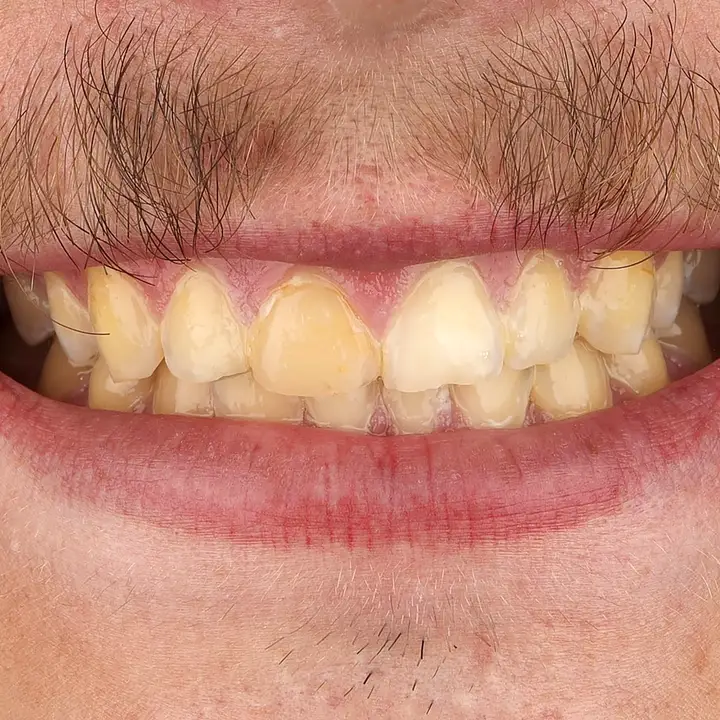
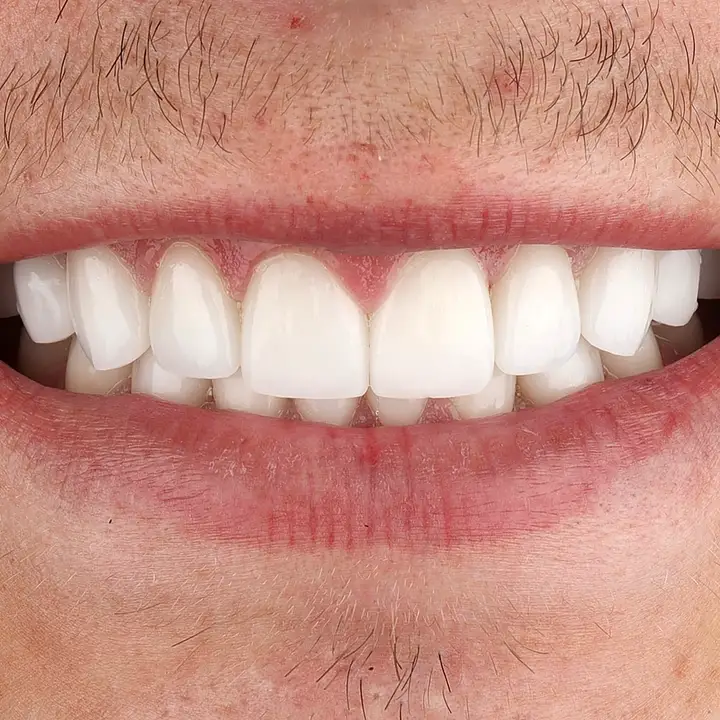
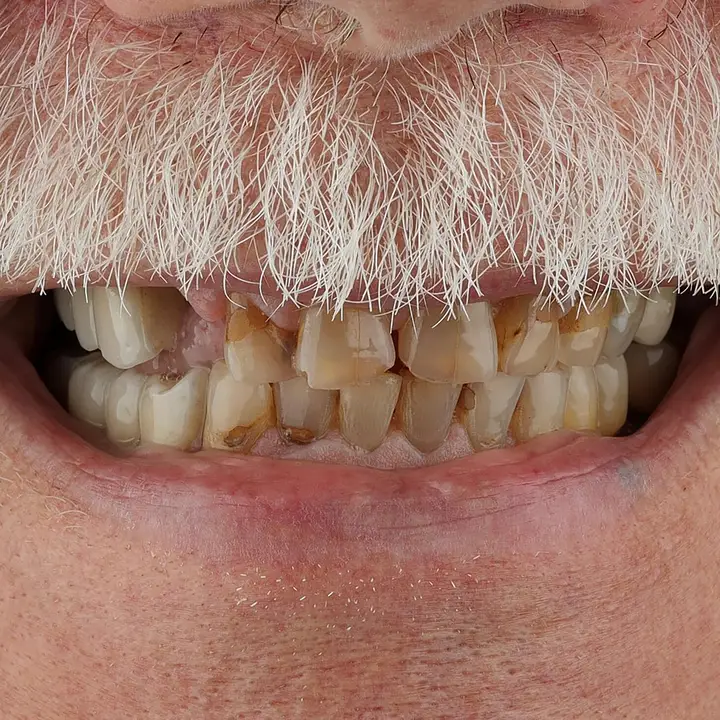
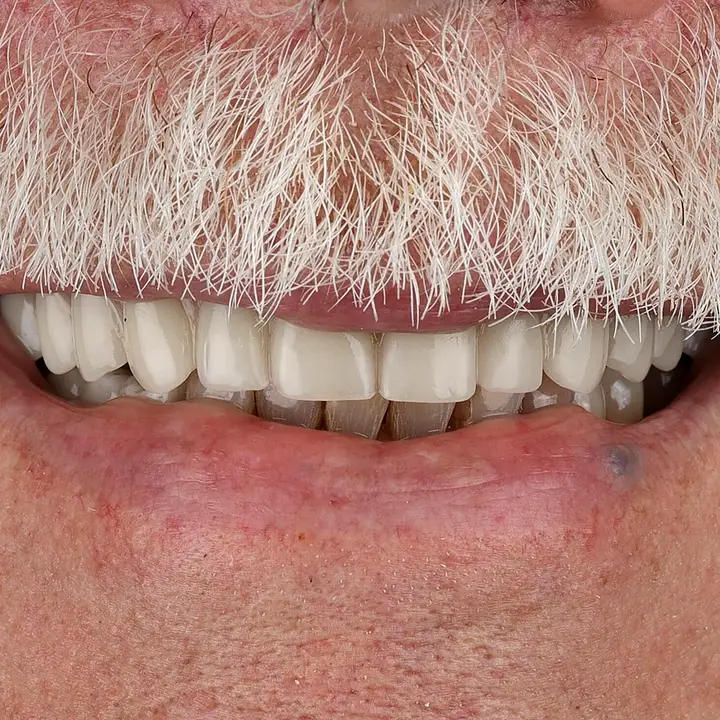
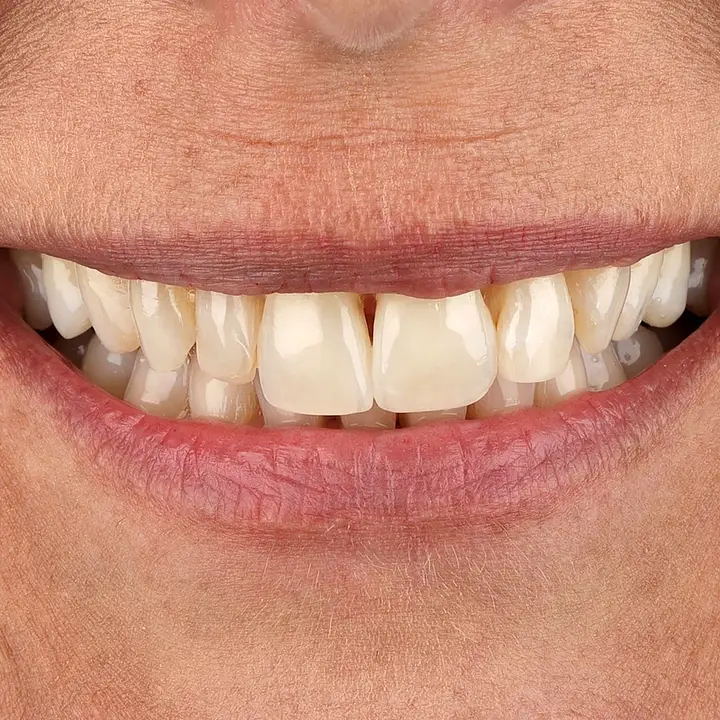
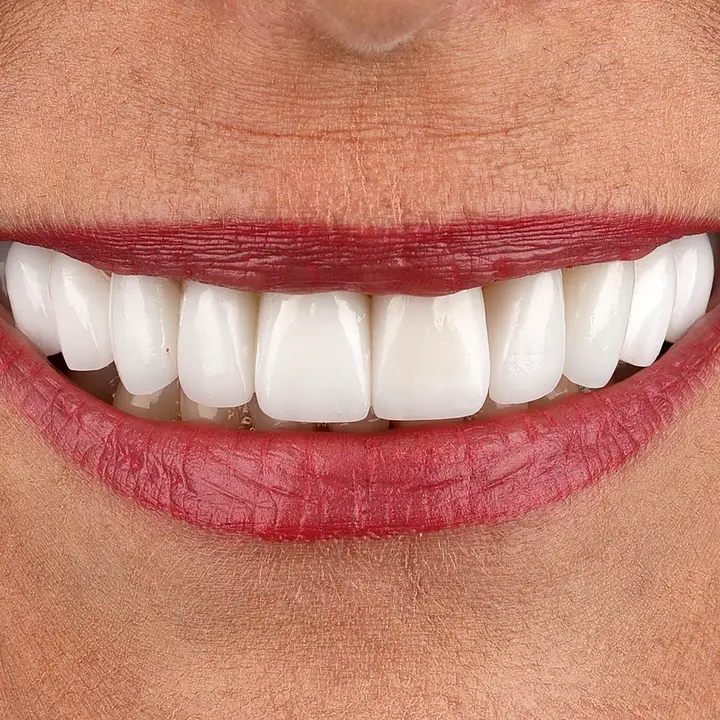
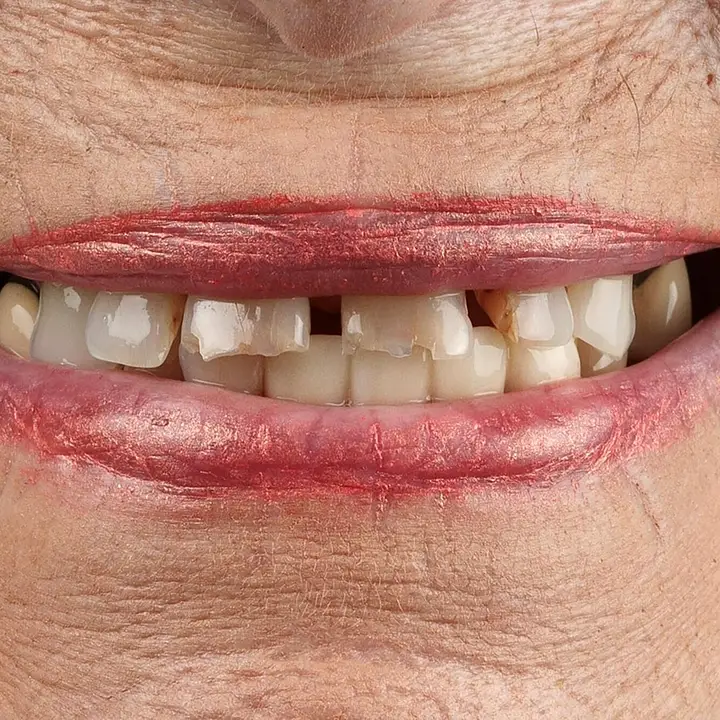
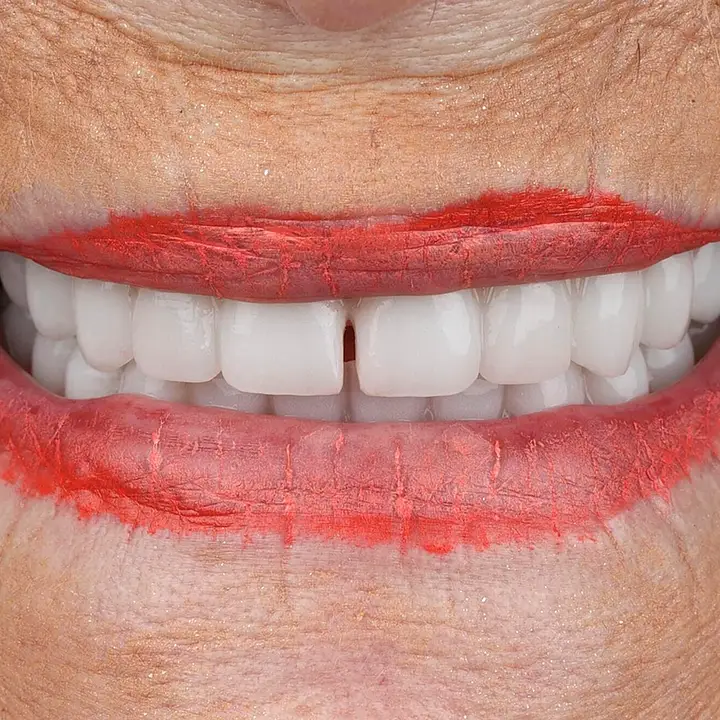
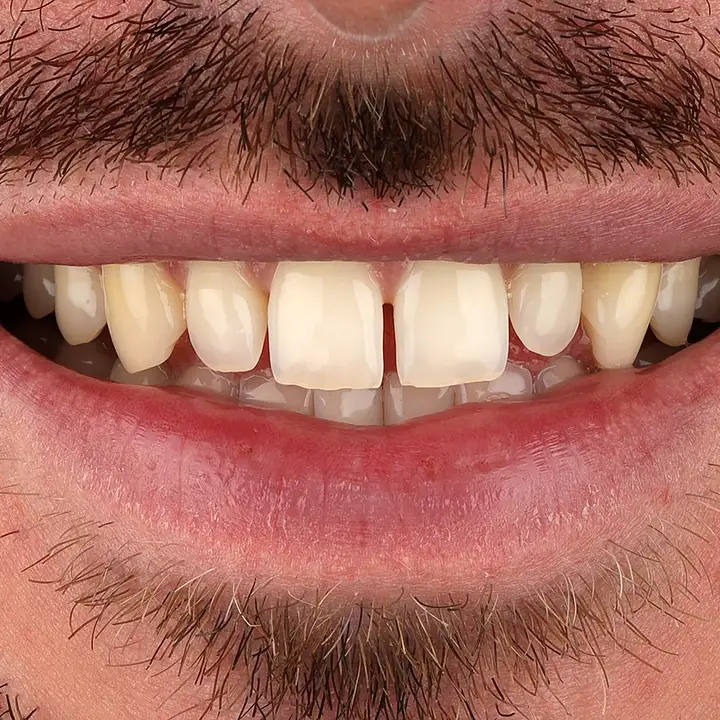
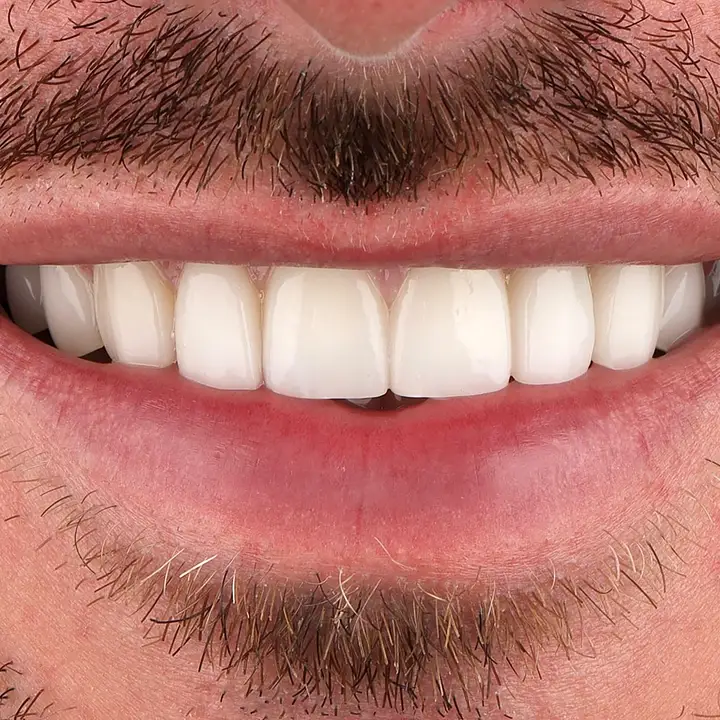
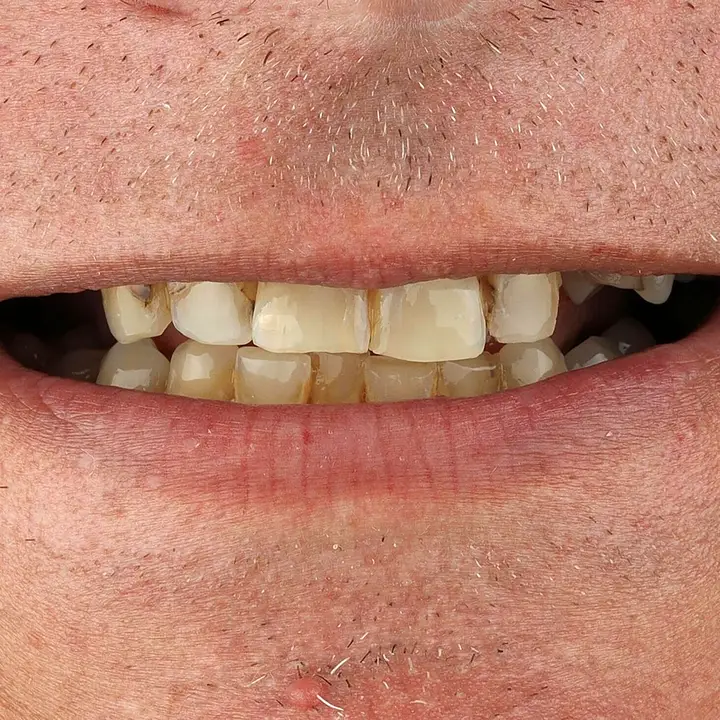
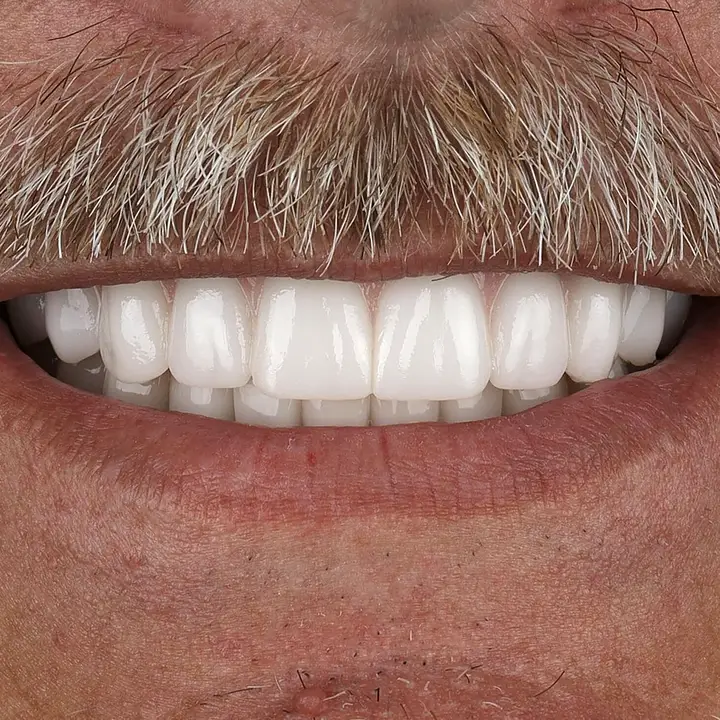
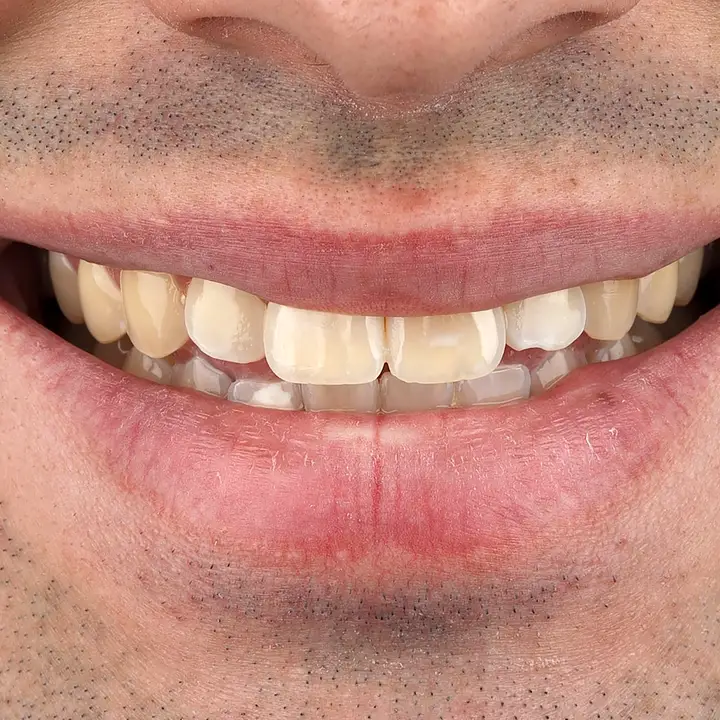
Almost everyone with signs of gum inflammation can benefit from assessment. The type and intensity of treatment depend on how far the condition has progressed and on factors that influence healing. Because early gum disease often causes little discomfort — bleeding may be the only sign — many people are surprised to learn they need treatment at all.
Often a good fit
Assessed carefully
Honest information
The procedure
Gum treatment tends to work well as a structured programme. Measurements at the start and at re-evaluation show what has improved and where attention is still needed. Your role at home matters as much as the clinical care, so time is set aside to make cleaning routines realistic for your teeth, hands and schedule.
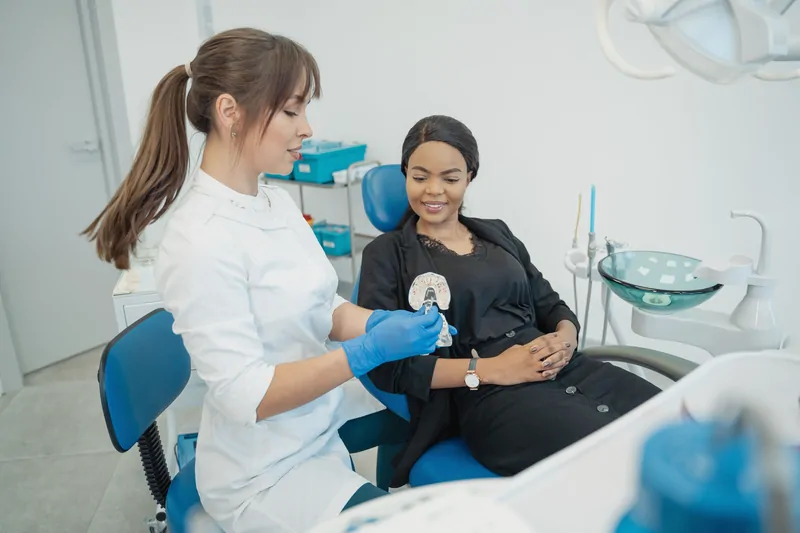
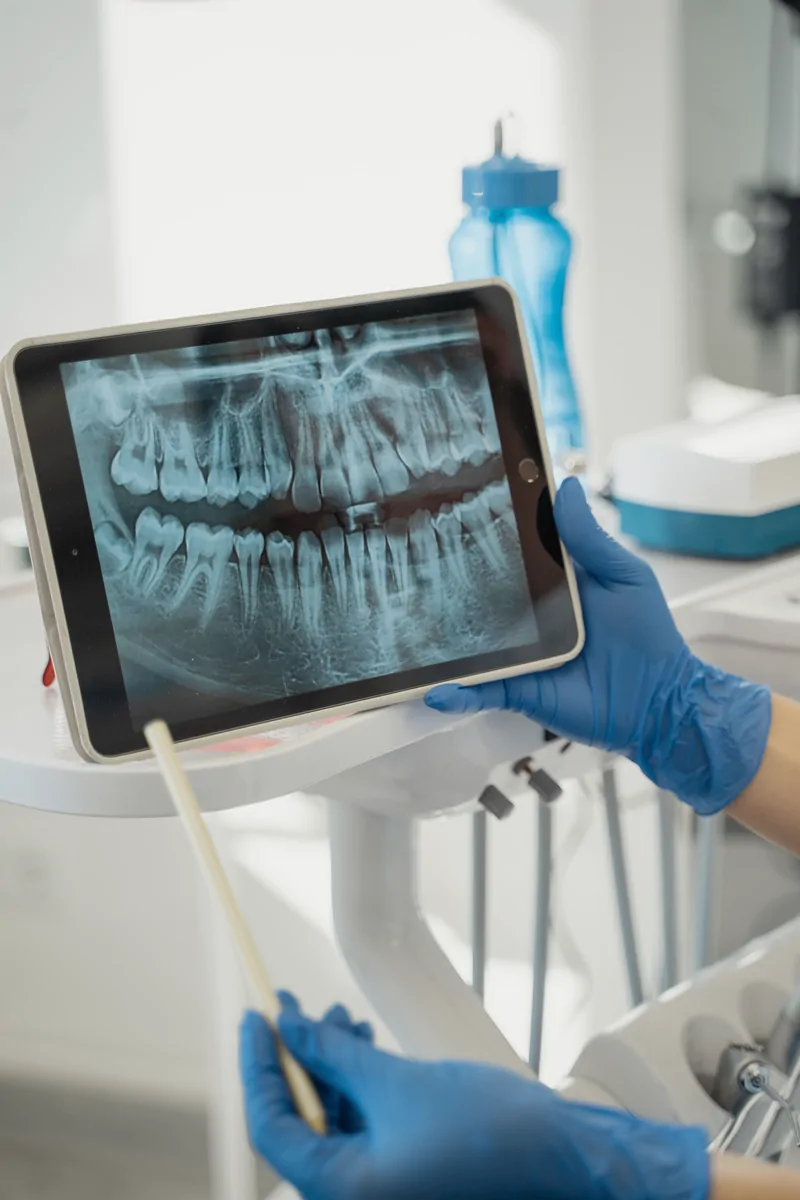
Your clinician measures pocket depths around every tooth, records bleeding and recession, checks mobility and reviews X-rays to see bone levels. Together these define the stage of the condition and the treatment plan.
Before or alongside cleaning, you are shown how to remove plaque effectively at home, including brushing technique and the right size of interdental brushes. Daily home care is a central part of gum treatment, not an extra.
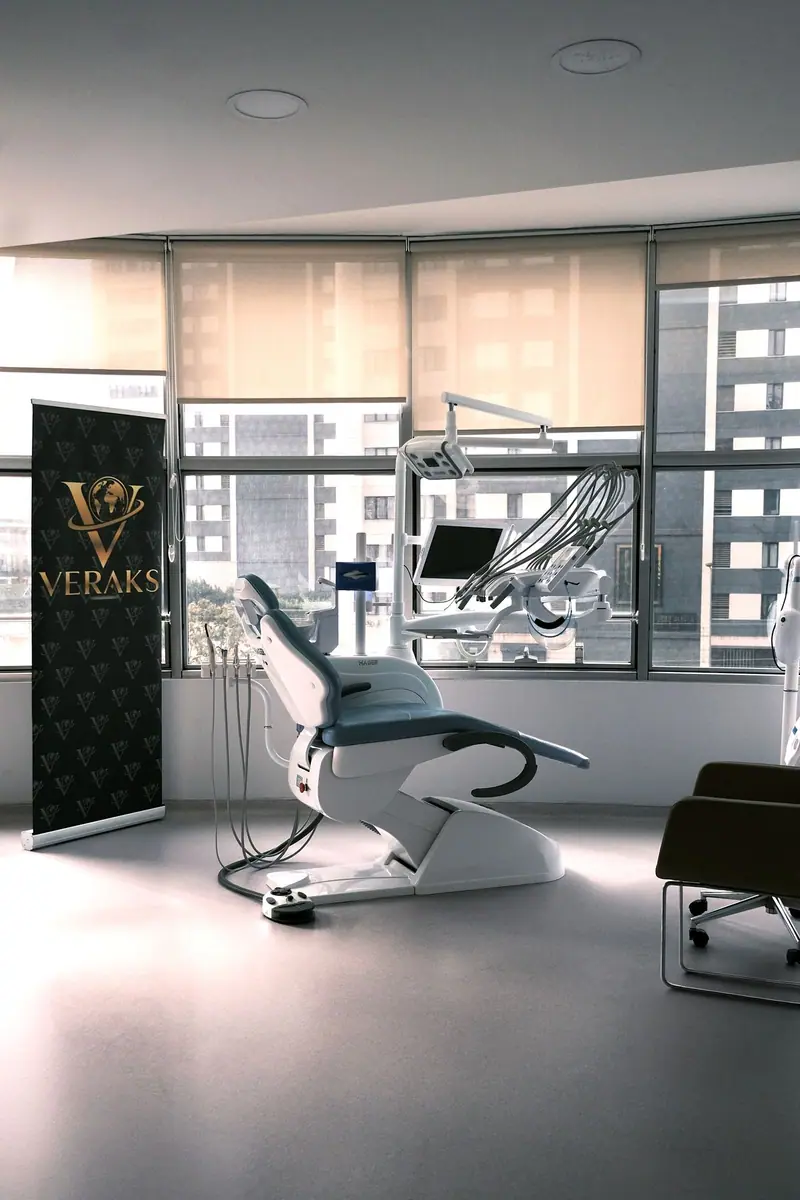
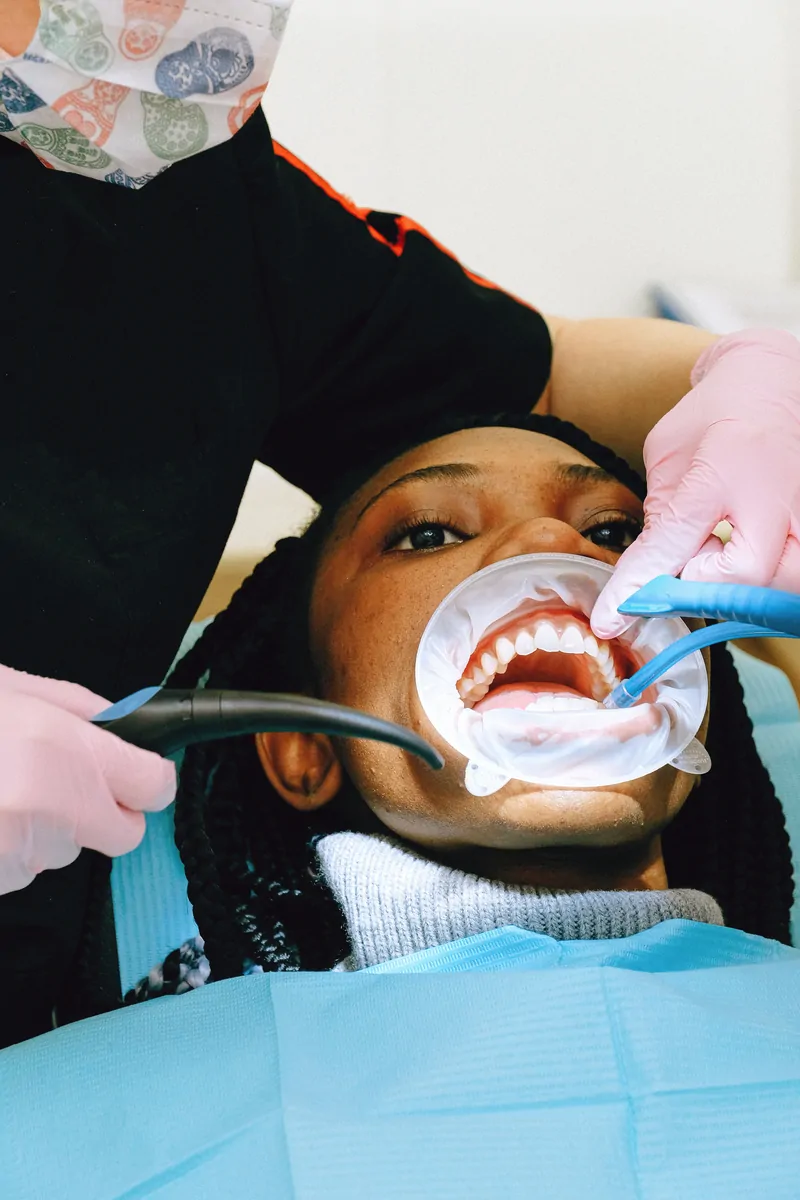
Under local anaesthetic where needed, tartar and bacterial deposits are removed from root surfaces using ultrasonic and hand instruments. This is often done in sections of the mouth over one or more visits.
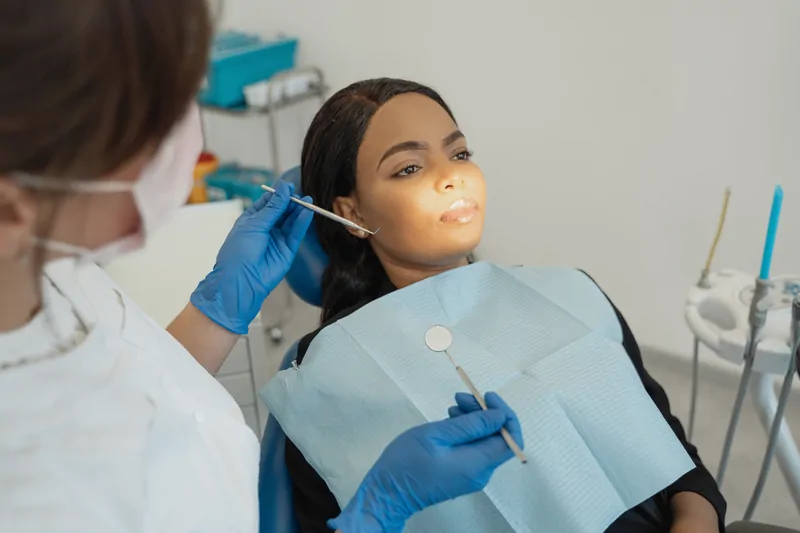
After the tissues have had several weeks to heal, pockets and bleeding are measured again. Many areas respond well; any deeper pockets that remain may need further cleaning or a referral for more advanced periodontal procedures.
Gum disease is managed rather than cured, so regular maintenance visits are scheduled. The interval depends on your response and risk factors, and can be adjusted over time.
Gallery
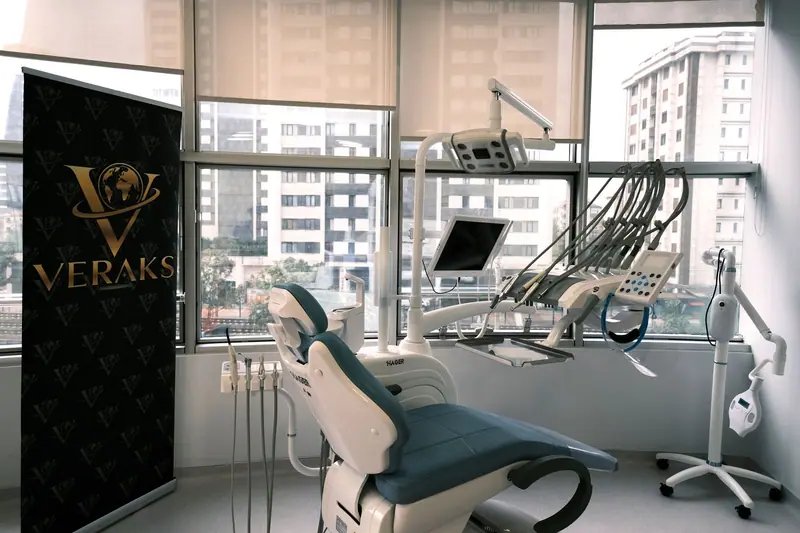



Before & after treatment
Before you travel
Looking after them
In their words
Dental patients describe their experience — from the first conversation to aftercare.
All patient reviewsGoogle reviews
Spoken with us already? Share your experience on Google.
Honest reviews — good or critical — help the next person decide. We read every one and never offer anything in exchange.
Questions
General answers — your own plan always depends on an individual assessment.
All dental questionsGingivitis, the early stage, can often be reversed with professional cleaning and good home care. Periodontitis involves bone loss that is not usually reversed, but treatment can help control the condition and slow further loss.
Swollen gums can hide how much support has been lost. As inflammation settles, the tissue tightens and may sit slightly lower on the tooth. This is generally a sign of healing rather than damage.
Local anaesthetic is usually offered so the cleaning itself is comfortable. Gums and teeth can feel tender or sensitive for a few days afterwards.
Often yes, but gum disease should be under control first, as the same bacteria can affect tissue around implants. Your clinician will assess stability before planning implant treatment.
It varies. Many patients with a history of periodontitis are seen every few months, but the interval is set according to how your gums respond and your individual risk factors.
Active treatment can often be started or completed during a visit, but re-evaluation and maintenance continue over months. Your coordinator can advise on how follow-up could be organised, including with a dentist closer to home.
Also available
Free consultation
Tell us what you would like to change. A coordinator replies personally and arranges a dentist’s review of your photos — free, without obligation.
A person replies. Monday to Saturday, Istanbul time.
VHFree consultation
A coordinator replies personally — free, no obligation.