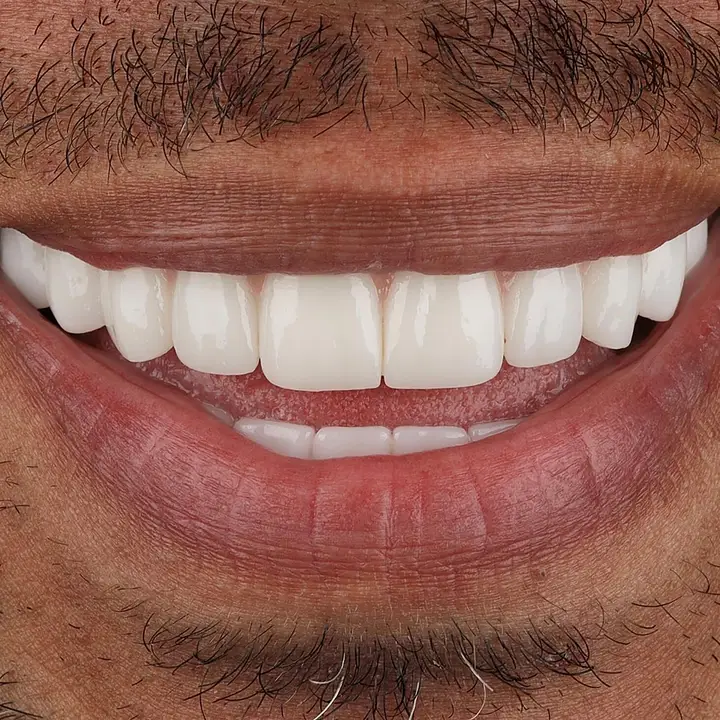
Dental implants
General Dentistry
Periodontal Therapy in Turkey: structured therapy for periodontitis — full charting and staging, root surface debridement, re-evaluation and maintenance.
Free · no obligation
Leave your name and number — a coordinator replies personally.
Periodontal therapy is a structured, non-surgical programme for periodontitis — the stage of gum disease in which the attachment between gum and tooth has broken down, pockets have formed and supporting bone has been lost. Rather than a single clean, it follows defined steps: a full diagnosis with charting and staging, control of risk factors and home care, thorough debridement of the root surfaces below the gum, re-evaluation once the tissues have healed, and then long-term supportive maintenance.
Diagnosis starts with probing: a fine, measured instrument records pocket depth, bleeding and attachment loss at several points around every tooth, alongside recession, mobility and furcation involvement on multi-rooted teeth. Combined with X-rays of bone levels, this allows the condition to be staged by severity and graded by its likely rate of progression. These records become the baseline against which every later visit is compared.
Periodontitis is influenced by more than oral hygiene. Smoking is a major risk factor and can mask bleeding while slowing healing, and poorly controlled diabetes is closely linked with more severe gum disease; improving one can support the other. For a broader overview of gum problems, including gingivitis and recession, see the gum treatments page. The availability of a full periodontal therapy programme is confirmed during your consultation.
What it can help with
Results · before & after
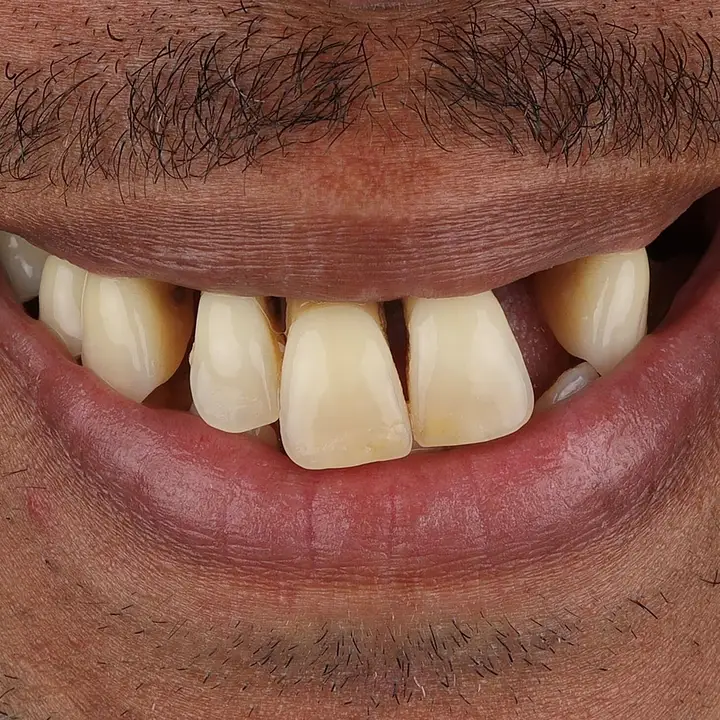
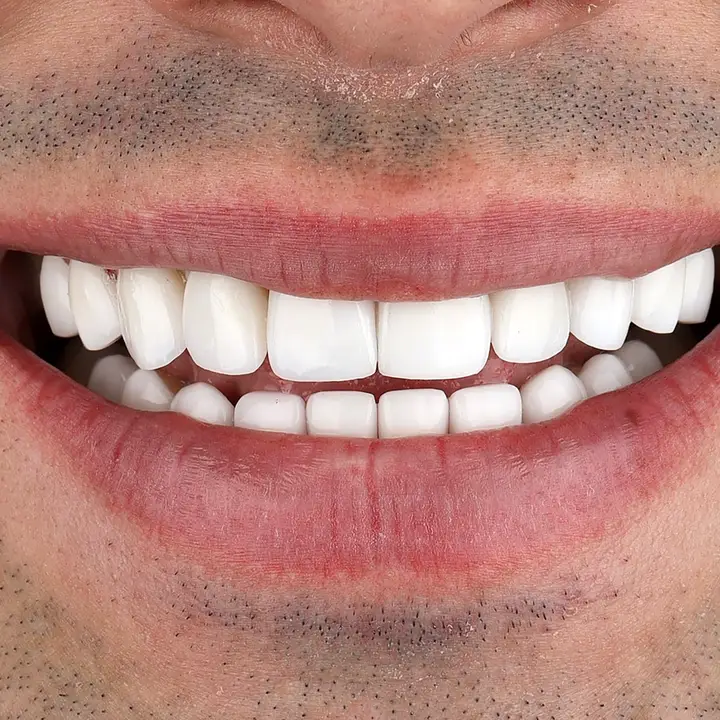
Before and after photographs from periodontal therapy and related treatments at our clinic in Istanbul. Drag the handle to compare each pair.
All dental results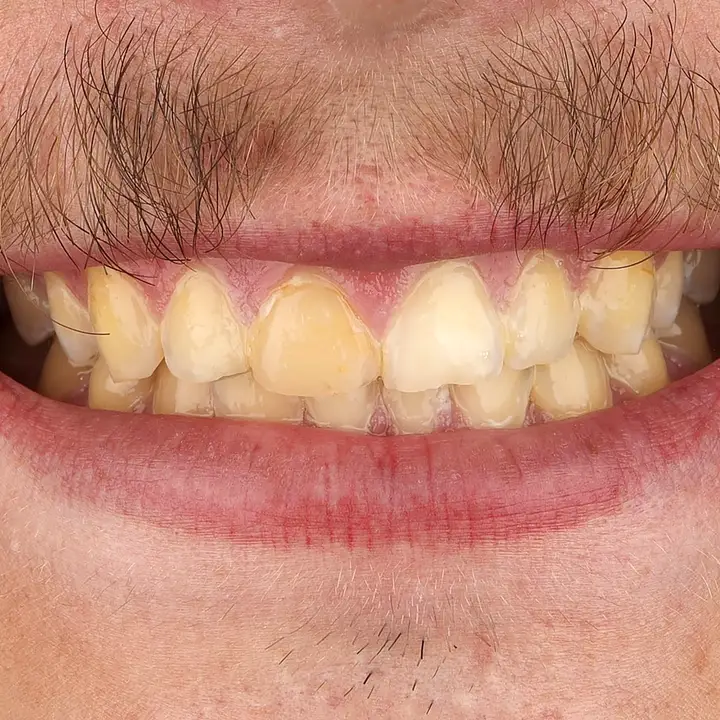
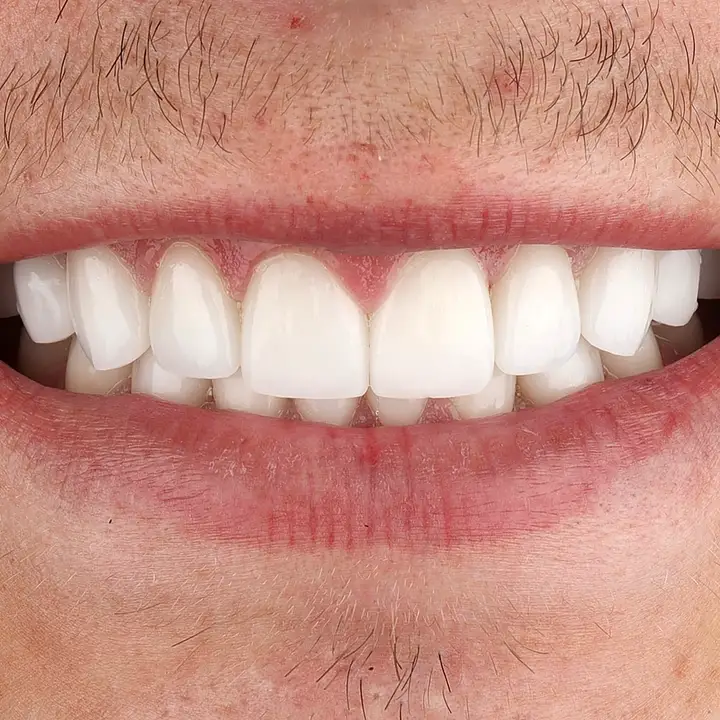
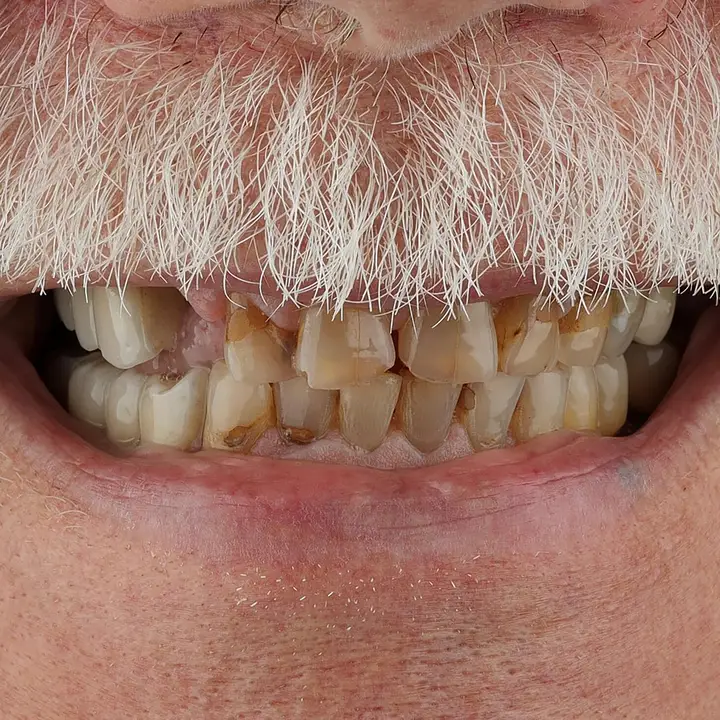
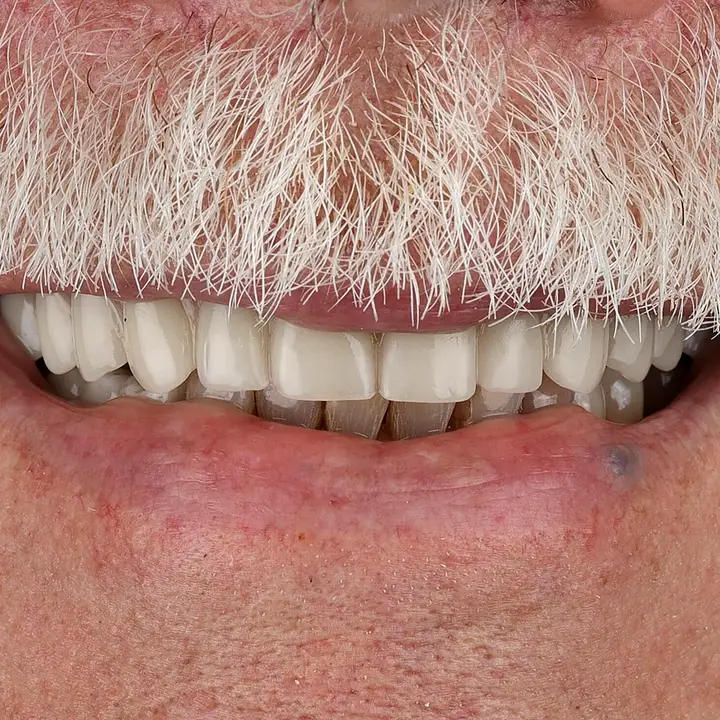
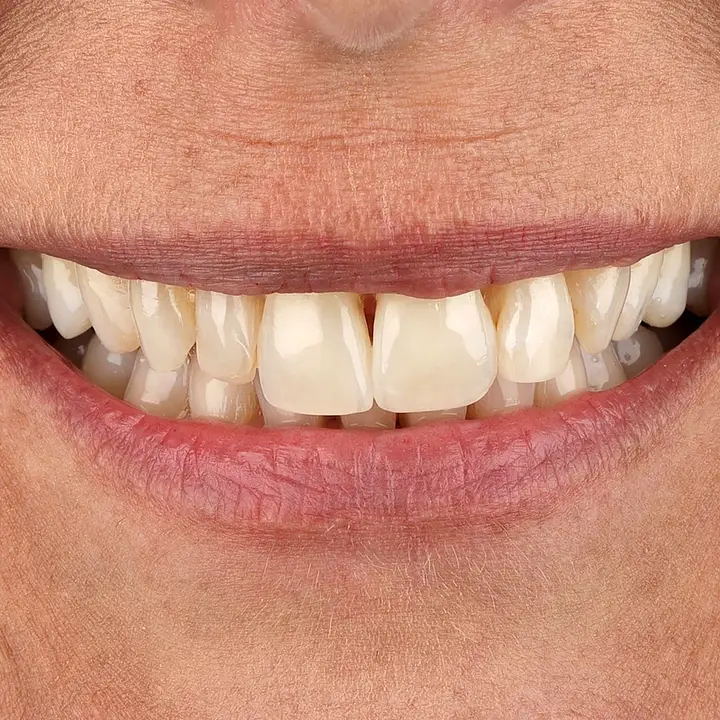
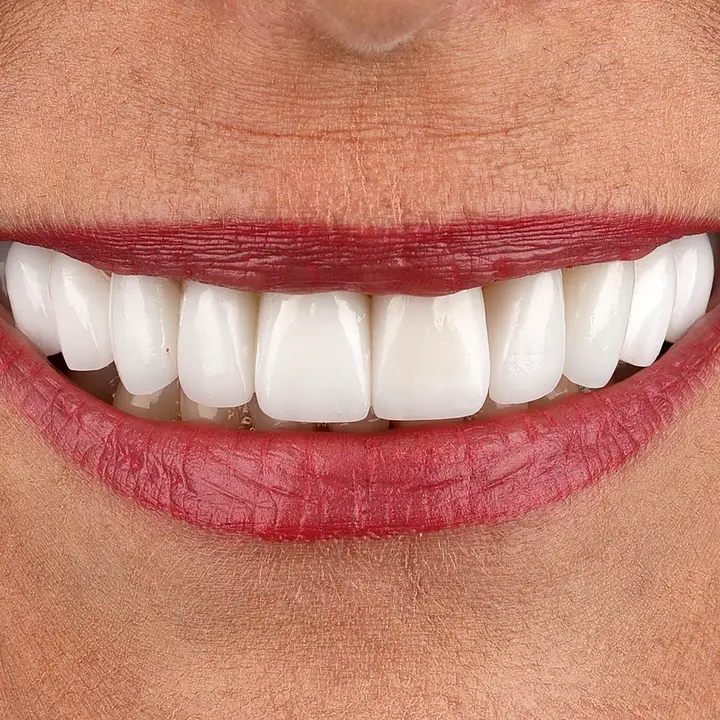
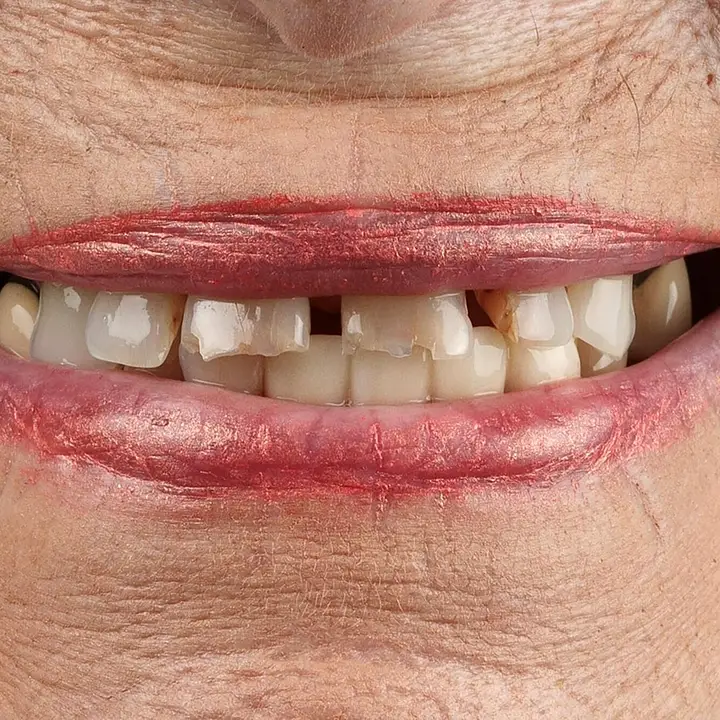
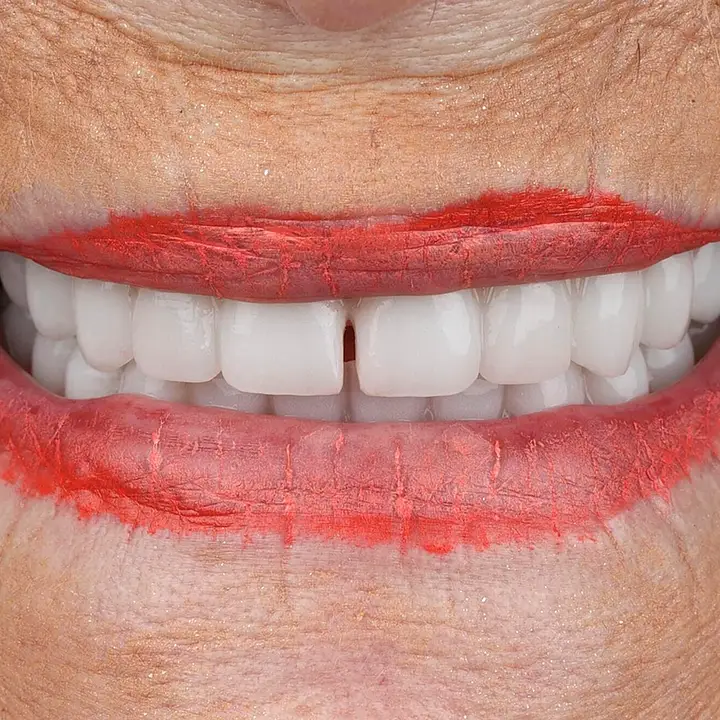
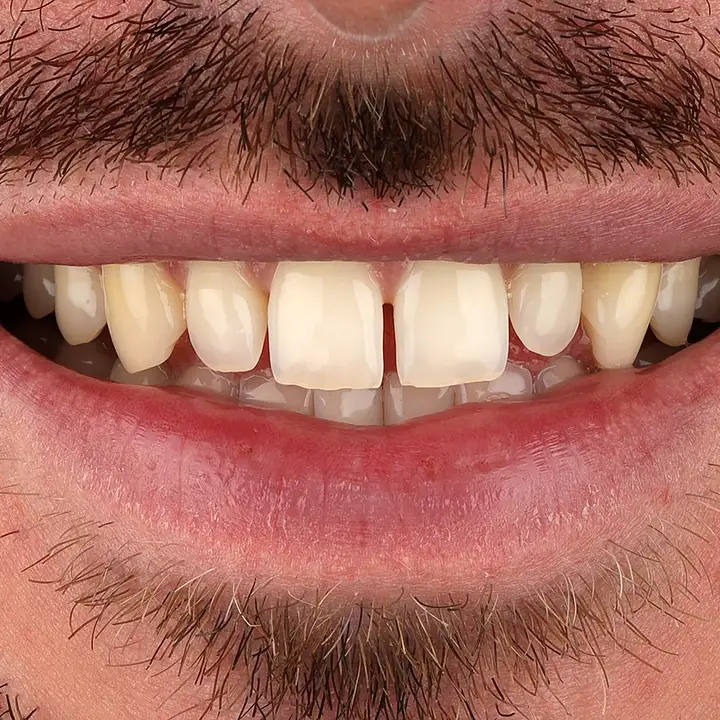
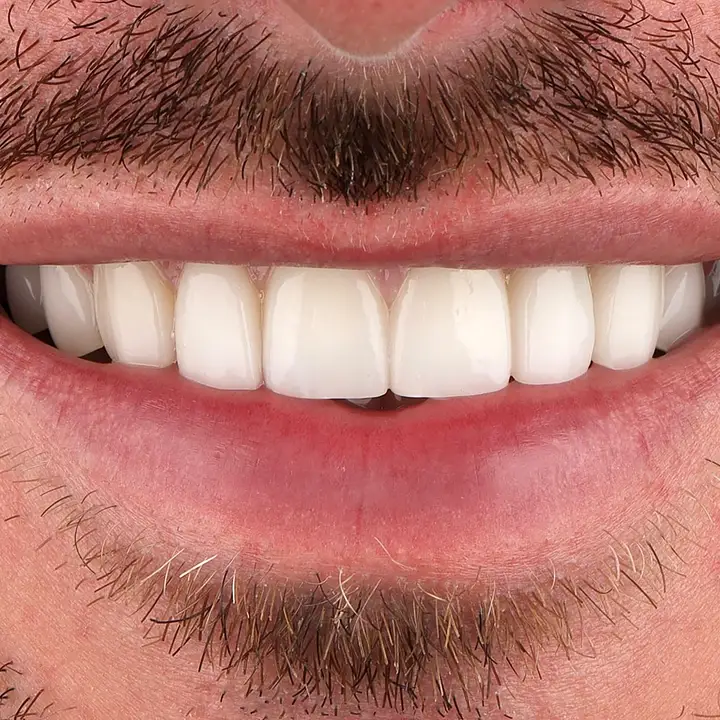
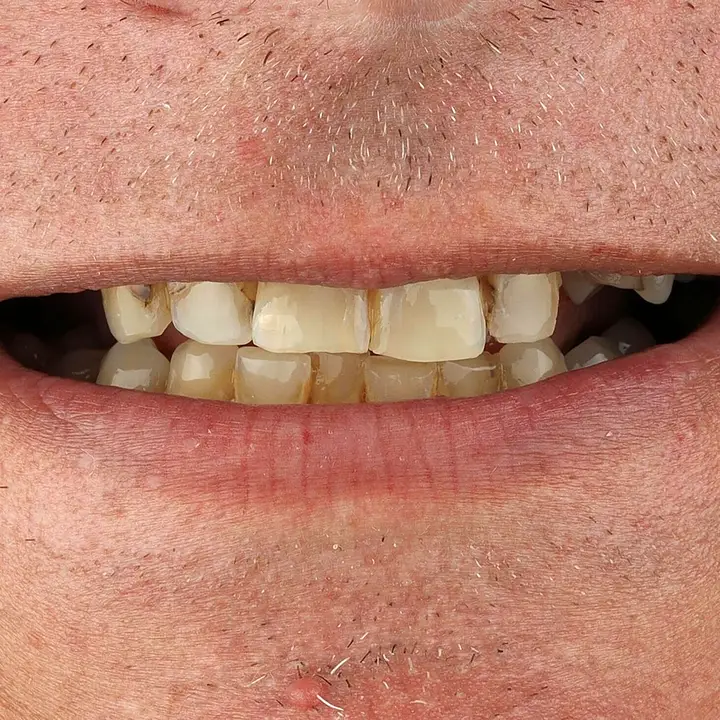
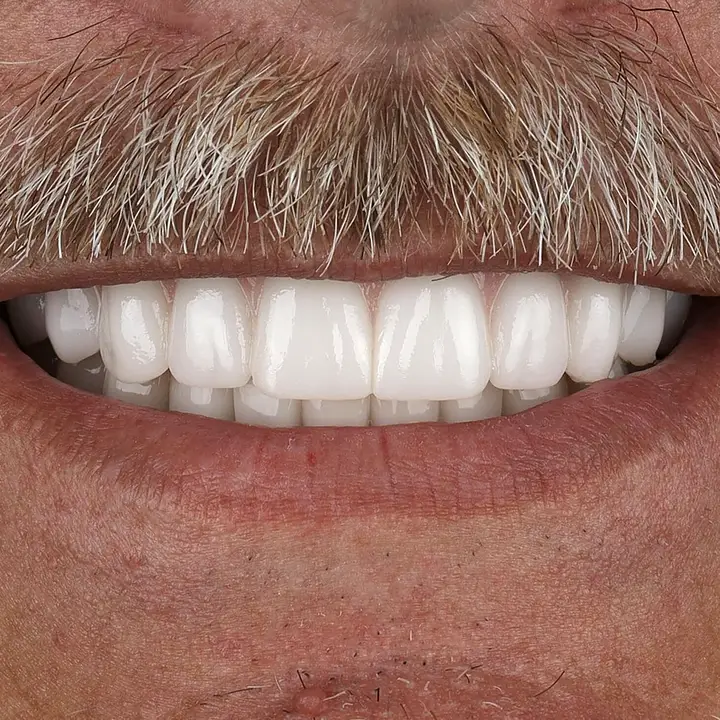
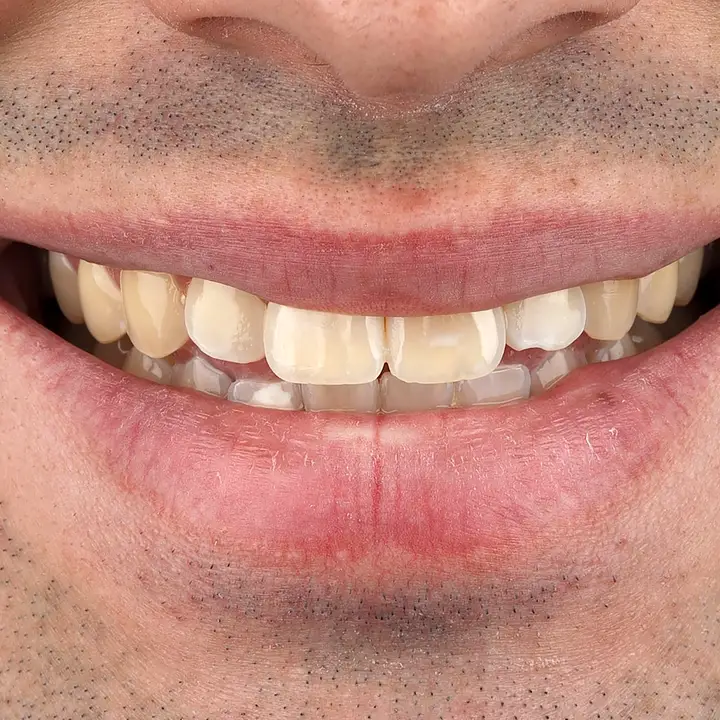
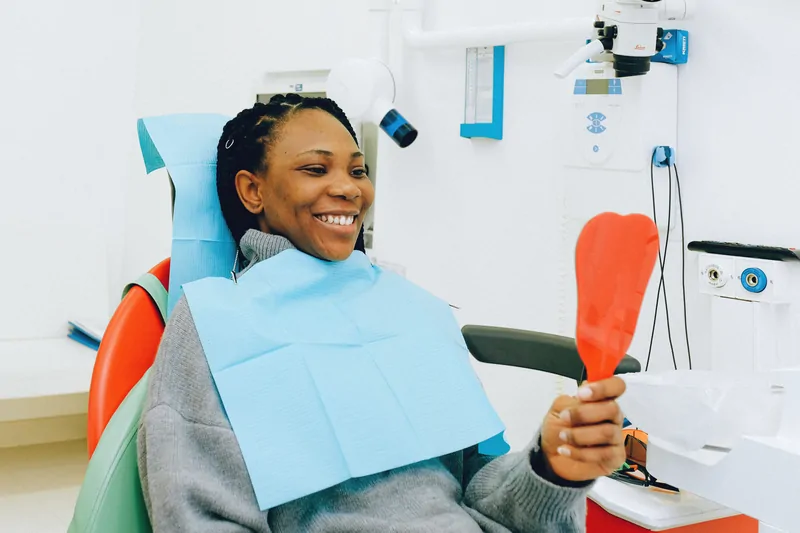
Periodontal therapy is intended for people with established periodontitis rather than mild gingivitis. Your clinician will confirm the diagnosis from charting and X-rays and explain which steps are likely to be needed.
Often a good fit
Assessed carefully
Honest information
The procedure
Periodontal therapy is run as a programme with clear checkpoints. Measurements at baseline and re-evaluation show objectively what has improved, and maintenance intervals are set from those results and your risk profile rather than a fixed calendar.
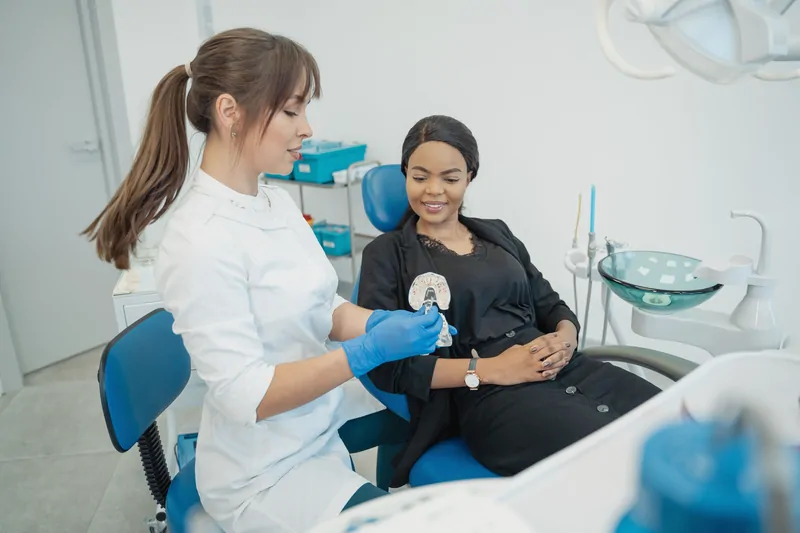
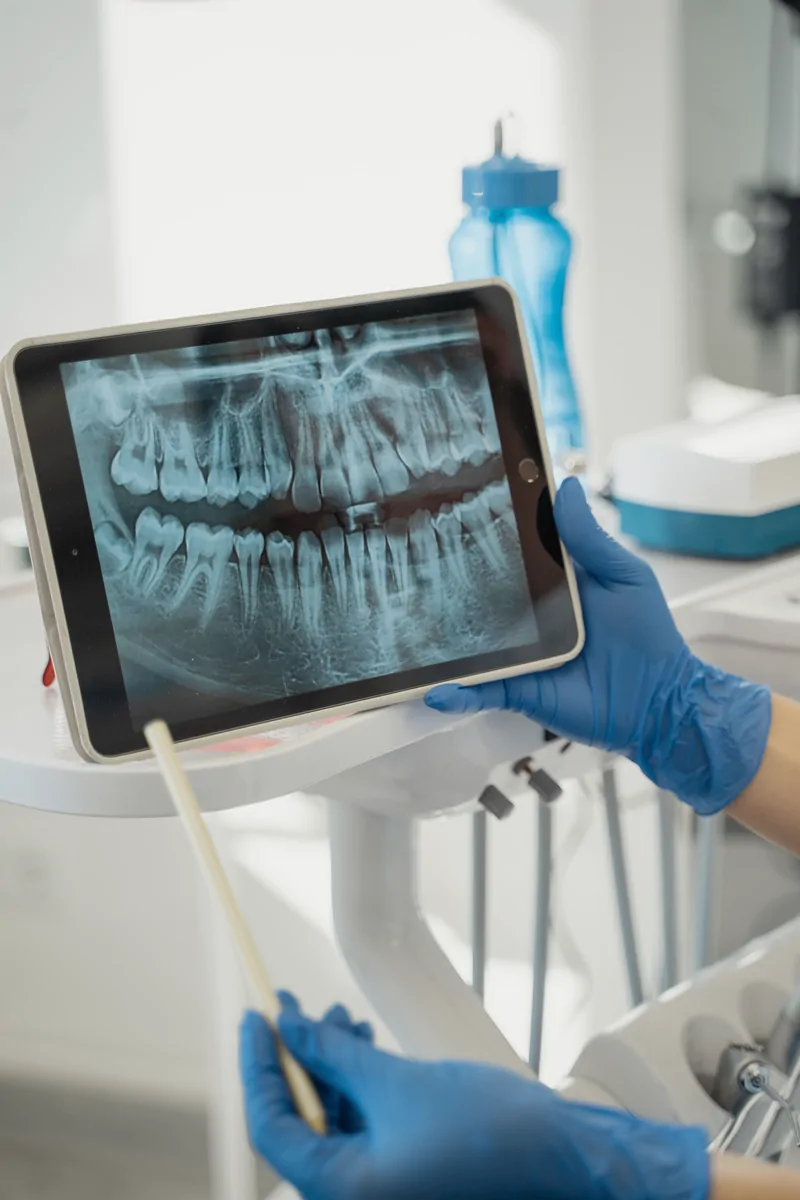
Pocket depths, bleeding, attachment loss, recession, mobility and furcations are recorded around every tooth, and X-rays show bone levels. From this, the disease is staged and graded and the plan is explained to you.
Smoking, diabetes control and other risk factors are discussed, and you are coached in brushing and interdental cleaning with sizes chosen for your gaps. Plaque control at home underpins every later step.
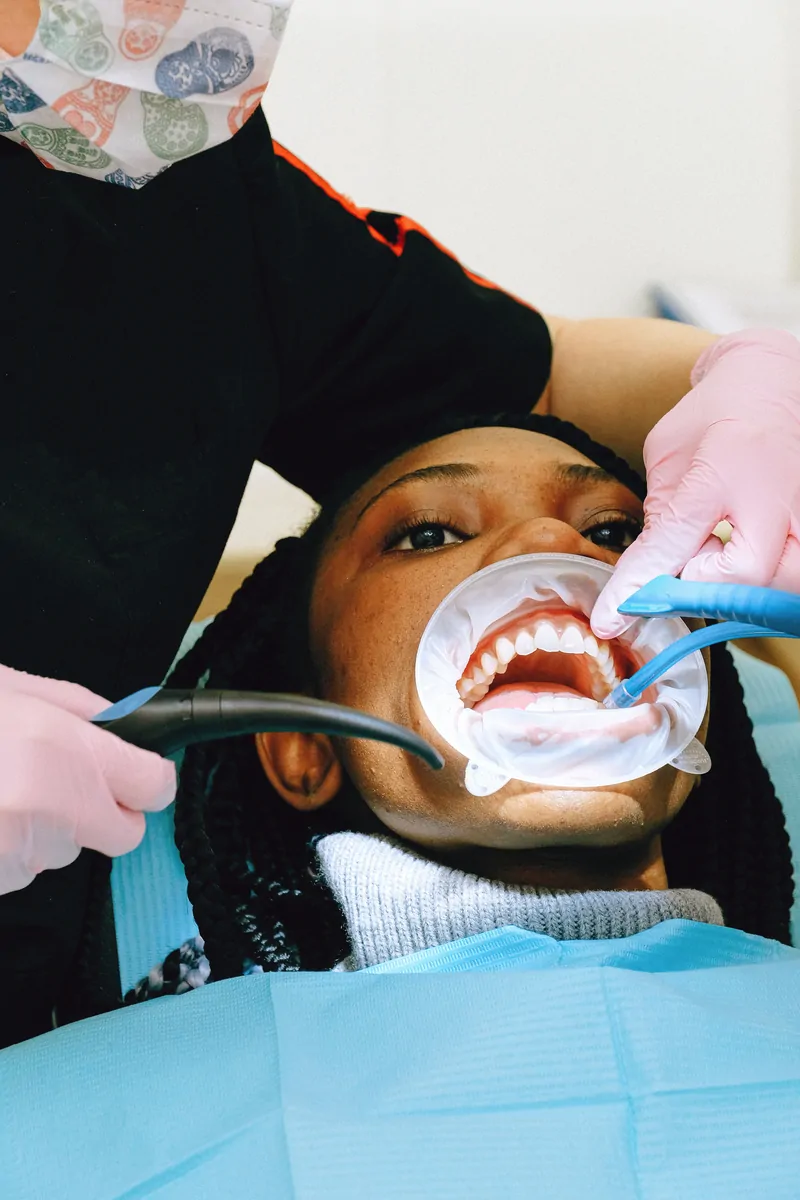
Under local anaesthetic, tartar and bacterial biofilm are removed from the root surfaces inside the pockets using ultrasonic and hand instruments. This is usually carried out in sections of the mouth over one or more visits.
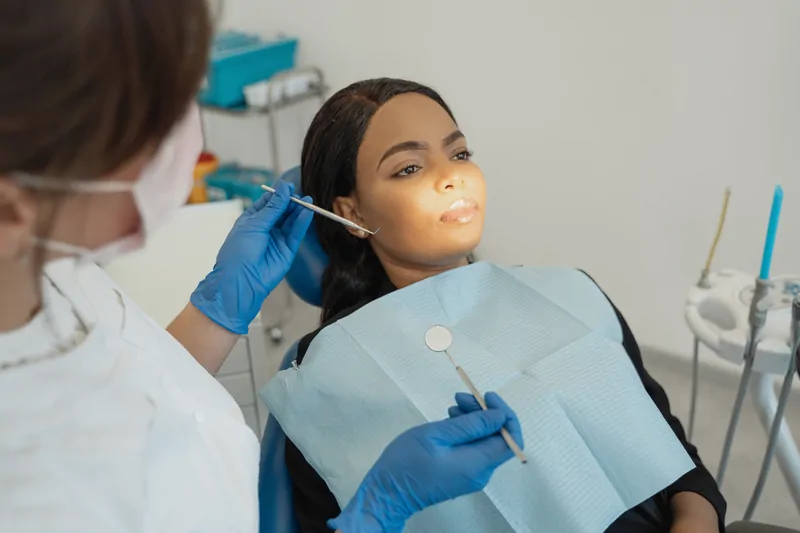
After several weeks of healing, the full chart is repeated and compared with the baseline. Areas that have stabilised move to maintenance, while sites with persistent deep, bleeding pockets may need further debridement or referral for surgical periodontal care.
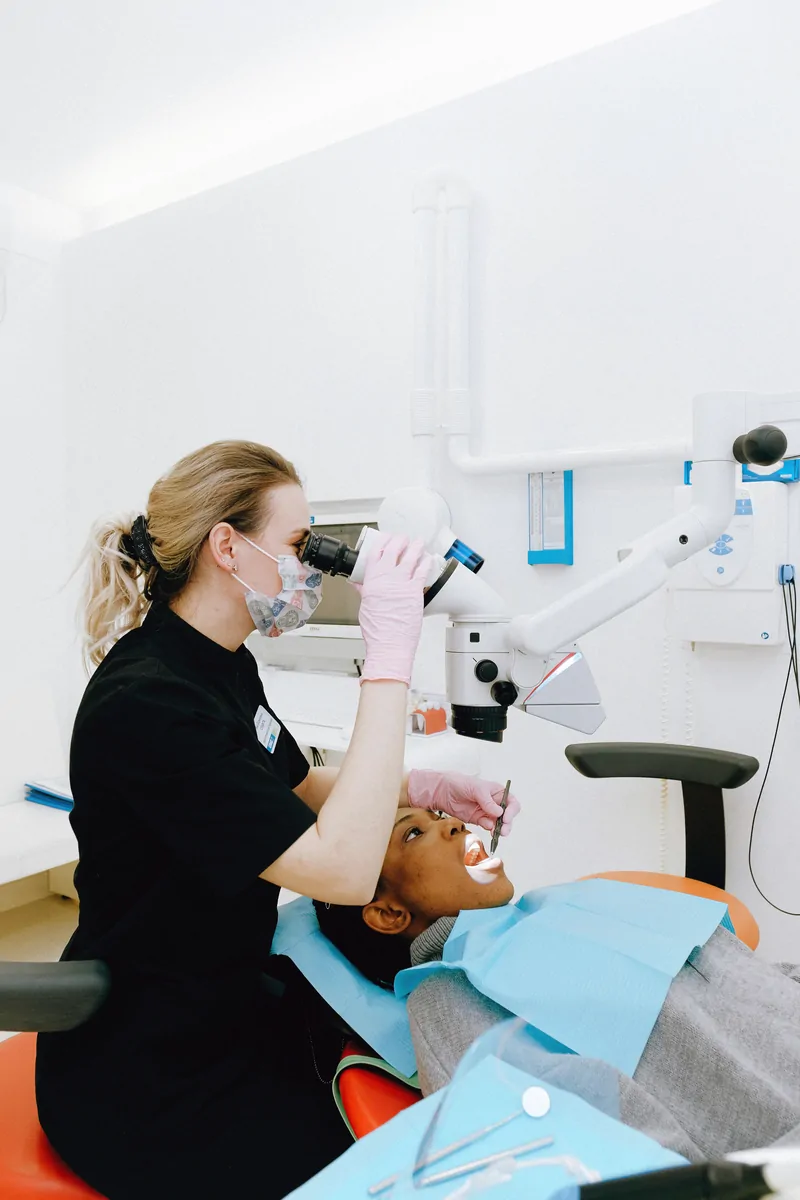
Periodontitis is managed rather than cured. Regular supportive visits re-chart key sites, clean below the gum where needed and reinforce home care, at an interval adjusted to how stable you remain.
Gallery
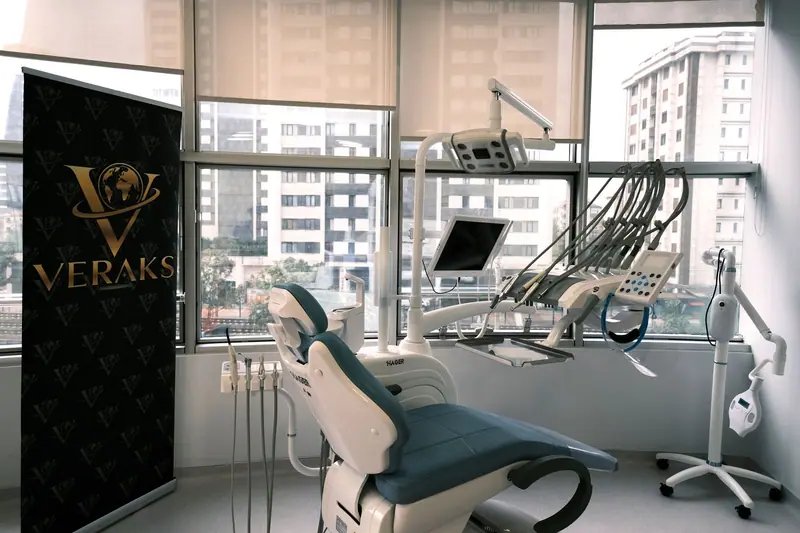


Gum treatments is the broader overview of care for gum problems, from early gingivitis and bleeding gums to recession and maintenance. Periodontal therapy is narrower: a structured, non-surgical programme specifically for diagnosed periodontitis, built around full charting and staging, root surface debridement, a formal re-evaluation and risk-based supportive maintenance.
Before & after treatment
Before you travel
Afterwards
In their words
Dental patients describe their experience — from the first conversation to aftercare.
All patient reviewsGoogle reviews
Spoken with us already? Share your experience on Google.
Honest reviews — good or critical — help the next person decide. We read every one and never offer anything in exchange.
Questions
General answers — your own plan always depends on an individual assessment.
All dental questionsStaging describes how severe and complex the periodontitis is, based on attachment loss, bone loss and tooth loss. Grading estimates how quickly it may progress, taking factors such as smoking and diabetes into account. Together they help shape the plan.
A routine clean focuses mainly on deposits above and just below the gum line. Debridement works deeper, cleaning the root surfaces inside pockets, and is usually done under local anaesthetic over one or more visits.
Gums need time to heal after debridement. Re-charting after several weeks shows which sites have stabilised and which may need further care, so decisions are based on measurements rather than appearance.
Yes. Smoking is a major risk factor for periodontitis, can hide bleeding and tends to slow healing after treatment. Your clinician can discuss support for stopping as part of the programme.
Diabetes, particularly when poorly controlled, is linked with more severe gum disease, and gum inflammation may in turn make blood sugar harder to manage. Letting both your dentist and your doctor know helps coordinate care.
Often, yes. Active therapy can be started or completed during a visit, and your charts can be shared so maintenance continues with a dentist or hygienist closer to home. Your coordinator can help arrange this.
Also available
Free consultation
Tell us what you would like to change. A coordinator replies personally and arranges a dentist’s review of your photos — free, without obligation.
A person replies. Monday to Saturday, Istanbul time.
VHFree consultation
A coordinator replies personally — free, no obligation.