Dental implants
Cosmetic Dentistry
Gum Contouring in Turkey: reshaping an uneven or gummy smile — laser or scalpel methods, healthy-gum prerequisites, risks and healing.

Free · no obligation
Leave your name and number — a coordinator replies personally.
Gum contouring, also called gingival recontouring or aesthetic gingivectomy, removes or reshapes a small amount of gum tissue so that the gum line sits at a more even height or reveals more of each tooth. It is most often discussed when teeth look short because gum covers part of the crown, when the gum line is noticeably higher on one tooth than its neighbour, or when a broad band of gum shows on smiling.
The key question is why the gums sit where they do. Sometimes there is simply extra gum over teeth of normal length, and trimming that soft tissue is enough. In other cases the bone beneath the gum also sits close to the edge of the tooth, and removing gum alone would let it grow back towards its original position. That situation calls for crown lengthening, a surgical procedure that also reshapes bone. A gummy smile can also come from the way the upper jaw has grown or from a very mobile upper lip, neither of which gum contouring changes. Measurement and X-rays therefore come before any decision.
Contouring can be carried out with a scalpel or with a dental laser; some clinicians use electrosurgery. Each tool has its own handling, and comfort and healing depend more on how much tissue is treated and on your gum health than on the instrument alone. It is often planned as part of a wider smile design, before veneers or crowns, so that new restorations are made to the final gum position.
What it can help with

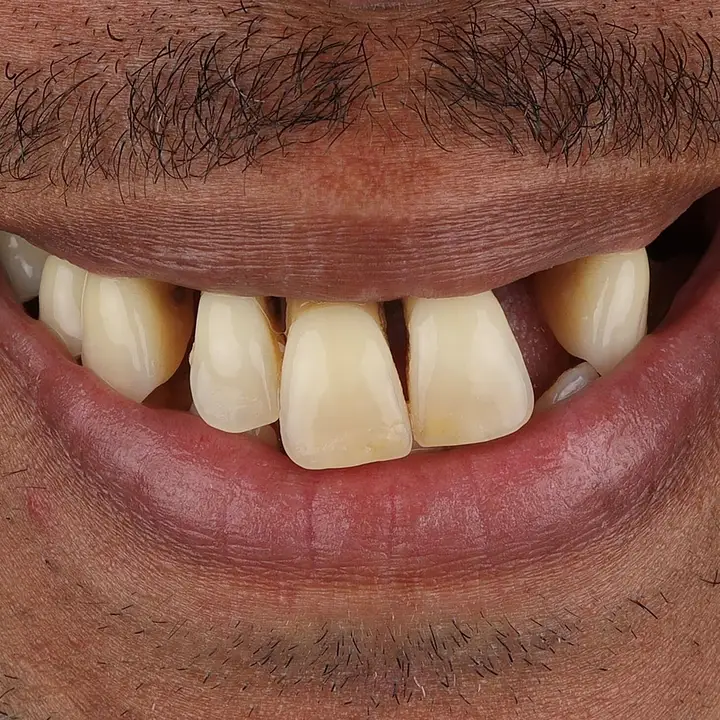
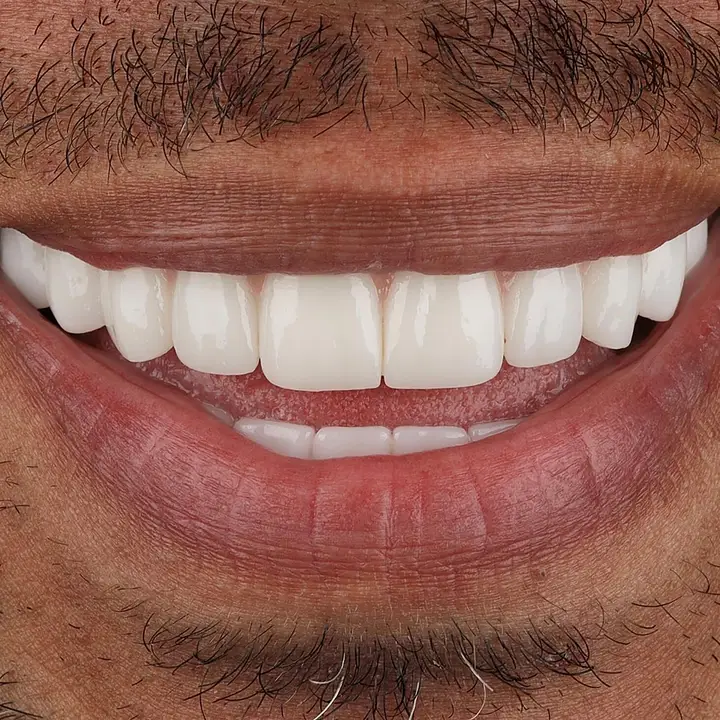
Results · before & after
Before and after photographs from gum contouring and related treatments at our clinic in Istanbul. Drag the handle to compare each pair.
All dental results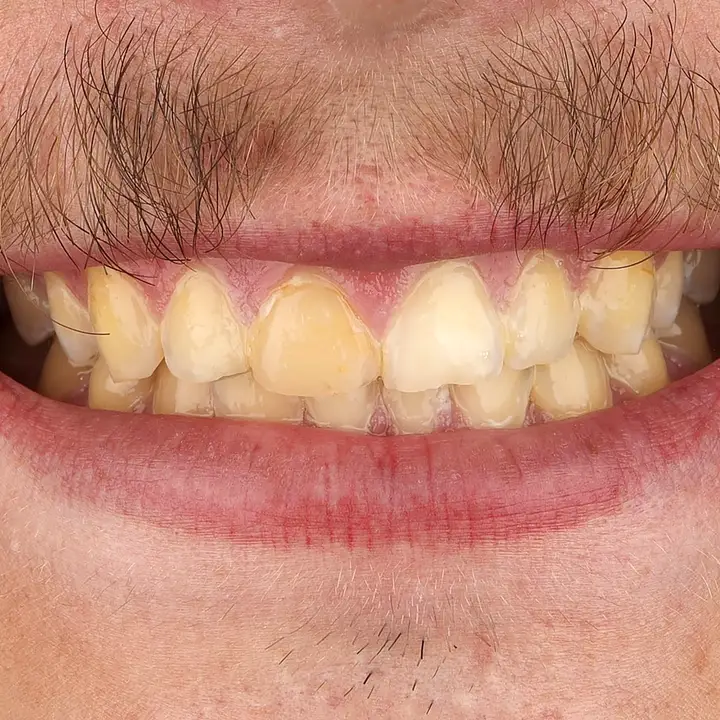
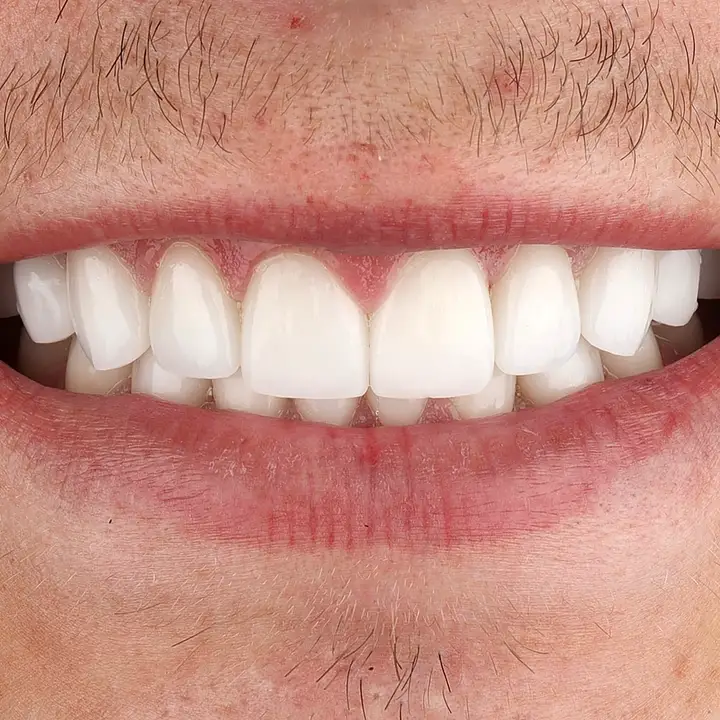
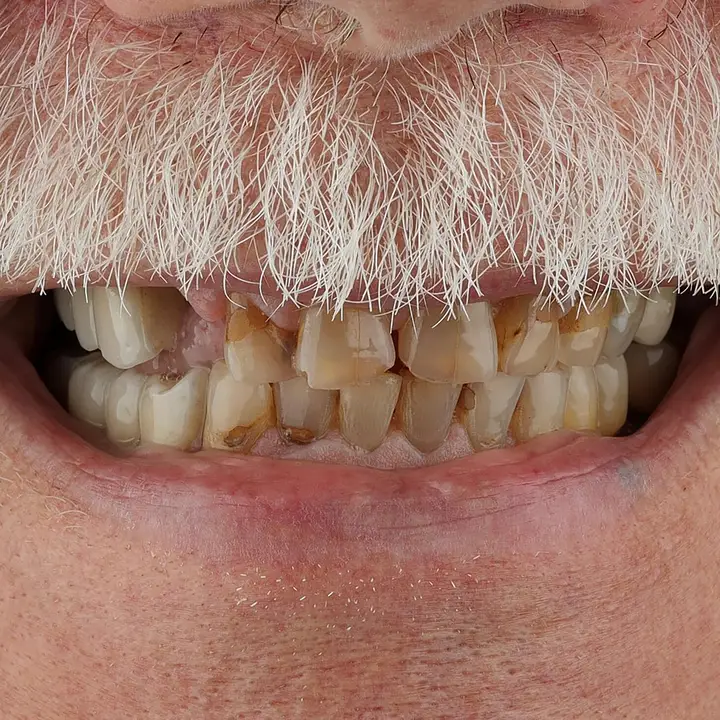
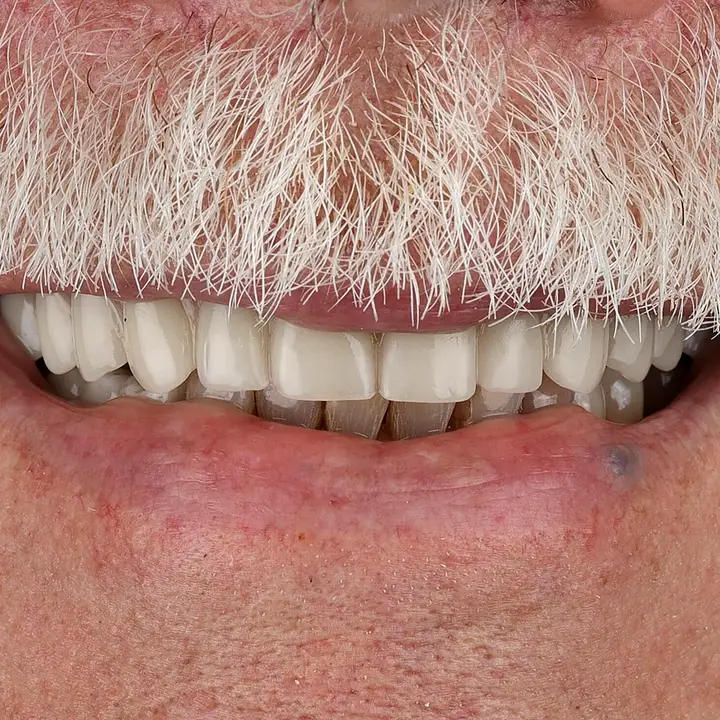
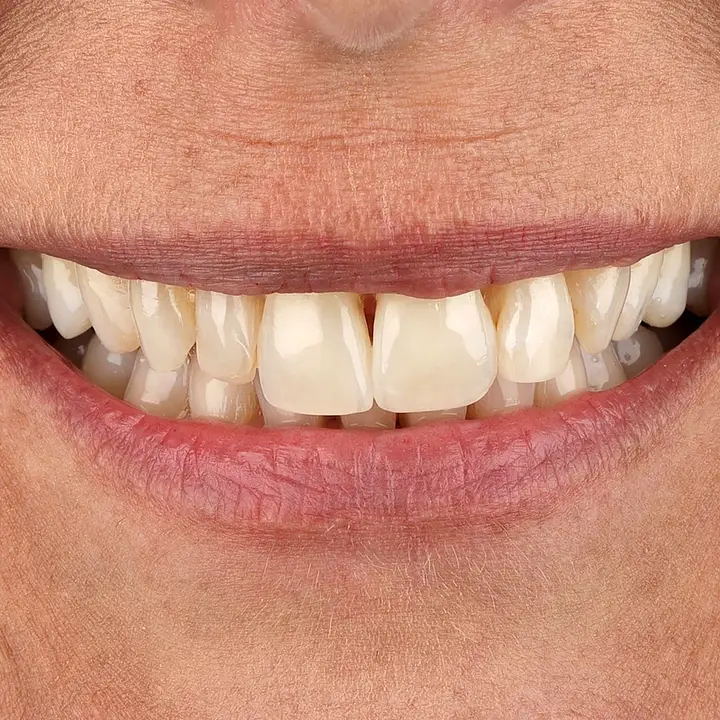
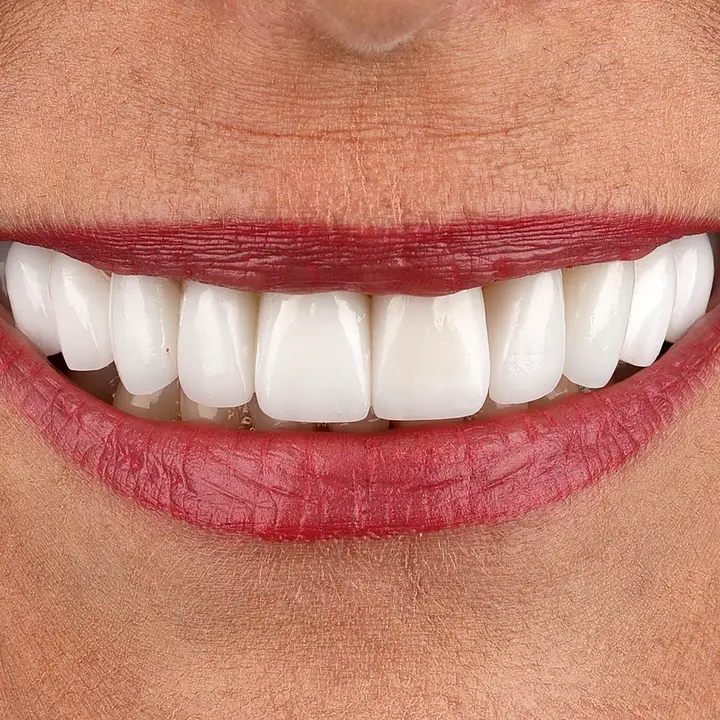
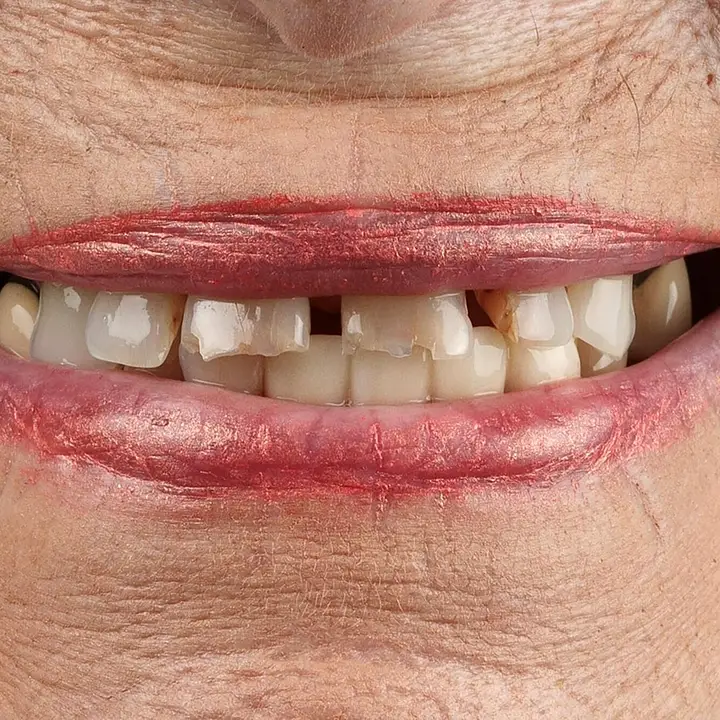
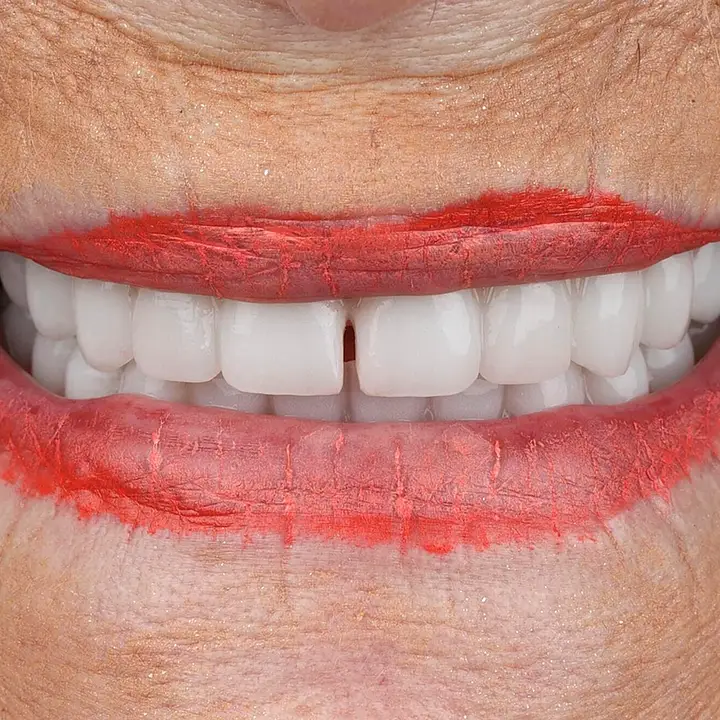
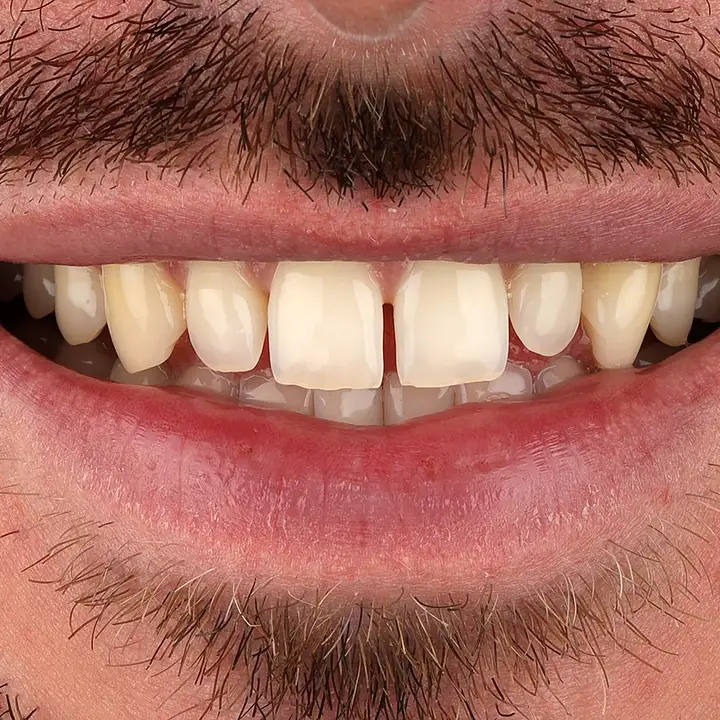
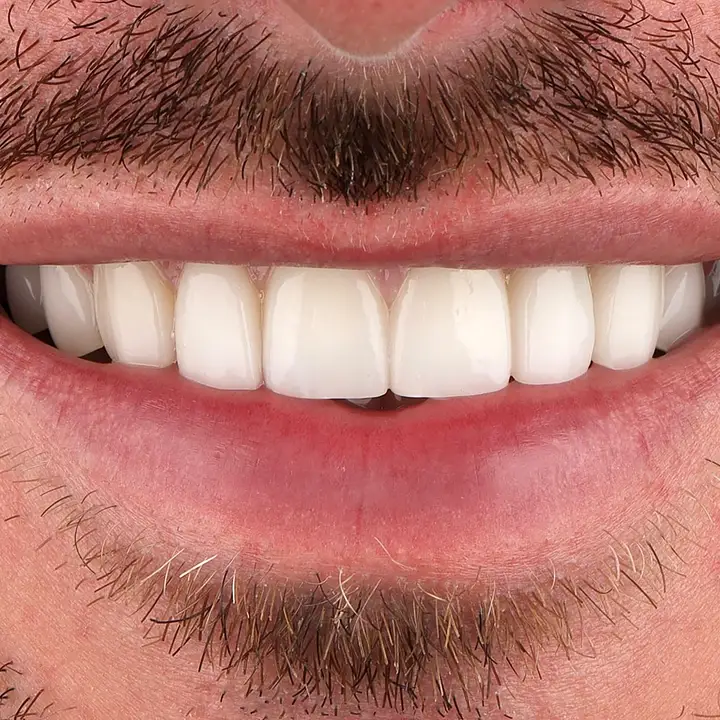
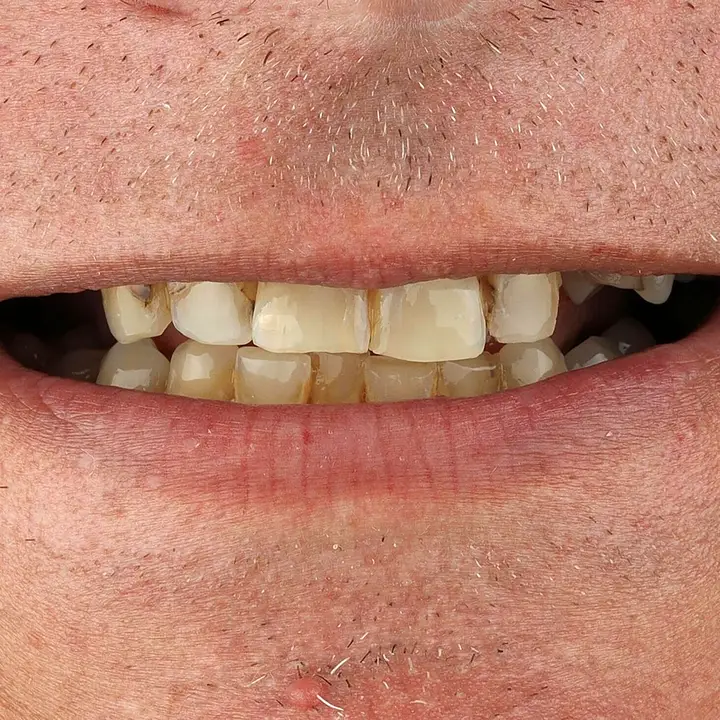
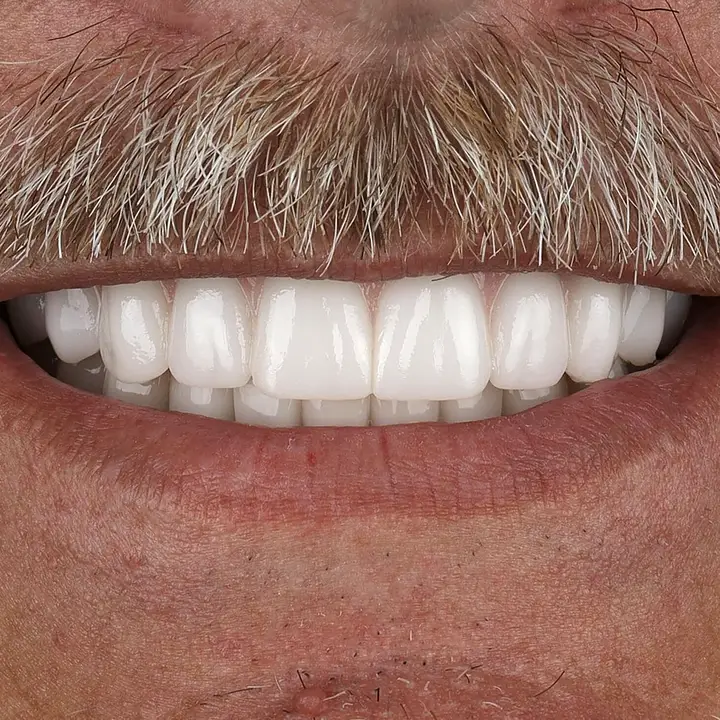
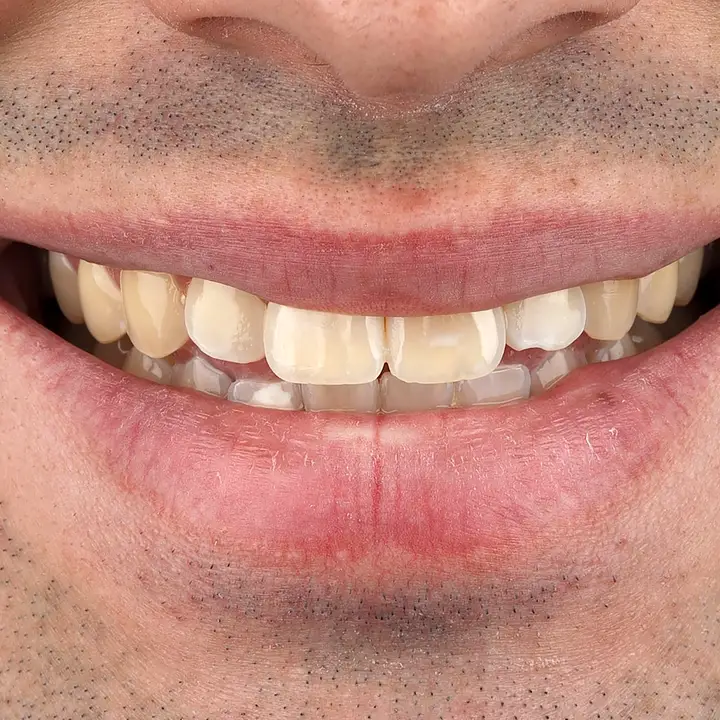
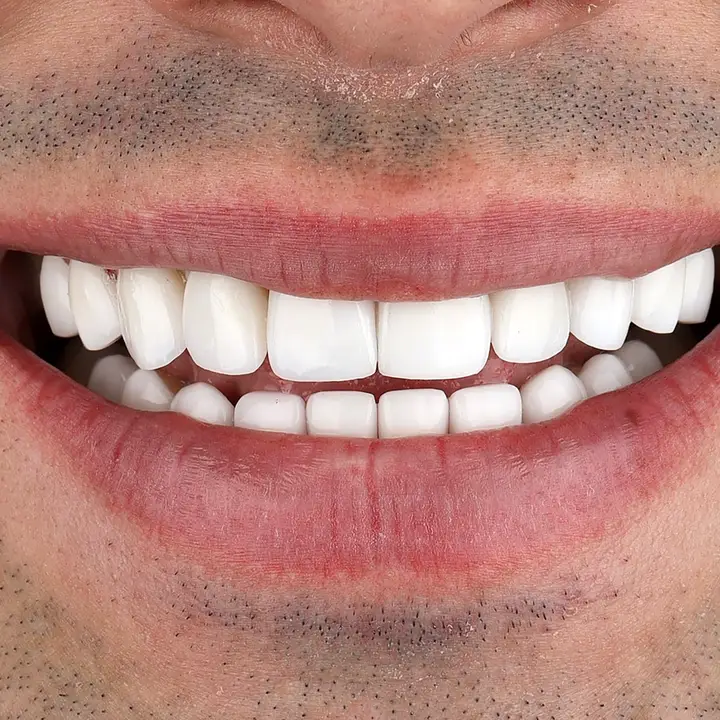

Gum contouring is a cosmetic refinement for gums that are already healthy. Bleeding, inflammation or periodontal disease are treated first, and the bone level and the cause of the excess gum display are assessed before contouring is recommended.
Often a good fit
Assessed carefully
Honest information
The procedure
A good result starts with understanding why the gums look the way they do. Contouring is planned only on healthy gums, conservatively, and in step with any other cosmetic work.
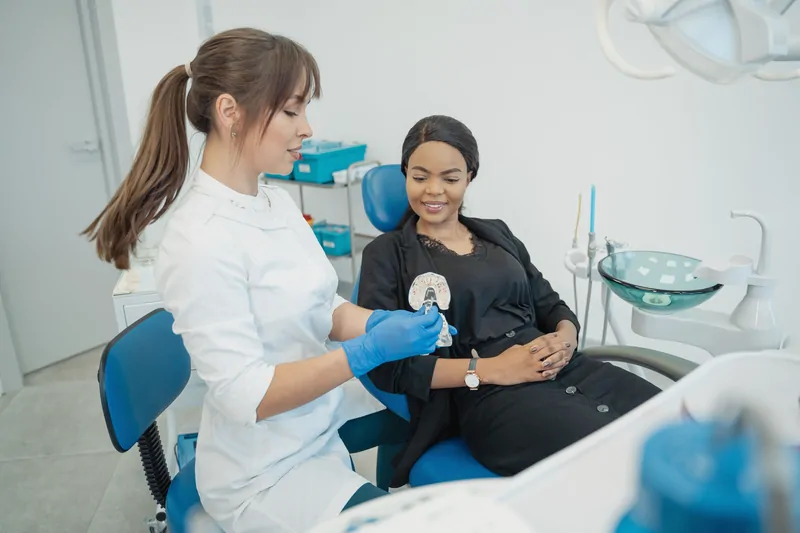
Your clinician looks at how much gum shows at rest and on smiling, measures tooth proportions and probes the gums. X-rays show where the bone sits. Together these indicate whether contouring alone, crown lengthening or a different approach is appropriate.
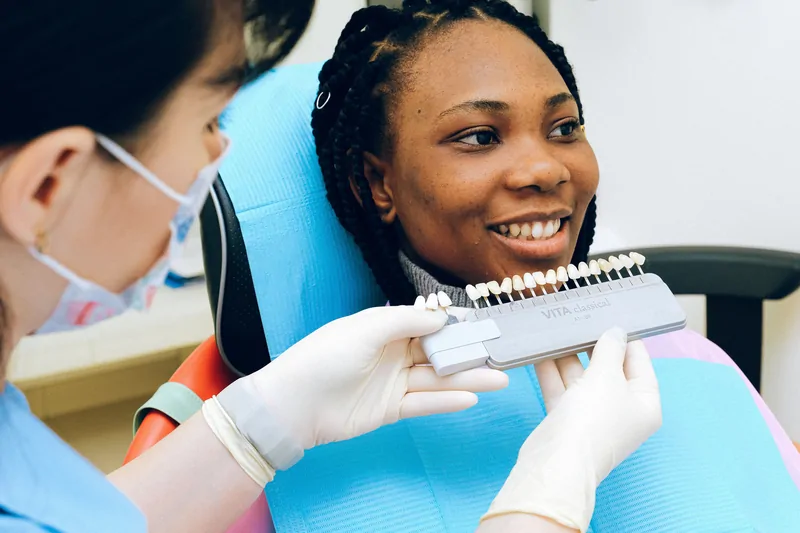
The proposed line is planned from photographs and measurements, and is sometimes previewed digitally or marked on the gums. The aim is a natural gum line in which the front teeth relate in height to one another and to your lip line.
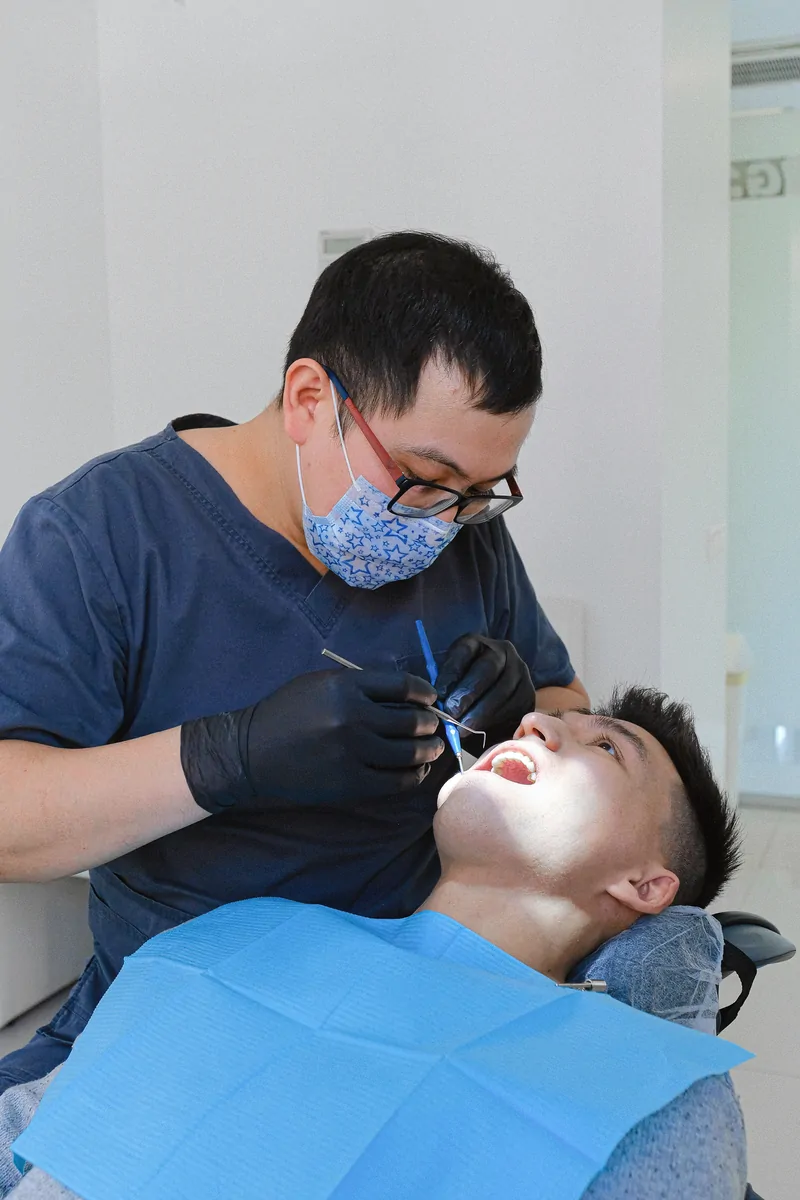
The area is numbed. Gum tissue is then removed and sculpted with a scalpel, laser or electrosurgical instrument, following the planned outline and leaving enough attached gum to protect the tooth.
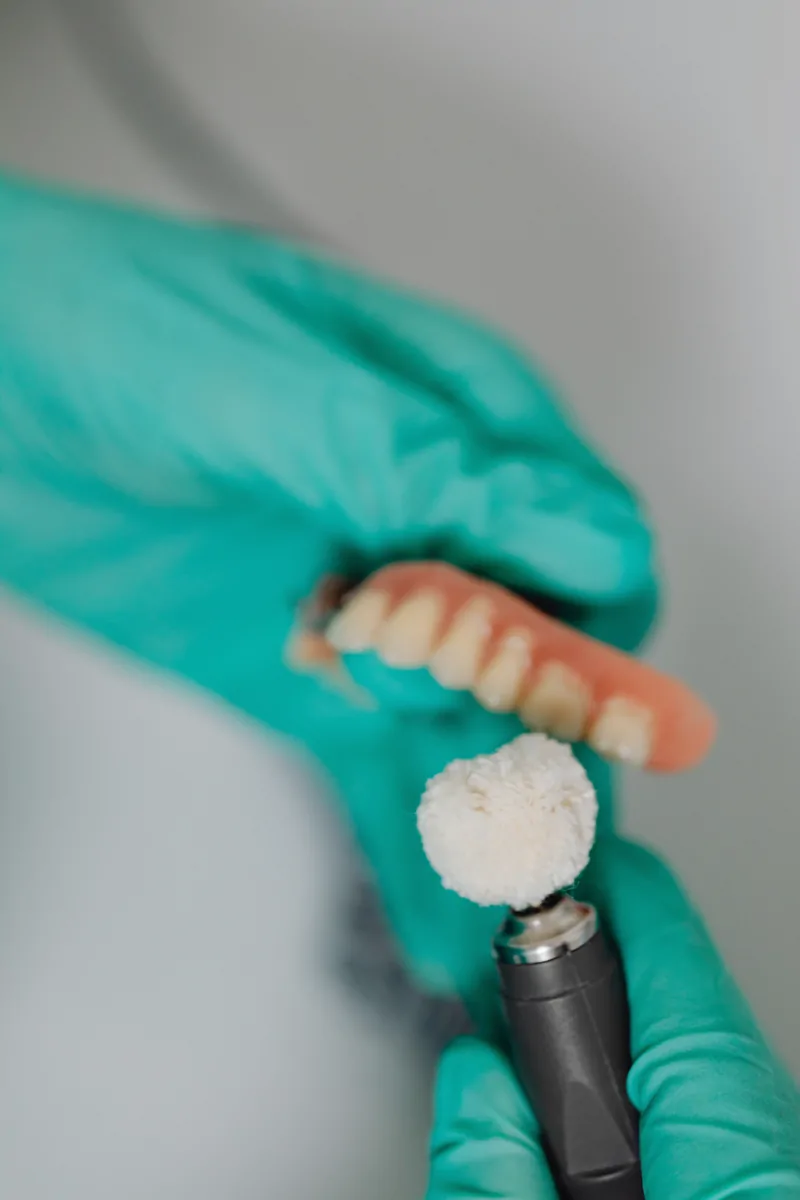
The treated gum may be tender and look raw or slightly white for several days. A protective dressing is sometimes used. You receive instructions on brushing, rinsing and eating soft foods while the surface heals.
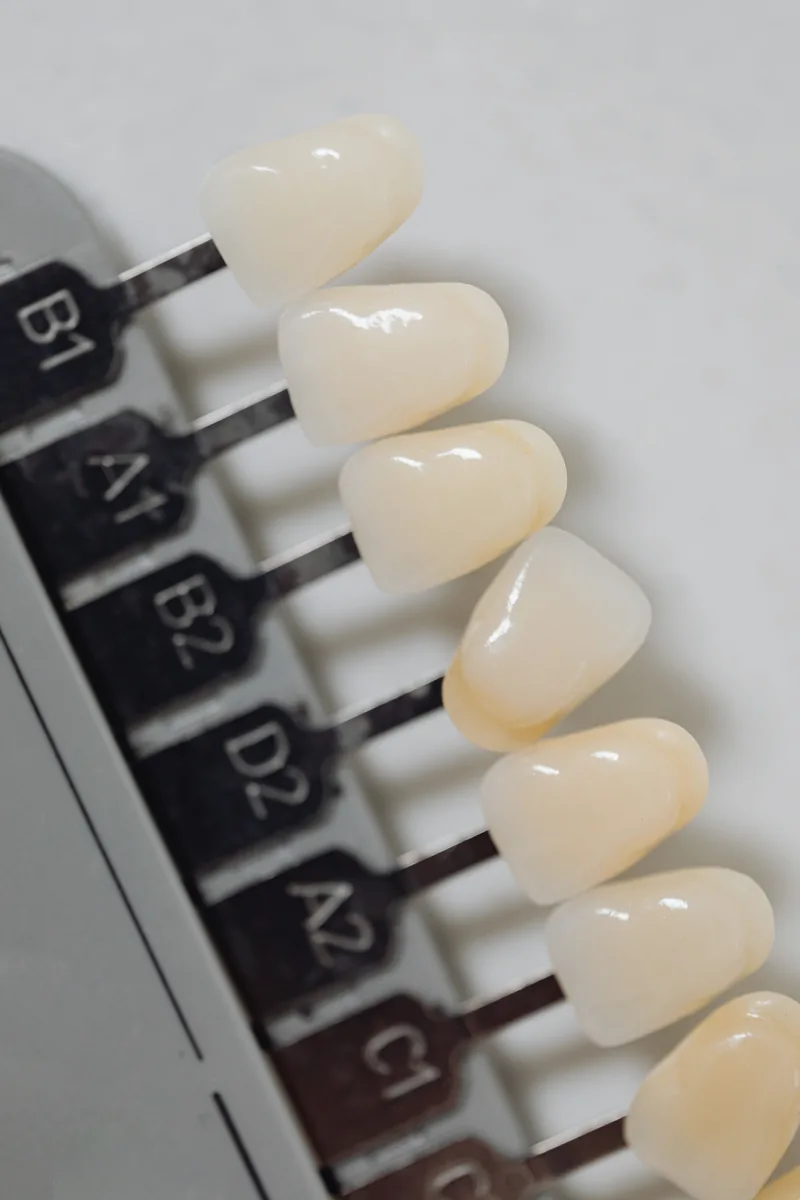
At a review the gum line is checked as it matures. If veneers or crowns are planned, they are usually made only once the gums have stabilised, which can take several weeks or longer depending on what was done.
Gallery


Gum contouring trims and reshapes soft tissue only, for cosmetic reasons, on healthy gums. Crown lengthening is a surgical procedure that also reshapes the bone beneath, used when bone sits too close to the tooth edge or when more tooth is needed to hold a crown. Periodontal or gum treatment is different again: it treats inflammation and infection, aiming to stabilise the gums rather than change how the smile looks. Your clinician will explain which, if any, applies to you.
Before & after treatment
Before you travel
Afterwards
In their words
Dental patients describe their experience — from the first conversation to aftercare.
All patient reviewsGoogle reviews
Spoken with us already? Share your experience on Google.
Honest reviews — good or critical — help the next person decide. We read every one and never offer anything in exchange.
Questions
General answers — your own plan always depends on an individual assessment.
All dental questionsThe area is numbed with local anaesthetic, so the procedure itself is usually comfortable. Afterwards the gums are commonly tender for several days; your clinician will advise on pain relief and gentle cleaning.
Not universally. Lasers can reduce bleeding during the procedure, and scalpels allow very precise edges; both are used successfully. The amount of tissue treated, the plan and your gum health matter more than the instrument.
Some rebound is possible, especially if the bone sits close to the tooth edge and only soft tissue was removed. That is why bone levels are checked first and why crown lengthening is sometimes recommended instead.
Only if excess gum tissue is the main cause. If the upper jaw is long or the lip lifts high when you smile, contouring alone may change little, and your clinician will explain other options and their trade-offs.
Usually not straight away. The gum line needs time to stabilise, often several weeks or more, so that restorations are made to the final position. Your clinician will set the timing.
The procedure itself is usually brief, but healing continues after you return home and a later review may be advised. If this option is relevant to you, availability at our clinic and your suitability are confirmed during your consultation.
Also available
Free consultation
Tell us what you would like to change. A coordinator replies personally and arranges a dentist’s review of your photos — free, without obligation.
A person replies. Monday to Saturday, Istanbul time.
VHFree consultation
A coordinator replies personally — free, no obligation.