Porcelain veneers
Cosmetic Dentistry
Dental Laminates in Turkey: ultra-thin porcelain shells with minimal preparation for subtle changes to shape, length and shade, with a trial preview first.
Free · no obligation
Leave your name and number — a coordinator replies personally.
Dental laminates are ultra-thin porcelain shells — often described as being close to the thickness of a contact lens — that are bonded to the front of teeth. Because they are so thin, they can frequently be placed with very little or no removal of enamel. Instead of replacing tooth structure, they are added on top of it, which is why they are sometimes called minimal-preparation or no-preparation veneers.
The thinness of a laminate is both its main advantage and its main constraint. Preserving enamel keeps the bond strong and means the natural tooth is largely untouched. However, a very thin layer of ceramic cannot hide deep discolouration or move a tooth far from where it sits; laminates add volume rather than replace it. They are therefore well suited to lengthening worn edges, closing small gaps, softening uneven contours and brightening teeth that are already fairly light.
Careful case selection matters more than with conventional veneers. If teeth are crowded, tilted forward or quite dark, adding laminates can make them look bulky or grey. In these situations, orthodontic alignment first, conventional veneers or another approach may give a more natural result. Your clinician will assess this honestly at consultation.
What they can help with

Results · before & after
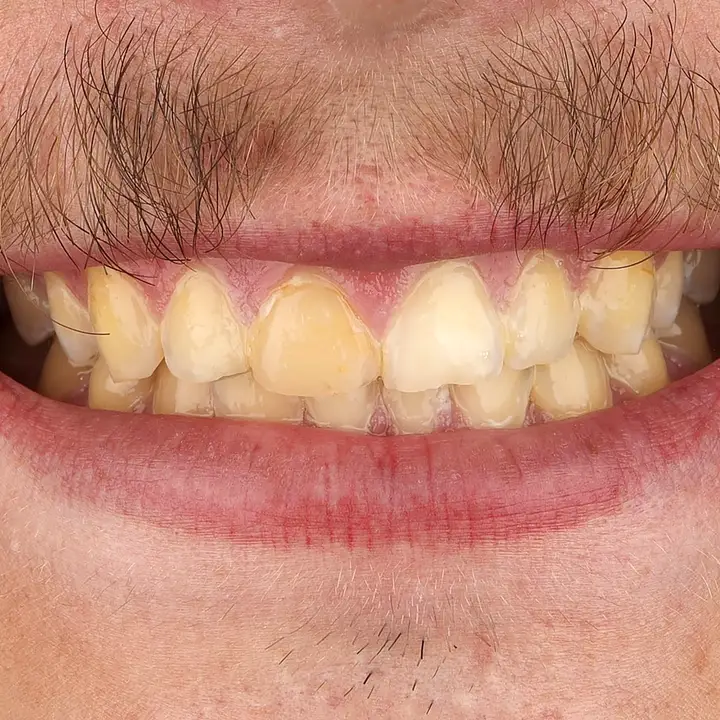
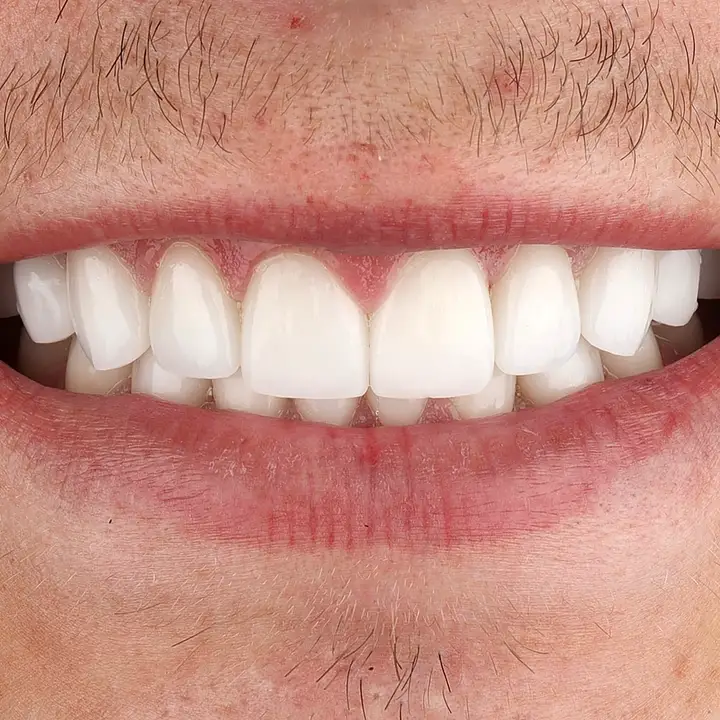
Before and after photographs from dental laminates and related treatments at our clinic in Istanbul. Drag the handle to compare each pair.
All dental results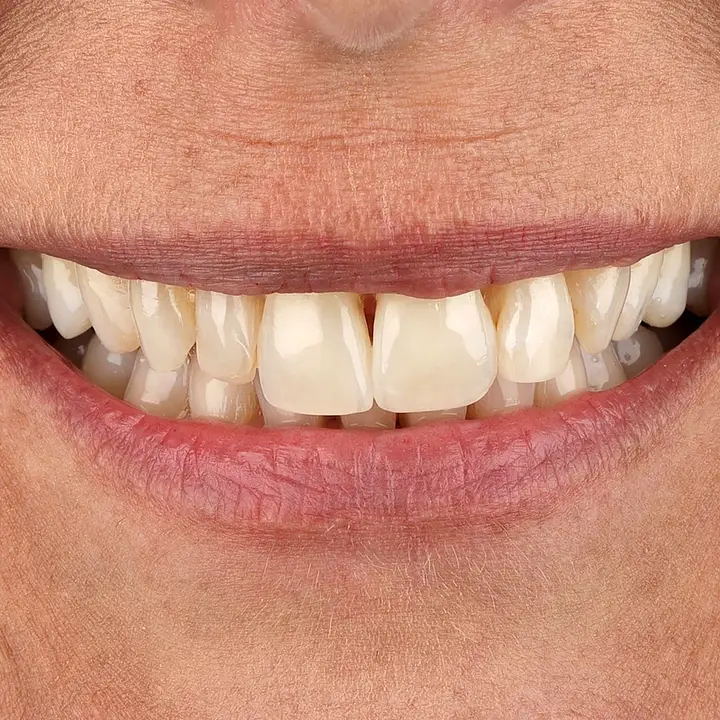
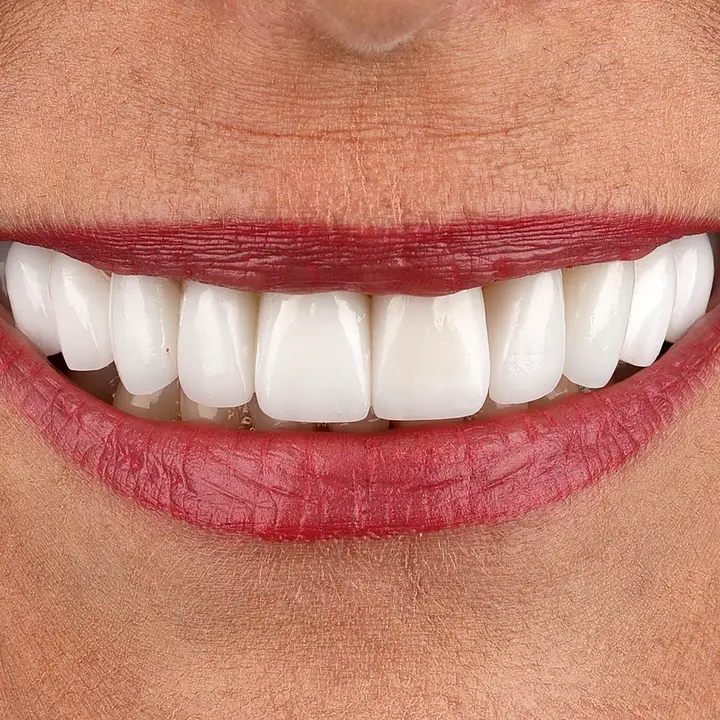
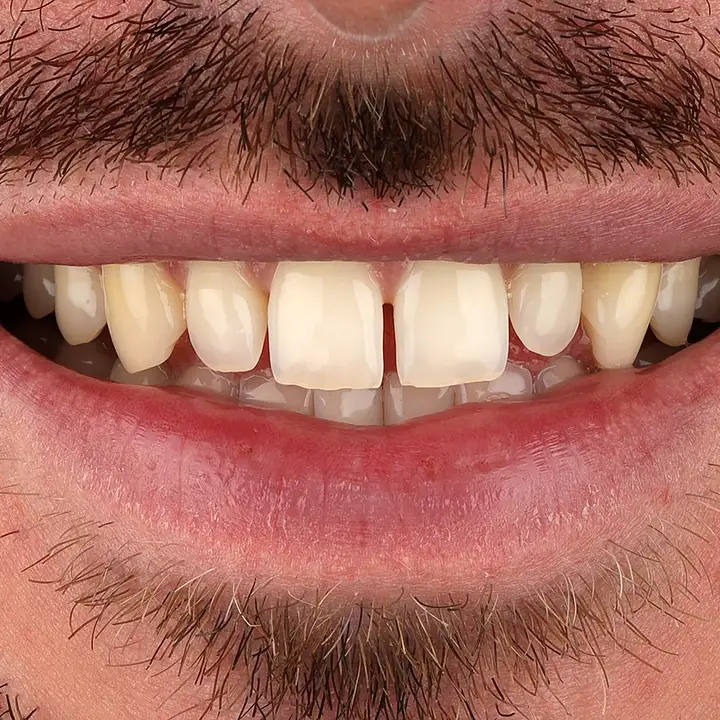
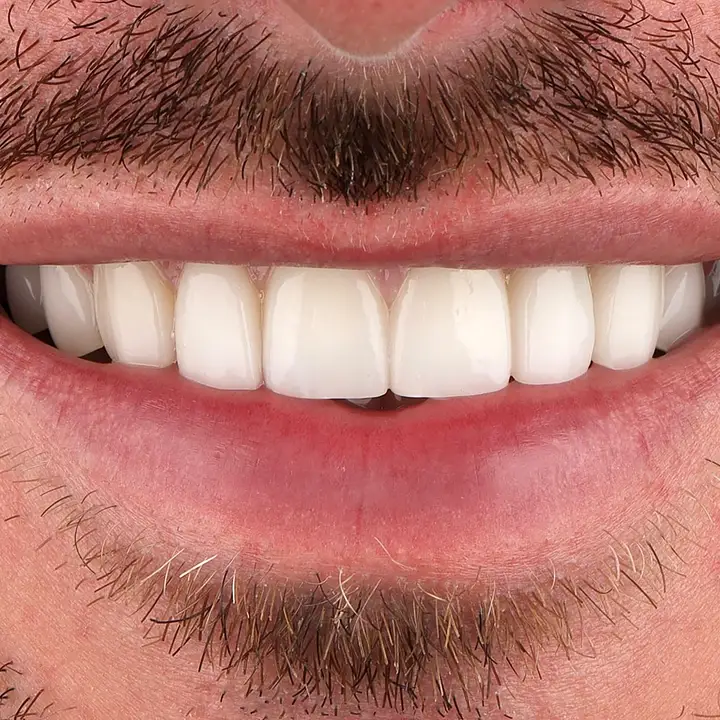
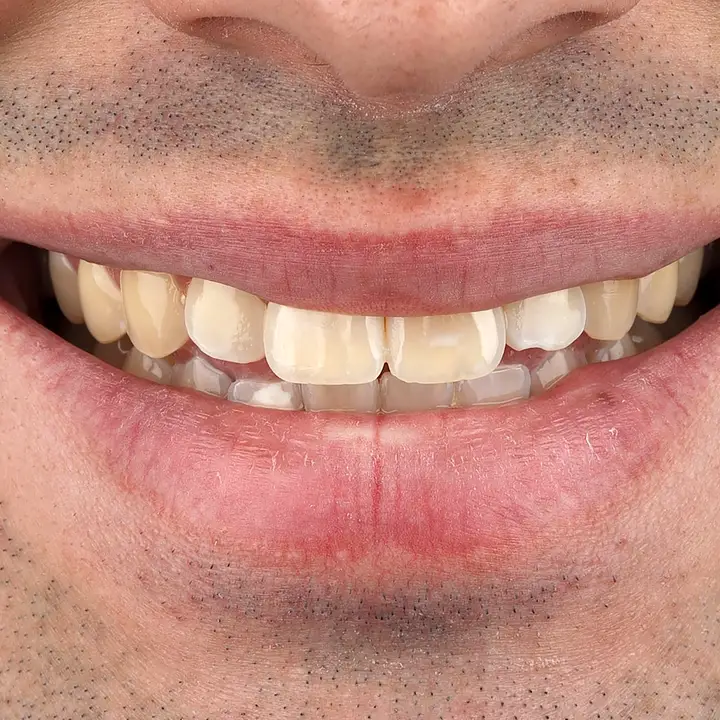
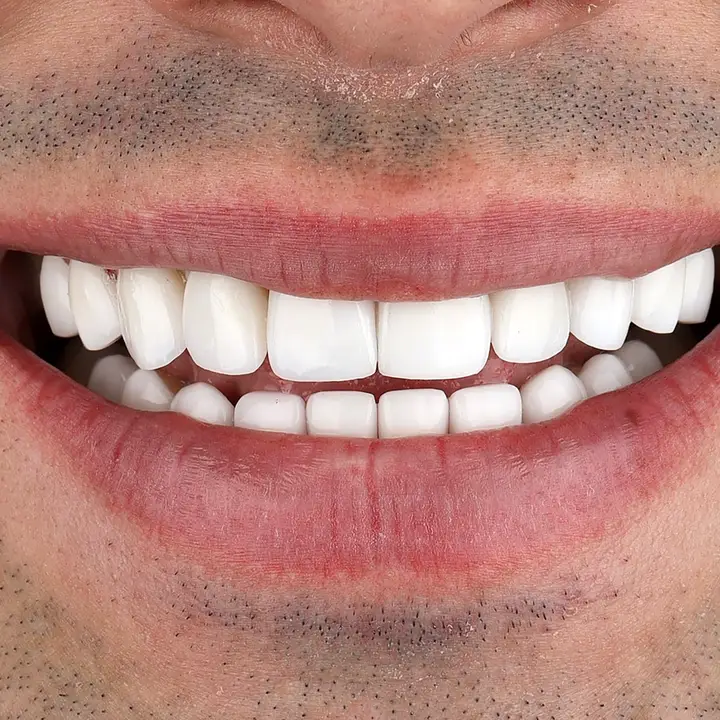

Laminates are for refining, not reconstructing. They work most predictably when teeth are healthy, have plenty of enamel and are already in or close to the desired position.
Often a good fit
Assessed carefully
Honest information
The procedure
With laminates, the most important decision is often whether to use them at all. Planning starts from your current teeth and adds only what the design requires.

Your clinician examines enamel, tooth position, shade and bite, and takes photographs and an intraoral scan. This stage determines whether laminates can achieve your goal or whether another option would look more natural.
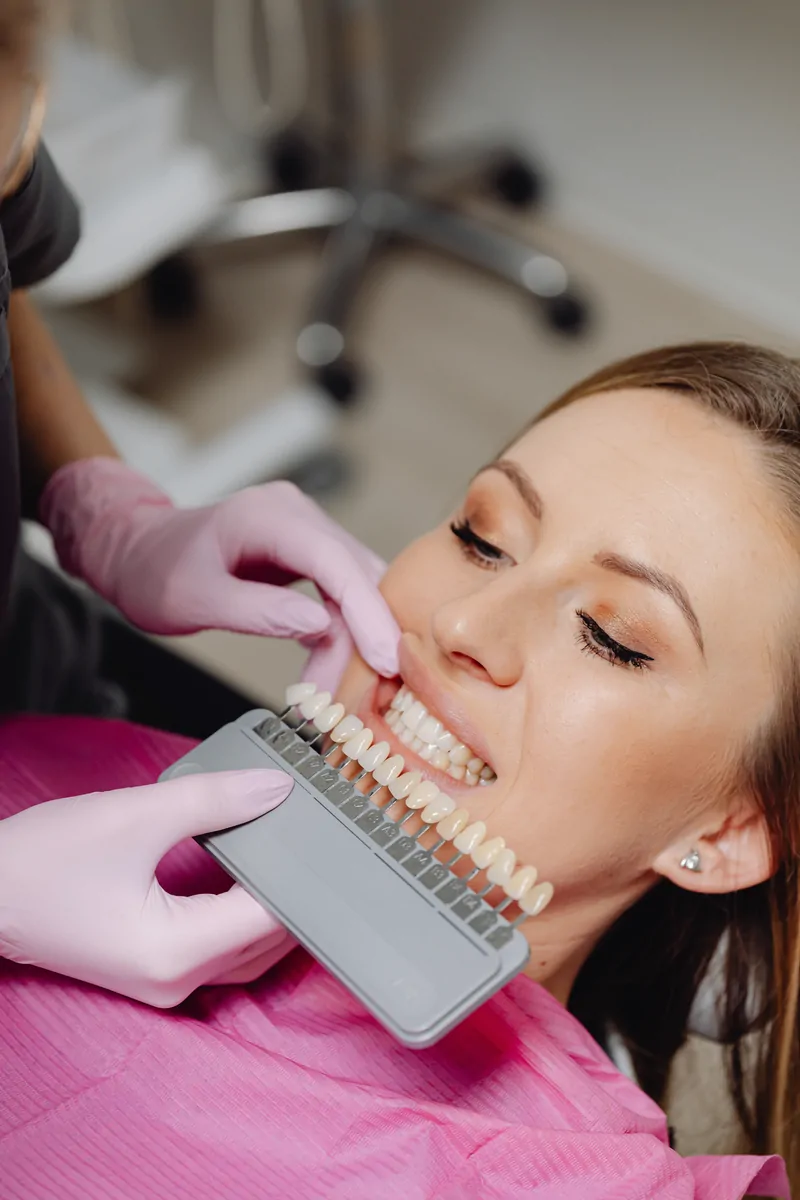
Because laminates add to the tooth, the design is planned outward from your current teeth. A temporary resin preview can often be placed directly over your teeth so you can judge the added length and fullness.
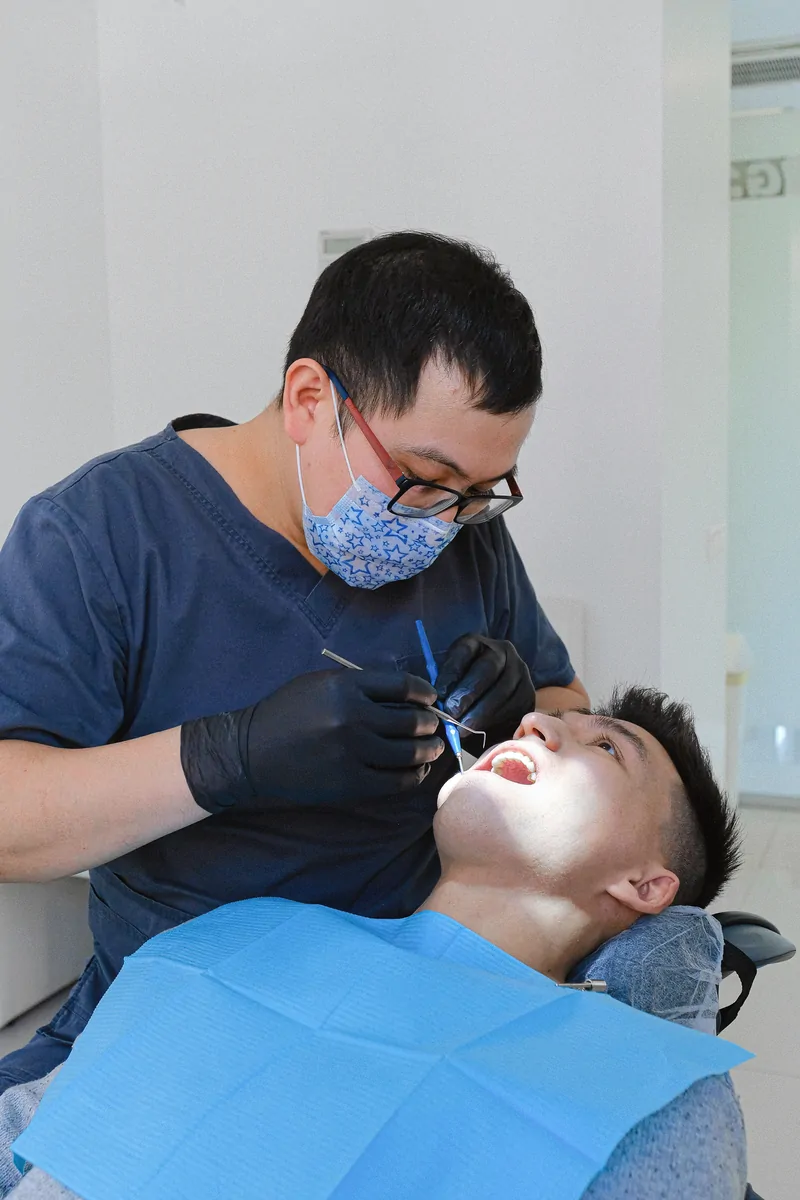
In many cases, no drilling is required. Where needed, very light polishing or contouring of enamel — sometimes without anaesthetic — refines the margins so the laminate can sit smoothly. A final scan is taken.
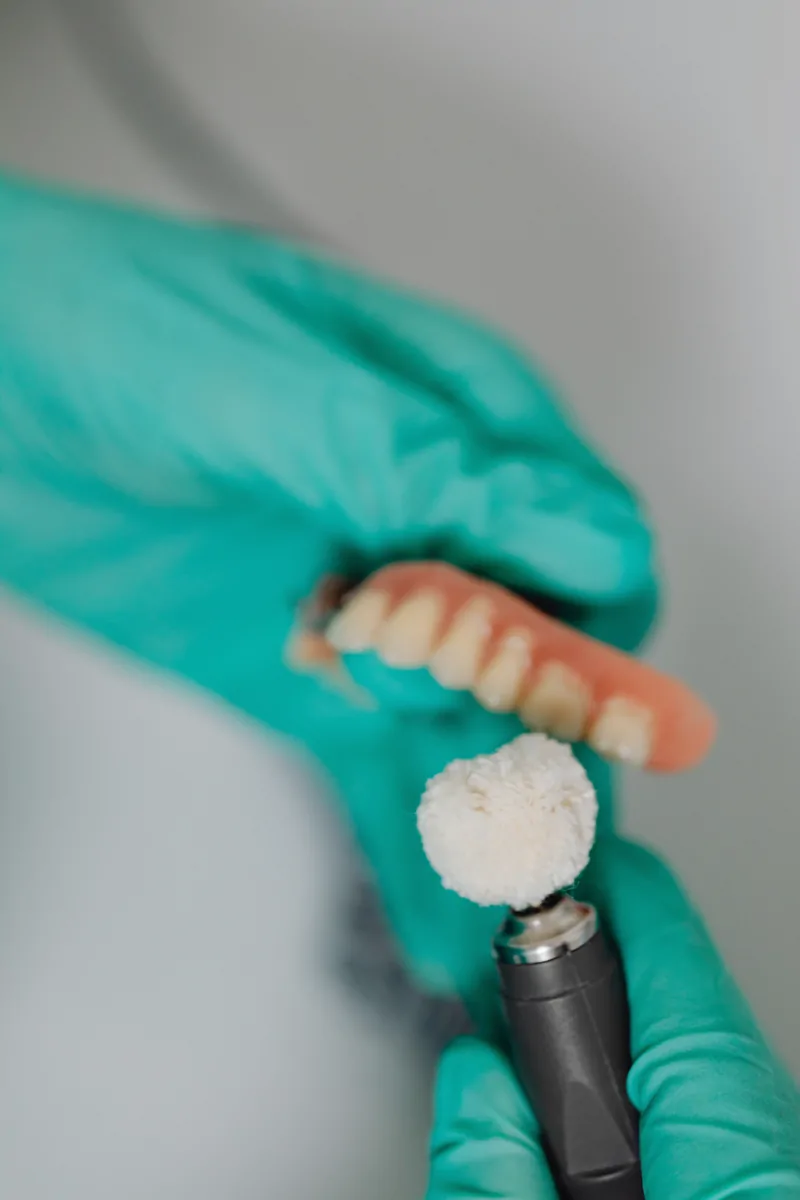
Technicians craft each laminate in thin porcelain or glass-ceramic. Achieving natural translucency at this thickness requires precise work, so this stage commonly takes several days.
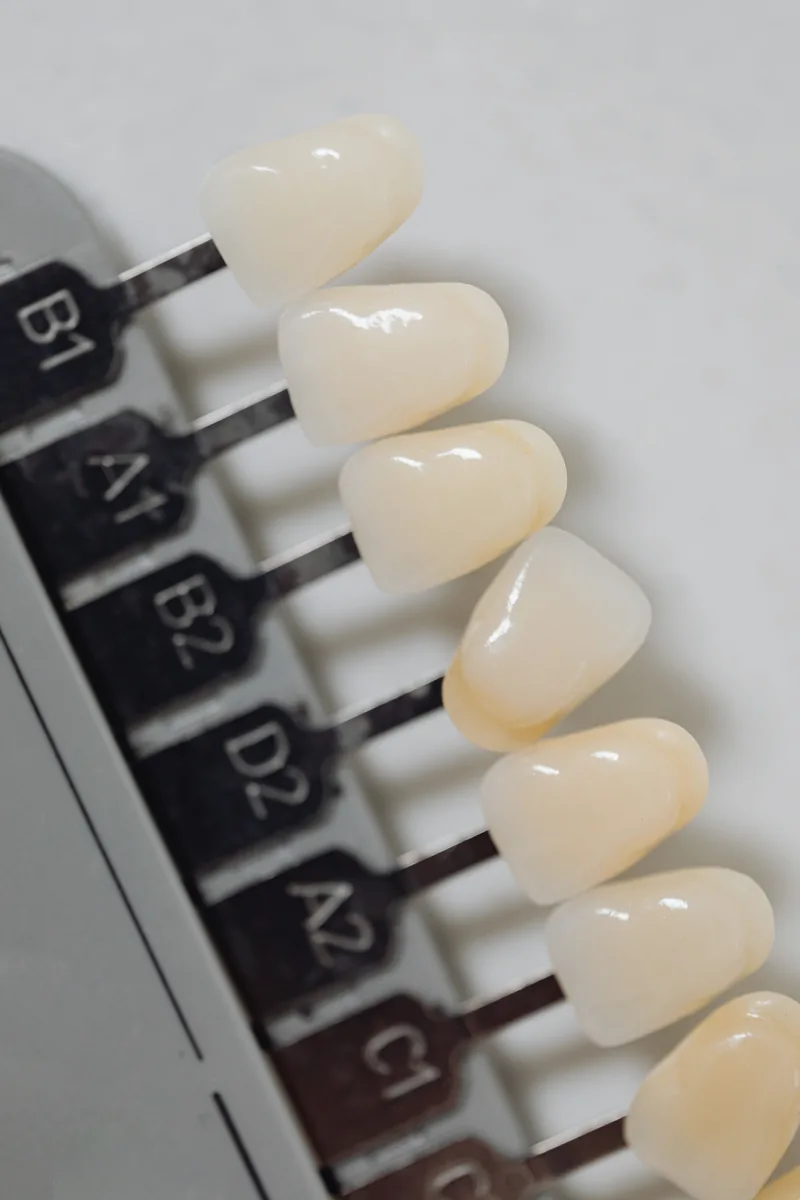
Laminates are fragile until bonded. They are tried in with a try-in paste to check shade and fit, then bonded to the enamel with adhesive cement. Once bonded, the tooth and ceramic act together and become considerably stronger.

Edges and bite are checked carefully, especially on lengthened teeth. A review confirms comfort and gum health, and a night guard may be advised if you grind.
Gallery

Laminates and conventional veneers both cover the front of a tooth, but laminates are thinner — often around 0.3–0.5 mm — and are typically placed with minimal or no enamel reduction. That makes them more conservative, yet less able to hide dark staining or move teeth visually. Conventional veneers usually involve a small, planned reduction, which allows larger changes in colour and shape. “E-max” describes lithium disilicate glass-ceramic, a material that can be used for either laminates or conventional veneers; it is not a separate technique. Crowns, including zirconium and porcelain crowns, cover the whole tooth and need much more preparation, so they are used for weakened or heavily restored teeth rather than cosmetic refinements.
Before & after treatment
Before you travel
Looking after them
In their words
Dental patients describe their experience — from the first conversation to aftercare.
All patient reviewsGoogle reviews
Spoken with us already? Share your experience on Google.
Honest reviews — good or critical — help the next person decide. We read every one and never offer anything in exchange.
Questions
General answers — your own plan always depends on an individual assessment.
All dental questionsThey are a type of veneer. The term laminate usually refers to an ultra-thin porcelain veneer placed with minimal or no preparation, whereas conventional veneers are slightly thicker and need some enamel reduction.
Often very little or none. Light enamel polishing may be used to refine edges. Whether any preparation is needed depends on your tooth position and design.
Their thinness limits how much darkness they can hide. For mild staining, whitening first can help. For significant discolouration, conventional veneers may give a more natural result.
Because little or no enamel is removed, they are sometimes described as reversible, but removing bonded ceramic can still alter the enamel surface. It is wiser to treat them as a long-term commitment.
They can if teeth are already prominent, because laminates add rather than replace volume. Careful assessment and a resin preview help identify this before treatment.
It depends on the bond, your bite and how you care for them. Well-bonded laminates on enamel can last many years, but they may chip and need repair or replacement at some point.
Also available
Free consultation
Tell us what you would like to change. A coordinator replies personally and arranges a dentist’s review of your photos — free, without obligation.
A person replies. Monday to Saturday, Istanbul time.
VHFree consultation
A coordinator replies personally — free, no obligation.