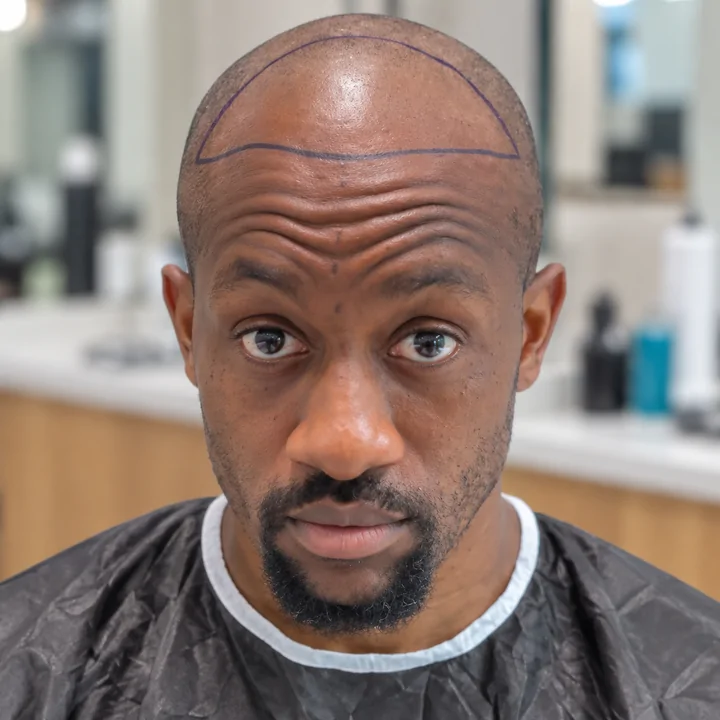

Afro hair transplant
Hair Restoration
Hair Transplant Consultation in Turkey: assessing causes and patterns, when blood tests may help and how medical and surgical routes are weighed before deciding.

Free · no obligation
Leave your name and number — a coordinator replies personally.
A hair loss consultation is a structured assessment that aims to answer two questions: what is causing the hair loss, and which options might reasonably help. Hair thinning has many possible causes — genetic pattern loss, hormonal changes, stress-related shedding, nutritional deficiencies, thyroid conditions, autoimmune conditions, traction and scarring disorders among them — and the right approach depends heavily on which applies. A transplant may be appropriate for some people; for others, medical evaluation or a period of observation makes more sense.
Pattern hair loss is often described using classification scales. In men, the Norwood scale describes stages of recession at the temples and thinning at the crown. In women, the Ludwig scale or similar systems describe diffuse thinning over the top of the scalp, often with a widening parting while the frontal hairline is preserved. These scales give a shared language for discussing extent; they are a general guide and do not on their own determine treatment.
A consultation is also an opportunity to look at your donor area, discuss expectations and understand what a realistic plan might involve over years rather than months. A remote first review using photographs can be a useful starting point, with any decision about surgery made only after an in-person examination. If this option is relevant to you, availability at our clinic and your suitability are confirmed during your consultation.
What it can help with

Results · before & after
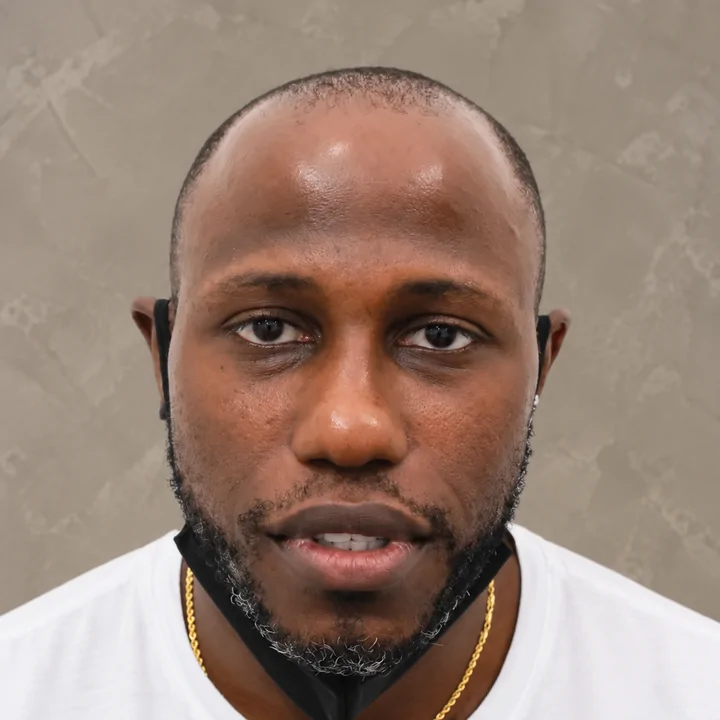
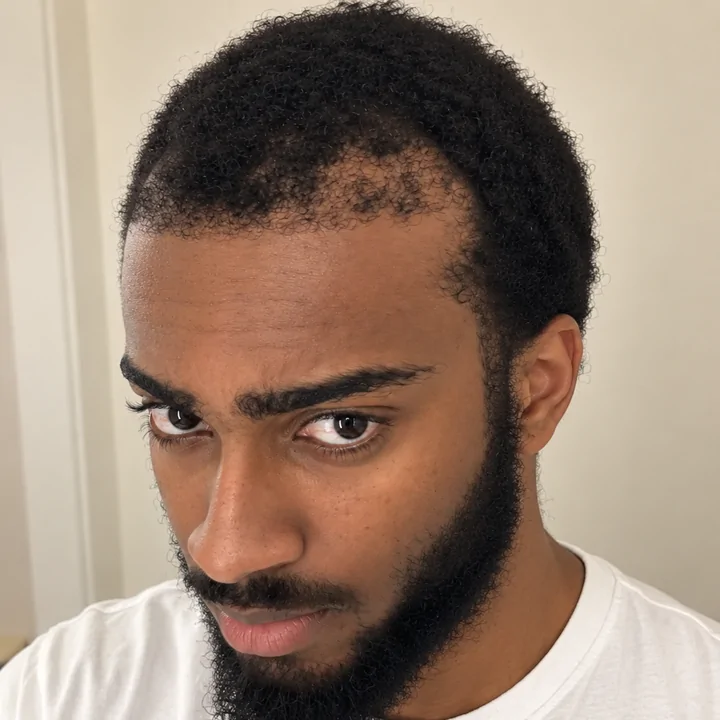
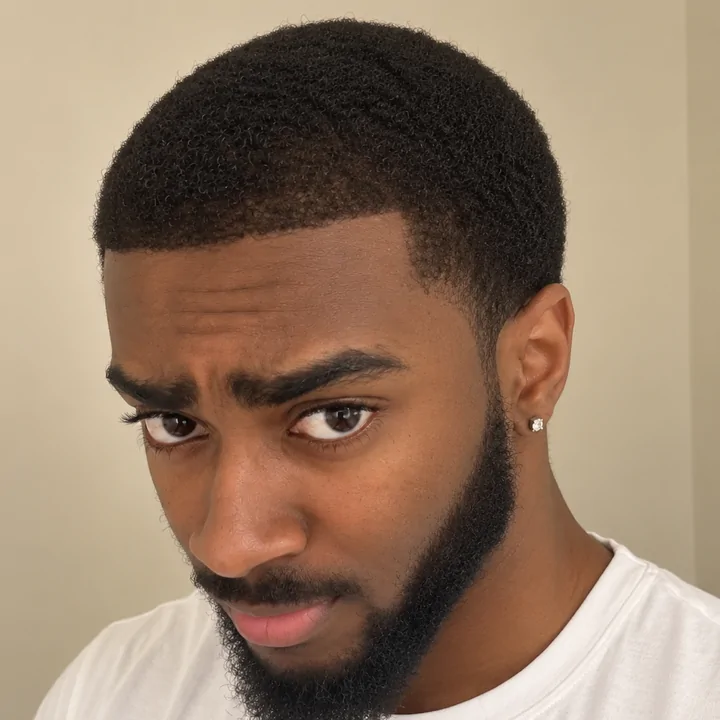
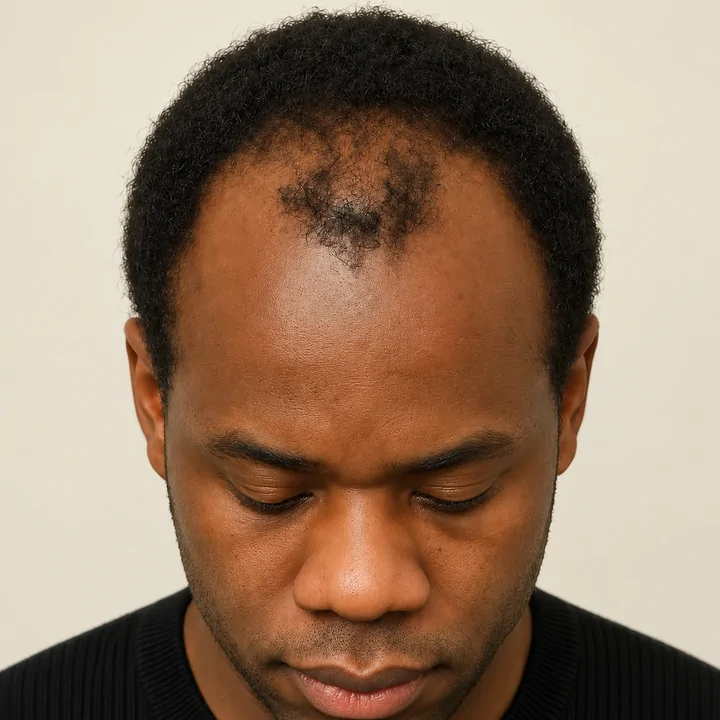
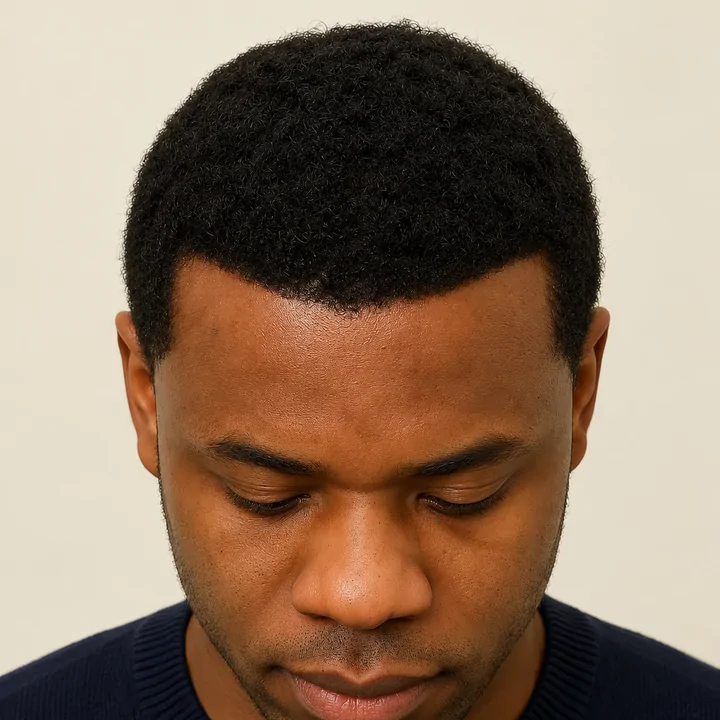
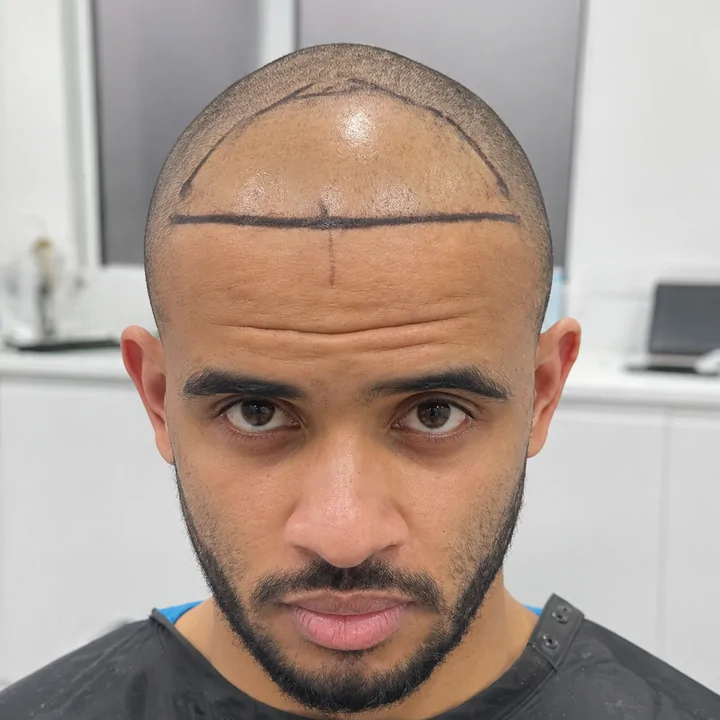
Before and after photographs from hair transplant consultation and related treatments at our clinic in Istanbul. Drag the handle to compare each pair.
All hair results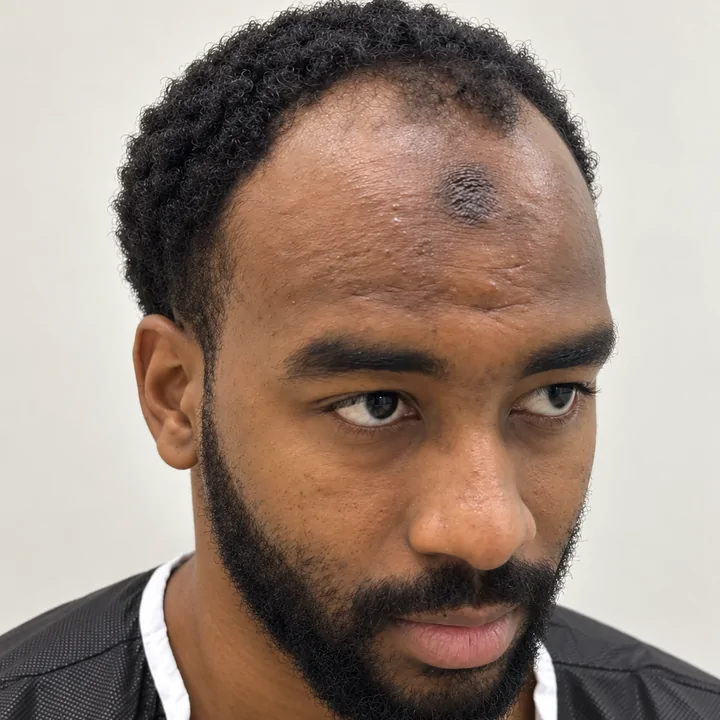




A consultation is appropriate for almost anyone concerned about hair loss. Some situations call for a doctor’s or dermatologist’s input before any cosmetic option is discussed.
Often a good fit
Assessed carefully
Honest information
The procedure
A careful consultation puts understanding before treatment. It is described here in general terms.

You may be asked when the loss started, whether it is gradual or sudden, about family history, general health, diet, medications, recent life events and, for women, menstrual and hormonal history.

The clinician looks at the pattern of loss, hair density and calibre, and the condition of the scalp. Magnified examination of the scalp (trichoscopy) may be used to look for miniaturised hairs or signs of inflammation.

Where pattern loss is present, its extent may be described using a classification scale. Standardised photographs give a baseline for comparison over time.
If the history or examination suggests another cause — for example diffuse shedding, patchy loss or scalp symptoms — blood tests such as iron studies, thyroid function or vitamin levels, or referral to a dermatologist or GP, may be recommended.
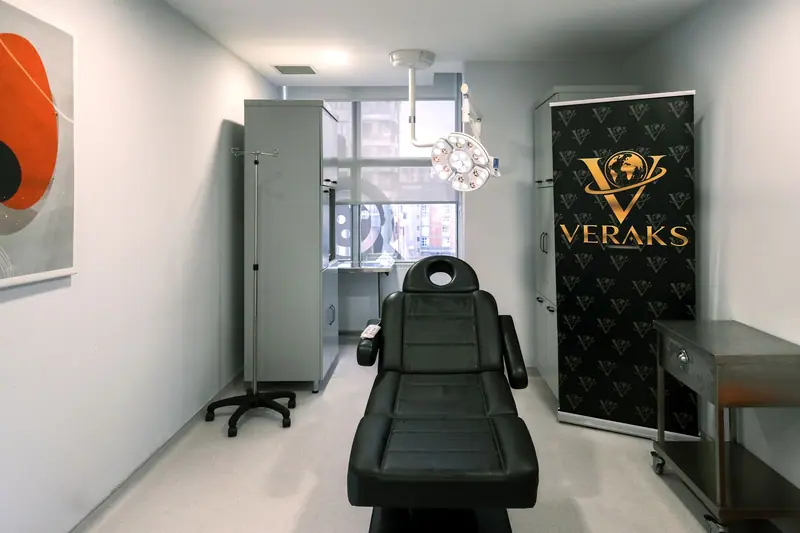
Medical options, surgical options and combinations are explained, along with the limitations of each. Donor capacity, likely progression and your priorities shape this discussion.

You leave with a clearer picture and time to consider. There should be no pressure to book any treatment on the day.
Gallery


Before & after treatment
Before you travel
Afterwards
In their words
Hair transplant patients describe their experience — from the first conversation to aftercare.
All patient reviewsGoogle reviews
Spoken with us already? Share your experience on Google.
Honest reviews — good or critical — help the next person decide. We read every one and never offer anything in exchange.
Questions
General answers — your own plan always depends on an individual assessment.
All hair questionsNot always. They may be recommended if shedding is diffuse or sudden, if there are symptoms of an underlying condition, or in many cases of female hair thinning. Your clinician or doctor can advise.
It is a classification commonly used to describe stages of male pattern hair loss, from mild temple recession to extensive loss across the top of the scalp. It is a general guide rather than a treatment plan.
A first review using photographs can help with initial guidance, but an in-person examination is usually needed before any surgical decision.
Many clinicians suggest discussing medical therapy, as it may help stabilise ongoing loss. Whether it suits you depends on a medical review of benefits and possible side effects.
Younger patients’ hair loss pattern is often still developing, so clinicians may advise caution or a conservative plan. Age is one factor among several.
Sudden shedding can have many causes, some temporary. It is sensible to have it assessed, and to seek prompt medical advice if accompanied by other symptoms.
Also available
Free consultation
Tell us what you would like to change. A coordinator replies personally and arranges a hair specialist’s review of your photos — free, without obligation.
A person replies. Monday to Saturday, Istanbul time.
VHFree consultation
A coordinator replies personally — free, no obligation.