Leave your name and number — a coordinator replies personally.
08Stages
From hello to home.
01Explained firstEach step is explained before it begins.
02In writingYour proposed plan is written, not just verbal.
03Your paceTime to decide — no deadlines.
04Free to stopYou can stop at any point.
01/08Getting to know you
Stage 01Getting to know you
Send your enquiry
A short message is enough: what you would like to change, and any questions. Use the form, WhatsApp, e-mail or phone.
No obligation and no fee
Please don’t send medical records yet
Stage 02Getting to know you
Discuss your goals
Your coordinator replies, asks what matters most to you and explains which details would help a clinician form a first view.
Your priorities, in your own words
Guidance on photographs if they’re useful
Stage 03Getting to know you
Receive initial information
A clinician looks at what you have shared and responds with first thoughts, possible approaches — including conservative ones — and a provisional estimate.
Options with their trade-offs
Clearly marked as provisional
A remote view is never a diagnosis.
Stage 04Planning together
Arrange an assessment
If you would like to continue, an in-person assessment is scheduled. Dates are chosen around the likely plan, with time for imaging and discussion.
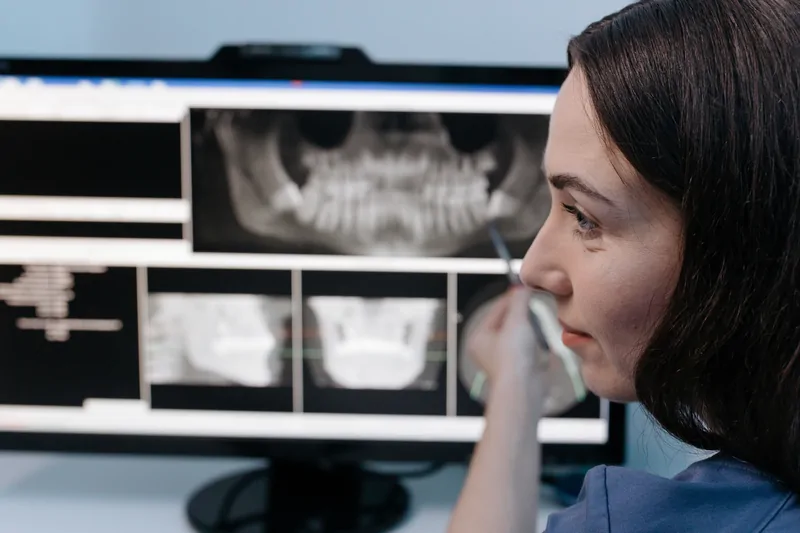
Examination and imaging where needed
Time built in for questions
Stage 05Planning together
Understand your proposed plan
After the assessment you receive a written plan: what is recommended and why, the alternatives, the number of visits and the costs.
Written, not just verbal
Time to decide — no deadlines
Stage 06Your visit
Prepare for your visit
Practical preparation: medication, what to pack, how long to stay and how to plan around recovery. Your hotel stay and VIP airport transfers are included in your plan.
A checklist for the trip
Questions answered before you book
Hotel and transfer details are confirmed in writing before you fly.
Stage 07Your visit
Attend your appointment
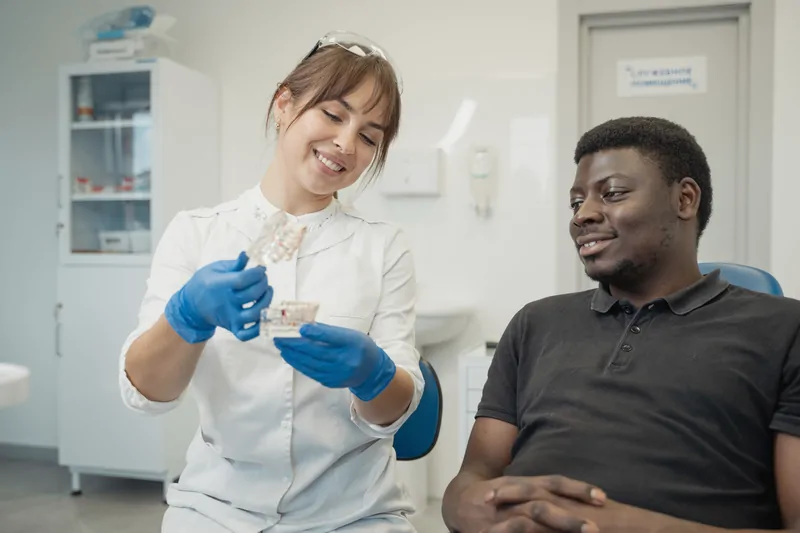
Each step is explained before it begins. You can pause, ask questions and confirm consent. Comfort and hygiene come before speed.
Consent confirmed in person
You can change your mind before treatment begins
Stage 08Aftercare
Follow aftercare recommendations
You leave with written aftercare, signs to watch for and a clear way to reach us. Follow-up continues remotely and, where useful, with your own dentist or doctor.
Written instructions
Check-ins as you heal
Differences by area
Dental and hair journeys differ.
Dental journeys
01Many treatments are staged: implants, for example, usually need a healing period of months between surgery and the final teeth.
02Veneers and crowns often need two visits several days apart — preparation and trial, then fitting.
03Gum health and any decay are treated first; this can change the order or timing of cosmetic work.
04Bring recent X-rays if you have them; new imaging is usually taken at assessment.