Dental implants
Implant Dentistry
Bone Grafting in Turkey: socket preservation, ridge augmentation, graft materials and membranes, and the healing time usually needed before implants.
Free · no obligation
Leave your name and number — a coordinator replies personally.
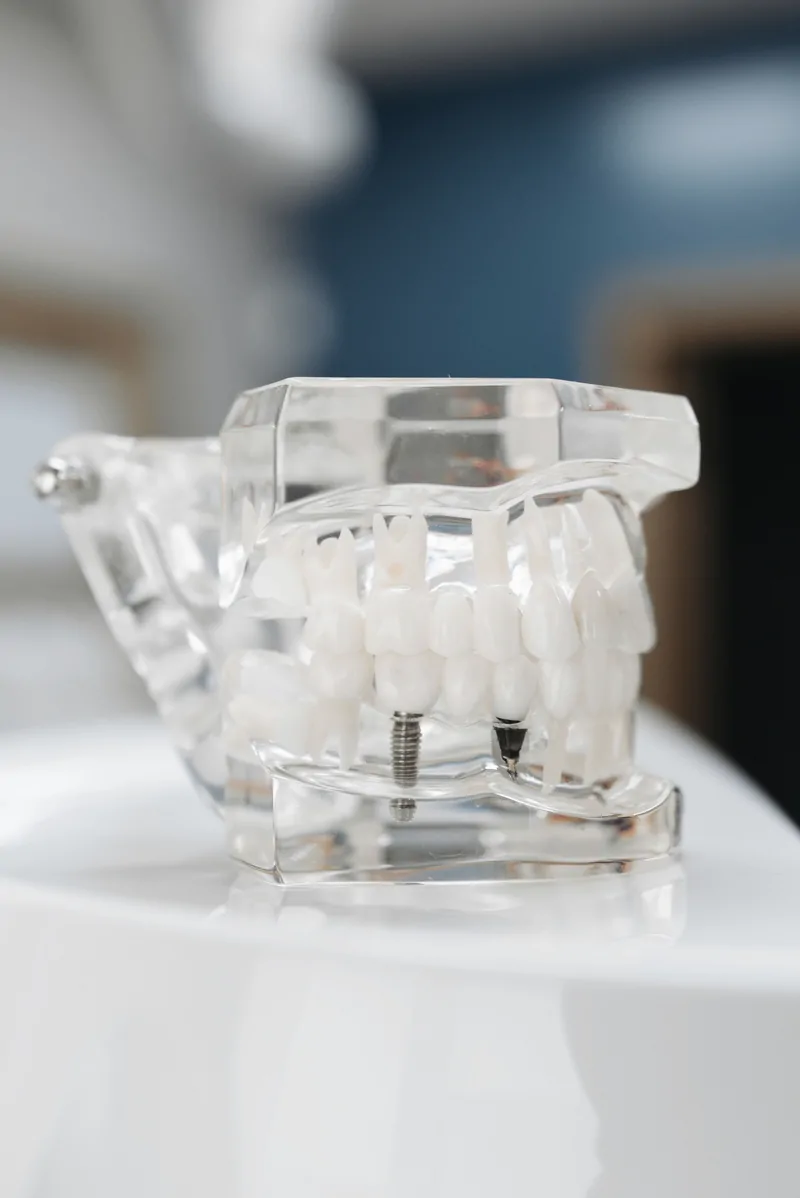
Dental bone grafting adds bone or a bone substitute to an area of the jaw that has become too thin or too low to hold an implant securely. After a tooth is lost, the ridge of bone that held its root gradually shrinks, and gum disease, infection, trauma or years of wearing a denture can speed this up. The graft acts as a scaffold: over the following months your own bone grows into it and gradually remodels the area, so that an implant can later be placed where the final tooth needs to be.
Grafting covers a range of procedures. Socket preservation fills the space left by an extracted tooth to limit shrinkage while the site heals. Ridge augmentation rebuilds width or height along a ridge that has already resorbed, using small particles of graft material or, for larger defects, a block of bone fixed in place. The material may be your own bone (autograft), processed donor bone (allograft), processed animal-derived bone (xenograft) or a synthetic substitute. A protective membrane is often laid over the graft to keep gum tissue out while bone forms underneath.
Many implant patients need no grafting at all; a cone-beam CT scan shows whether there is enough bone at each planned site. A sinus lift is a related but separate procedure used only in the upper back jaw, where height is gained beneath the sinus floor, and it has its own page. The availability of grafting procedures at our clinic is confirmed during your consultation.
What it can help with
Results · before & after
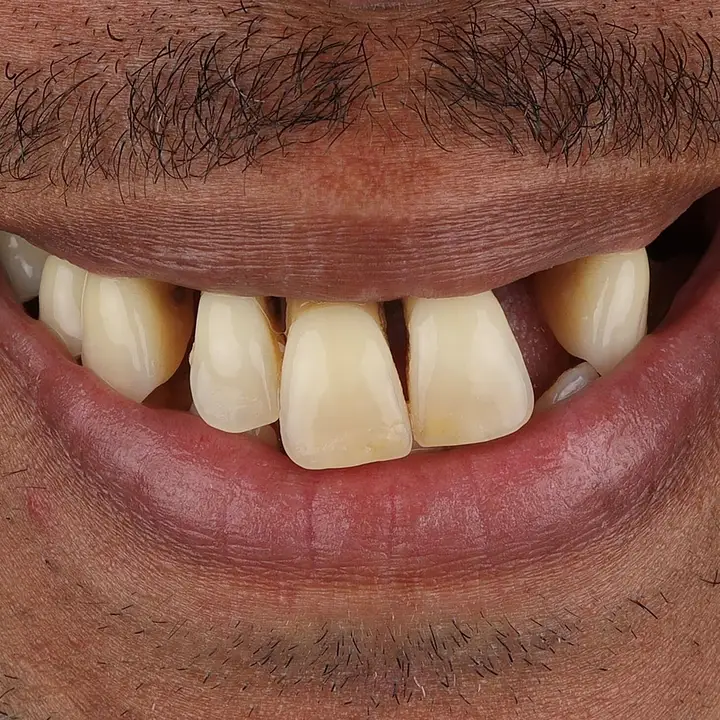
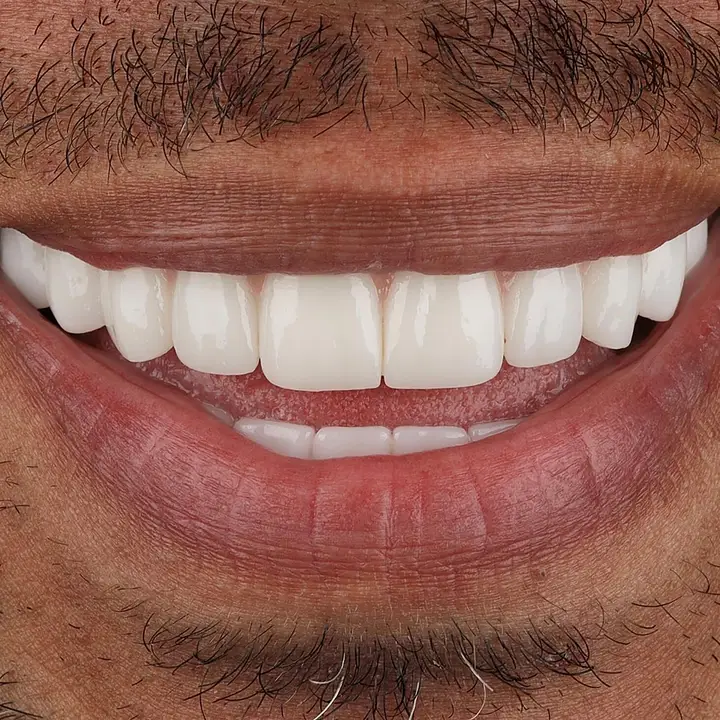
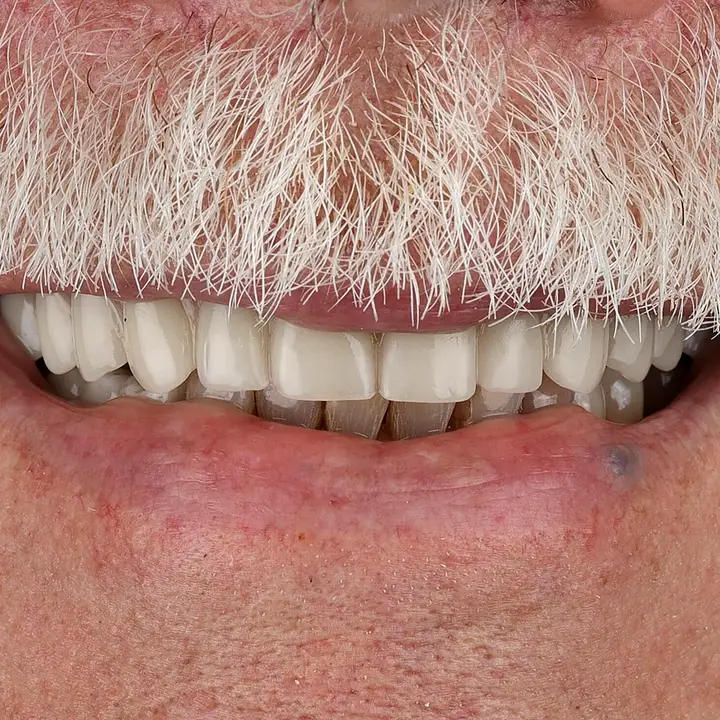
Before and after photographs from bone grafting and related treatments at our clinic in Istanbul. Drag the handle to compare each pair.
All dental results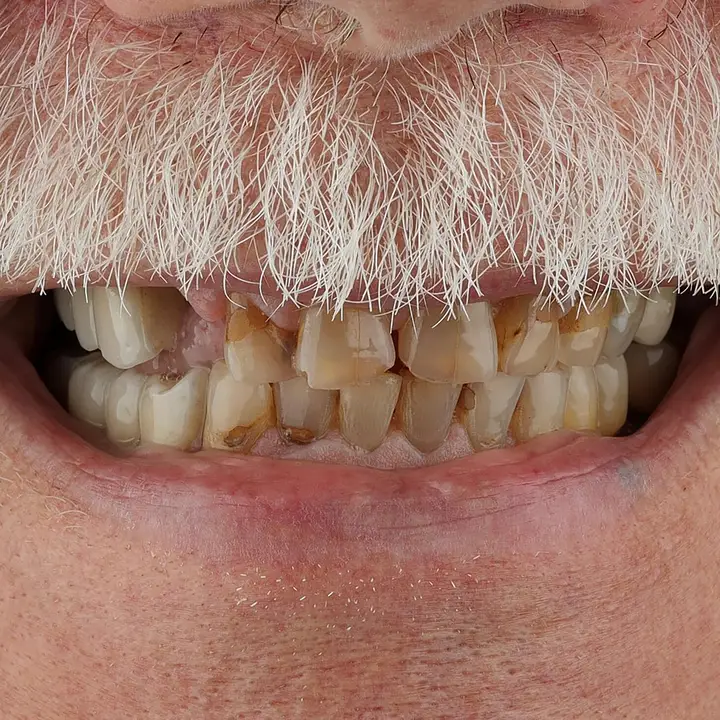
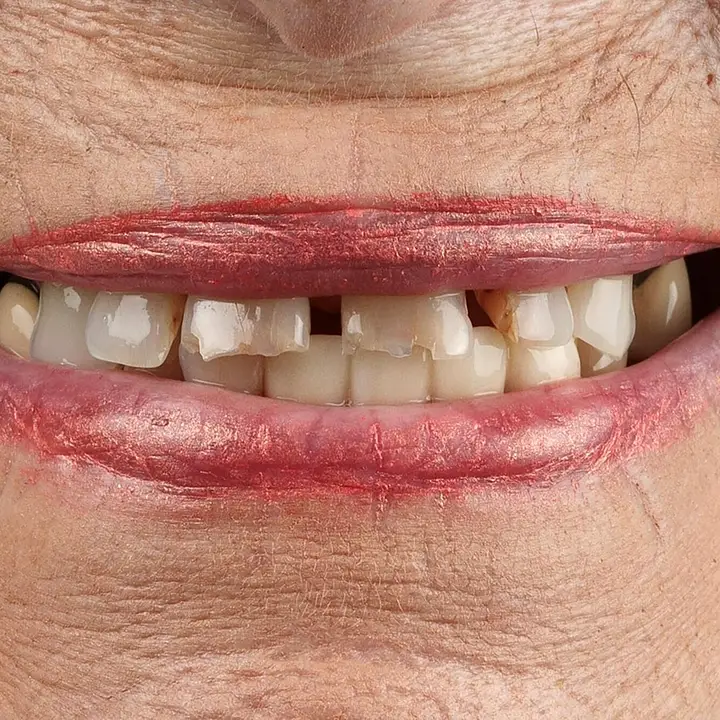
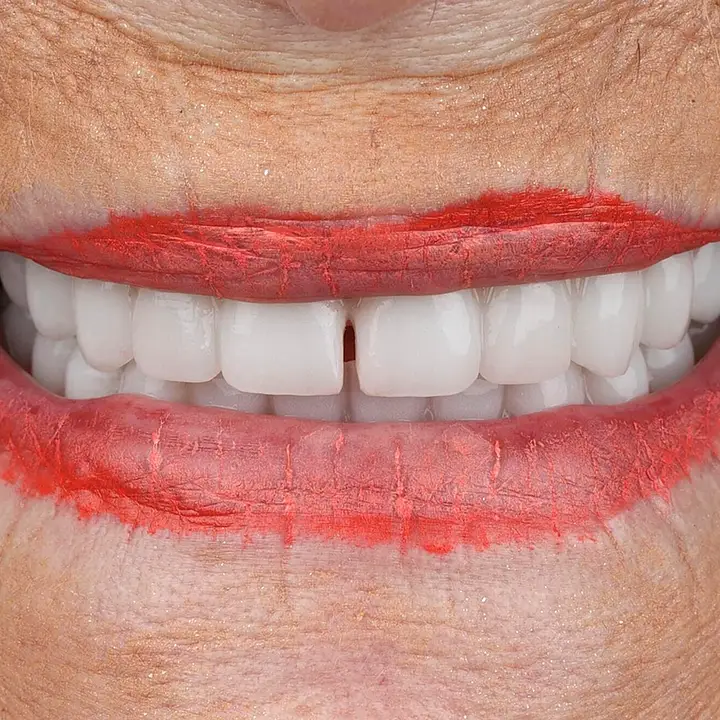
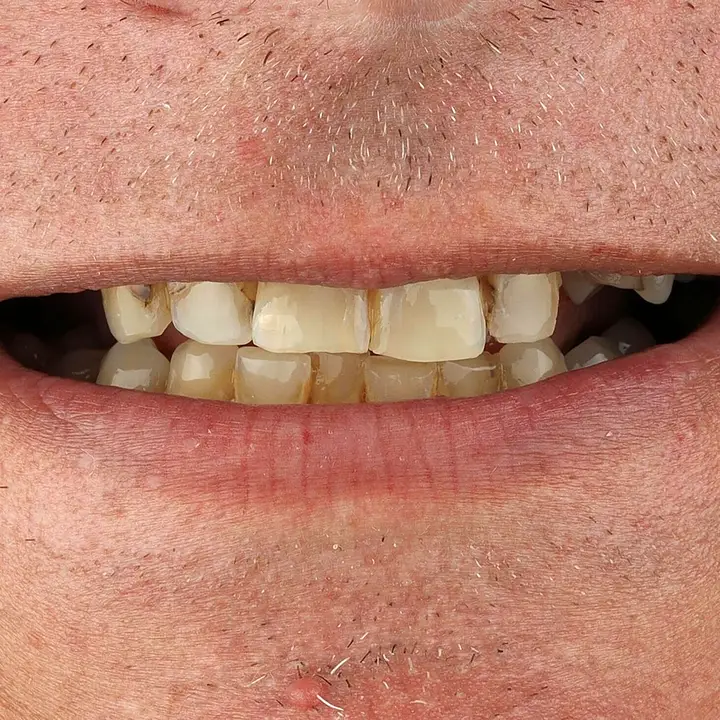
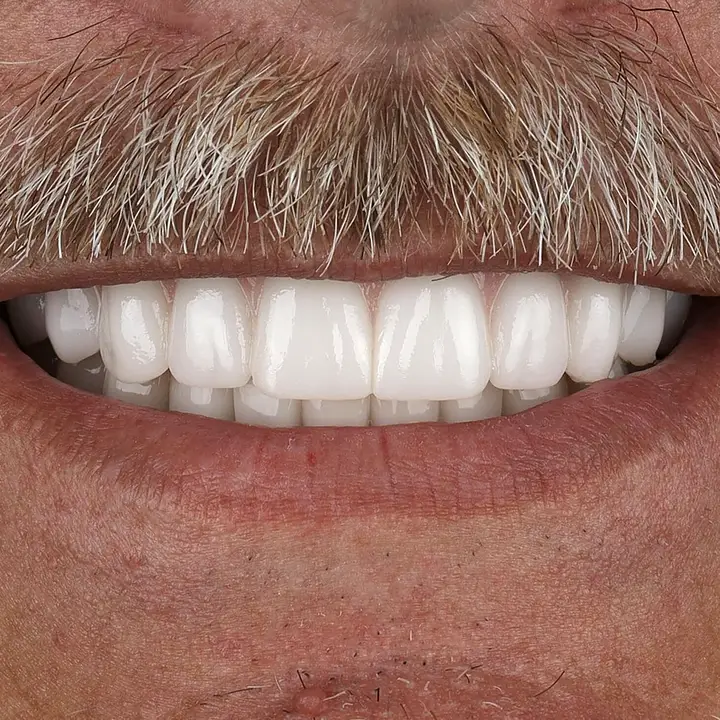
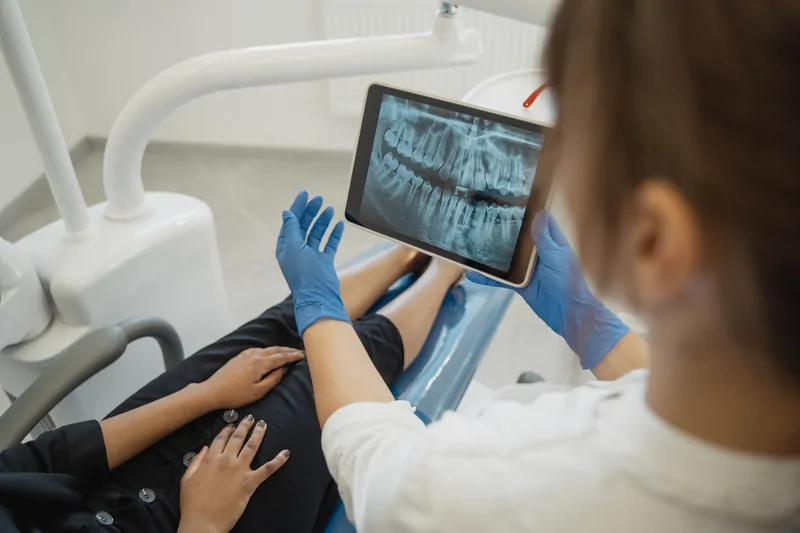
The need for grafting is identified from imaging, but whether it is advisable also depends on the shape of the defect, your general health and how well you are likely to heal. Your clinician will explain why a graft is or is not recommended for each site.
Often a good fit
Assessed carefully
Honest information
The procedure
No single graft suits every situation. Planning considers whether width or height is missing, how large the defect is and your general health, aiming for the least invasive route that is likely to provide the bone the implant needs.

A cone-beam CT scan measures bone width and height in three dimensions. Your clinician explains whether a graft is needed, which technique and material suit the defect, and whether an implant could be placed at the same appointment or later.
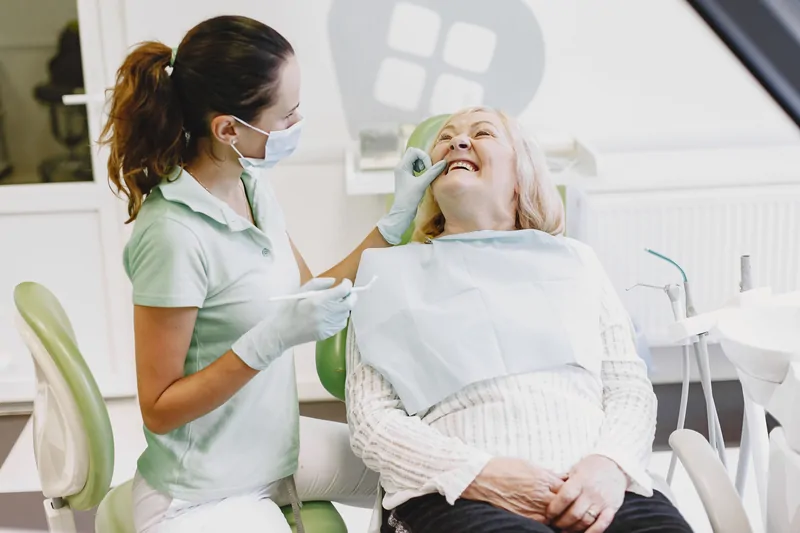
The area is numbed with local anaesthetic. For socket preservation, the graft goes straight into the cleaned socket after extraction; for ridge augmentation, a small flap of gum is lifted to expose the bone and any infected tissue is removed.
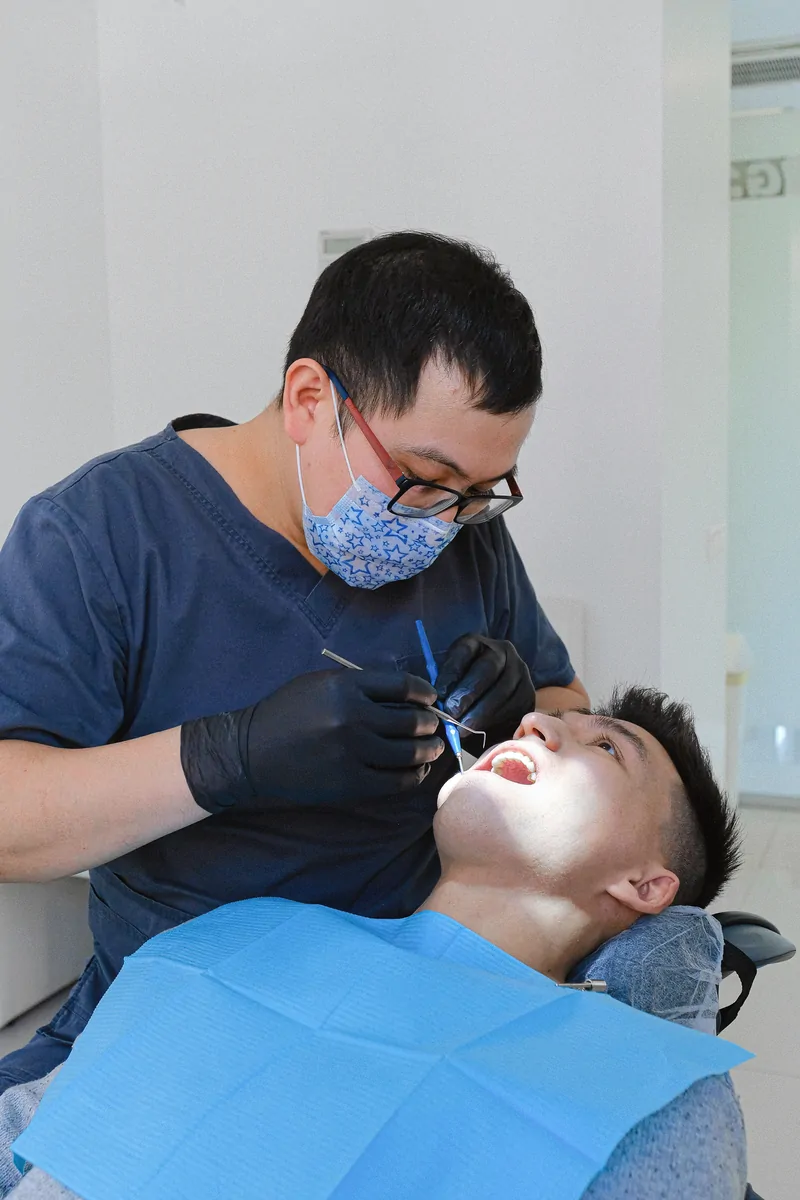
Particulate graft is packed into the socket or shaped along the ridge. For larger defects, a block of bone may be fixed with small screws. If your own bone is used, it is usually collected from a nearby area of the jaw.
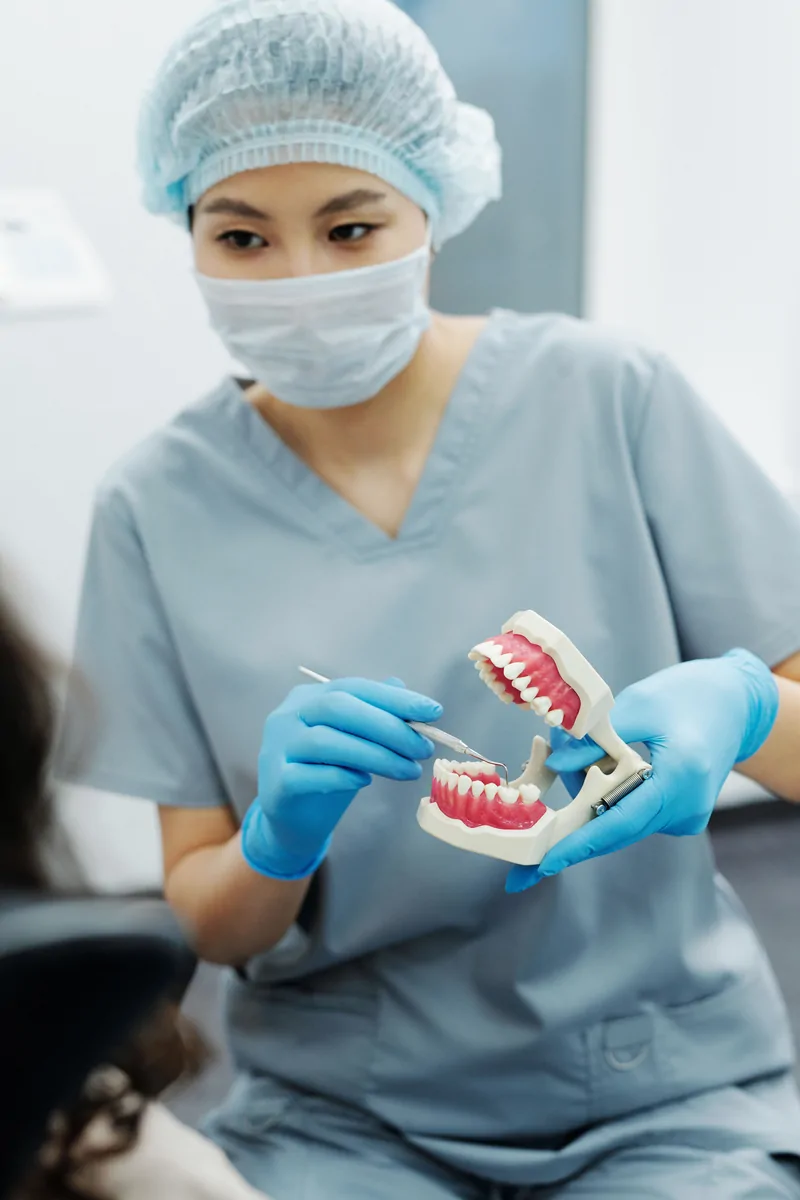
A protective membrane is commonly placed over the graft, and the gum is stitched closed without tension. Membranes may be resorbable or, in some cases, need removing later.
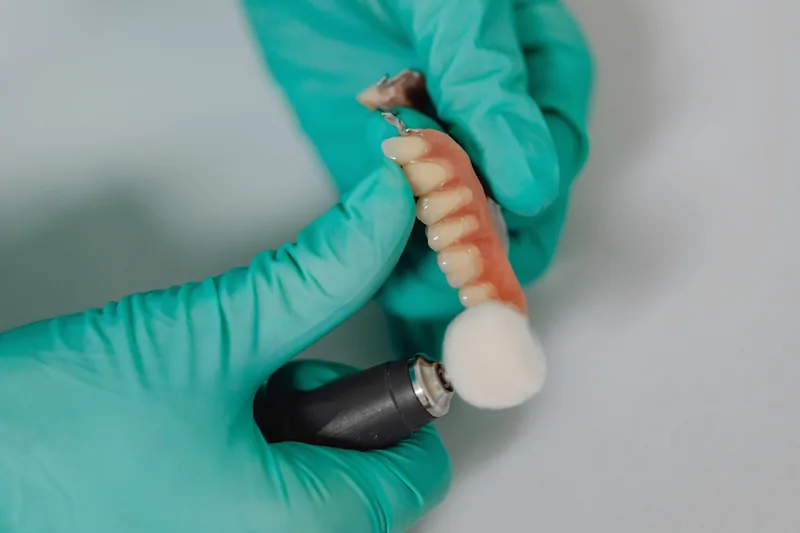
Over the following months the graft is gradually remodelled into your own bone. Small socket grafts may be ready sooner, while larger augmentations often need longer. A further scan confirms whether enough bone has formed before an implant is placed.
Gallery



Before & after treatment
Before you travel
Afterwards
In their words
Dental patients describe their experience — from the first conversation to aftercare.
All patient reviewsGoogle reviews
Spoken with us already? Share your experience on Google.
Honest reviews — good or critical — help the next person decide. We read every one and never offer anything in exchange.
Questions
General answers — your own plan always depends on an individual assessment.
All dental questionsOnly 3D imaging can show this reliably. A cone-beam CT scan measures bone width and height at each planned implant site. Many people have enough bone for implants without grafting.
It is a small graft placed into a tooth socket at the time of extraction to help limit the shrinkage that normally follows. It is usually considered when an implant is planned for that site later on.
It may be your own bone, processed donor or animal-derived bone, or a synthetic substitute. Your clinician explains the options and why one may suit your case, and you are welcome to raise any preferences about the material’s origin.
Sometimes. If there is enough bone to hold the implant firmly, a small graft can be added around it at the same visit. Larger defects usually need to heal first, with the implant placed at a later appointment.
It varies with the size and type of graft. Socket grafts may be ready sooner than larger ridge augmentations, which often need several months. A follow-up scan helps confirm when the site is ready.
No. Bone grafting is the broader term for rebuilding the jaw ridge, while a sinus lift specifically gains height beneath the sinus in the upper back jaw. Your scan shows which, if either, is needed.
Also available
Free consultation
Tell us what you would like to change. A coordinator replies personally and arranges a dentist’s review of your photos — free, without obligation.
A person replies. Monday to Saturday, Istanbul time.
VHFree consultation
A coordinator replies personally — free, no obligation.