Dental implants
Restorative Dentistry
Dental Bridges in Turkey: fixed replacements for missing teeth — tooth- or implant-supported designs, digital scans, temporary bridge and a careful final fit.
Free · no obligation
Leave your name and number — a coordinator replies personally.
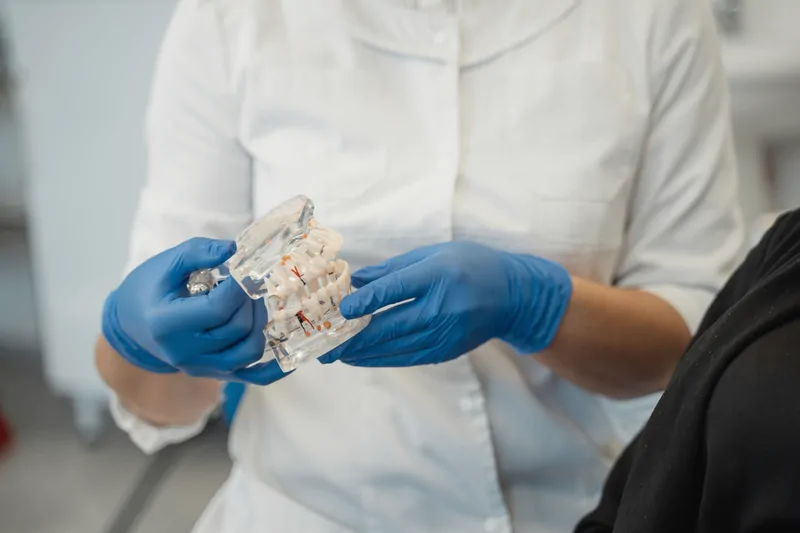
A dental bridge is a fixed restoration that replaces missing teeth by joining an artificial tooth, called a pontic, to supports on one or both sides of the gap. In a conventional bridge, the supports are crowns placed on the neighbouring natural teeth. In an implant-supported bridge, the supports are dental implants, which allows several missing teeth to be replaced without involving natural teeth at all.
Bridges have been used for decades and remain a reliable option in the right situation. A conventional bridge avoids surgery and can usually be completed in a short time, which can be helpful for international patients. The trade-off is that the supporting teeth must be reduced to hold crowns. If those teeth are already heavily filled or crowned, this is less of a drawback; if they are healthy and unrestored, an implant may be the more conservative choice.
Other designs exist for specific cases. A cantilever bridge is supported on one side only, and a resin-bonded bridge uses a thin wing bonded to the back of a neighbouring tooth, requiring little or no preparation. Your clinician will explain which design is realistic for your gap, bite and the condition of the supporting teeth. Bridges are commonly made from zirconia, which is strong enough for longer spans and back teeth, or from ceramic layered over a framework where front-tooth aesthetics are the priority.
What they can help with
Results · before & after
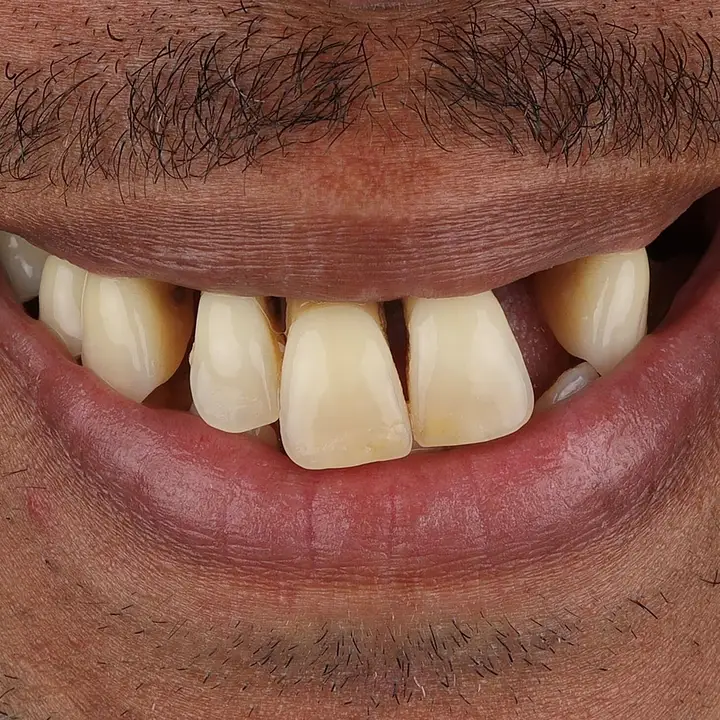
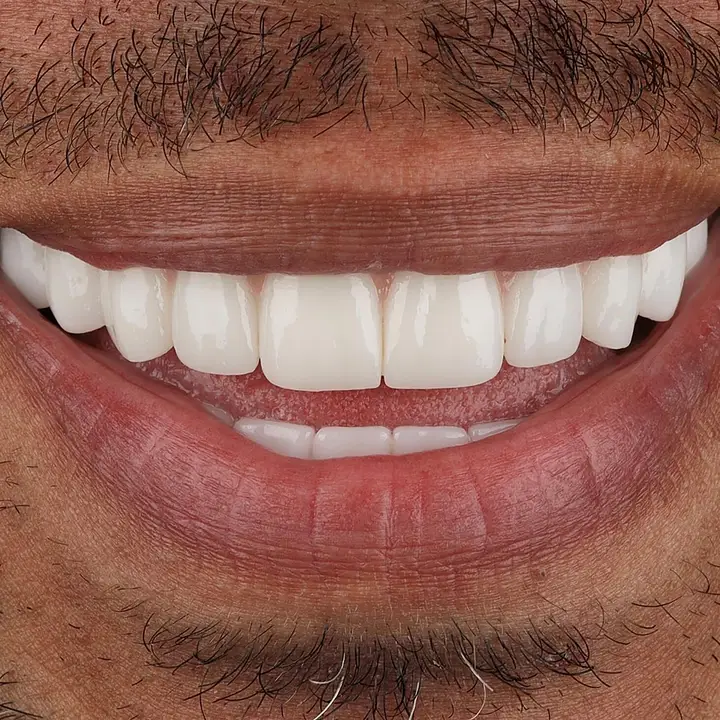
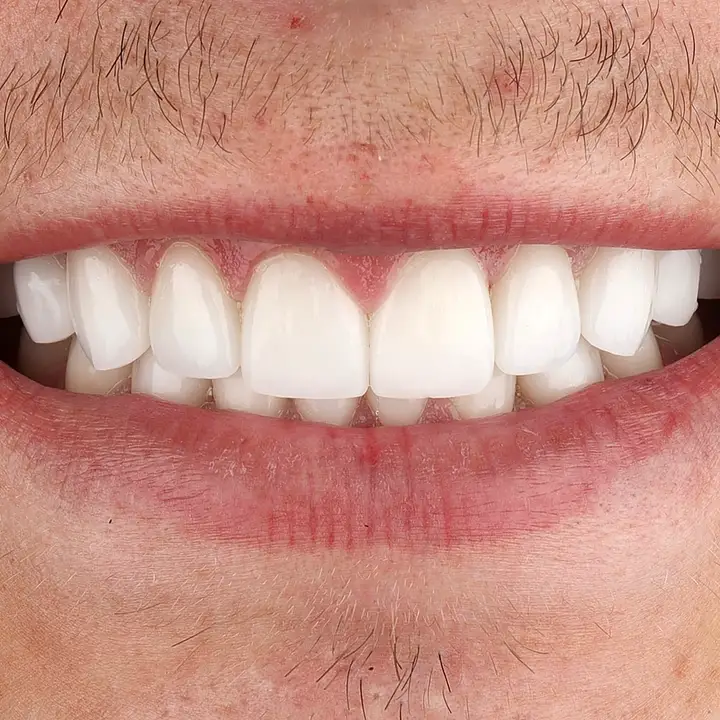
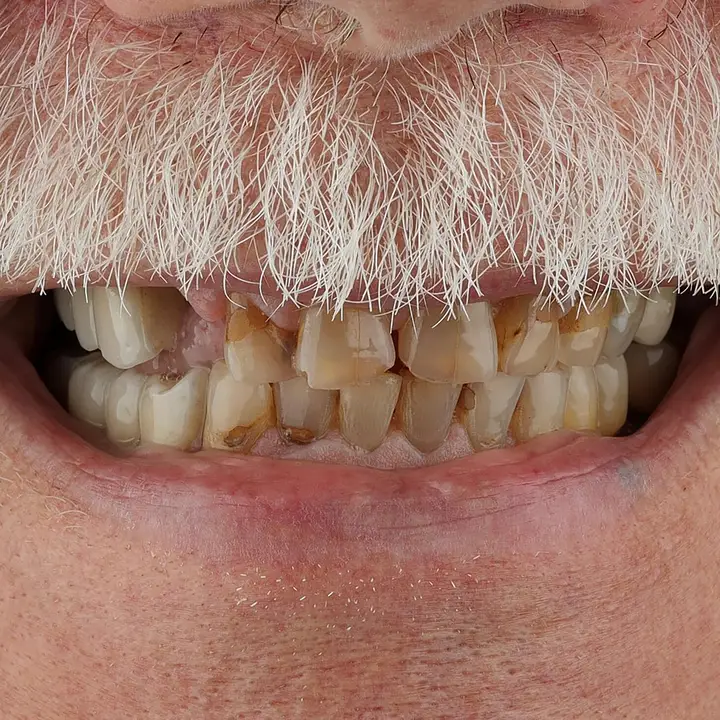
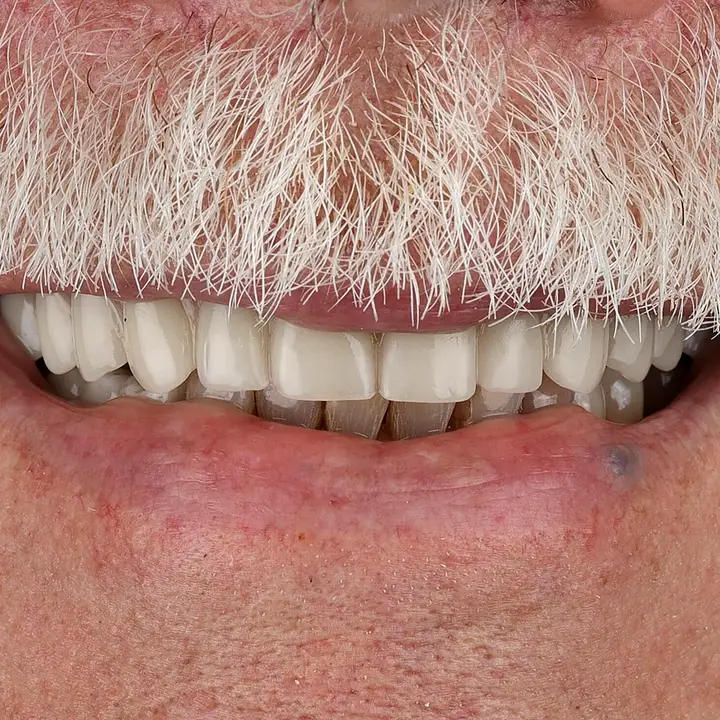
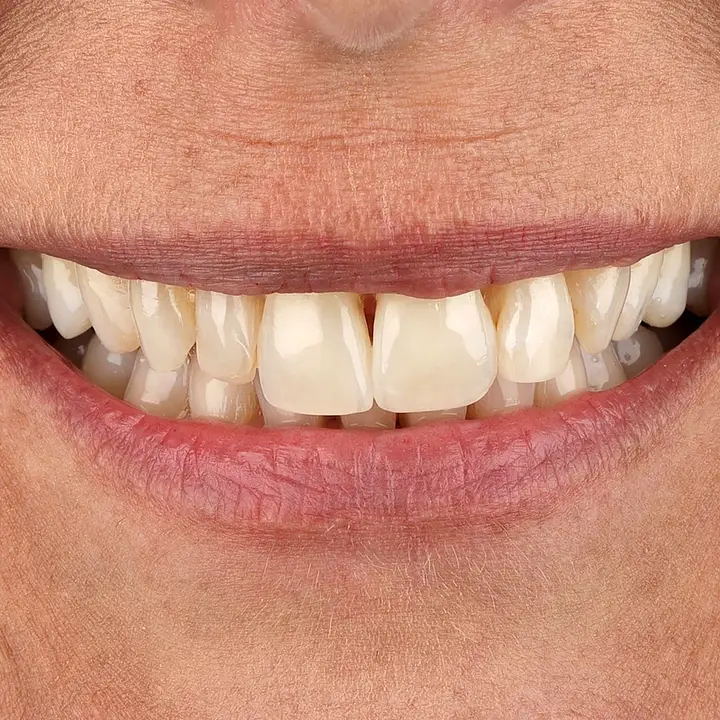
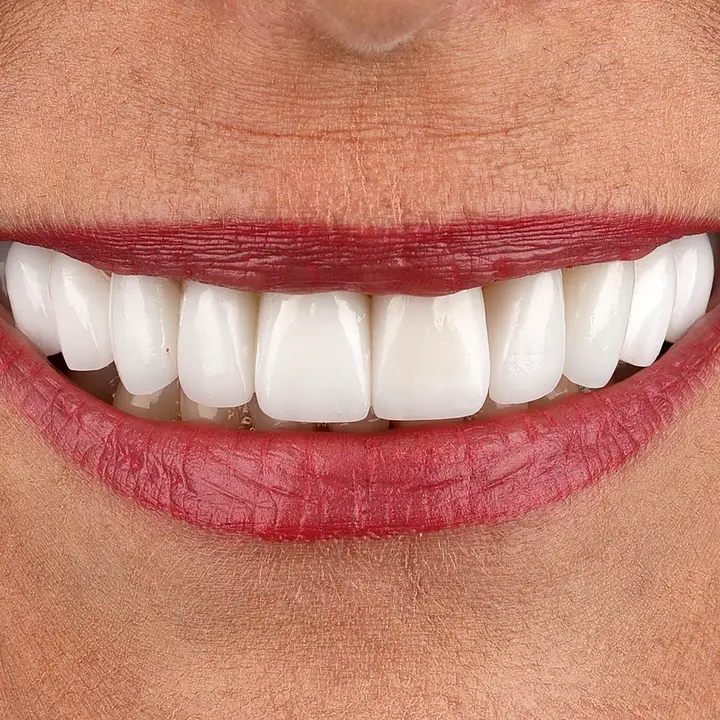
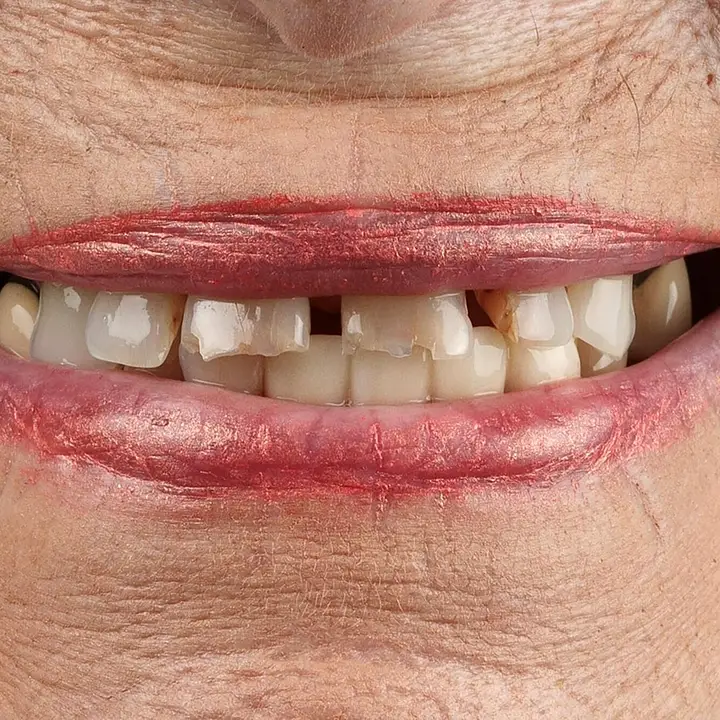
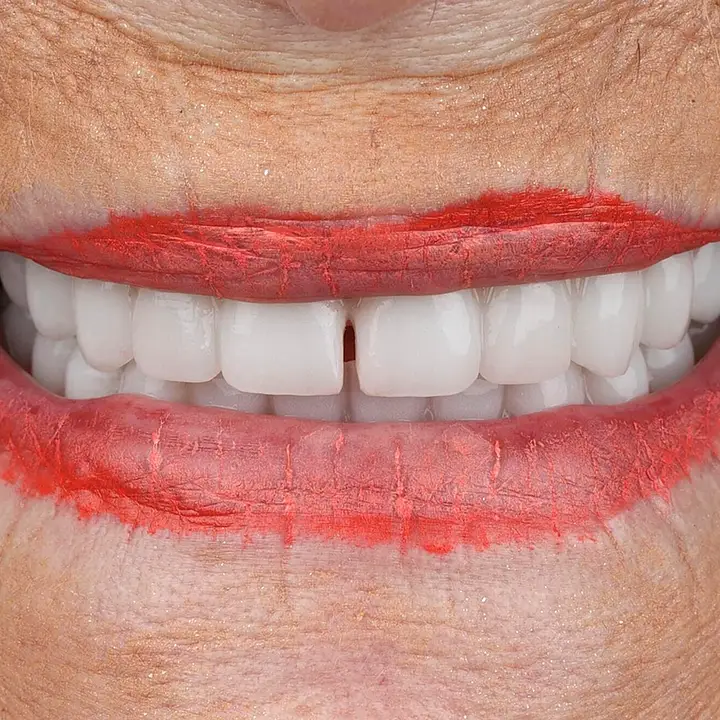
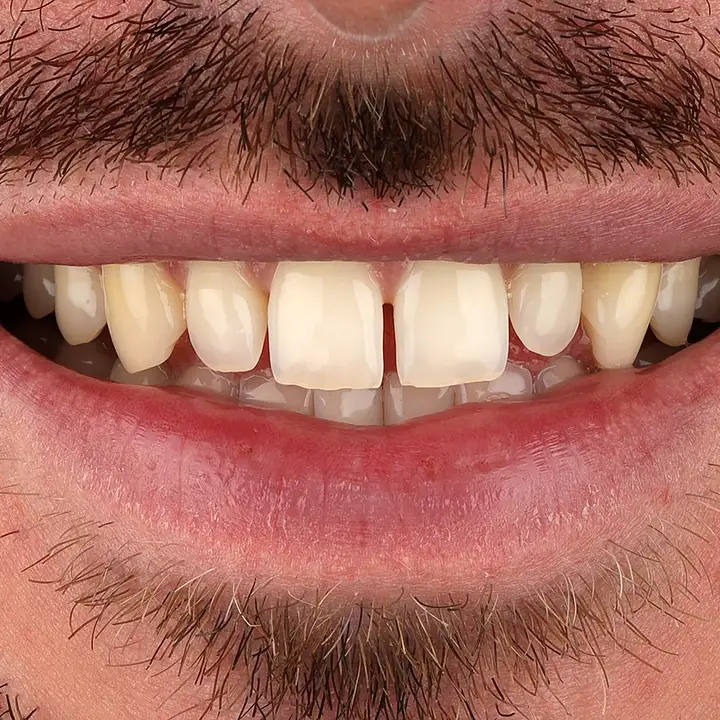
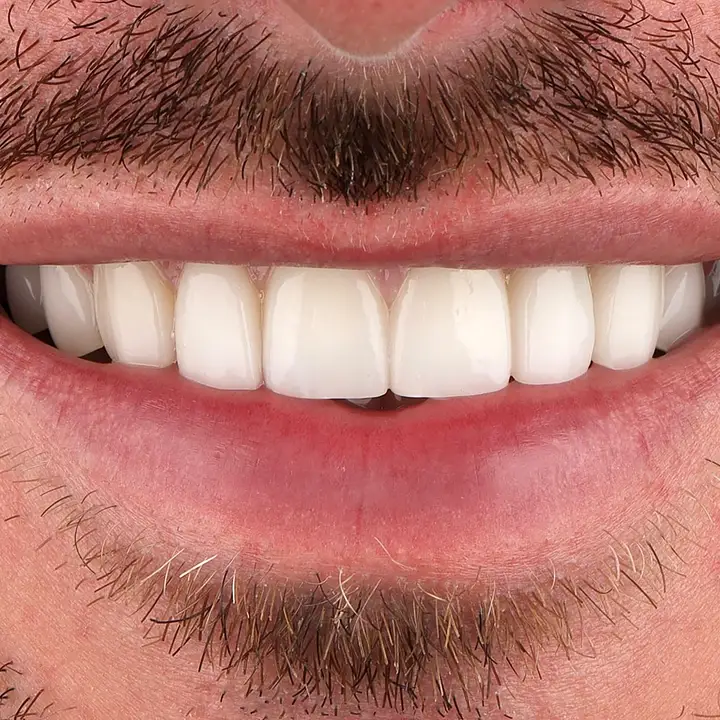
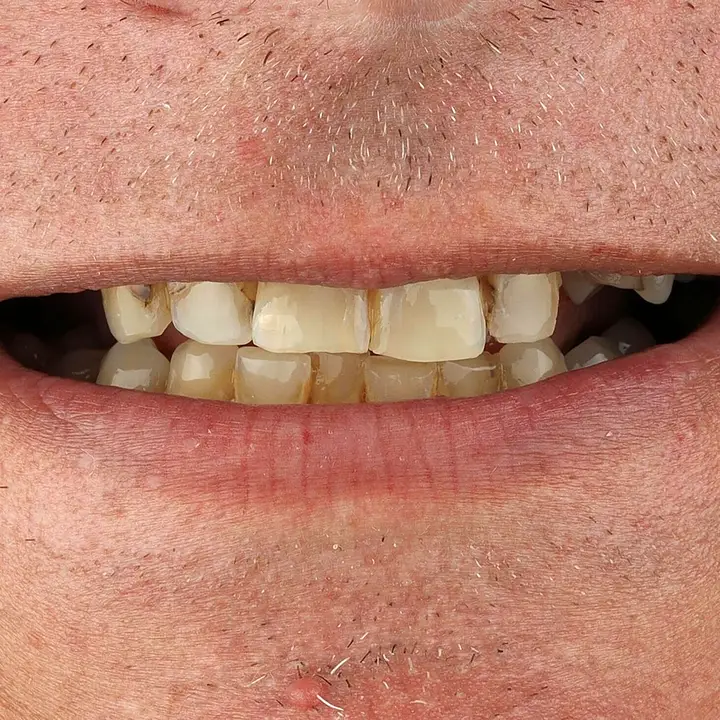
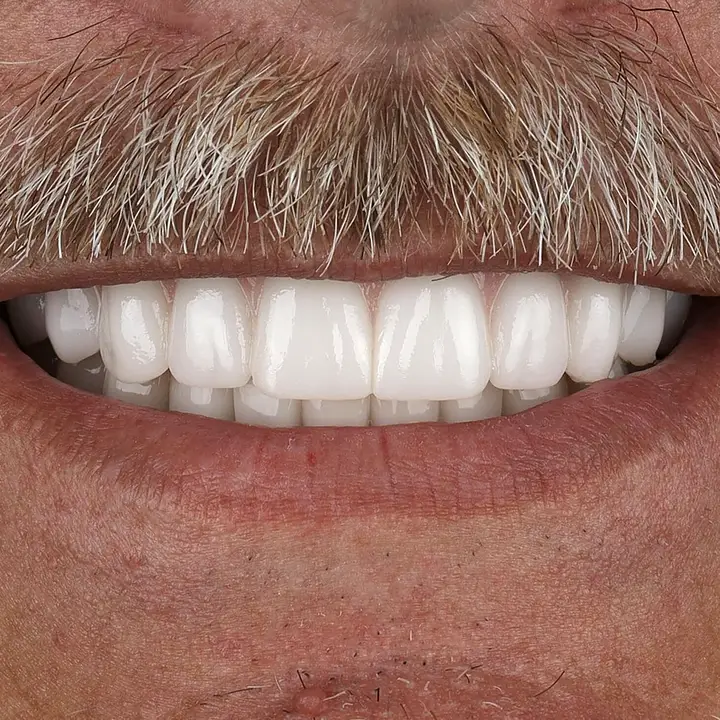
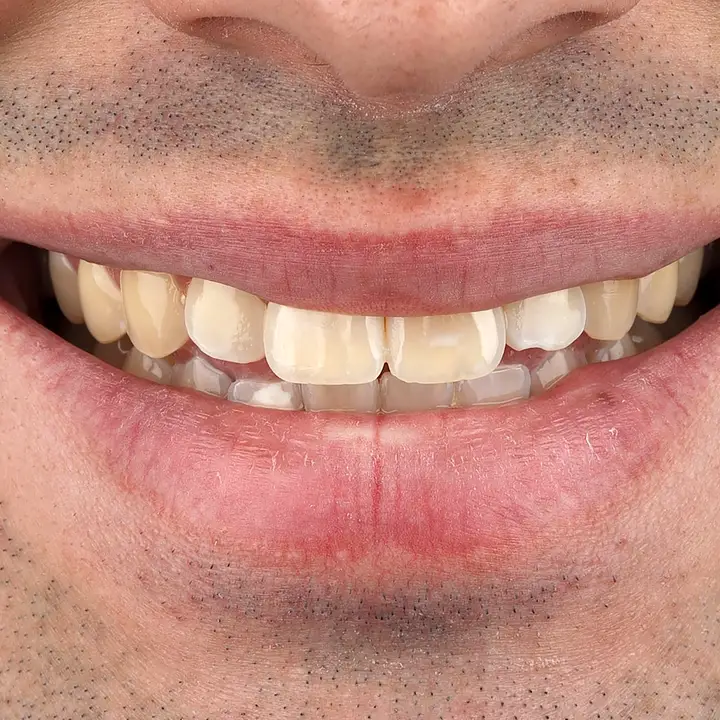
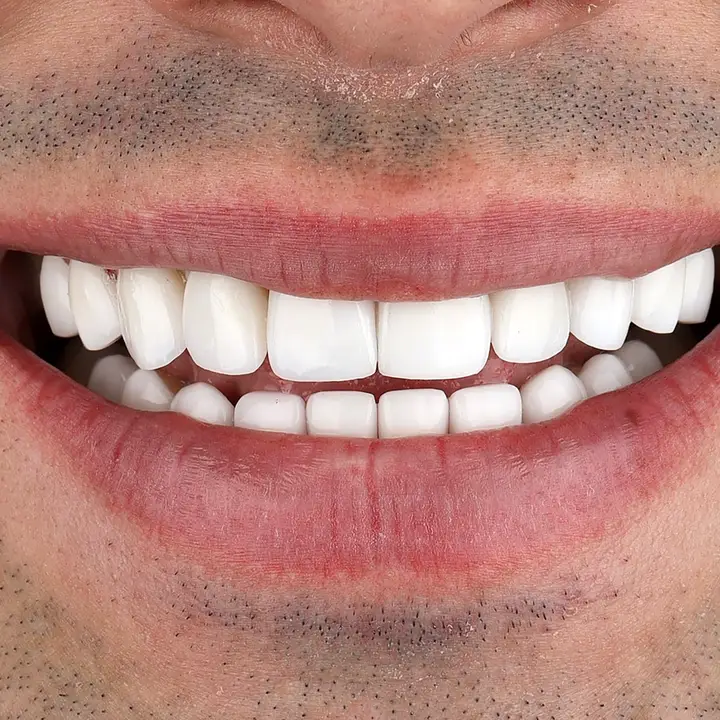
Before and after photographs from dental bridges and related treatments at our clinic in Istanbul. Drag the handle to compare each pair.
All dental results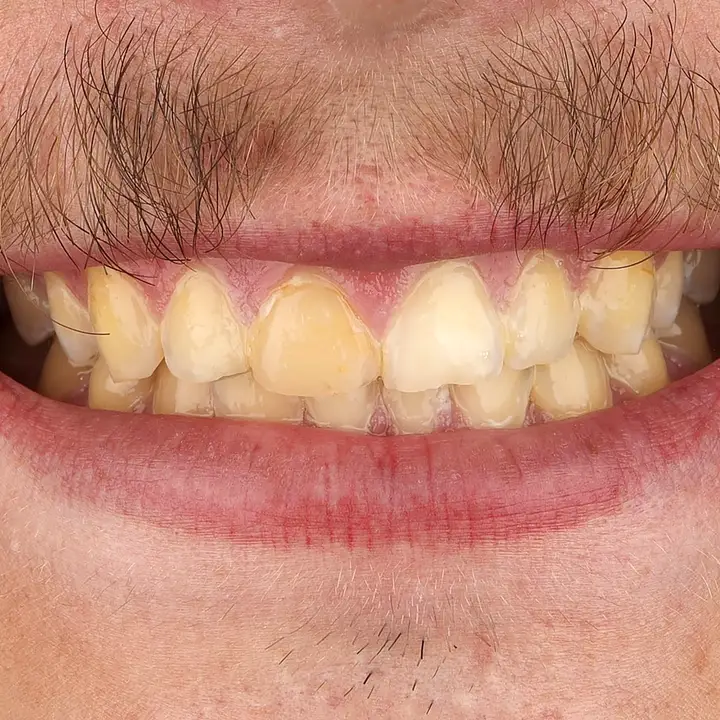

A bridge is only as strong as its supports. Your clinician will examine the teeth or bone on either side of the gap to judge whether they can carry the extra load over time. A bridge transfers the chewing forces of the missing tooth onto its supports, so roots that are short, heavily treated or affected by bone loss may not be good anchors.
Often a good fit
Assessed carefully
Honest information
The procedure
Each bridge is designed with its supporting teeth or implants in mind, so the load is shared sensibly and the area can be kept clean. The underside of the replacement tooth is shaped to sit lightly against the gum, looking natural while leaving room for floss or a small brush.

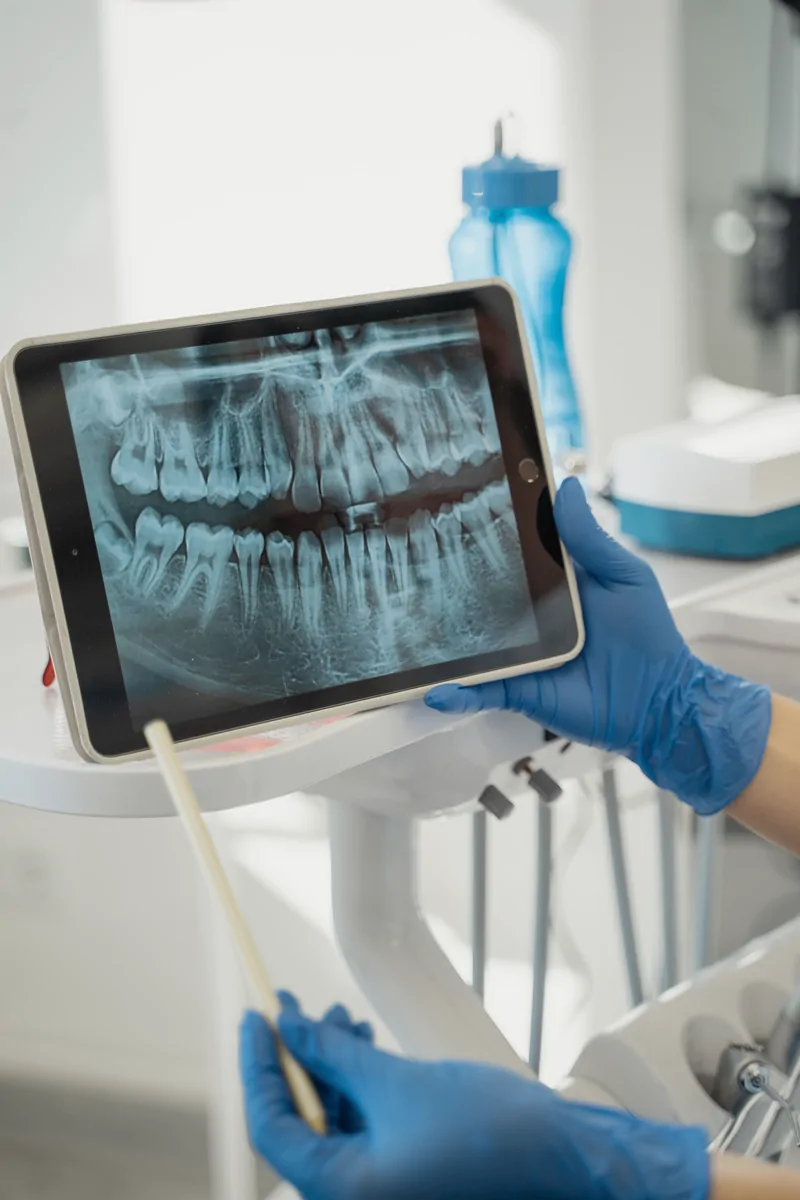
Your clinician checks the supporting teeth, gums and bone with an examination and X-rays, and discusses whether a tooth-supported or implant-supported bridge is more appropriate.
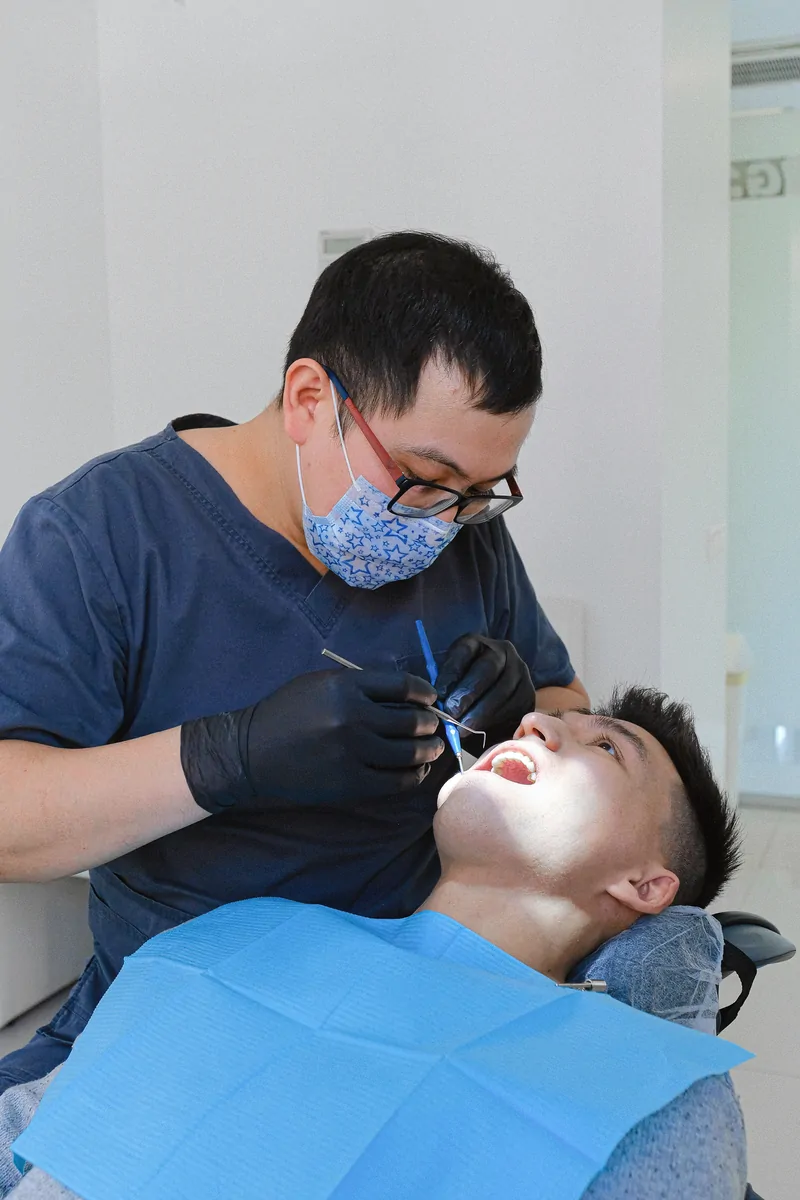
For a conventional bridge, the teeth either side of the gap are shaped under local anaesthetic so they can receive crowns. Any decay or old fillings are dealt with at the same time.
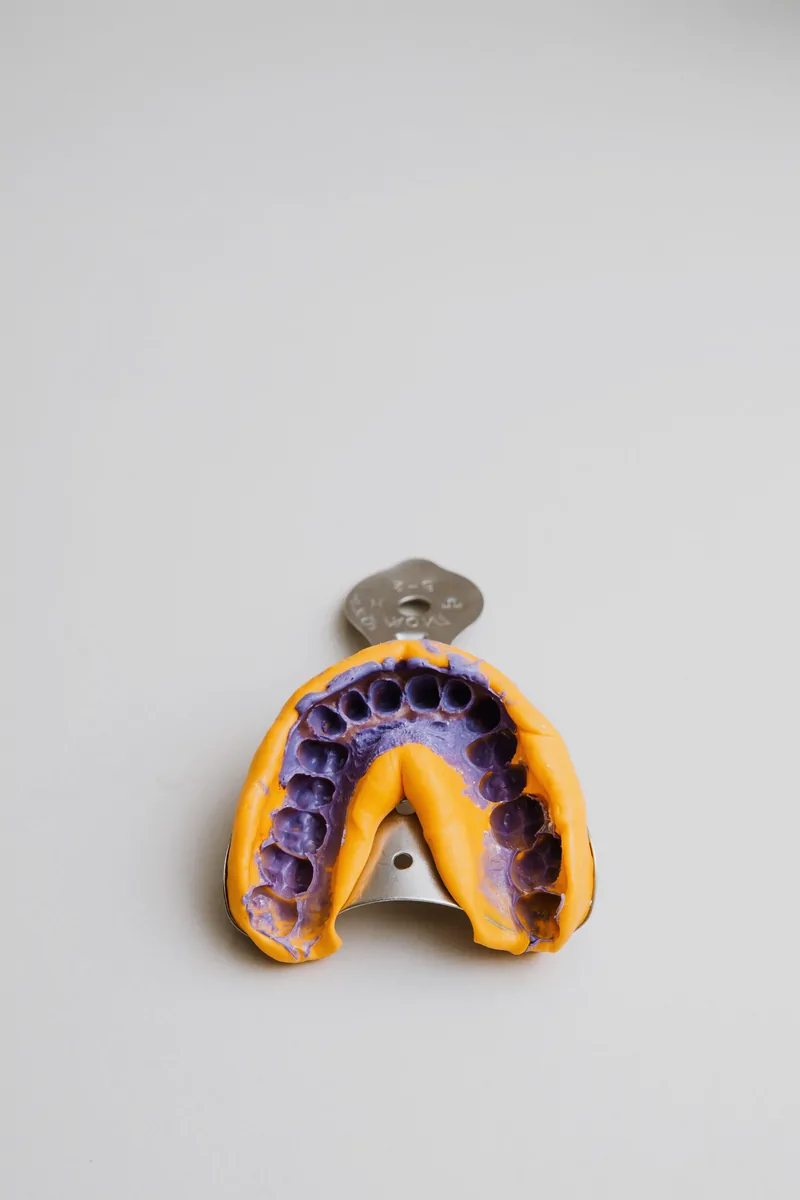
An intraoral scan or impression records the prepared teeth, gap and bite, and the shade is selected. A temporary bridge is fitted to protect the teeth and maintain appearance while the final bridge is made.
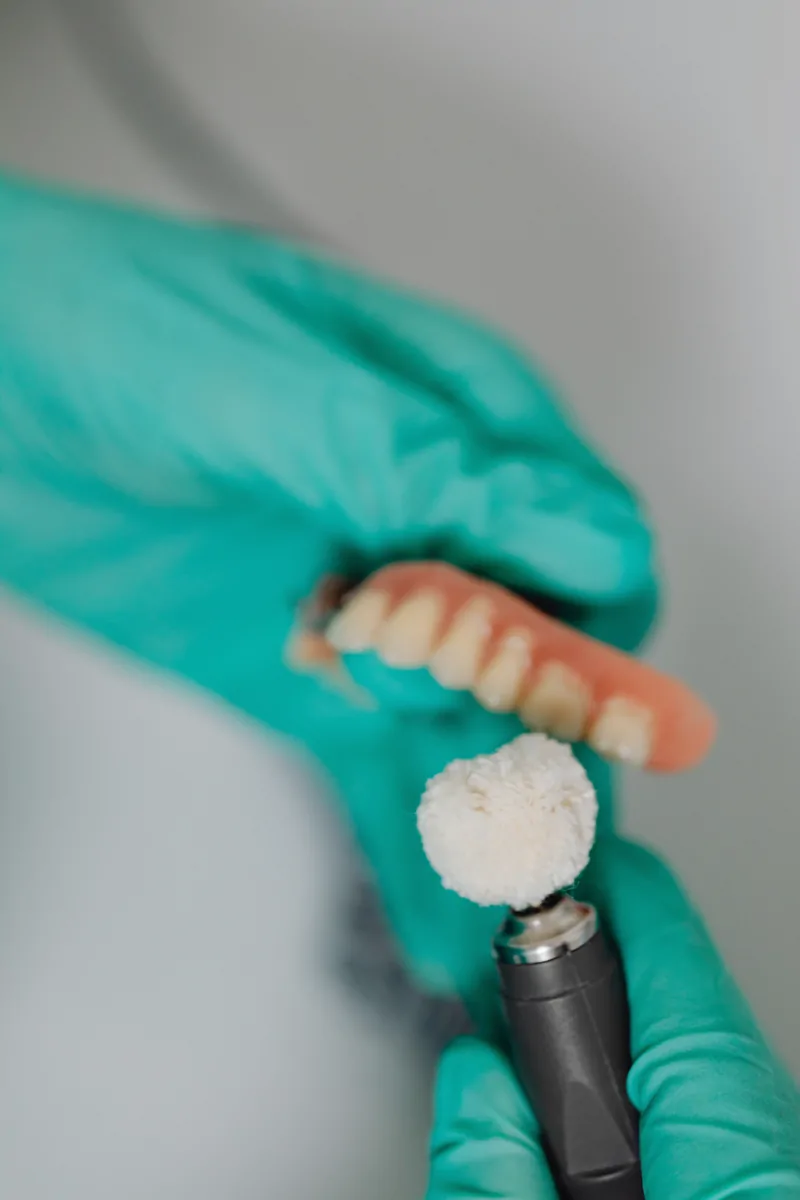
The final bridge is tried in to check how it seats, how the pontic sits against the gum, the colour and the bite. Once confirmed, it is cemented or, on implants, screwed or cemented to the abutments.
You are shown how to clean beneath the pontic using floss threaders, super floss or small brushes. A review visit or regular check-ups monitor the supports and gum health.
Gallery



Before & after treatment
Before you travel
Looking after them
In their words
Dental patients describe their experience — from the first conversation to aftercare.
All patient reviewsGoogle reviews
Spoken with us already? Share your experience on Google.
Honest reviews — good or critical — help the next person decide. We read every one and never offer anything in exchange.
Questions
General answers — your own plan always depends on an individual assessment.
All dental questionsNeither is right for everyone. An implant avoids treating neighbouring teeth but involves surgery and healing time. A bridge is quicker and non-surgical but relies on adjacent teeth. If those teeth already need crowns, a bridge may make sense; if they are healthy, an implant may be preferred.
There is no fixed lifespan. It depends on the health of the supporting teeth, your oral hygiene, bite forces and regular maintenance.
Yes, though longer spans place more load on the supports. For several missing teeth, an implant-supported bridge is often considered.
Floss threaders, super floss, water flossers or small interdental brushes can be used to clean beneath the pontic. Your clinician will show you which suits your bridge.
A conventional bridge can often be completed within several days, as preparation and fitting are separated by lab time. Implant bridges need a healing period and usually a second visit.
It is a lighter design in which the replacement tooth is attached to a thin wing bonded to the back of a neighbouring tooth. It needs little or no drilling and is often considered for a single front tooth, but it is less suited to heavy bites and can occasionally debond.
Also available
Free consultation
Tell us what you would like to change. A coordinator replies personally and arranges a dentist’s review of your photos — free, without obligation.
A person replies. Monday to Saturday, Istanbul time.
VHFree consultation
A coordinator replies personally — free, no obligation.