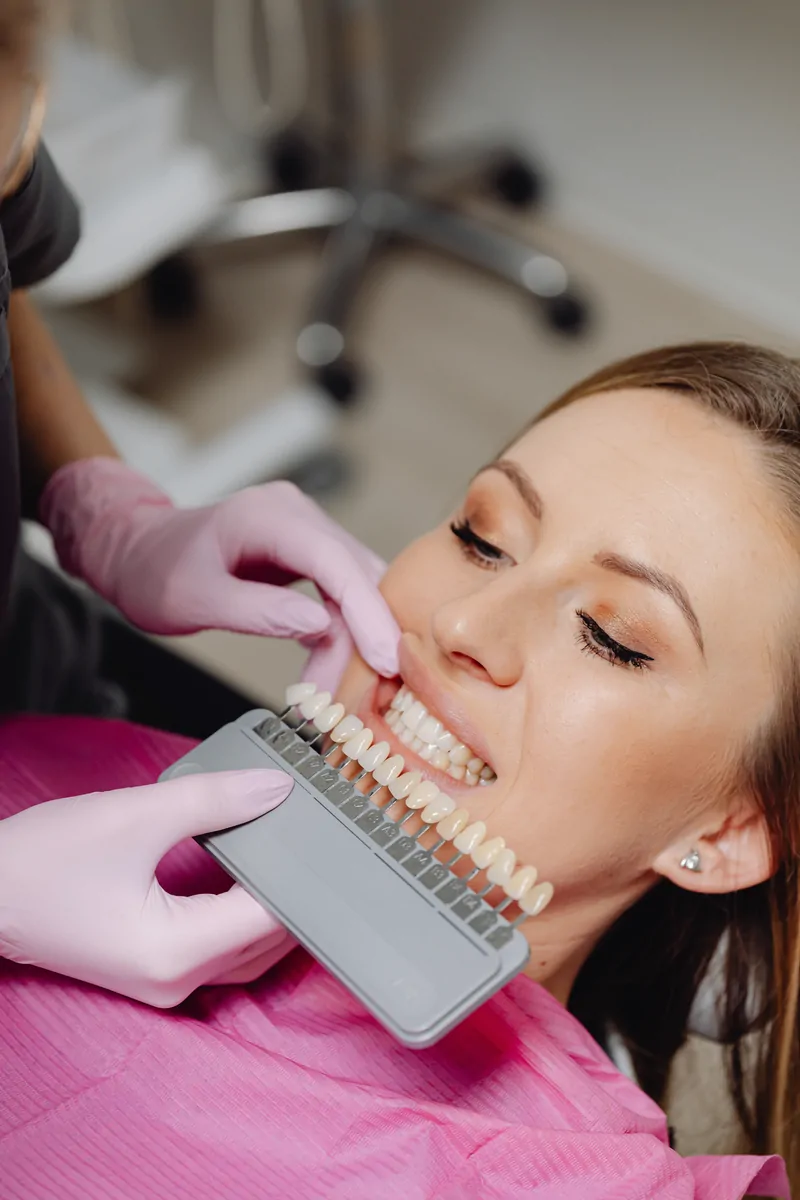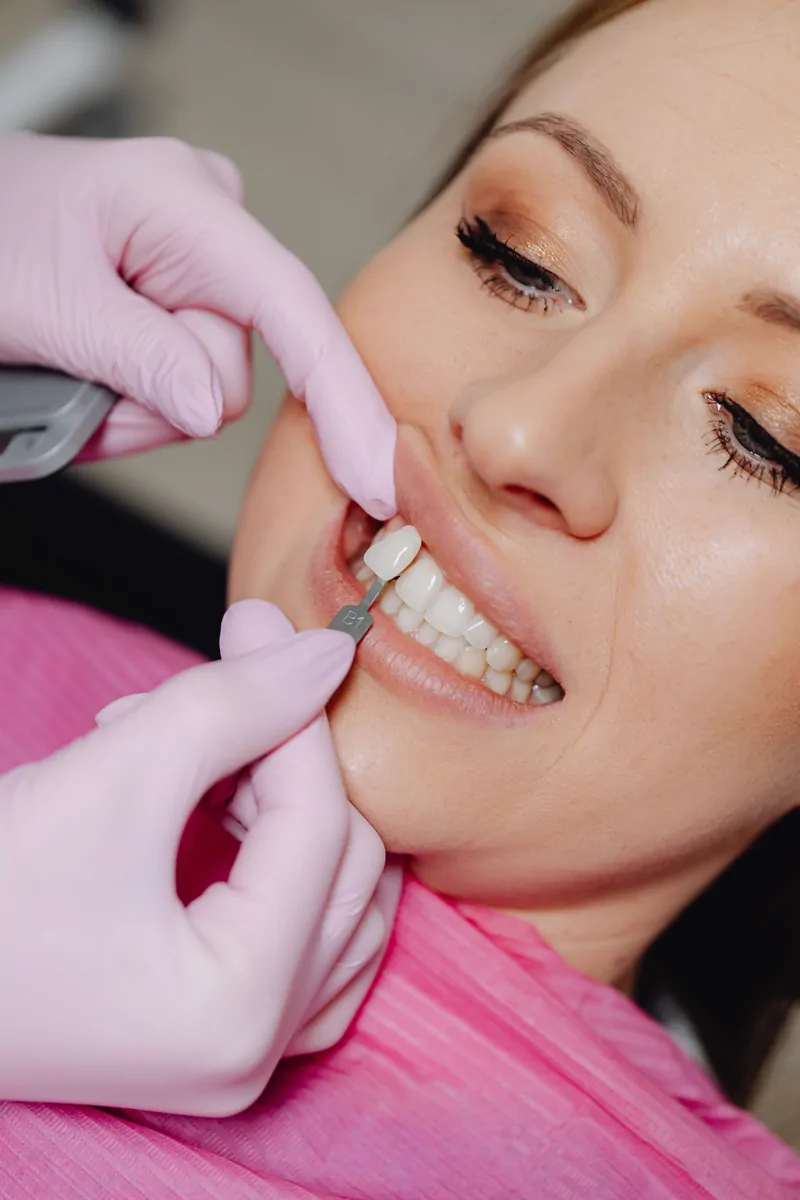
Porcelain veneers
Cosmetic Dentistry
Composite Bonding in Turkey: tooth-coloured resin sculpted onto teeth to fix chips, gaps and edges, often with little drilling. Suitability, steps, upkeep and risks.
Free · no obligation
Leave your name and number — a coordinator replies personally.
Composite bonding uses a tooth-coloured resin – the same family of materials used for white fillings – to add shape directly to the surface of a tooth. The clinician applies the material in thin layers, sculpts it by hand and hardens each layer with a curing light, then shapes and polishes the result to blend with the surrounding teeth.
Because material is added rather than removed, the enamel can often be left largely intact. This makes bonding a common choice for small chips, worn edges, minor gaps, slightly uneven lengths or teeth that look narrow. It can be applied to one tooth or to several as “composite veneers” that cover the visible face of each tooth.
Composite is less resistant to staining and wear than porcelain, so it typically needs polishing and, over time, touch-ups or replacement. Bonding should match your existing tooth colour; if you plan to whiten, this is usually done first, since composite does not respond to whitening agents.
What it can help with

Results · before & after
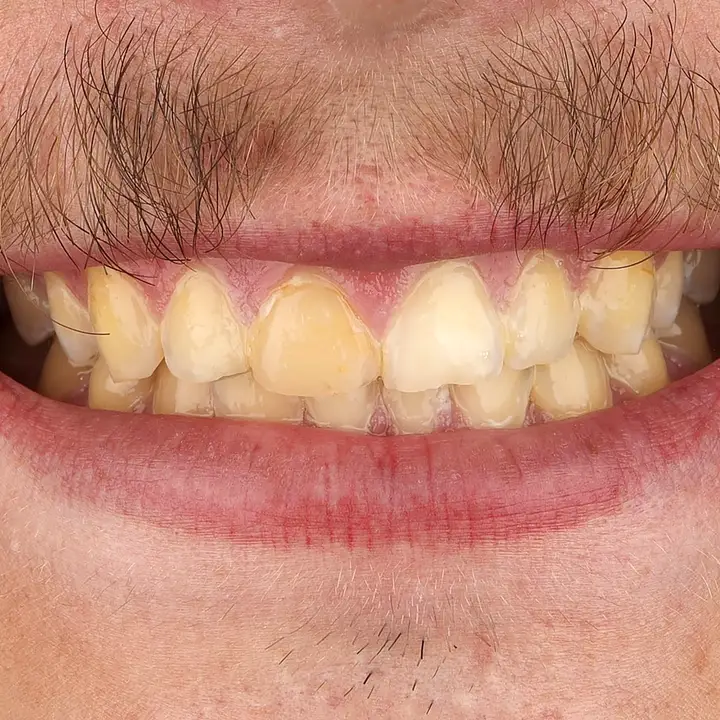
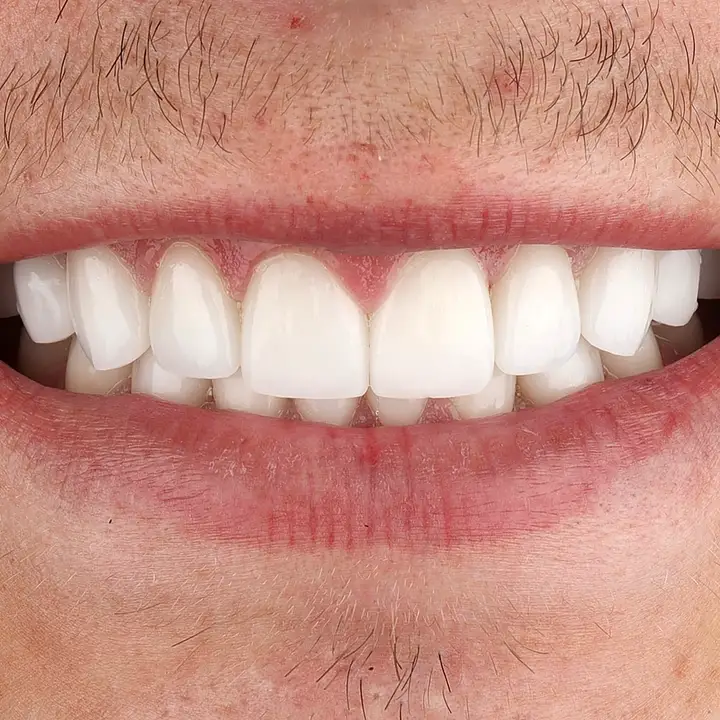
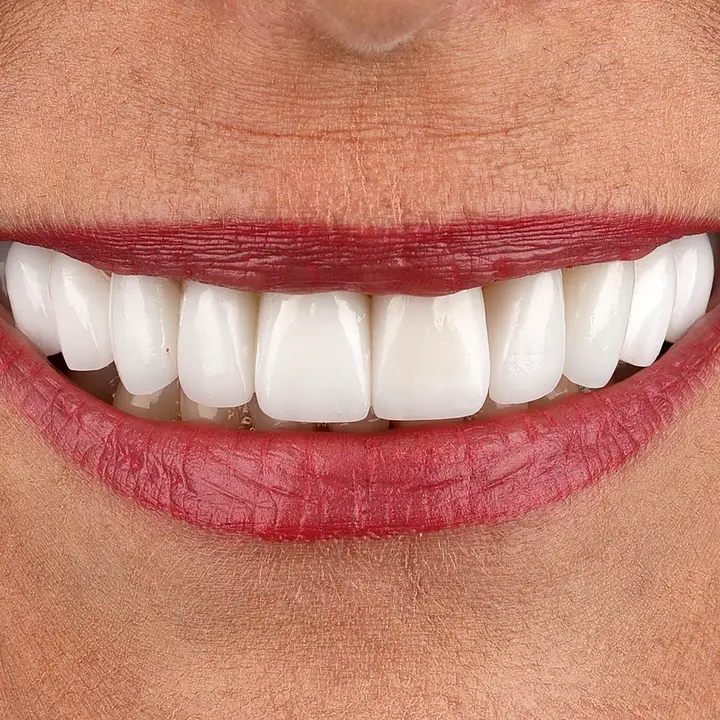
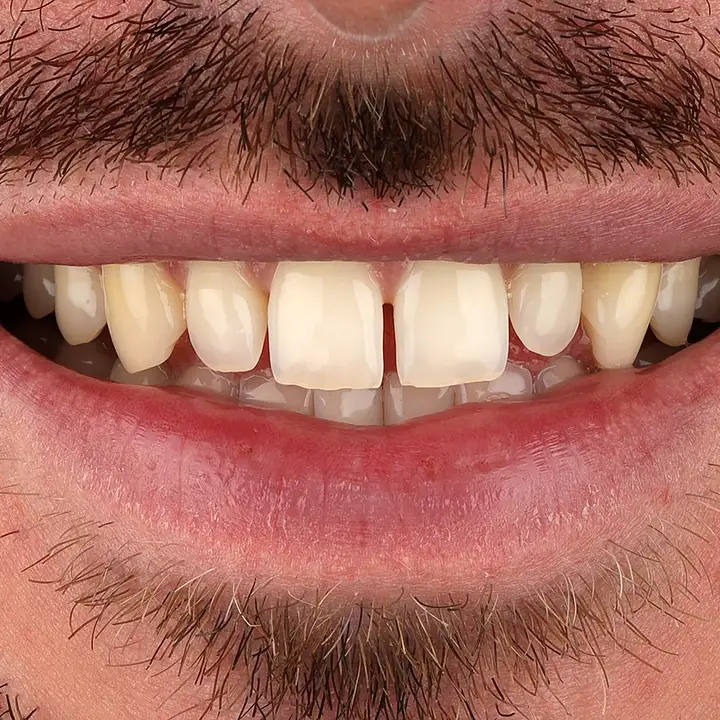
Before and after photographs from composite bonding and related treatments at our clinic in Istanbul. Drag the handle to compare each pair.
All dental results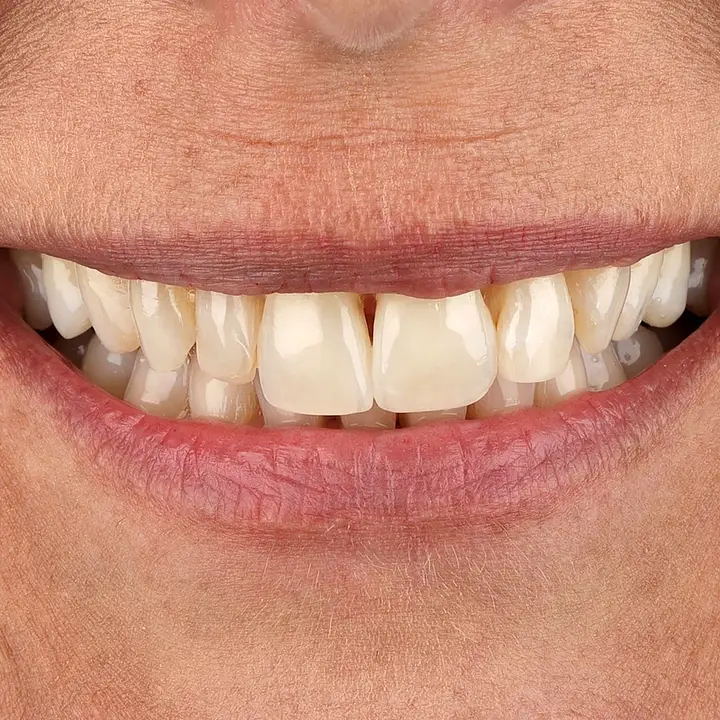
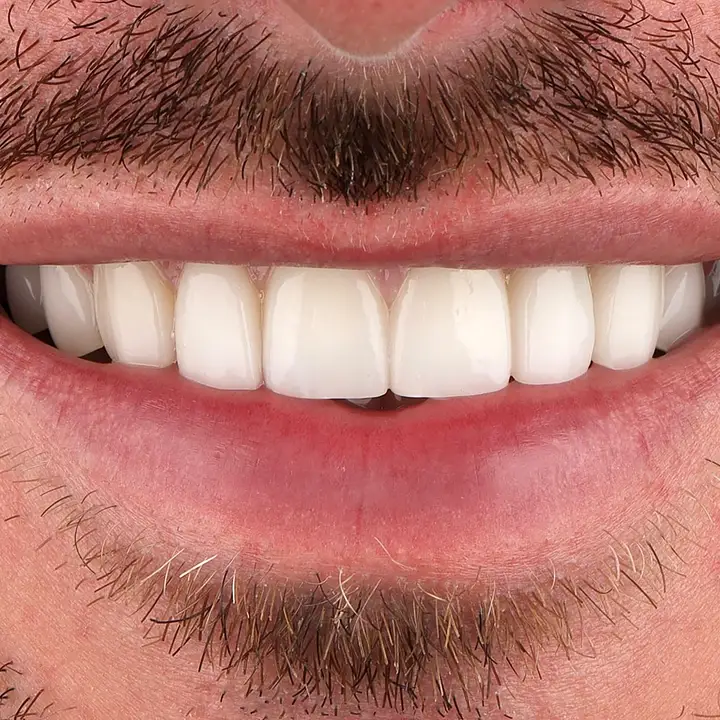
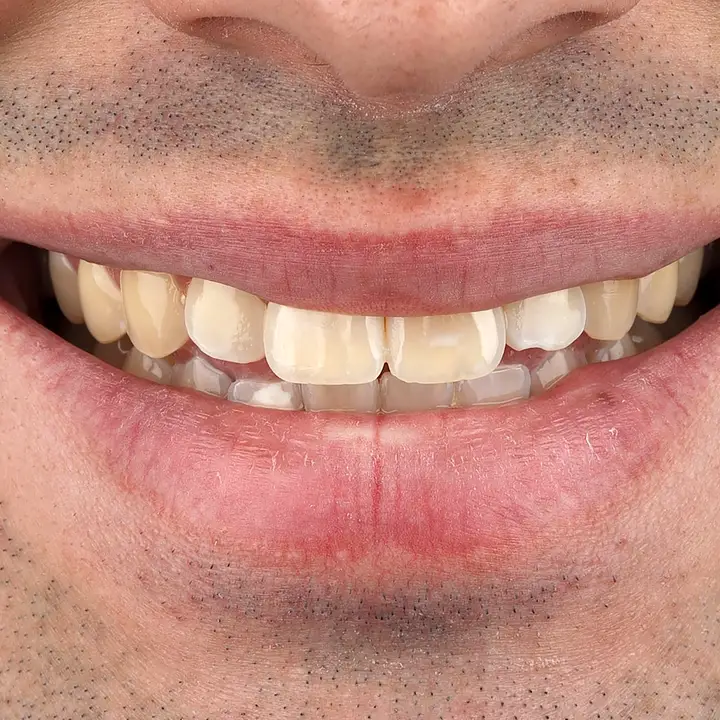
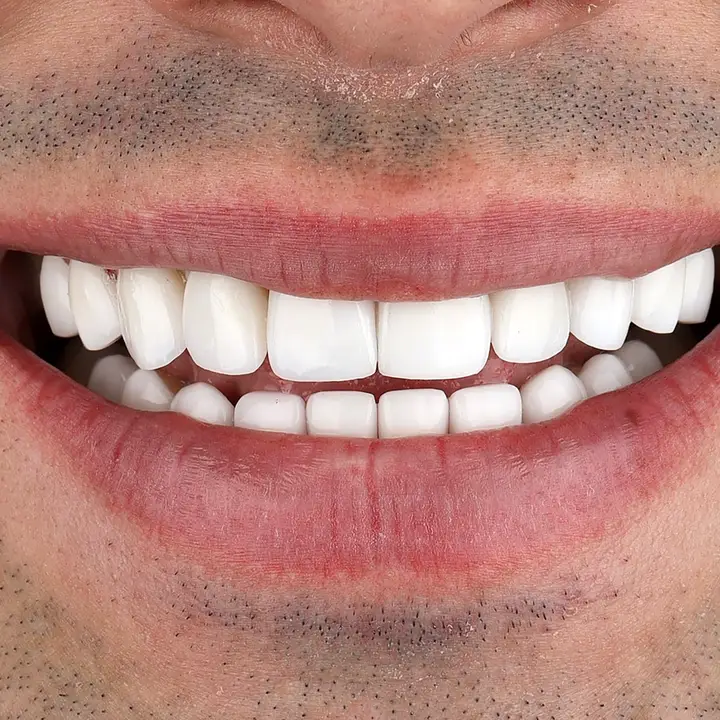
Bonding is generally suited to modest changes on healthy teeth. Larger changes in colour, position or bite may be better addressed with other approaches.
Often a good fit
Assessed carefully
Honest information
The procedure
Bonding relies on artistic layering and modern adhesive techniques, aiming to change appearance while preserving enamel.
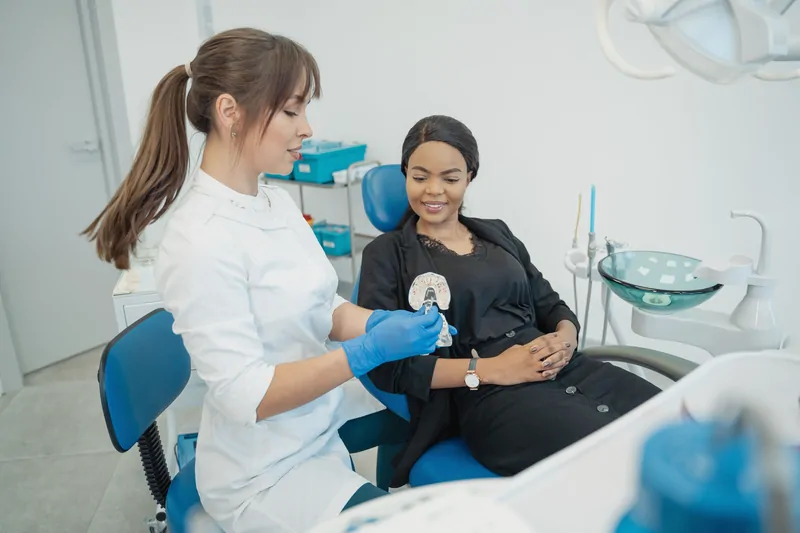
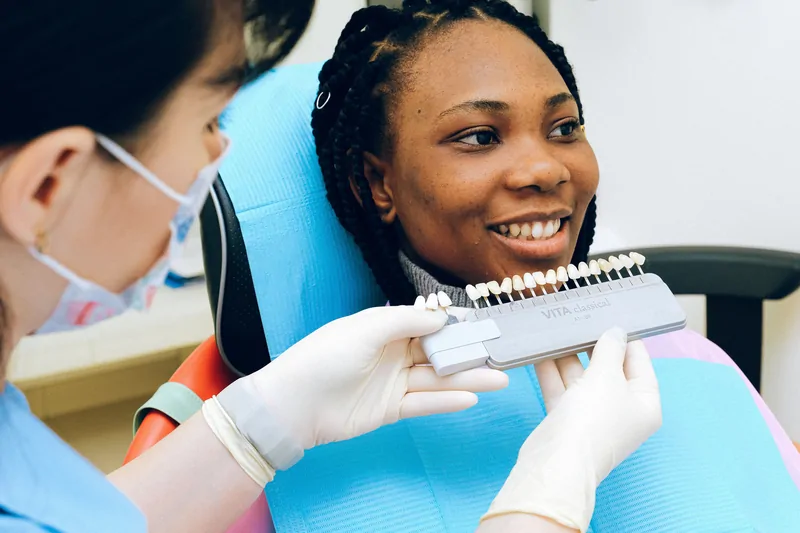
Your clinician examines the teeth and bite, discusses what you would like to change and selects composite shades, often layering more than one to mimic dentine and translucent enamel.
In some cases, a quick direct trial or digital design is used to preview proportions so you can agree the shape before bonding begins.
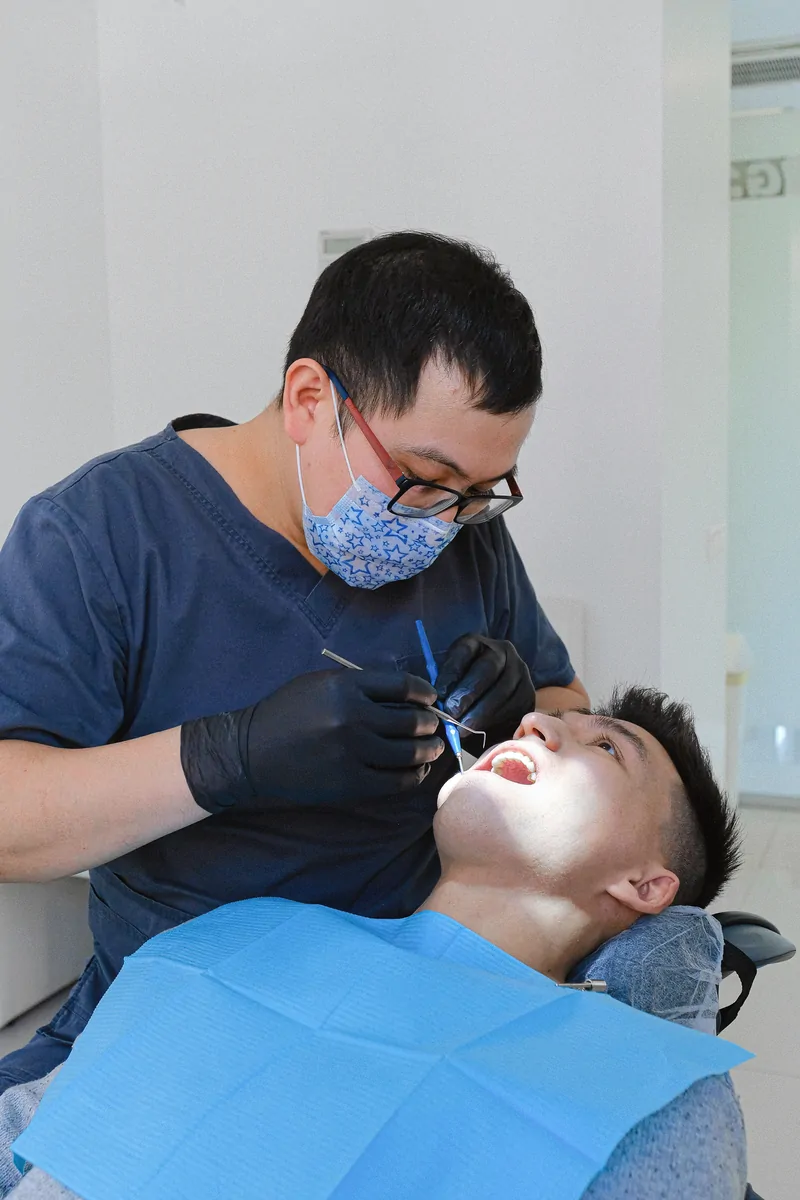
The tooth is cleaned, isolated from moisture and lightly etched. A bonding agent is applied so the composite can adhere micro-mechanically to the enamel.
Composite is applied in thin increments, sculpted with instruments and hardened with a curing light after each layer. This incremental technique helps control shape and reduce shrinkage stress.
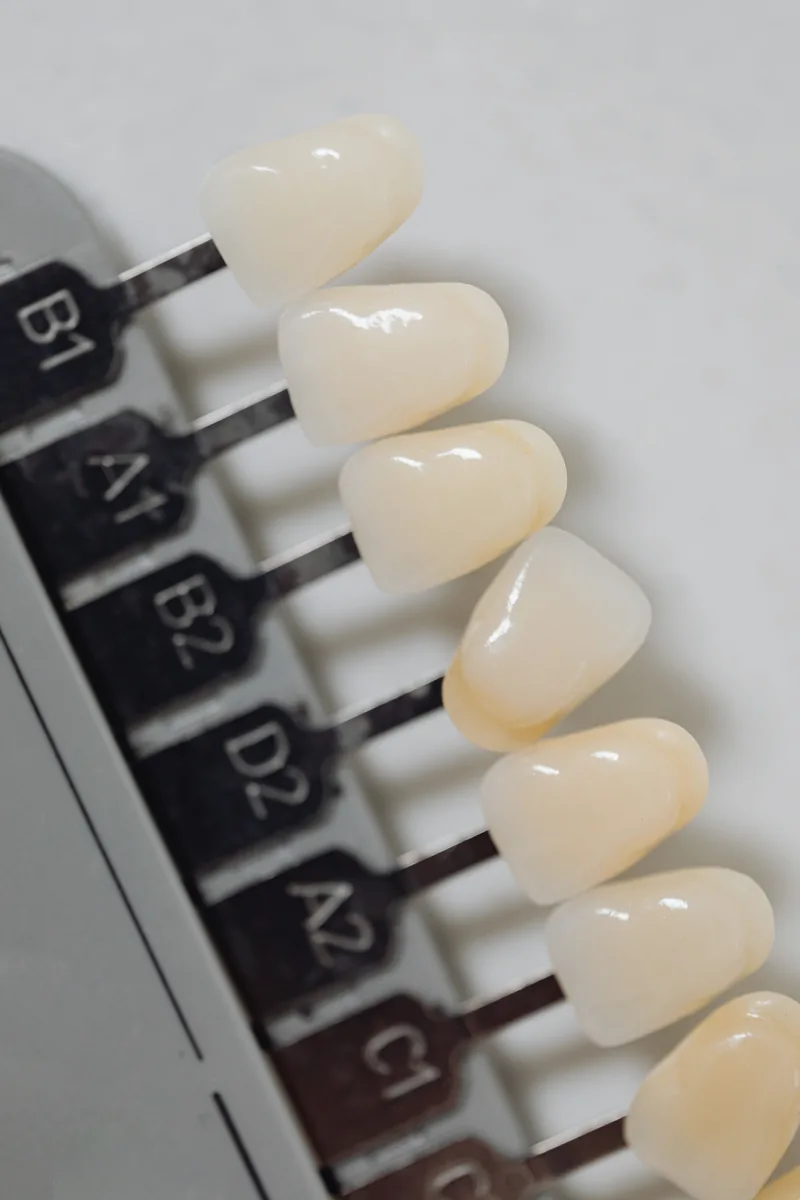
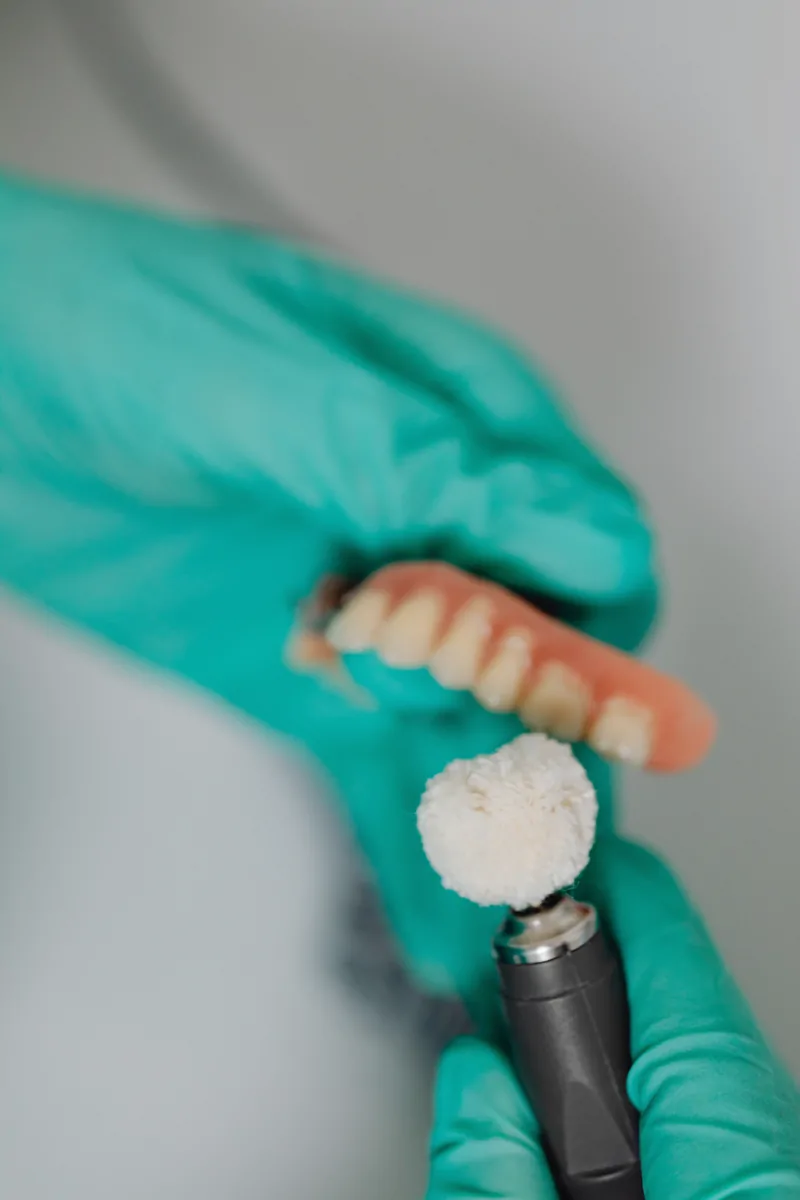
The restoration is contoured, the bite is checked and the surface is polished to a natural lustre. A follow-up may be suggested to refine polish after a few days of use.
Gallery
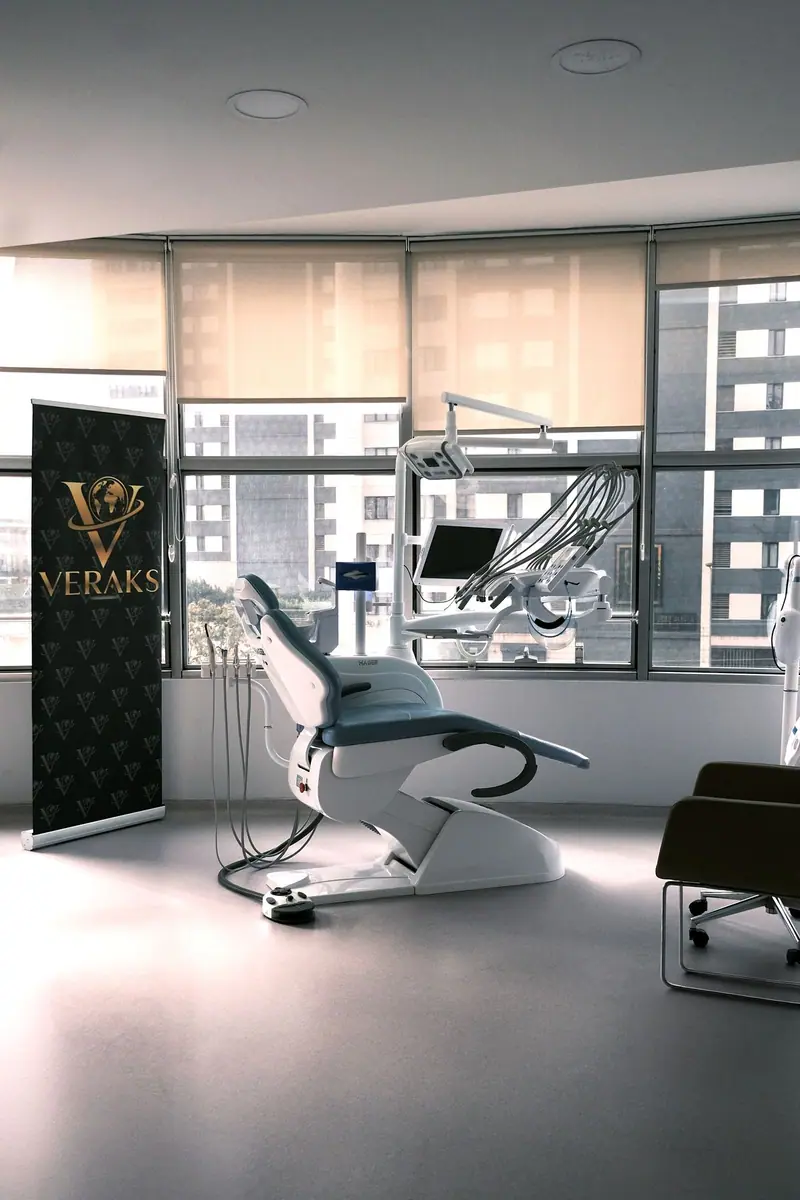
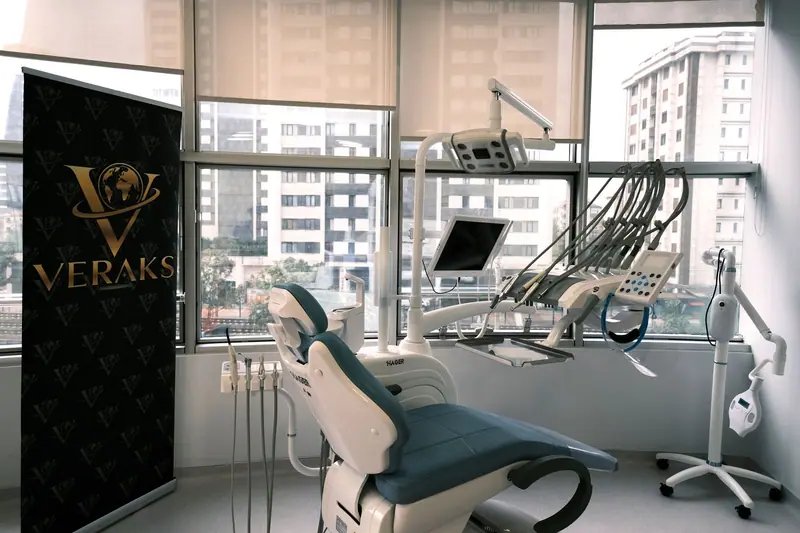
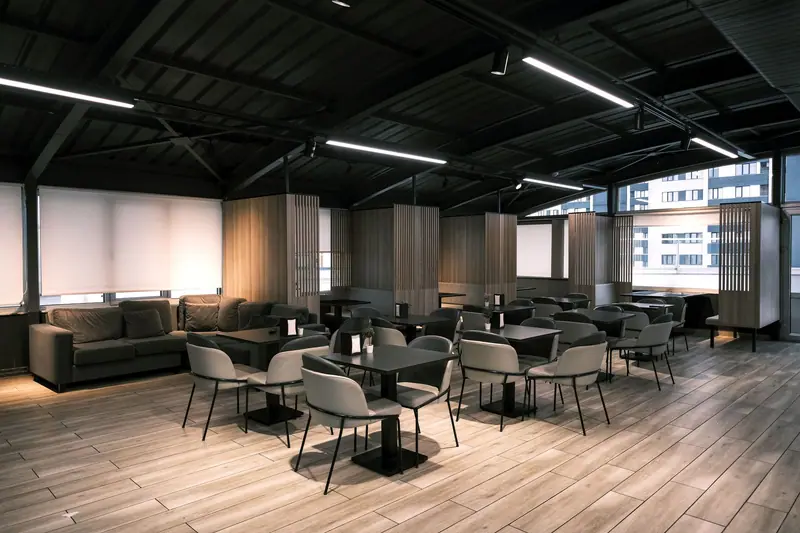

Both change the visible surface of teeth, but they are made differently. Composite bonding is sculpted directly onto the tooth in the chair, usually with little or no preparation, and can be repaired easily – but it tends to stain and wear sooner. Porcelain veneers, including laminates and e.max, are fabricated in a laboratory and bonded on; they often need some enamel reduction and are more colour-stable, though they are harder to adjust and replacement means a new laboratory restoration.
Before & after treatment
Before you travel
Afterwards
In their words
Dental patients describe their experience — from the first conversation to aftercare.
All patient reviewsGoogle reviews
Spoken with us already? Share your experience on Google.
Honest reviews — good or critical — help the next person decide. We read every one and never offer anything in exchange.
Questions
General answers — your own plan always depends on an individual assessment.
All dental questionsIt varies with your bite, habits and care. Bonding commonly needs polishing and occasional repair, and may need replacing after some years.
Bonding generally involves minimal or no drilling. The surface is lightly etched to help the material adhere, which your clinician will explain.
No. Composite does not change colour with whitening, so whitening is usually completed first and match the bonding to the result.
Composite veneers are a form of bonding that covers the whole front surface of a tooth, rather than only a chip or edge.
With careful shade selection and layering, bonding can blend well with natural teeth, though it may lose some lustre over time without polishing.
If this option is relevant to you, availability at our clinic and your suitability are confirmed during your consultation.
Also available
Free consultation
Tell us what you would like to change. A coordinator replies personally and arranges a dentist’s review of your photos — free, without obligation.
A person replies. Monday to Saturday, Istanbul time.
VHFree consultation
A coordinator replies personally — free, no obligation.