Dental implants
Implant Dentistry
All-on-6 Dental Implants in Turkey: six implants supporting a fixed full-arch bridge — how it compares with All-on-4, who may be suitable, the stages, risks and aftercare.
Free · no obligation
Leave your name and number — a coordinator replies personally.
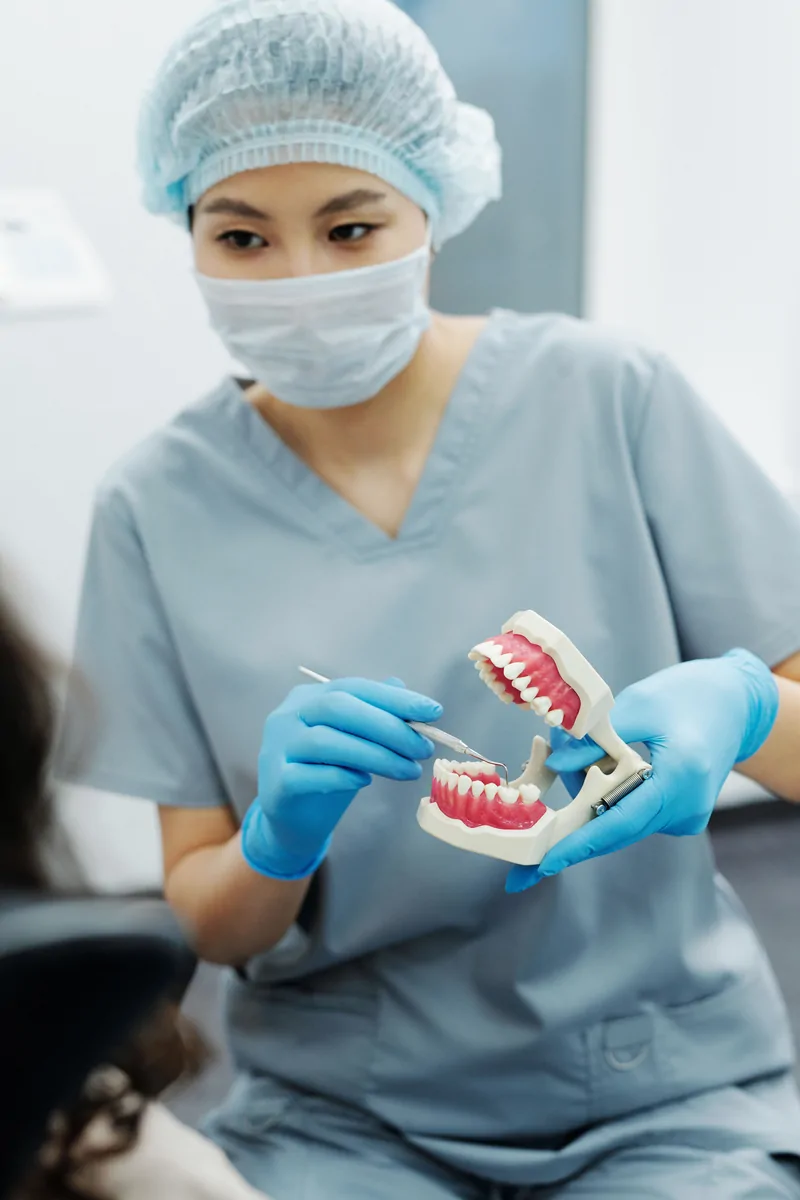
All-on-6 replaces every tooth in one arch with a single fixed bridge that is screwed onto six dental implants. With more implants spread from the front towards the back of the jaw, the bridge has additional points of support, which may reduce the load placed on each implant and allow the bridge to extend further back with less cantilever.
The approach generally needs more bone along the length of the arch than All-on-4, because implants are placed further back where the upper sinus or the lower nerve canal can limit space. Some patients therefore need a bone graft or sinus lift beforehand, while others already have sufficient bone. The implants may be placed upright or with a modest tilt, depending on anatomy.
Like other full-arch concepts, treatment is usually staged: a provisional fixed bridge where stability allows, followed by a definitive bridge after integration. Choosing six implants rather than four is not automatically “better” – it is a planning decision based on your bone, bite and long-term maintenance needs.
What they can help with
Results · before & after
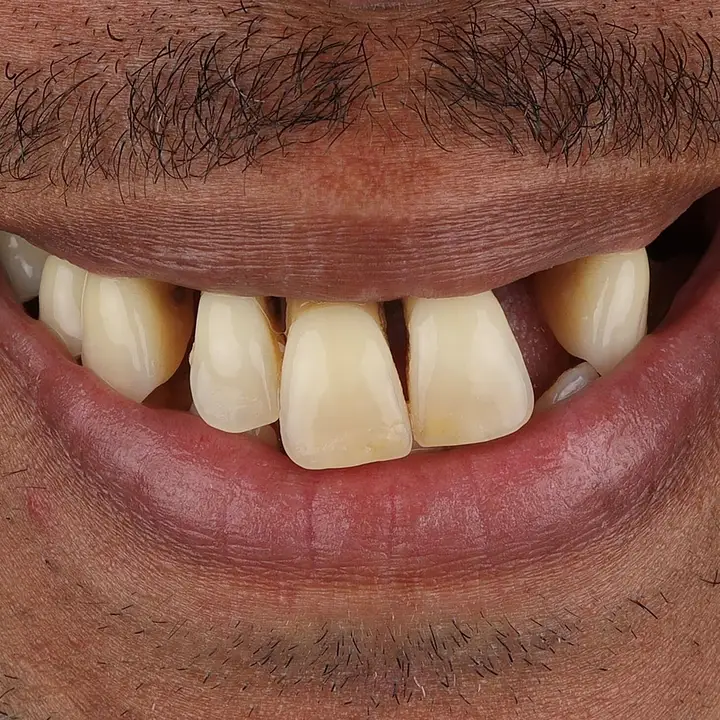
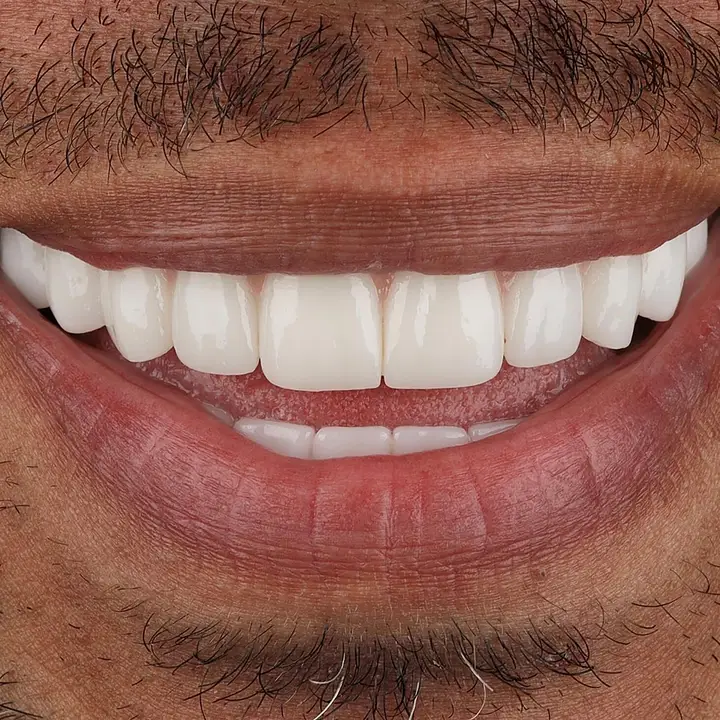
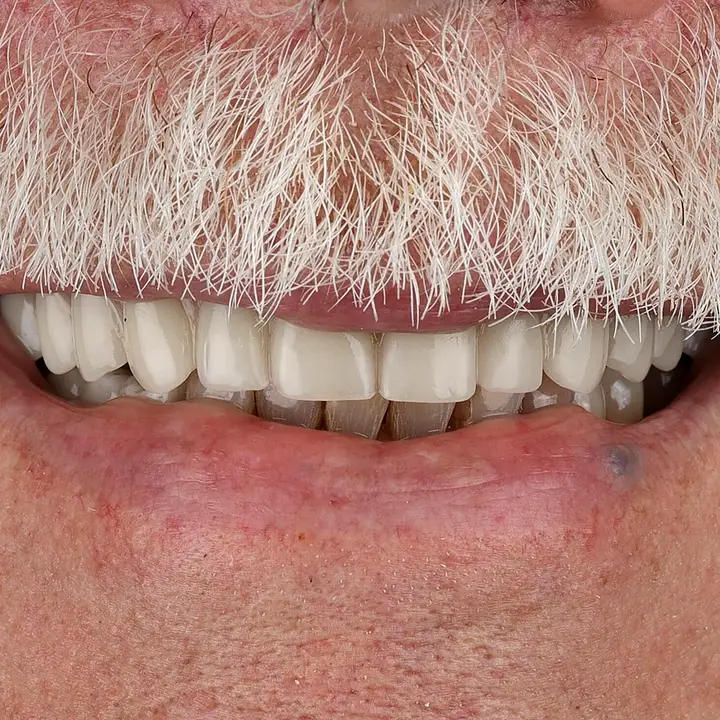
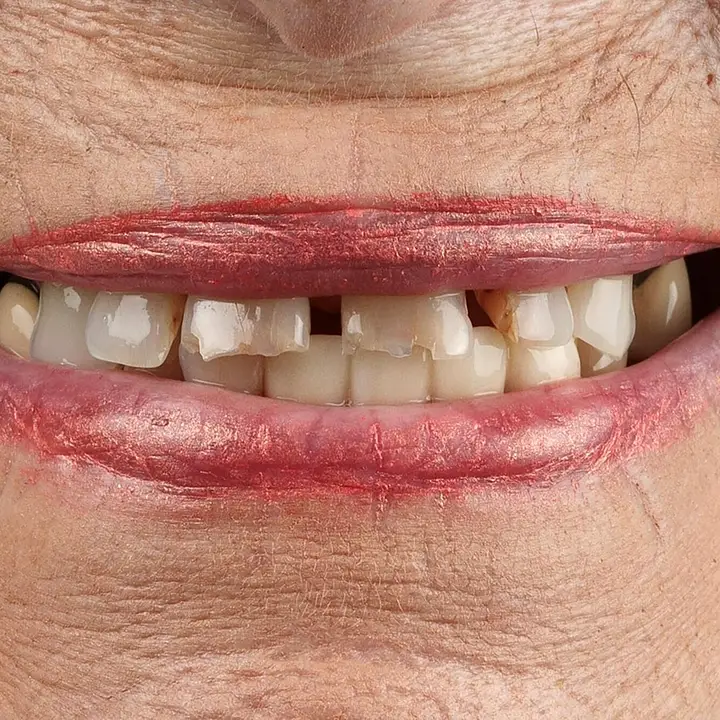
Before and after photographs from all-on-6 dental implants and related treatments at our clinic in Istanbul. Drag the handle to compare each pair.
All dental results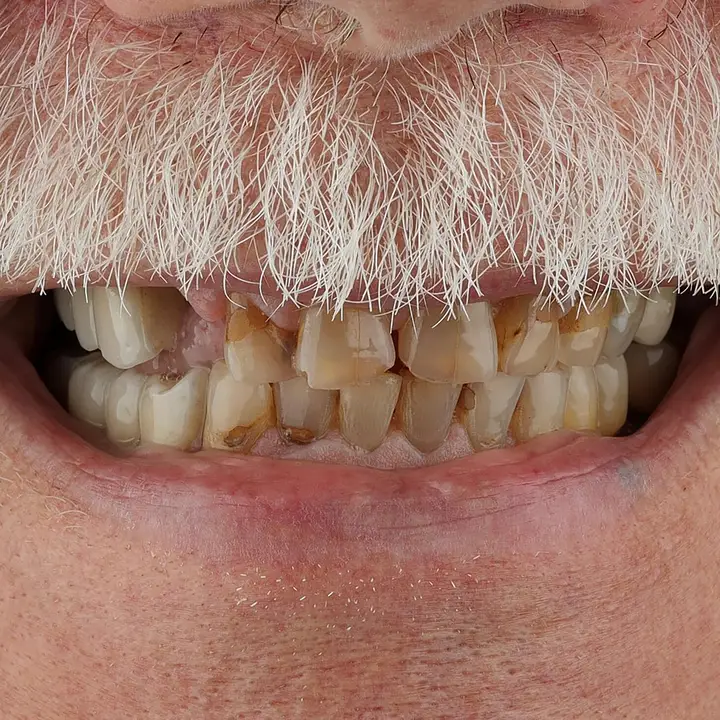
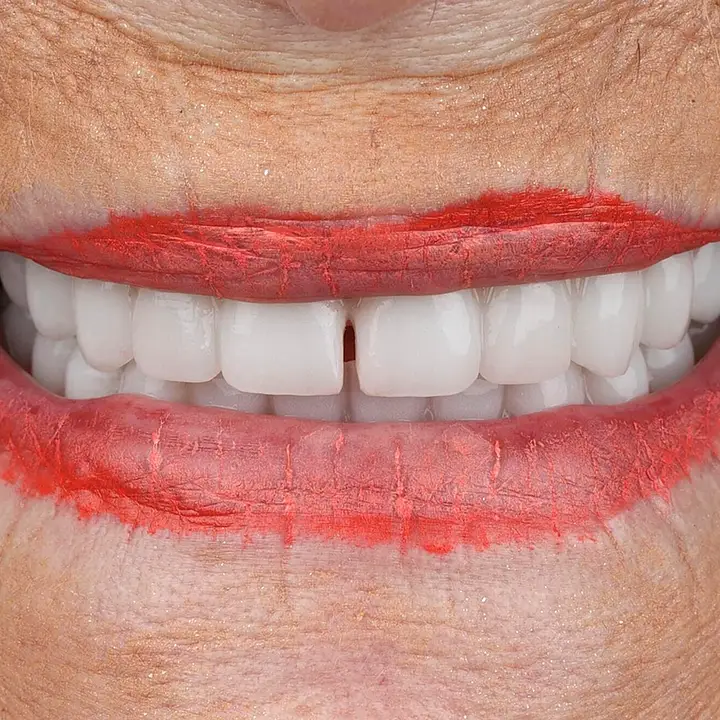
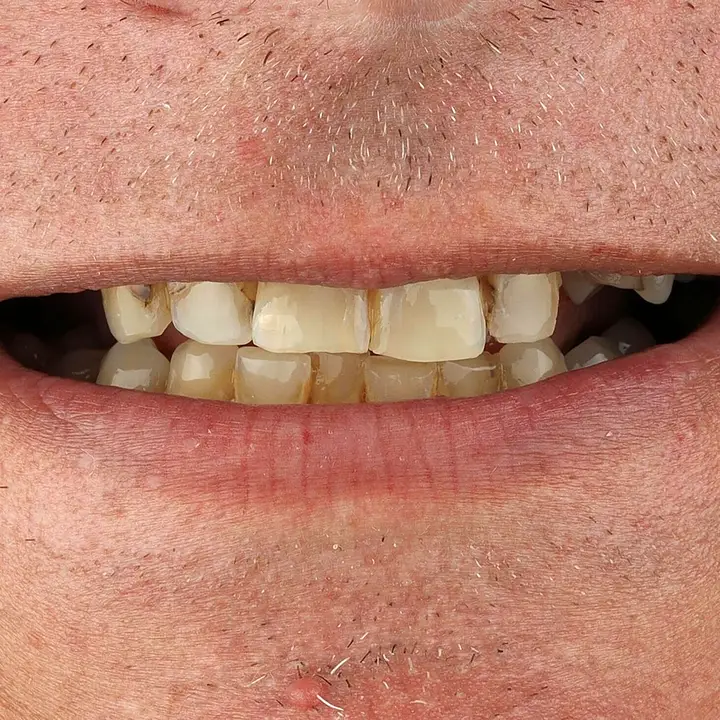
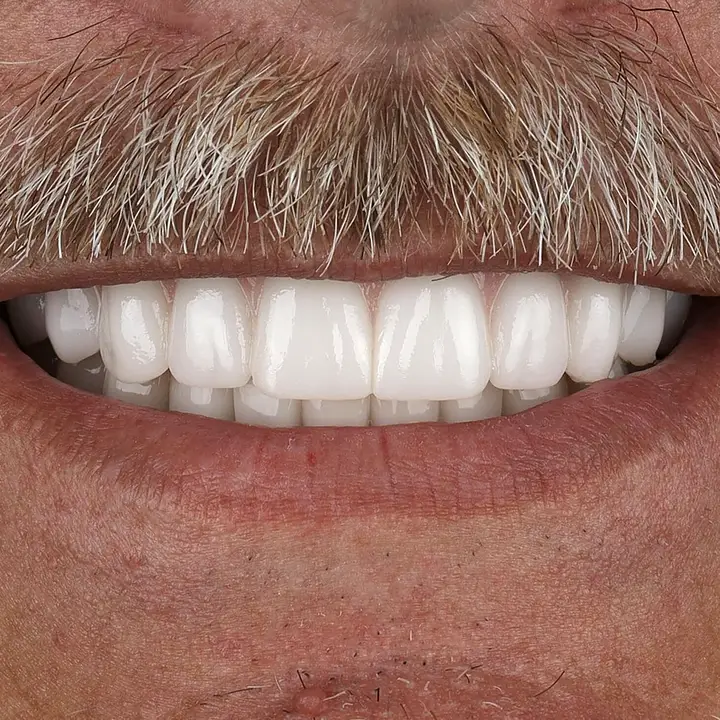
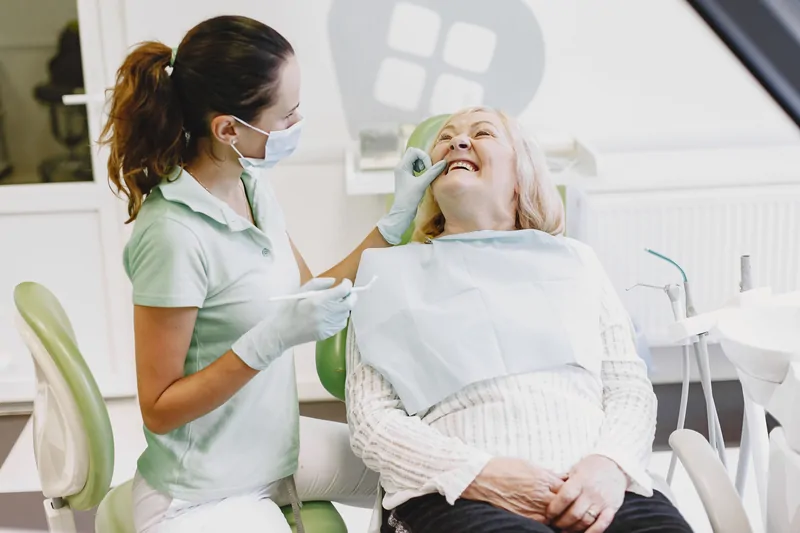
The deciding factor is usually bone: there must be enough healthy bone in six suitable locations, or a realistic plan to create it. Your clinician will review a 3D scan before recommending the number of implants.
Often a good fit
Assessed carefully
Honest information
The procedure
The aim is to position six implants where bone is healthiest and where they give the bridge the most even support. Planning considers bone, bite and how easily you will be able to clean around each site.

A cone-beam CT scan, photographs and digital impressions are used to measure bone along the full arch and to decide whether six implant positions are achievable without, or with, grafting.
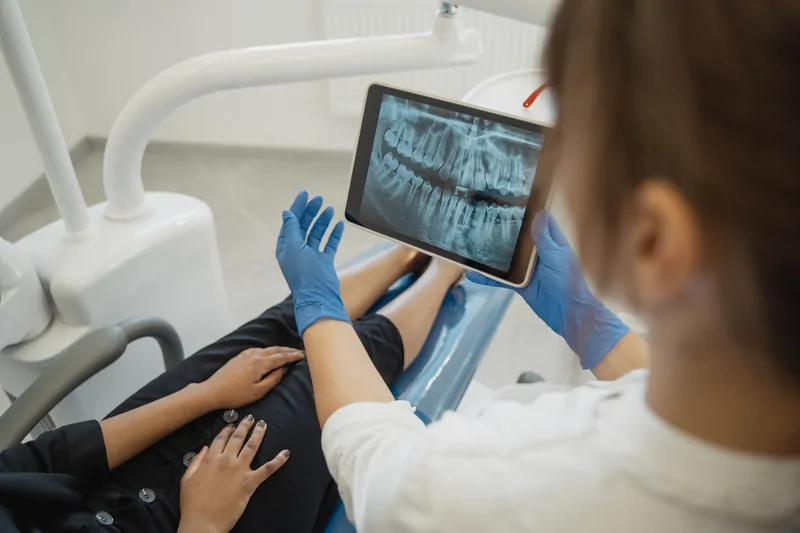
Where bone at the back of the jaw is insufficient, a bone graft or sinus lift may be carried out first and allowed to mature for some months before implants are placed.
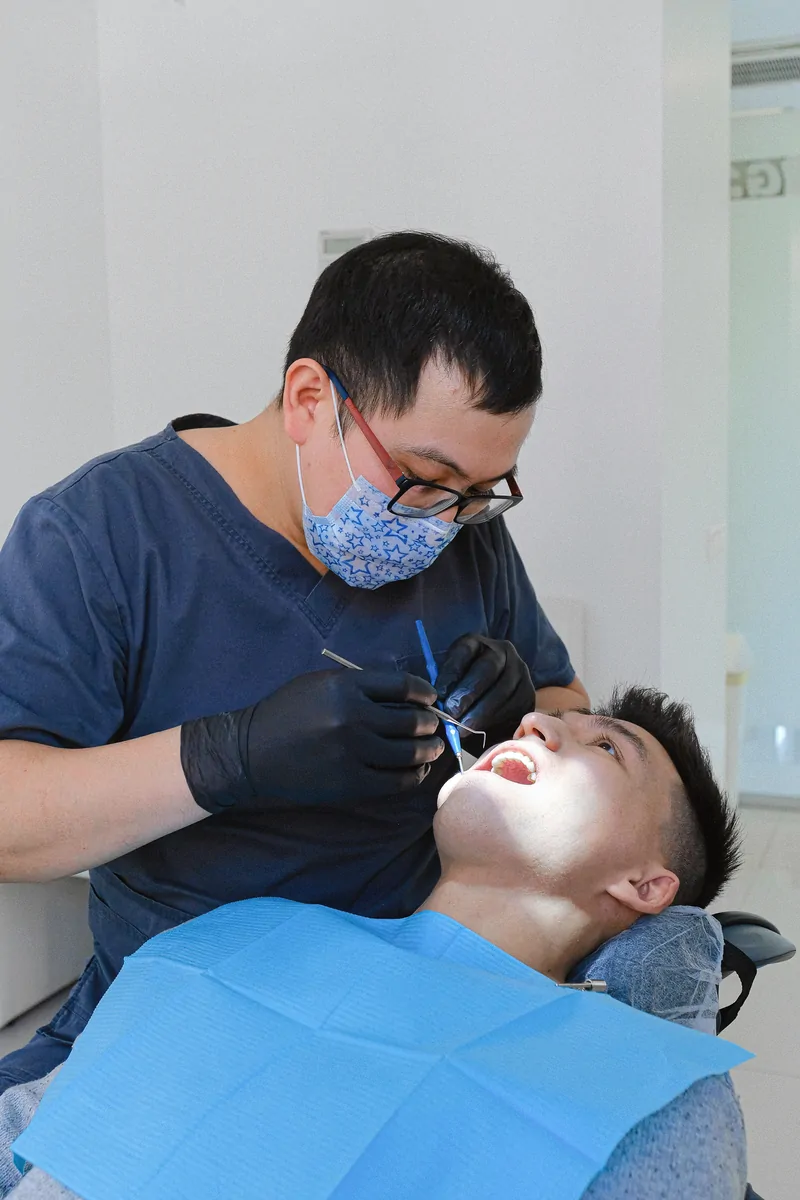
Remaining teeth are removed if necessary, the ridge is prepared and six implants are positioned along the arch according to the digital plan, often with abutments attached to align the bridge screws.
When the implants show good initial stability, a provisional fixed bridge may be connected soon after surgery. A soft-food period protects the implants while they integrate.
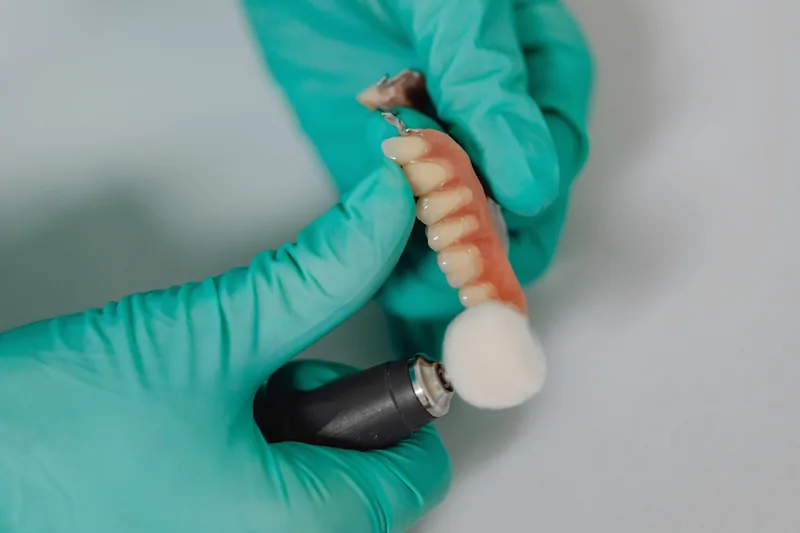
After healing, updated scans guide the design of the final bridge. A try-in lets the team check fit, bite, speech and appearance before the bridge is screwed into place.

Regular check-ups, X-rays where indicated and periodic professional cleaning with the bridge removed help protect the implants and surrounding gum.
Gallery


Both All-on-6 and All-on-4 provide a fixed bridge screwed to implants. All-on-4 relies on four implants with tilted rear fixtures to work around limited posterior bone, whereas All-on-6 adds two further implants for broader support, which usually needs more bone or grafting. An implant-supported denture is removable by the wearer, typically uses fewer implants and may rest partly on the gum.
Before & after treatment
Before you travel
Looking after them
In their words
Dental patients describe their experience — from the first conversation to aftercare.
All patient reviewsGoogle reviews
Spoken with us already? Share your experience on Google.
Honest reviews — good or critical — help the next person decide. We read every one and never offer anything in exchange.
Questions
General answers — your own plan always depends on an individual assessment.
All dental questionsSix implants may spread forces more widely, but strength depends on bone quality, implant positions and bridge design as well as numbers. Your clinician recommends the layout that fits your anatomy rather than a set number.
In the upper jaw the sinus often sits close to the bone at the back of the mouth. Placing additional implants there can require more bone height, which a sinus lift may create.
It can, particularly if grafting is needed first. If bone is already sufficient, the timeline may be similar.
Where implant stability allows, a provisional fixed bridge is often fitted early. Otherwise a temporary denture may be used during healing.
You brush the bridge as you would teeth and clean underneath it with tools such as water flossers, interdental brushes or special floss. Your hygienist will show you techniques suited to your bridge.
If this option is relevant to you, availability at our clinic and your suitability are confirmed during your consultation.
Also available
Free consultation
Tell us what you would like to change. A coordinator replies personally and arranges a dentist’s review of your photos — free, without obligation.
A person replies. Monday to Saturday, Istanbul time.
VHFree consultation
A coordinator replies personally — free, no obligation.