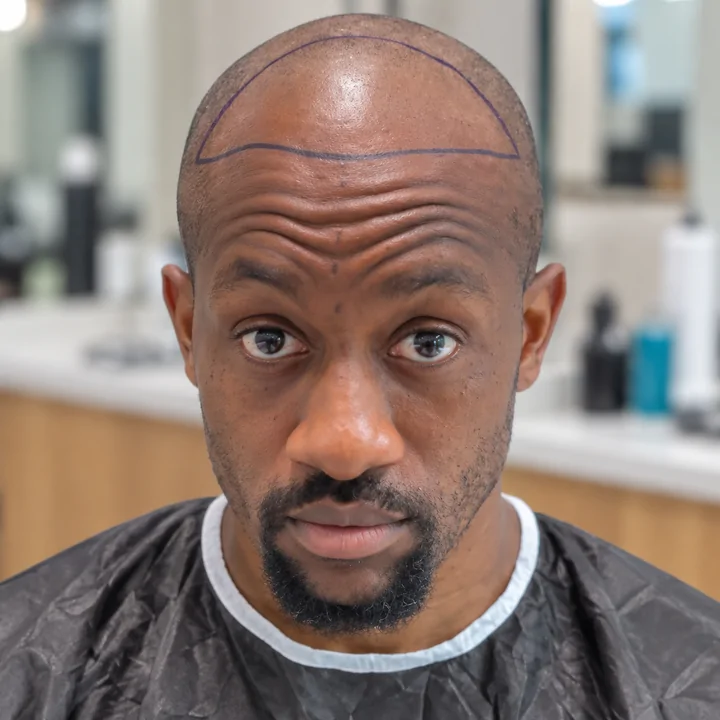

Afro hair transplant
Hair Restoration
Hair Transplant Aftercare in Turkey: washing, sleeping position, crusts, shock loss, exercise, sun protection and the typical growth timeline from week one to a year.

Free · no obligation
Leave your name and number — a coordinator replies personally.
Aftercare is everything you do between leaving the clinic and the point where transplanted hair is growing in and settled. It is not a treatment in itself, but it matters: newly placed grafts are fragile for the first days, the donor area needs to heal cleanly, and knowing what is normal — crusts, redness, shedding — can save a great deal of worry. This guide sets out the stages most patients pass through and the advice commonly given at each one.
Every clinic’s protocol differs slightly, and your instructions may be adapted to your technique, skin, hair type and health. Where anything here differs from what your clinician has told you, follow your clinician. The timings below are typical ranges rather than fixed dates, and healing can be faster or slower from person to person.
If you are planning a transplant and want to understand recovery before deciding, this information can help you plan travel, work and exercise around the procedure. If this option is relevant to you, availability and suitability of follow-up support are confirmed during your consultation.
What it can help with

Results · before & after
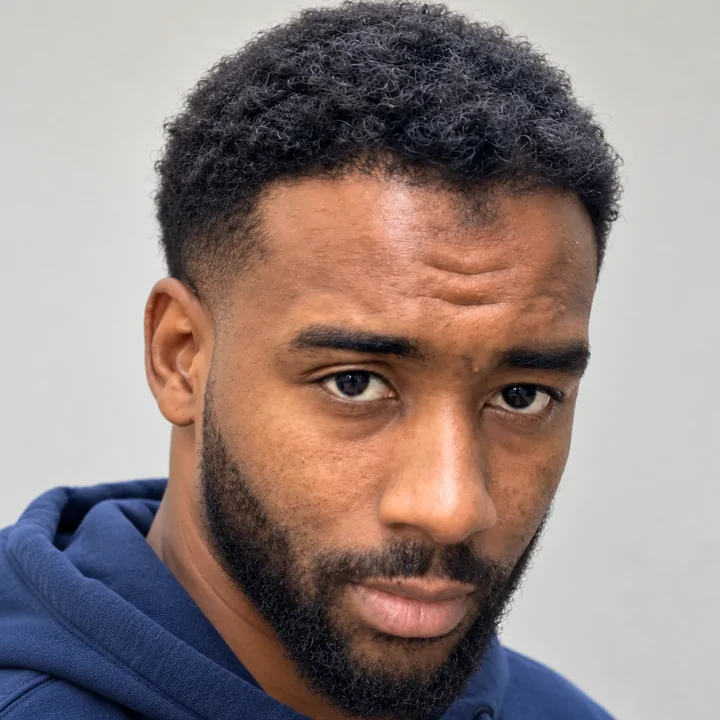
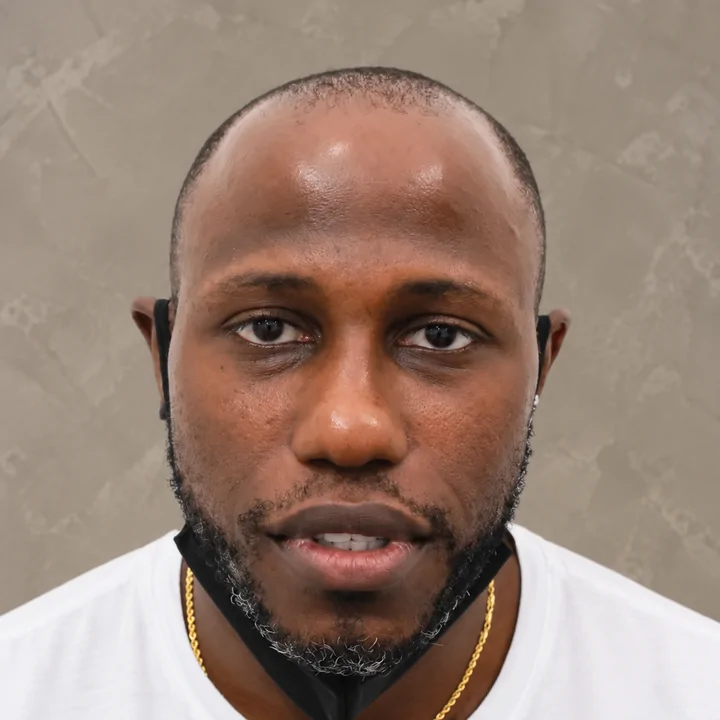
Before and after photographs from hair transplant aftercare and related treatments at our clinic in Istanbul. Drag the handle to compare each pair.
All hair results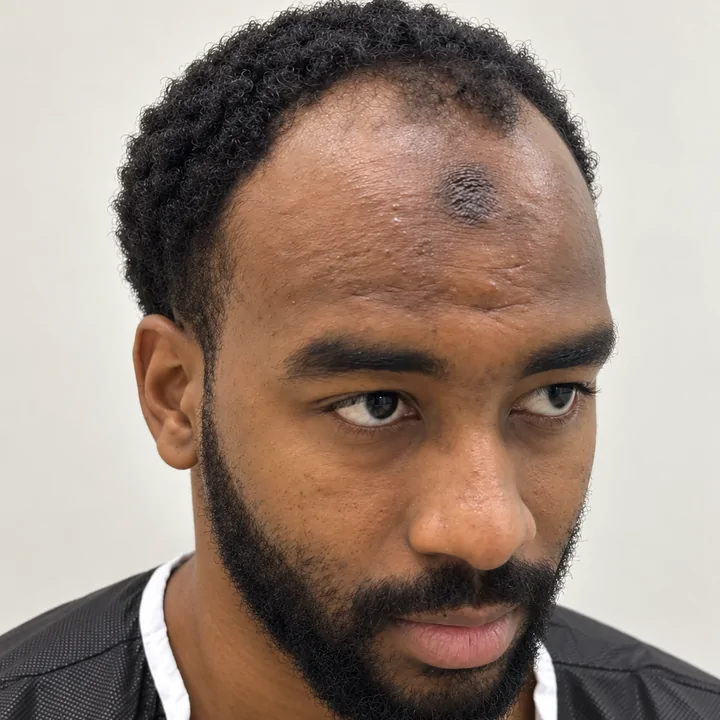
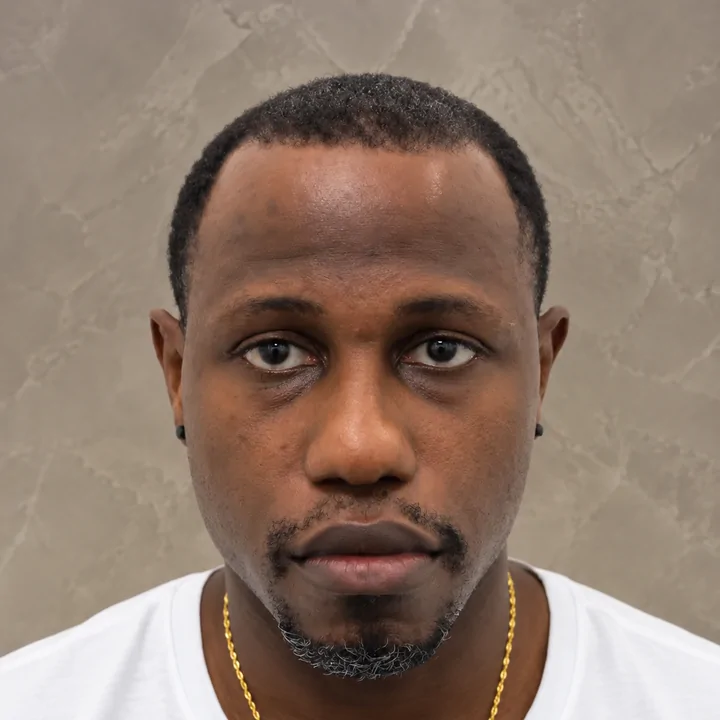
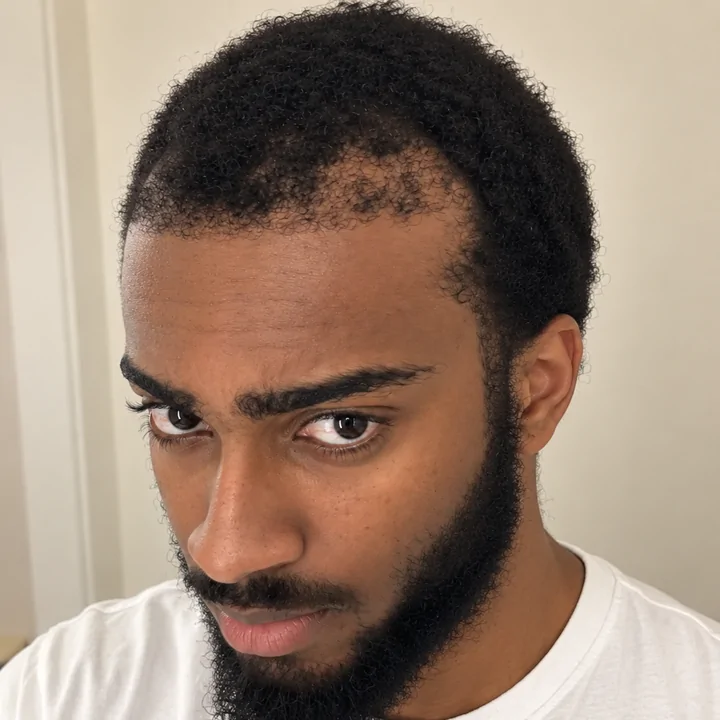
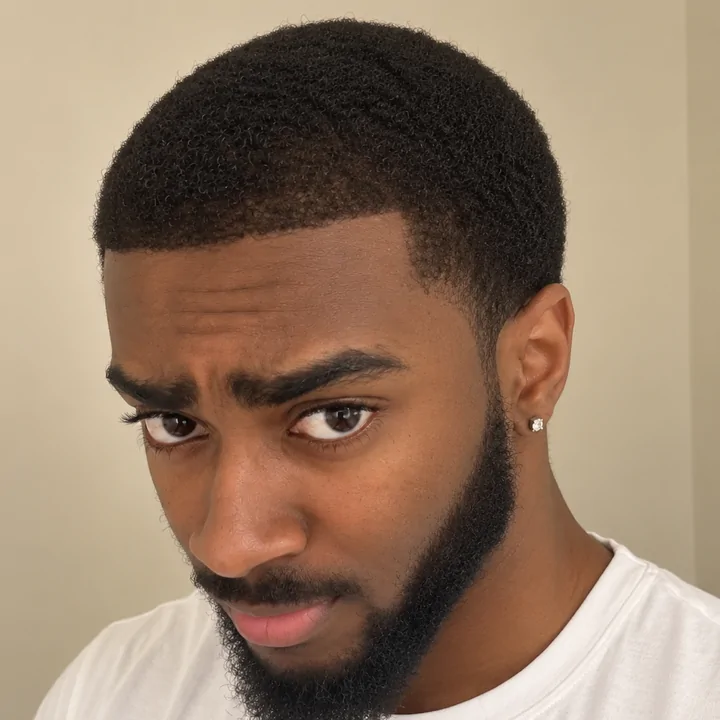
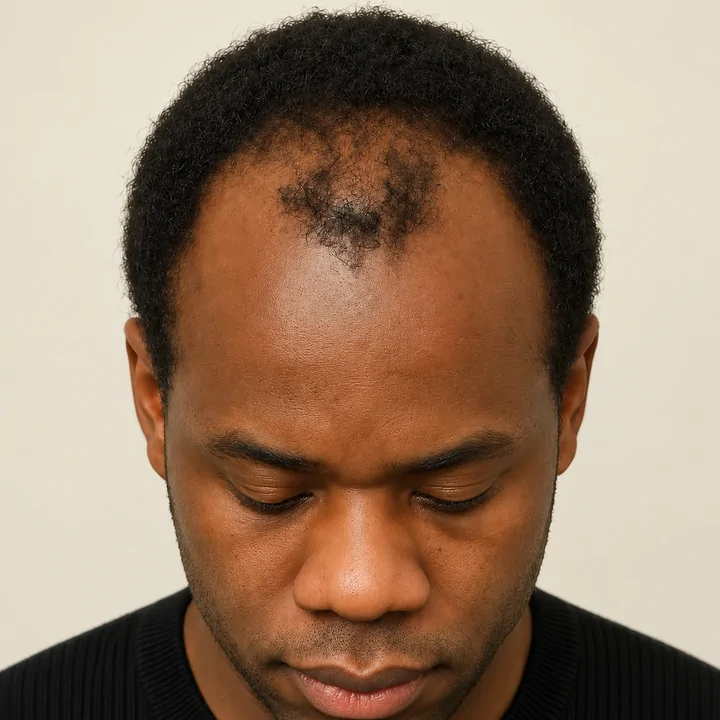
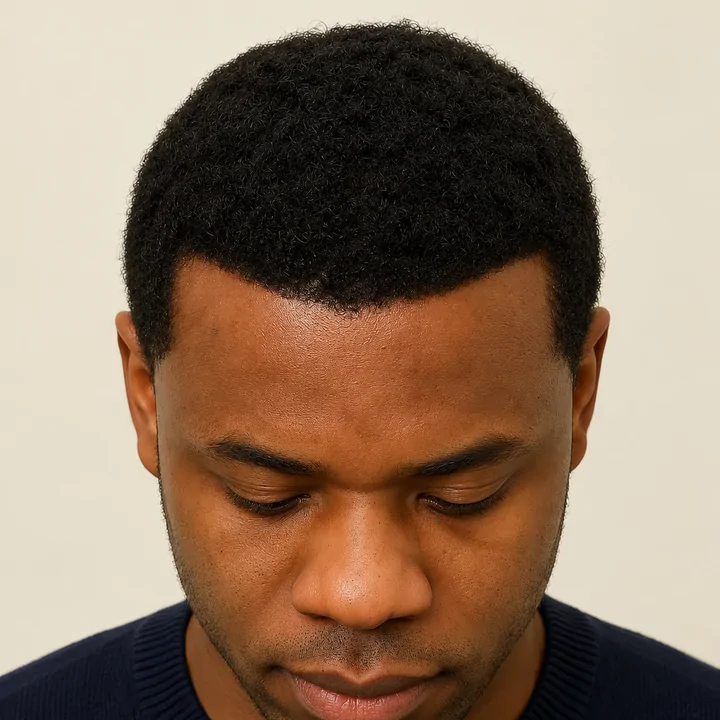
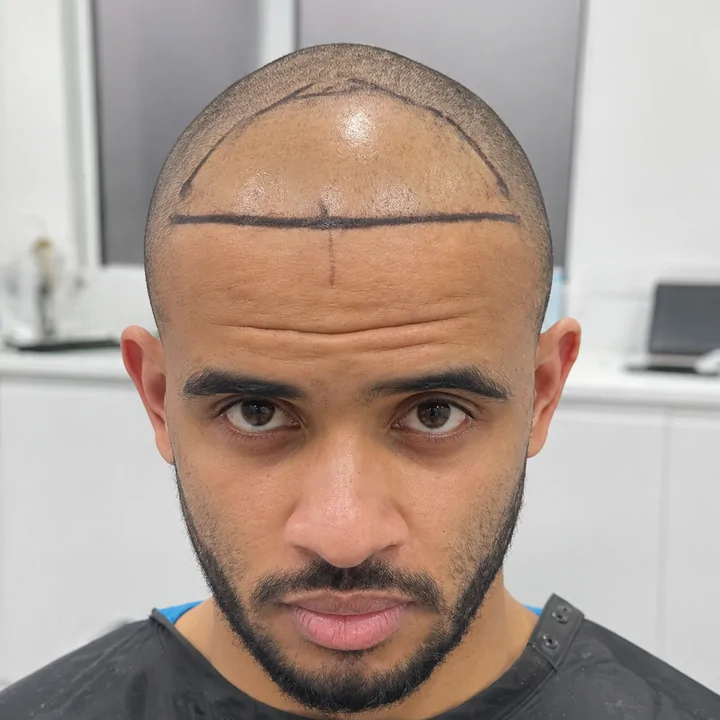


This guide applies to most follicular unit transplants, whatever the technique. Some groups may receive more specific advice from their clinician.
Often a good fit
Assessed carefully
Honest information
The procedure
Aftercare is most effective when it is explained before surgery, written down and backed by a way to ask questions. It is described here in general terms.
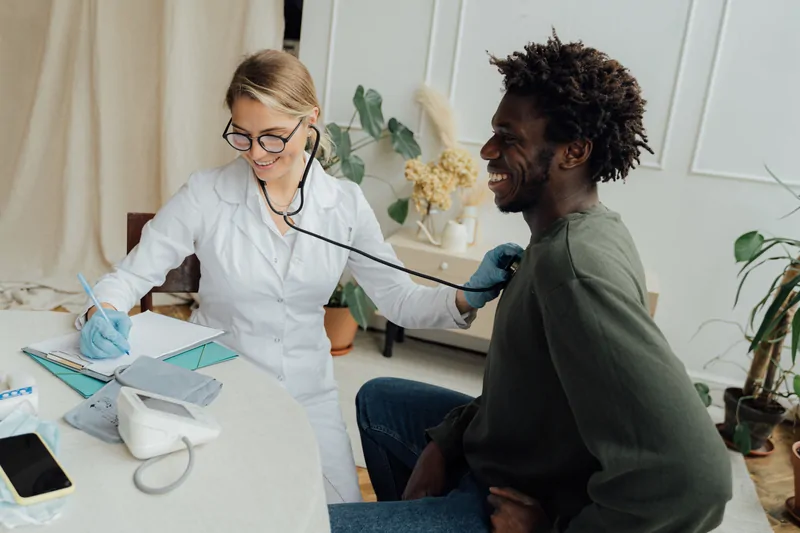
Grafts are most vulnerable now. Avoid touching, scratching or bumping the recipient area. Many clinics advise sleeping on your back with the head raised on pillows, sometimes with a travel pillow, to reduce swelling and contact. Some swelling of the forehead or around the eyes is common around days 2–4 and usually settles.

Gentle washing usually begins once your clinic says so, often following a specific method — applying a lotion or foam, then lightly patting shampoo on without rubbing, and rinsing with low-pressure lukewarm water. Small crusts form around each graft; keeping to the washing routine helps them soften and fall away naturally, often within 10–14 days. Avoid picking at them.
Many transplanted hairs fall out during this period. This is commonly called shock loss and is usually a normal part of the growth cycle, not a sign of failure. Some existing hair nearby may shed too, typically temporarily. The scalp may look similar to before surgery for a while.

New hairs often start to appear, sometimes fine and uneven at first. Occasional spots or ingrown hairs can occur as hair breaks through; these usually settle but should be mentioned if persistent or painful.
Hair tends to thicken and lengthen gradually. Crown areas and facial hair may take longer. Most clinicians assess the final appearance at around 12 months, and sometimes later.
Gallery


Before & after treatment
Before you travel
Afterwards
In their words
Hair transplant patients describe their experience — from the first conversation to aftercare.
All patient reviewsGoogle reviews
Spoken with us already? Share your experience on Google.
Honest reviews — good or critical — help the next person decide. We read every one and never offer anything in exchange.
Questions
General answers — your own plan always depends on an individual assessment.
All hair questionsYes. Shedding between roughly weeks 2 and 8 is common and is usually part of the normal growth cycle. New growth typically begins a few months later.
Gentle washing usually starts within the first few days using your clinic’s method. Normal washing is often resumed after the crusts have cleared, commonly around two weeks, but follow your instructions.
Many clinics advise sleeping on your back with your head elevated for the first several nights, sometimes with a travel pillow, to limit swelling and avoid rubbing the grafts.
Light walking is usually fine early on. Strenuous exercise is often avoided for around one to two weeks and contact sport or swimming for longer, depending on your clinician’s advice.
Some clinics allow a loose, clean hat after the first days, avoiding anything tight that could rub the grafts. Ask before wearing one.
Contact your clinic if you notice spreading redness, increasing pain, pus, fever, bleeding that will not stop with gentle pressure, or anything that worries you.
Also available
Free consultation
Tell us what you would like to change. A coordinator replies personally and arranges a hair specialist’s review of your photos — free, without obligation.
A person replies. Monday to Saturday, Istanbul time.
VHFree consultation
A coordinator replies personally — free, no obligation.