Dental implants
Restorative Dentistry
Root Canal Treatment in Turkey: why the pulp becomes inflamed or infected, how canals are cleaned, shaped and sealed, recovery, risks and restoring the tooth.
Free · no obligation
Leave your name and number — a coordinator replies personally.
Inside every tooth is the pulp — soft tissue containing nerves and blood vessels that runs from the crown down through narrow canals in the roots. Deep decay, a crack, repeated dental work or a blow to the tooth can allow bacteria to reach the pulp, causing inflammation or infection. Because the pulp sits within rigid walls, it cannot heal well once badly inflamed, and infection can spread to the bone around the root tip, sometimes forming an abscess.
Root canal treatment, also called endodontic treatment, removes the affected pulp, cleans and shapes the canals with fine instruments, disinfects them with irrigating solutions and then fills and seals them. Front teeth commonly have one canal, while molars may have three, four or more, some of them narrow or curved. Magnification and careful measurement of canal length help the clinician locate and treat each one.
Once treated, the tooth no longer has a living nerve, but it remains supported by the gum and bone and can continue to function. Root-treated back teeth, in particular, can become more brittle, so a crown or onlay is often recommended afterwards to protect them from fracture.
What it can help with
Results · before & after
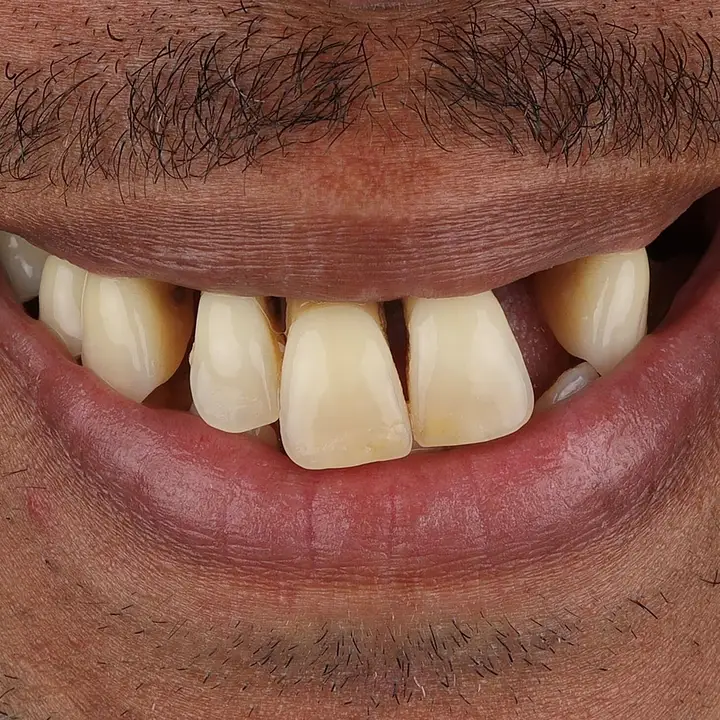
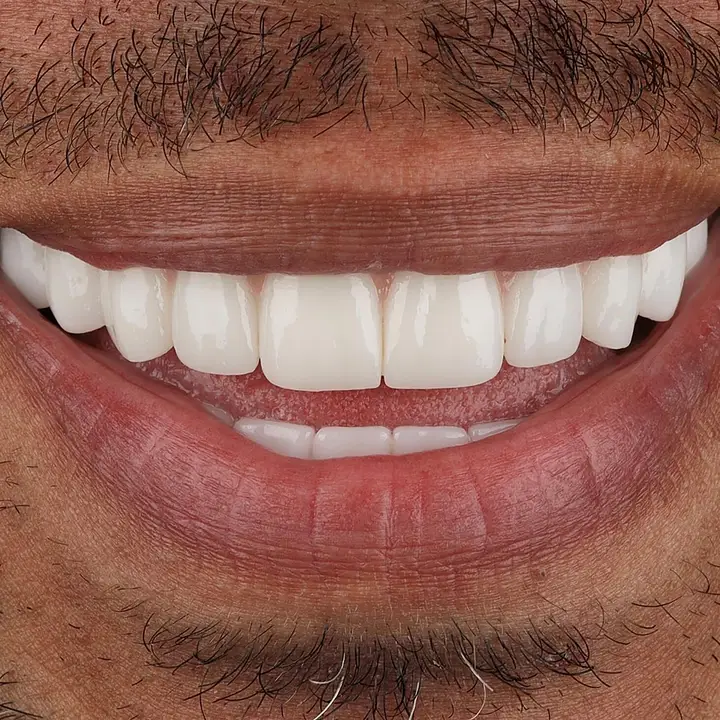
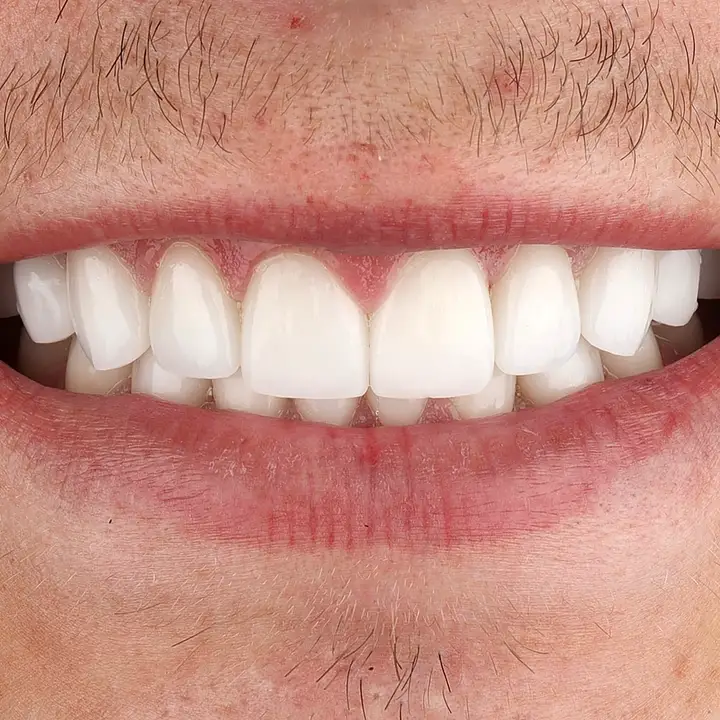
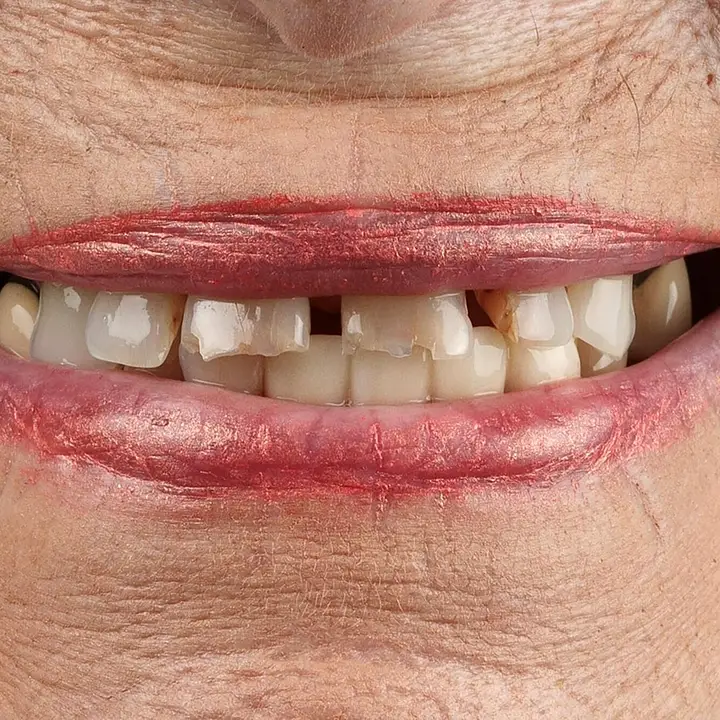
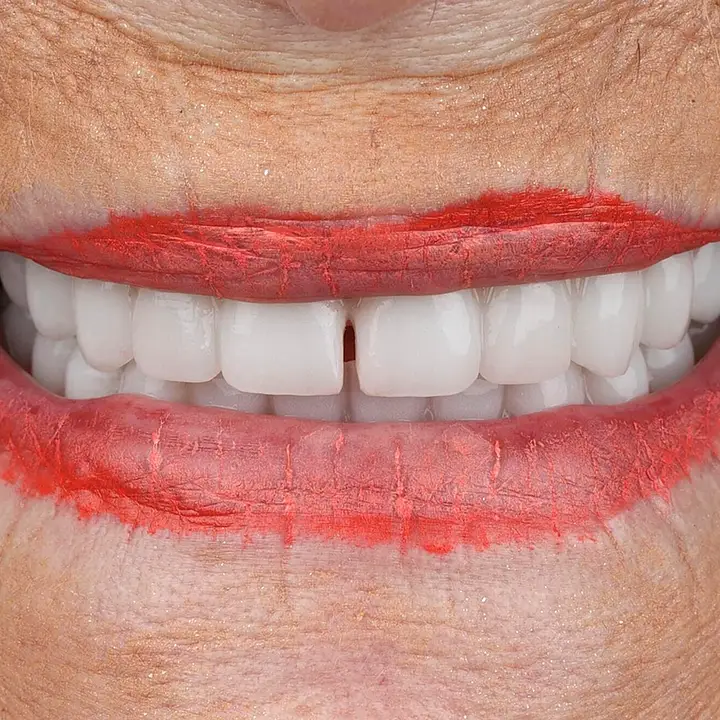
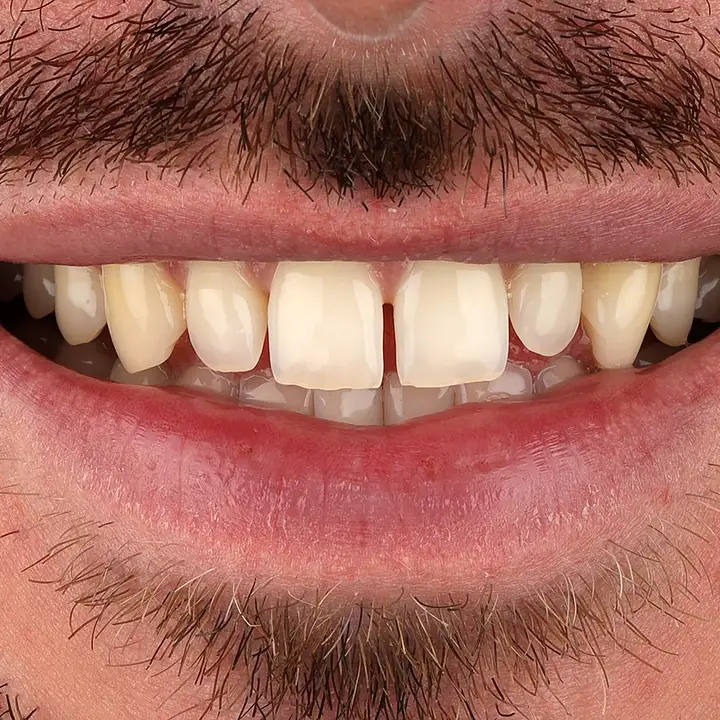
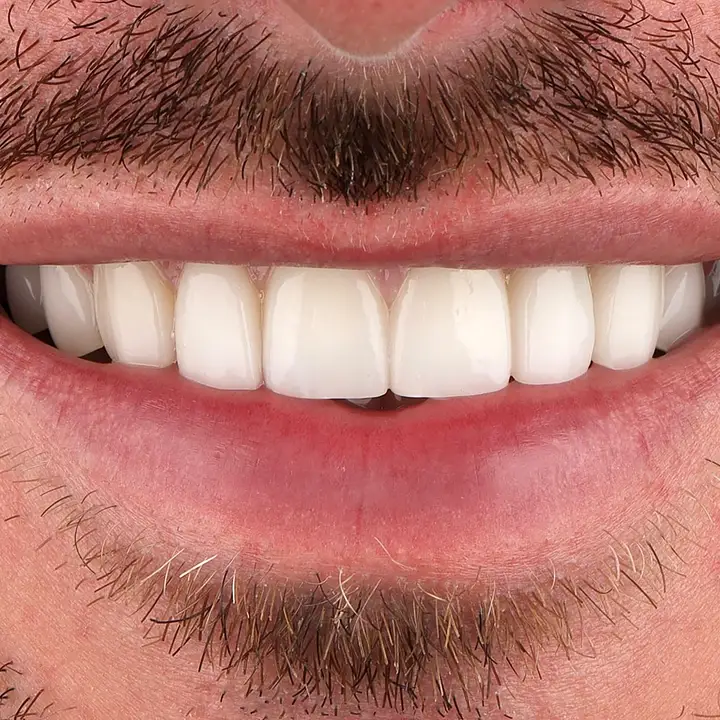
Before and after photographs from root canal treatment and related treatments at our clinic in Istanbul. Drag the handle to compare each pair.
All dental results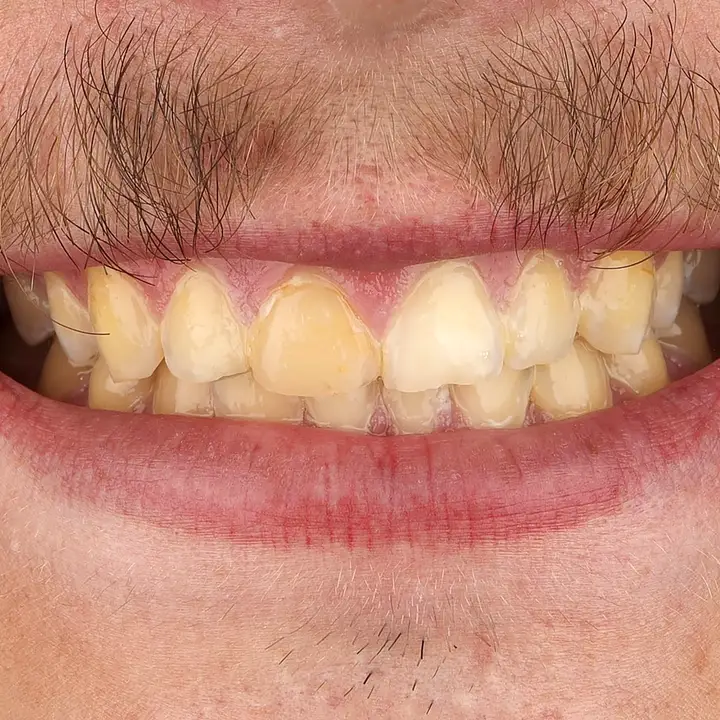
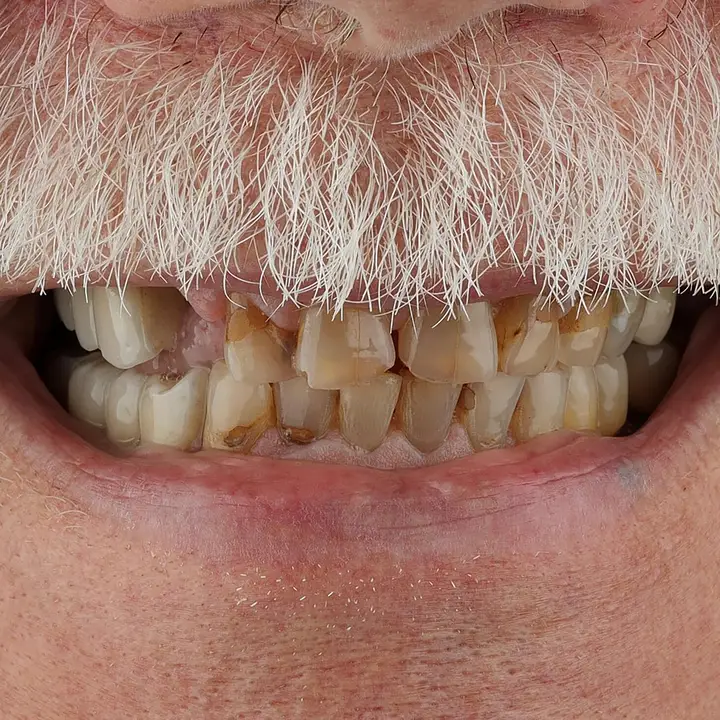
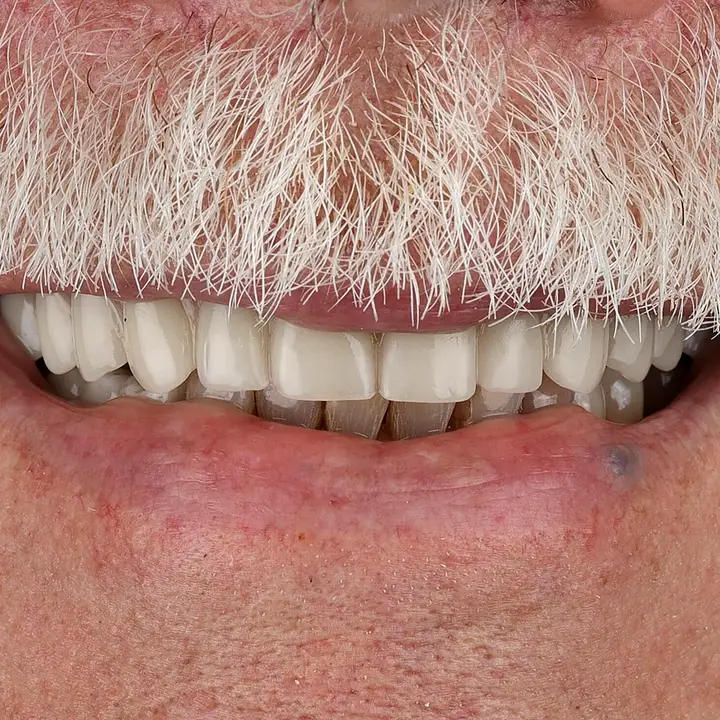
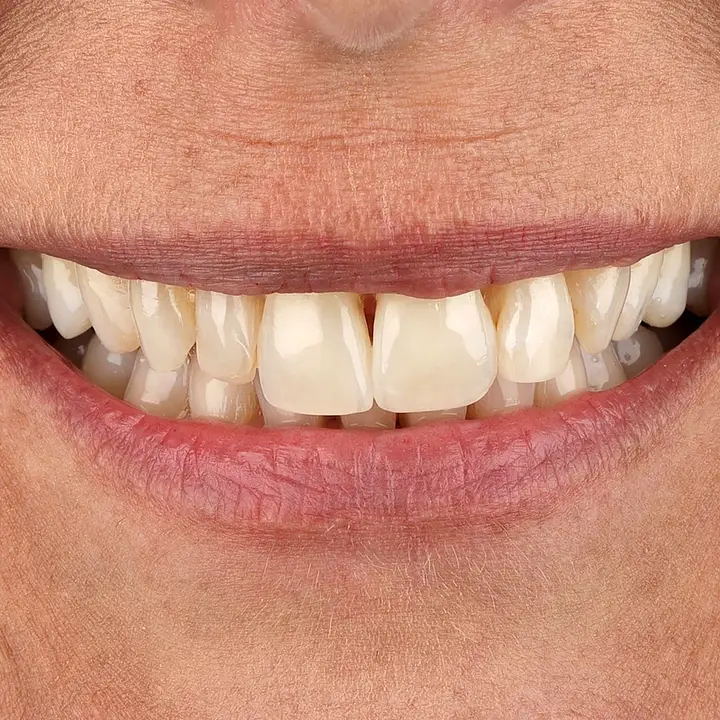
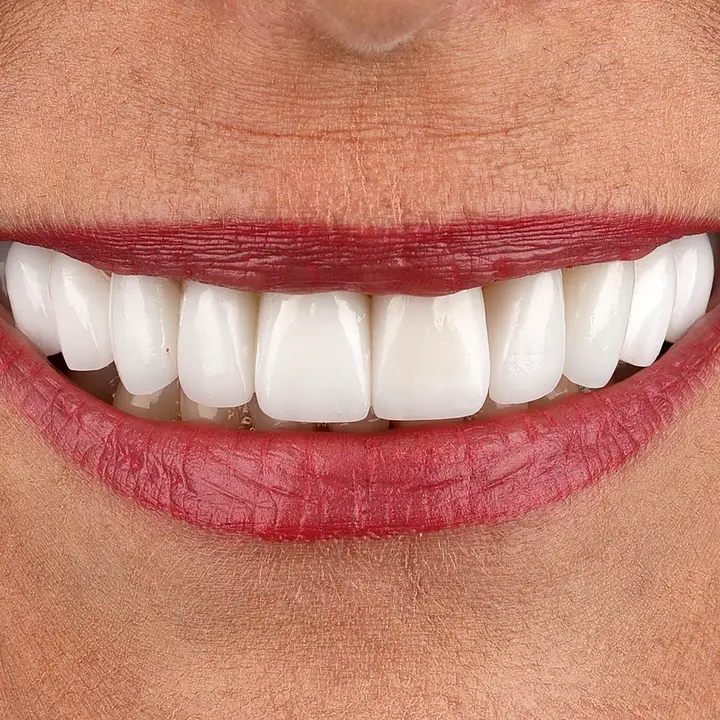
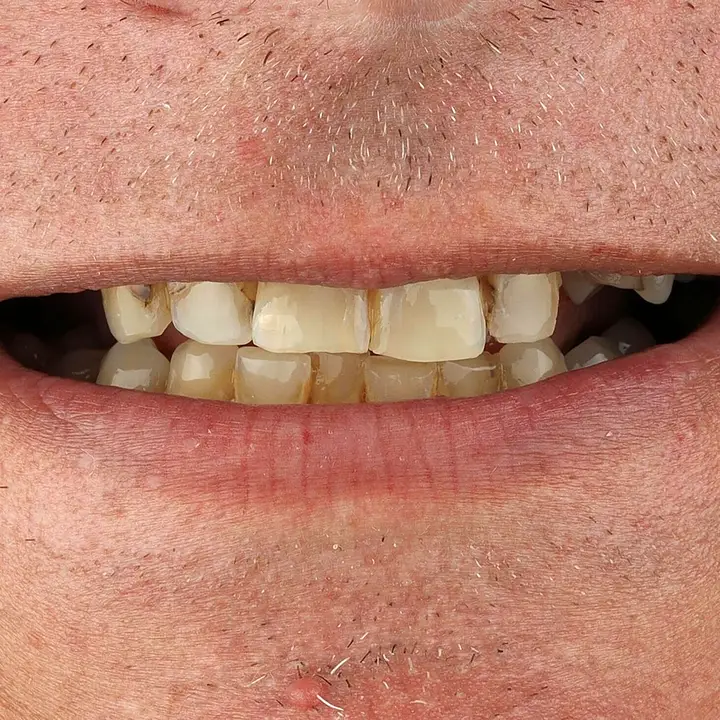
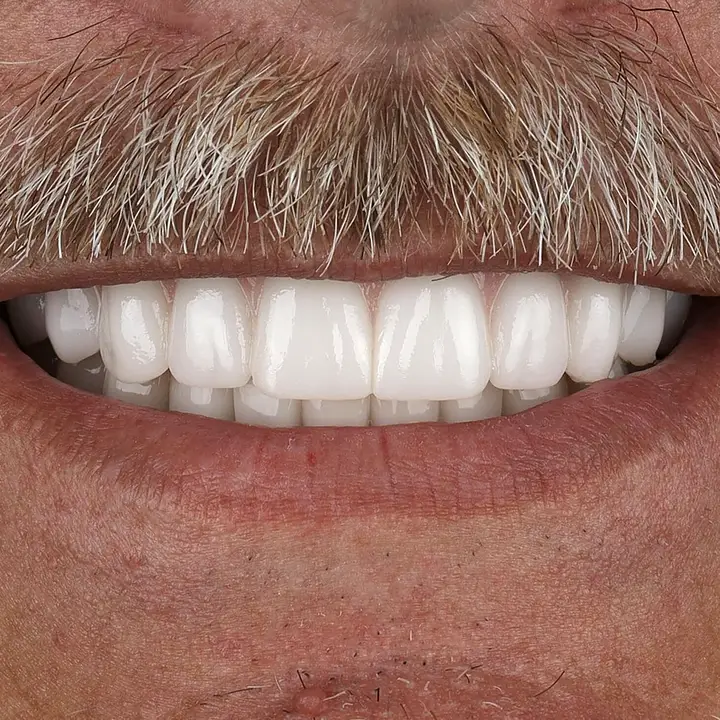
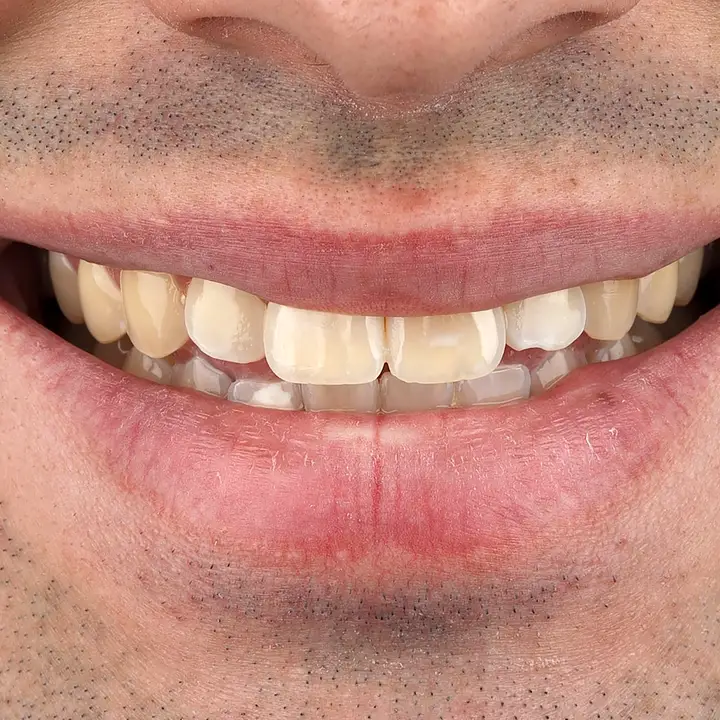
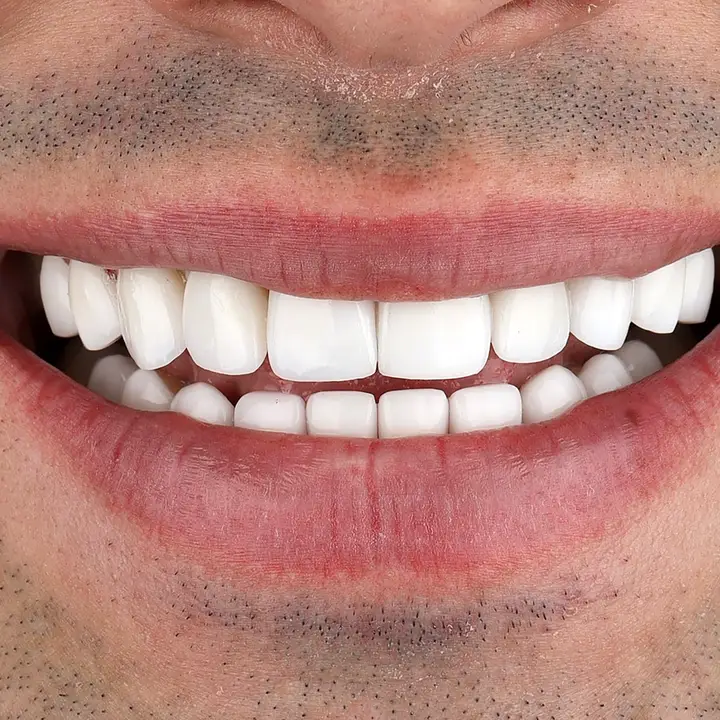

Root canal treatment is considered when the pulp cannot recover but the tooth itself is restorable and has adequate bone support. X-rays and tests help your clinician judge this.
Often a good fit
Assessed carefully
Honest information
The procedure
The aim is to clean the canal system thoroughly and seal it well, then restore the tooth so it can function for as long as possible.
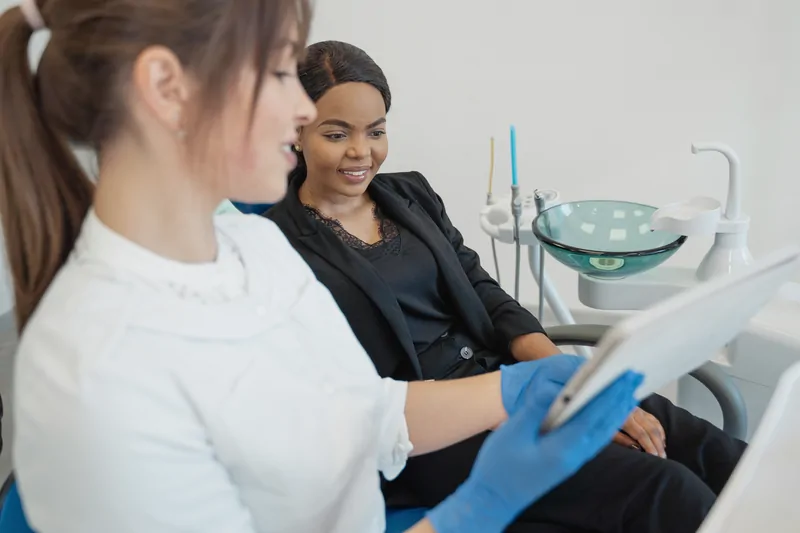
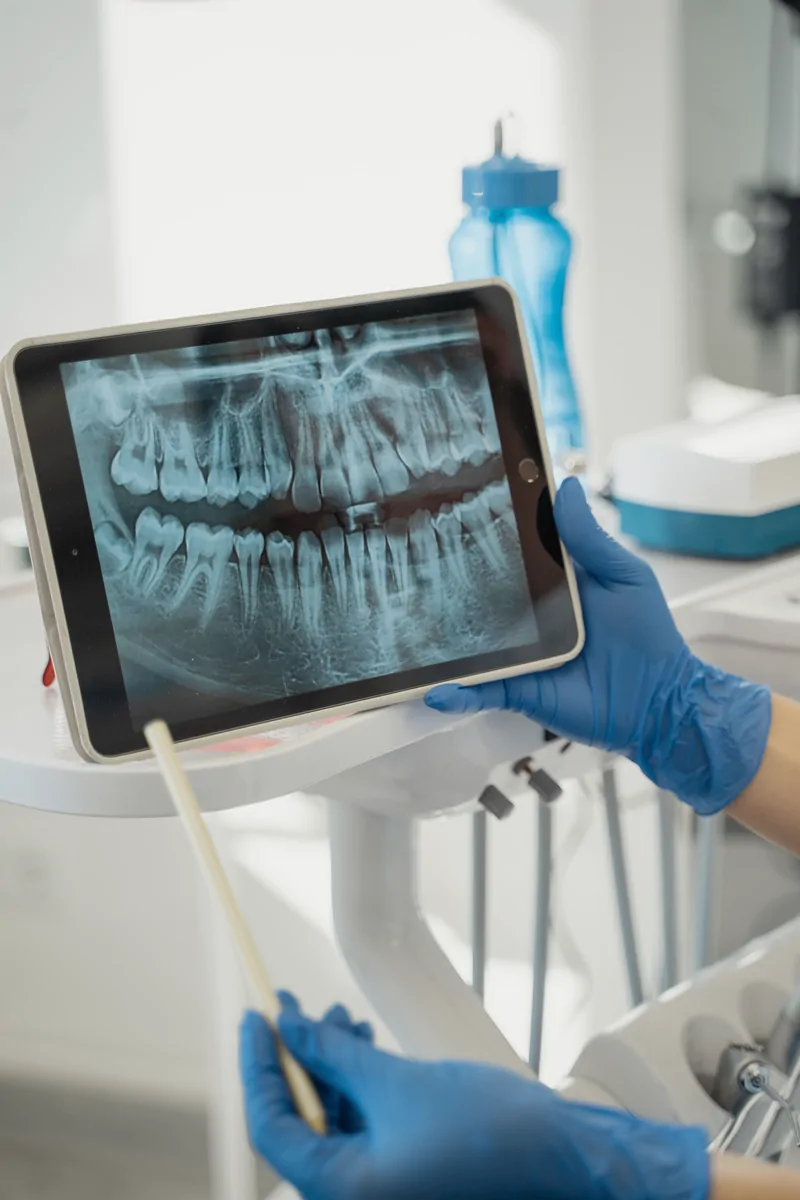
Your clinician asks about your symptoms, examines the tooth and may test its response to cold or tapping. X-rays show the root shape, canal anatomy and any infection at the root tip.
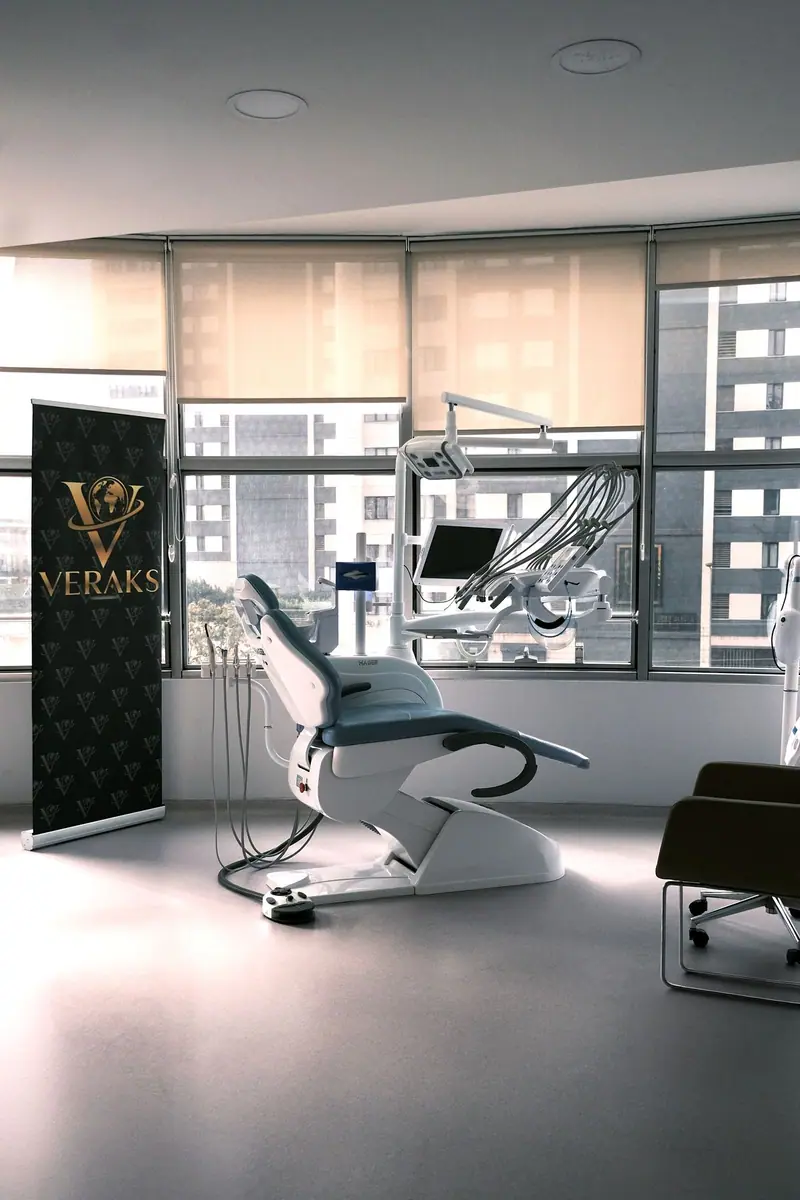
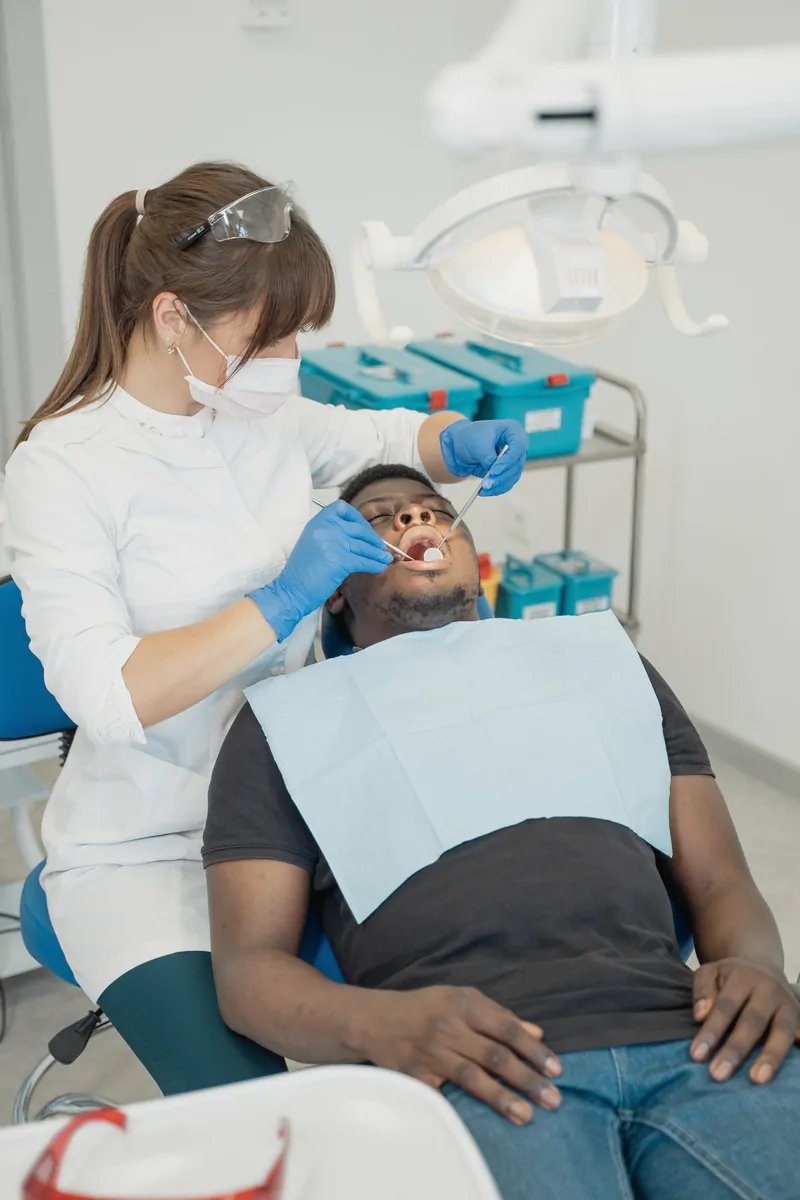
The area is numbed with local anaesthetic. A thin rubber sheet called a dental dam is placed around the tooth to keep it dry and protect you from instruments and disinfecting solutions.
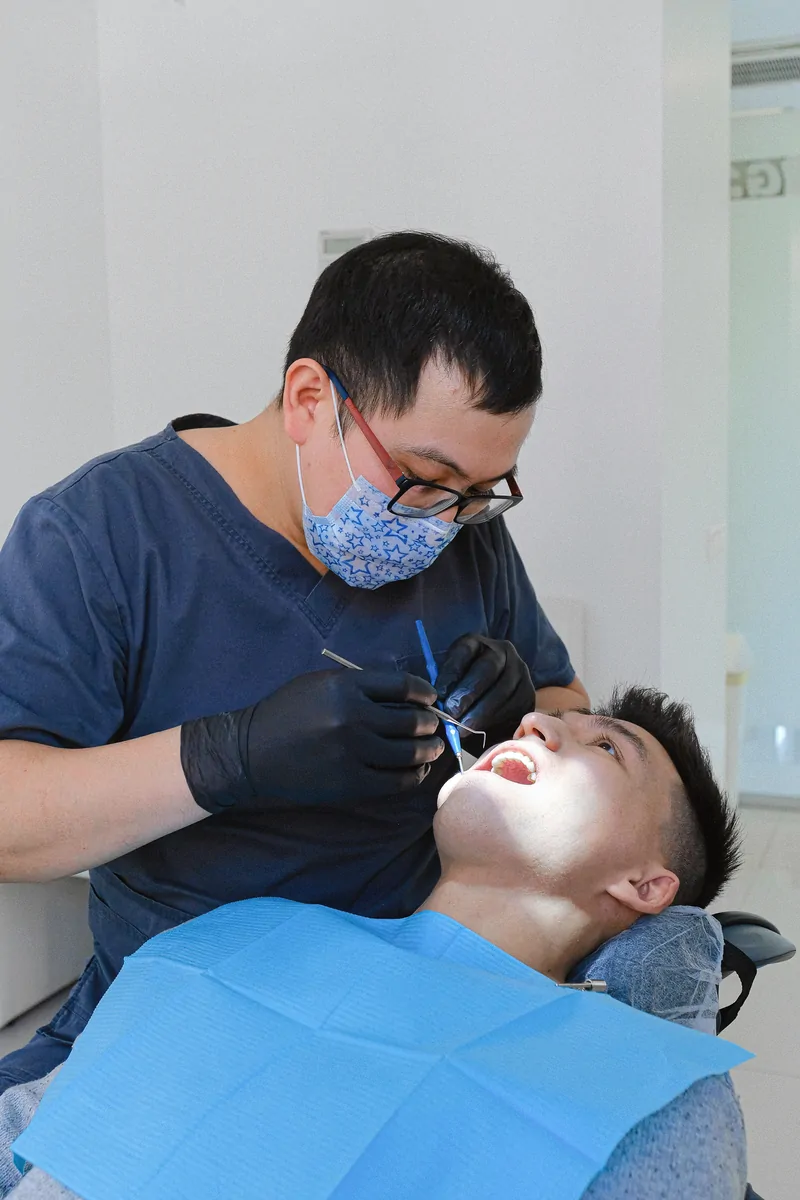
A small opening is made through the biting surface to reach the pulp chamber. The pulp is removed and each canal is located, measured with an electronic apex locator and X-rays, and shaped with fine rotary or hand files.
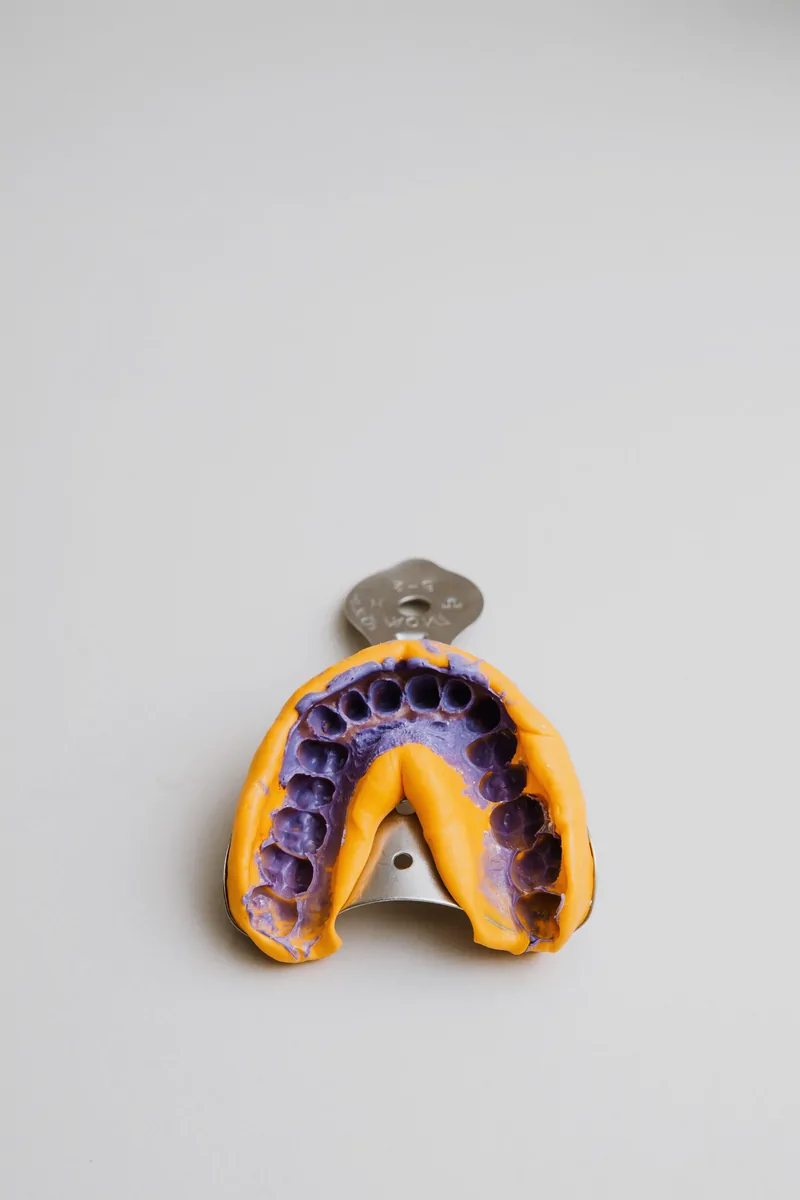
The canals are repeatedly irrigated with antibacterial solutions to dissolve tissue and reduce bacteria. If infection is significant, a medicated dressing may be placed inside the tooth for a period and the treatment completed at a second visit.
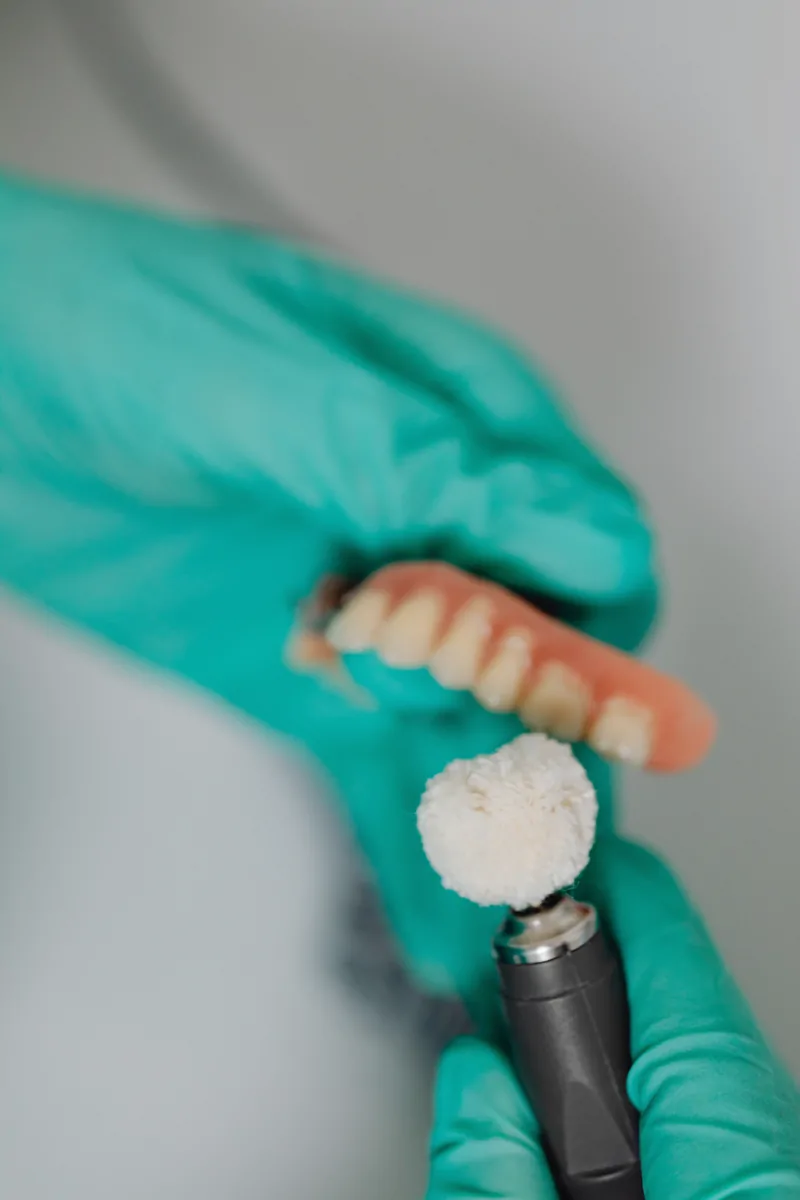
The dried canals are filled with a rubber-like root filling material and sealer to close them off. A temporary or permanent filling seals the access opening, and an X-ray confirms the quality of the root filling.
The tooth is restored with a permanent filling or, often for back teeth, an onlay or crown to protect it from cracking. Follow-up X-rays may be suggested to check that the bone around the root is healing.
Gallery



Before & after treatment
Before you travel
Afterwards
In their words
Dental patients describe their experience — from the first conversation to aftercare.
All patient reviewsGoogle reviews
Spoken with us already? Share your experience on Google.
Honest reviews — good or critical — help the next person decide. We read every one and never offer anything in exchange.
Questions
General answers — your own plan always depends on an individual assessment.
All dental questionsWith local anaesthetic, most people find the procedure similar to having a filling. Tenderness afterwards is common for a few days. The treatment is often done to relieve pain that the infected pulp is already causing.
Many teeth are treated in one or two visits. Teeth with significant infection, complex anatomy or previous treatment may need more, and a crown may be made afterwards.
Back teeth often benefit from a crown or onlay because they take heavy biting forces and can become more brittle. Front teeth with little damage may only need a filling. Your clinician will advise.
Antibiotics do not reach bacteria inside the root canals effectively, so they do not resolve the cause. They may occasionally be used alongside treatment when infection is spreading.
An infected pulp does not heal on its own. Infection may spread into the bone and surrounding tissues, and the tooth may eventually be lost. Seeking assessment early usually gives more options.
It can, for example if bacteria re-enter through a leaking filling or new decay. Re-treatment or minor surgery at the root tip may then be considered.
Also available
Free consultation
Tell us what you would like to change. A coordinator replies personally and arranges a dentist’s review of your photos — free, without obligation.
A person replies. Monday to Saturday, Istanbul time.
VHFree consultation
A coordinator replies personally — free, no obligation.