Porcelain veneers
Cosmetic Dentistry
Teeth Whitening in Turkey: in-chair and supervised home options, shade planning, sensitivity care and realistic expectations.

Free · no obligation
Leave your name and number — a coordinator replies personally.
Professional teeth whitening uses a peroxide-based gel to break down coloured molecules inside the enamel and the dentine beneath it, so the tooth itself appears lighter. Unlike whitening toothpastes, which mainly polish surface stain, a clinician-supervised treatment works on discolouration that has built up within the tooth over years of coffee, tea, red wine, tobacco or simple ageing.
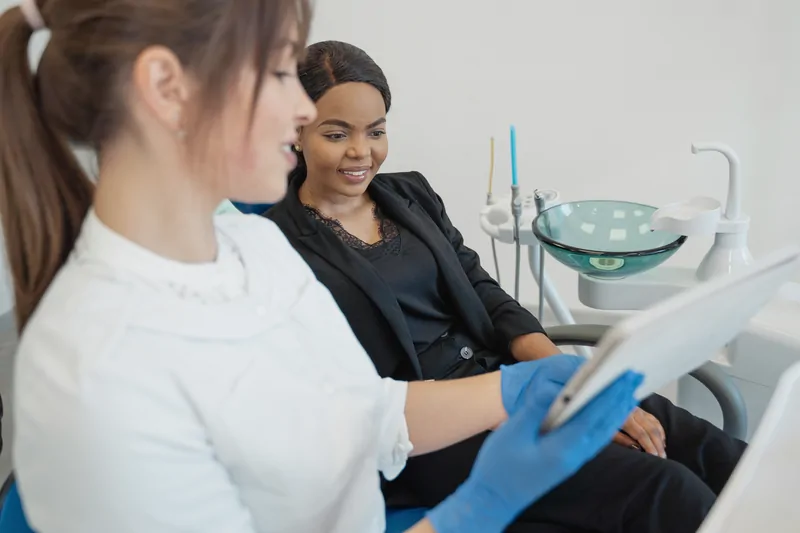
At our clinic, whitening begins with an examination rather than a gel. Decay, leaking fillings, receded gums or worn enamel can make whitening uncomfortable or unsuitable, so these are checked first. Your clinician will record your starting shade, discuss the change that is realistic for your teeth and explain which approach — an in-chair session, custom trays for use at home, or a combination — is likely to suit you.
Whitening only changes natural tooth structure. Crowns, veneers, bonding and tooth-coloured fillings keep their original colour, which is why whitening is often planned before any new cosmetic work: restorations can then be matched to your brighter shade.
What it can help with

Results · before & after
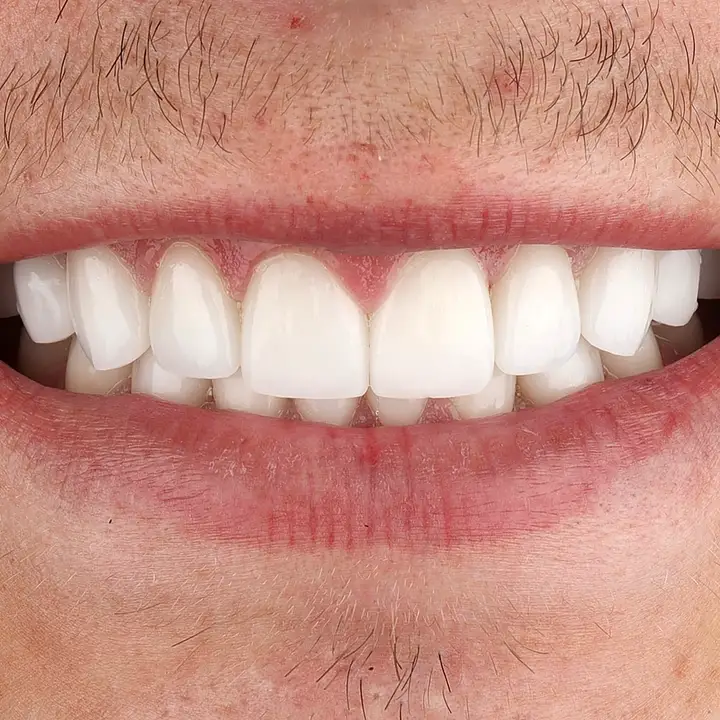
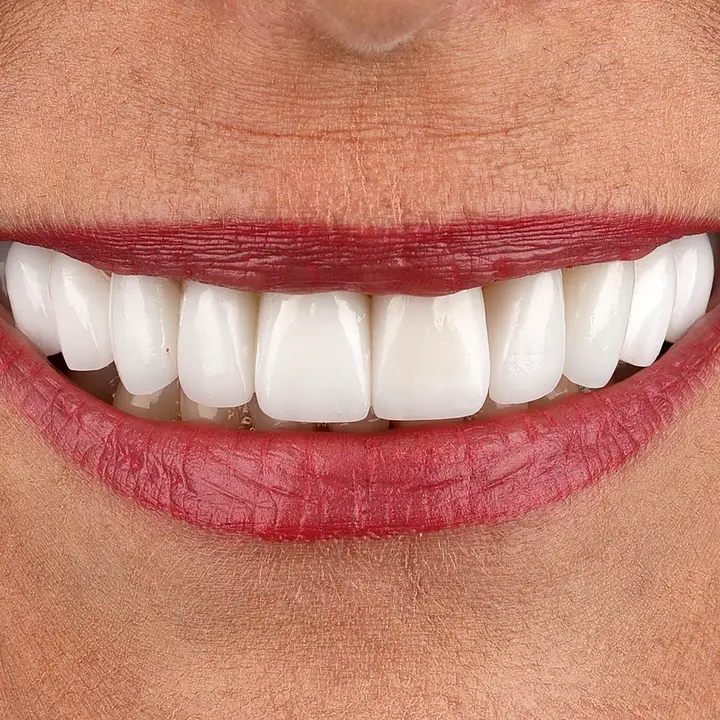
Before and after photographs from teeth whitening and related treatments at our clinic in Istanbul. Drag the handle to compare each pair.
All dental results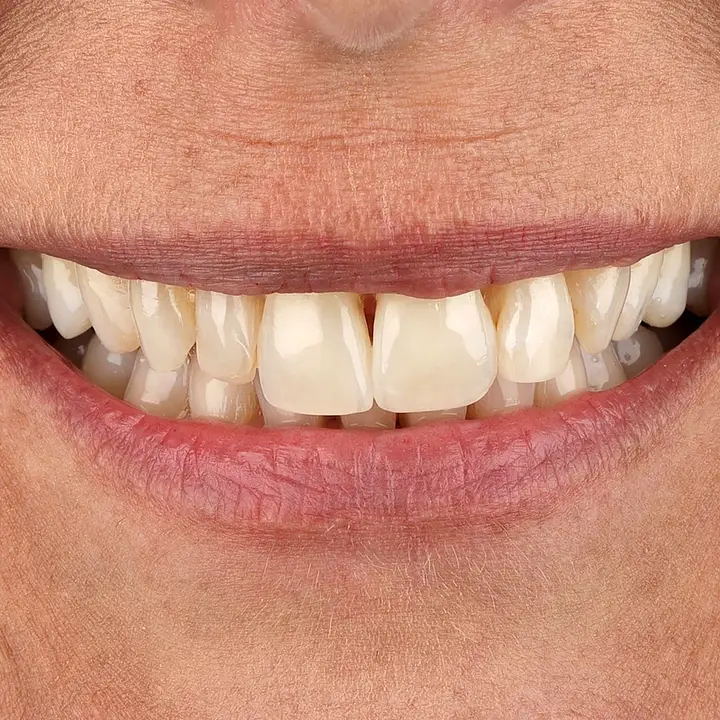
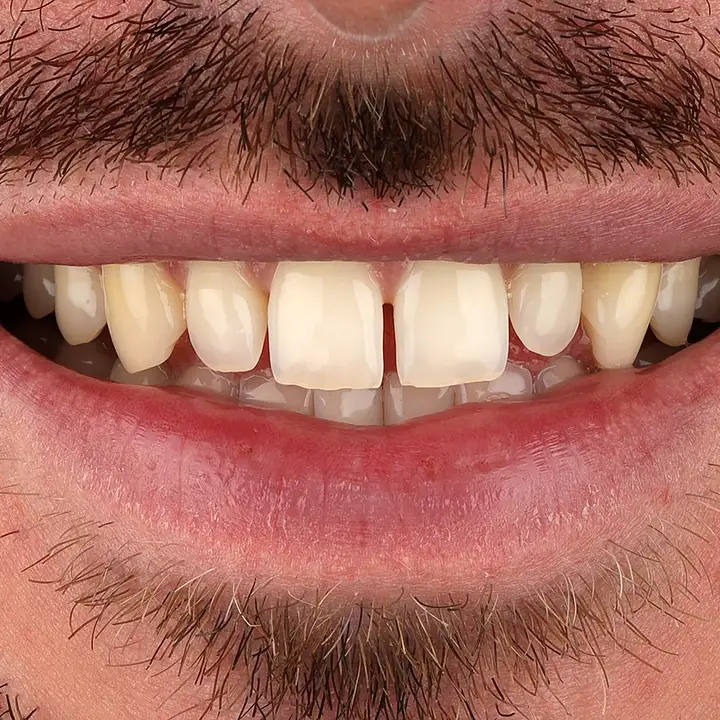
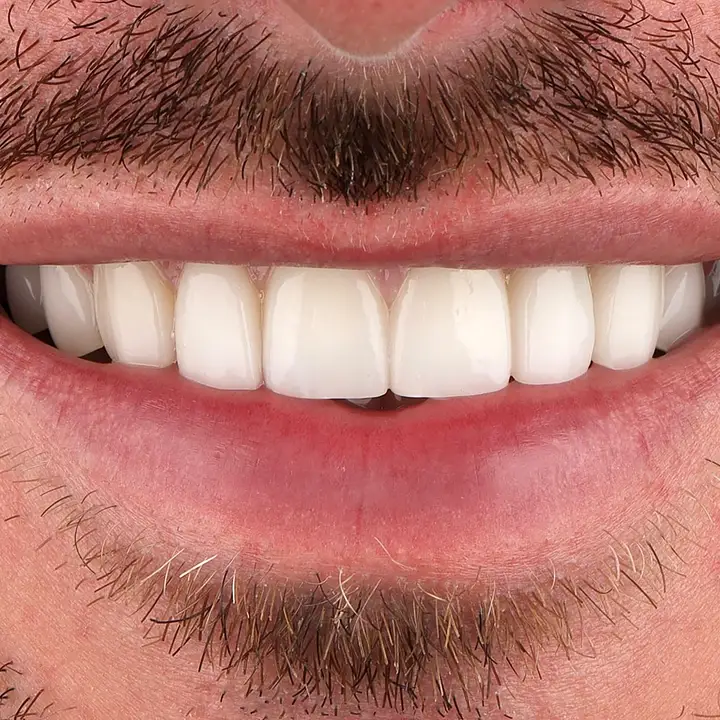
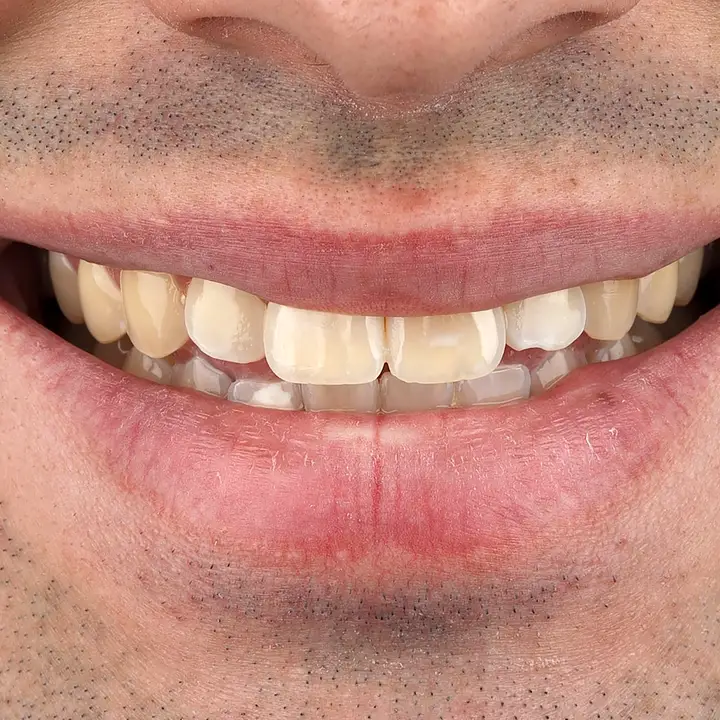
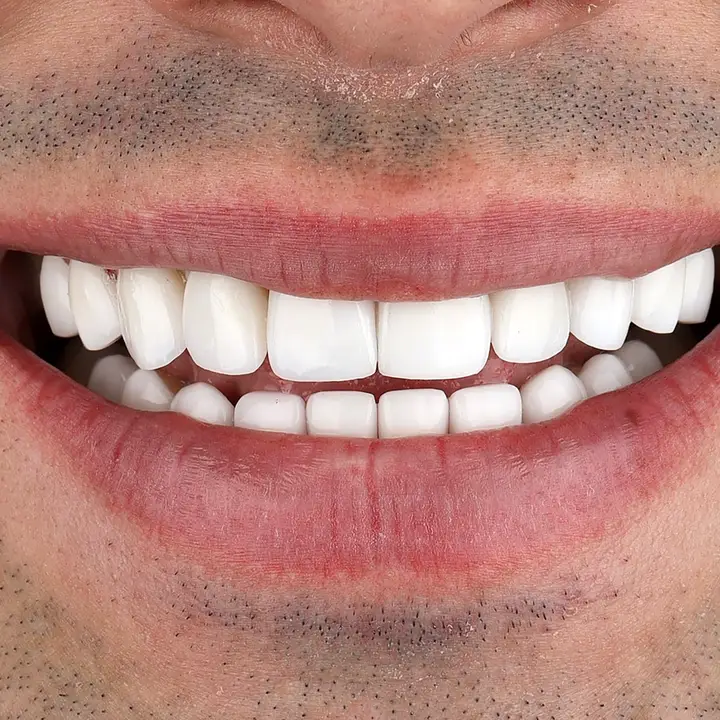
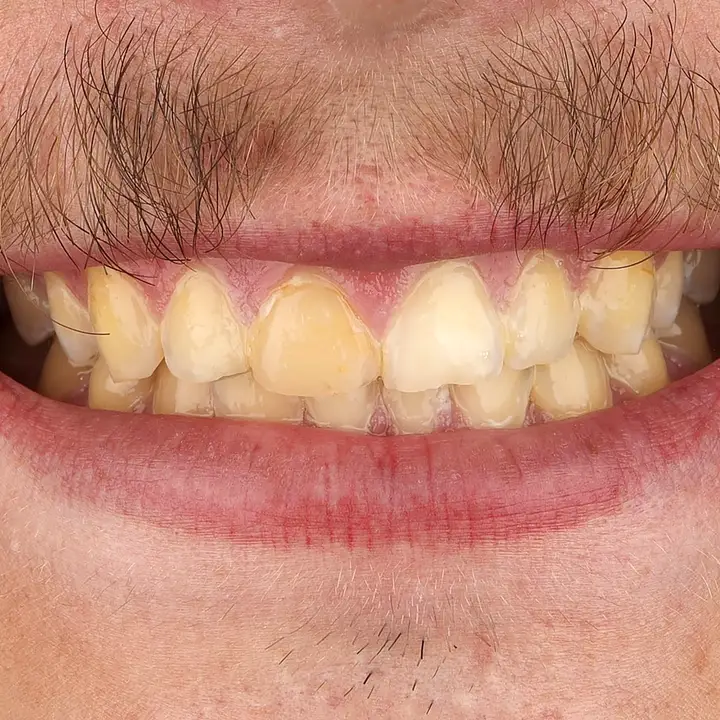
Whitening tends to work most predictably on healthy, unrestored front teeth with yellow or brown discolouration. Grey, banded or very deep staining can be more resistant, and some people are advised to wait or choose a different option.
Often a good fit
Assessed carefully
Honest information
The procedure
Whitening is planned to balance visible change with comfort and enamel health. Rather than pushing for the lightest possible shade, your clinician aims for a natural-looking result that suits your skin tone and existing dental work.
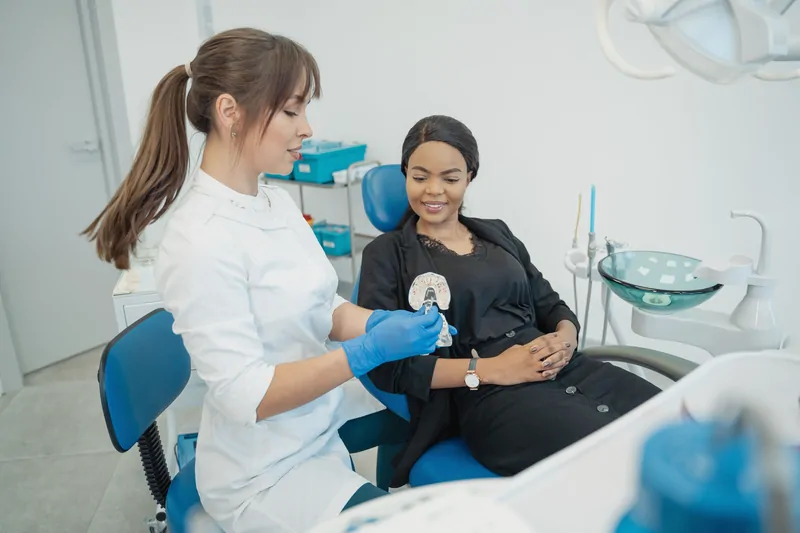
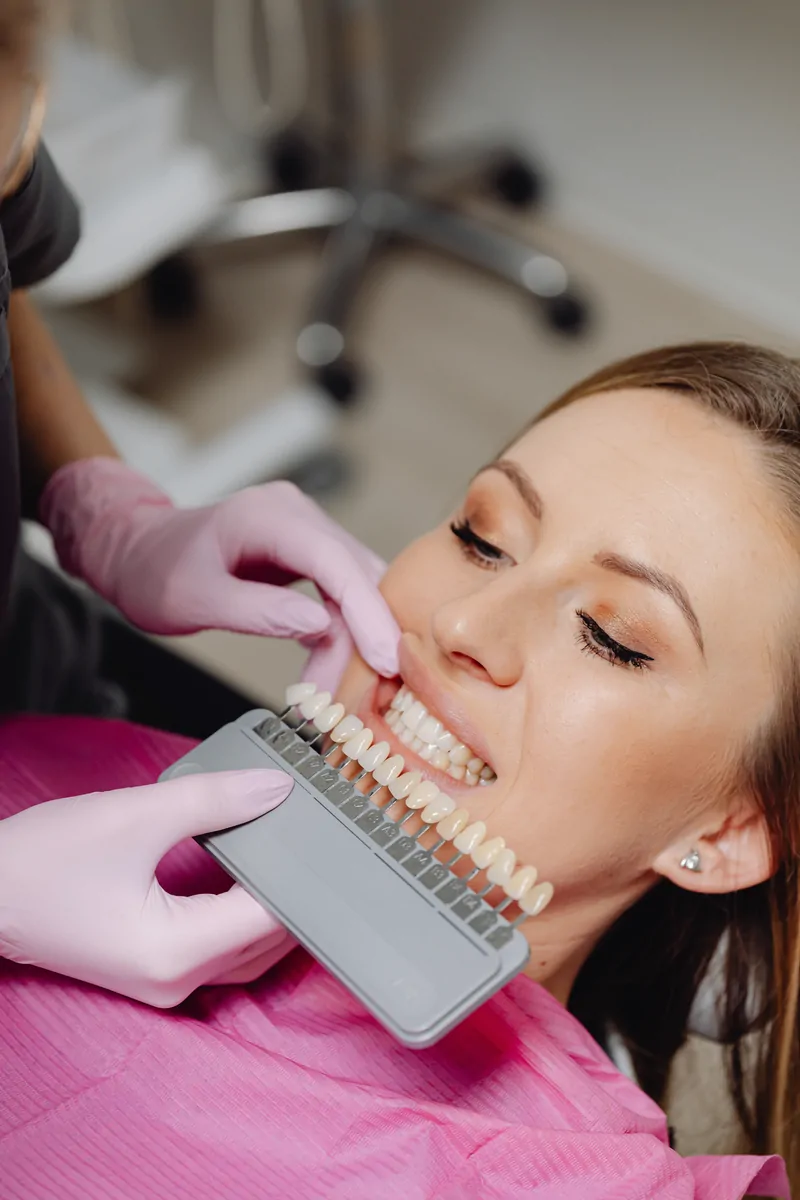
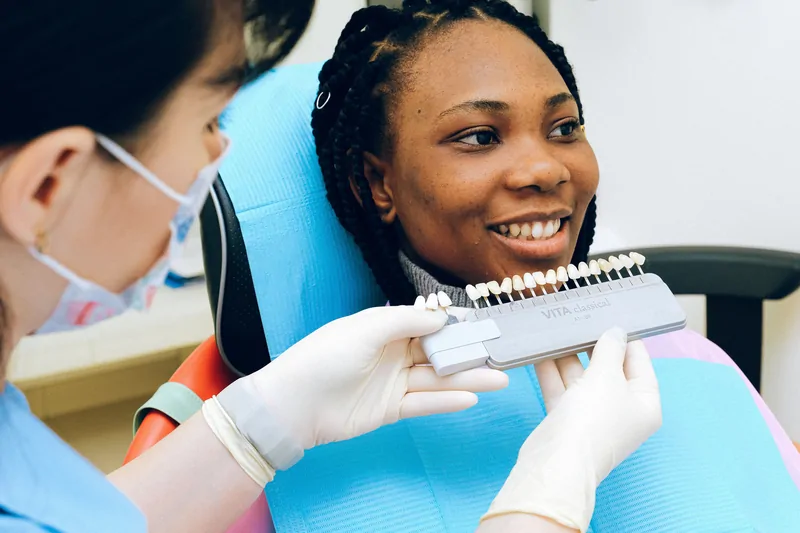
Your clinician checks teeth, gums and existing restorations, notes any sensitivity and records your starting shade with a shade guide and photographs. This is when it becomes clear whether whitening is appropriate and which result is realistic.
Surface plaque and tartar are removed so the gel can contact the enamel evenly. If a scale and polish is needed, it is usually done before whitening rather than on the same surface at the same moment.
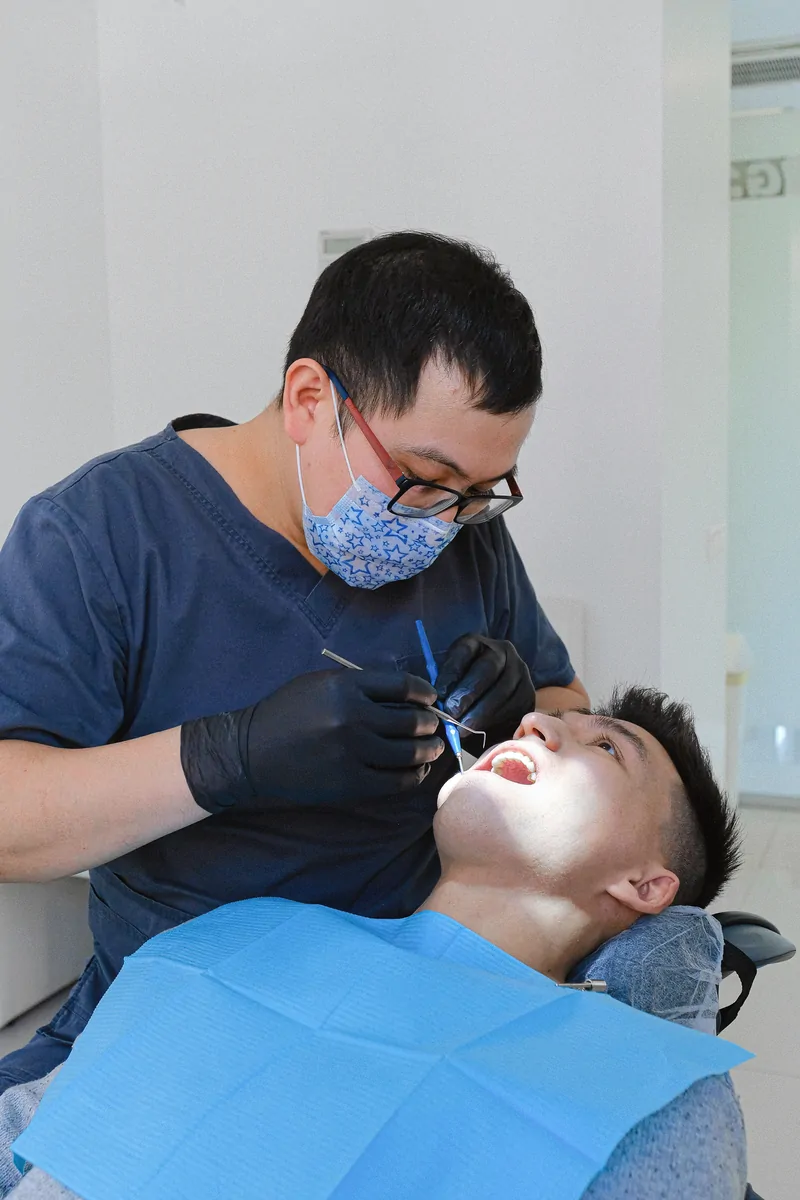
For in-chair whitening, a protective barrier is painted over the gums and lips are retracted. A professional-strength gel is applied to the visible tooth surfaces, sometimes activated with a light, and refreshed in short cycles while sensitivity is monitored.
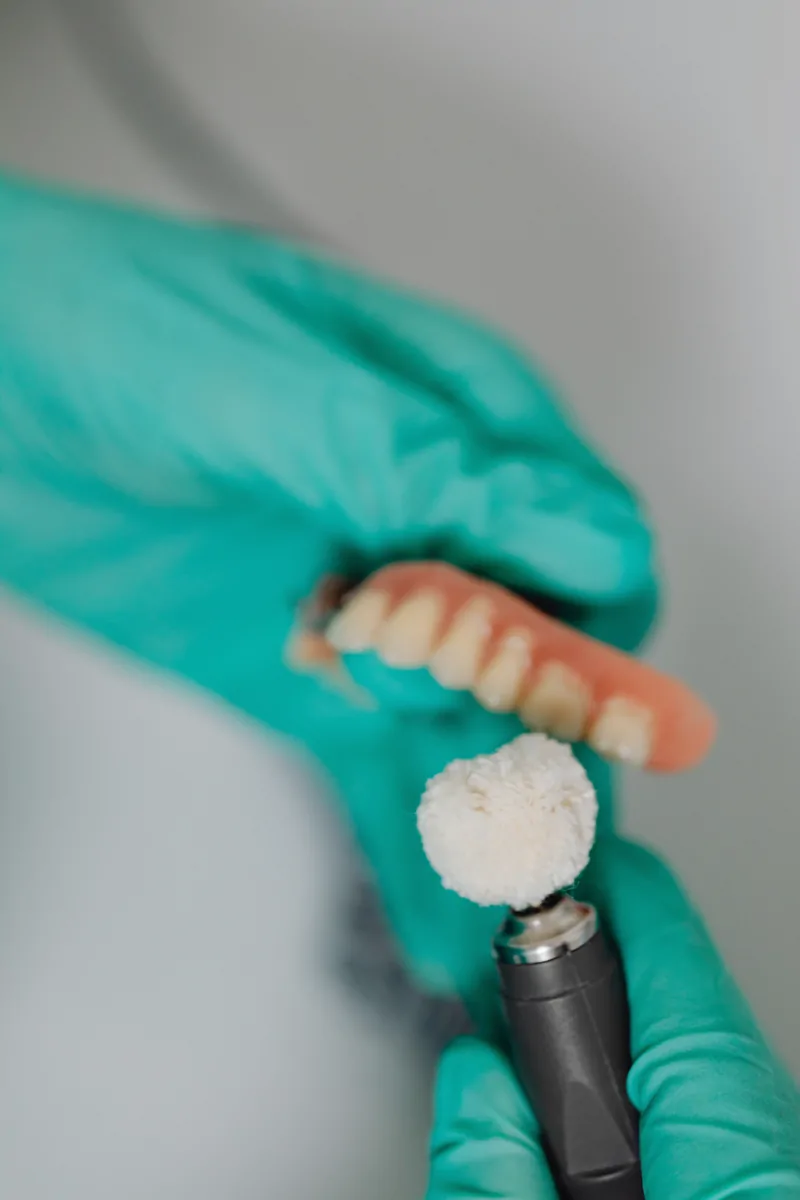
Where home or combination whitening is chosen, a digital scan or impression is taken to make thin, close-fitting trays. You are shown how much gel to use, how long to wear the trays and what to do if teeth become sensitive.
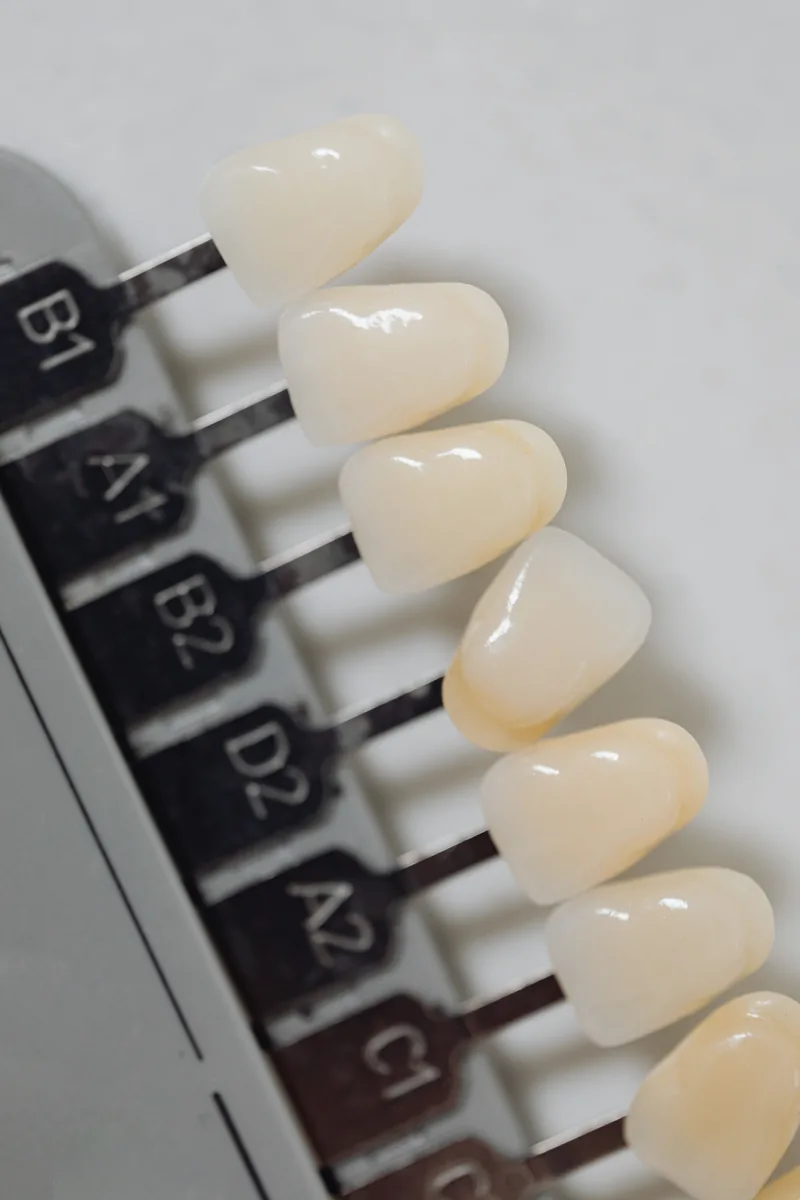
At a follow-up, the new shade is compared with your starting record. Shade often settles slightly over the first couple of weeks. Your clinician can advise on occasional top-ups and on timing any planned restorations.
Gallery
Before & after treatment
Before you travel
Afterwards
In their words
Dental patients describe their experience — from the first conversation to aftercare.
All patient reviewsGoogle reviews
Spoken with us already? Share your experience on Google.
Honest reviews — good or critical — help the next person decide. We read every one and never offer anything in exchange.
Questions
General answers — your own plan always depends on an individual assessment.
All dental questionsWhen used under professional supervision at appropriate concentrations, whitening gels are not generally considered to damage healthy enamel. Teeth can feel temporarily sensitive, and overuse is discouraged, which is why the timing and amount of gel are set by your clinician.
It depends on your starting shade, the type of staining and your enamel. Yellow tones often respond well, while grey or banded staining may change less. Your clinician can show you a realistic target on a shade guide before you begin.
No. Whitening gels do not change the colour of porcelain, zirconia or composite. If you have restorations on visible teeth, they may need to be replaced after whitening to match your new shade.
It varies from person to person. Diet, smoking and oral hygiene all play a part. Many people use occasional top-ups with their custom trays, as advised by their clinician.
Neither is right for everyone. In-chair whitening can give a faster visible change, while home trays work more gradually and can be easier to control for sensitivity. A combination is also common. Your clinician can recommend an option based on your teeth and schedule.
An in-chair session can often be completed during a short visit once your teeth have been assessed. Home whitening continues after you return, so your coordinator can advise on how follow-up questions are handled.
Also available
Free consultation
Tell us what you would like to change. A coordinator replies personally and arranges a dentist’s review of your photos — free, without obligation.
A person replies. Monday to Saturday, Istanbul time.
VHFree consultation
A coordinator replies personally — free, no obligation.