Dental implants
Orthodontics
Braces in Turkey: metal and ceramic brackets, how tooth movement works, typical stages, retention and what to expect from orthodontic care.

Free · no obligation
Leave your name and number — a coordinator replies personally.
Fixed braces are orthodontic appliances made of small brackets bonded to the front of each tooth and joined by a thin archwire. As the wire tries to return to its programmed shape, it applies light, continuous force. The bone around each root responds by remodelling — breaking down on one side and rebuilding on the other — which allows teeth to move slowly through the jaw into new positions.
Because brackets stay on the teeth around the clock, braces give the clinician a high degree of control over each tooth, including rotation, tipping, root position and vertical height. This is why fixed appliances remain a common choice for crowding, spacing and many bite problems, from mild to more complex. Elastics, springs or other auxiliaries may be added during treatment to help correct how the upper and lower jaws meet.
Brackets are most often stainless steel, which is compact and robust, or ceramic, which blends with the natural tooth colour and is less noticeable at conversational distance. Both work on the same principle. The right option depends on your bite, your teeth, your lifestyle and how long you can attend for follow-up visits, which matters particularly for international patients planning travel.
What they can help with
Results · before & after
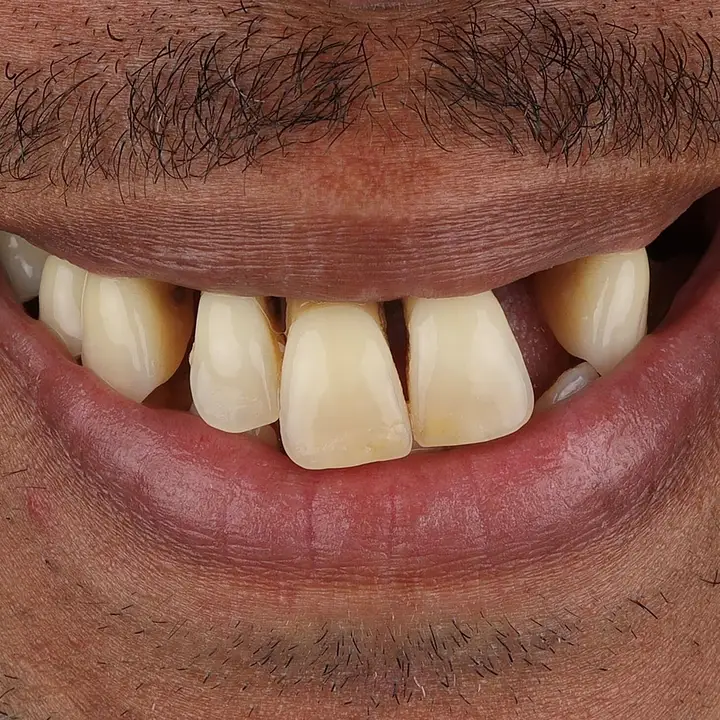
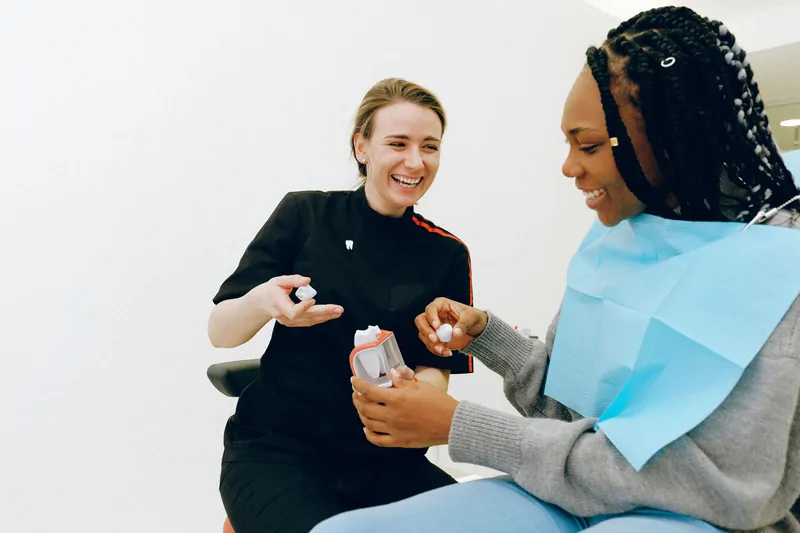
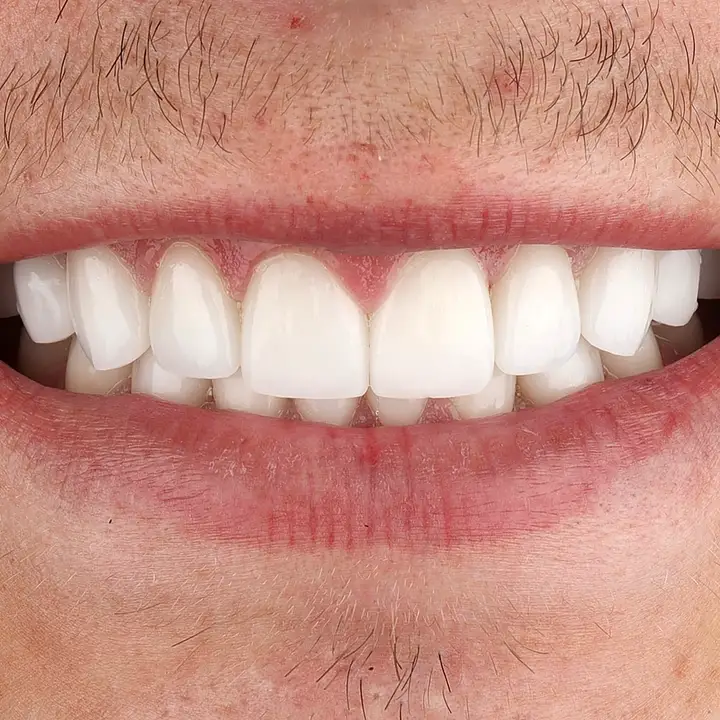
Before and after photographs from braces and related treatments at our clinic in Istanbul. Drag the handle to compare each pair.
All dental results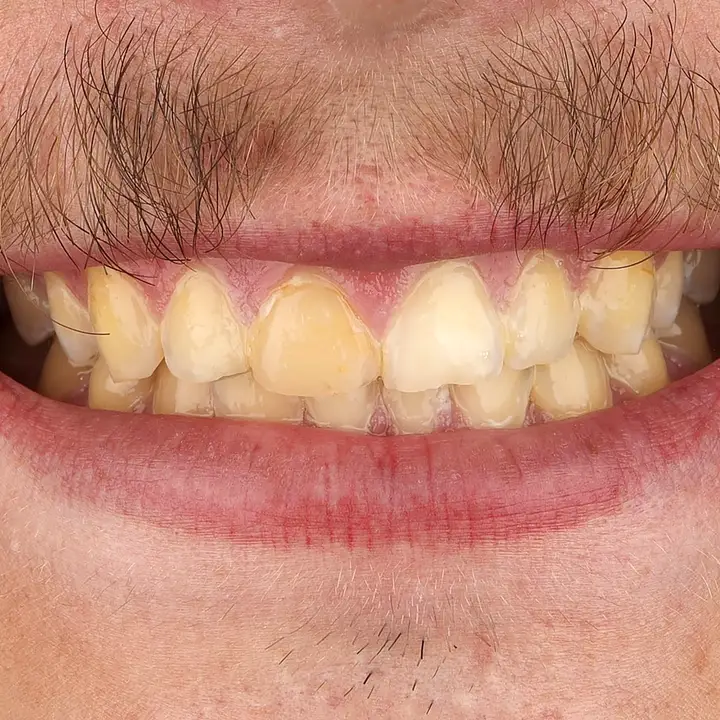
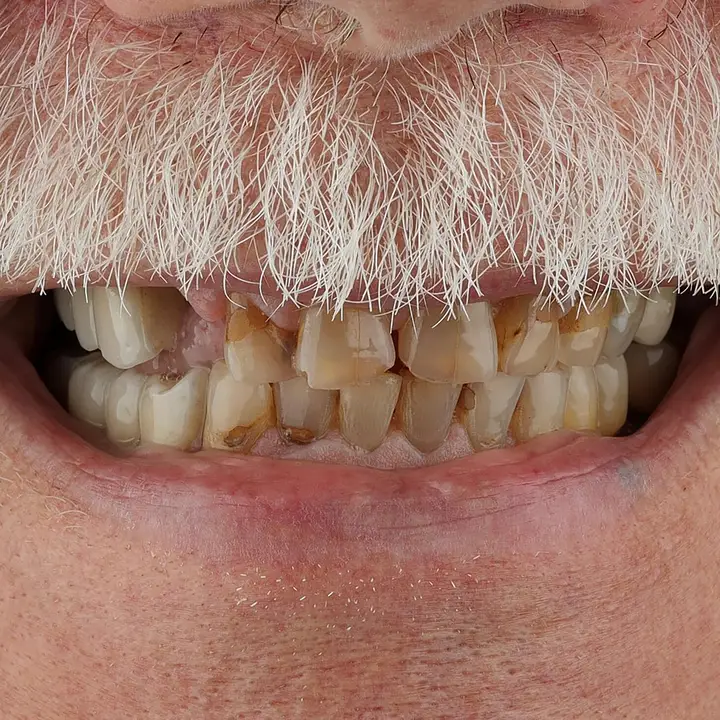
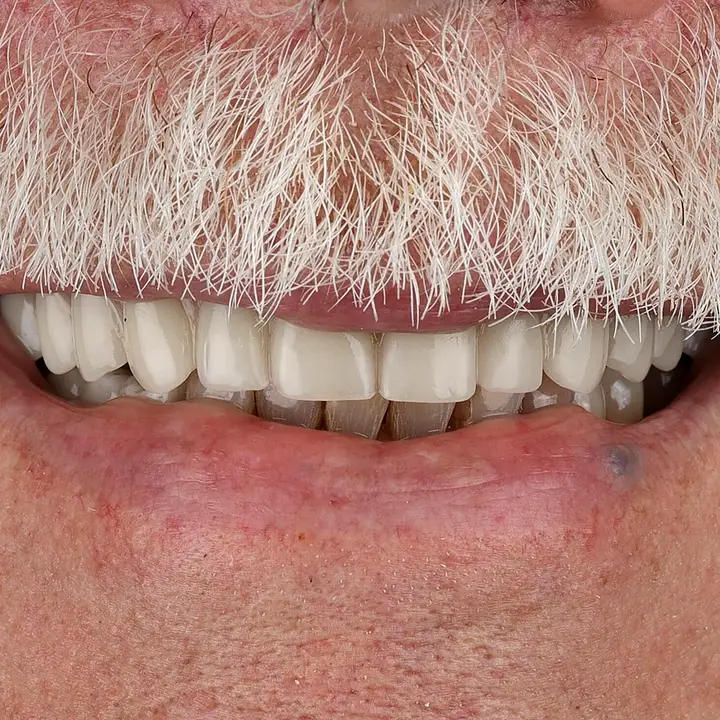
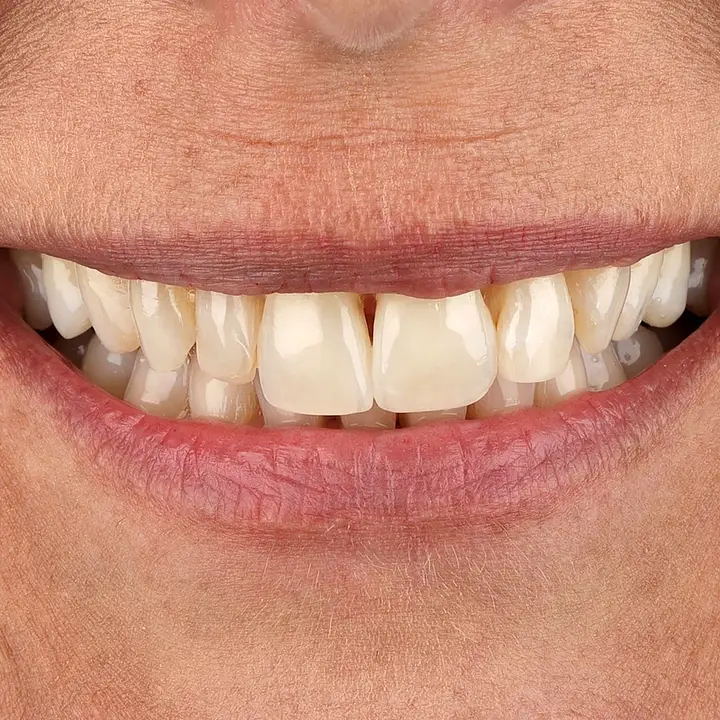
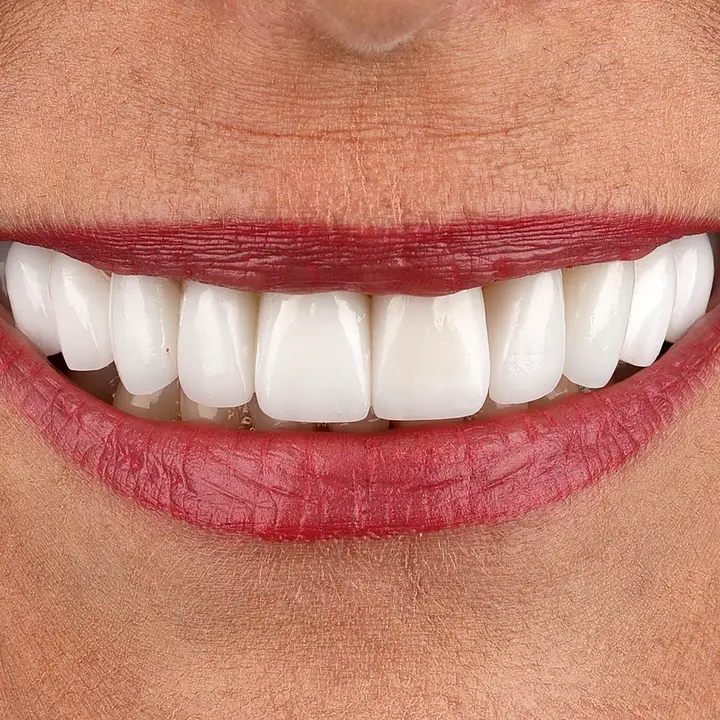
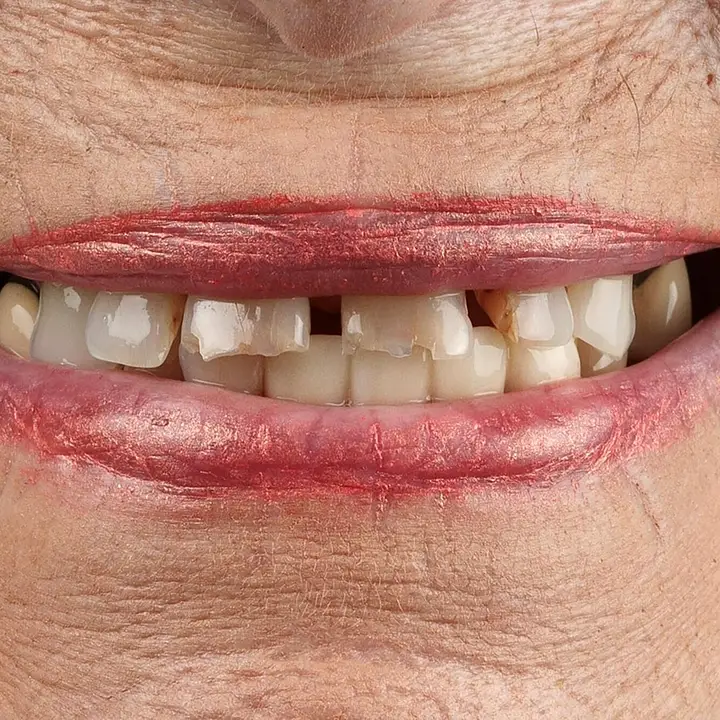
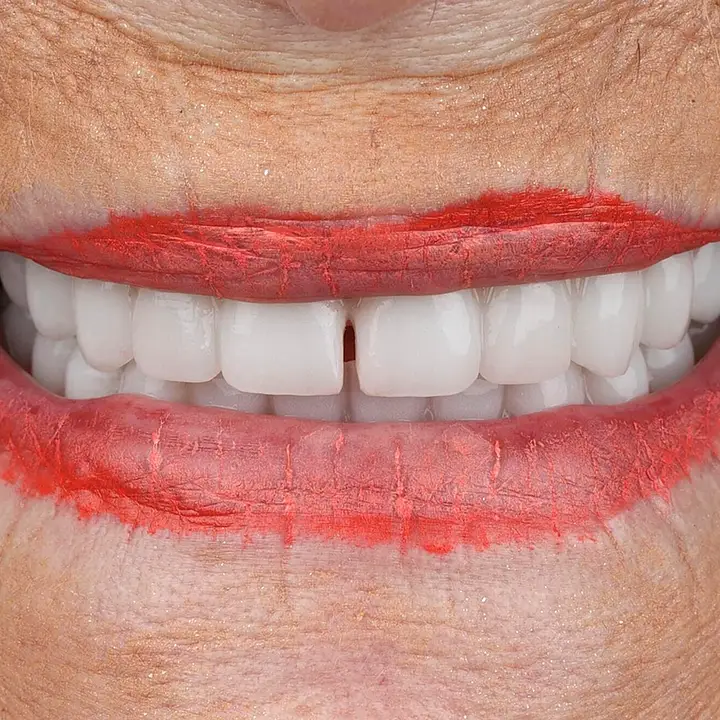
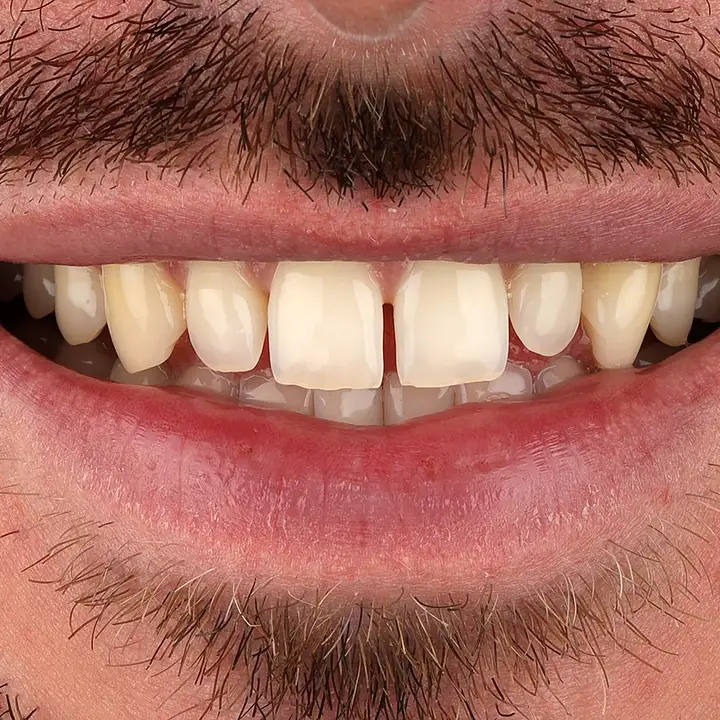
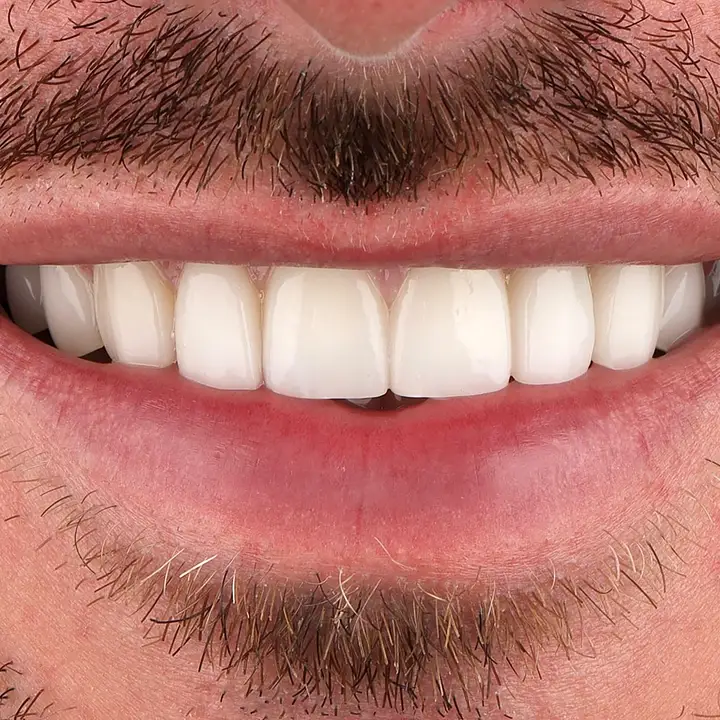
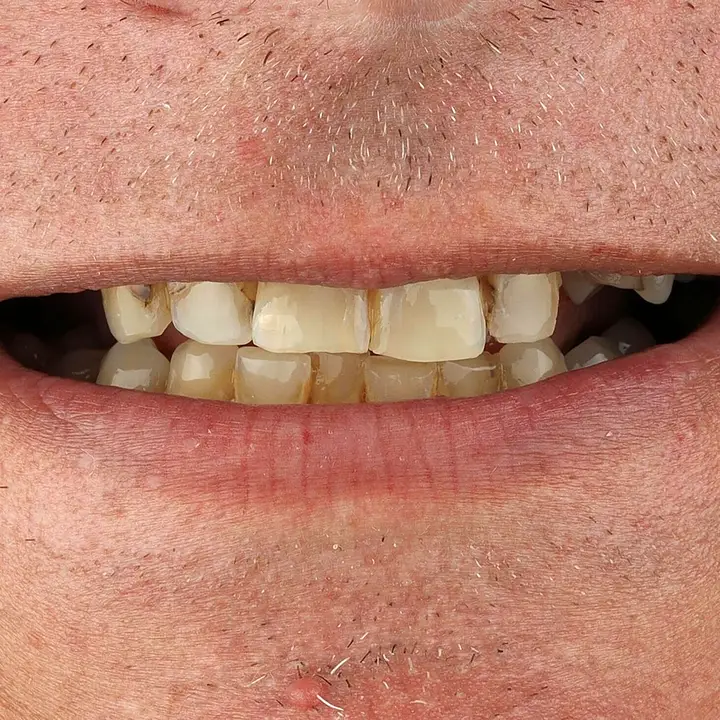
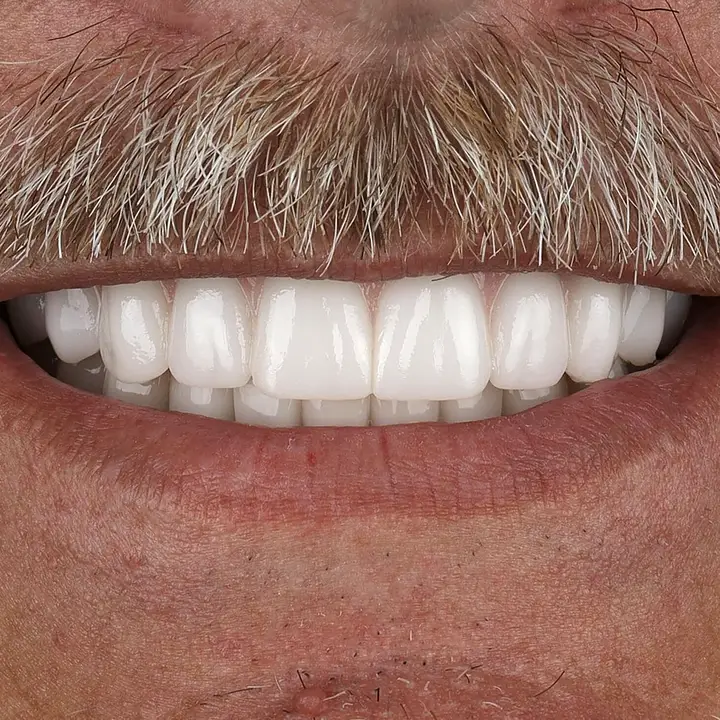
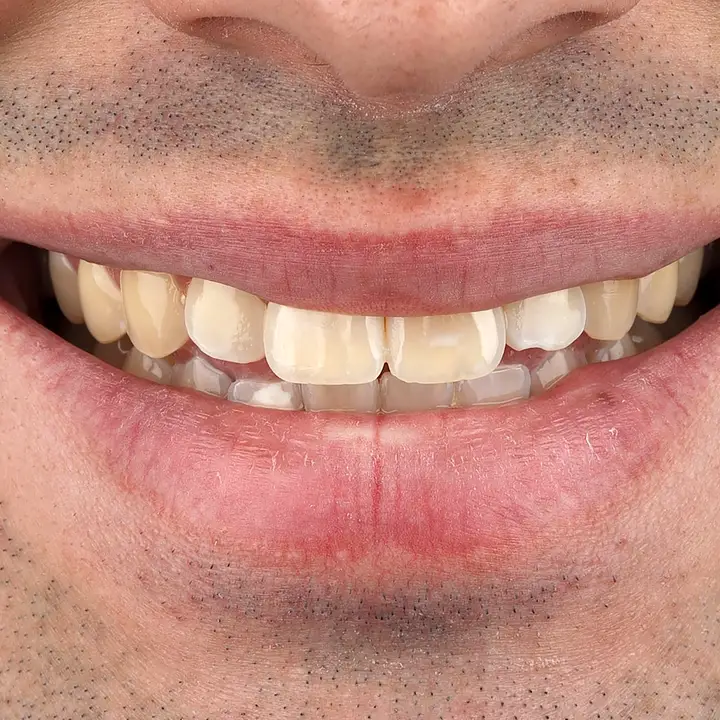
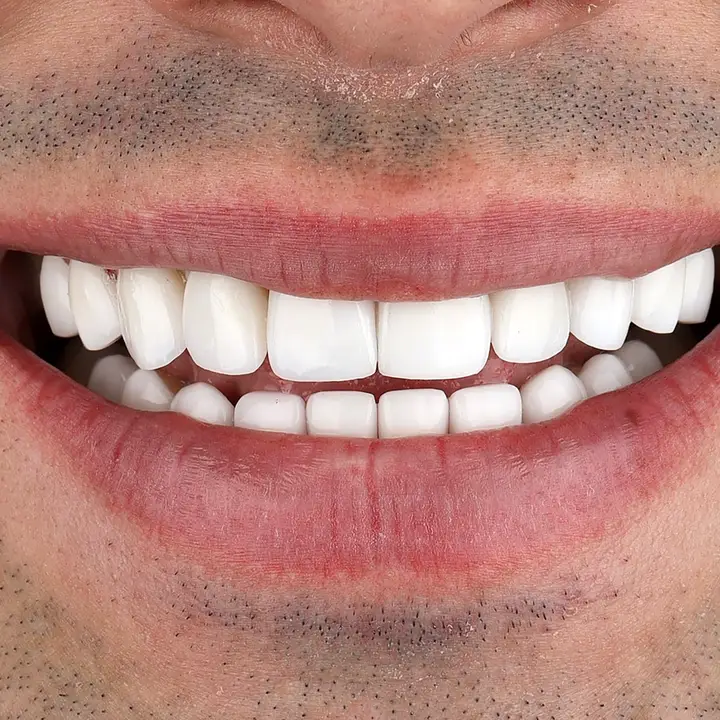
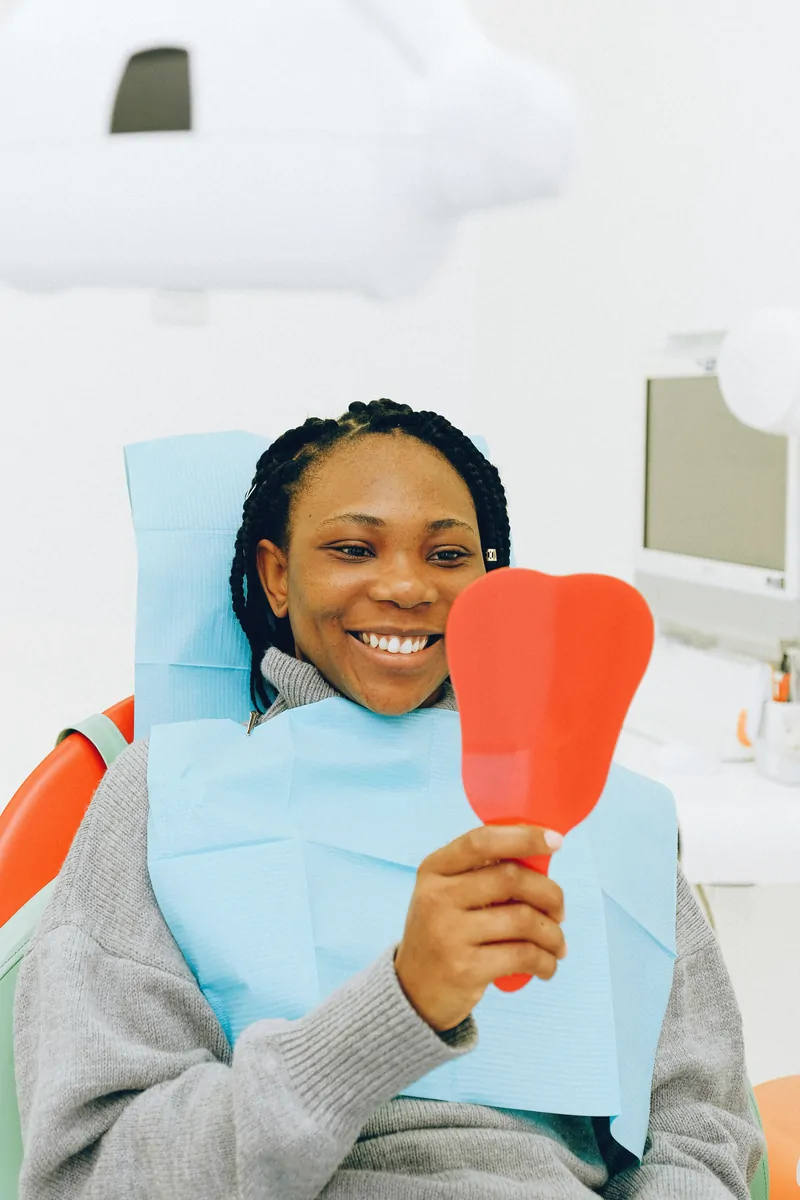
Braces can be used for teenagers and adults alike; there is no strict upper age limit as long as the teeth and gums are healthy. What matters most is the condition of the supporting tissues and your ability to commit to regular adjustments and careful cleaning.
Often a good fit
Assessed carefully
Honest information
The procedure
Tooth movement is biological, so planning focuses on moving teeth at a pace the gums and bone can comfortably support, with retention considered from the start.
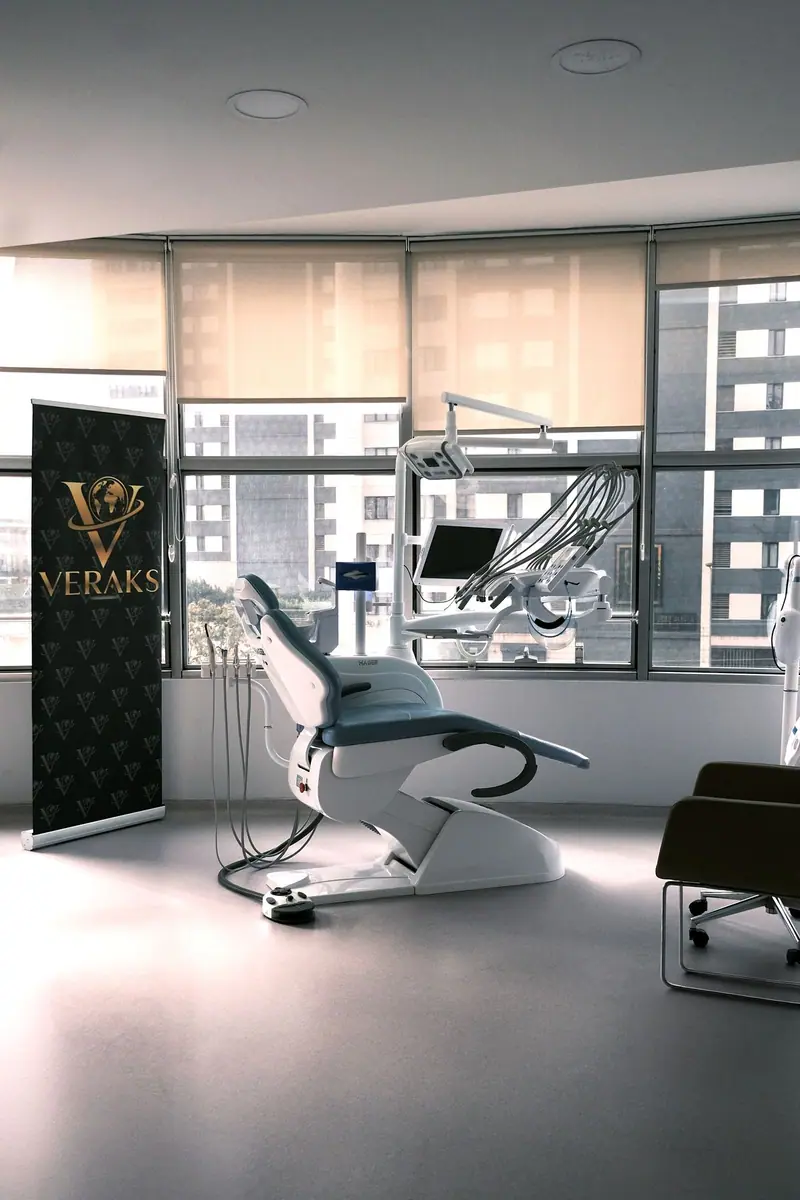
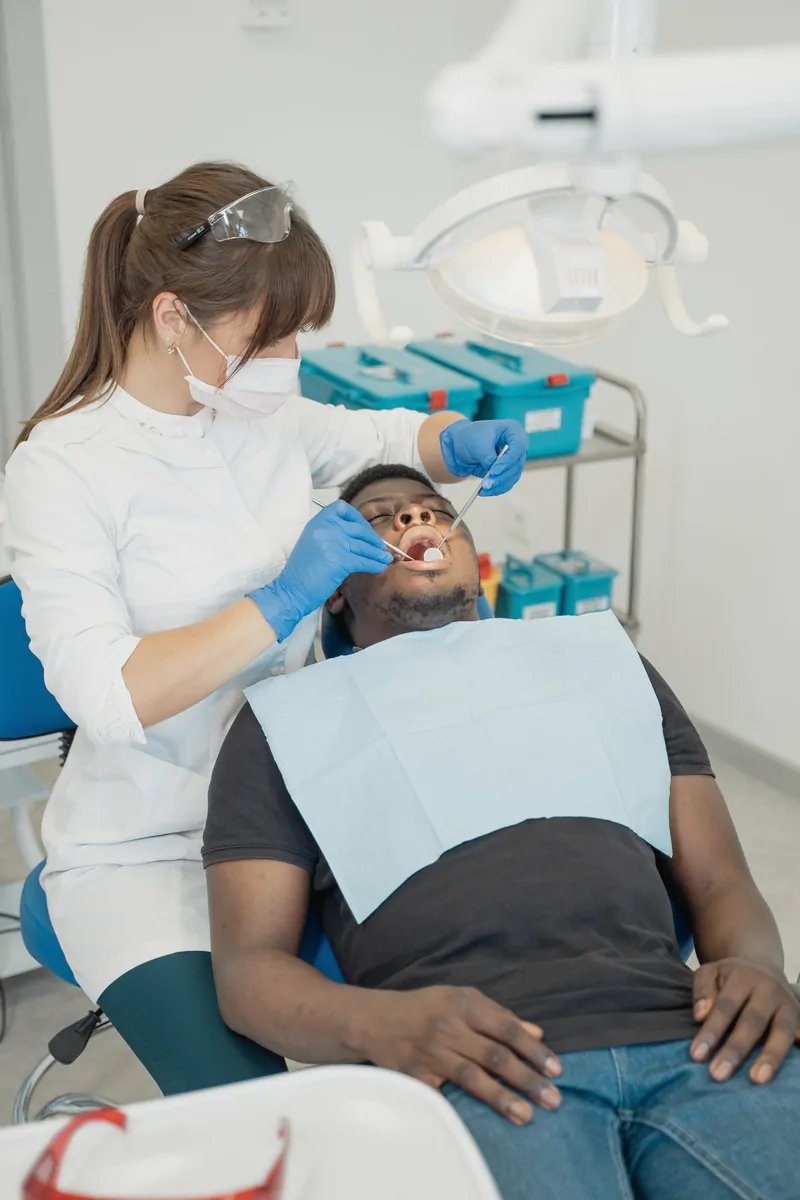
Your clinician examines your teeth, gums and jaw relationship and usually takes X-rays, photographs and a digital scan or impressions. These records show root positions, bone levels and how the teeth meet, forming the basis of the treatment plan.
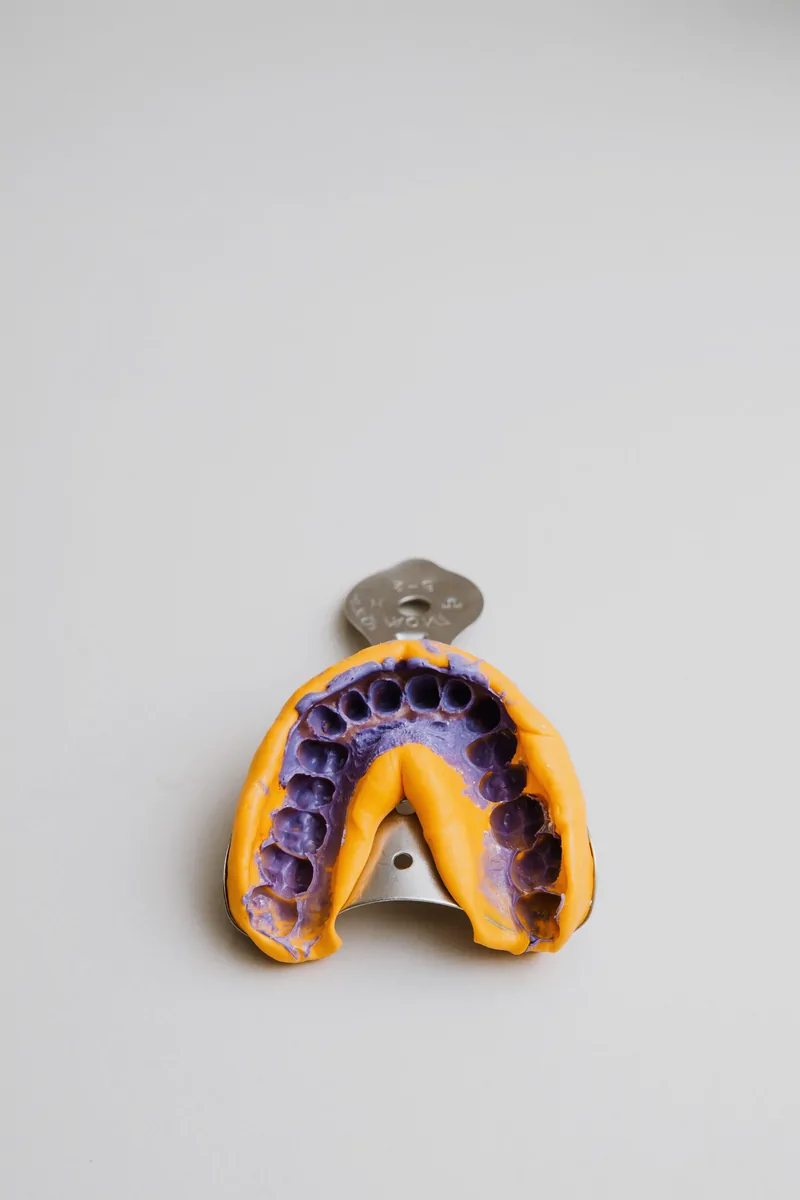
You discuss the goals, the estimated duration, whether elastics or other auxiliaries may be needed, and whether metal or ceramic brackets suit your case. Any fillings, cleaning or gum care are completed first so movement begins on a healthy foundation.
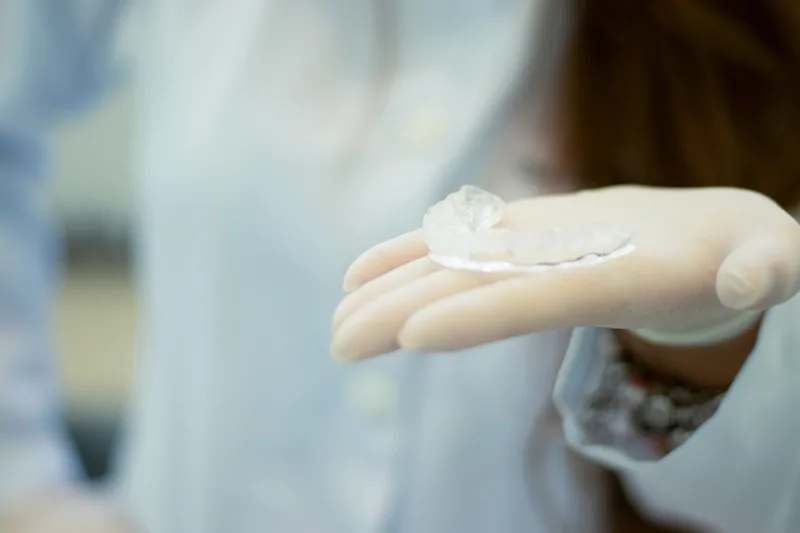
The tooth surfaces are cleaned and lightly conditioned, then each bracket is positioned and bonded with a dental adhesive that is set with a curing light. A first, flexible archwire is secured. The appointment typically takes around one to two hours and needs no injections.
Every few weeks the wires are changed or adjusted, moving from light, flexible wires to stiffer ones that refine position. Elastics, springs or power chains may be added to close spaces or correct the bite. Teeth often feel tender for a few days after each visit.
When the planned positions are reached, the brackets are gently removed and the remaining adhesive is polished away. The enamel is checked and cleaned, and final records may be taken to compare with the starting point.
Teeth tend to drift back after treatment, so a retainer is fitted — either a thin wire bonded behind the front teeth, a removable clear retainer, or both. Your clinician will advise how long and how often it should be worn.
Gallery
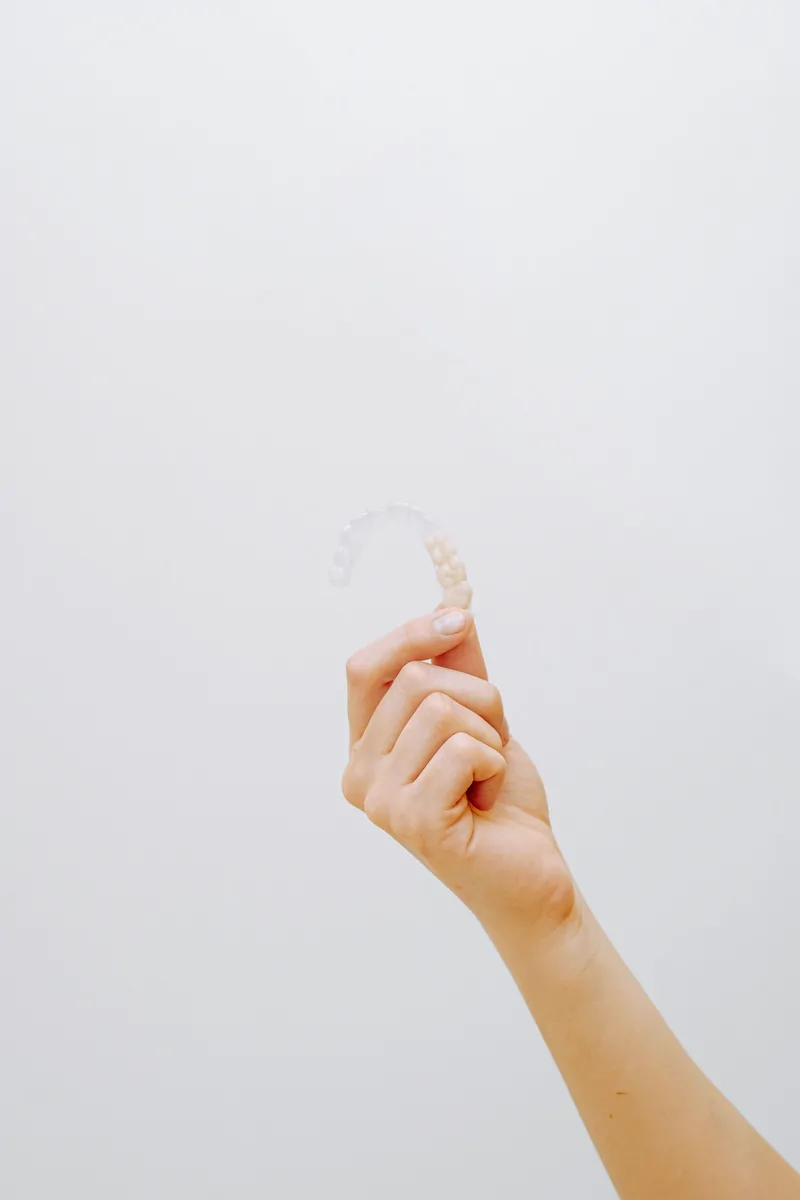
Both move teeth through the same biological process, but they apply force differently. Braces are fixed: brackets are bonded to the teeth and the clinician adjusts wires at each visit, which gives fine control over roots, rotations and bite correction and does not rely on wear time. Clear aligners are removable trays changed every one to two weeks; they are less visible and allow normal brushing and eating, but they only work while worn — usually around 20–22 hours a day — and some movements are harder to achieve with them. Braces generally require more frequent in-person adjustments, while aligners can involve fewer visits. Your clinician can explain which system is more predictable for your particular bite.
Before & after treatment
Before you travel
Looking after them
In their words
Dental patients describe their experience — from the first conversation to aftercare.
All patient reviewsGoogle reviews
Spoken with us already? Share your experience on Google.
Honest reviews — good or critical — help the next person decide. We read every one and never offer anything in exchange.
Questions
General answers — your own plan always depends on an individual assessment.
All dental questionsFitting brackets is not usually uncomfortable, but teeth commonly feel sore or pressured for a few days after fitting and after each adjustment. Soft foods and over-the-counter pain relief, if suitable for you, often help. Cheeks may be tender at first until they adapt.
Many cases take between 12 and 24 months, but the duration depends on the complexity of the movement, your biology and how consistently elastics are worn. Your clinician can give an estimate after examining your records.
It is possible, but braces need adjustments every few weeks. Some patients plan visits back to Istanbul, while others arrange for a local orthodontist to continue care. Your coordinator can discuss what is practical before you commit.
Ceramic brackets move teeth on the same principle and are effective for many cases. They are less visible but can be slightly bulkier and more prone to chipping, so metal may be recommended in some bites.
Teeth naturally tend to drift over time, at any age. Retainers are what keep the result, and many clinicians recommend wearing them at night long term. Skipping retainer wear is one of the most common reasons for relapse.
Yes. Adults often have braces, sometimes before implants, crowns or veneers. Gum health and bone support are checked carefully, as these can be more variable in adults.
Also available
Free consultation
Tell us what you would like to change. A coordinator replies personally and arranges a dentist’s review of your photos — free, without obligation.
A person replies. Monday to Saturday, Istanbul time.
VHFree consultation
A coordinator replies personally — free, no obligation.