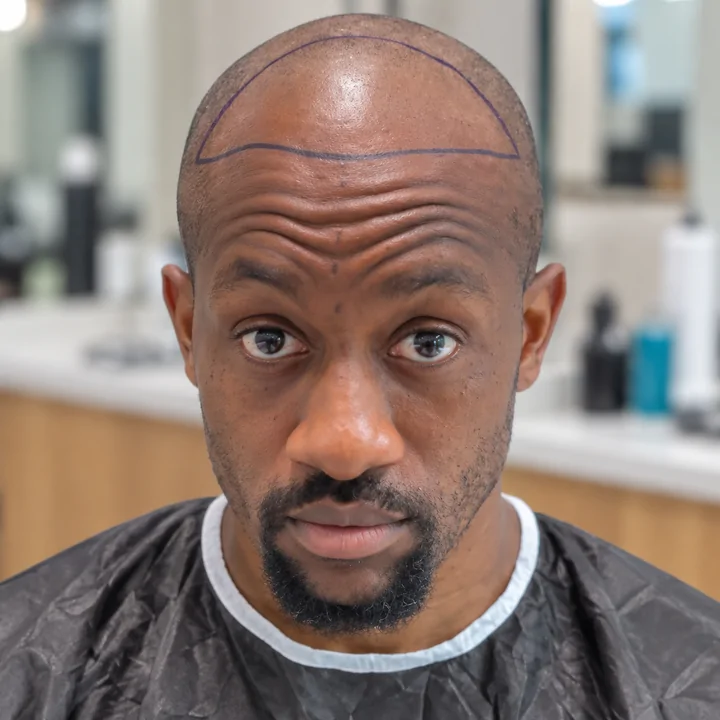

Hair Restoration
Hair Transplant in Turkey explained: Sapphire FUE, FUE, DHI, unshaven, beard, moustache and eyebrow transplants, women's hair restoration and aftercare.
At a glance
16treatments explained,
in 4 categories
Free · no obligation
Leave your name and number — a coordinator replies personally.
16 treatments
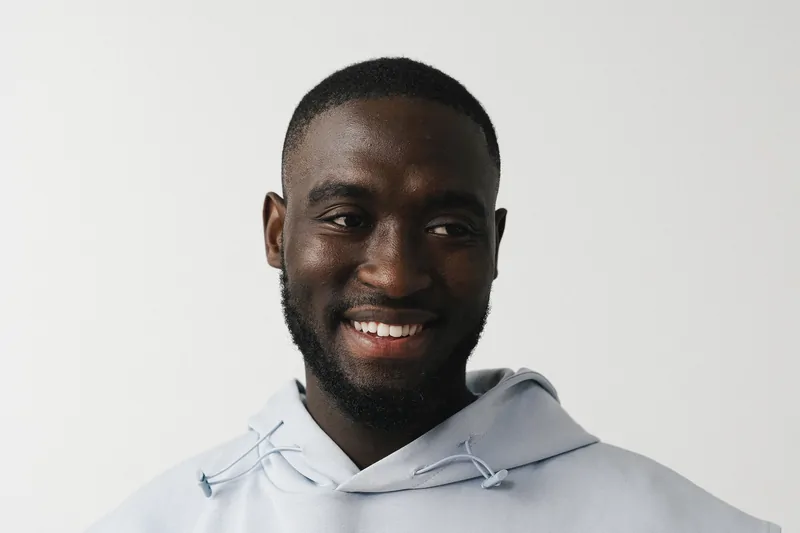









Options, steps and what the plan includes are set out in writing before you agree to anything.
The same person answers you from the first message to follow-up at home.


Results · before & after
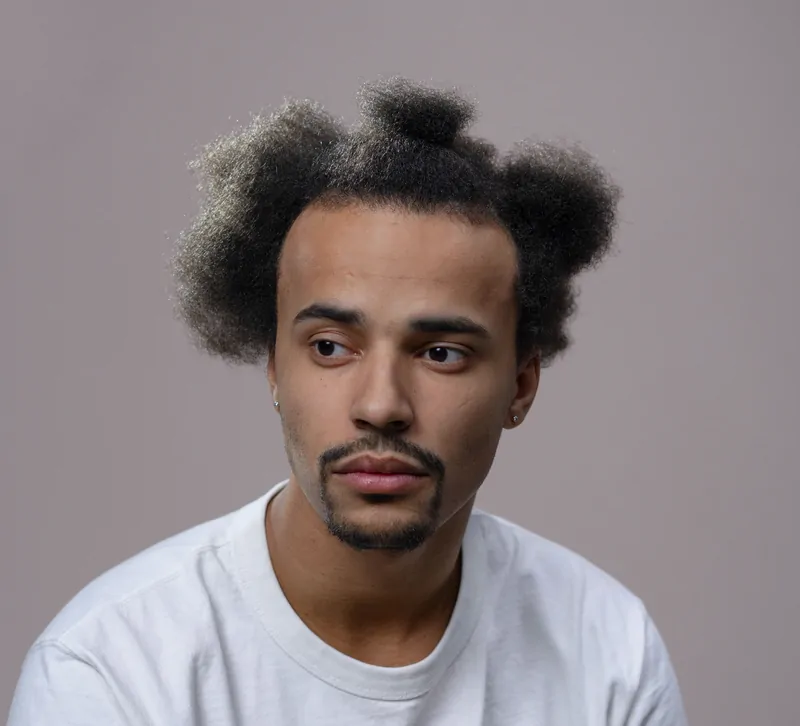
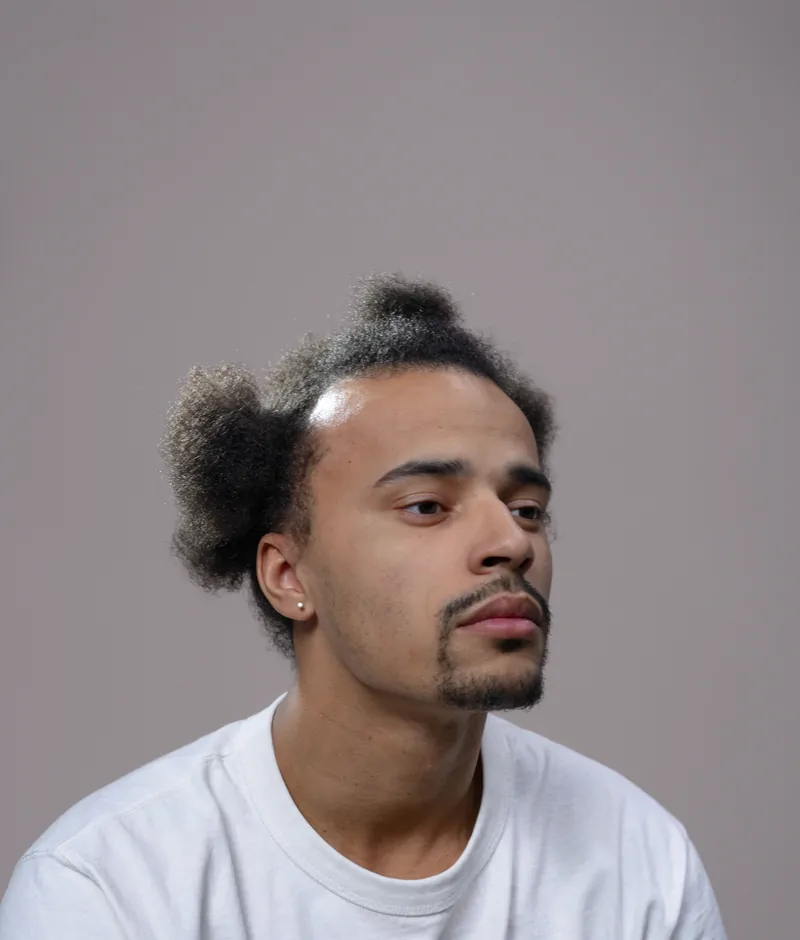
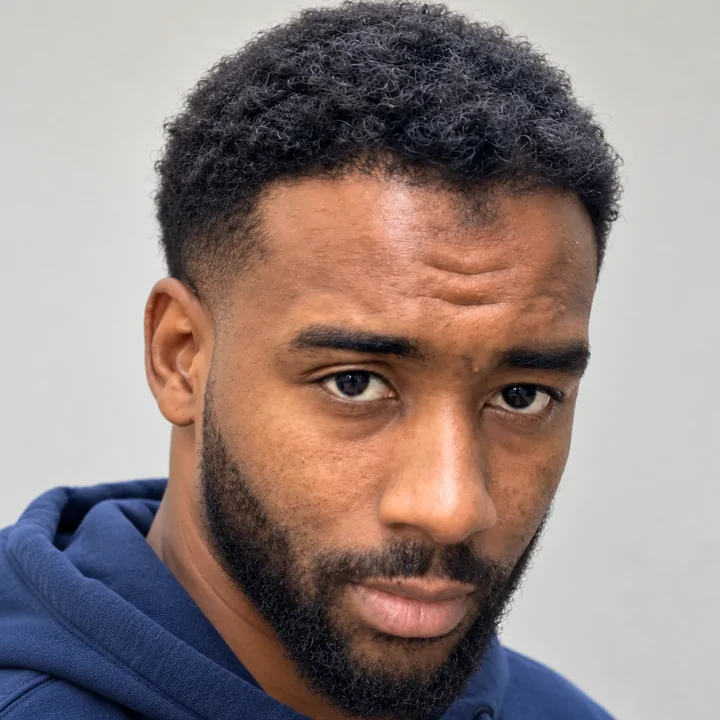
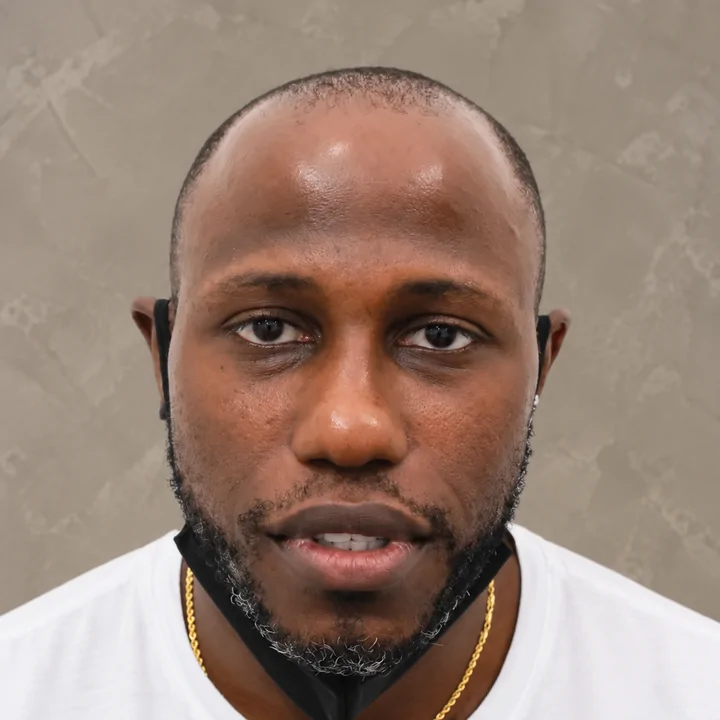
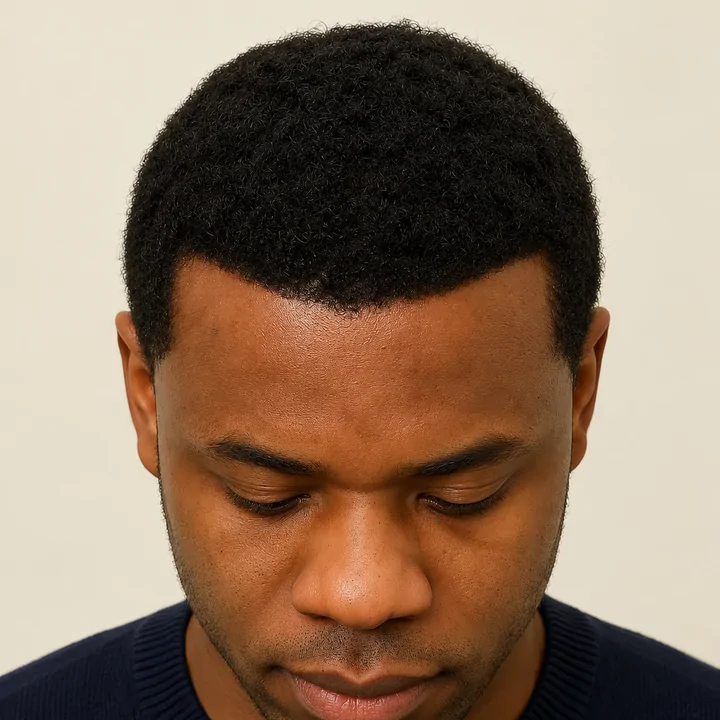
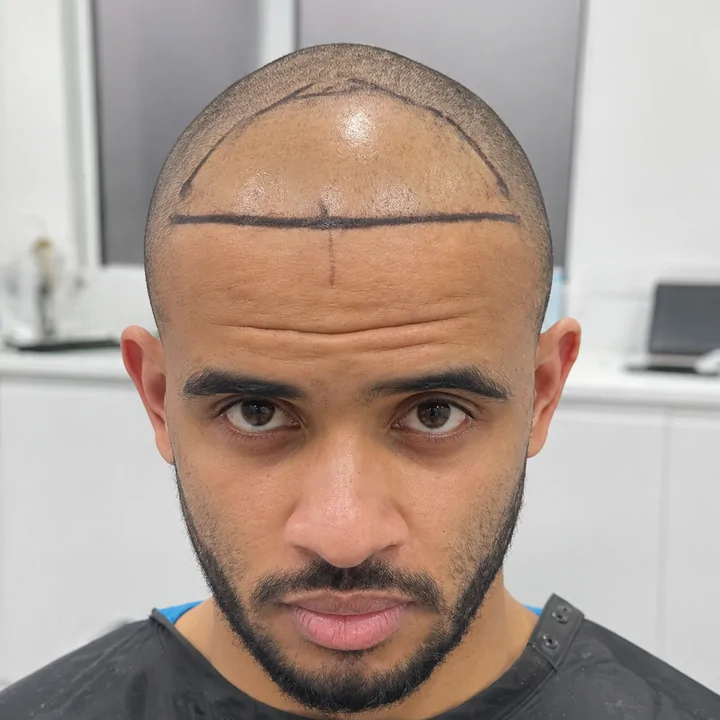
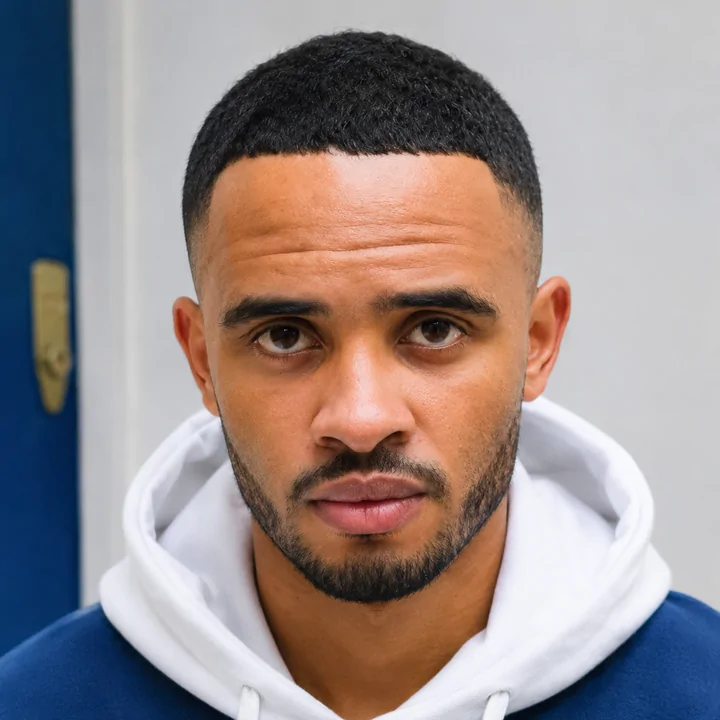
Before and after photographs from Afro hair transplant treatments at our clinic in Istanbul. Drag the handle to compare each pair.
All hair results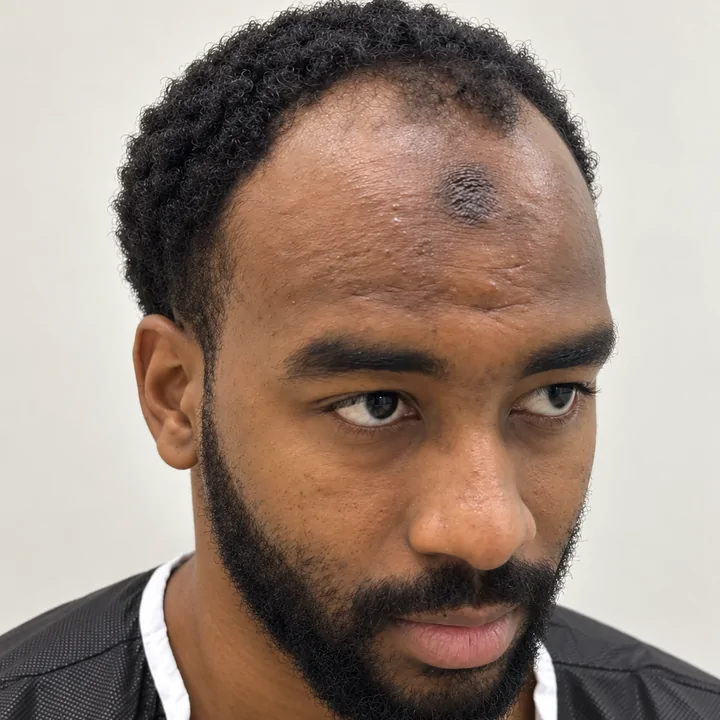
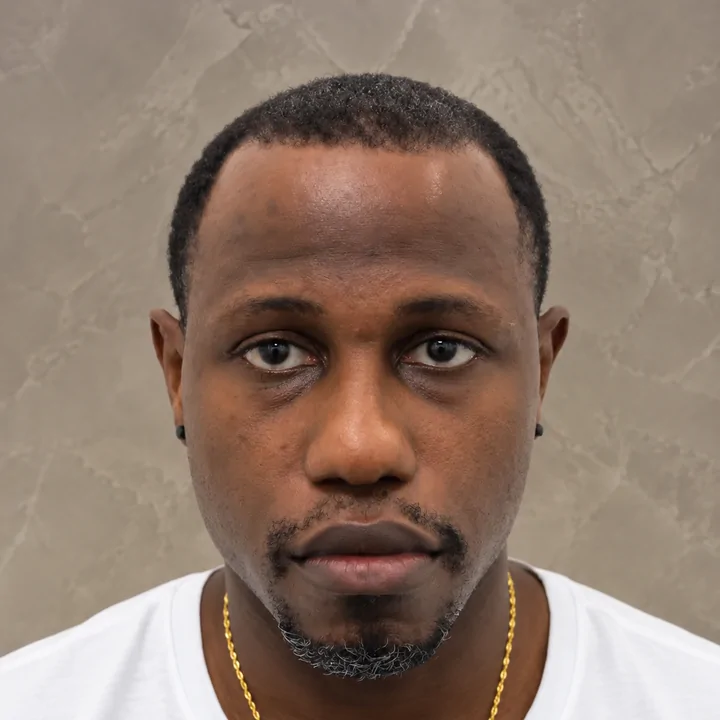
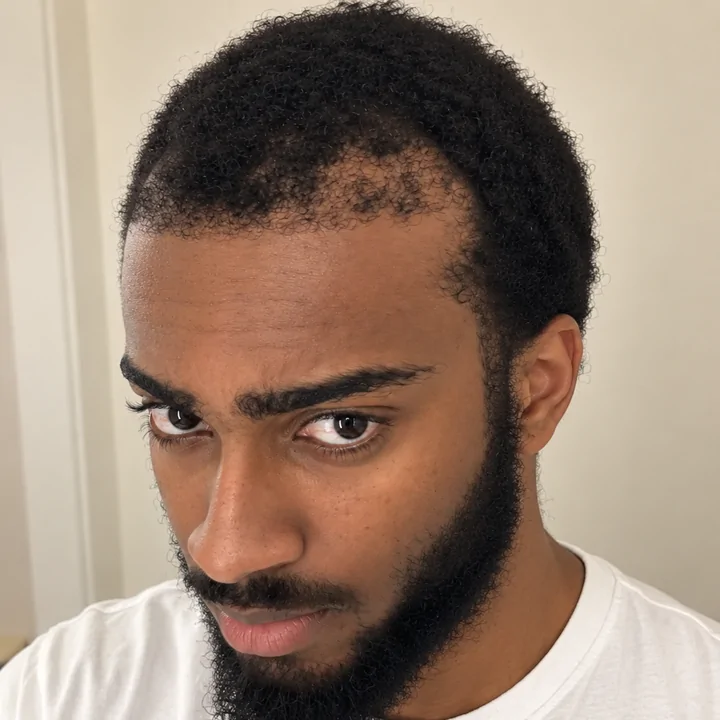
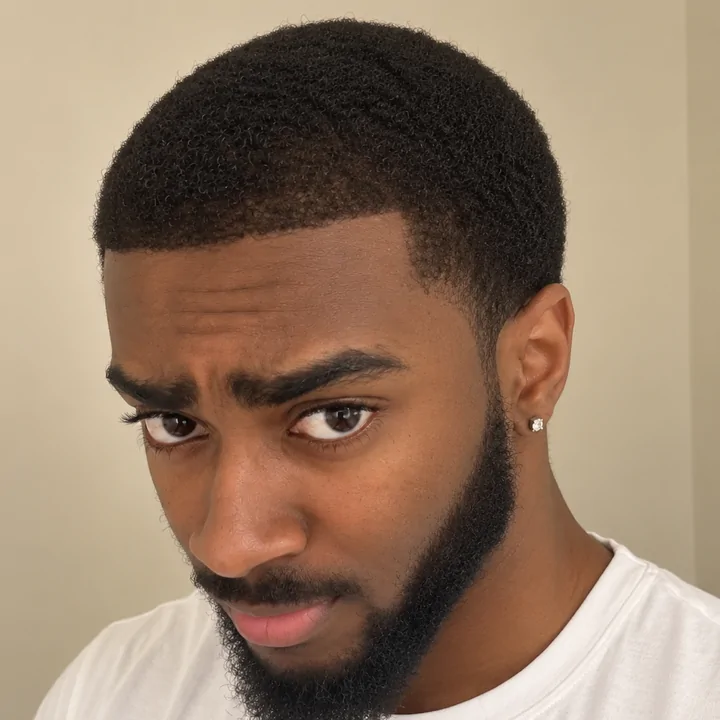
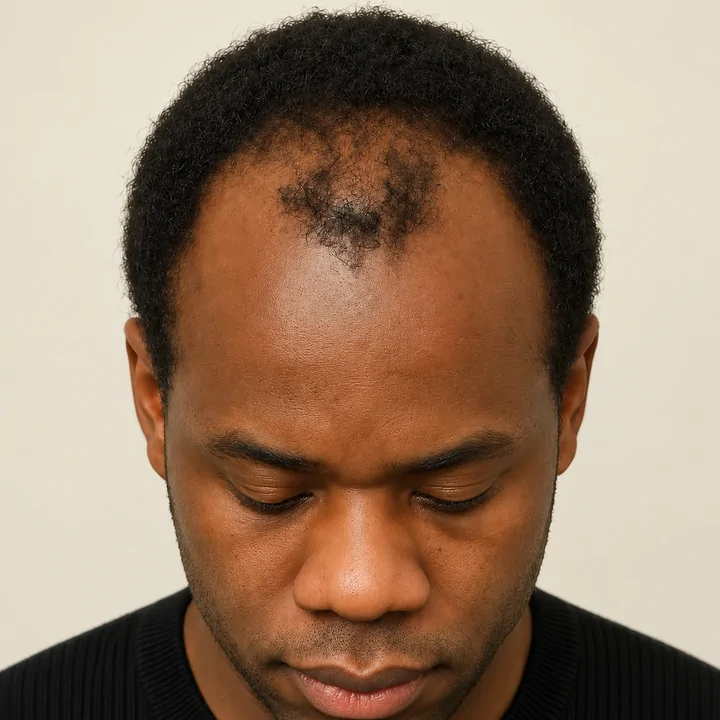
Questions
General answers — your own plan always depends on an individual assessment.
All hair questionsSuitability depends on the pattern and stage of your hair loss, the density and quality of your donor area, your age, your general health and your expectations. People whose hair loss is still progressing quickly, or whose donor area is limited, may be advised to wait or to consider medical management first. A consultation, including a close look at your scalp and a discussion of your family history, helps your clinician give you an honest view.
Both techniques remove individual follicular units from the donor area. With FUE, small channels are opened in the recipient area and grafts are then placed into them. With DHI, grafts are loaded into a Choi-type implanter pen and inserted directly, which can allow precise control of angle and depth. Each has advantages depending on the area being treated, the density planned and whether shaving is preferred. Your clinician can explain which approach suits your situation.
Sapphire FUE refers to opening the recipient channels with a sapphire-tipped blade rather than a steel one. The blade is very fine and smooth, and some clinicians prefer it for creating small, precise incisions. It is still an FUE procedure, and the overall result depends far more on planning, graft handling and the individual than on the blade alone. Whether it is used in your case will be discussed during your assessment.
Hairline design is one of the most important parts of planning. Your clinician considers your facial proportions, age, the direction your hair naturally grows and, importantly, how your hair loss may progress in future. A hairline that looks right today should still look appropriate in ten or twenty years. The design is usually drawn on before the procedure and discussed with you, and a more conservative line is often recommended to protect your donor supply.
It is not possible to give a meaningful number without examining you. The figure depends on the area to be covered, the density you hope for, your hair characteristics and how many grafts your donor area can safely provide. Some people need more than one session over time. Your clinician will give you an estimated range after your assessment and explain how they arrived at it, rather than promising a fixed count.
Not always. Many FUE procedures involve shaving the donor area, and sometimes the recipient area, to allow accurate extraction and placement. Unshaven or partially shaven approaches may be possible in some cases, often with DHI, though they can be more time-consuming and are not suitable for every situation. Discuss your preferences, work commitments and how visible you are comfortable being during recovery, and your clinician can advise what is realistic.
Growth is gradual. Transplanted hairs commonly shed in the first weeks, which is a normal part of the cycle. New growth often begins to appear after a few months, with density and texture continuing to develop over roughly a year, and sometimes longer for the crown. Everyone progresses differently, and factors such as hair type and aftercare make a difference. Your clinician can explain what to expect at each stage.
Your journey
Six clear steps and one coordinator throughout — your VIP airport transfer and hotel stay are part of the plan.
VHFree consultation
A coordinator replies personally — free, no obligation.