Porcelain veneers
Cosmetic Dentistry
E-max Veneers in Turkey: lithium disilicate glass-ceramic explained — how thin veneers are prepared and bonded, who may suit them, risks and long-term care.
Free · no obligation
Leave your name and number — a coordinator replies personally.
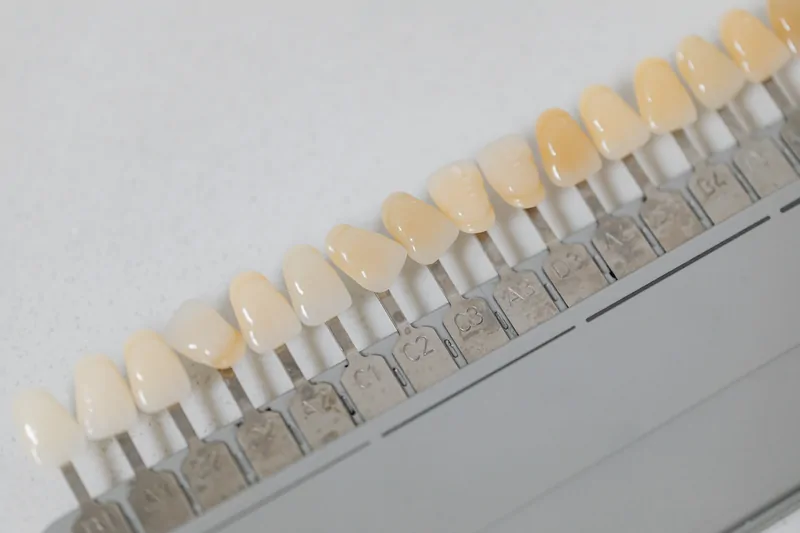
“E-max” is the name commonly used for veneers made from lithium disilicate, a glass-ceramic in which fine, needle-like crystals are embedded in a glassy matrix. The crystals give the material strength, while the glass allows light to pass through and scatter much like natural enamel. This combination makes lithium disilicate a popular choice for thin veneers on front teeth where both appearance and durability matter.
A veneer is a thin shell, often a fraction of a millimetre to around one millimetre thick, bonded to the front and biting edge of a tooth. Because lithium disilicate can be etched and chemically bonded to enamel, the veneer and tooth effectively work as a unit once cemented. Veneers can be pressed in a dental laboratory from a ceramic ingot or milled from a block using computer-aided design and manufacturing, then stained or layered to add characterisation such as translucent edges and subtle colour gradients.
Lithium disilicate is not the only veneer material. Feldspathic porcelain can be layered extremely thin and is valued for its optical depth, while composite resin veneers are built directly on the tooth. Your clinician will consider your enamel thickness, the colour of the underlying teeth, the forces of your bite and the amount of change you want before recommending a material.
What they can help with
Results · before & after
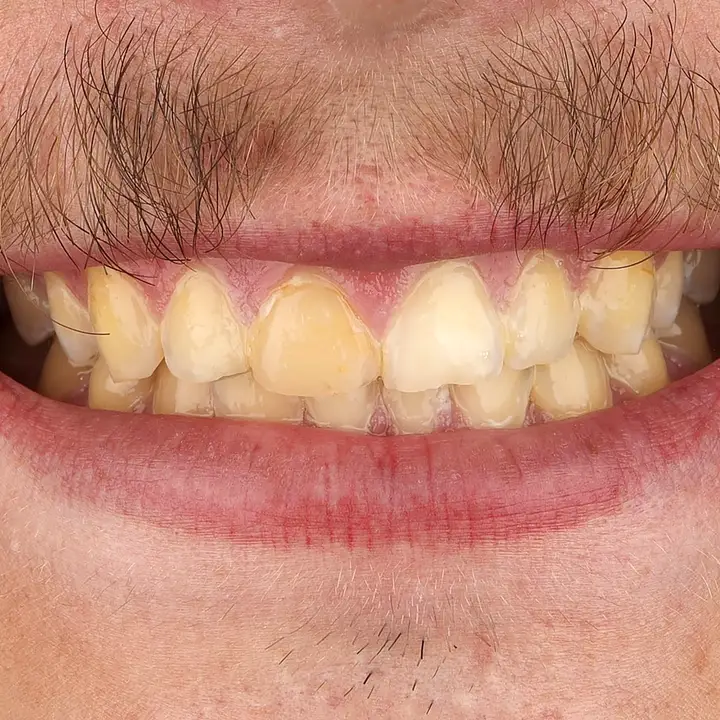
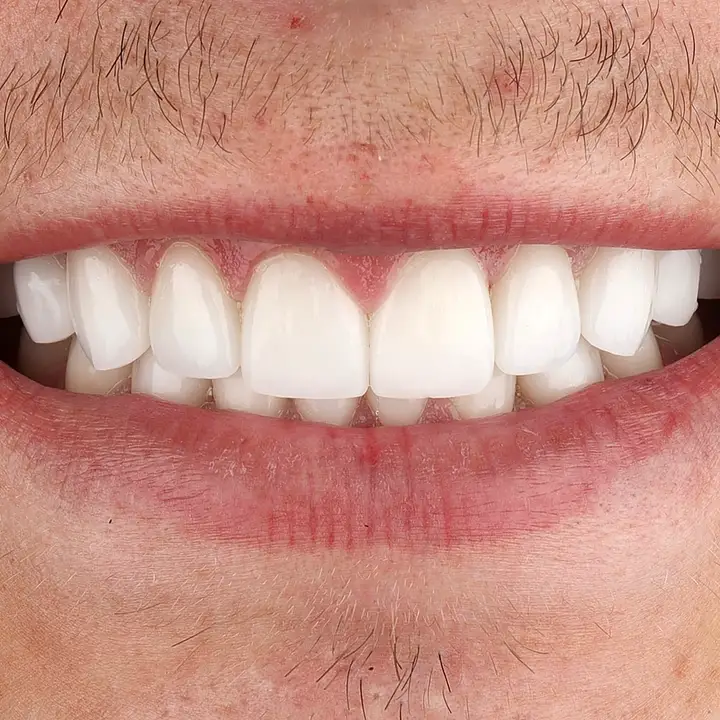
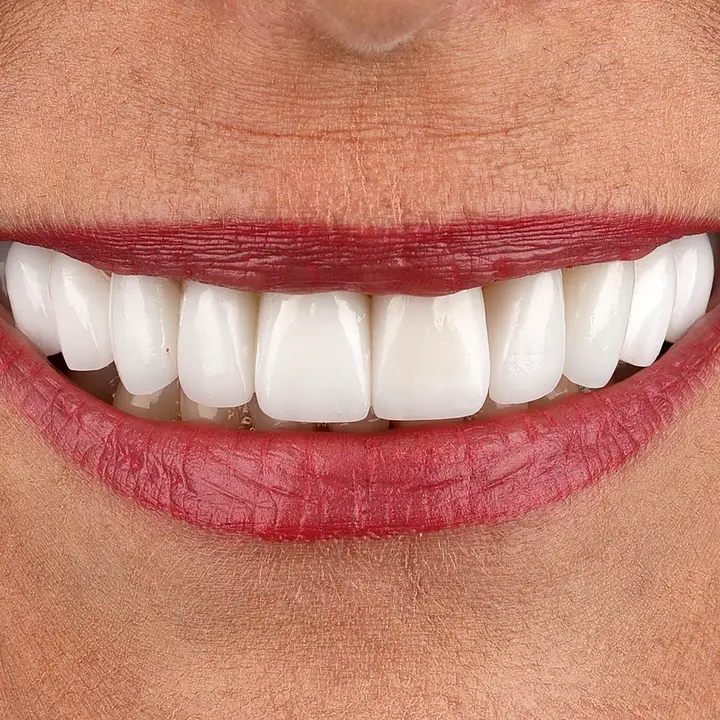
Before and after photographs from E-max veneers and related treatments at our clinic in Istanbul. Drag the handle to compare each pair.
All dental results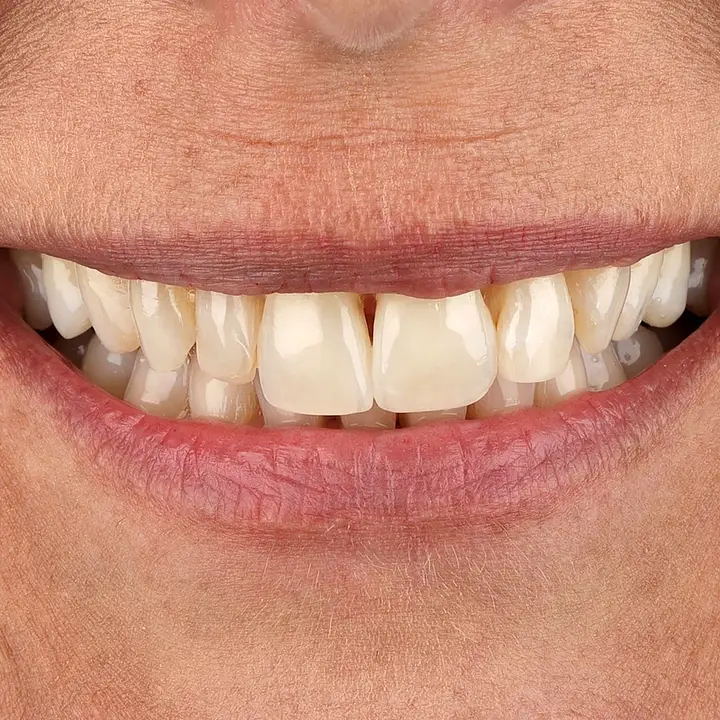
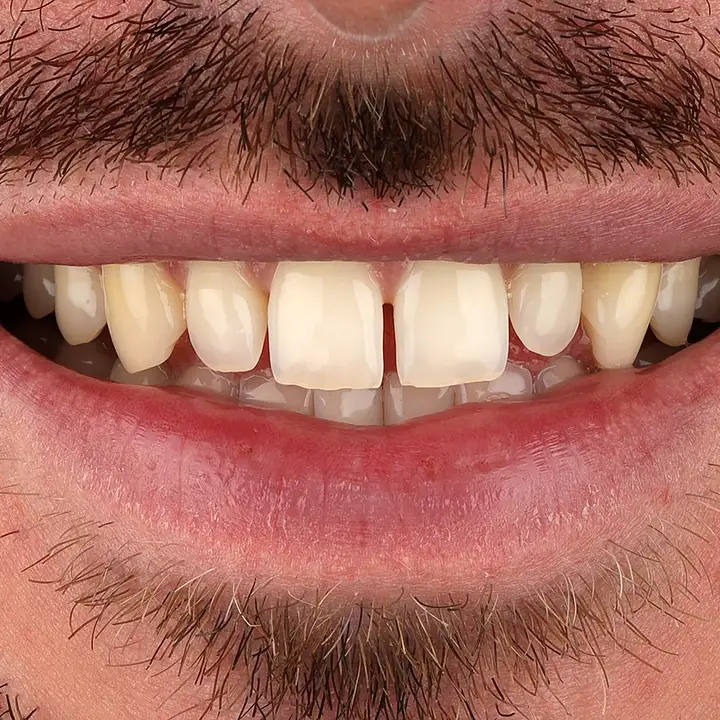
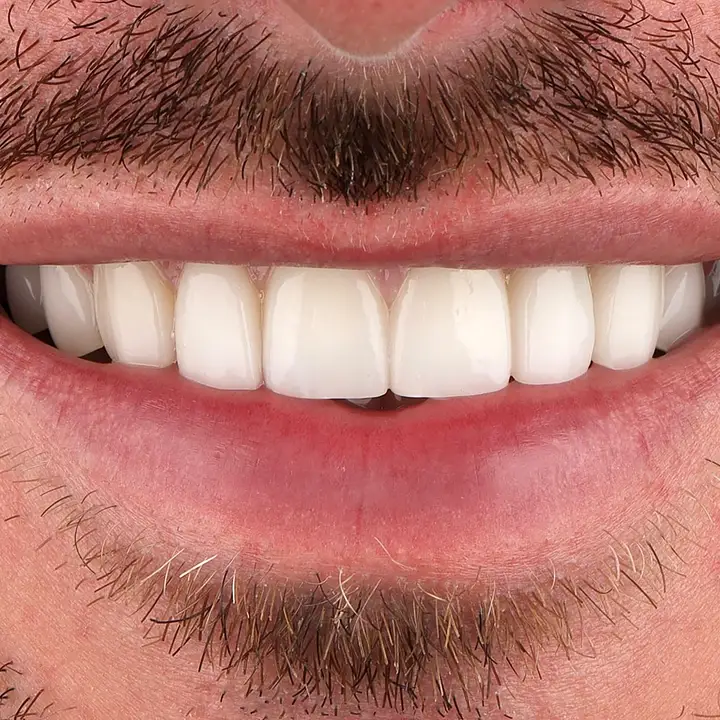
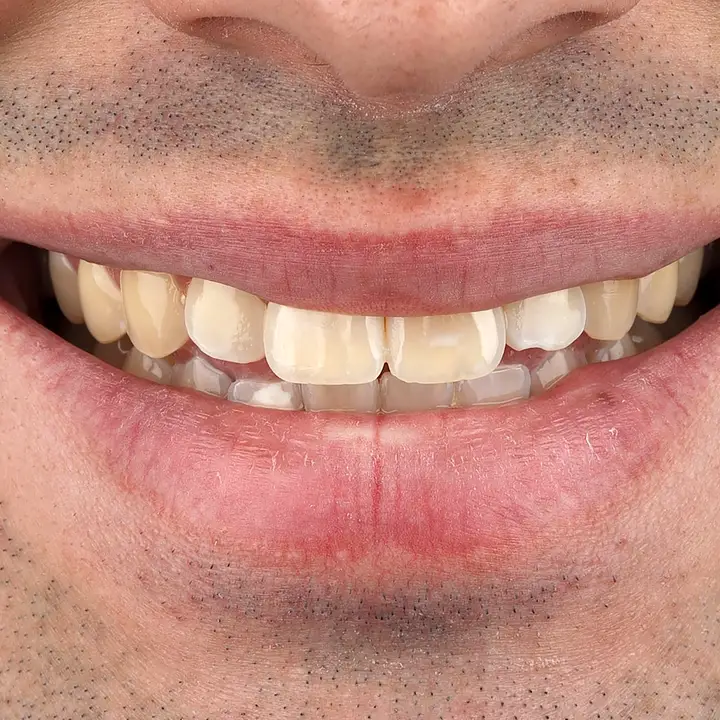
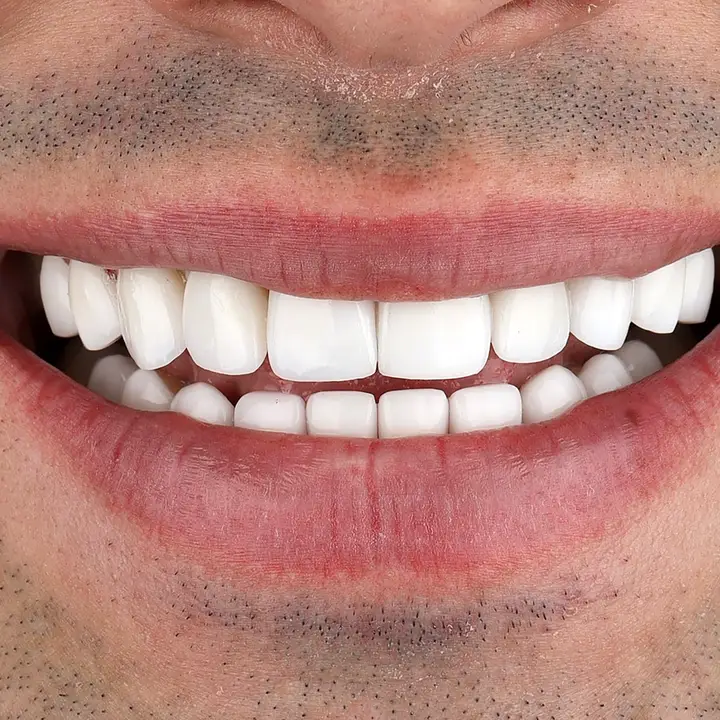
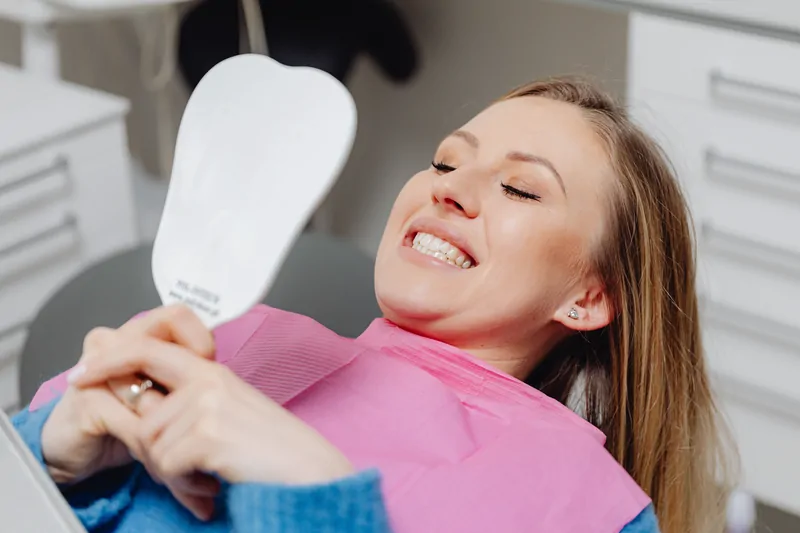
Veneers are an elective, largely irreversible cosmetic treatment, so careful assessment matters. Bonding is most predictable on healthy enamel, and the bite must be able to support thin ceramic on the front teeth.
Often a good fit
Assessed carefully
Honest information
The procedure
The aim is a result that suits your face and bite, achieved with as little preparation as is reasonable. Shape, length and shade are previewed before irreversible steps where possible.
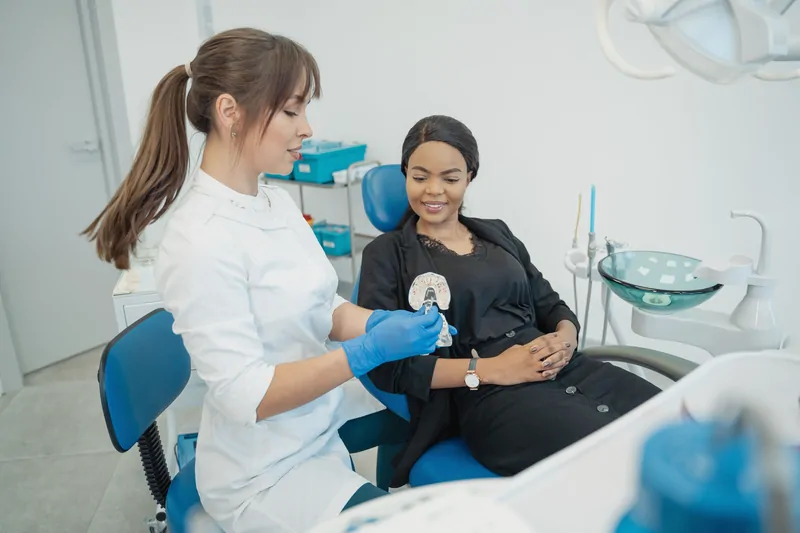
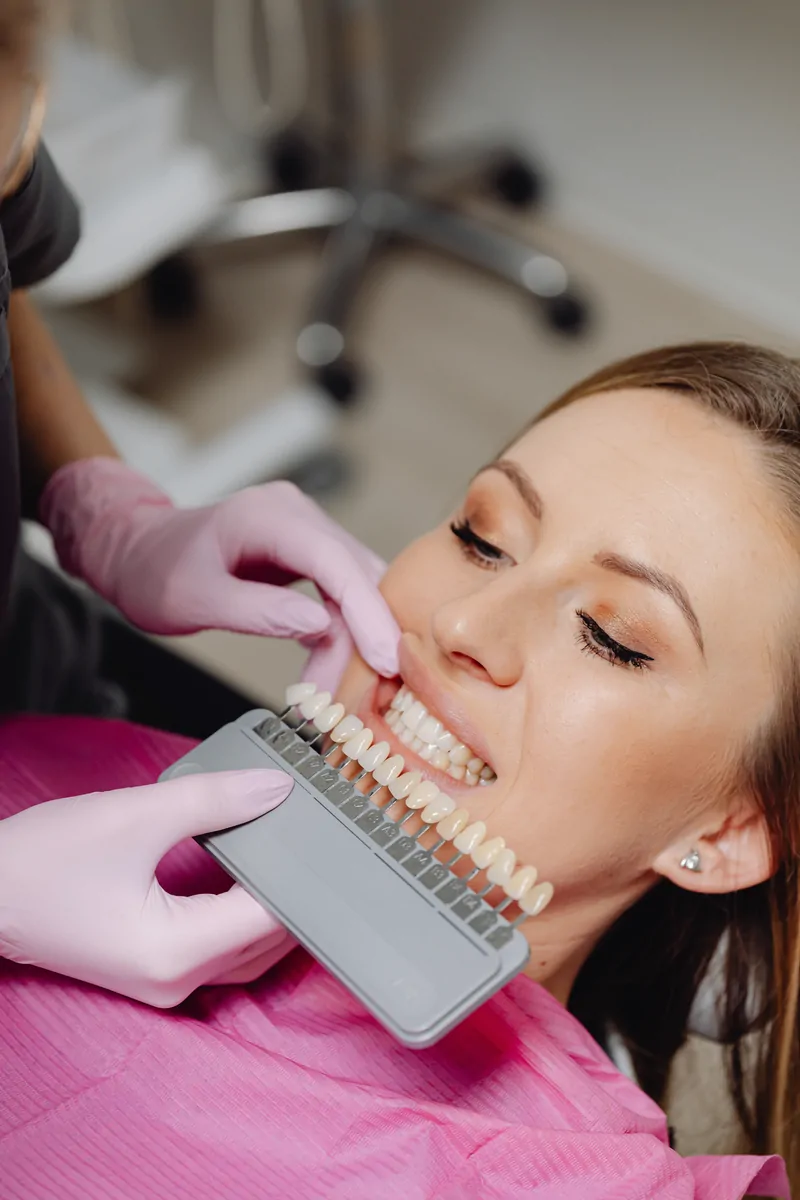
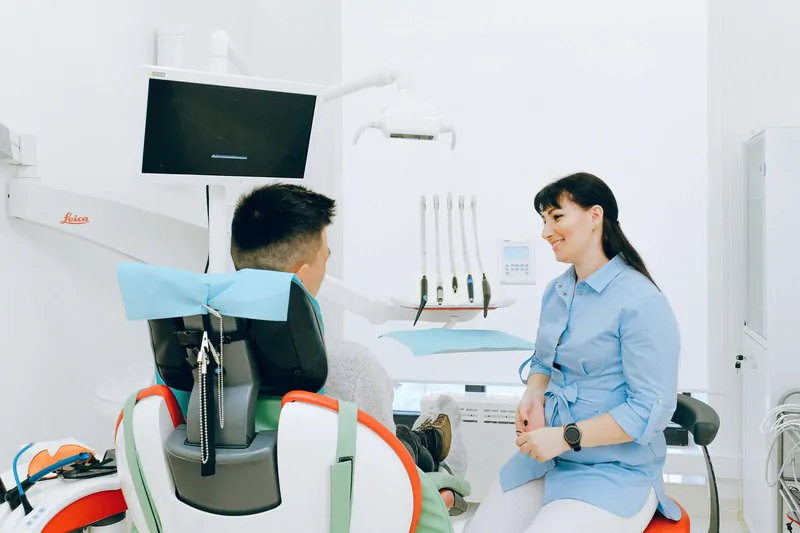
Your clinician examines the teeth, gums and bite, takes photographs and a digital scan or impressions, and discusses the shape and shade you have in mind. X-rays help confirm the health of the teeth and roots.
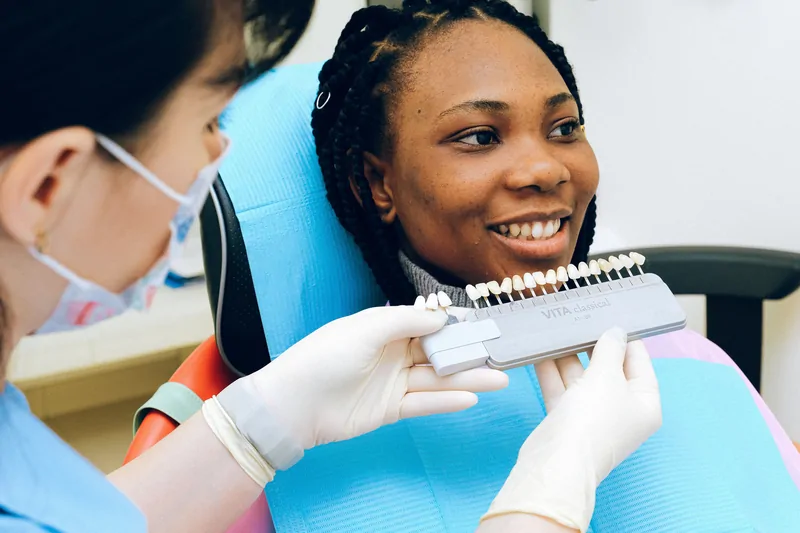
A wax-up or digital design of the proposed veneers is created. In many cases it can be transferred to your teeth as a temporary resin trial smile so you can see and feel the proposed length and shape before any enamel is reduced.
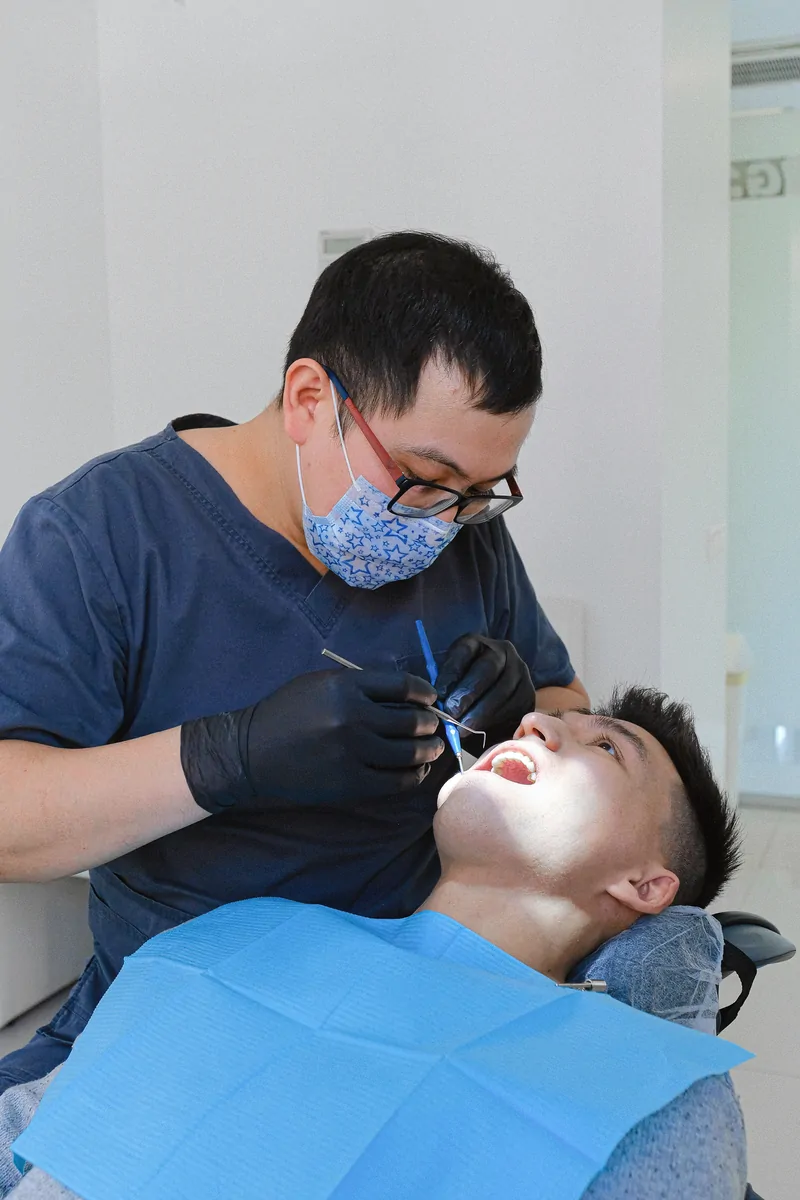
Under local anaesthetic where needed, a thin layer of enamel is removed from the front and edge of each tooth, often guided by the trial design so only the necessary amount is taken. Some cases need very little preparation. A scan or impression is then taken and temporary veneers may be fitted.
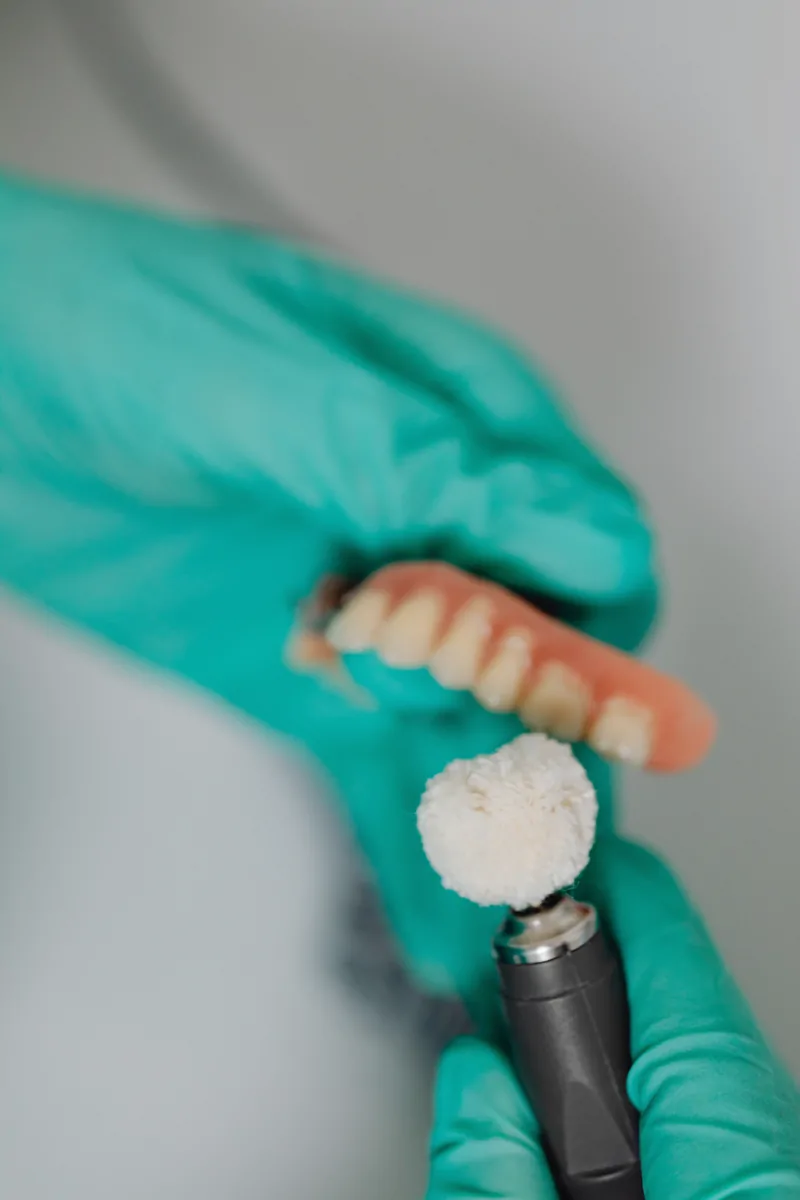
The veneers are pressed or milled in lithium disilicate and characterised with stains or layered ceramic to match the agreed shade. This stage commonly takes several working days depending on the laboratory workflow.
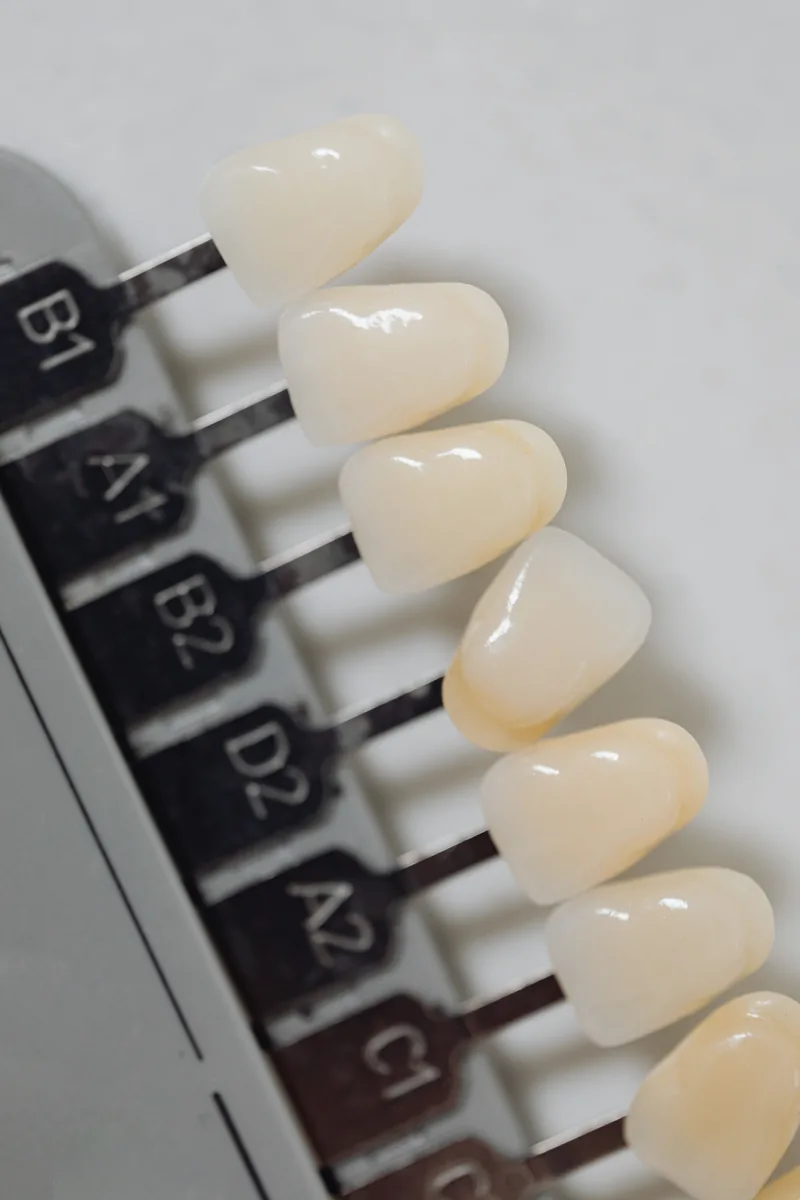
Each veneer is tried in with a coloured try-in paste to confirm fit and shade. The inner surface of the ceramic is etched and primed, the enamel is conditioned, and the veneer is bonded with a resin cement that is light-cured. Excess cement is removed and the bite is checked.
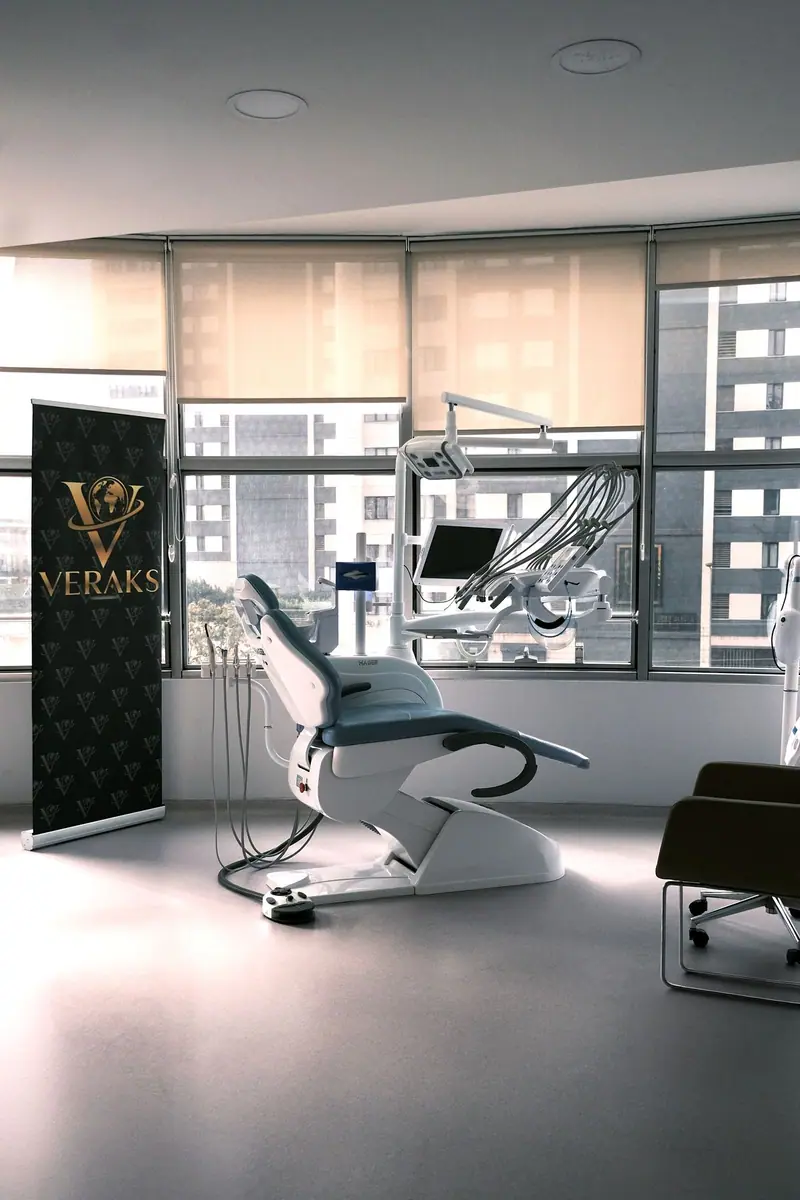
A follow-up allows the bite, gum response and margins to be reviewed. If you grind your teeth, a night guard may be recommended to help protect the ceramic.
Gallery
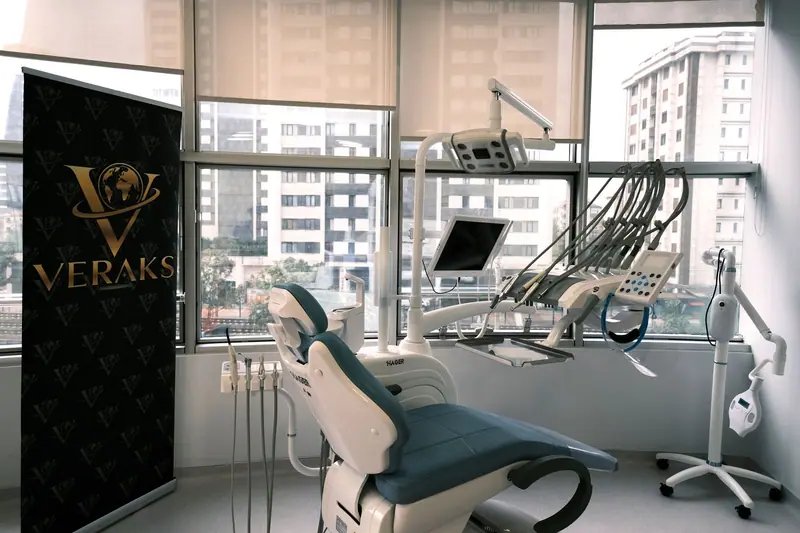
“E-max veneer” describes a veneer made of lithium disilicate glass-ceramic; it is a material choice rather than a different procedure. Compared with traditional feldspathic porcelain veneers, lithium disilicate is generally stronger, while feldspathic porcelain can be layered thinner with very rich optics. Laminates are the thinnest form of veneer, often made with minimal or no preparation and generally suited to smaller changes — they can also be made of lithium disilicate. A crown, including a zirconium or porcelain crown, covers the whole tooth and needs more reduction; it is used when a tooth is weakened, heavily filled or root-treated. Veneers cover only the visible front and edge, so they preserve more natural tooth where the tooth itself is sound.
Before & after treatment
Before you travel
Looking after them
In their words
Dental patients describe their experience — from the first conversation to aftercare.
All patient reviewsGoogle reviews
Spoken with us already? Share your experience on Google.
Honest reviews — good or critical — help the next person decide. We read every one and never offer anything in exchange.
Questions
General answers — your own plan always depends on an individual assessment.
All dental questionsIt is the commonly used name for lithium disilicate glass-ceramic restorations. The material is a glass reinforced with fine crystals, which gives it both translucency and strength.
It varies. Some cases need very little enamel reduction, while teeth that are dark, crowded or need a big change in shape may need more. Your clinician will explain the expected preparation after planning your case.
Lithium disilicate can mimic enamel well, but naturalness depends on design choices: shade, surface texture, edge translucency and proportions. Choosing a shade that harmonises with your face usually looks more natural than the lightest option available.
No. Ceramic does not respond to whitening. If you want your other teeth lighter, whitening is usually done before the veneer shade is chosen.
Many last for a number of years with good care, but lifespan varies with your bite, habits, hygiene and the condition of the underlying teeth. Veneers may need repair or replacement at some point.
Veneers commonly involve two to three appointments spread over several days to allow for laboratory work. Your coordinator can advise on timing once your treatment plan is confirmed.
Also available
Free consultation
Tell us what you would like to change. A coordinator replies personally and arranges a dentist’s review of your photos — free, without obligation.
A person replies. Monday to Saturday, Istanbul time.
VHFree consultation
A coordinator replies personally — free, no obligation.