Afro hair transplant
Hair Transplant Methods
DHI Hair Transplant in Turkey: how an implanter pen places each graft, how it compares with FUE, who may be suitable, growth phases, risks and aftercare.
Free · no obligation
Leave your name and number — a coordinator replies personally.
DHI, short for direct hair implantation, is a variation of FUE that changes how the grafts are put in. The donor stage is essentially the same – follicular units are removed individually from the back and sides of the scalp – but instead of opening all the recipient channels first and then inserting grafts with forceps, each graft is loaded into the hollow needle of a Choi-type implanter pen. The clinician then inserts the needle at the chosen angle and depth and releases the graft in one movement, so the opening and the placement happen together.
Clinicians who favour DHI often say the pen gives them close control over the angle, direction and depth of each graft, and that it can be helpful when working between existing hairs – for example when adding density to thinning areas without shaving them, or when refining a hairline. Because grafts are handled through the pen rather than gripped repeatedly with forceps, some suggest it may reduce handling, although comparative evidence on growth outcomes is limited.
DHI also has practical demands. Pens must be loaded continually by trained assistants, pens of different needle sizes may be needed for different graft types, and the process can be slower for large areas. For extensive baldness, many clinicians find classic channel-based FUE more efficient. The choice between methods is a matter of fit rather than ranking.
What it can help with

Results · before & after
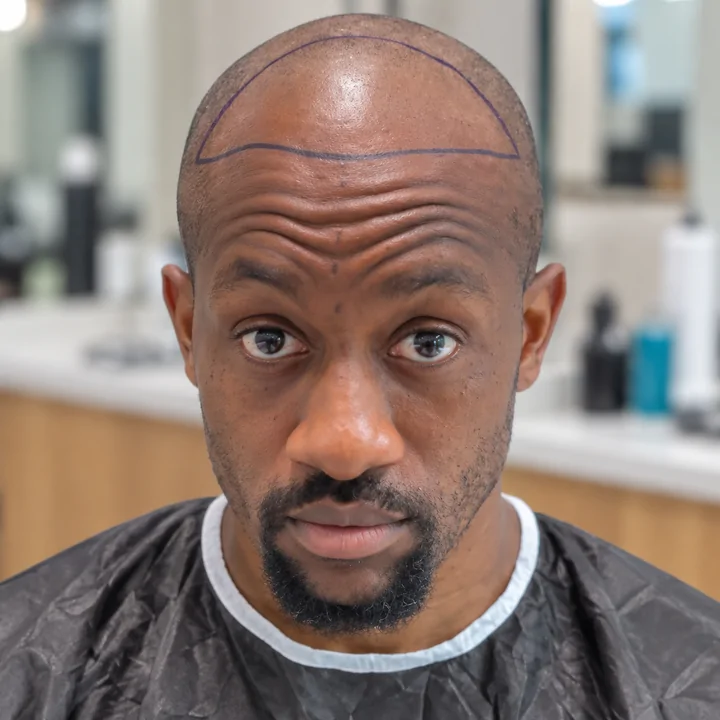
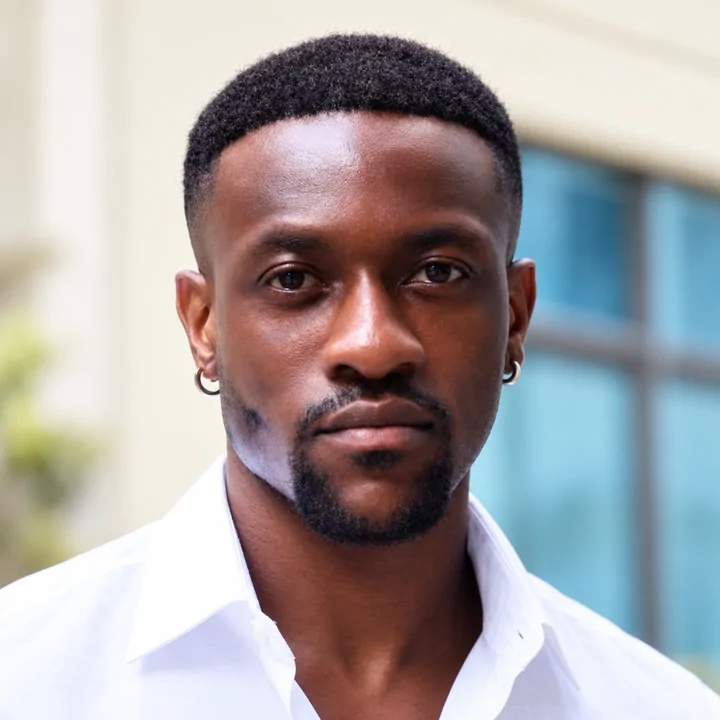
Before and after photographs from DHI hair transplant and related treatments at our clinic in Istanbul. Drag the handle to compare each pair.
All hair results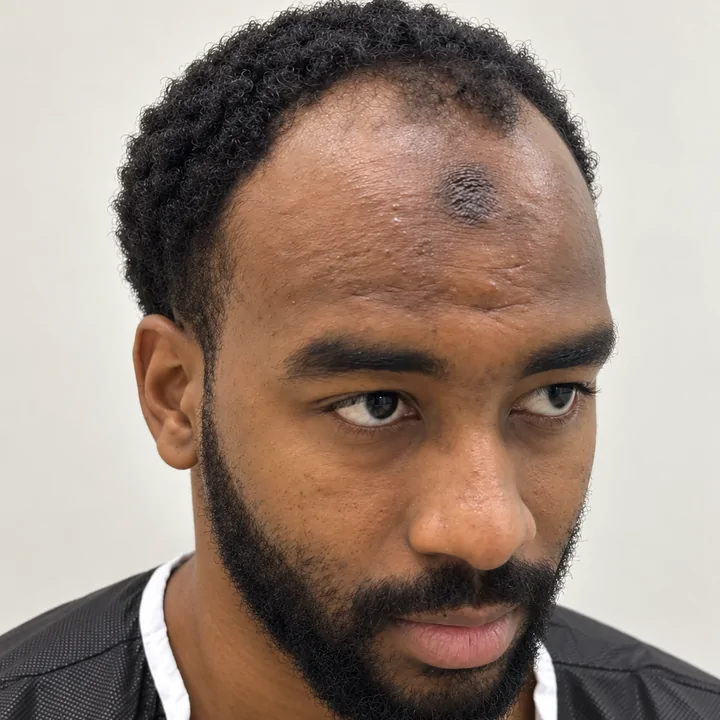
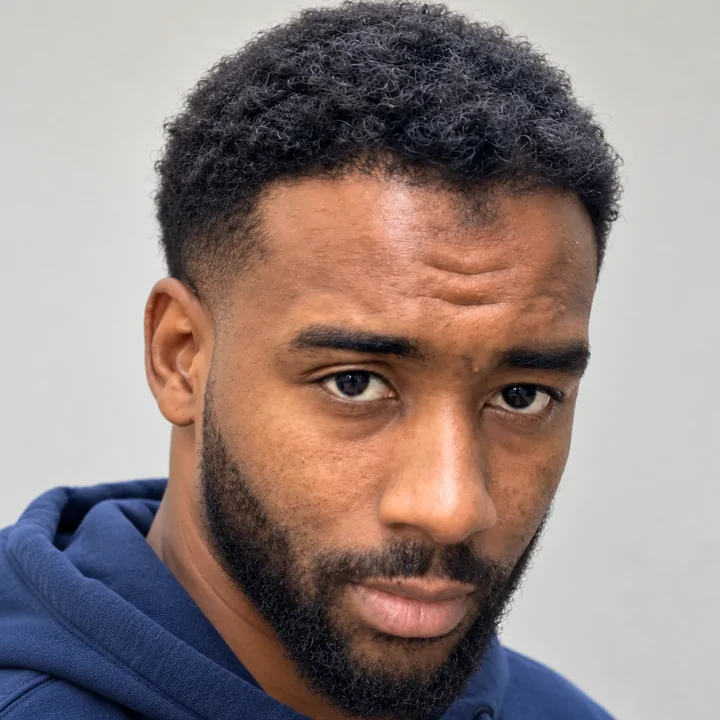
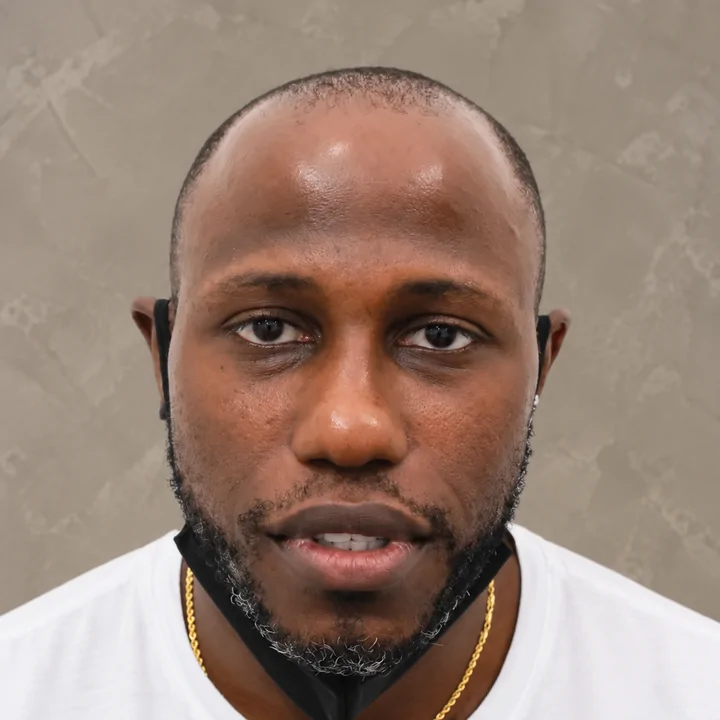
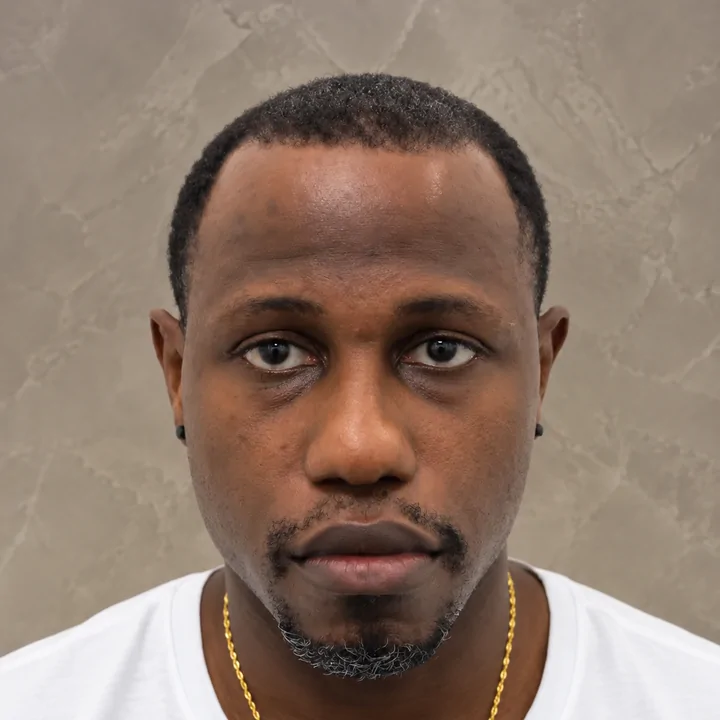
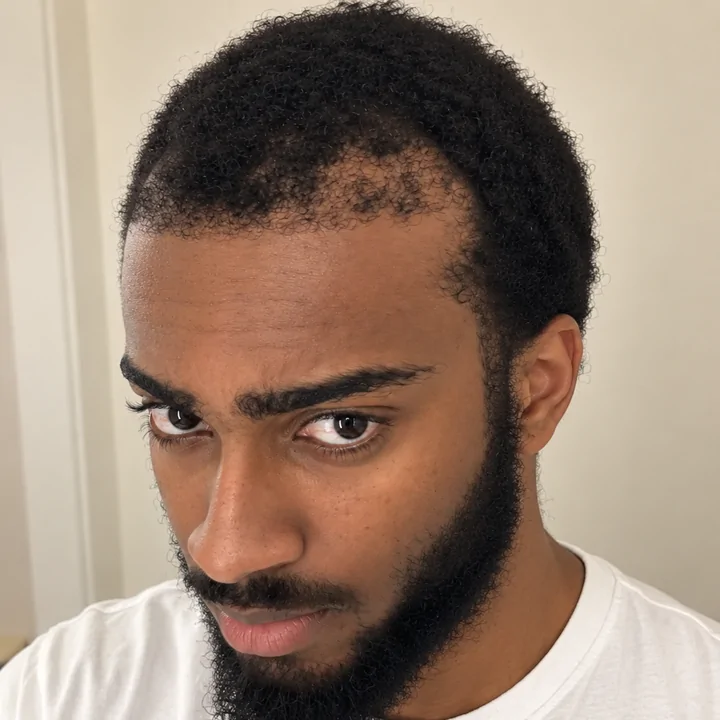
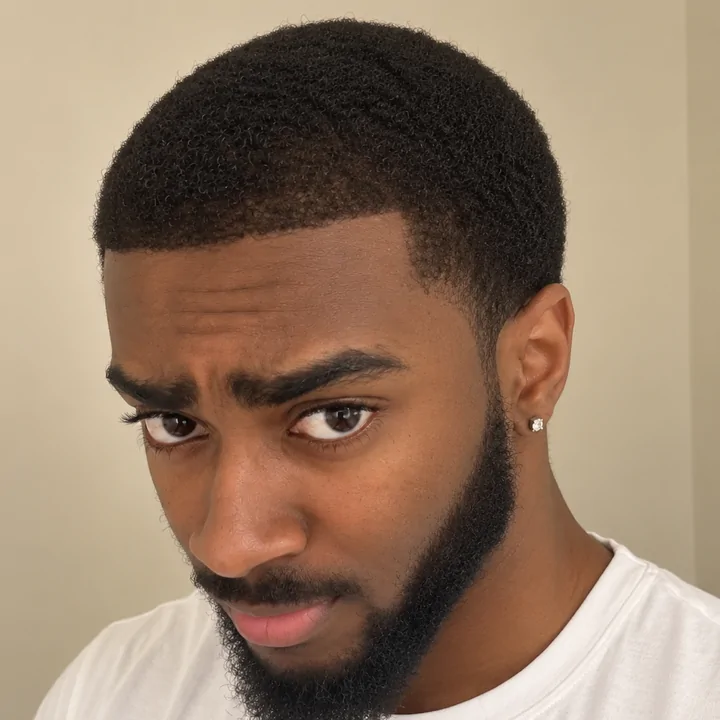
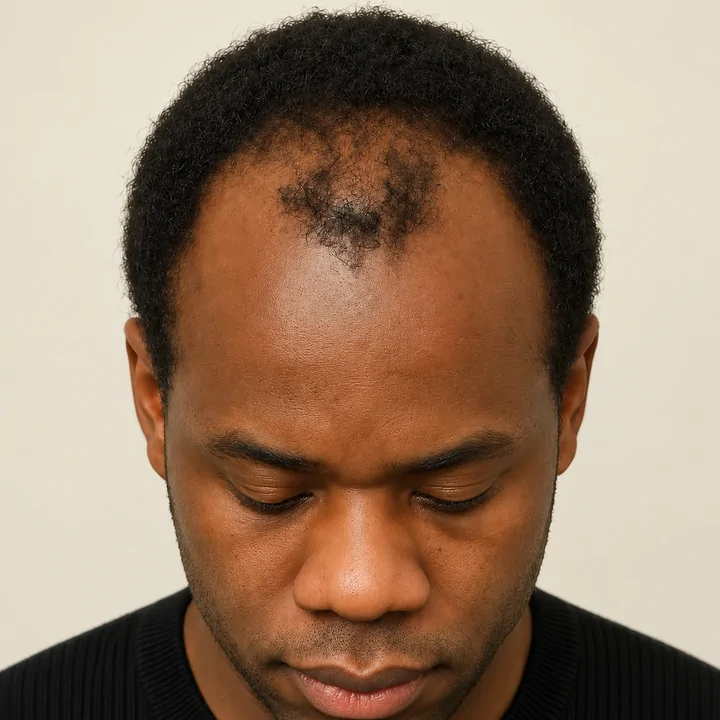
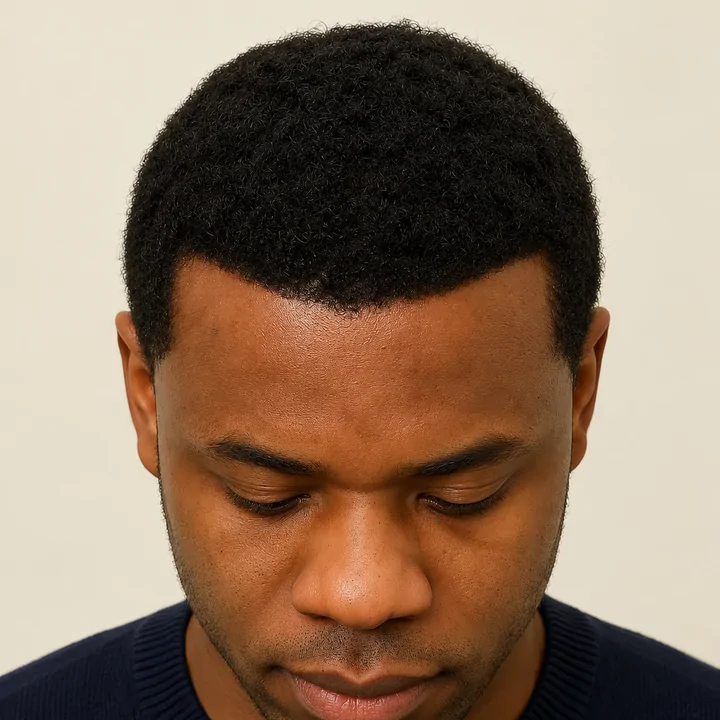
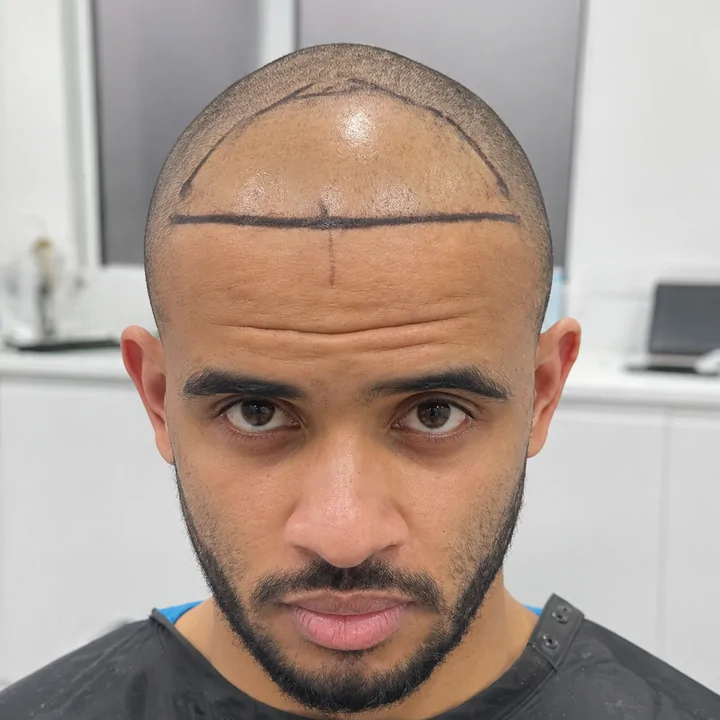
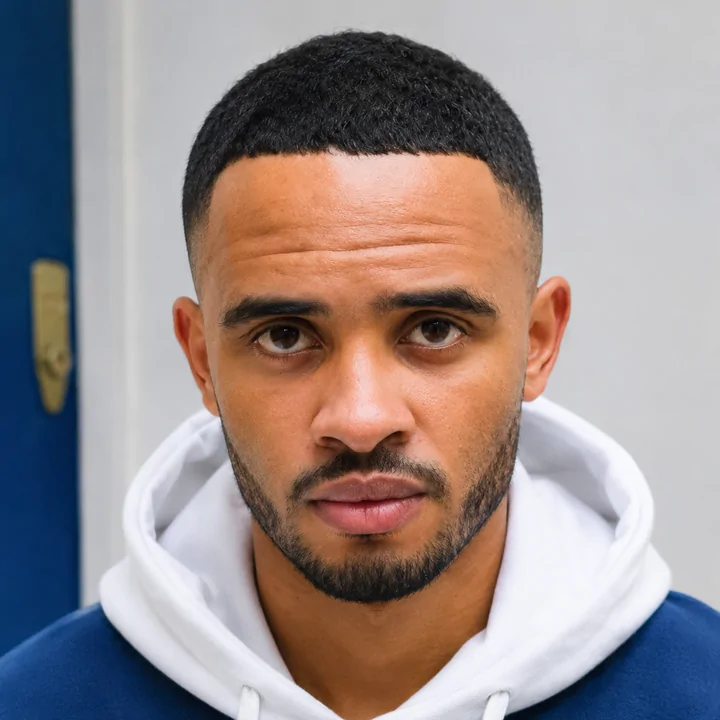

DHI suitability rests on the same foundations as any FUE procedure – a clear diagnosis, a stable enough pattern and a donor area that can support the plan. The method is then chosen according to the area, your hair characteristics and the clinician’s experience.
Often a good fit
Assessed carefully
Honest information
The procedure
DHI is best regarded as a valuable tool for particular situations rather than a universal answer. The method is chosen after the plan, not before it.

After reviewing your hair loss and examining the donor area, your clinician explains why DHI, classic FUE or another approach may suit your goals, and what a realistic scope looks like.

The hairline and recipient zones are marked and reviewed with you. The donor area is trimmed, and the recipient area may be left at length or shortened depending on the plan.
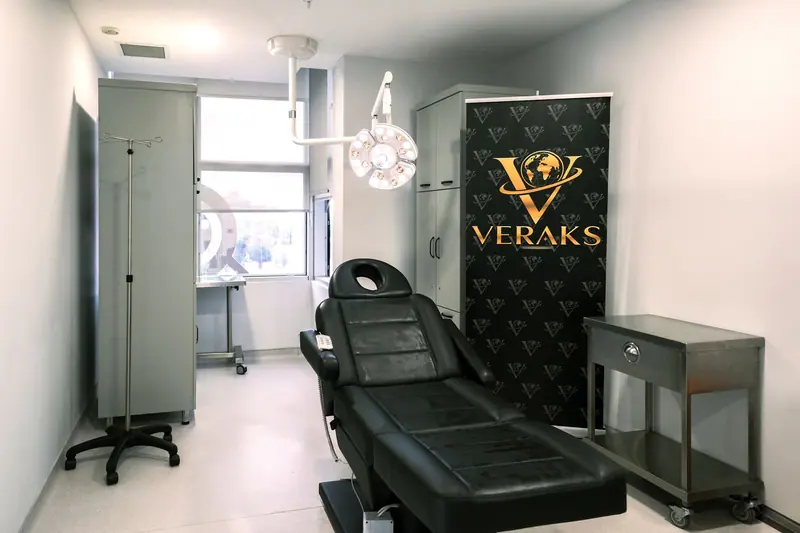
Under local anaesthesia, follicular units are removed one by one with a micro-punch, spread evenly across the safe donor zone, and kept cool and hydrated.
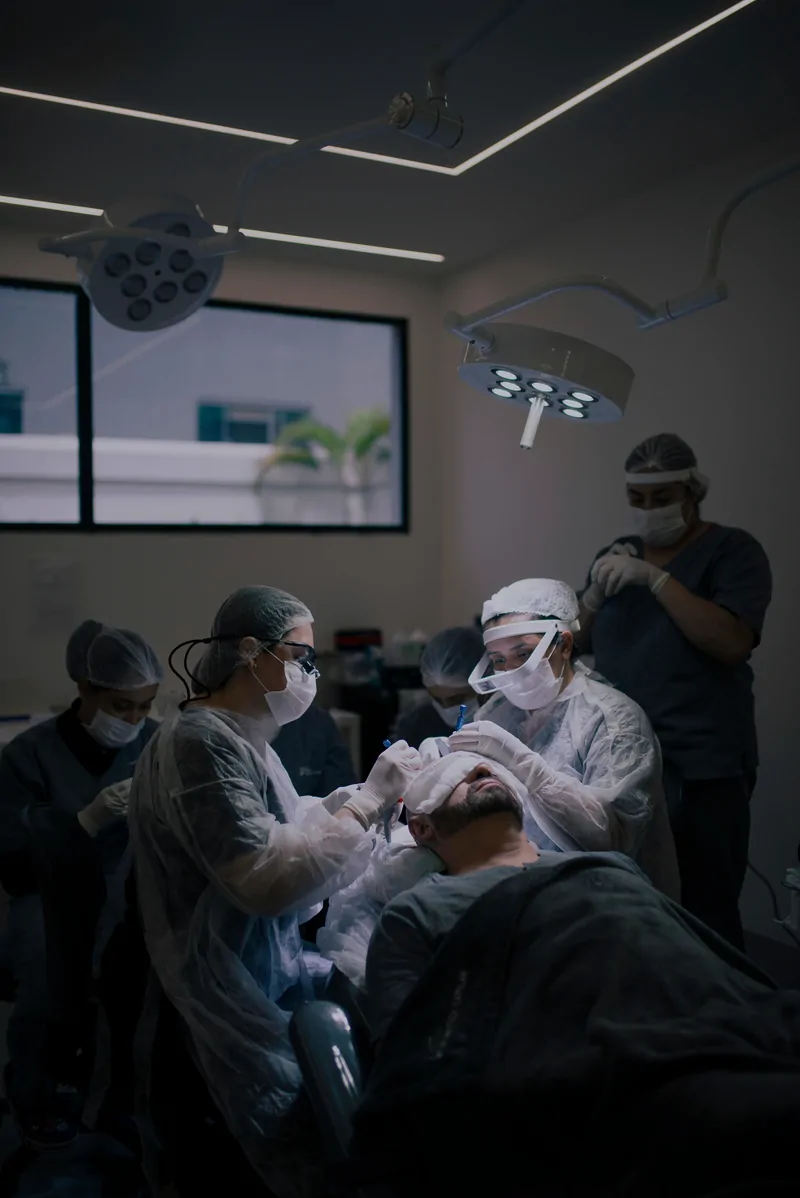
Assistants load each graft into the needle of an implanter pen, choosing needle sizes suited to single-, double- or multi-hair grafts.
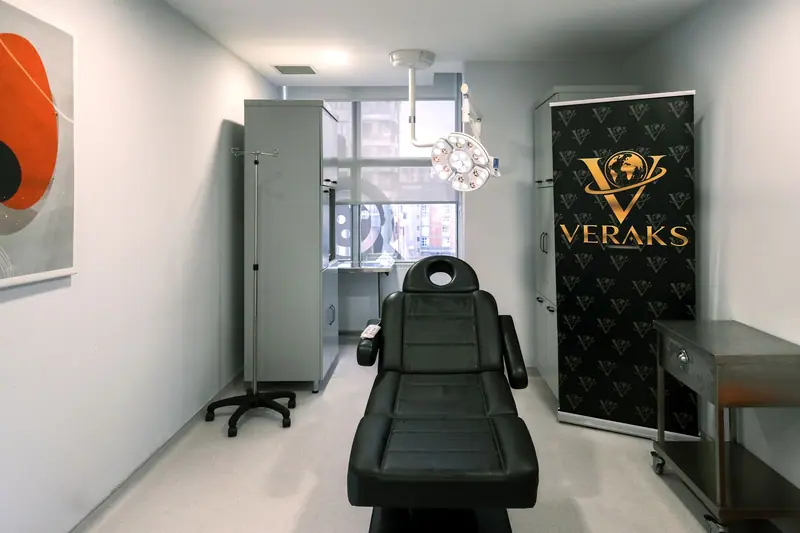
The clinician inserts each pen at the planned angle and depth and releases the graft, working gradually across the zone and between any existing hairs.
The area is reviewed, and you are given instructions on washing, sleeping position, activity and follow-up through the coming months.
Gallery


DHI and FUE share the same extraction stage – individual follicular units taken from the donor area. The difference is in implantation. In classic FUE, the clinician opens channels first, typically with fine steel blades, and grafts are then placed with forceps. Sapphire FUE keeps that sequence but uses a sapphire-tipped blade for channel opening; evidence that this improves results is limited. DHI loads each graft into a Choi-type implanter pen that creates the opening and places the graft at once, which may help with angle control and working between existing hairs, though it can be slower for large areas. Unshaven transplants keep the hair long and are generally limited to smaller areas with longer sessions, and they are not suitable for everyone. None of these methods is objectively superior; the most suitable one depends on your case and your clinician’s experience.
Before & after treatment
Before you travel
Afterwards
In their words
Hair transplant patients describe their experience — from the first conversation to aftercare.
All patient reviewsGoogle reviews
Spoken with us already? Share your experience on Google.
Honest reviews — good or critical — help the next person decide. We read every one and never offer anything in exchange.
Questions
General answers — your own plan always depends on an individual assessment.
All hair questionsDHI is a variation of FUE. The grafts are extracted the same way; the difference is that an implanter pen opens the site and places the graft in one step.
Not reliably. Density depends on donor supply, hair characteristics and planning. DHI may help when working between native hairs, but it does not increase the number of grafts available.
In some cases the recipient area can stay at length, particularly for smaller areas. The donor area is usually trimmed, unless a specific unshaven plan is agreed.
Shock loss is temporary shedding of native hair near treated areas. It can occur with any technique; in many cases the hair regrows within a few months, but already weakened hairs may not return.
A transplant does not stop pattern hair loss elsewhere. Your clinician may discuss medical therapy to help protect existing hair, taking your health and preferences into account.
It is broadly similar. Transplanted hairs often shed in the first weeks, early growth is often seen around months 3–4 and the result is usually assessed at 12 months or later.
Also available
Free consultation
Tell us what you would like to change. A coordinator replies personally and arranges a hair specialist’s review of your photos — free, without obligation.
A person replies. Monday to Saturday, Istanbul time.
VHFree consultation
A coordinator replies personally — free, no obligation.