Dental implants
Restorative Dentistry
Dental Filling in Turkey: tooth-coloured fillings that remove decay, rebuild the tooth in layers and match your natural shade, with clear care advice.
Free · no obligation
Leave your name and number — a coordinator replies personally.
A dental filling restores a tooth where decay, wear or a small fracture has caused a loss of structure. The damaged or softened tissue is removed, the cavity is cleaned, and the space is rebuilt with a filling material that restores the tooth’s shape and seals it against further bacterial entry. Most fillings today use tooth-coloured composite resin, which bonds to enamel and dentine and can be shaded to blend in.
Catching decay early usually means a smaller, simpler filling. As a cavity grows, it can reach closer to the nerve, weaken the walls of the tooth and eventually need a larger restoration such as an inlay, onlay or crown. For this reason, your clinician may recommend treating small cavities before they become symptomatic.
Older silver amalgam fillings are sometimes replaced when they are cracked, leaking or have decay around them. Replacing sound amalgam purely for appearance is a separate decision that your clinician can discuss with you, including its pros and cons. For back teeth that take heavy chewing forces, the size of the filling and the thickness of the remaining tooth walls help decide whether a direct filling is still the most sensible repair.
What it can help with

Results · before & after
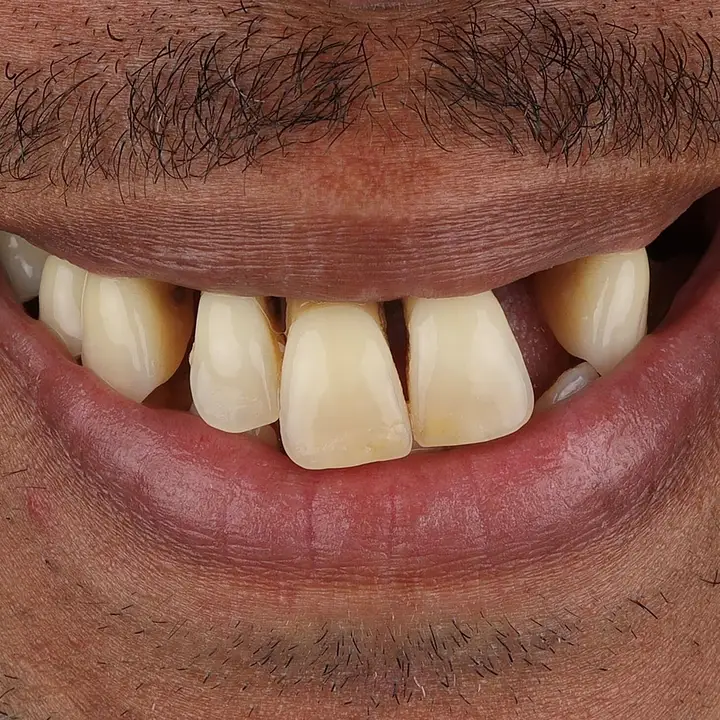
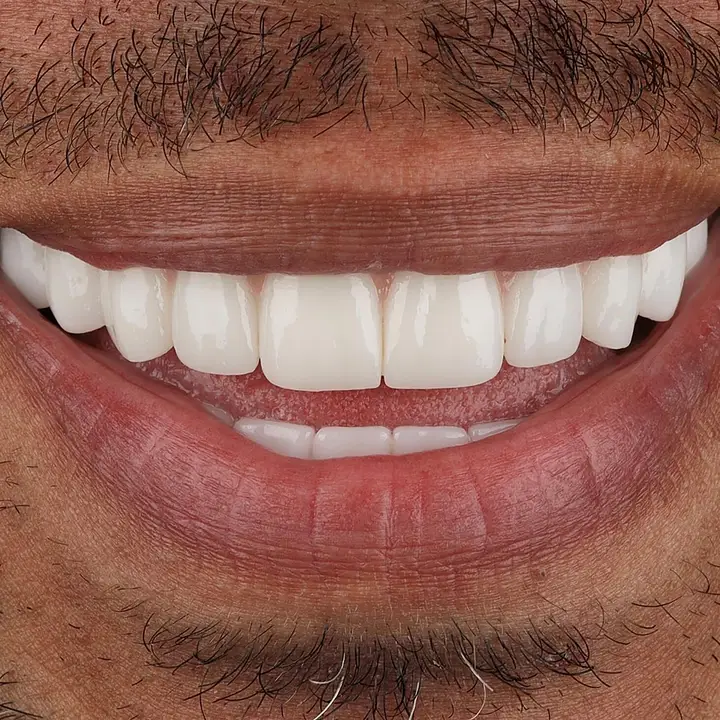
Before and after photographs from dental filling and related treatments at our clinic in Istanbul. Drag the handle to compare each pair.
All dental results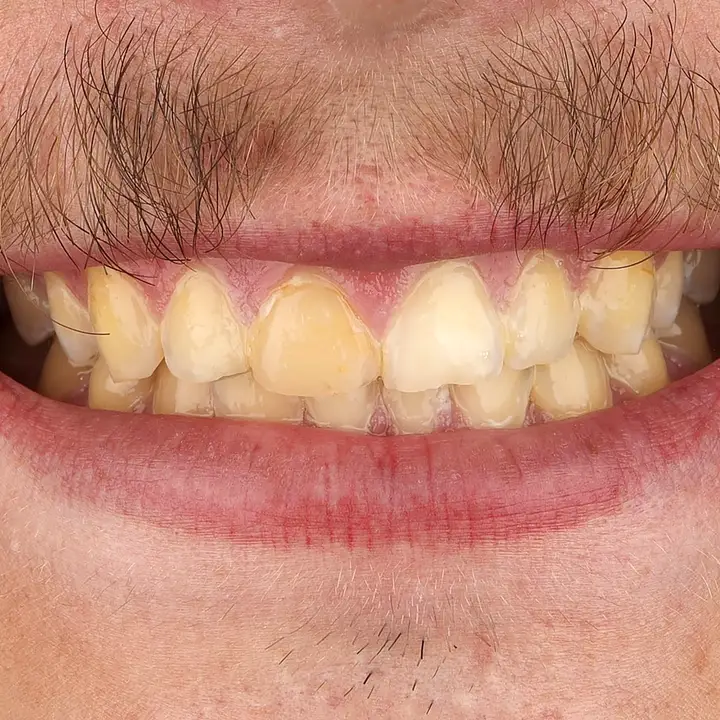
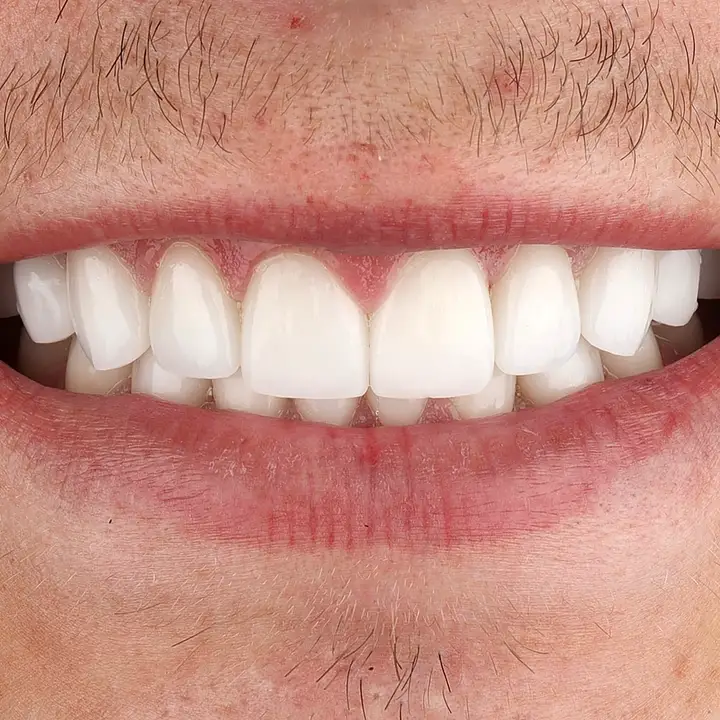
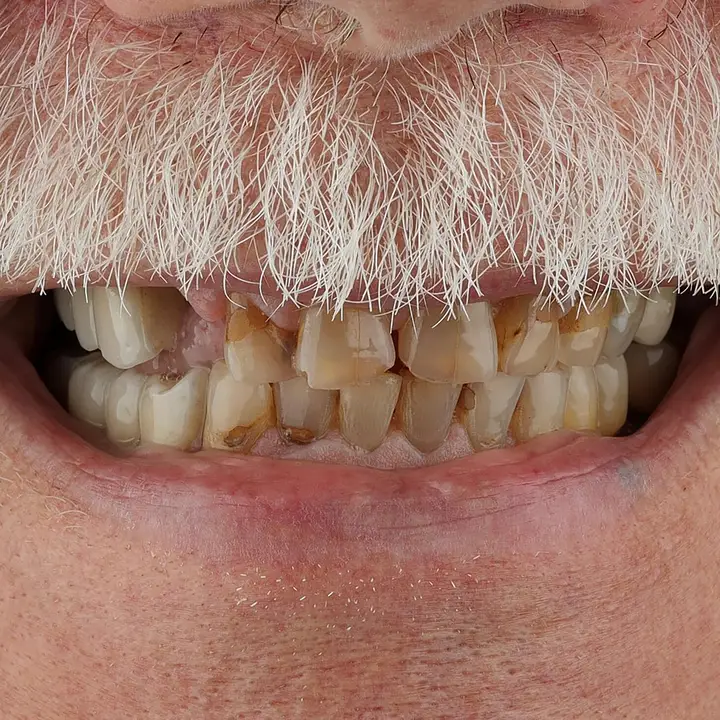
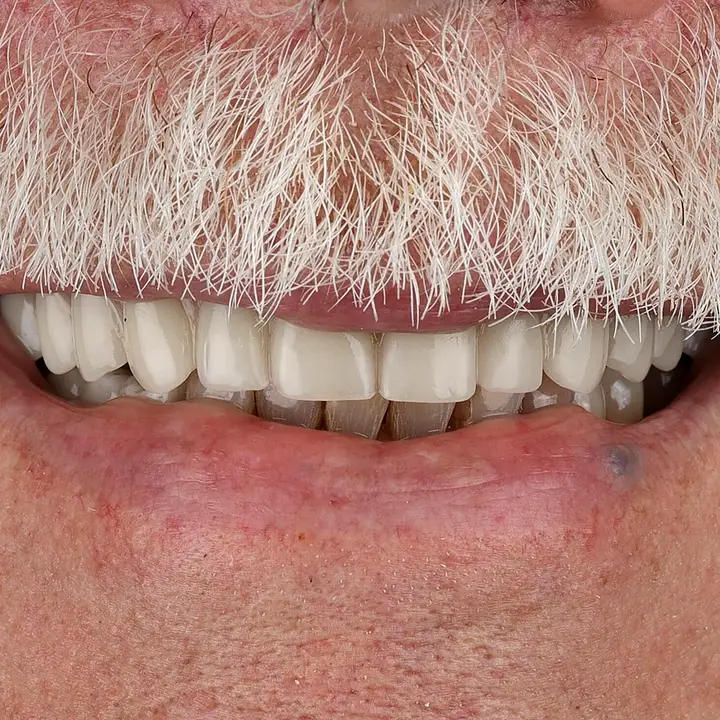
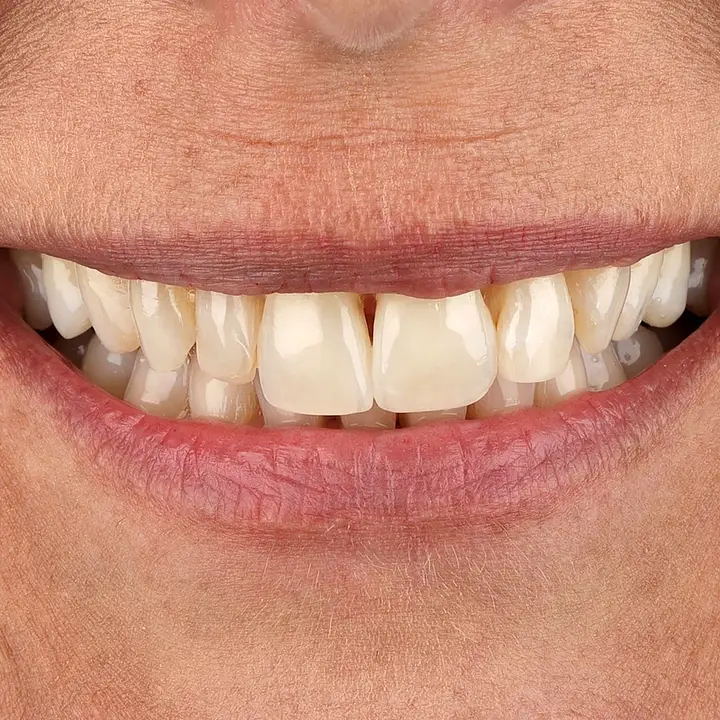
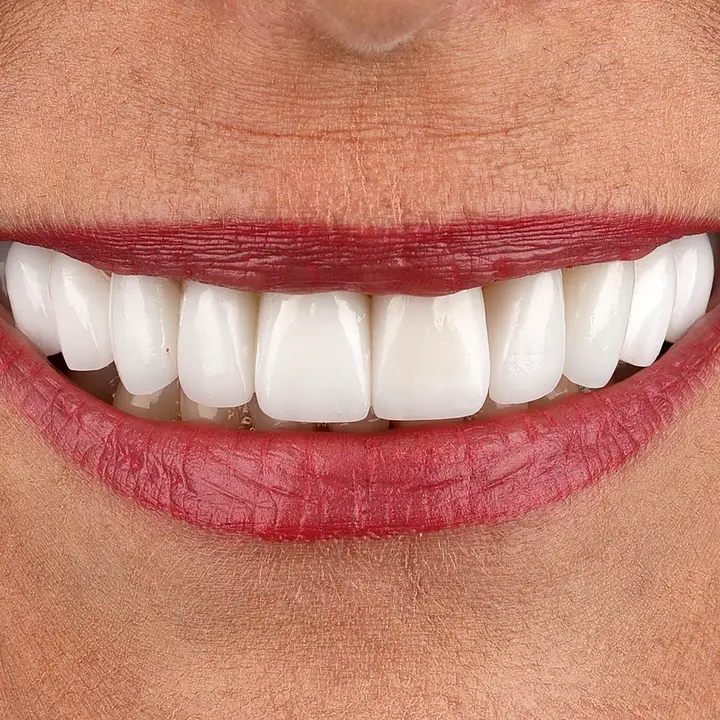
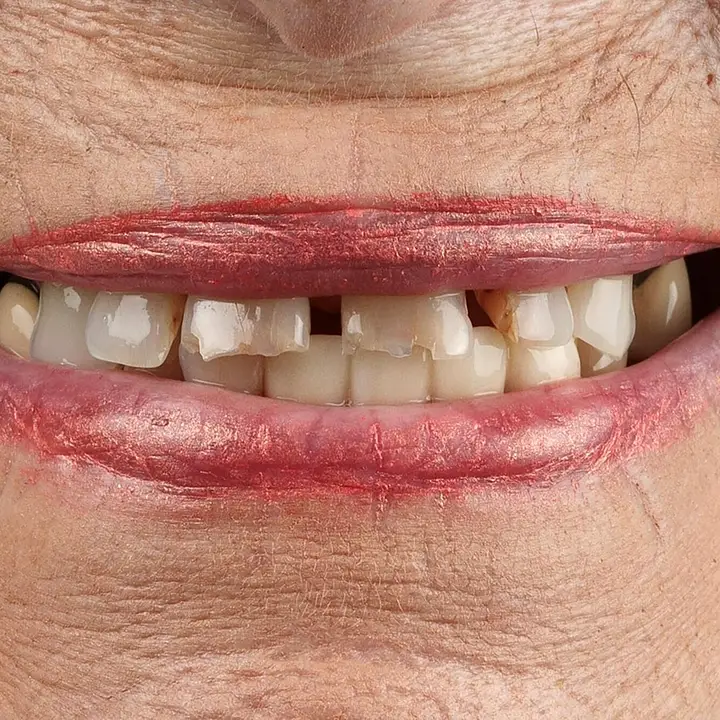
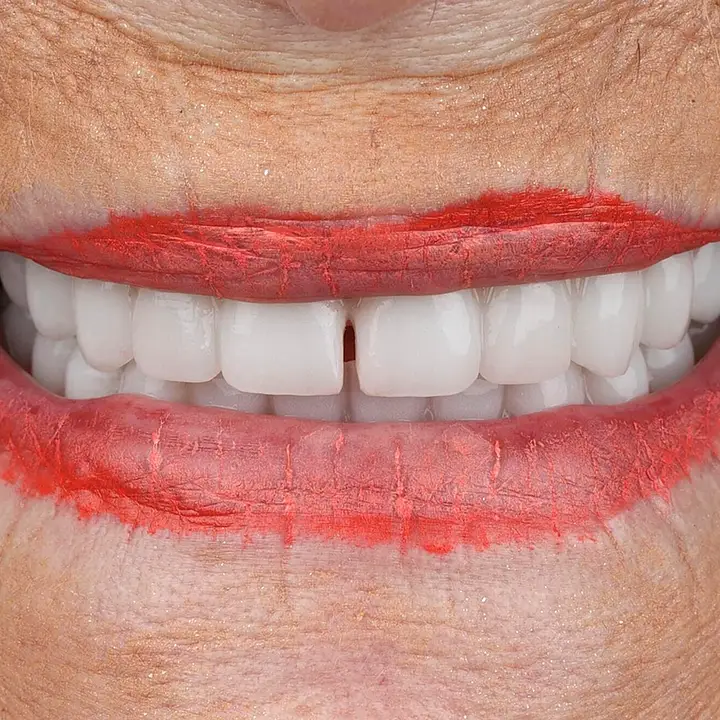
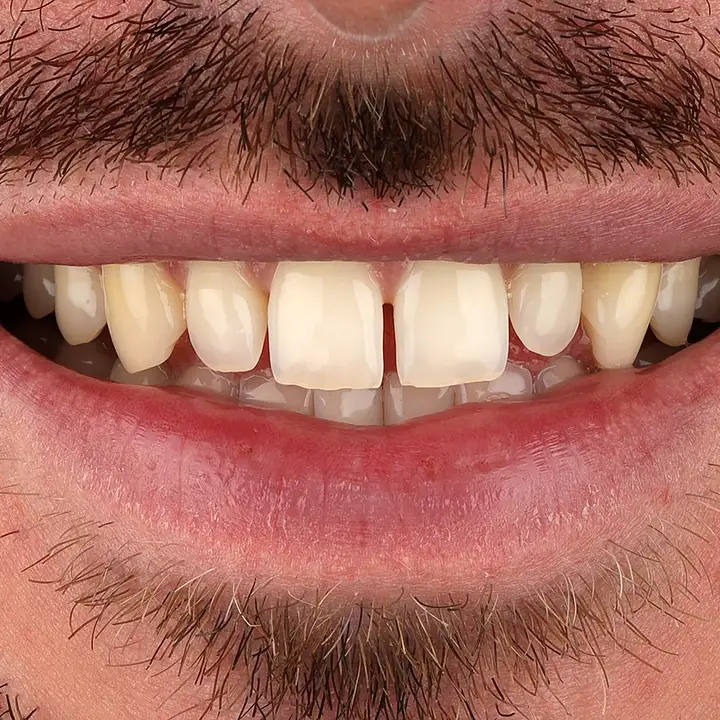
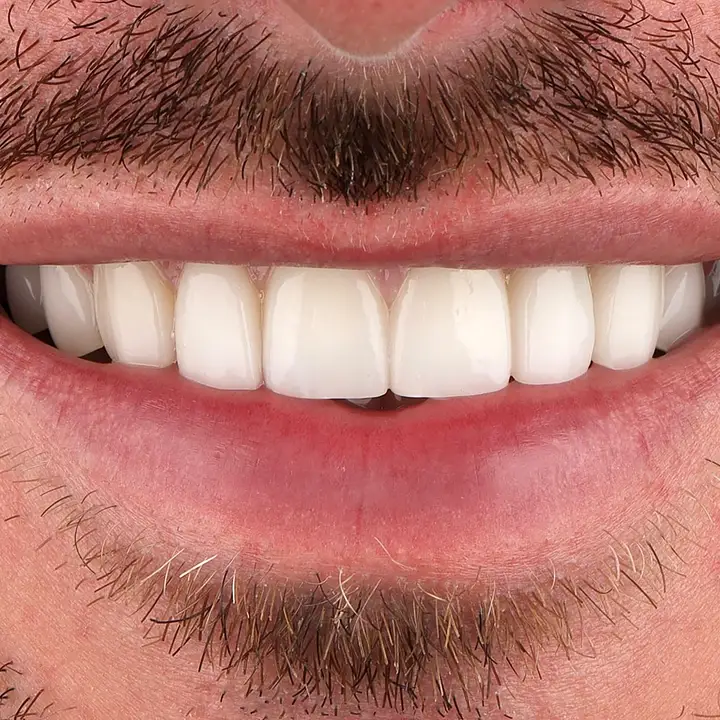
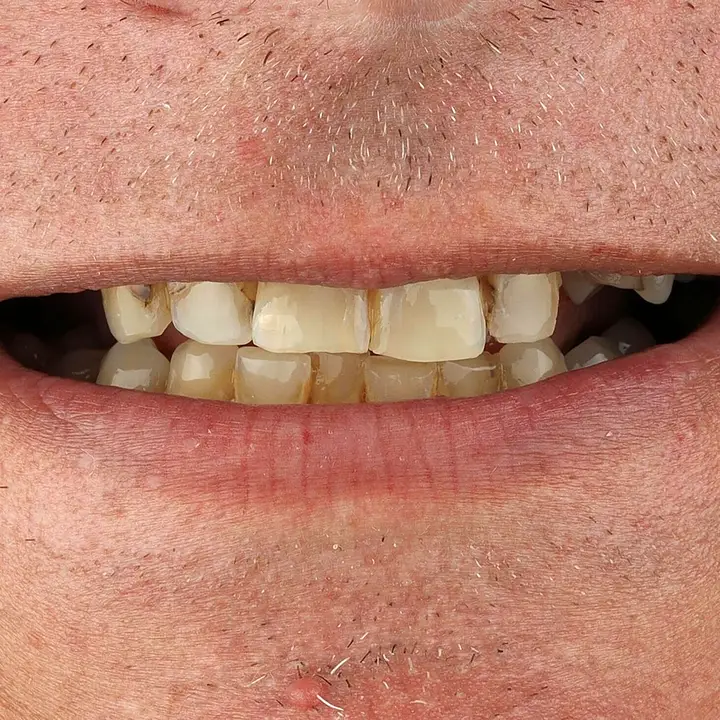
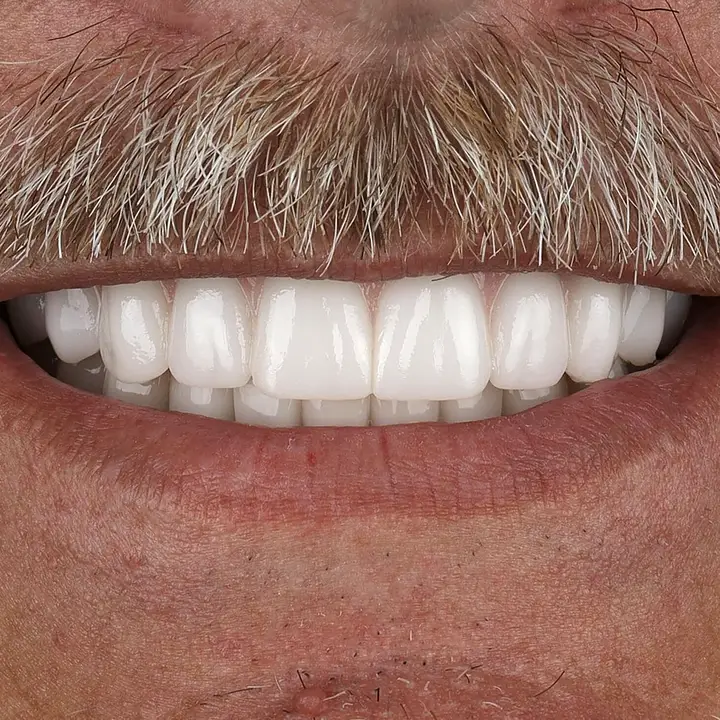
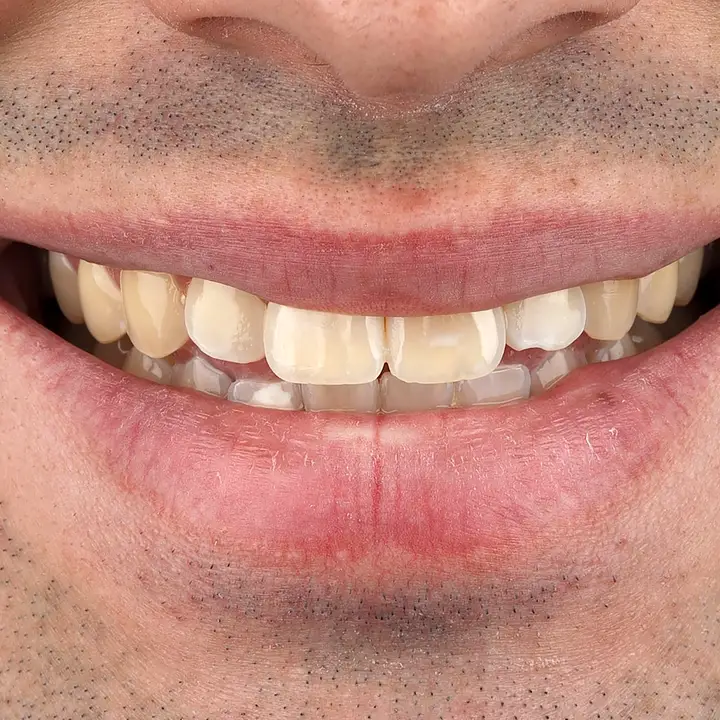
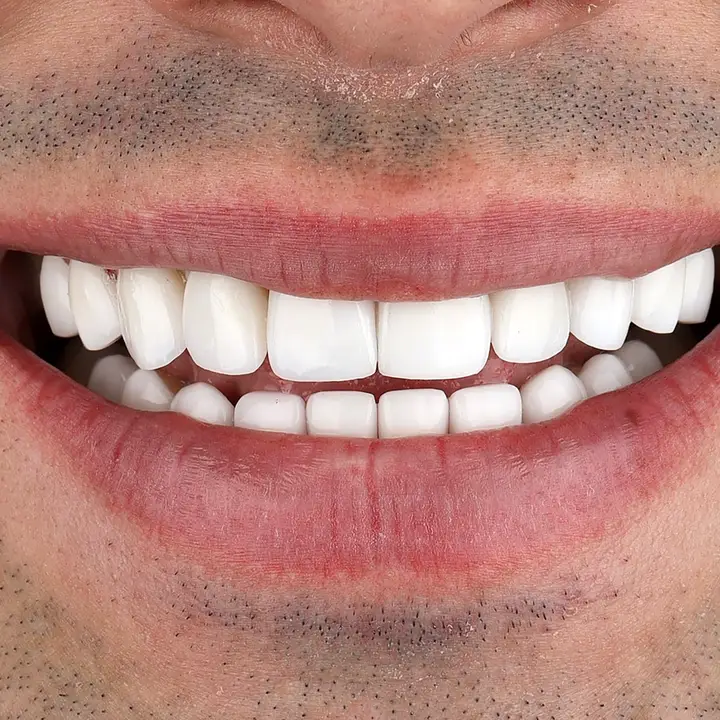

Fillings suit small to moderate areas of damage. When a large part of the tooth is missing, a stronger indirect restoration may be more appropriate. Your clinician will look at the whole tooth — not just the hole — before recommending a material and technique, because a filling that is too large for the remaining walls can increase the chance of the tooth cracking later.
Often a good fit
Assessed carefully
Honest information
The procedure
The goal is to remove what is damaged, keep what is healthy and rebuild the tooth so it functions and looks natural. Small details, such as restoring a tight contact with the neighbouring tooth, help stop food packing between teeth after treatment.

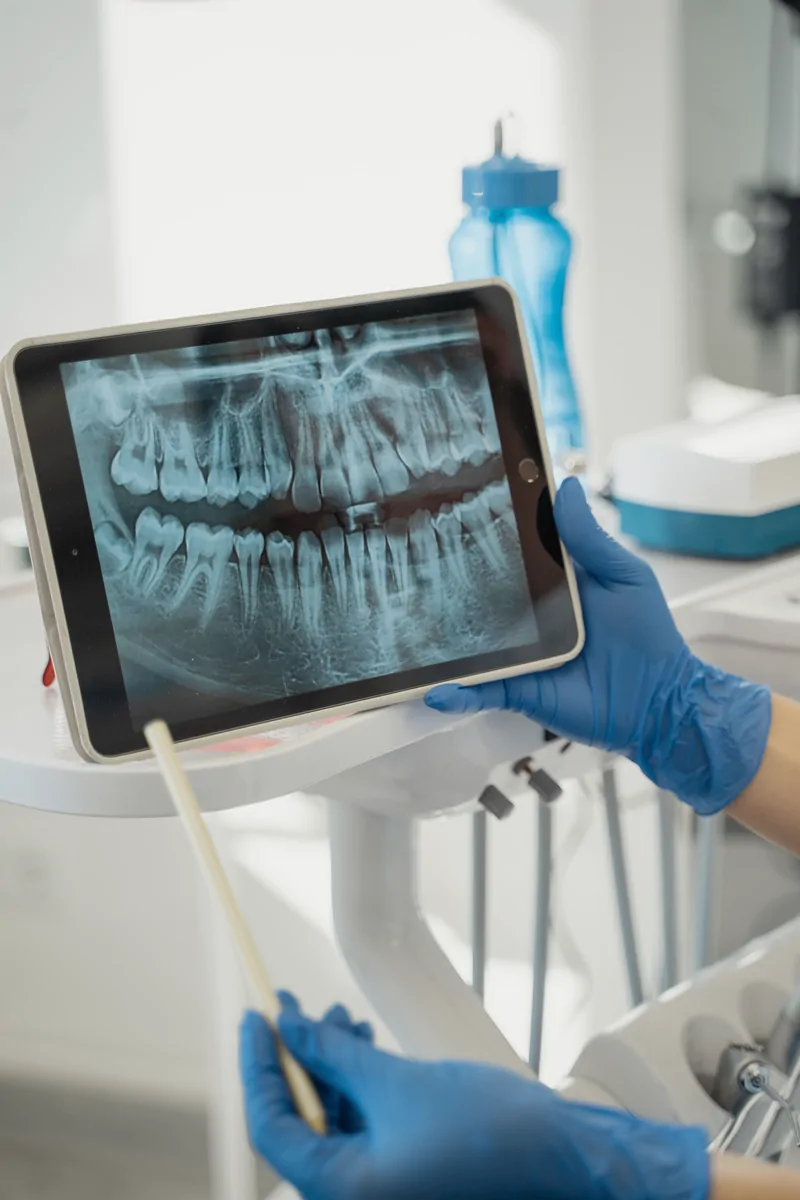
Your clinician examines the tooth and may take bitewing X-rays to see decay between teeth or under existing fillings. The size of the problem guides whether a filling, inlay or onlay is the better choice.
Local anaesthetic is given when needed. The tooth is then kept dry, often with a thin rubber sheet or cotton rolls, because moisture can weaken the bond of composite material.
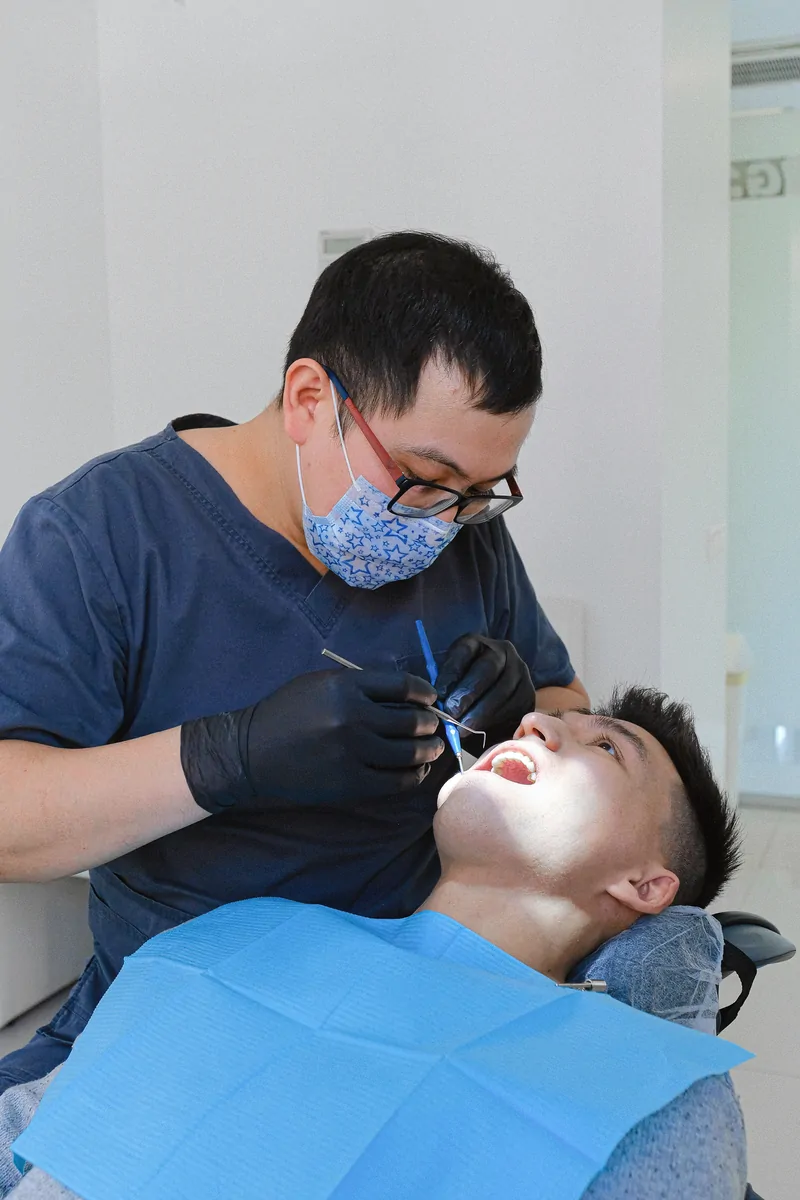
Softened, decayed tissue is removed carefully while preserving as much healthy tooth as possible. If the cavity is deep, a protective liner may be placed over the area nearest the nerve.
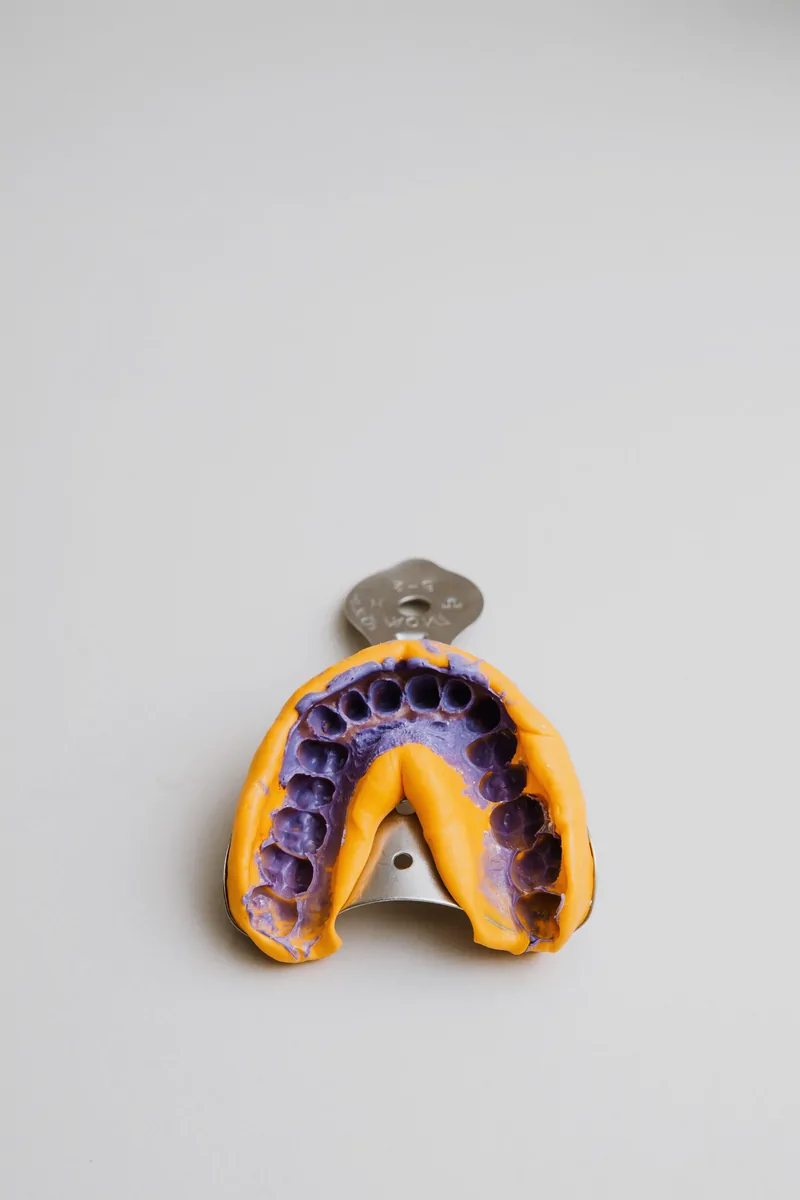
The tooth surface is conditioned and a bonding agent applied. Composite resin is then placed in thin layers, each hardened with a curing light, so the material shrinks less and fits the cavity closely.
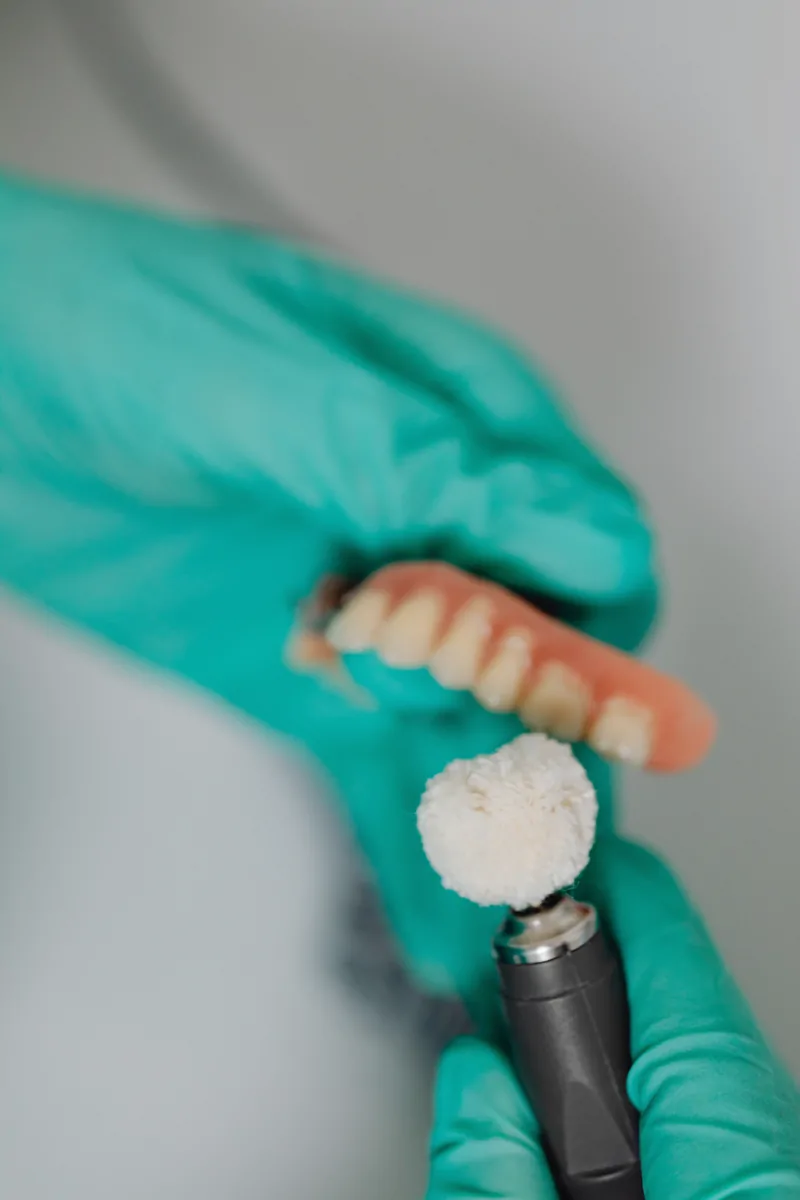
The filling is sculpted to restore natural grooves and contact with the neighbouring tooth. Your bite is checked with marking paper and adjusted, then the surface is polished to a smooth finish.
Gallery
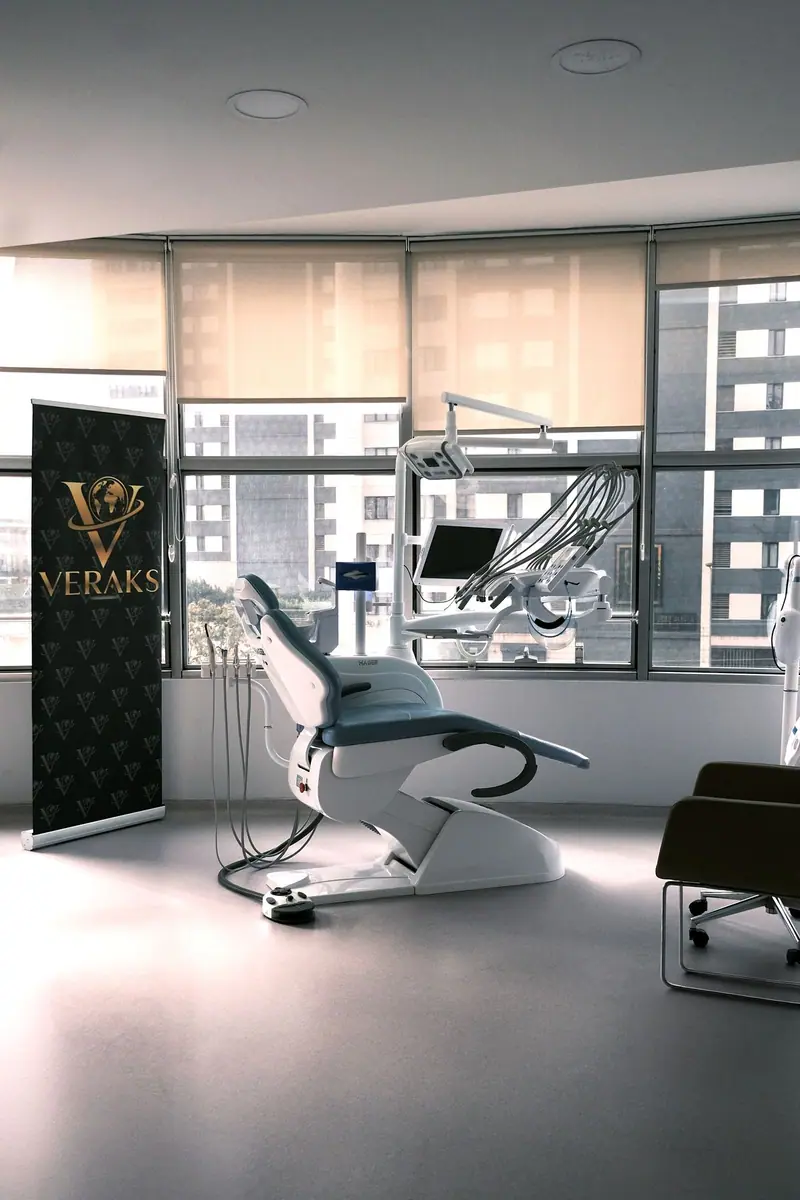
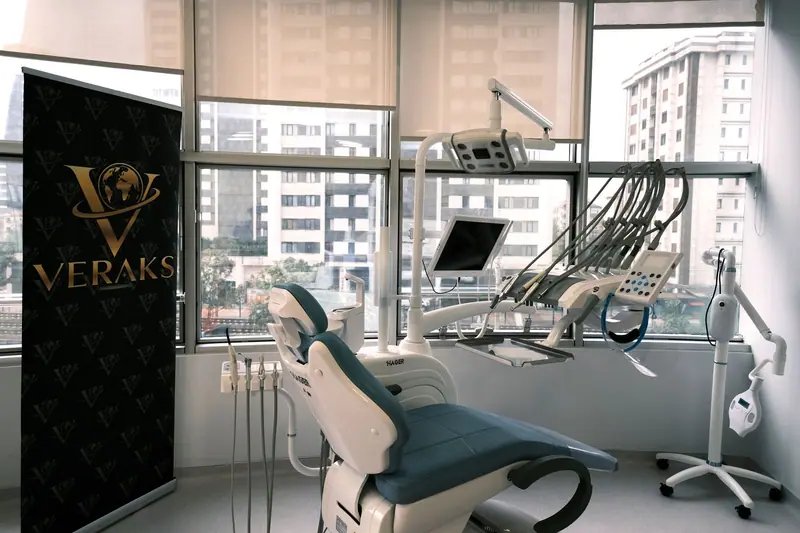



Before & after treatment
Before you travel
Afterwards
In their words
Dental patients describe their experience — from the first conversation to aftercare.
All patient reviewsGoogle reviews
Spoken with us already? Share your experience on Google.
Honest reviews — good or critical — help the next person decide. We read every one and never offer anything in exchange.
Questions
General answers — your own plan always depends on an individual assessment.
All dental questionsThere is no fixed lifespan. It depends on the size of the filling, where it is in the mouth, how strongly you bite or grind and how well the area is cleaned. Regular check-ups help spot wear early.
Often, yes, particularly if they are cracked, leaking or have decay around them. Your clinician will explain whether replacement is advisable and whether a filling, inlay or onlay would suit the tooth most.
Some short-term sensitivity is common, especially after deeper fillings, as the nerve settles. If sensitivity is strong, lasts more than a couple of weeks or the tooth aches on its own, contact the clinic.
Composite is hardened with a light, so it is set when you leave. It is still wise to wait until the anaesthetic wears off before eating.
Composite is selected from a range of shades to blend with your tooth. It may look slightly different under some lighting, and it can stain over time like natural enamel.
Decay usually continues slowly through the enamel and then faster through the softer dentine beneath. Over time it can reach the nerve, cause pain or infection and require root canal treatment or a crown. Your clinician can explain how urgent treatment is for a particular tooth, as some very early lesions can be monitored.
Also available
Free consultation
Tell us what you would like to change. A coordinator replies personally and arranges a dentist’s review of your photos — free, without obligation.
A person replies. Monday to Saturday, Istanbul time.
VHFree consultation
A coordinator replies personally — free, no obligation.