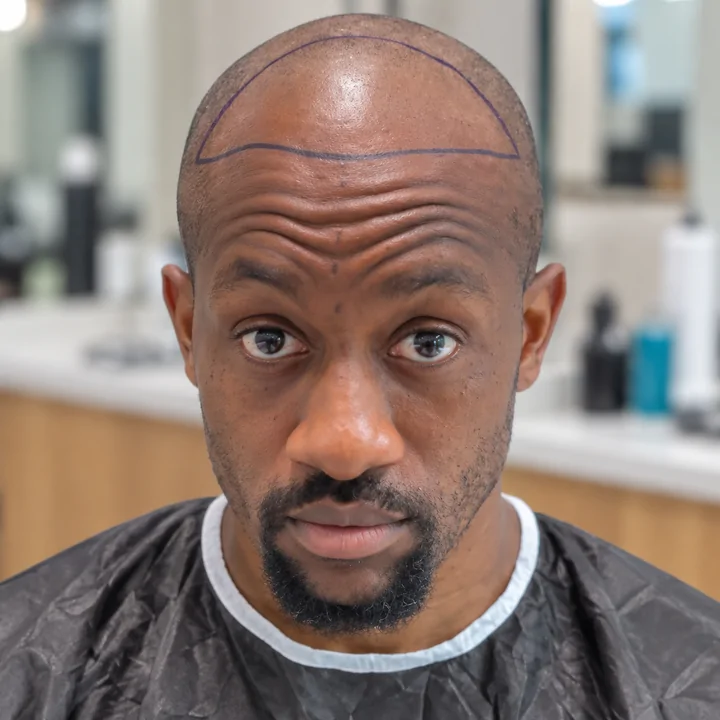

Afro hair transplant
Hair Restoration
Hair Transplant Revision in Turkey: correcting pluggy hairlines, low density, poor angles or donor scars, with honest advice on donor limits and realistic aims.

Free · no obligation
Leave your name and number — a coordinator replies personally.
A repair hair transplant, sometimes called corrective or revision hair transplantation, is surgery planned to improve the appearance of an earlier transplant. People seek it for many reasons: a hairline that looks too straight, too low or 'pluggy', density that feels thinner than hoped, grafts growing at awkward angles, visible scarring in the donor area, or a donor zone that looks thin because too many follicles were taken. Rather than a single technique, repair is a set of approaches – adding fine grafts, removing and redistributing poorly placed ones, or camouflaging scars – chosen to suit what is actually there.
Repair work is often more demanding than a first procedure. Scar tissue from earlier surgery may affect blood supply and how well new grafts settle, and the donor area may already have given a significant share of its follicles. Your clinician will therefore look closely at what remains before suggesting anything, and may advise that some issues can be softened rather than fully reversed.
In some situations surgery is not the most sensible next step. Scalp micropigmentation, medical therapy to support existing hair or simply allowing more time for growth may be discussed as alternatives or additions. If this option is relevant to you, availability at our clinic and your suitability are confirmed during your consultation.
What it can help with
Results · before & after
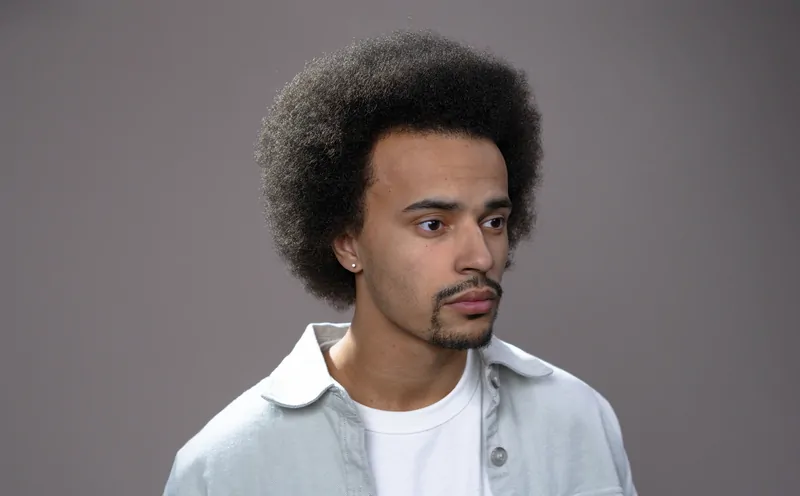
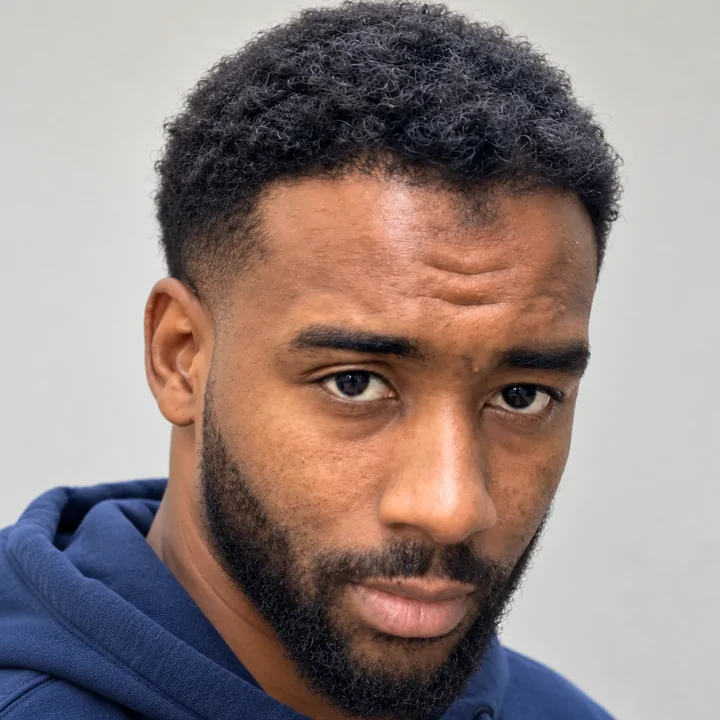
Before and after photographs from hair transplant revision and related treatments at our clinic in Istanbul. Drag the handle to compare each pair.
All hair results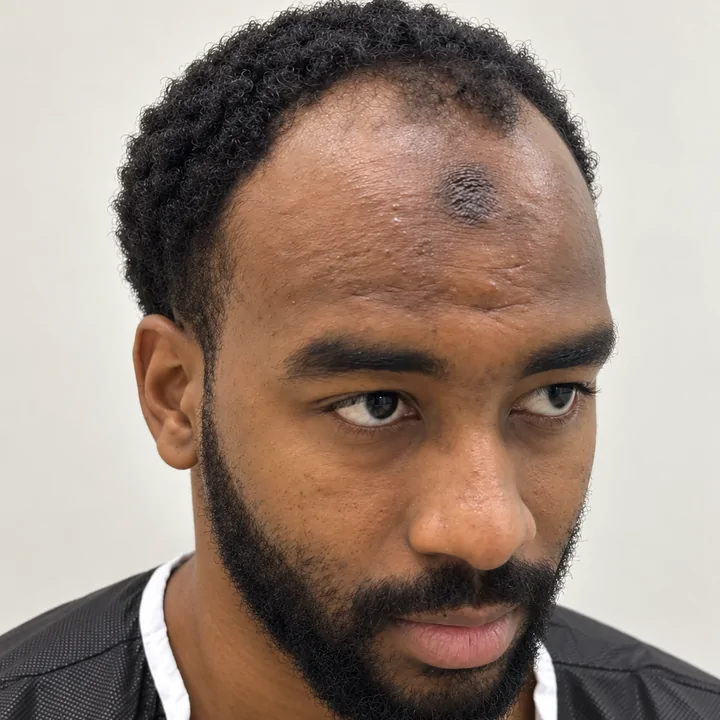
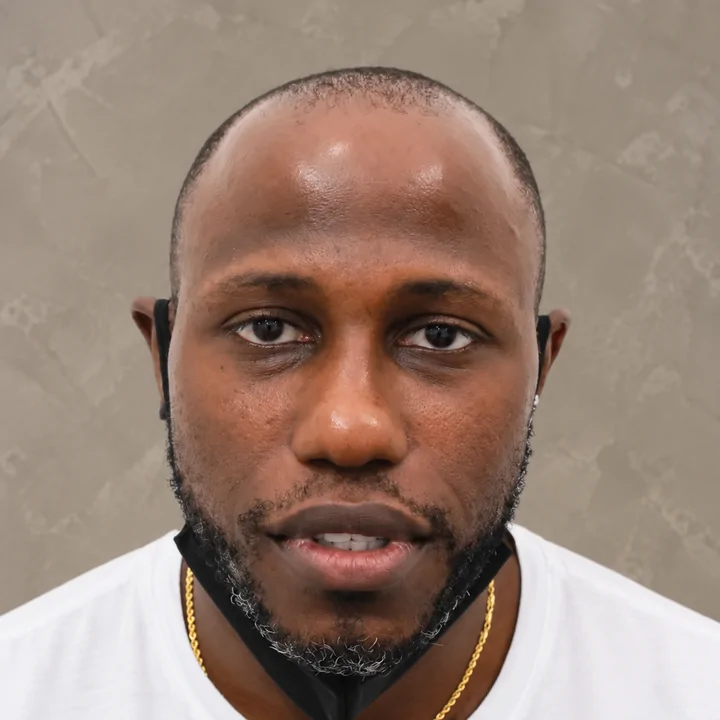
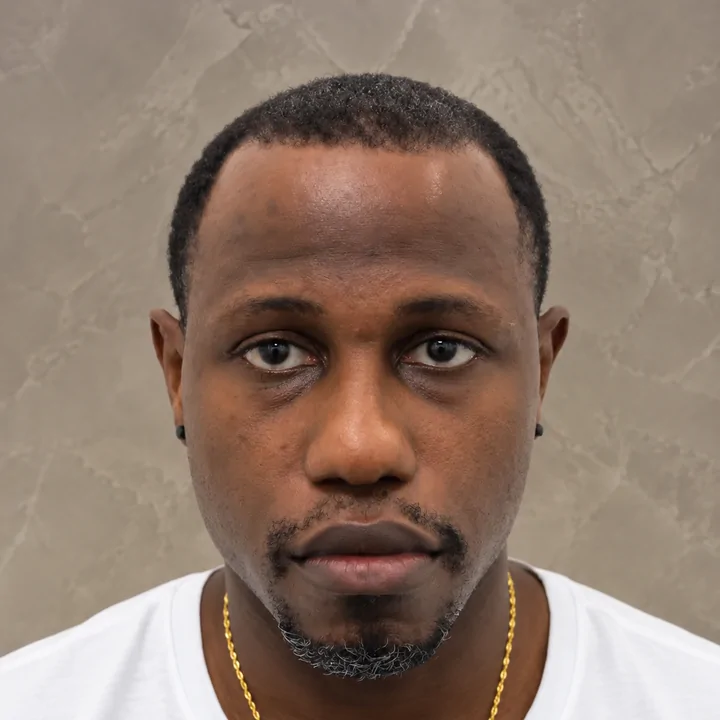
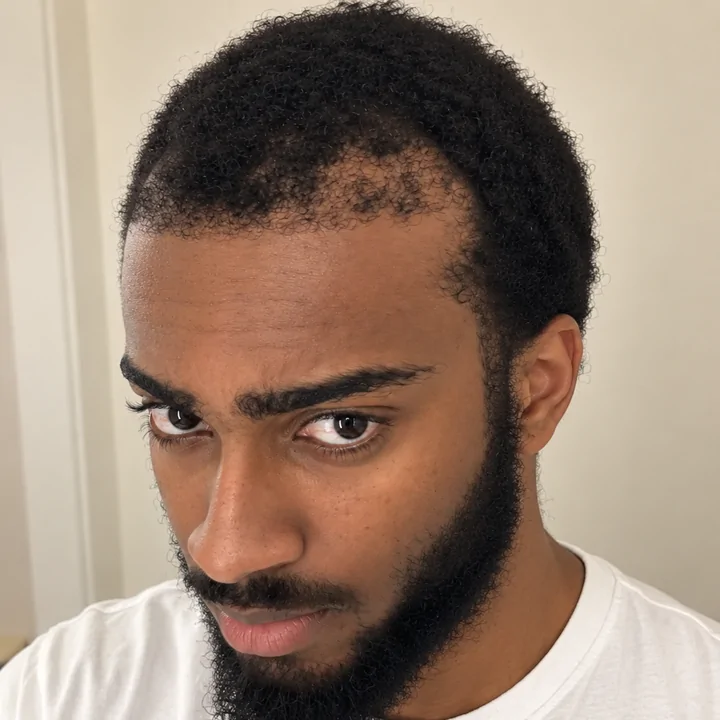
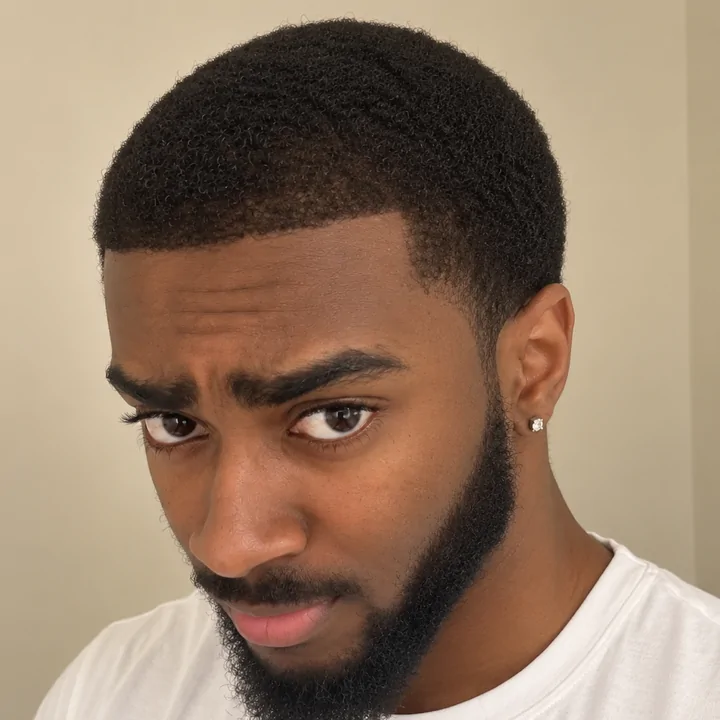
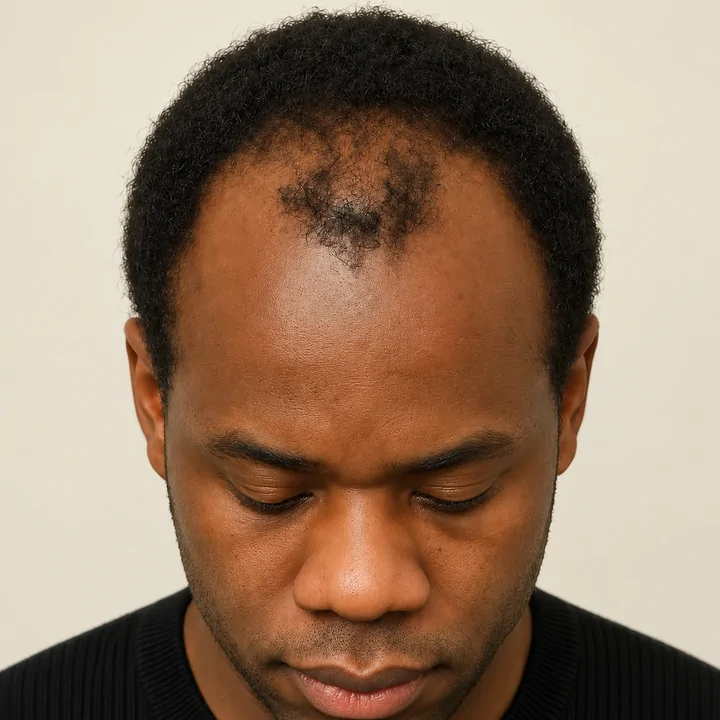
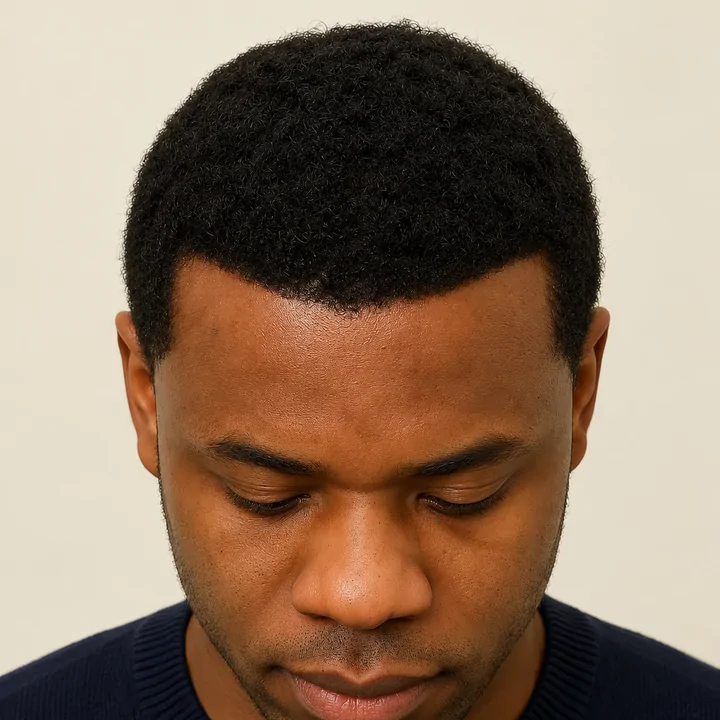
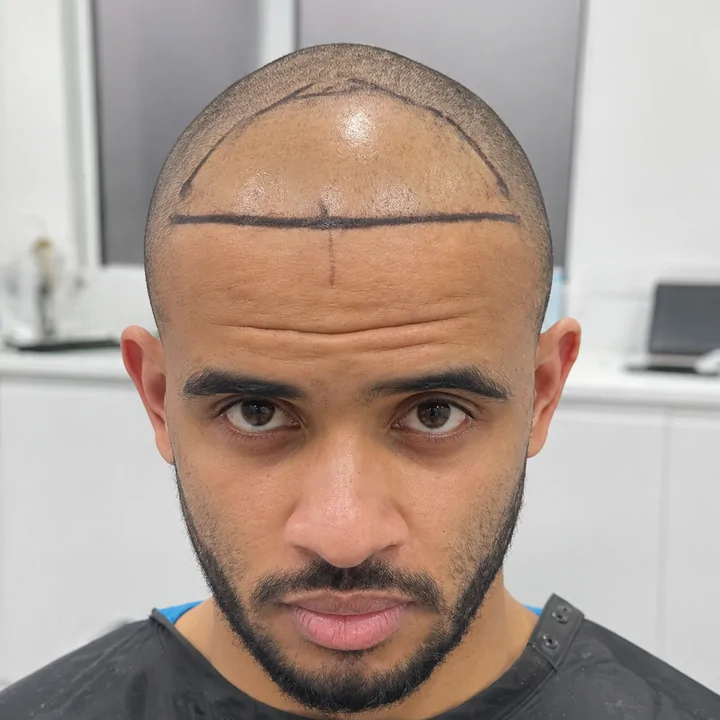
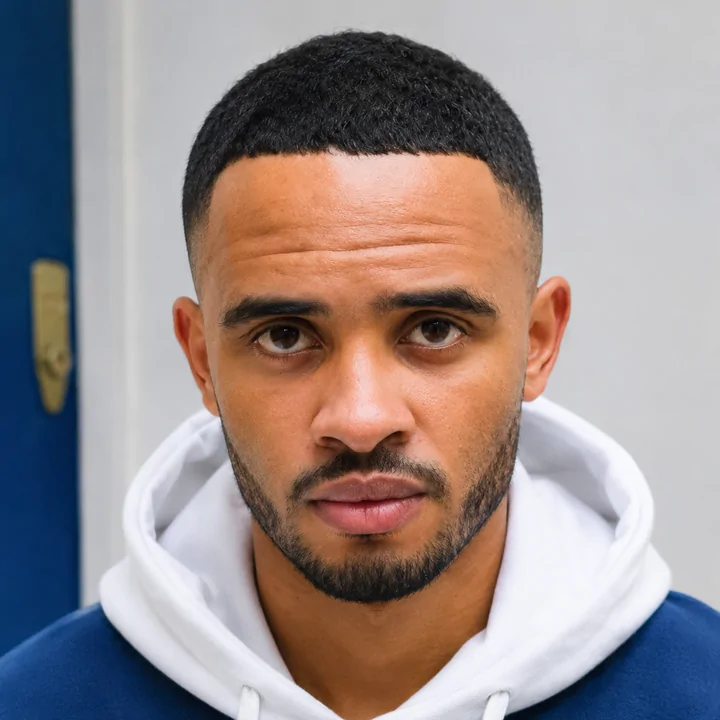

Repair may be considered when an earlier result has had enough time to mature – often at least a year – and when the specific concern has been identified clearly. Your clinician will assess whether correction is feasible and whether the benefits are likely to outweigh the use of further donor hair.
Often a good fit
Assessed carefully
Honest information
The procedure
Corrective work calls for patience and honesty. The approach is described here in general terms and focuses on understanding the earlier result before adding to it.

You are asked about the earlier surgery – when it was done, the method used and, if available, the number of grafts. Photographs and any records you have can be very helpful at this stage.

The recipient and donor areas are examined, often with magnification, to judge scar tissue, graft angles, remaining density and how much donor hair might still be used without causing further thinning.
Your clinician explains what may be improved, what may only be softened and what may be beyond correction. The plan may involve one stage or several, and may include non-surgical options.

Poorly placed or oversized grafts may be extracted individually. Where possible, they are divided and re-used elsewhere, so that hair is not wasted.
Fine grafts are placed to soften the hairline, fill gaps or redirect the overall flow of hair. Grafts may also be placed into donor scars to help disguise them.

After healing, progress is reviewed over the following months. Further refinement is only considered once growth from the current stage has matured and donor supply has been reassessed.
Gallery


A first transplant usually starts with an untouched donor area and unscarred scalp, so planning centres on design and long-term coverage. A repair transplant starts with someone else’s decisions already in place. The clinician may need to work around scar tissue, existing grafts at unhelpful angles and a donor zone that has already been used, sometimes heavily. Techniques such as FUE or DHI are still used, but they may be combined with selective graft removal, redistribution or scar camouflage, and supplementary donor sources may be discussed. Because the starting point is more complex, aims are often more modest and plans more often staged than with a first procedure.
Before & after treatment
Before you travel
Afterwards
In their words
Hair transplant patients describe their experience — from the first conversation to aftercare.
All patient reviewsGoogle reviews
Spoken with us already? Share your experience on Google.
Honest reviews — good or critical — help the next person decide. We read every one and never offer anything in exchange.
Questions
General answers — your own plan always depends on an individual assessment.
All hair questionsIt is generally advisable to wait until the earlier result has matured, which is often around 12 months or more. Judging too early may lead to correcting something that would have improved with time.
It can often be improved. Large grafts at the front may be removed or divided, and fine single-hair grafts placed in front of or between them to soften the edge. How much improvement is possible depends on your donor supply and scalp condition.
Options may be more limited. Your clinician will assess whether any safe extraction remains, whether body or beard hair might help, or whether non-surgical camouflage such as scalp micropigmentation is more sensible.
Sometimes. Grafts can be placed into a strip or dot scar to help disguise it, and scalp micropigmentation may reduce colour contrast. Growth in scar tissue can be less predictable than in normal scalp.
Some repairs are completed in one stage, while others are planned in steps so that each stage can heal and grow before the next is decided. Your clinician will explain what is likely in your case.
Not always. Some issues can be fully addressed, some only softened, and a few may be beyond meaningful correction. An honest assessment before surgery is an important part of the process.
Also available
Free consultation
Tell us what you would like to change. A coordinator replies personally and arranges a hair specialist’s review of your photos — free, without obligation.
A person replies. Monday to Saturday, Istanbul time.
VHFree consultation
A coordinator replies personally — free, no obligation.