Dental implants
General Dentistry
Teeth Cleaning in Turkey: how scaling, polishing and gum checks work, who may benefit, what it feels like and how to keep teeth clean at home.
Free · no obligation
Leave your name and number — a coordinator replies personally.
Professional teeth cleaning — often called a scale and polish — removes plaque and calculus (tartar) from tooth surfaces, along the gumline and just beneath it. Plaque is a soft bacterial film that hardens into calculus within days when it is not fully removed. Once hardened, it bonds to the tooth and can no longer be brushed away, and its rough surface allows more plaque to collect, irritating the gums.
During cleaning, a clinician uses an ultrasonic scaler — a fine tip that vibrates and sprays water — to break up hard deposits, followed by hand instruments to refine areas the ultrasonic tip cannot reach well. Teeth are then polished to smooth the surfaces and remove surface stain from coffee, tea, red wine or tobacco. In some cases an air-polishing system using a fine powder and water spray may be used to lift staining.
A cleaning appointment is also a chance to assess gum health. Measuring the small gaps between gums and teeth helps identify whether a routine clean is enough or whether deeper periodontal treatment may be recommended. Cleaning is frequently done before cosmetic work such as whitening, veneers or crowns, so that shade matching and gum margins are assessed on a healthy baseline.
What it can help with
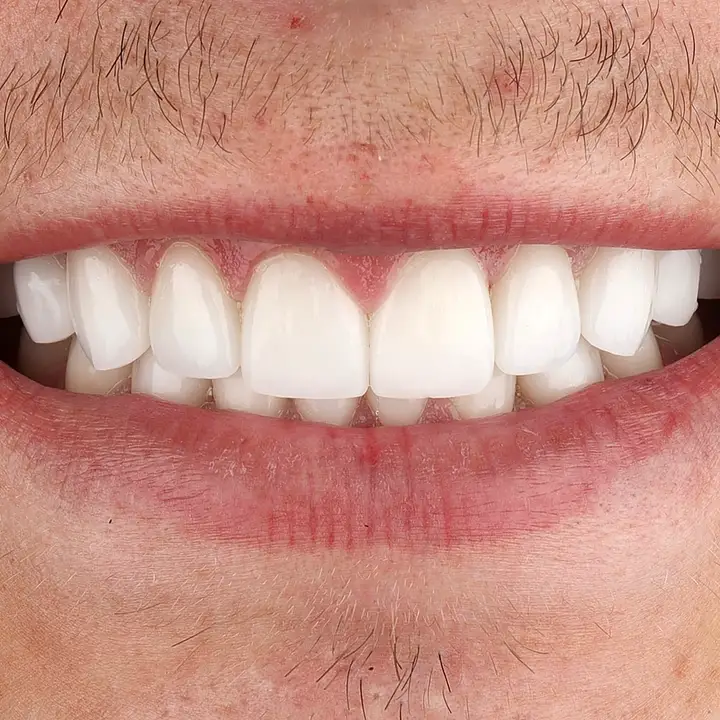
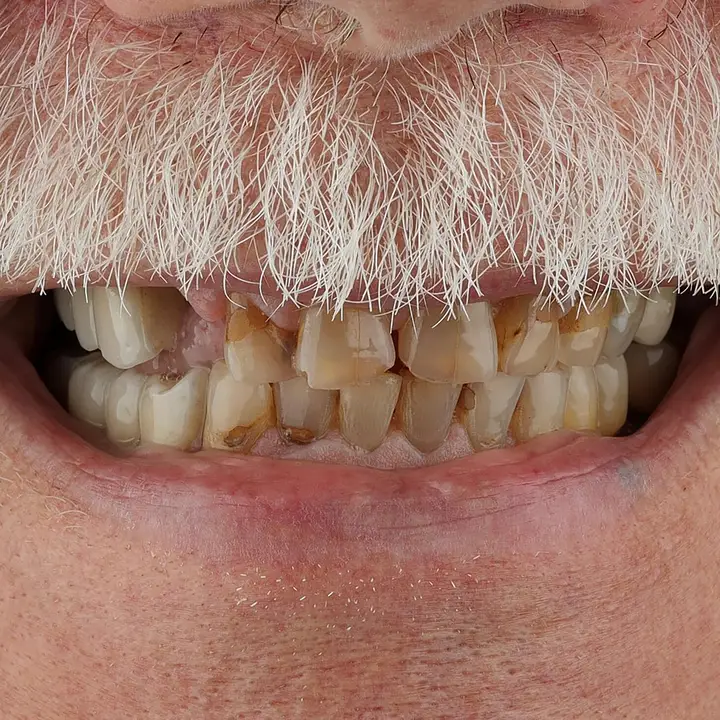
Results · before & after
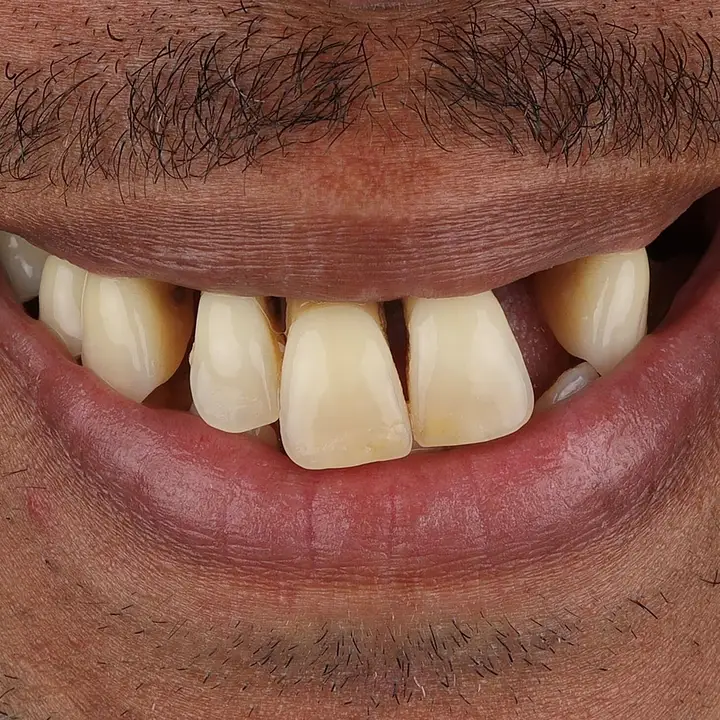
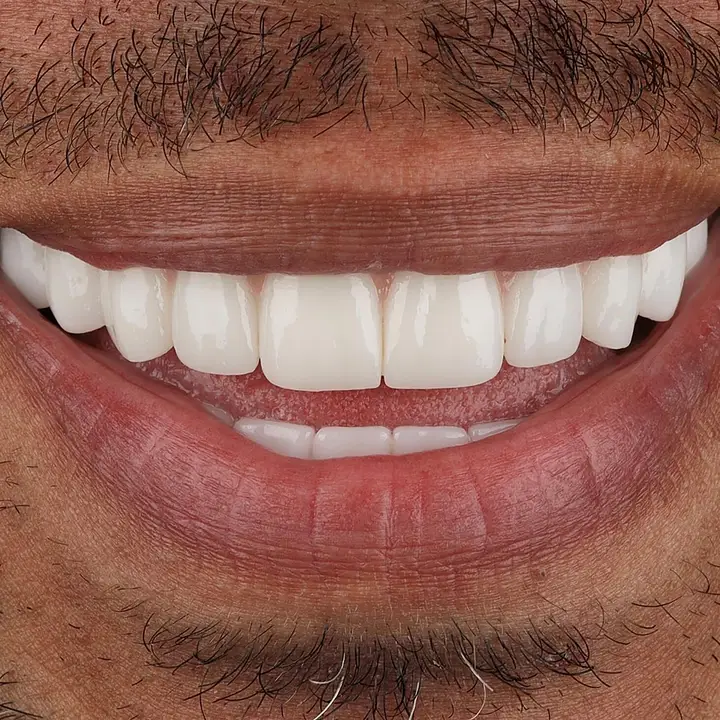
Before and after photographs from teeth cleaning and related treatments at our clinic in Istanbul. Drag the handle to compare each pair.
All dental results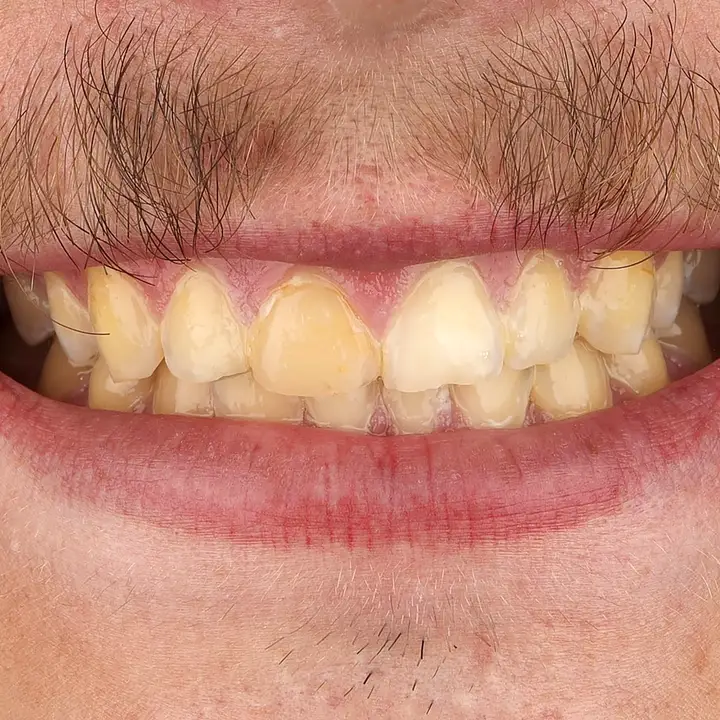
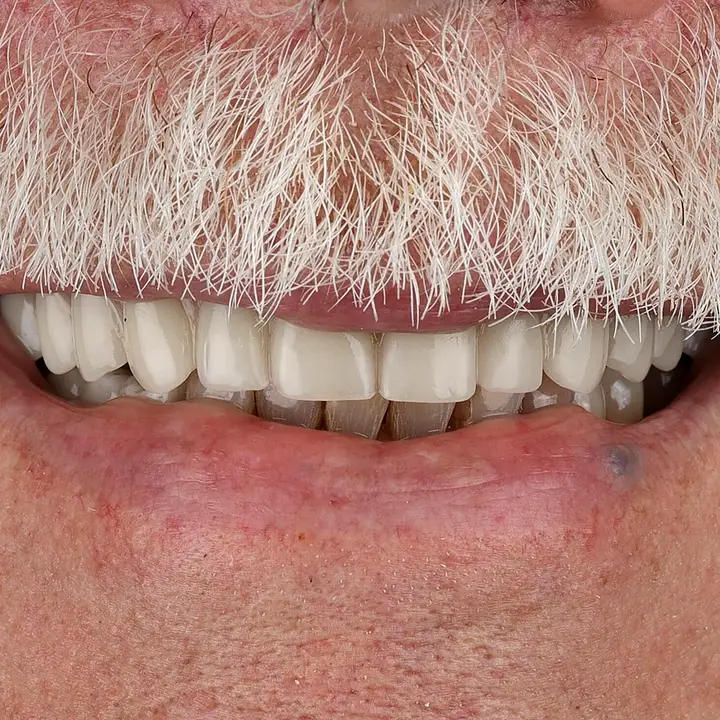
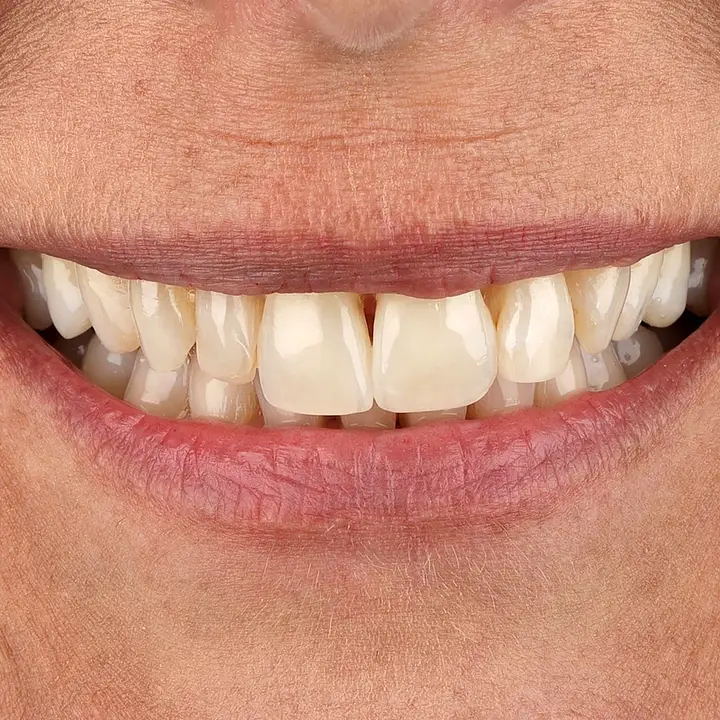
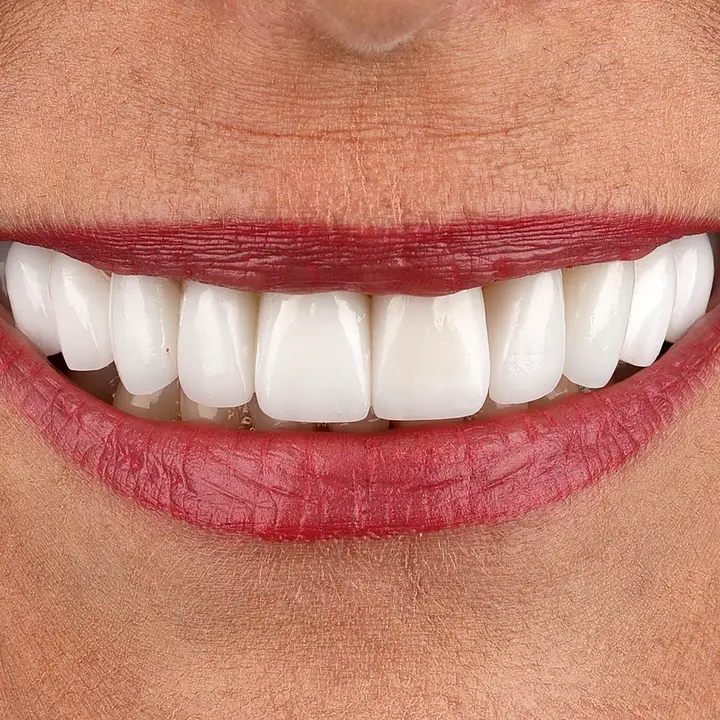
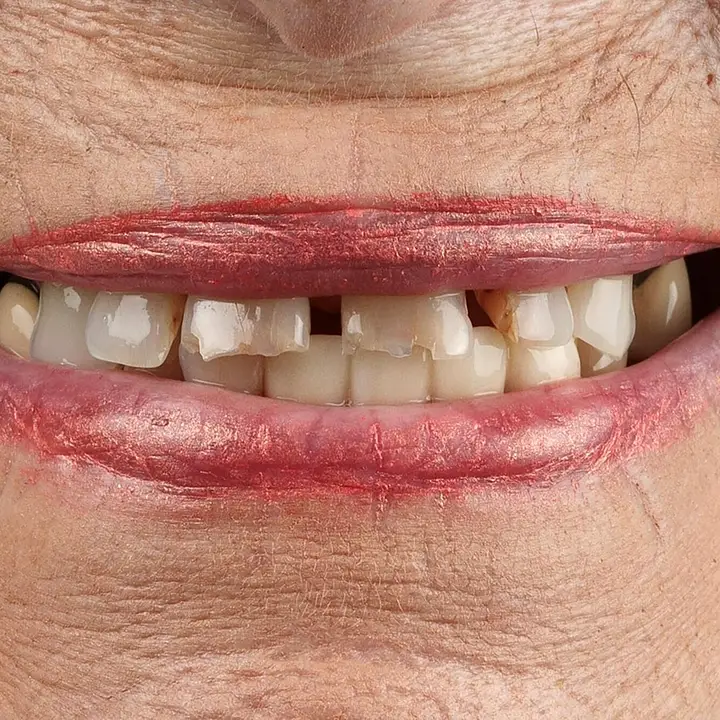
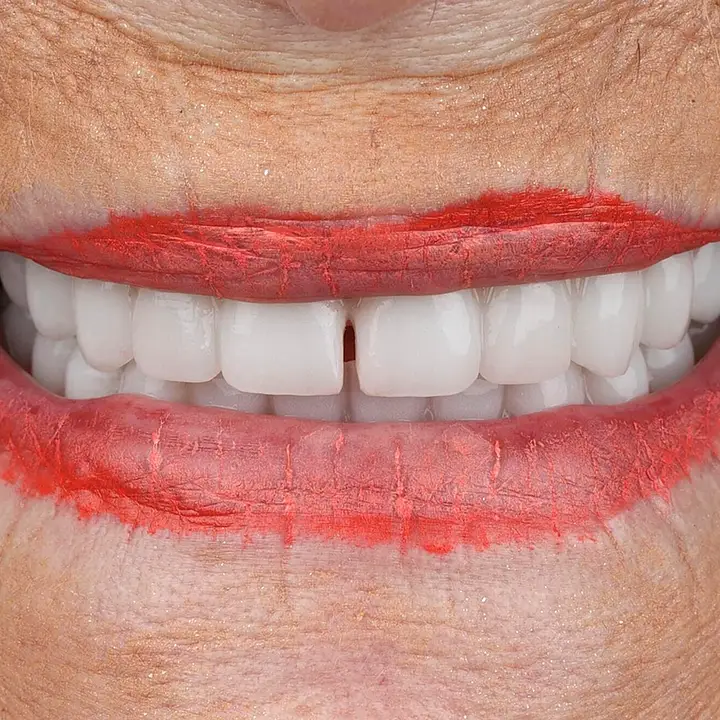
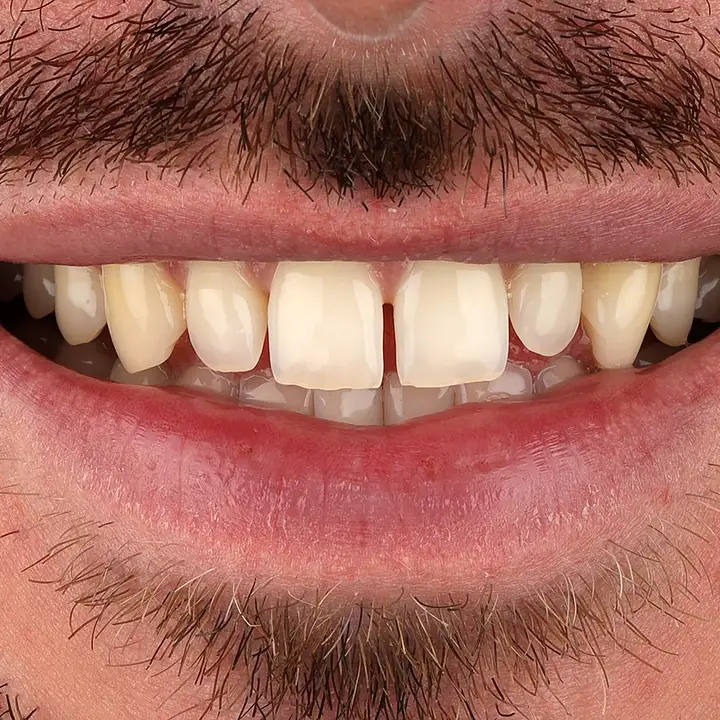
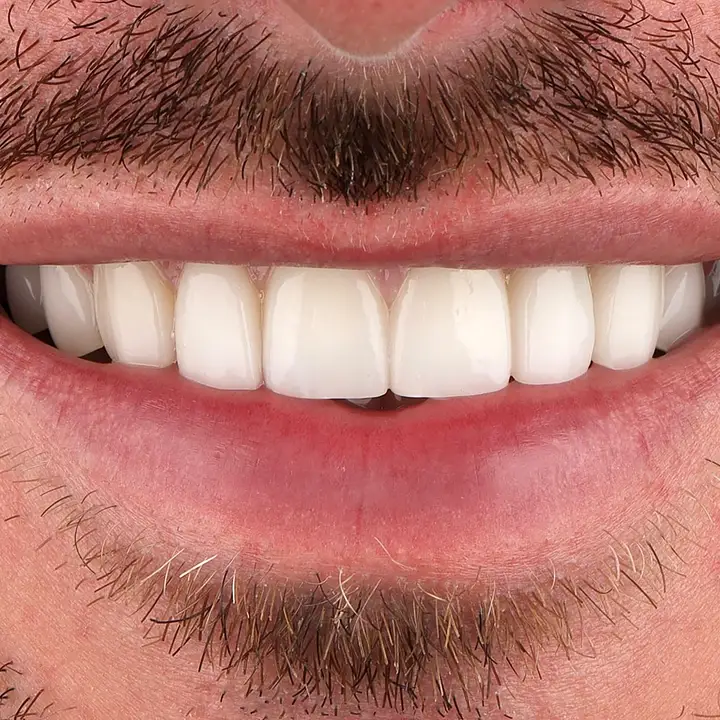
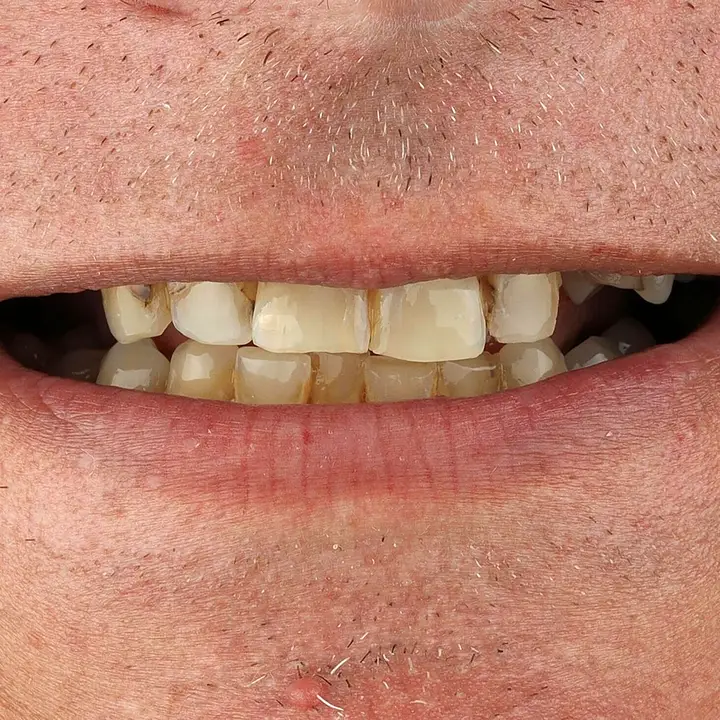
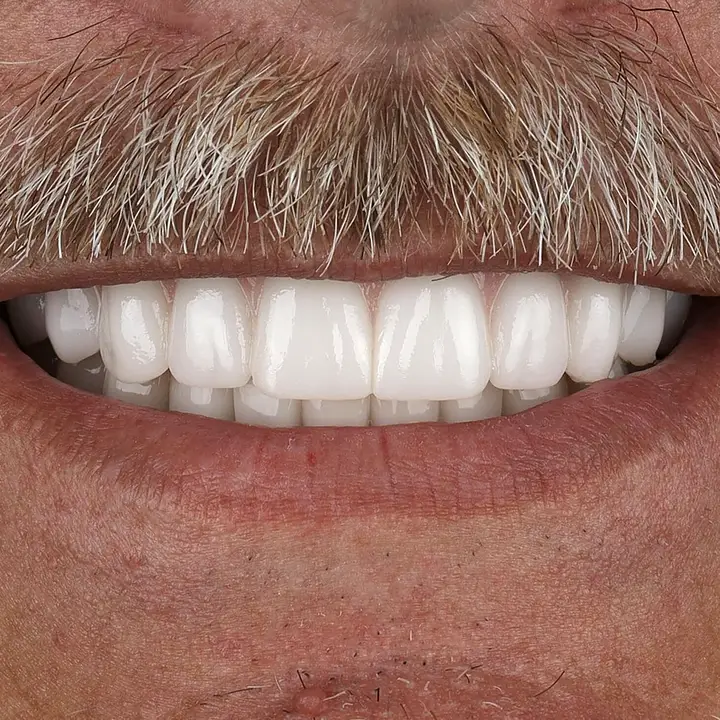
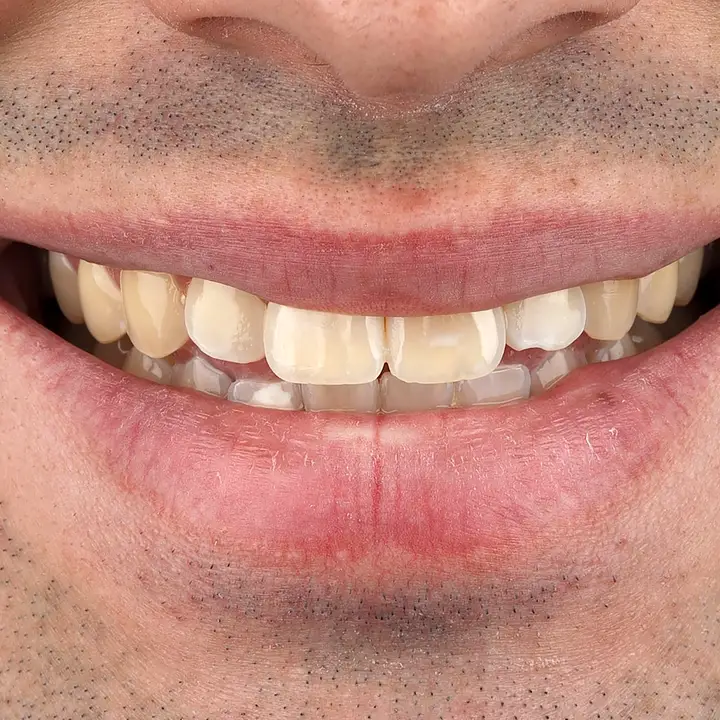
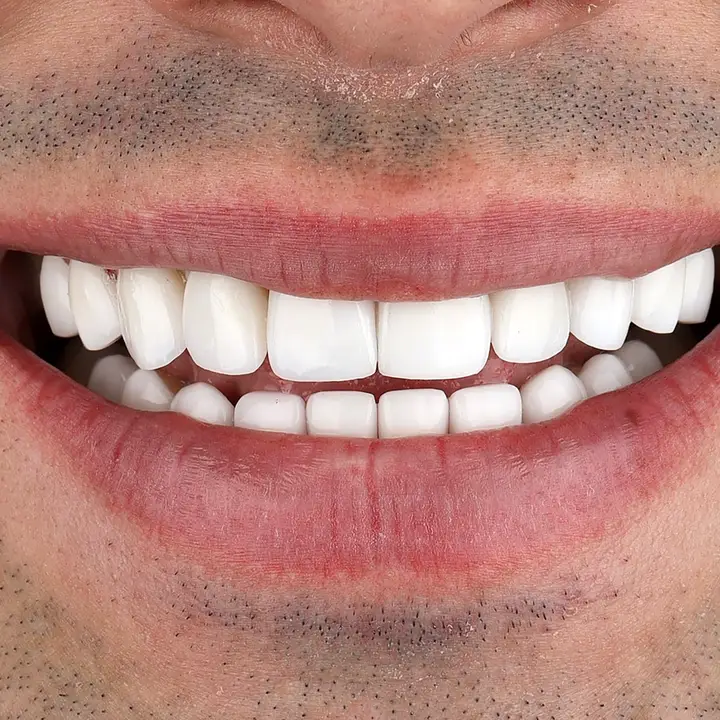

Most people can benefit from periodic professional cleaning, including those with crowns, implants or orthodontic appliances. The type of clean recommended depends on what your clinician finds when examining your gums.
Often a good fit
Assessed carefully
Honest information
The procedure
Cleaning is treated as part of assessing your mouth, not only as a polish, so that any gum or tooth problems are spotted early and treatment is planned on a healthy base.
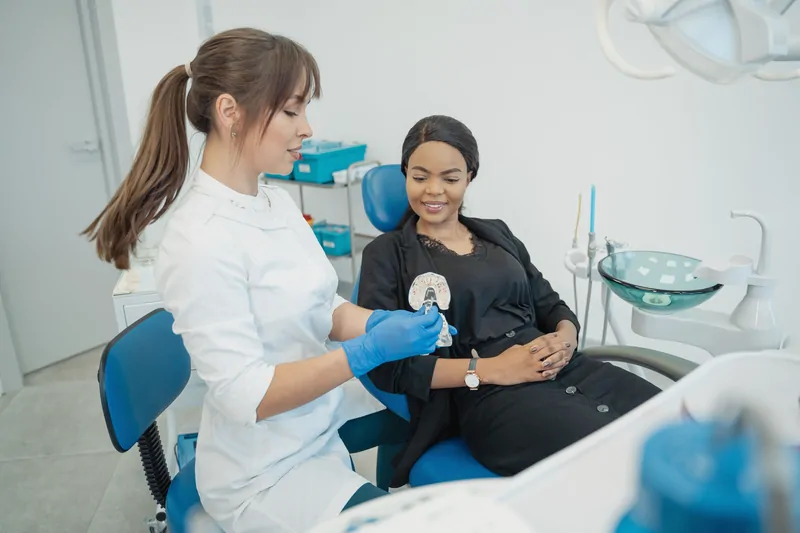
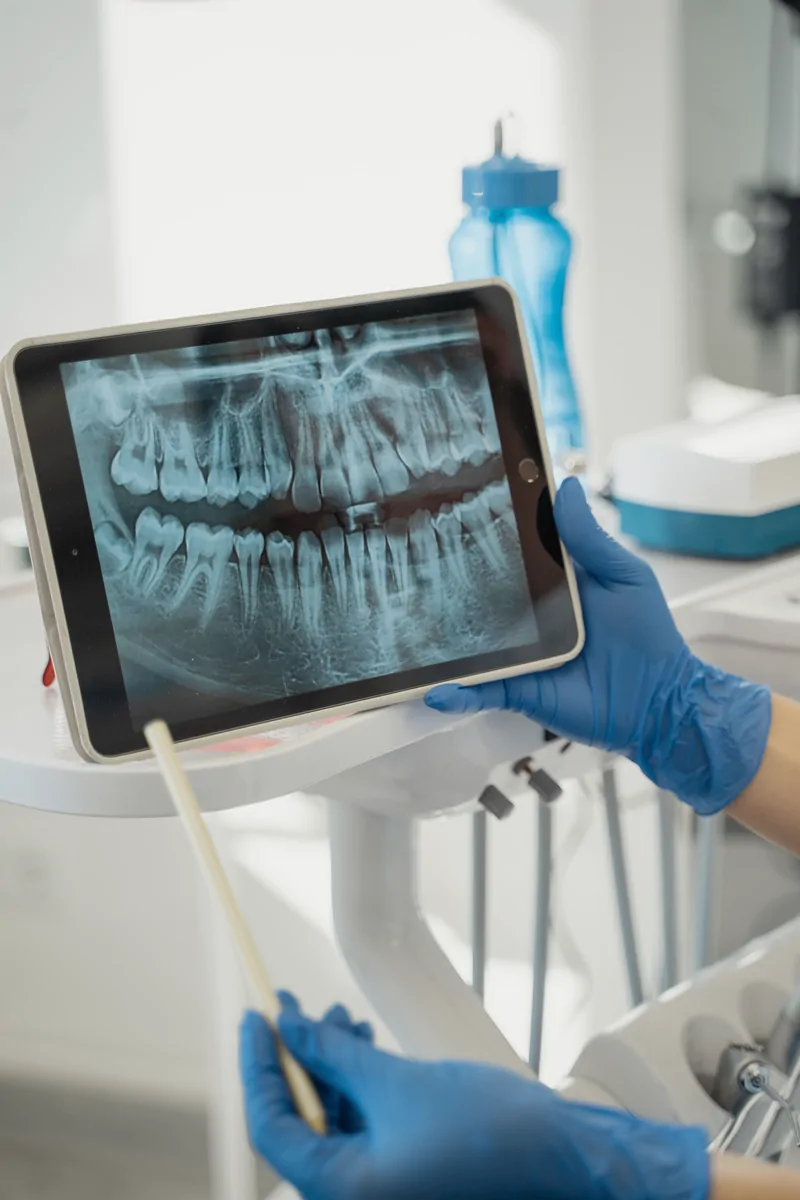
Your clinician looks at your teeth, gums and existing restorations and may gently measure gum pocket depths. X-rays may be suggested if you have none recent, to look for hidden tartar, bone loss or decay between teeth.
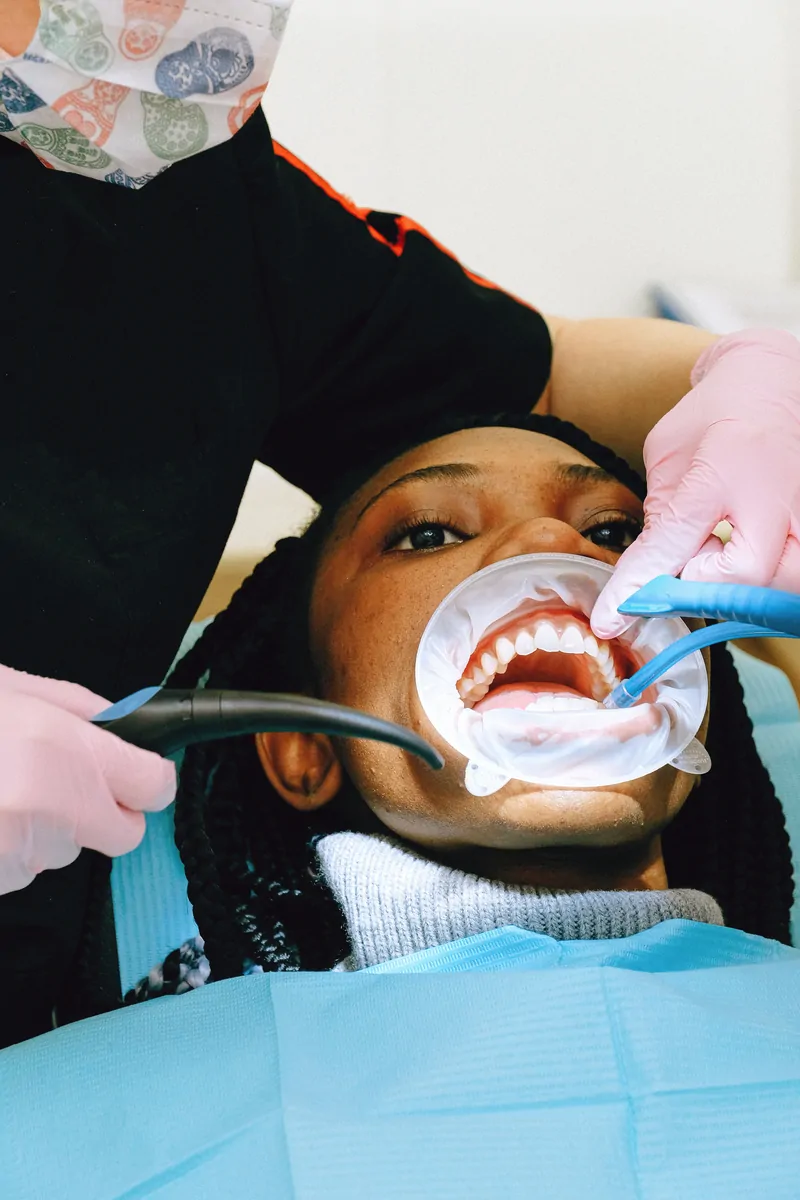
A vibrating ultrasonic tip with a cooling water spray breaks up calculus on the tooth surfaces and at the gumline, while suction removes water and debris. You may notice a buzzing sensation and some sensitivity on exposed root surfaces.
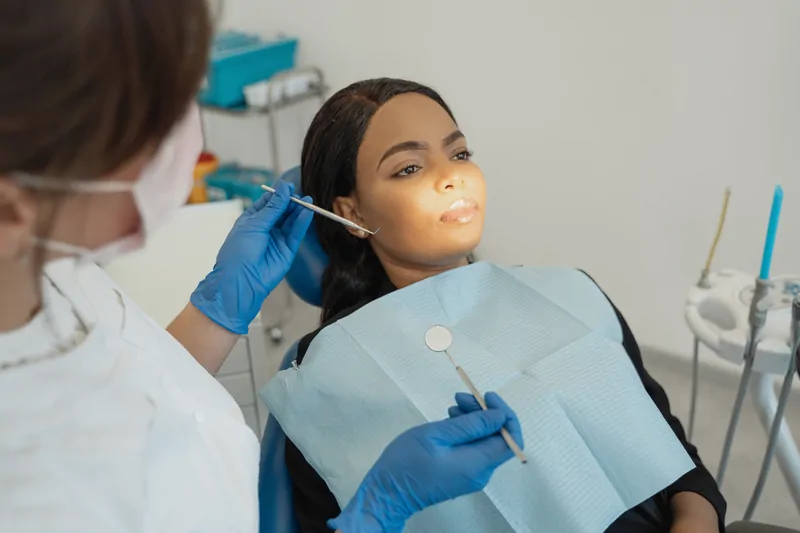
Fine hand instruments remove remaining deposits from between the teeth and around contours that the ultrasonic tip does not reach as well, leaving the surfaces smooth to the touch.
A rotating rubber cup with a gritty polishing paste, or an air-polishing spray of fine powder and water, removes surface stain and smooths the enamel so plaque is slower to re-attach.
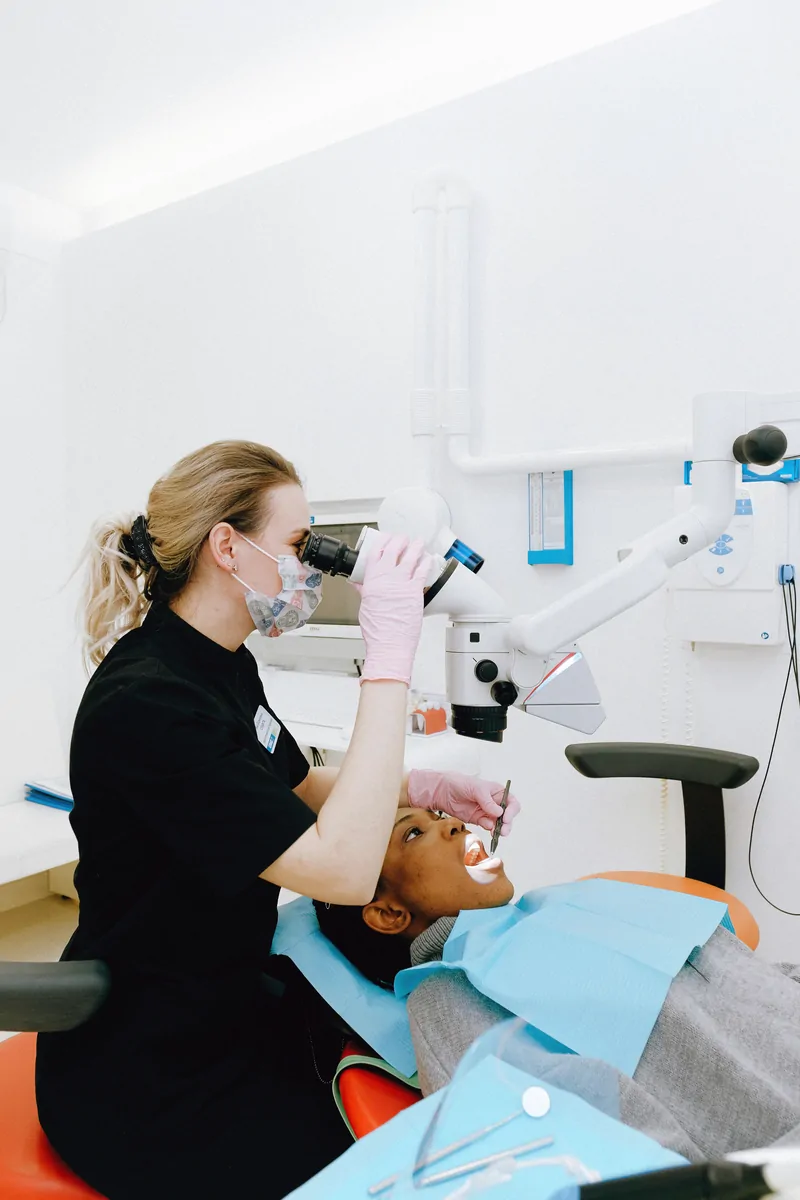
You are shown any areas where plaque tends to collect and how to reach them with brushing, interdental brushes or floss. Your clinician may suggest a fluoride product and a recall interval suited to your gum health.
Gallery



Before & after treatment
Before you travel
Afterwards
In their words
Dental patients describe their experience — from the first conversation to aftercare.
All patient reviewsGoogle reviews
Spoken with us already? Share your experience on Google.
Honest reviews — good or critical — help the next person decide. We read every one and never offer anything in exchange.
Questions
General answers — your own plan always depends on an individual assessment.
All dental questionsMost people find cleaning comfortable, though it can feel sensitive where gums are inflamed or roots are exposed. If you find it uncomfortable, tell your clinician — local anaesthetic or a gentler technique can often be used.
Cleaning removes surface stain, which can make teeth look brighter, but it does not change the natural colour of the tooth. Whitening is a separate treatment if you would like a lighter shade.
Bleeding usually reflects inflammation caused by plaque and tartar. It often settles within a week or two of cleaning when combined with good home care. Persistent bleeding should be reviewed by your clinician.
A routine cleaning removes deposits above and just below the gumline. A deep cleaning treats deeper gum pockets and root surfaces, usually under local anaesthetic, and may be spread over more than one visit.
Many people are advised every six to twelve months, but those with gum disease, implants, braces or heavy tartar build-up may benefit from more frequent visits. Your clinician will recommend an interval.
Yes — cleaning is often scheduled at the start of a treatment plan so the gums are healthy and the shade of your teeth can be assessed accurately. Your coordinator can help arrange the order of appointments.
Also available
Free consultation
Tell us what you would like to change. A coordinator replies personally and arranges a dentist’s review of your photos — free, without obligation.
A person replies. Monday to Saturday, Istanbul time.
VHFree consultation
A coordinator replies personally — free, no obligation.