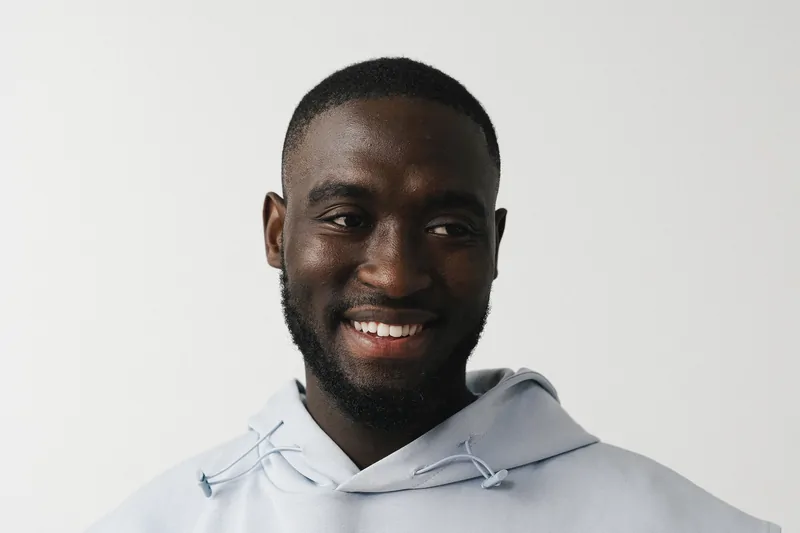

Afro hair transplant
Hair Transplant Methods
FUE Hair Transplant in Turkey: how follicles are extracted one by one, who may be a candidate, donor limits, growth phases, risks and recovery explained.
Free · no obligation
Leave your name and number — a coordinator replies personally.
Follicular unit extraction, usually shortened to FUE, is a surgical hair restoration method in which naturally occurring groups of one to four hairs – follicular units – are removed individually from the donor area with a small circular punch, typically less than a millimetre across. These grafts are then placed into tiny openings made in the thinning or bald areas. Because the hair at the back and sides of the scalp tends to be less sensitive to the hormone-driven process behind pattern hair loss, follicles moved from there often continue to grow in their new position, although this is not certain for every person.
FUE replaced the older strip method (FUT) as the most widely used approach in many clinics because it avoids a long linear scar. Instead, it leaves many small dot-like marks spread across the donor area, which are usually concealed once the hair grows back to a few millimetres or more. The recipient channels in FUE are commonly opened with fine steel blades or needles; variations on this stage are known as sapphire FUE and DHI.
An FUE transplant redistributes hair you already have – it does not create new follicles. The overall impression of density it can produce is shaped by how much donor hair is available, its thickness and curl, the colour contrast with your skin and how much area needs to be covered. A thoughtful plan balances visible change today with the possibility that you may lose more hair in future.
What it can help with
Results · before & after
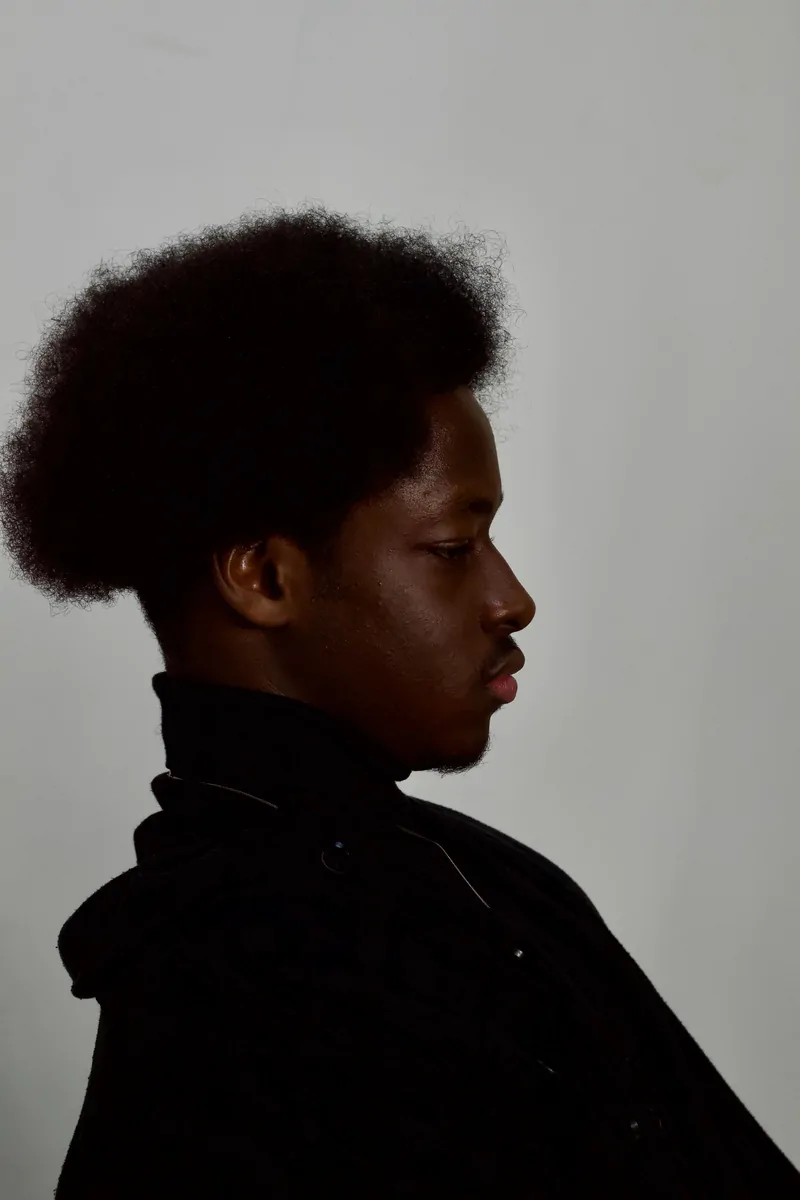
Before and after photographs from FUE hair transplant and related treatments at our clinic in Istanbul. Drag the handle to compare each pair.
All hair results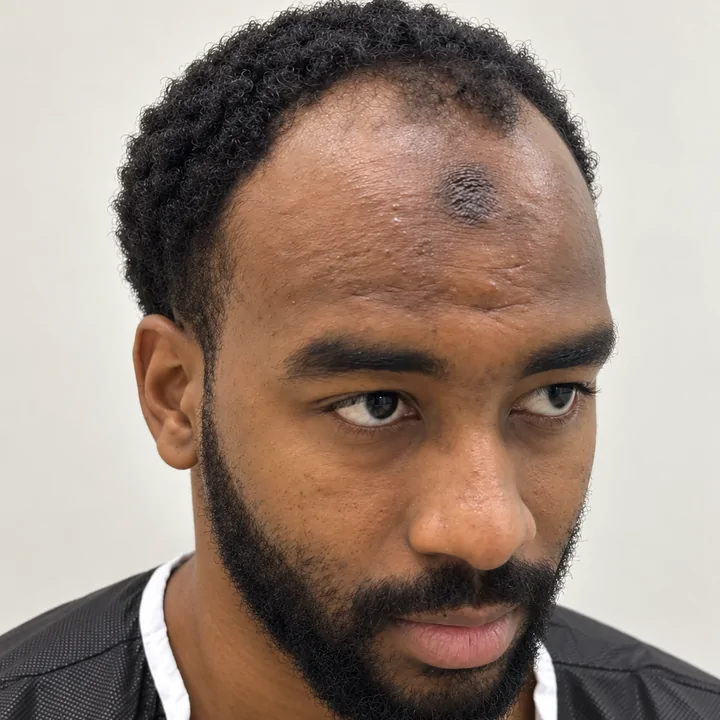
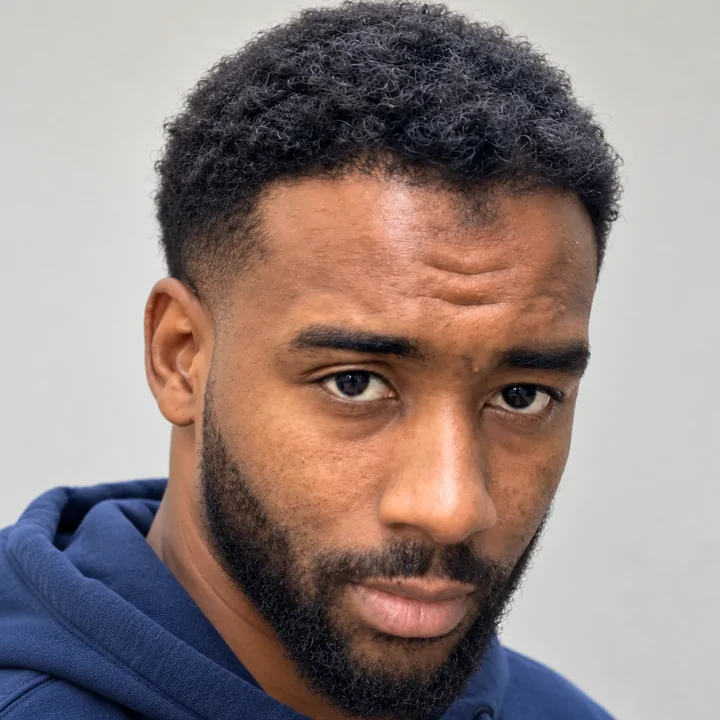
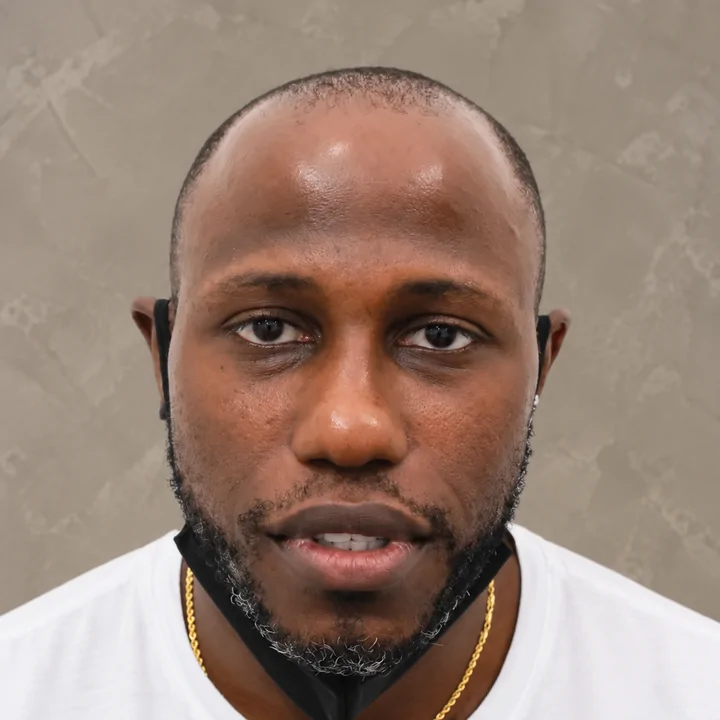
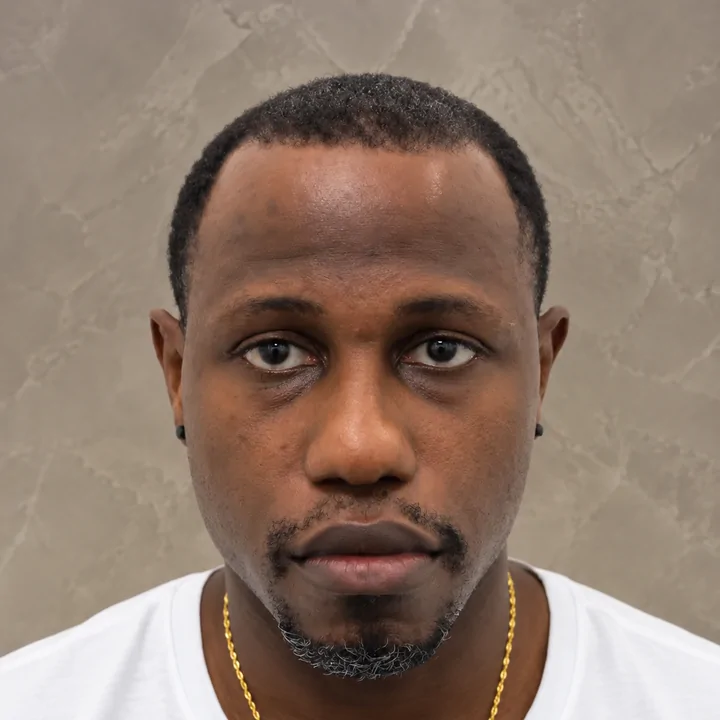
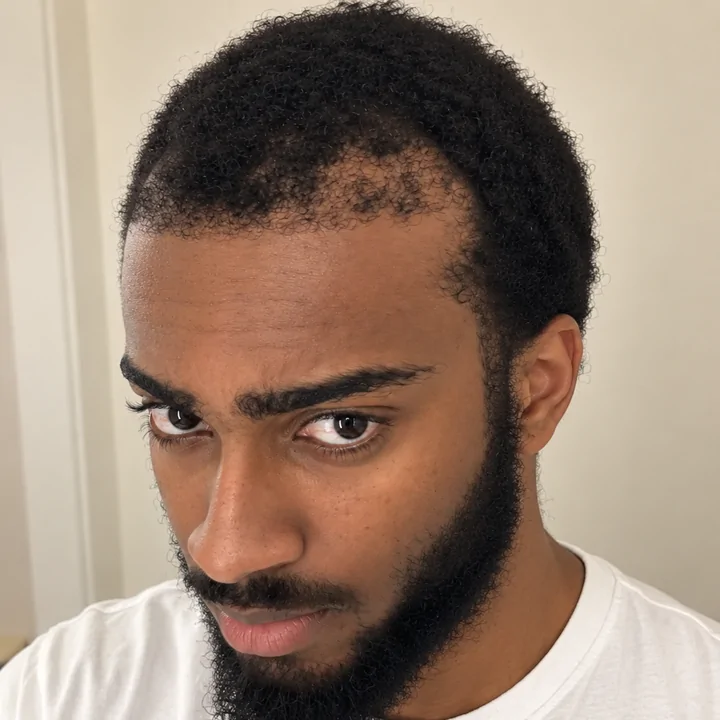
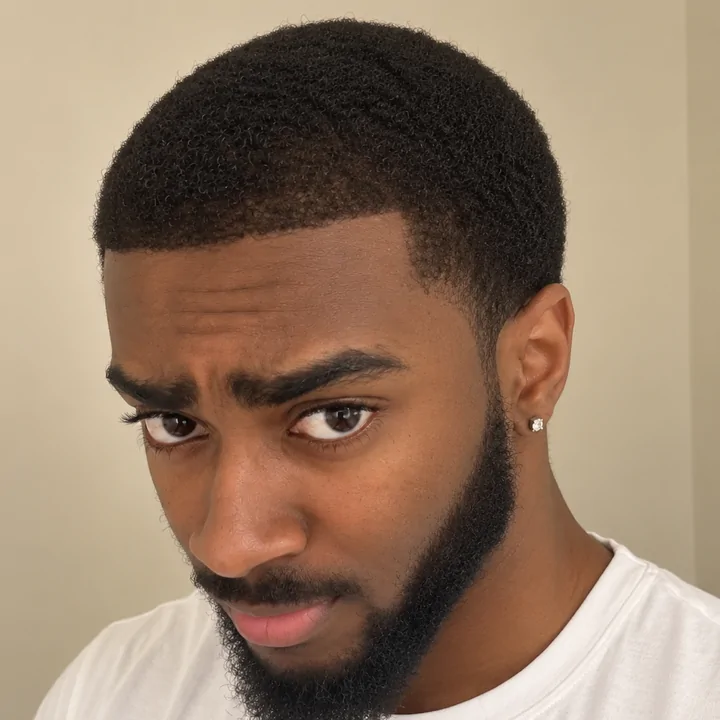
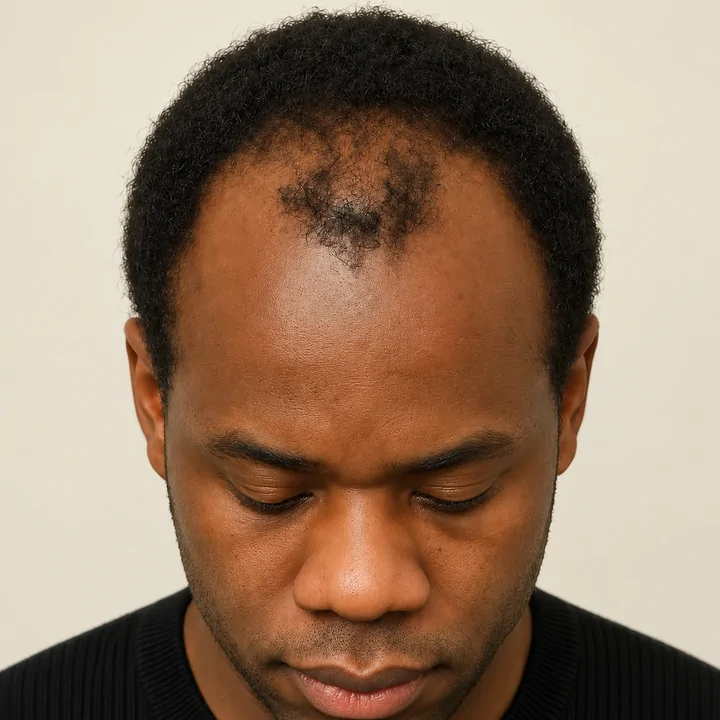
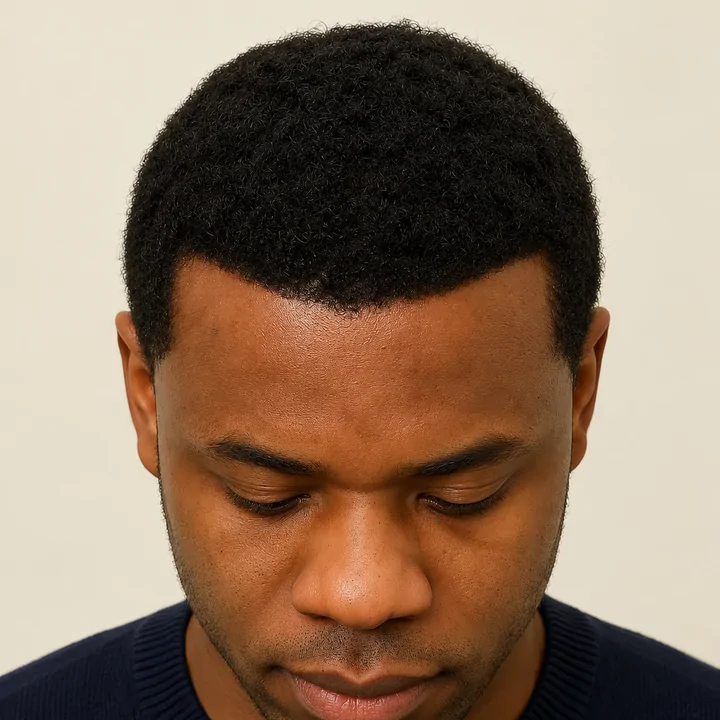
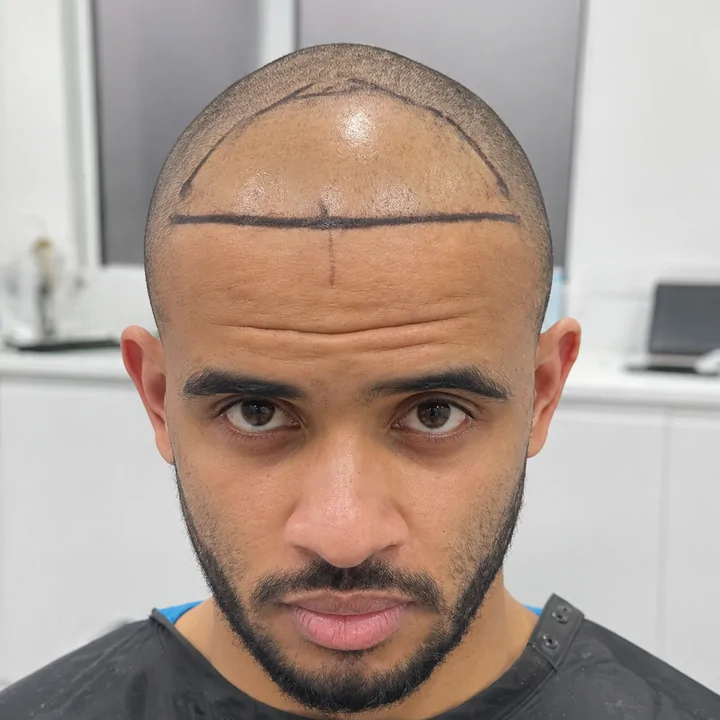
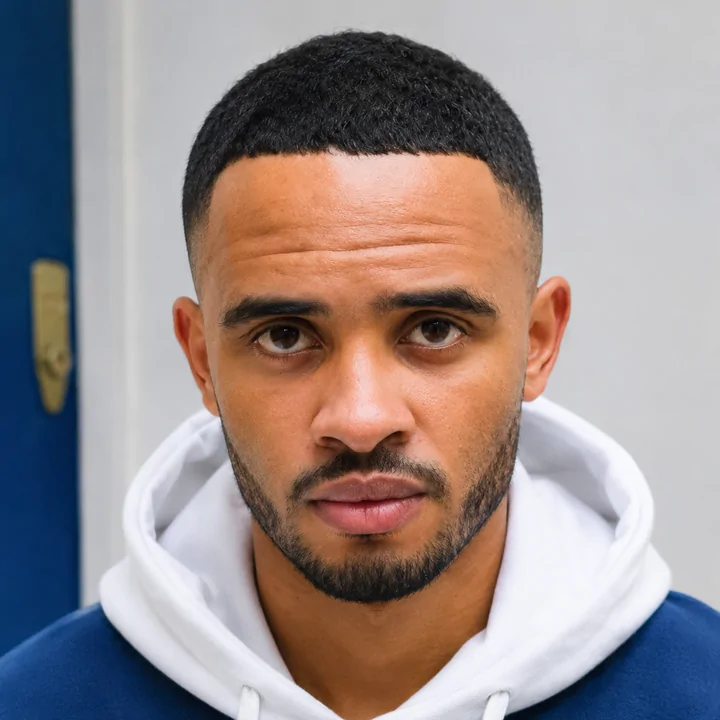
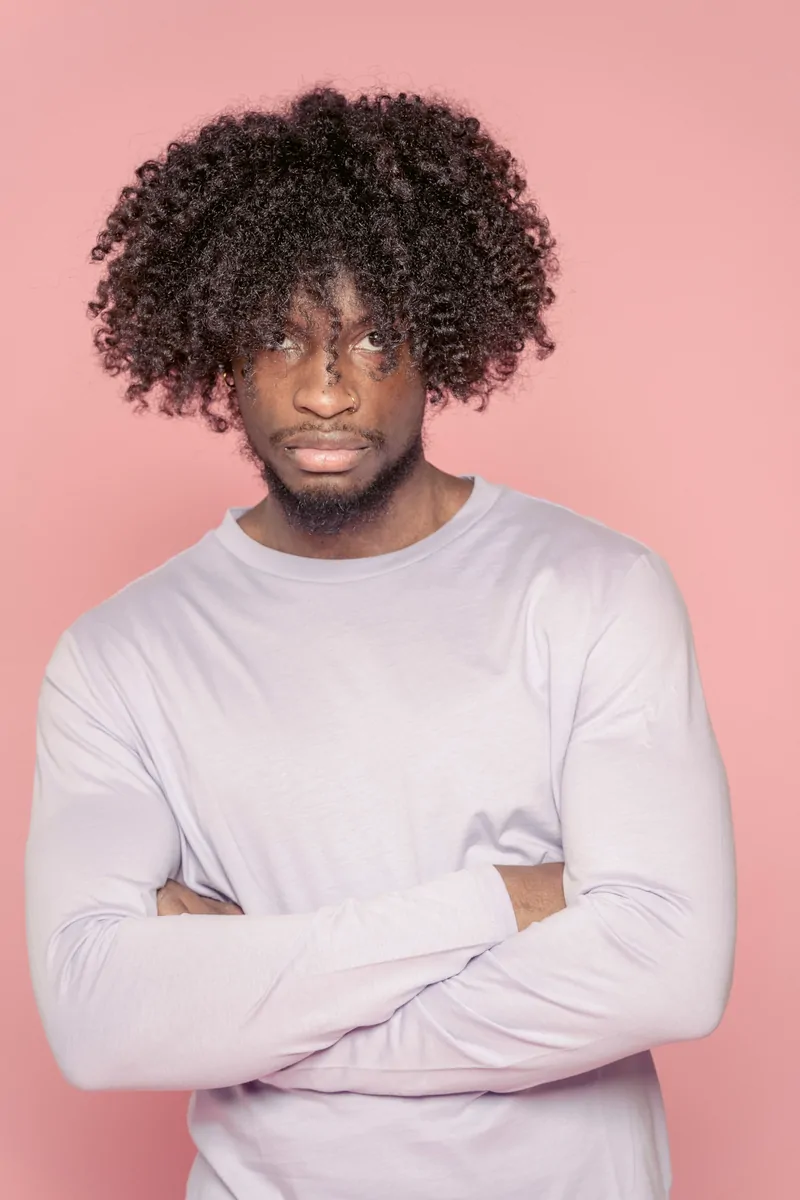
FUE may be considered when the cause of hair loss has been identified, the pattern is reasonably stable and the donor area can supply enough follicles without being over-harvested. Your clinician will also consider whether the result is likely to look natural if your hair loss continues.
Often a good fit
Assessed carefully
Honest information
The procedure
Good FUE is as much about restraint as it is about technique. The aim is to design for the long term, harvest carefully and explain what your donor area can and cannot achieve.

Your hair loss pattern, family history and medical background are reviewed, and the donor area is examined, often with magnification. Together you discuss priorities – usually the hairline first – and a provisional plan.

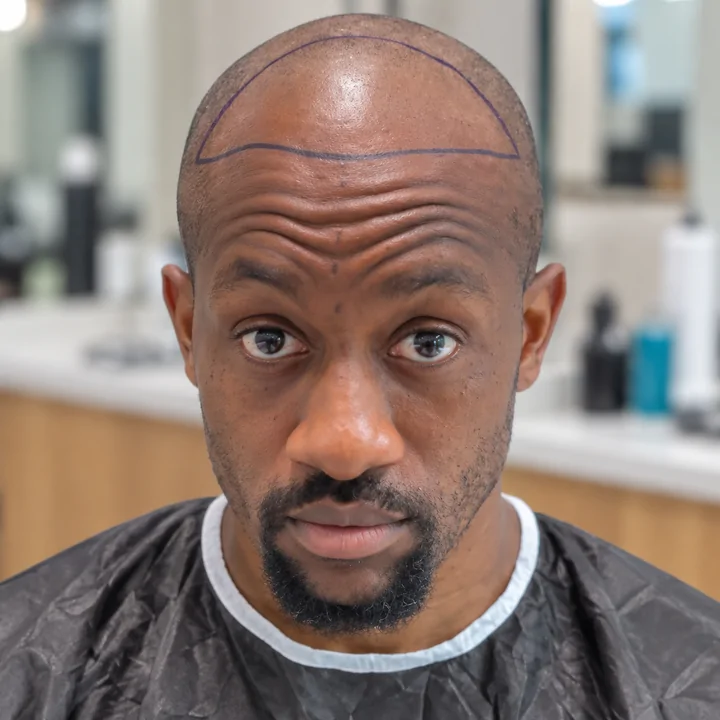
The hairline and recipient zones are drawn on the scalp and checked from different angles. The design normally avoids a flat, low line, favouring gentle irregularity and temple placement that will still suit you later in life.
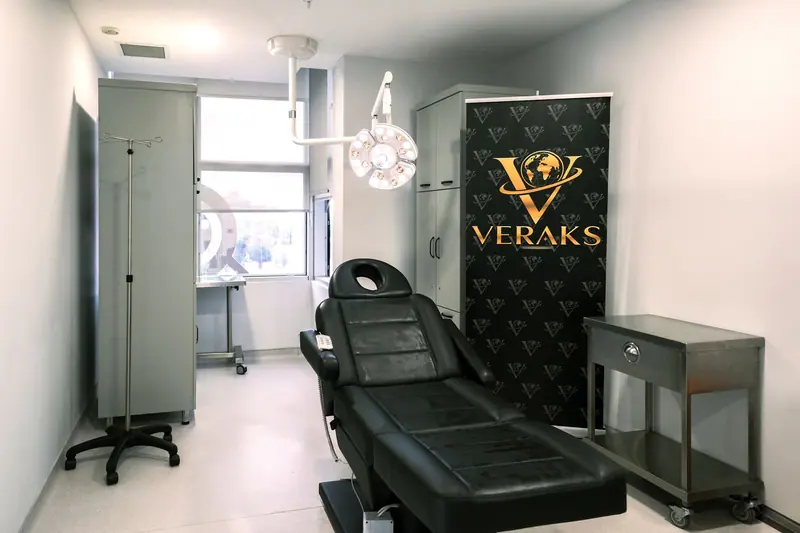
With the donor area trimmed and numbed, follicular units are extracted one at a time with a micro-punch, using a spread-out pattern to protect donor appearance. Grafts are stored in a chilled solution.
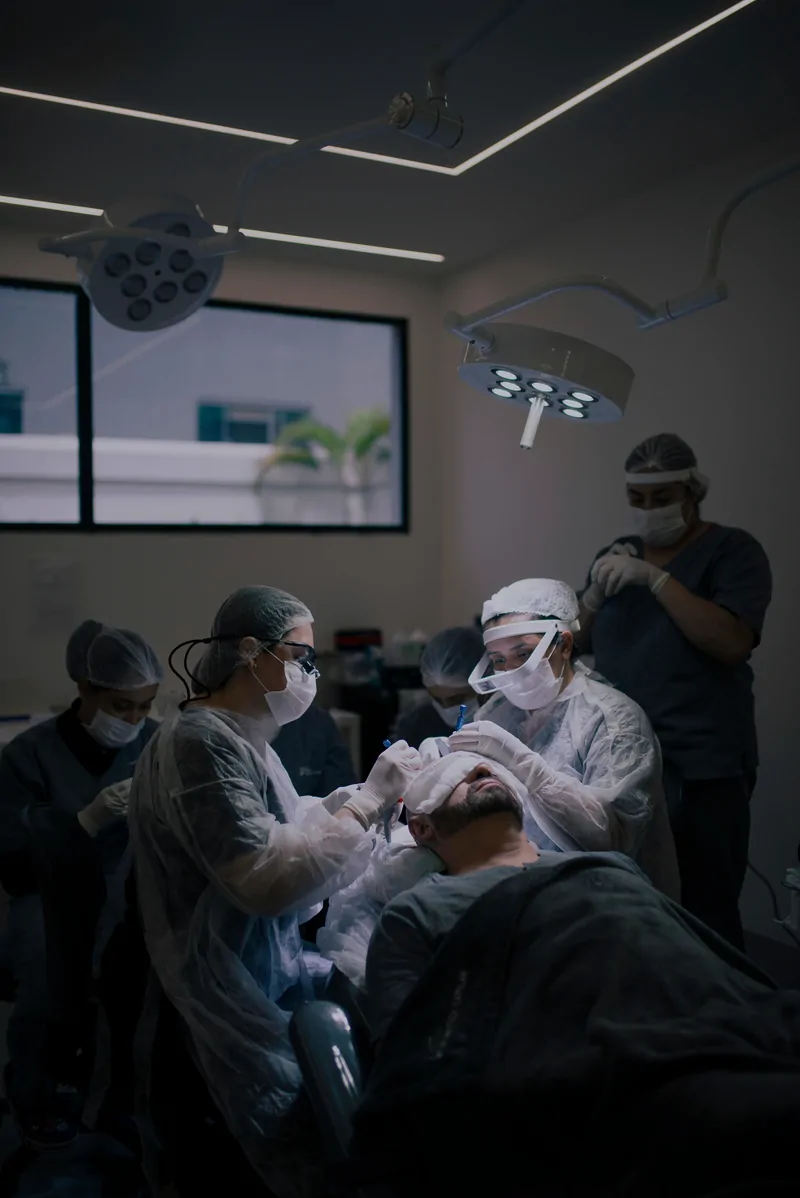
Grafts are examined under magnification and sorted by the number of hairs they contain, so single-hair units can be reserved for the delicate front edge of the hairline.
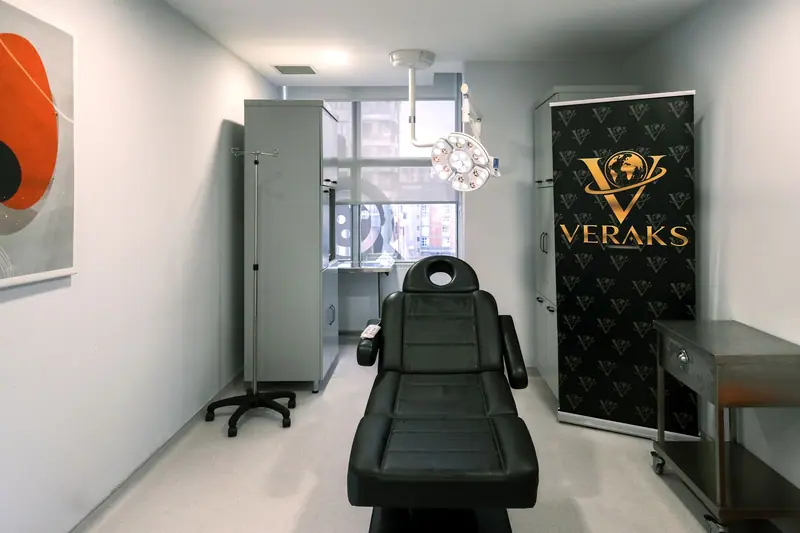
Small recipient openings are made with fine steel blades or needles at the planned angle and direction, then grafts are placed into them with forceps, working zone by zone.
The treated areas are checked before you leave, and the washing routine, sleeping position, medications and follow-up arrangements are explained to you in writing.
Gallery
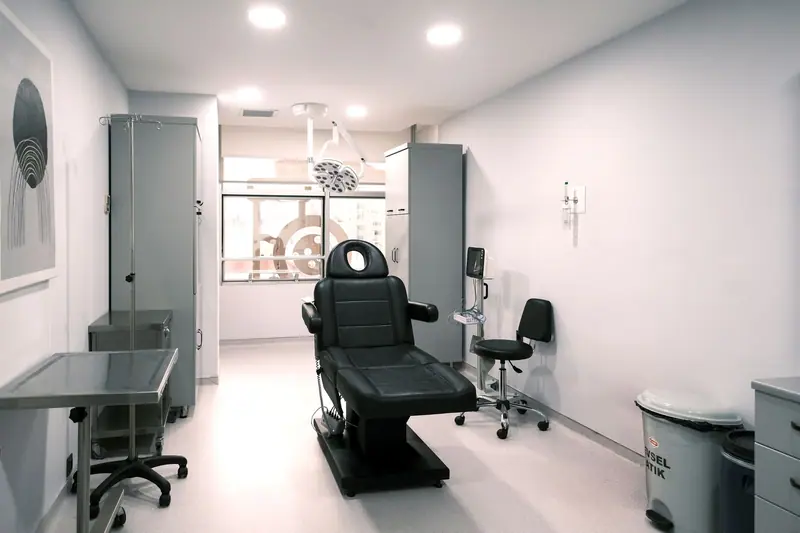

Every one of these methods extracts follicles individually from the donor area. Classic FUE opens the recipient channels first, with fine steel blades or needles, and then places the grafts with forceps. Sapphire FUE changes only the blade used for channel opening to a sapphire-tipped one, which some clinicians favour for its sharp, smooth edge, although evidence that it improves outcomes is limited. DHI uses an implanter pen to open and implant in one motion, which may be helpful when placing grafts between existing hairs. Unshaven approaches keep the surrounding hair long and are generally suited to limited areas, with longer, more demanding sessions, so they are not right for everyone. No technique is objectively superior; skill, planning and suitability for your hair type carry more weight than the name of the method.
Before & after treatment
Before you travel
Afterwards
In their words
Hair transplant patients describe their experience — from the first conversation to aftercare.
All patient reviewsGoogle reviews
Spoken with us already? Share your experience on Google.
Honest reviews — good or critical — help the next person decide. We read every one and never offer anything in exchange.
Questions
General answers — your own plan always depends on an individual assessment.
All hair questionsWhen extraction is spread evenly and kept within safe limits, the donor area usually looks similar once hair regrows. Over-harvesting can cause visible thinning, which is why donor limits are taken seriously at planning.
Transplanted follicles from the donor area often keep growing long term, but this varies. Hair that was not transplanted may continue to thin, so the overall look can change over the years.
It is common for transplanted hairs to shed within the first weeks. Many people notice early growth around months 3–4, with hair continuing to thicken and mature; the result is typically assessed at 12 months or later.
Sometimes, if enough donor hair remains. Each session uses part of a finite supply, so a long-term plan is discussed before the first procedure.
Many people travel within a few days, once their clinician has checked the scalp. Your coordinator can advise on timing that fits your follow-up and first wash.
It can be for some women, but female hair loss is often diffuse and needs medical evaluation first. A dedicated assessment helps determine whether surgery is appropriate.
Also available
Free consultation
Tell us what you would like to change. A coordinator replies personally and arranges a hair specialist’s review of your photos — free, without obligation.
A person replies. Monday to Saturday, Istanbul time.
VHFree consultation
A coordinator replies personally — free, no obligation.