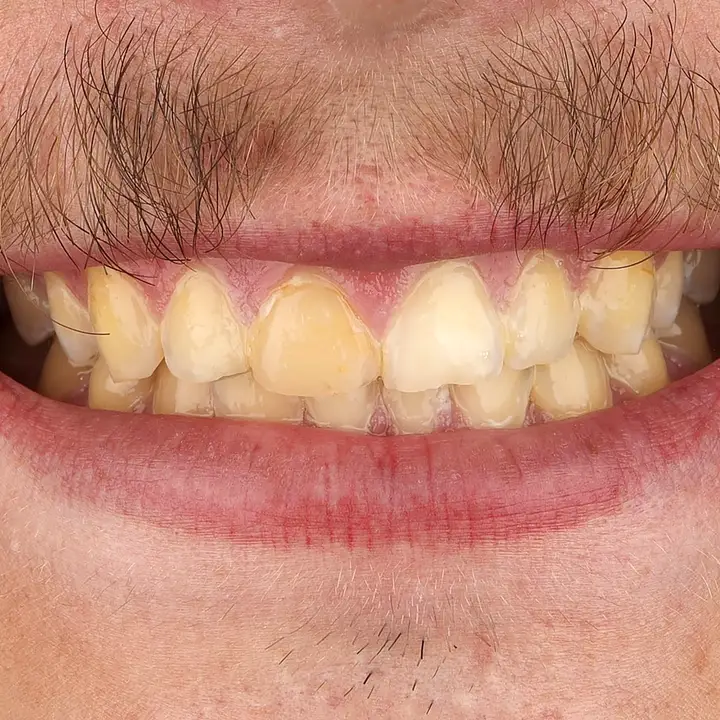
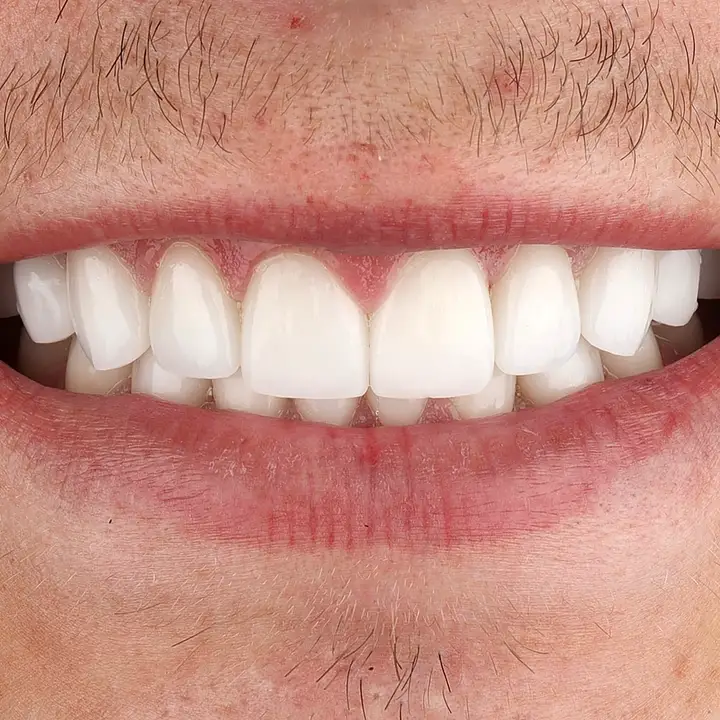
Porcelain veneers
Cosmetic Dentistry
Dental Veneers in Turkey: porcelain and composite veneers — smile assessment, a trial preview of shape, conservative preparation and bonded custom shells.
Free · no obligation
Leave your name and number — a coordinator replies personally.
A dental veneer is a thin, custom-made covering bonded to the front and biting edge of a tooth. Ceramic veneers are crafted in a laboratory from porcelain or glass-ceramic; composite veneers are built directly on the tooth with tooth-coloured resin. Veneers can change the colour, shape, length and apparent alignment of front teeth, and are used to address discolouration that does not respond to whitening, chipped or worn edges, small gaps and uneven proportions.
Conventional ceramic veneers typically require a small, controlled reduction of enamel — often a fraction of a millimetre — so the veneer can sit flush with surrounding teeth and achieve a natural thickness. How much is removed depends on the starting position of the teeth and the change being planned. Teeth that are crowded or dark may need more preparation; teeth that only need lengthening or slight reshaping may need very little. When the change is small and preparation can be minimal, ultra-thin laminates may be discussed instead.
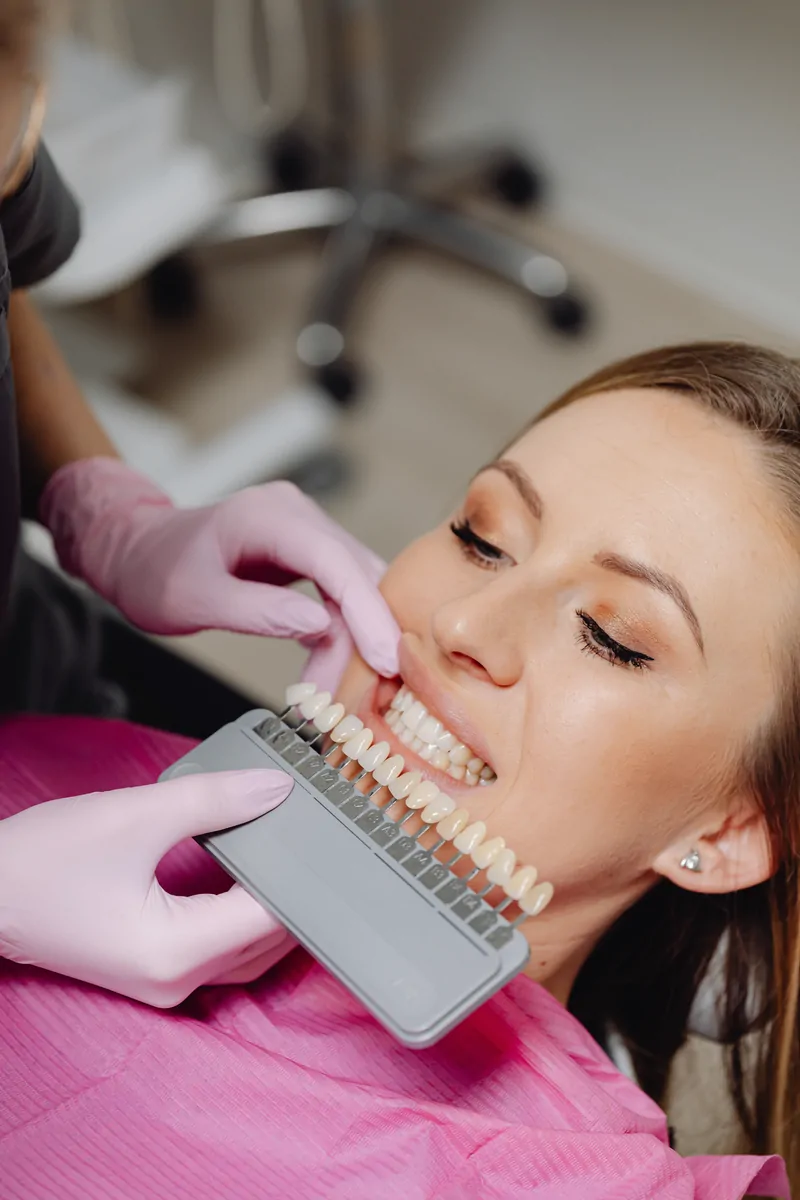
At our clinic, veneer treatment begins with the face rather than the tooth. Lip line, facial midline, tooth proportions and gum levels are assessed with photographs and a digital scan, and the proposed result can often be previewed on your own teeth with a temporary resin trial before anything is prepared. This allows you to give feedback on length, shape and brightness.
What they can help with
Results · before & after
Before and after photographs from dental veneers and related treatments at our clinic in Istanbul. Drag the handle to compare each pair.
All dental results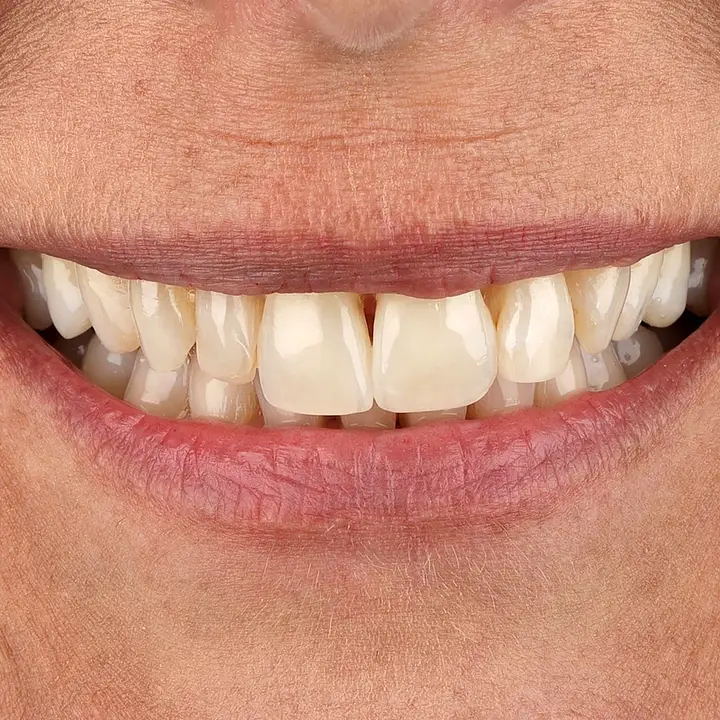
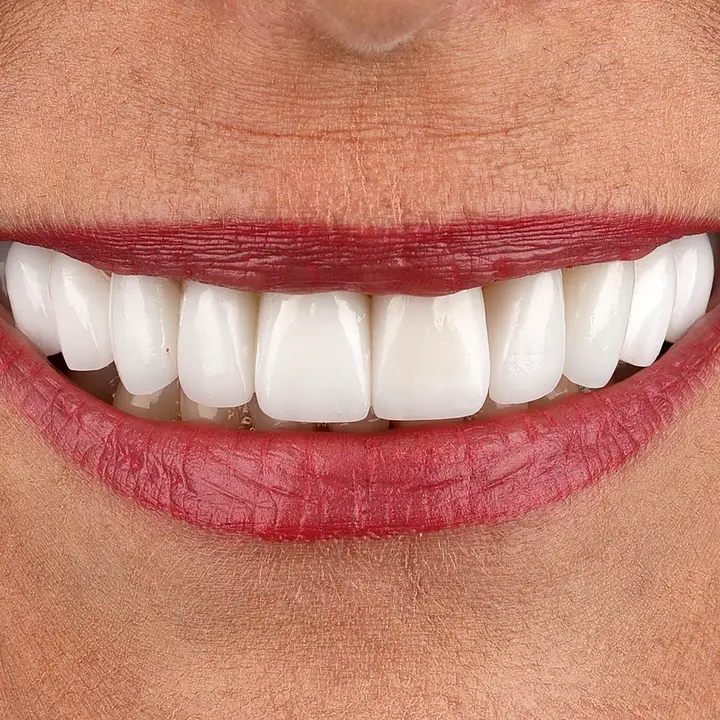
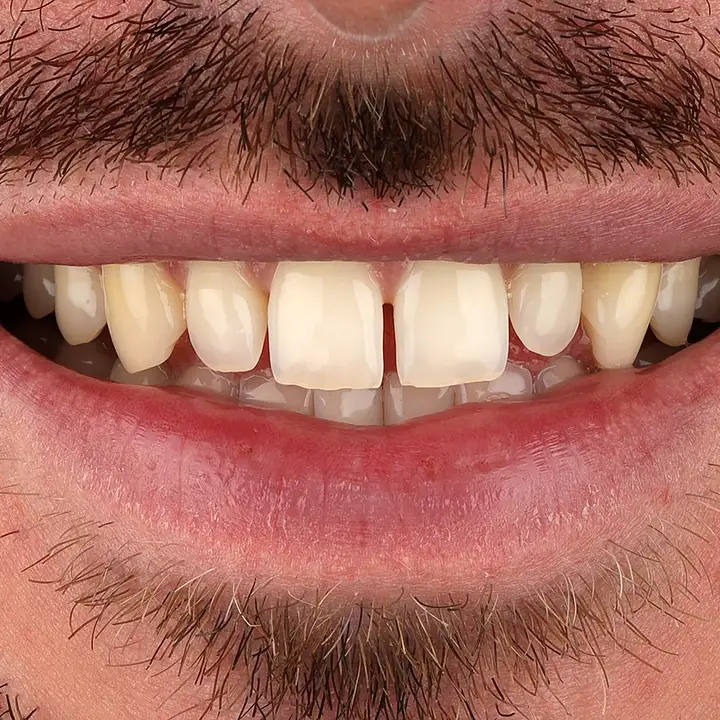
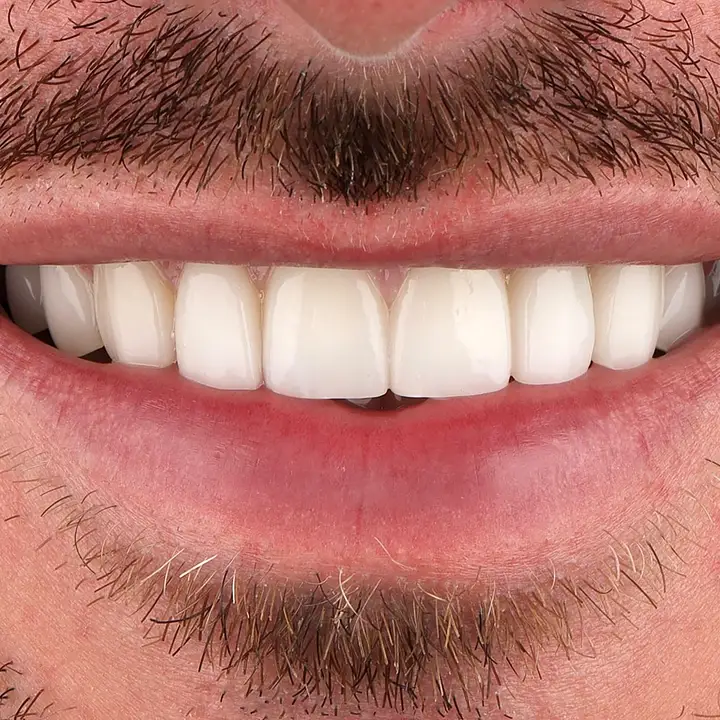
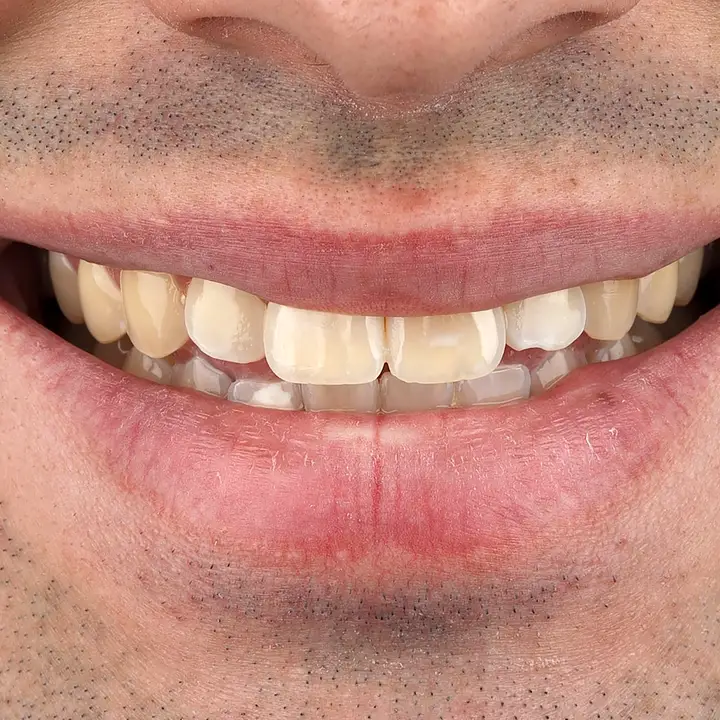
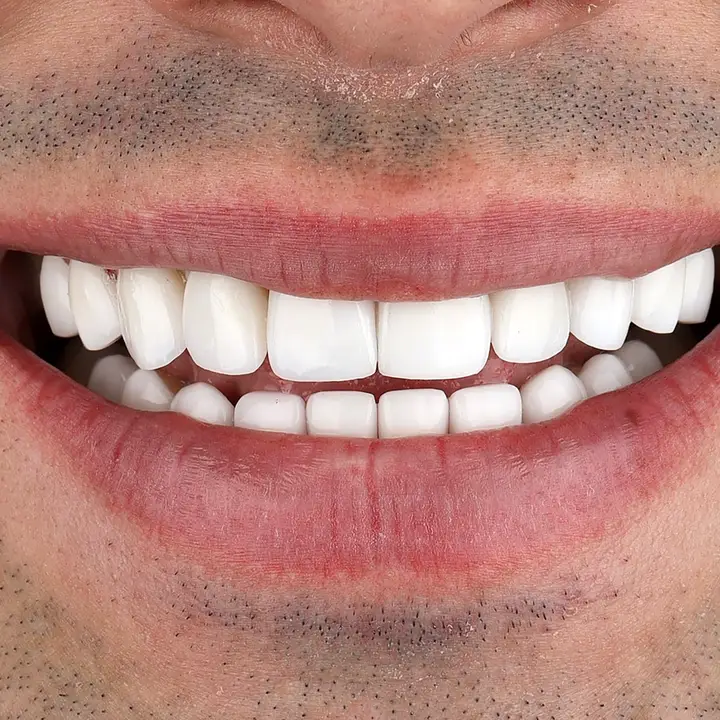
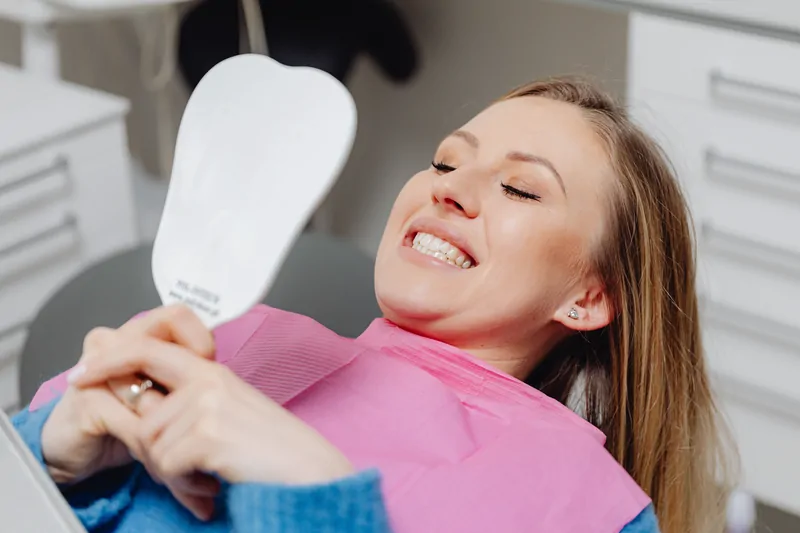
Veneers work on healthy, structurally sound teeth with stable gums. If teeth are heavily filled, cracked or misaligned, other options — or treatment beforehand — may be recommended.
Often a good fit
Assessed carefully
Honest information
The procedure
Veneers are planned as part of your face, not as individual teeth. Previewing the design first helps keep preparation to what the plan actually requires.
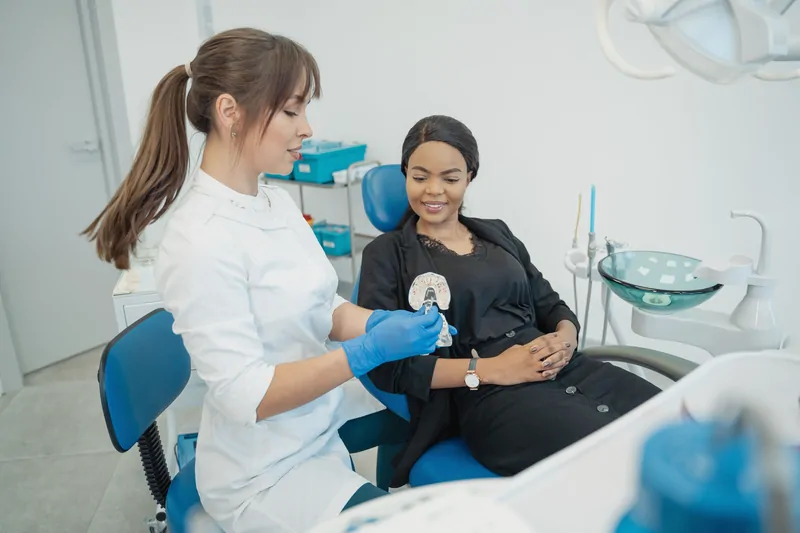
Your clinician examines teeth and gums, takes photographs and an intraoral scan, and discusses your goals. Facial features, lip movement and tooth proportions guide the design.
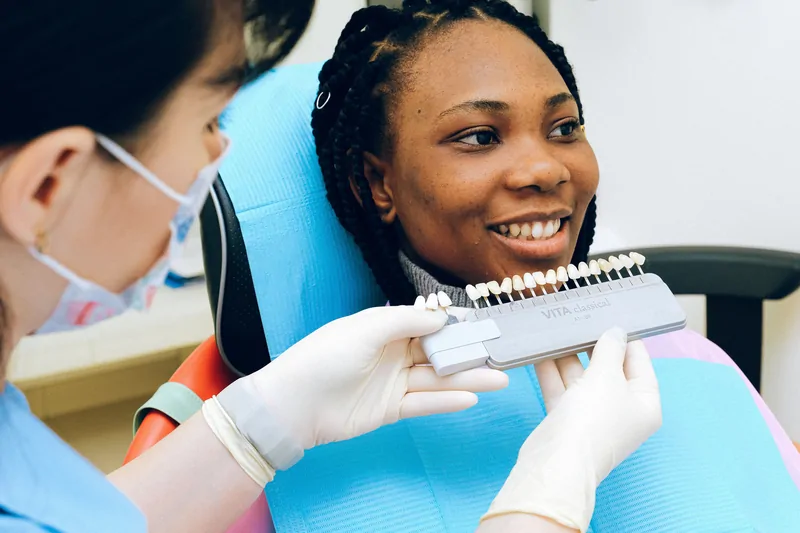
A proposed design is created digitally or as a wax-up. Where suitable, it is transferred to your teeth with temporary resin so you can see and feel the planned shape before committing.
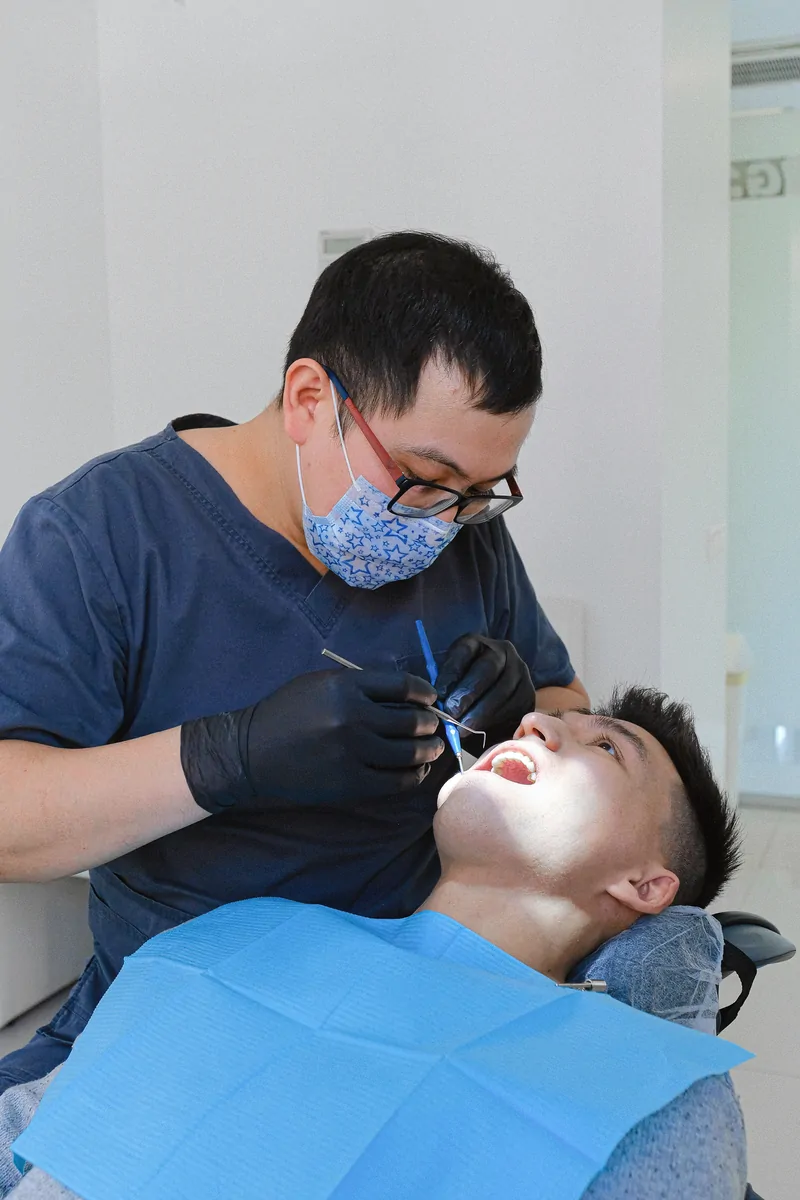
Under local anaesthetic, a thin layer of enamel is reduced where needed, often guided by the trial so only the necessary amount is removed. The teeth are scanned and temporary veneers are placed.
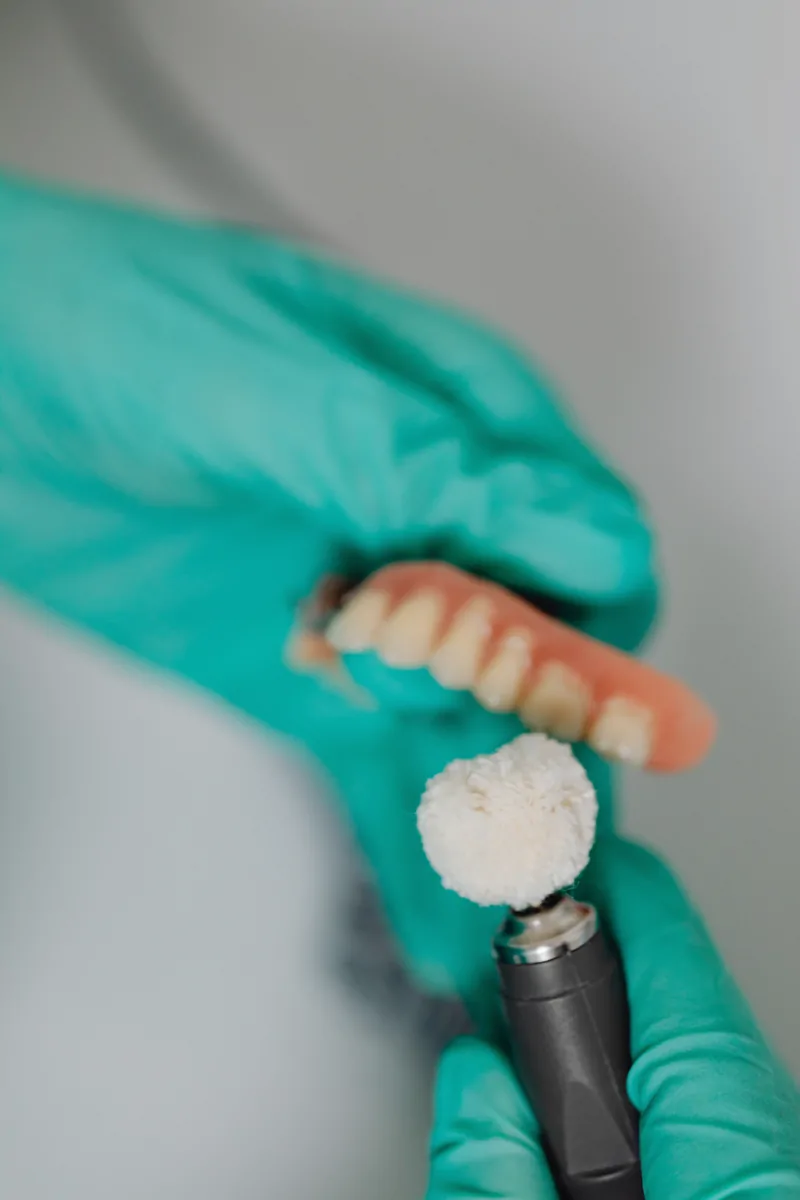
Dental technicians craft each veneer to the agreed shape, translucency and shade. This commonly takes several days, during which you wear the temporaries.
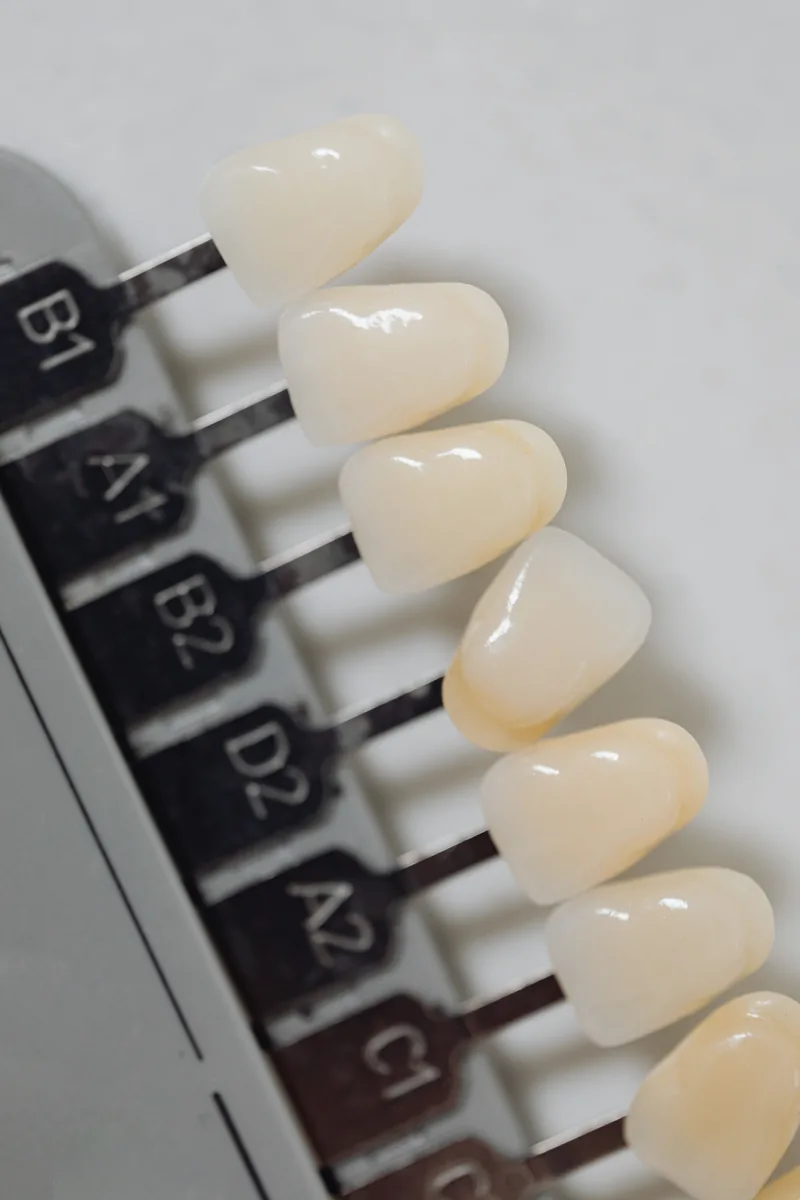
The veneers are tried in with a water-based paste to check colour, fit and appearance before you approve them. They are then bonded to the teeth with adhesive cement and the bite is refined.

Gums, bite and edges are reviewed. A night guard may be recommended if you grind or clench, to protect the porcelain.
Gallery
A conventional veneer covers the front surface and biting edge of a tooth and usually involves a small, controlled reduction of enamel, which allows larger changes in colour and shape. A laminate is an ultra-thin veneer — often around a third to half of a millimetre — placed with minimal or sometimes no preparation; it suits smaller changes on well-positioned, reasonably light teeth. “E-max veneer” refers to a veneer made of lithium disilicate glass-ceramic, which is a material choice that can apply to either a conventional veneer or a laminate. A crown, whether zirconium or porcelain, covers the entire tooth and needs more reduction, so it is reserved for teeth that are weakened, heavily filled or root-treated.
Before & after treatment
Before you travel
Looking after them
In their words
Dental patients describe their experience — from the first conversation to aftercare.
All patient reviewsGoogle reviews
Spoken with us already? Share your experience on Google.
Honest reviews — good or critical — help the next person decide. We read every one and never offer anything in exchange.
Questions
General answers — your own plan always depends on an individual assessment.
All dental questionsConventional veneers involve removing a thin layer of enamel, which cannot be replaced, so the teeth will always need a covering. With careful planning the reduction is kept to what the design needs. Your clinician can explain how much preparation your case is likely to require.
Longevity varies with the material, your bite, grinding habits and oral hygiene. Ceramic veneers can last many years with good care, but they may chip or need replacing at some point.
Porcelain and glass-ceramic veneers are generally more stain-resistant and durable. Composite veneers need little or no preparation and can be repaired easily, but they tend to stain and wear sooner. Your clinician can compare both for your teeth.
It depends on how wide your smile is and what you want to change. Some people need only one or two; others choose six to ten to create a consistent appearance. The number is decided during design, not in advance.
Often, yes. A trial preview in temporary resin can be placed over your teeth so you can review the shape and length. Fine details of colour and translucency are confirmed at the try-in stage.
A Hollywood smile is a term for a full, bright smile makeover, often involving a larger number of veneers or crowns. Veneers are one of the tools used to create it, but treatment can be much more subtle.
Also available
Free consultation
Tell us what you would like to change. A coordinator replies personally and arranges a dentist’s review of your photos — free, without obligation.
A person replies. Monday to Saturday, Istanbul time.
VHFree consultation
A coordinator replies personally — free, no obligation.