
Free Consultation

Beard & Eyebrow Transplants

Eyebrow Transplant in Turkey

Eyebrow Transplant in Turkey: single-hair grafts placed at shallow angles to restore brow shape — who may be suitable, trimming needs, risks and recovery.
  • Free consultation
  • VIP airport transfer
  • Hotel stay included

Free · no obligation

Get a free consultation

Leave your name and number — a coordinator replies personally.

What is eyebrow transplant?

An eyebrow transplant moves individual hair follicles, usually taken from the back or sides of the scalp, into the brow area to rebuild density or shape. Because eyebrow hairs lie very flat against the skin and change direction across the brow – rising at the inner end, then sweeping outward and slightly down towards the tail – the work depends on placing single-hair grafts at very shallow angles and in a precise pattern. Small differences in angle can affect whether the brow looks natural, so this is one of the most detail-sensitive forms of hair restoration.

Grafts are commonly extracted using the FUE method, choosing the finest hairs available, often from behind the ears or the lower nape, where hair tends to be thinner. Recipient openings are made with very fine blades or needles, or grafts may be placed with an implanter pen, depending on your clinician’s preference.

It is worth knowing from the outset that transplanted hairs keep some of the characteristics of scalp hair. They may grow longer than natural eyebrow hairs and can need trimming every week or two, and some people find they need light grooming or gel to keep them lying flat. A clinician will also want to understand why brow hair has been lost, as some causes – such as active alopecia areata, thyroid conditions or certain skin disorders – may need medical care first and can affect whether a transplant is advisable.

What it can help with
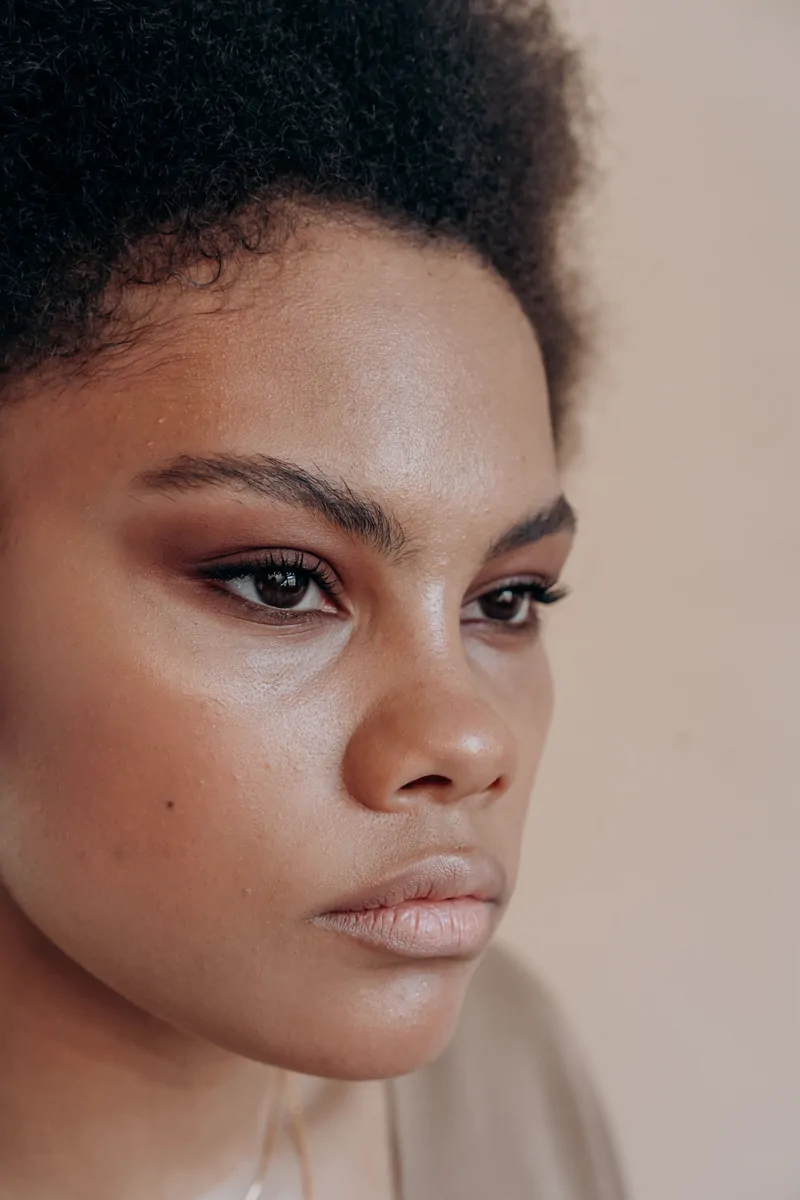
  • Restore a brow shape that suits your face and expression
  • Add density to sparse or patchy areas
  • Recreate natural direction and angle across the inner, central and outer brow
  • Reduce reliance on make-up or cosmetic tattooing, if that is your goal
Eyebrow Transplant: a patient after treatment

Results · before & after

Real hairlines, visible change.

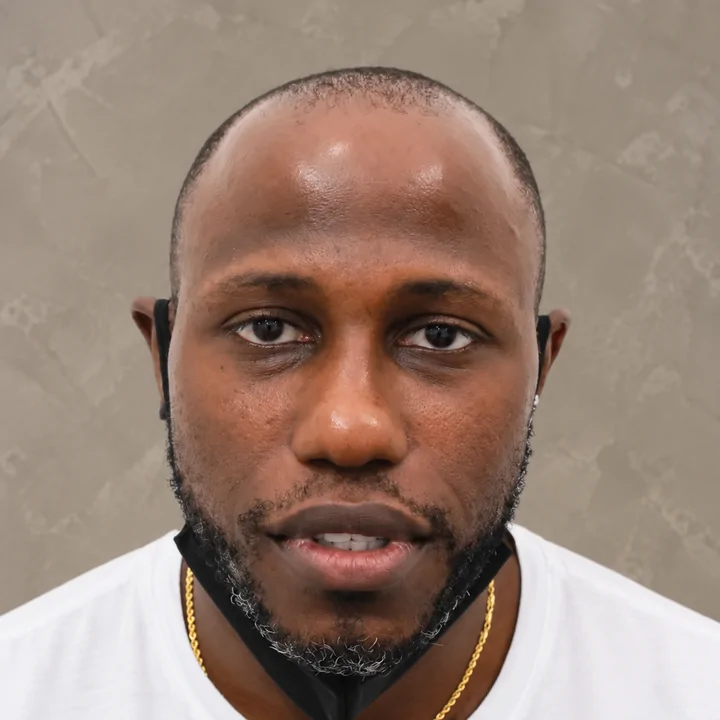
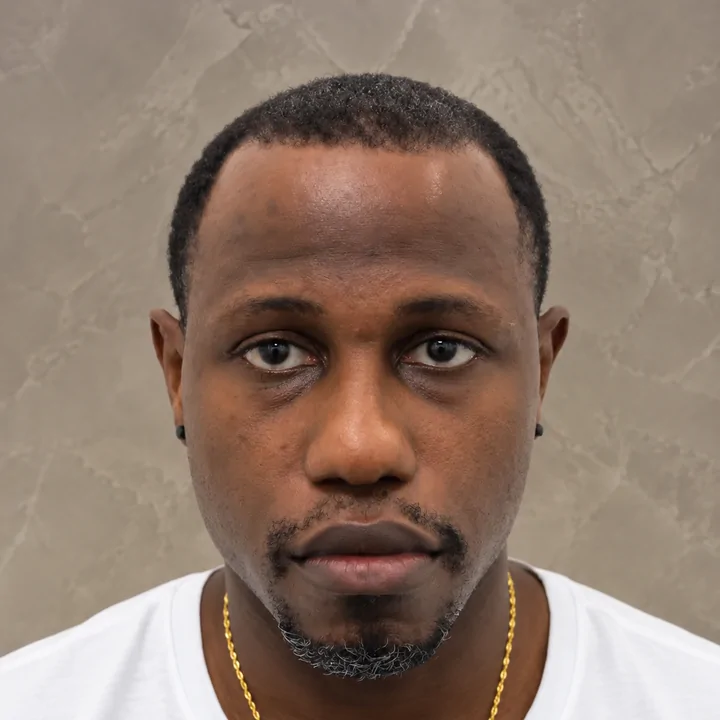
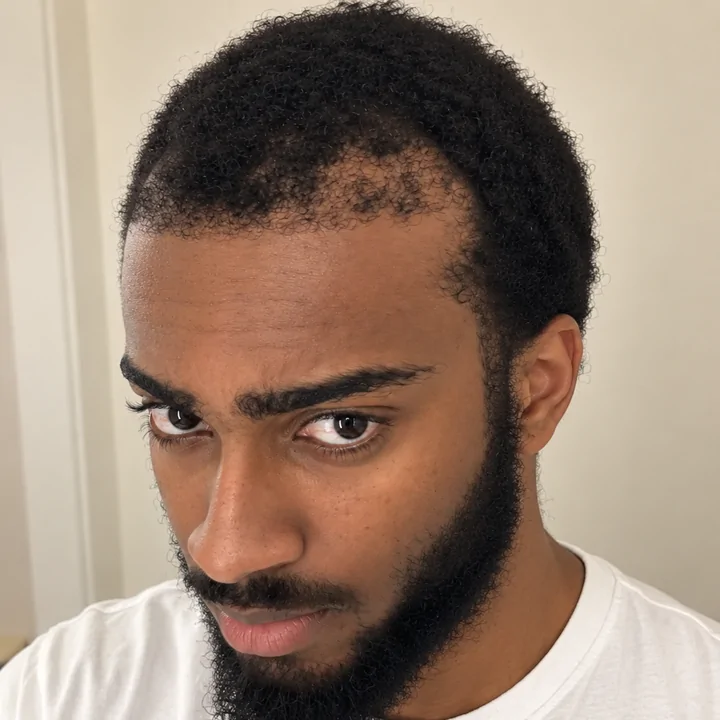
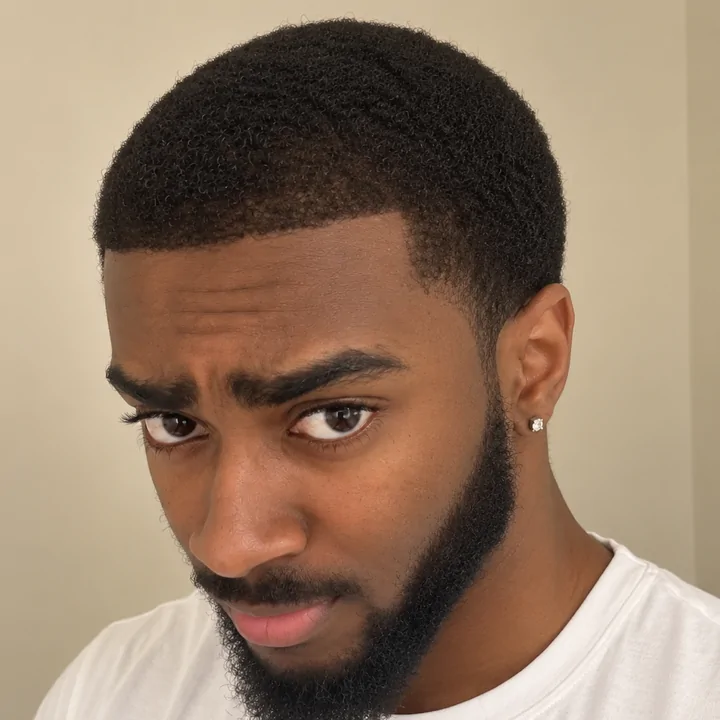
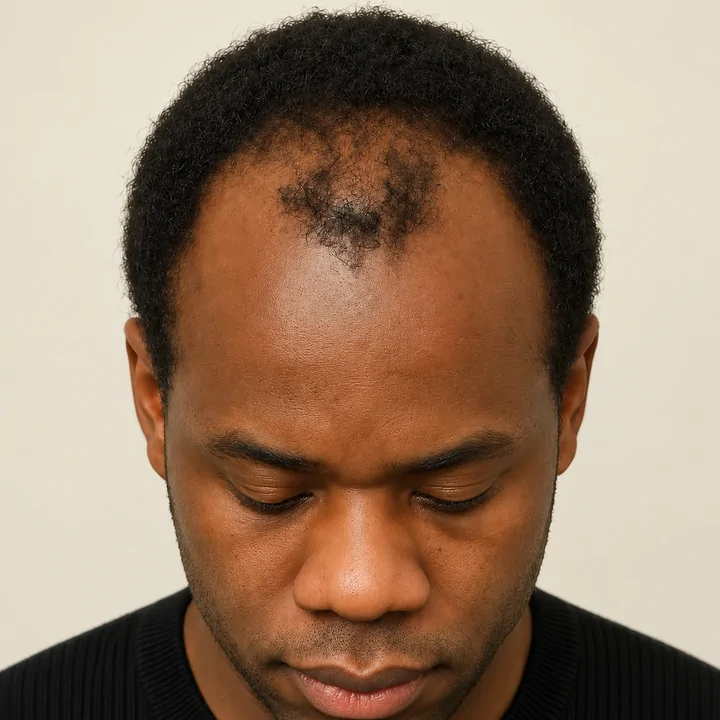
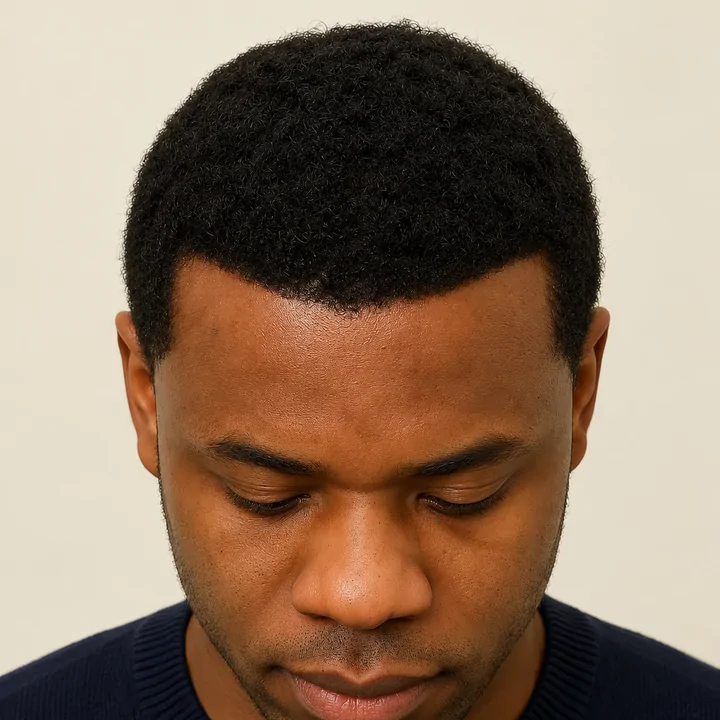
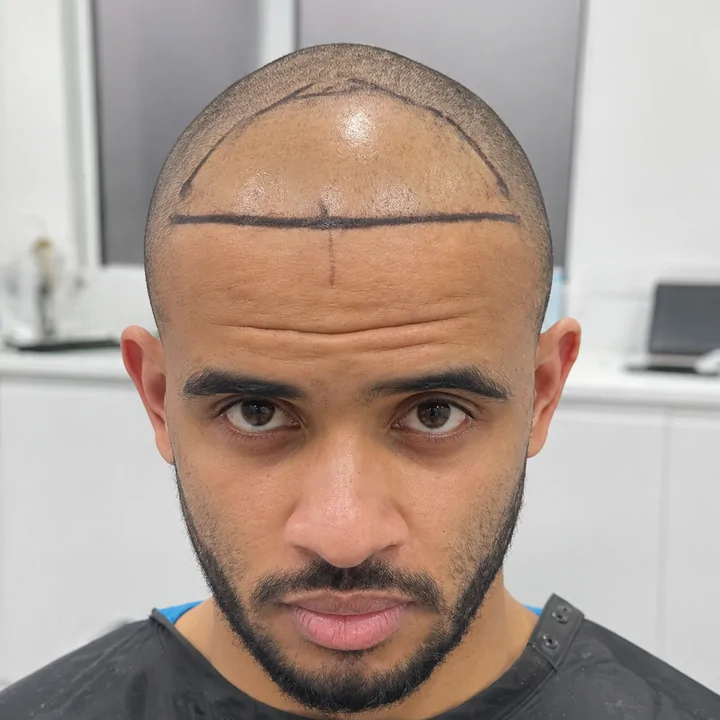
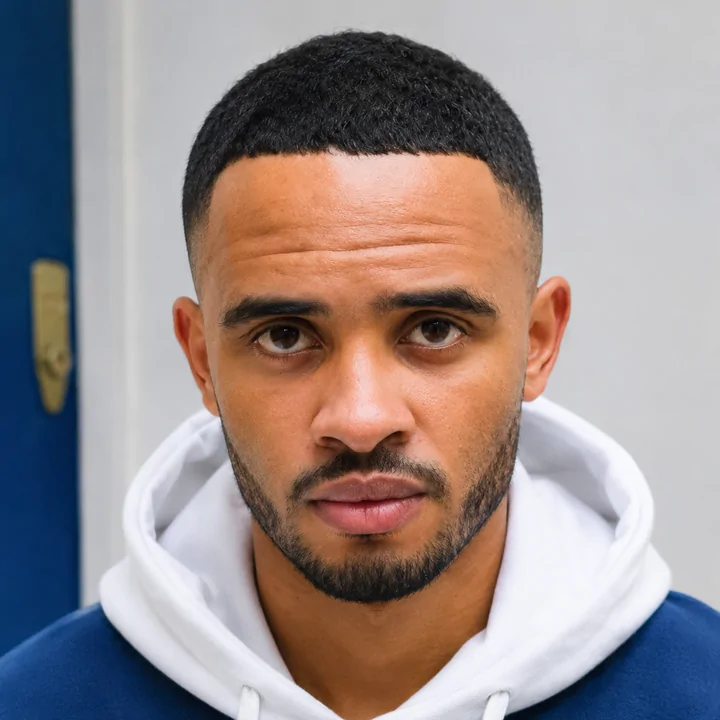
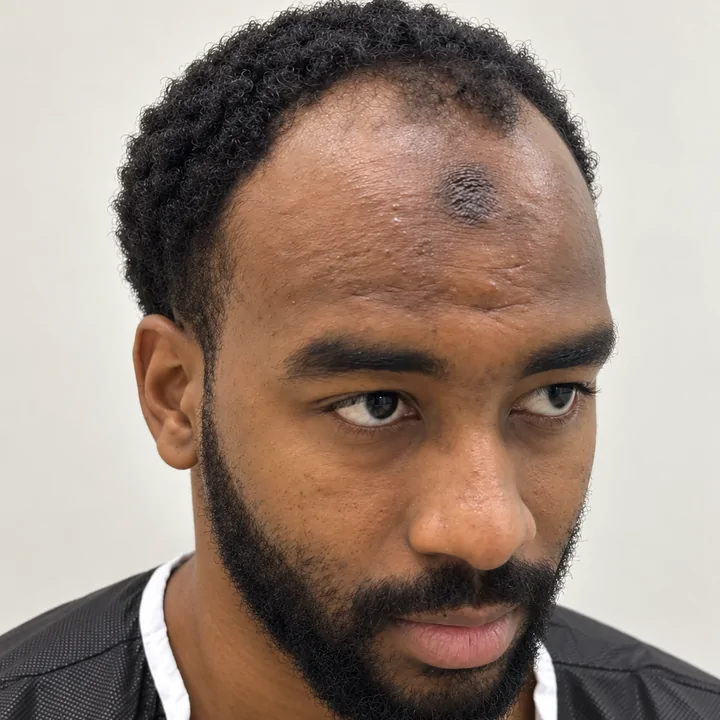
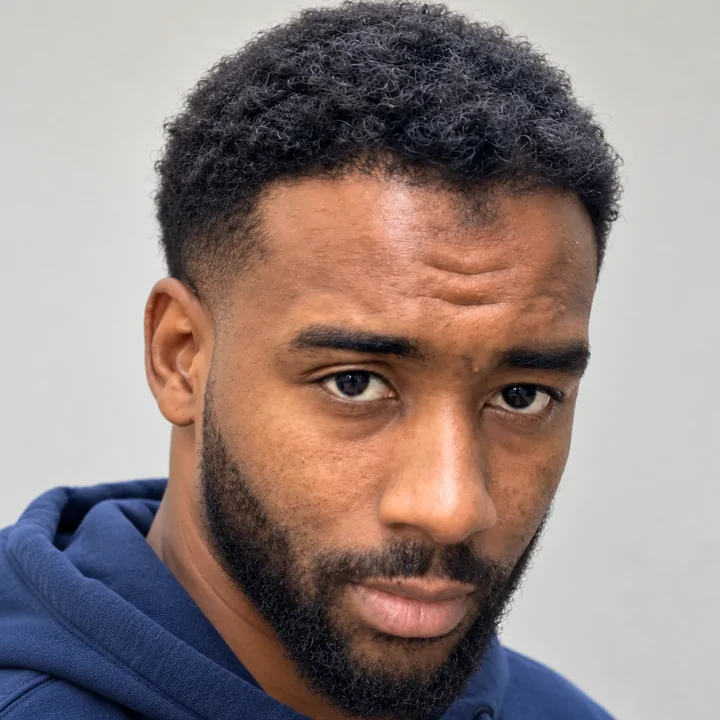
Before and after photographs from eyebrow transplant and related treatments at our clinic in Istanbul. Drag the handle to compare each pair.

All hair results
A patient looking at their hair in a mirror

Who is eyebrow transplant for?

Before an eyebrow transplant is considered, the reason for brow loss should be clear. A transplant may be more predictable when the loss is stable and the scalp donor area provides suitably fine hair.

Often a good fit

  • People with stable brow loss from over-plucking or grooming habits
  • Those with scars in the brow area that have fully matured
  • People who are happy to trim their brows regularly
  • Adults with realistic expectations about density and shape

Assessed carefully

  • The cause of brow loss – active autoimmune or inflammatory conditions may make a transplant unsuitable for now
  • The fineness, colour and curl of the available donor hair
  • Skin type, thickness and any previous cosmetic tattooing in the brow area
  • Your preferred brow shape and how it relates to your facial anatomy
  • Medical history, medications and healing tendencies

Honest information

Benefits, limitations & risks

Potential benefits

  • Uses your own hair, so it can be a long-lasting change for many people
  • Brow shape can be personalised to suit your face
  • Can reduce the need for daily brow make-up or repeated cosmetic tattoo sessions
  • Small donor requirement, usually leaving the scalp donor area barely affected

Limitations

  • Transplanted hairs often grow longer than natural brow hair and need regular trimming
  • Some hairs may grow at a slightly different angle or texture and need grooming to lie flat
  • A second session may be suggested for extra density, depending on growth
  • Results depend on the underlying cause of brow loss, which may continue to change
  • Scarred or tattooed skin can make growth less predictable

Possible risks

  • Swelling and bruising around the eyes in the first days
  • Small scabs or redness in the brow area that may be visible for a week or so
  • Ingrown hairs, small cysts or folliculitis
  • Hairs growing at an unnatural angle, or asymmetry between the two brows
  • Lower-than-hoped growth, particularly in scar tissue
  • Temporary numbness at the donor or recipient sites

The procedure

Eyebrow Transplant, step by step

Eyebrow work is a fine aesthetic task. Time spent on design and on understanding why the brows thinned is as important as the transplant itself.

  1. Step 01

    Consultation and cause review

    Your clinician asks about how and when your brows changed, examines the skin and discusses whether any medical evaluation is needed before a transplant is planned.
  2. Step 02

    Brow mapping

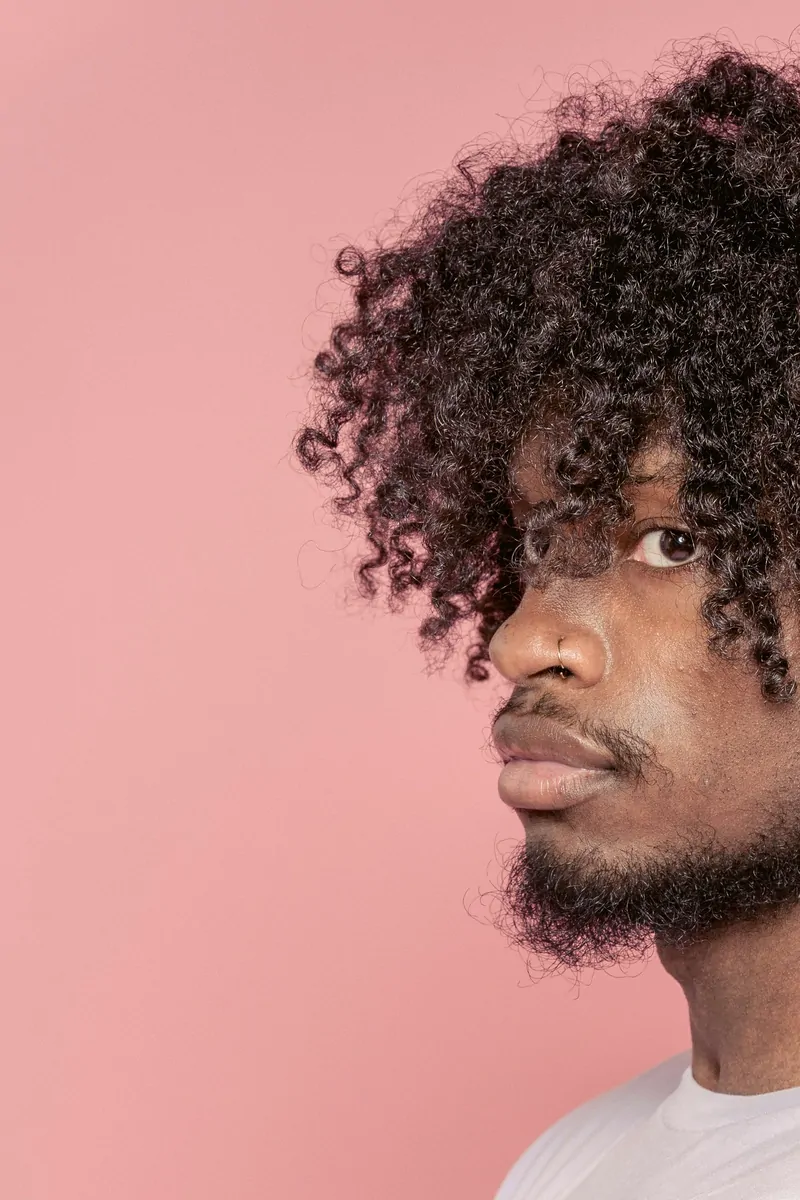
    The proposed shape is drawn on, often with reference to your bone structure and facial proportions, and adjusted with you until it feels right. Taking time over this step is common.
  3. Step 03

    Fine-hair extraction

    After local anaesthesia, single-hair follicles are extracted from a discreet donor site, often behind the ears or the nape, and checked under magnification.
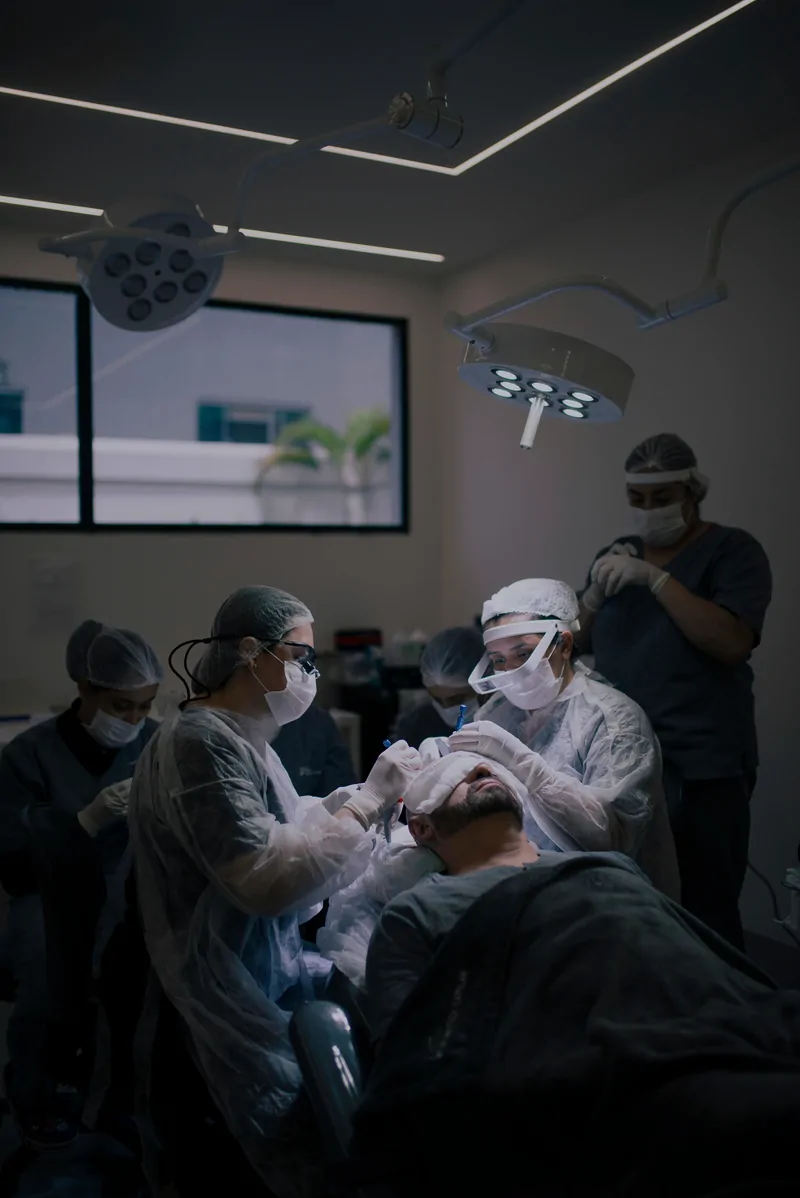
  4. Step 04

    Shallow-angle placement

    Grafts are placed one by one at very flat angles, following the direction changes across the brow, with the inner, central and tail sections treated differently.
  5. Step 05

    Review and aftercare briefing

    The treated area is checked and you are given guidance on cleaning, avoiding make-up, sleeping position and when to start trimming.

Gallery
Our clinic

Walk through the clinic
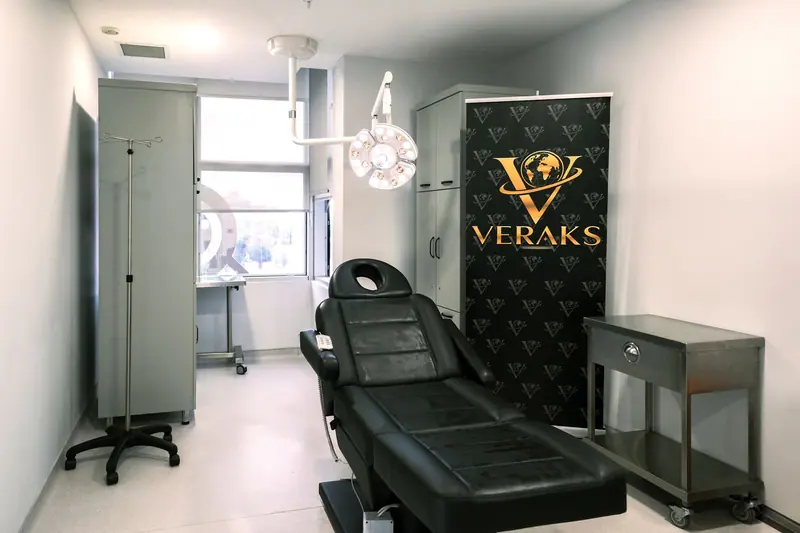
  • A hair procedure room with a black treatment chair and the VERAKS banner
    Procedure room
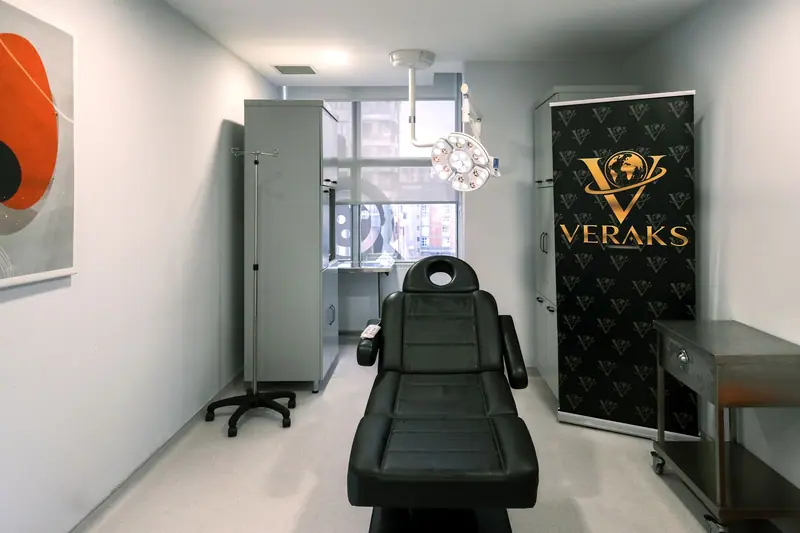
  • A second hair procedure room at the clinic
    Procedure room II
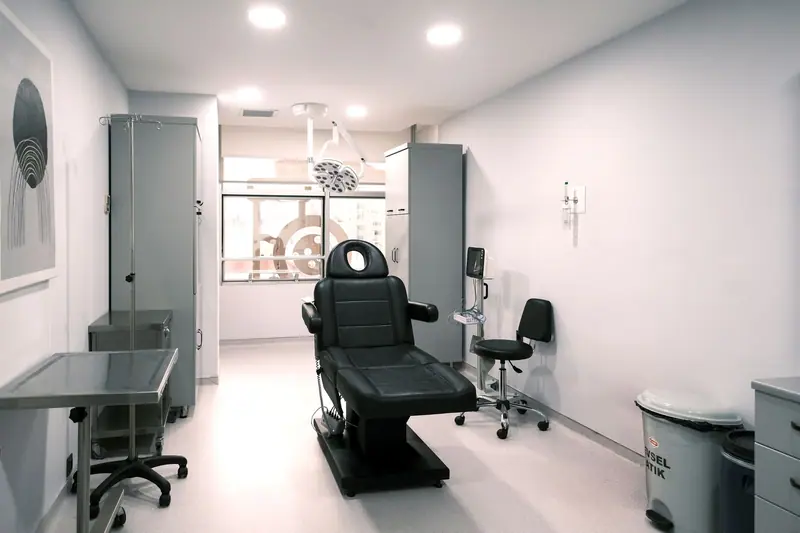
  • A third hair procedure room at the clinic
    Procedure room III
  • The café lounge with sofas and tables, where patients rest between appointments
    Rest area
  • The VERAKS reception desk
    Reception

Alternatives to consider

  • Medical review of hair lossIf the cause of brow thinning is unclear, a diagnostic consultation may be a sensible first step.
  • Cosmetic tattooing or microbladingPigment-based techniques create the look of brows without hair; they fade over time and need touch-ups.
  • Topical and supportive careSome people try prescribed topical treatments or simply allow brows to regrow after stopping plucking, which can take months.

Before & after treatment

Preparation & aftercare

Before you travel

  1. Stop plucking, threading or waxing your brows in the weeks before your consultation so the natural pattern can be seen
  2. Bring photos of brow shapes you like, and of your brows at an earlier age if available
  3. Mention any cosmetic tattooing, fillers or injectables in the area
  4. Disclose medications and supplements, and follow guidance on blood thinners only with your prescriber’s approval
  5. Avoid alcohol and smoking in the days beforehand, as advised by your clinic

Afterwards

  1. Use the cleaning routine provided; your clinic’s own instructions always come first
  2. Avoid make-up, creams and sunscreen on the brows until you are told it is safe
  3. Sleep on your back with your head raised for the first nights to limit swelling
  4. Do not pick or rub scabs – let them fall away naturally
  5. Expect the transplanted hairs to shed in the first weeks; regrowth often begins around months 3–4
  6. Begin trimming once hairs grow longer than the surrounding brow, as shown at your follow-up

In their words

What our patients say.

Hair transplant patients describe their experience — from the first conversation to aftercare.

All patient reviews

Google reviews

Spoken with us already? Share your experience on Google.

Honest reviews — good or critical — help the next person decide. We read every one and never offer anything in exchange.

Review us on Google

Questions

Asked about eyebrow transplant.

General answers — your own plan always depends on an individual assessment.

All hair questions
Will my new eyebrows look natural?

They can, when the shape suits your face and grafts are placed at the right angles. Some hairs may need light grooming, and transplanted hairs are usually trimmed regularly to match natural brow length.

Why do transplanted brow hairs need trimming?

They come from the scalp and may keep some of the scalp hair’s growth pattern, so they can grow longer than natural brow hairs. Trimming every week or two is common.

Can an eyebrow transplant work over a cosmetic tattoo?

In some cases, yes, but tattooed skin can affect how grafts settle and grow. Your clinician will examine the area and may advise on timing or alternatives.

How long before I see the result?

Many people see early regrowth around months 3–4. Brows often continue to fill in, with the result commonly assessed at around 9–12 months, though this varies.

Is an eyebrow transplant suitable if I have alopecia areata?

Active alopecia areata can affect transplanted hair too, so a transplant is usually not recommended while the condition is active. Medical assessment and a period of stability are important first.

How long is the recovery?

Swelling and small scabs often settle within about a week to ten days. Many people return to desk work within a few days, depending on comfort and visibility.

Free consultation

Questions about eyebrow transplant? Let’s talk.

Tell us what you would like to change. A coordinator replies personally and arranges a hair specialist’s review of your photos — free, without obligation.

  • Free consultation
  • VIP airport transfer
  • Hotel stay
  • One personal coordinator
A hair procedure room at the clinic

A person replies. Monday to Saturday, Istanbul time.

Free Consultation