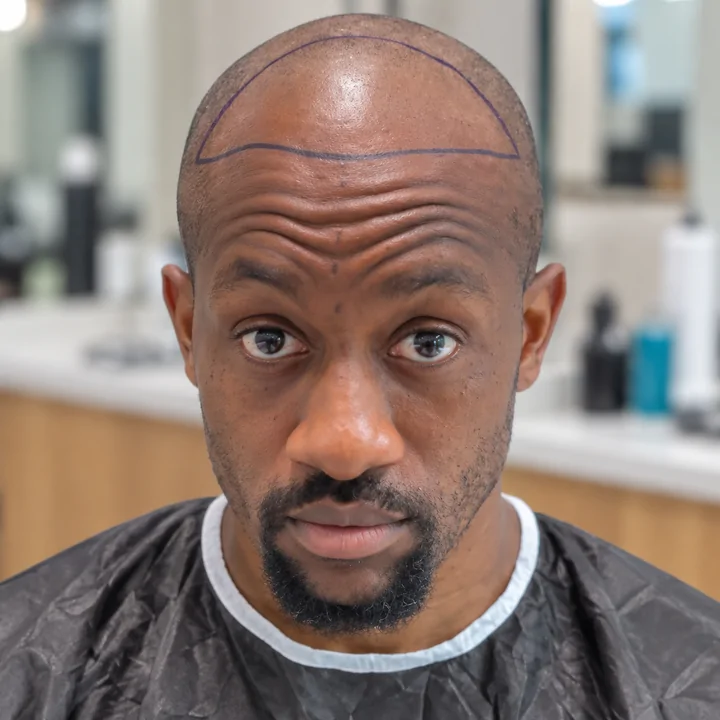

Afro hair transplant
Hair Transplant for Women
Female Hair Transplant in Turkey: why diagnosis comes first, pattern vs diffuse thinning, who may be a candidate, unshaven options, risks and recovery.

Free · no obligation
Leave your name and number — a coordinator replies personally.
Hair loss in women tends to look different from the receding hairline and crown pattern familiar in men. Female pattern hair loss usually causes gradual thinning across the top of the scalp with a widening parting, while the frontal hairline is often preserved. Other women experience diffuse shedding linked to hormonal changes, thyroid conditions, iron deficiency, recent illness, childbirth, stress, certain medications or tight hairstyles. Some forms – such as scarring alopecias or alopecia areata – need specialist medical care. Because the cause shapes the right treatment, a women’s hair transplant always begins with a careful diagnosis.
A transplant moves follicles from a donor area – usually the back of the scalp – into thinning zones. This only makes sense when the donor hair is itself stable. In women with diffuse thinning that also affects the back and sides of the head, donor follicles may be equally at risk, making surgery less predictable or unsuitable. Women who are more likely to be considered include those with a well-defined area of thinning, a naturally high or uneven hairline, traction alopecia at the temples, or hair loss around scars, provided the donor area is healthy.
Many women also benefit from medical therapy to stabilise loss, whether or not a transplant is planned. Blood tests and review by an appropriate doctor may be suggested to look for treatable causes. Where surgery is appropriate, an unshaven or partially shaven technique is often discussed so that longer hair can conceal the donor and recipient areas during recovery.
What it can help with

Results · before & after
Before and after photographs from female hair transplant and related treatments at our clinic in Istanbul. Drag the handle to compare each pair.
All hair results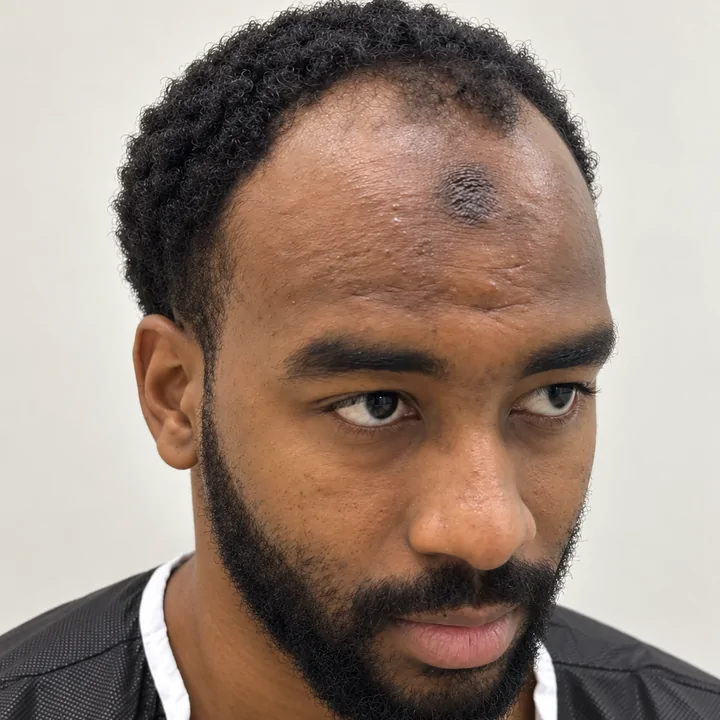



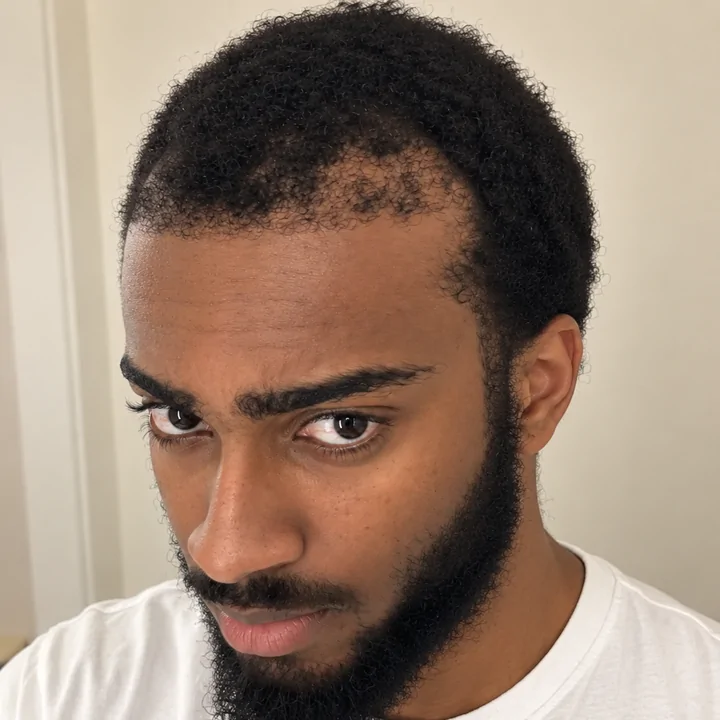

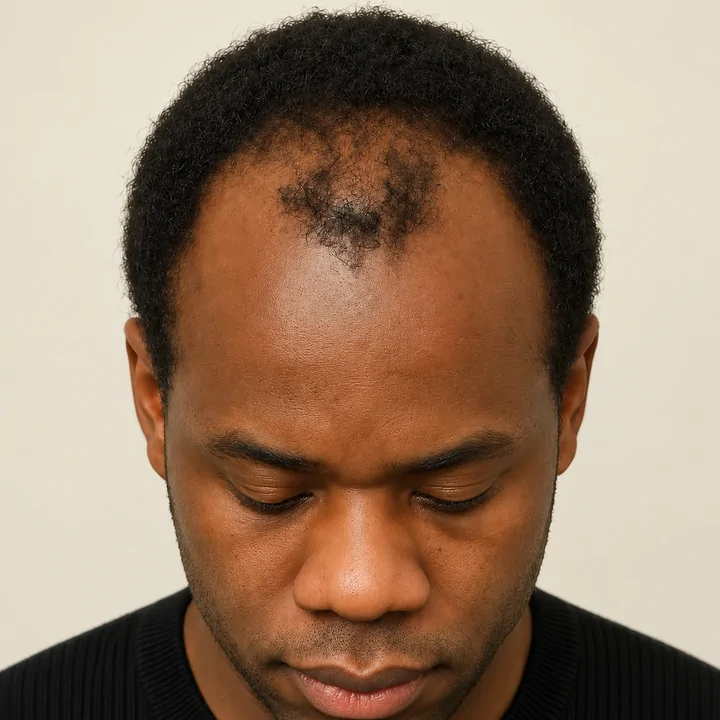


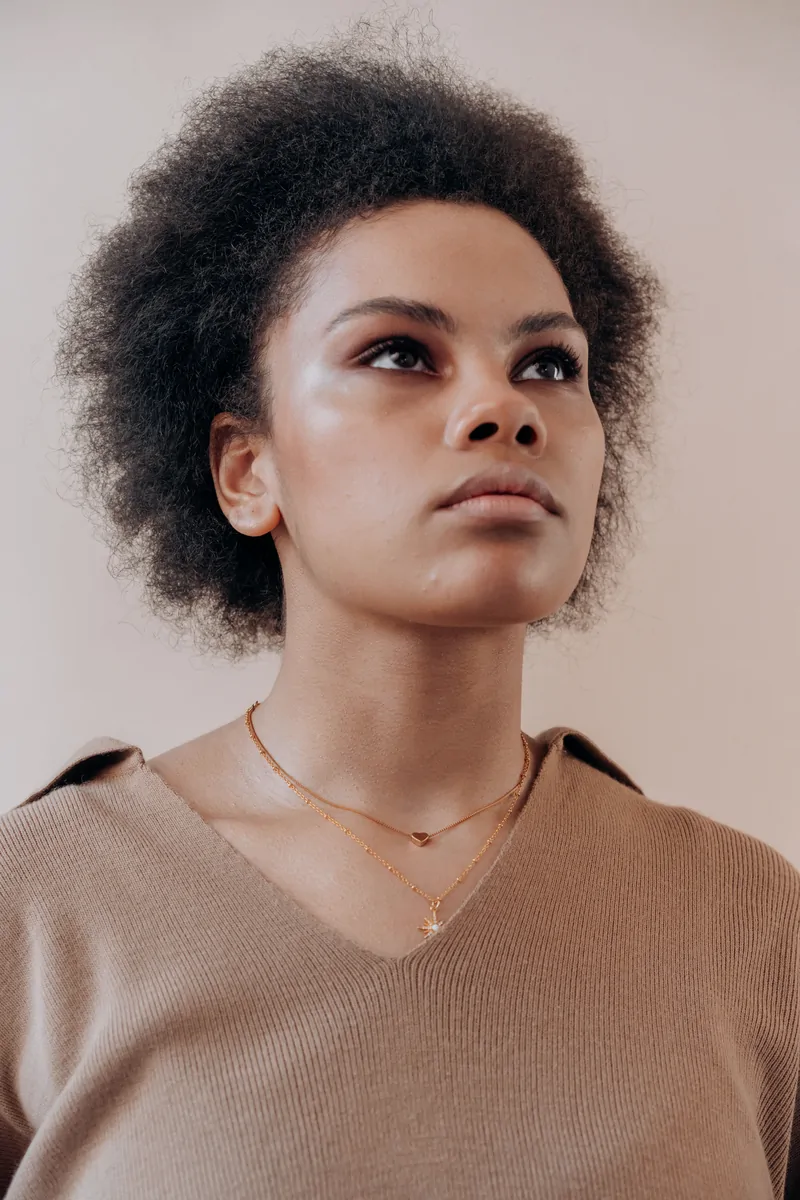
Candidacy for women depends heavily on the type of hair loss. A clinician will distinguish between patterned and diffuse thinning, check the donor area under magnification and may recommend blood tests or specialist review before any surgical decision.
Often a good fit
Assessed carefully
Honest information
The procedure
Planning starts with the question of why hair is being lost. Surgery should be considered only when the type of hair loss and the donor area suggest it is likely to help, and you should be told clearly when it is not.
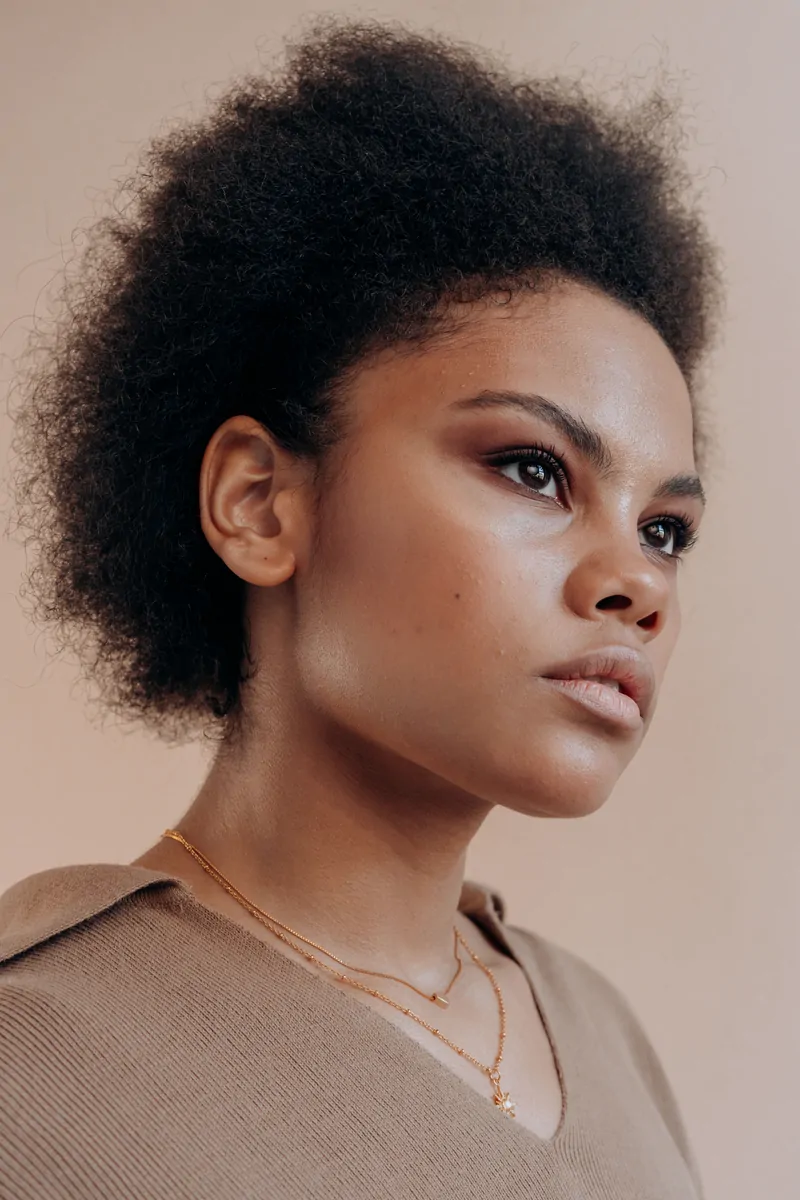
Your clinician asks about the timing of hair loss, hormonal events, medication, diet and family history, examines the scalp and donor area, and may suggest blood tests or specialist referral.

Depending on the findings, options may include medical therapy, supportive treatments, a transplant or a combination. You discuss whether surgery is likely to help and what a realistic change looks like.
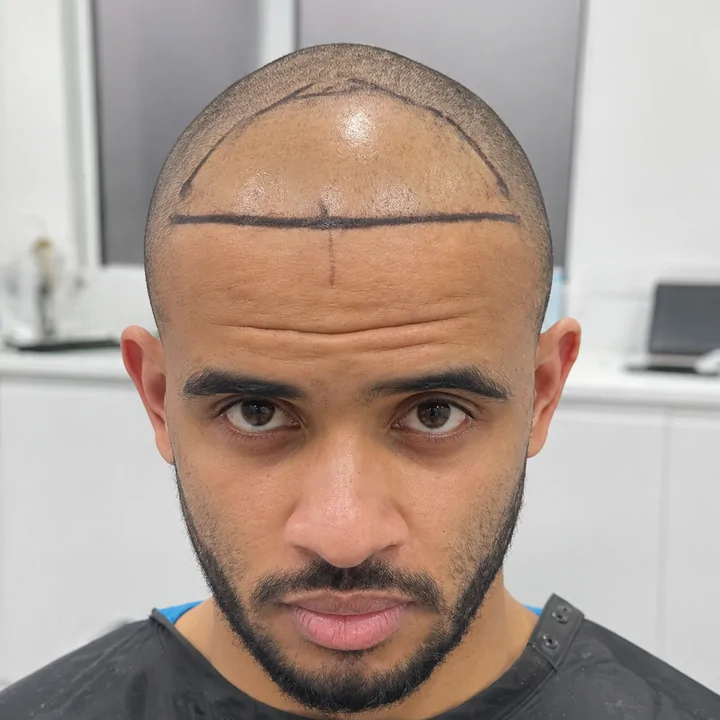
If surgery is planned, the hairline or recipient area is mapped with your parting and styling in mind. A small hidden donor strip may be trimmed beneath longer hair, depending on the technique.
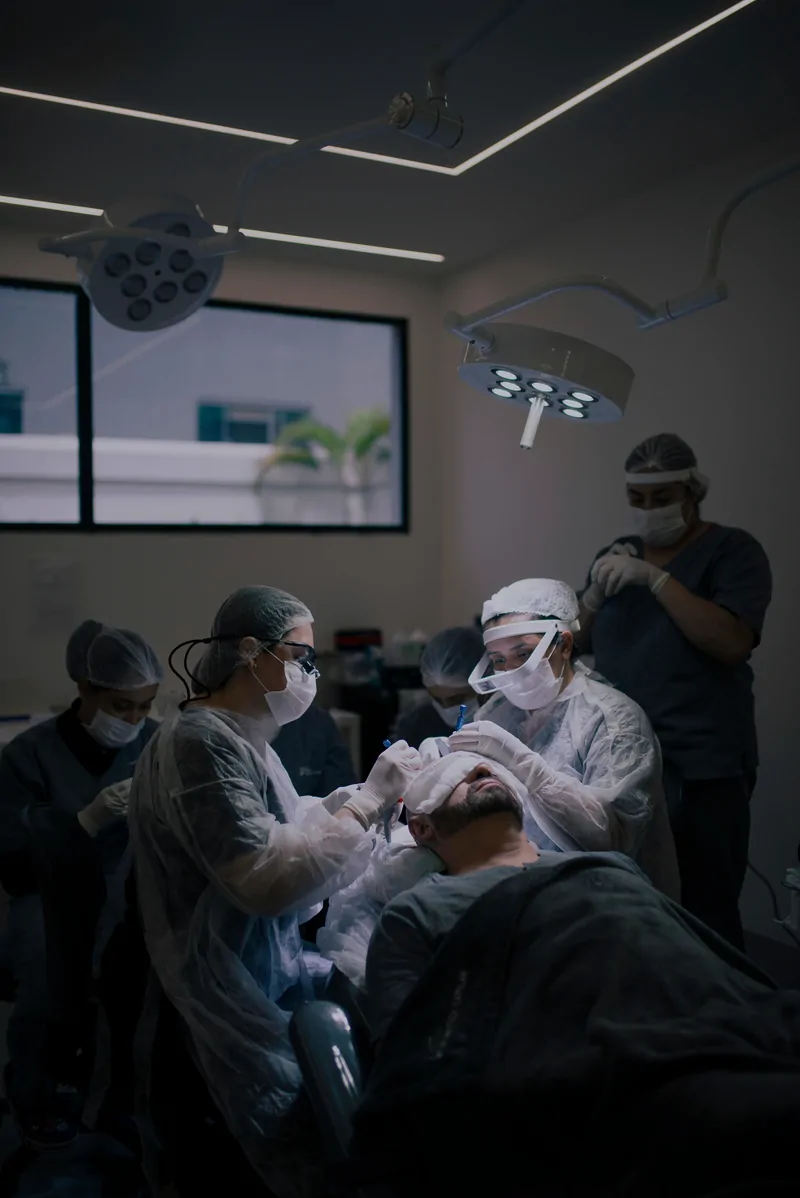
Under local anaesthesia, follicles are extracted individually and placed between existing hairs or along the hairline, using forceps into fine channels or an implanter pen.
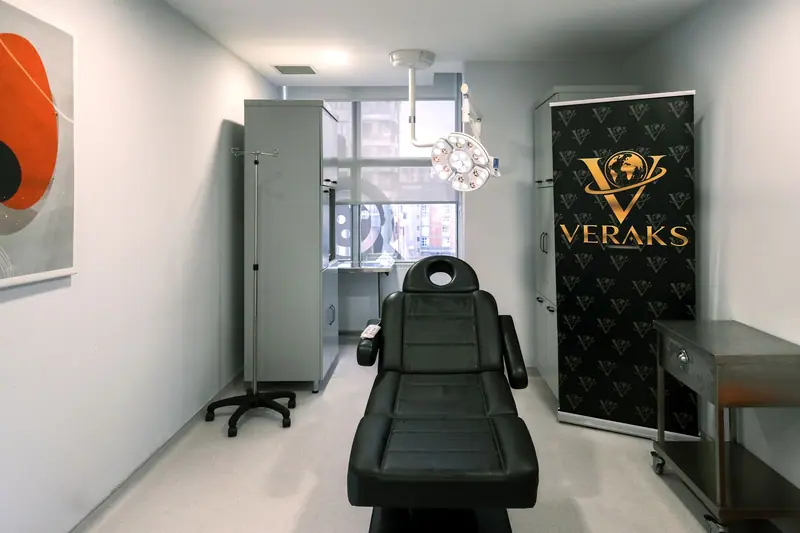
You receive aftercare guidance and a follow-up plan. Ongoing medical treatment may be continued to help protect existing hair as the transplanted hair grows.
Gallery


The extraction and placement methods – FUE with steel or sapphire-tipped blades, or DHI with an implanter pen – are broadly the same as those used for men, and none is objectively superior. What differs is the decision-making. Women’s hair loss is more often diffuse, and the donor area may not be as stable, so a medical evaluation is essential before surgery is considered. Hairline design usually aims for a softer, rounded shape, and many women prefer an unshaven or partially shaven approach, which typically limits the area that can be treated in one session.
Before & after treatment
Before you travel
Afterwards
In their words
Hair transplant patients describe their experience — from the first conversation to aftercare.
All patient reviewsGoogle reviews
Spoken with us already? Share your experience on Google.
Honest reviews — good or critical — help the next person decide. We read every one and never offer anything in exchange.
Questions
General answers — your own plan always depends on an individual assessment.
All hair questionsNo. Many women have diffuse thinning that also affects the donor area, which can make surgery unsuitable. A medical evaluation helps determine whether a transplant is likely to help.
Often not. Many women’s procedures use unshaven or partially shaven techniques, with small donor sections hidden beneath longer hair. This can limit the size of the area treated in one session.
In suitable cases, grafts can be placed to lower or soften a high hairline. How much change is possible depends on your forehead, scalp laxity and donor supply.
Your clinician may recommend tests, for example for thyroid function or iron levels, to look for causes of hair loss that can be treated medically.
Women often have more native hair in the recipient area, so temporary shedding can be more noticeable. In many cases hair regrows over the following months.
Post-partum shedding is common and often improves on its own. Clinicians usually suggest waiting until hair loss has stabilised before considering surgery.
Also available
Free consultation
Tell us what you would like to change. A coordinator replies personally and arranges a hair specialist’s review of your photos — free, without obligation.
A person replies. Monday to Saturday, Istanbul time.
VHFree consultation
A coordinator replies personally — free, no obligation.