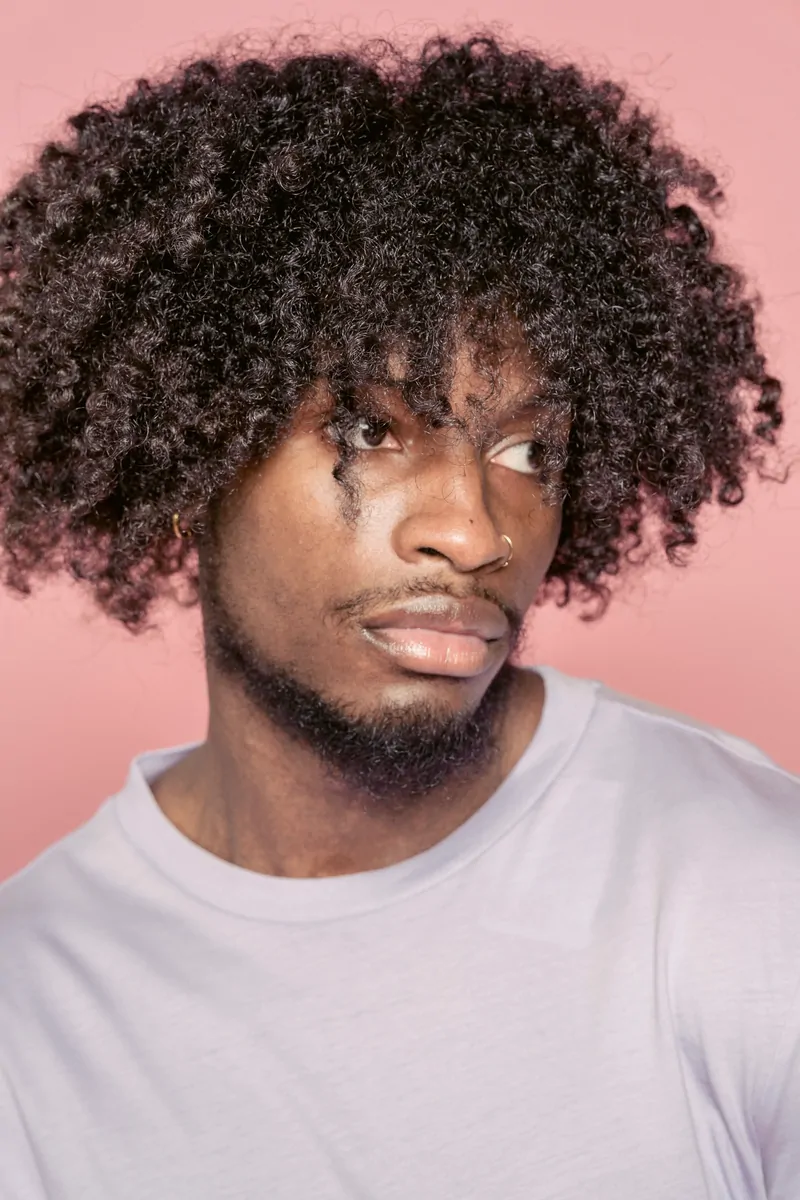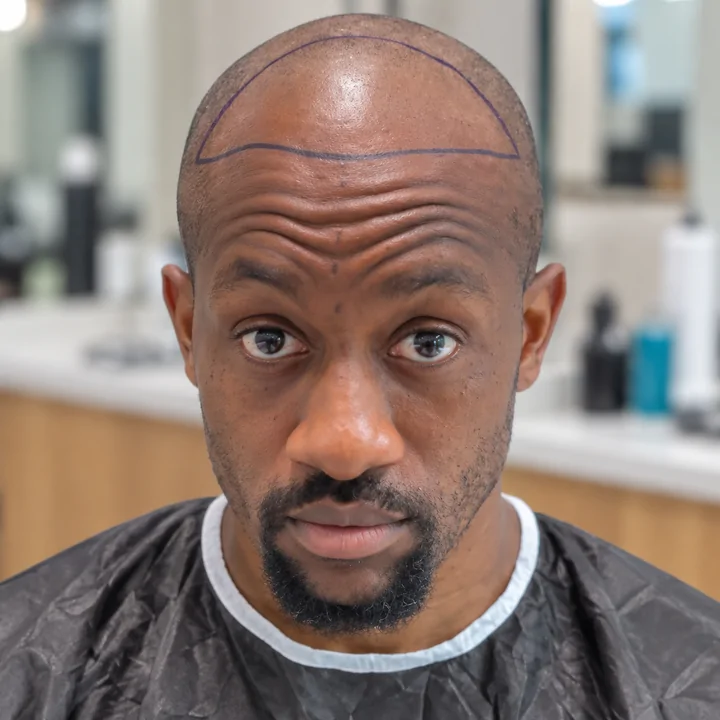

Afro hair transplant
Hair Restoration
PRP Hair Treatment in Turkey: how platelet-rich plasma is prepared, what the mixed evidence suggests, who may be a candidate and why it is an adjunct, not a cure.

Free · no obligation
Leave your name and number — a coordinator replies personally.
PRP (platelet-rich plasma) for hair involves drawing a small amount of your blood, spinning it in a centrifuge to concentrate the platelets, and injecting the resulting plasma into areas of thinning on the scalp. Platelets contain growth factors involved in tissue repair, and the theory is that delivering them to the scalp may support weakened follicles. PRP does not create new follicles and is not a replacement for a hair transplant or for evidence-based medical therapy.
Research on PRP for hair loss has produced mixed results. Some studies report modest improvements in hair density or thickness in certain groups, particularly people with androgenetic (pattern) hair loss, while others show little difference. Preparation methods, platelet concentrations, injection schedules and outcome measures vary widely between studies, which makes firm conclusions difficult. Because of this, it is reasonable to view PRP as an option with uncertain benefit.
PRP is sometimes discussed after a hair transplant to support the healing period, or alongside medical treatment for pattern loss. Whether it is worthwhile for you depends on the cause of your hair loss, your expectations and your clinician’s view of the evidence. If this option is relevant to you, availability at our clinic and your suitability are confirmed during your consultation.
What it can help with
Results · before & after
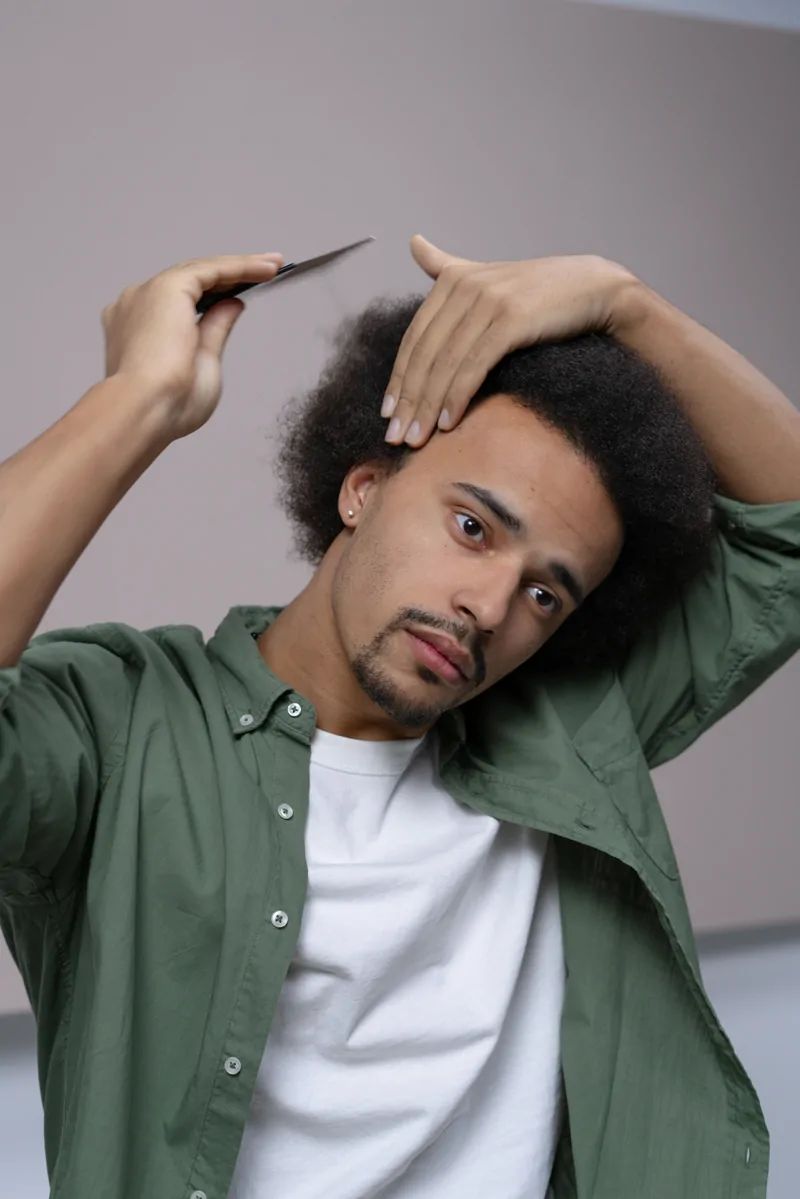
Before and after photographs from PRP hair treatment and related treatments at our clinic in Istanbul. Drag the handle to compare each pair.
All hair results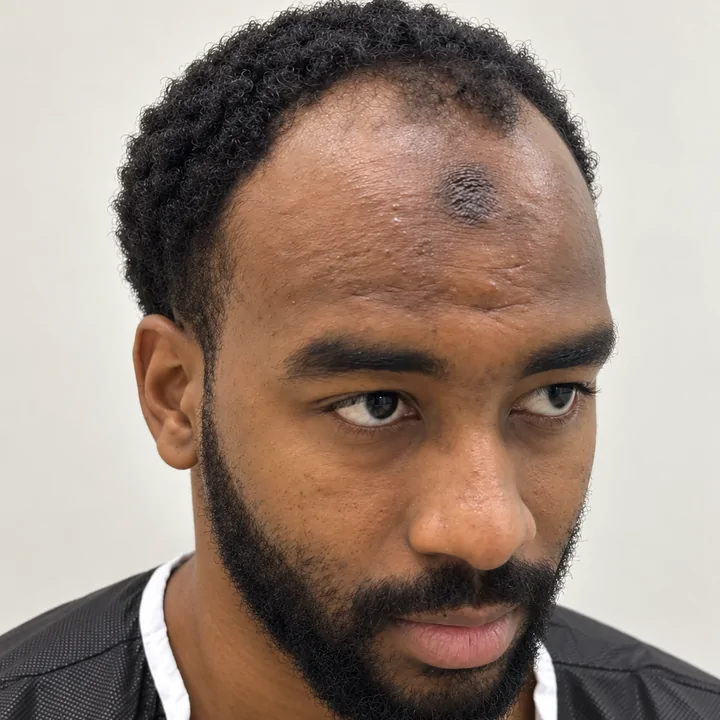
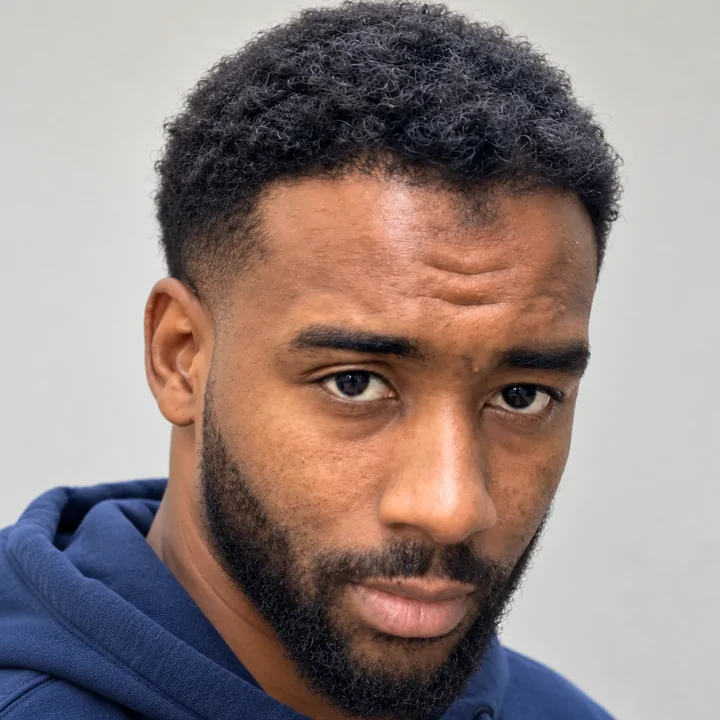
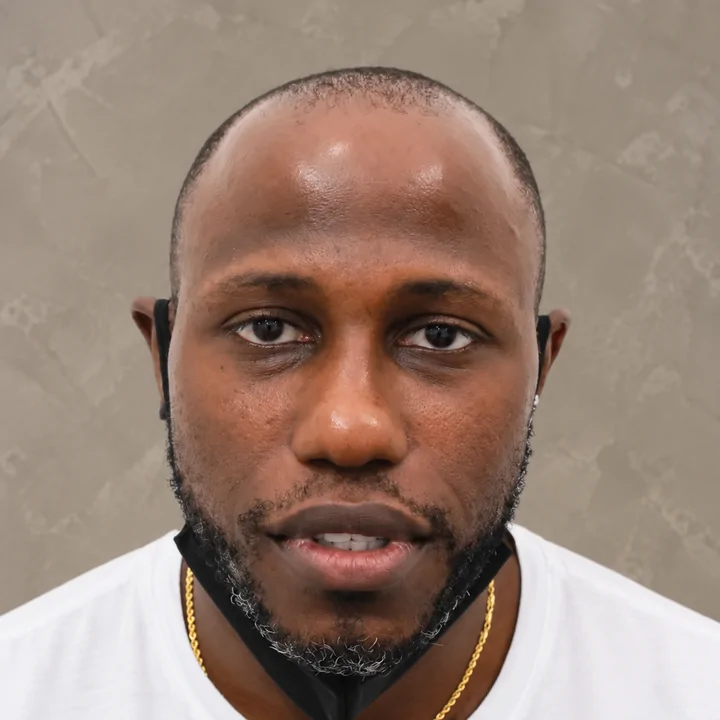
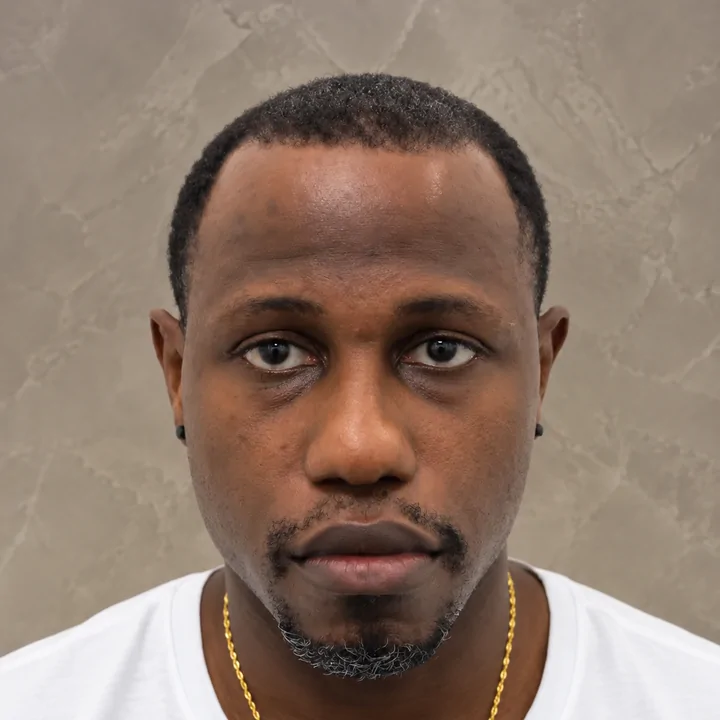
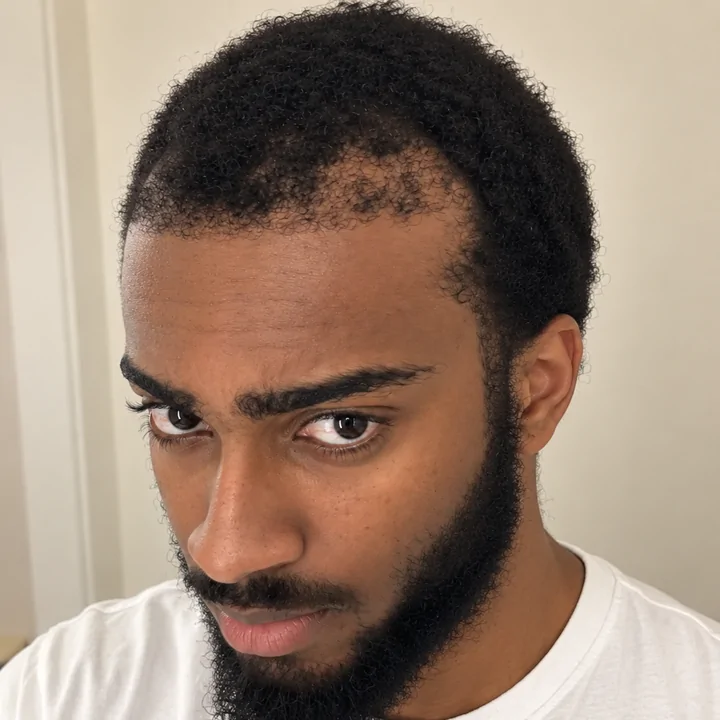

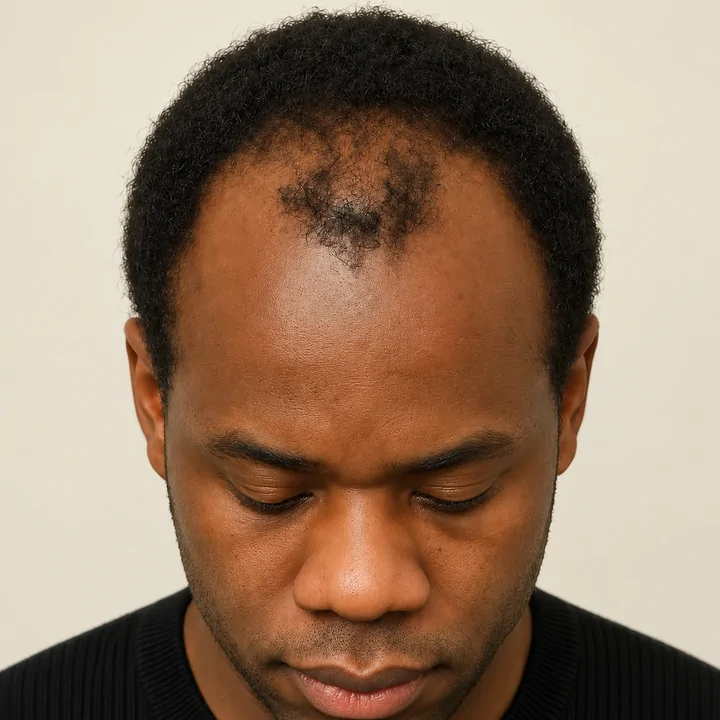
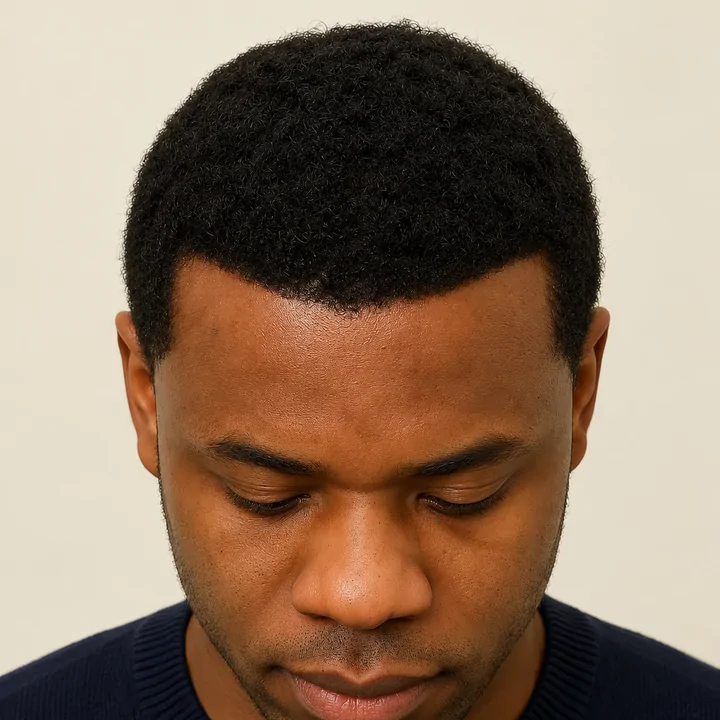
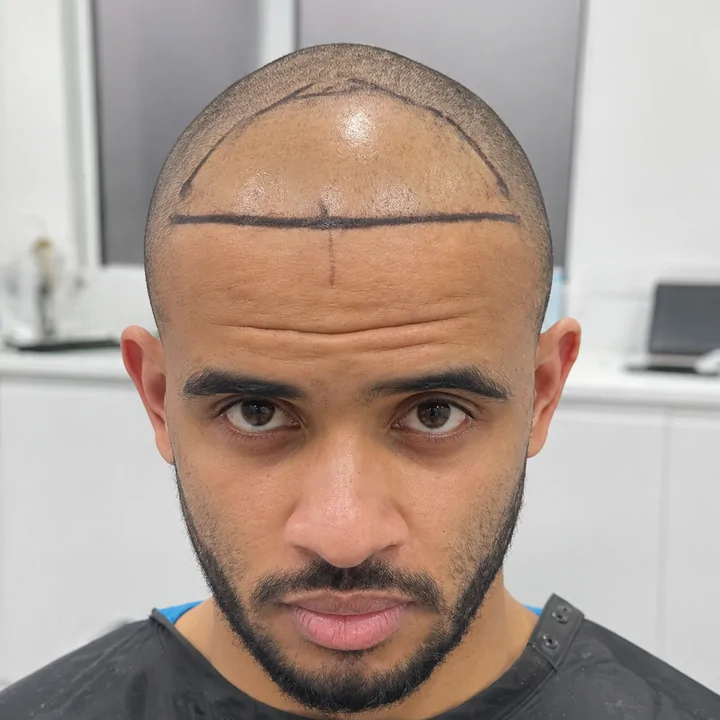


PRP is not appropriate for everyone. A clear diagnosis of the type of hair loss usually comes first, because PRP is unlikely to help where follicles have already been lost or where loss has another medical cause.
Often a good fit
Assessed carefully
Honest information
The procedure
A cautious approach to PRP starts with diagnosis and treats it as one possible part of a wider plan. It is described here in general terms.

Your clinician reviews the pattern and cause of hair loss, your health history and medications. Blood tests may be suggested beforehand in some cases.

A small quantity of blood is drawn from your arm, similar to a routine blood test.
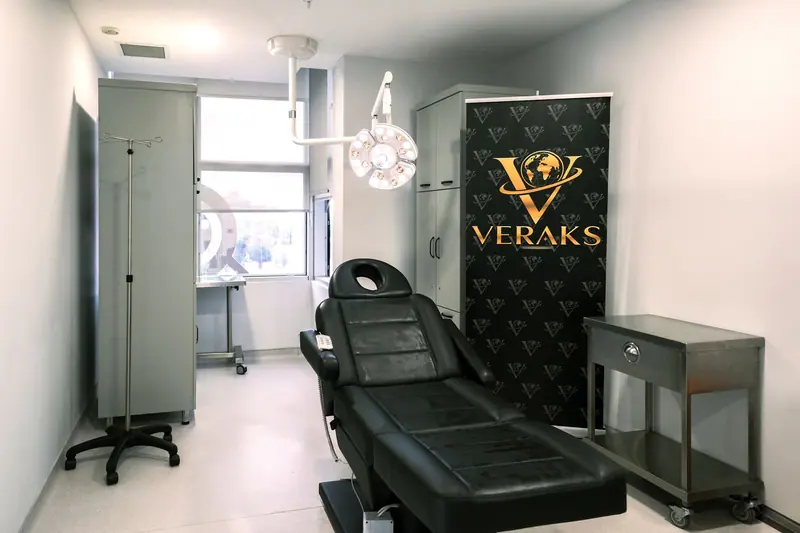
The blood is processed in a centrifuge to separate the platelet-rich layer, which is drawn up for injection. Preparation methods can differ between clinics.

The plasma is injected into the thinning areas through multiple small injections. A topical numbing cream or local anaesthetic may be used for comfort.
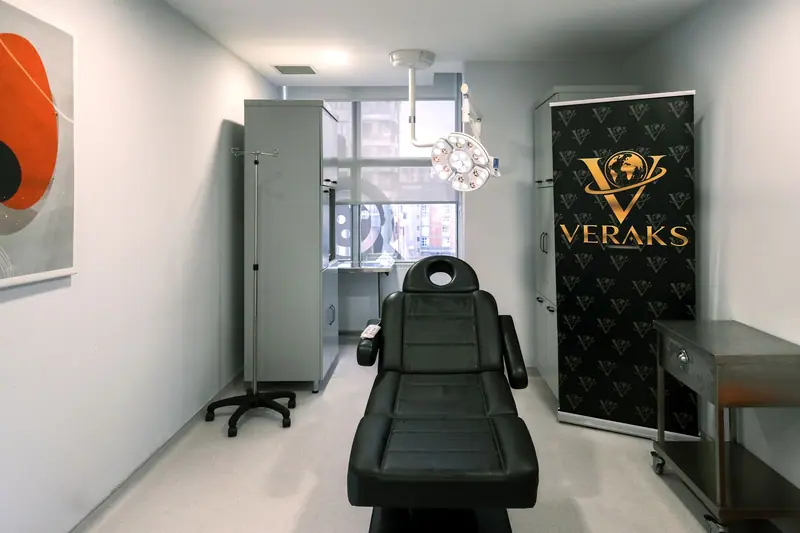
Sessions are usually repeated at intervals, then reviewed with photographs to judge whether continuing makes sense. Any effect is often gradual.
Gallery
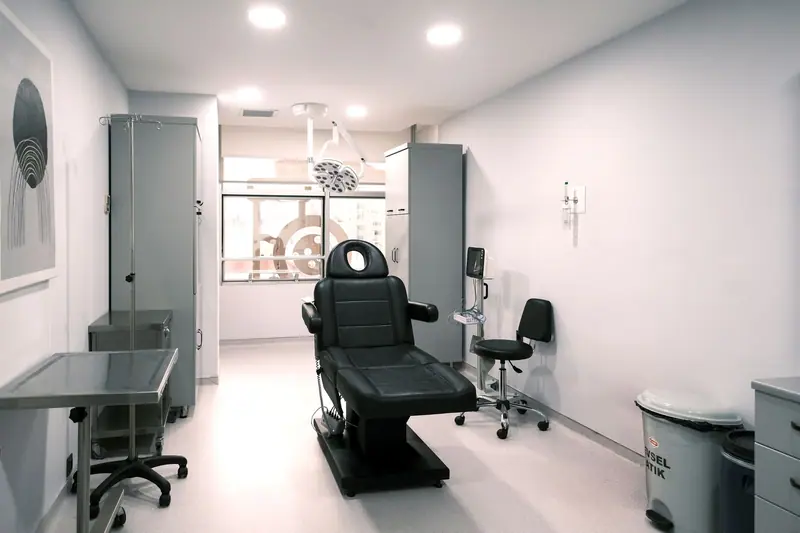


Before & after treatment
Before you travel
Afterwards
In their words
Hair transplant patients describe their experience — from the first conversation to aftercare.
All patient reviewsGoogle reviews
Spoken with us already? Share your experience on Google.
Honest reviews — good or critical — help the next person decide. We read every one and never offer anything in exchange.
Questions
General answers — your own plan always depends on an individual assessment.
All hair questionsThe evidence is mixed. Some people with pattern hair loss notice modest improvement in thickness or shedding, while others notice little change. It is not possible to predict who will respond.
No. PRP cannot replace follicles that have been lost. Where an area is bald, a transplant or other approach would usually need to be considered.
Protocols vary. A short initial course followed by a review is common, and some patients are advised maintenance sessions if they appear to benefit.
Some clinicians use it during the healing period. Evidence for its effect on transplant results is limited, so it should be viewed as optional.
Scalp injections can be uncomfortable. Numbing cream, cooling or local anaesthetic may be used to make the session more tolerable.
People with platelet or clotting disorders, active scalp infections, certain cancers or those on some medications may be advised against it. Your clinician will review this.
Also available
Free consultation
Tell us what you would like to change. A coordinator replies personally and arranges a hair specialist’s review of your photos — free, without obligation.
A person replies. Monday to Saturday, Istanbul time.
VHFree consultation
A coordinator replies personally — free, no obligation.