Porcelain veneers
Restorative Dentistry
Zirconium Crowns in Turkey: what zirconia is, monolithic vs layered crowns, when they are recommended, how they are made and fitted, risks and daily care.
Free · no obligation
Leave your name and number — a coordinator replies personally.
Zirconium crowns are made from zirconia — zirconium dioxide — a high-strength ceramic. “Zirconium crown” is the name patients most often use, though the material is an oxide ceramic rather than a metal. Zirconia is white, metal-free and highly resistant to fracture, which makes it suitable for crowns on back teeth that take heavy chewing forces as well as for front teeth, where appearance is a priority.
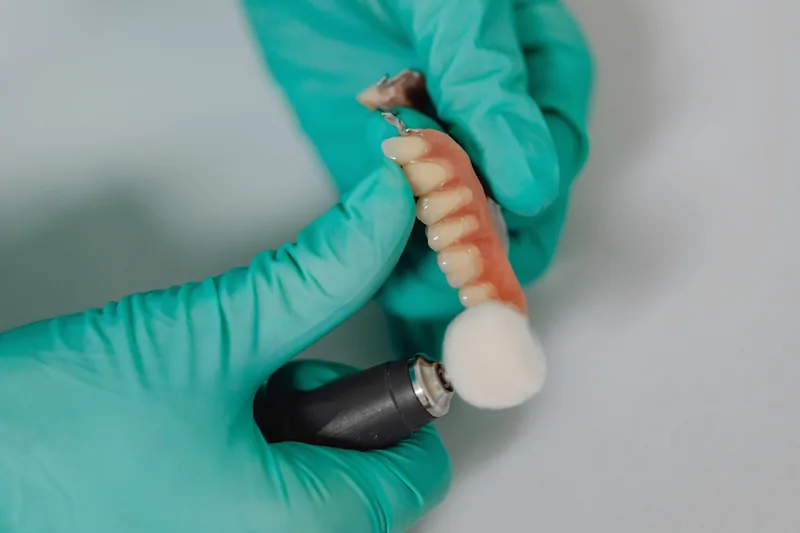
Zirconia crowns are designed digitally and milled from a block of material, then sintered in a furnace, where they shrink and harden to their final strength. There are two broad designs. A monolithic (full-contour) zirconia crown is made entirely from zirconia, stained and glazed to the right shade; it is very strong and can often be made thinner, needing less tooth reduction. A layered zirconia crown uses a zirconia core with porcelain fired over the visible surfaces, which can give greater depth and translucency but introduces a weaker porcelain layer that may chip.
Newer, more translucent zirconia formulations have narrowed the gap in appearance, but in general more translucent zirconia is somewhat less strong. Your clinician will choose the type of zirconia and the crown design based on where the tooth sits, how you bite, how much space there is and how closely it must match neighbouring teeth.
What they can help with
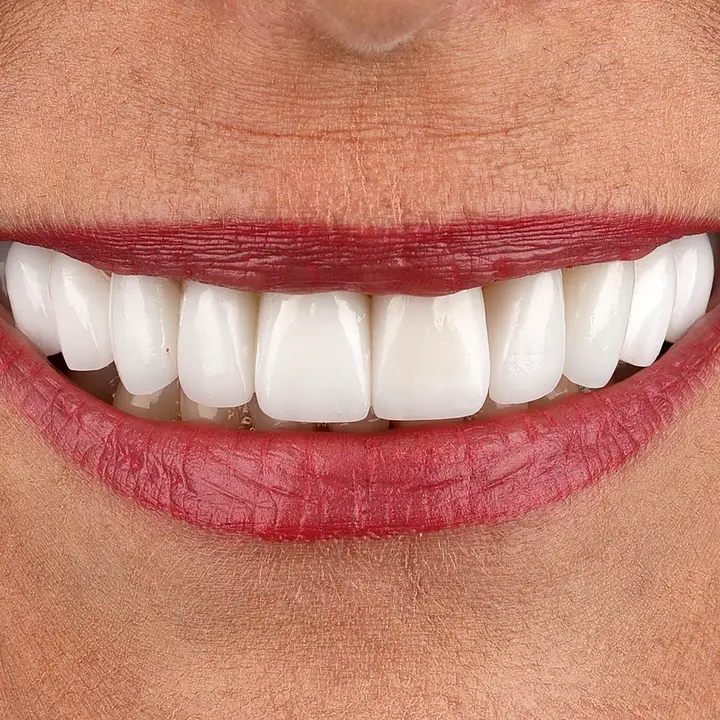
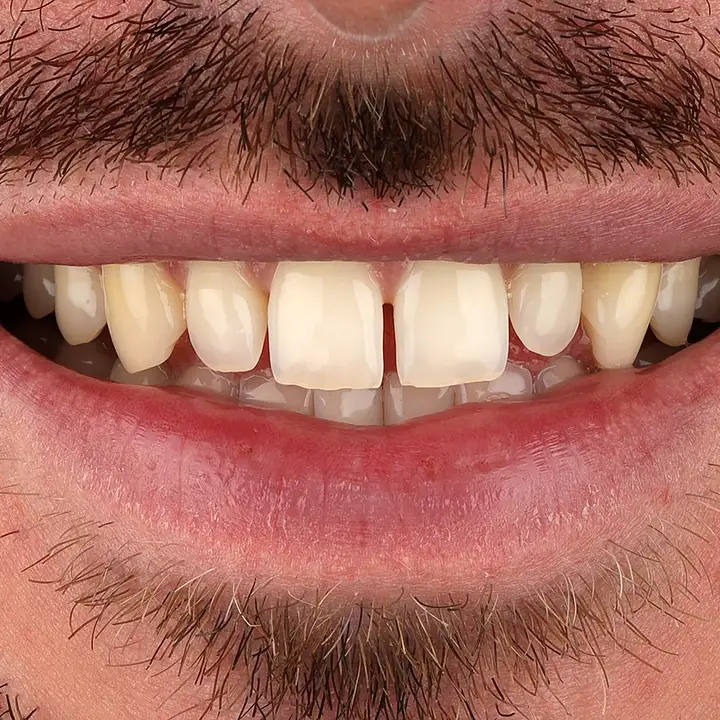
Results · before & after
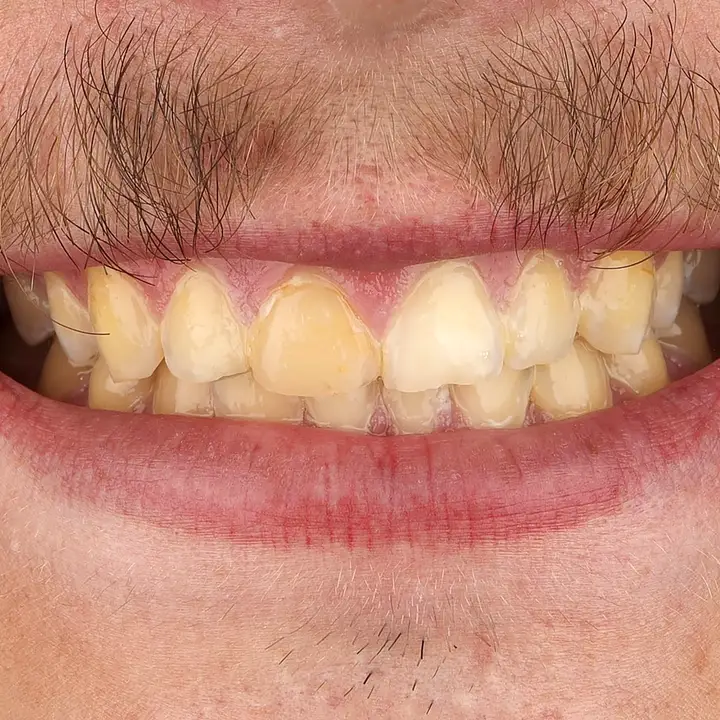
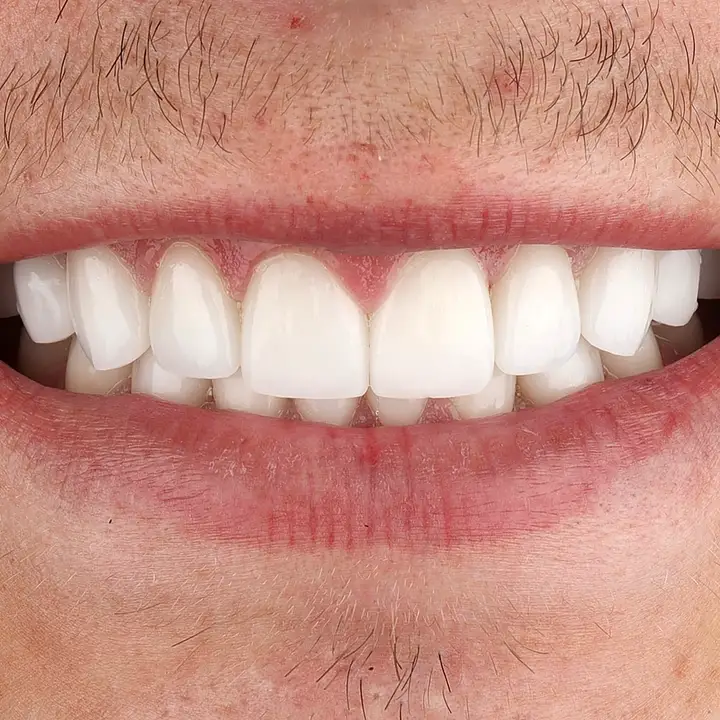
Before and after photographs from zirconium crowns and related treatments at our clinic in Istanbul. Drag the handle to compare each pair.
All dental results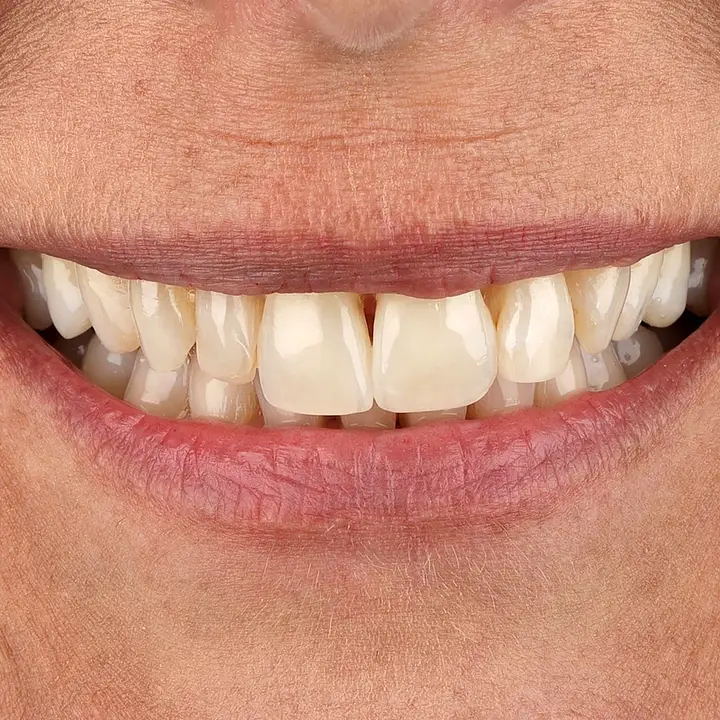
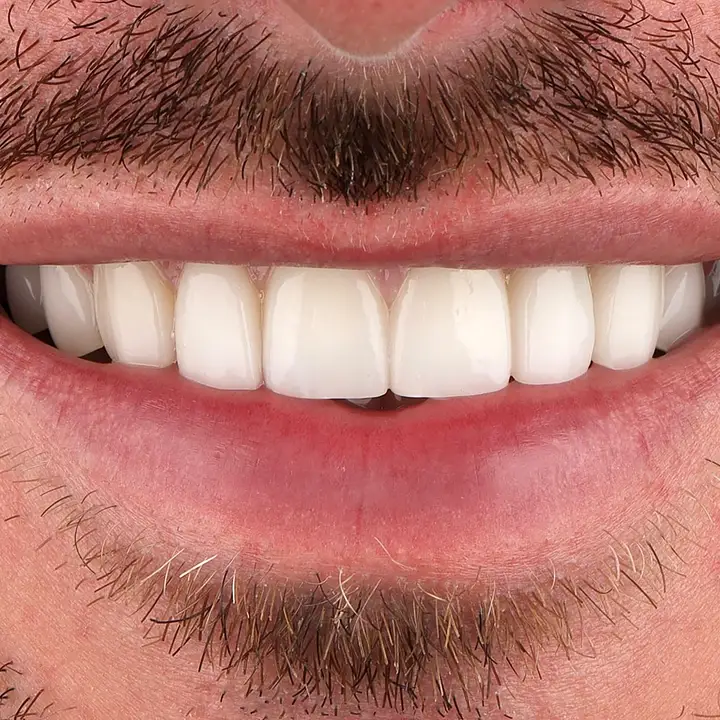
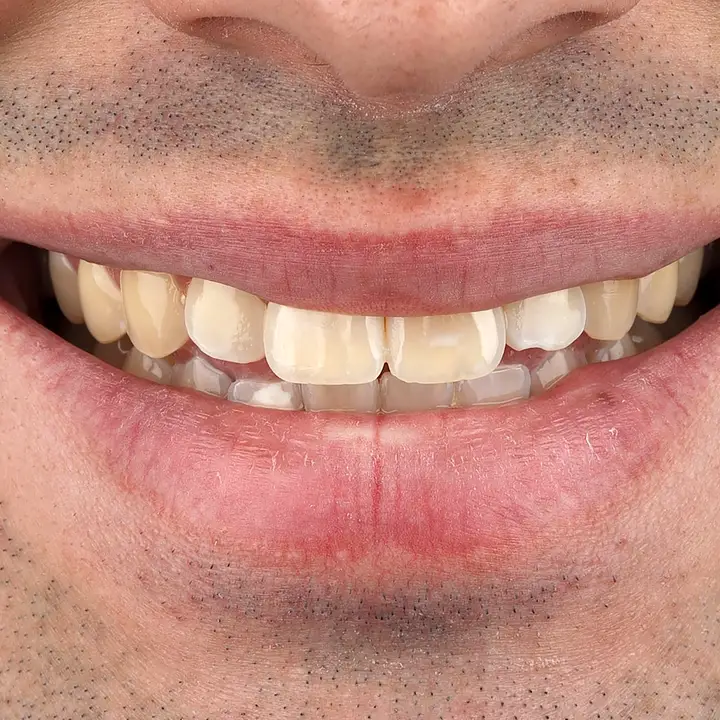
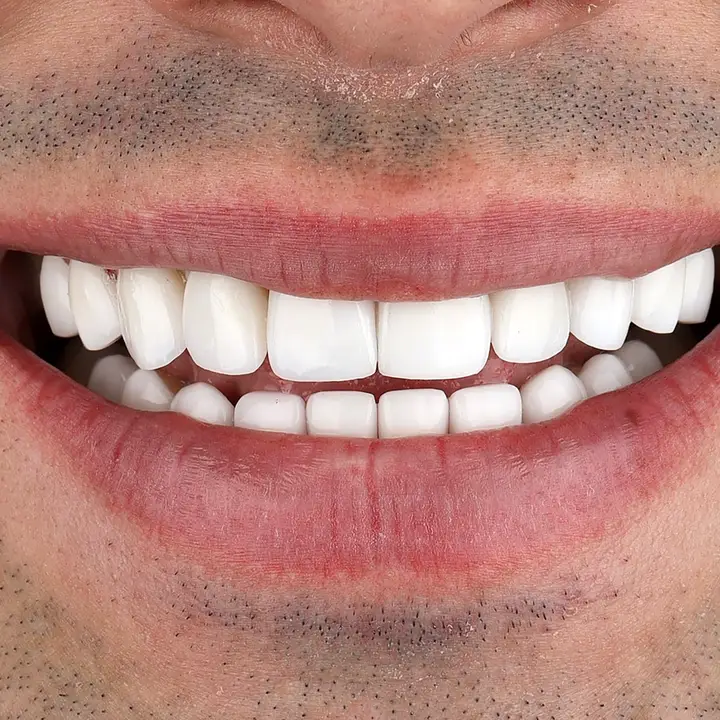

Zirconia crowns can suit many teeth that need full coverage. The decision depends on how much tooth remains, how visible the tooth is and the forces it must withstand.
Often a good fit
Assessed carefully
Honest information
The procedure
The type of zirconia and the crown design are matched to each tooth rather than applied uniformly.

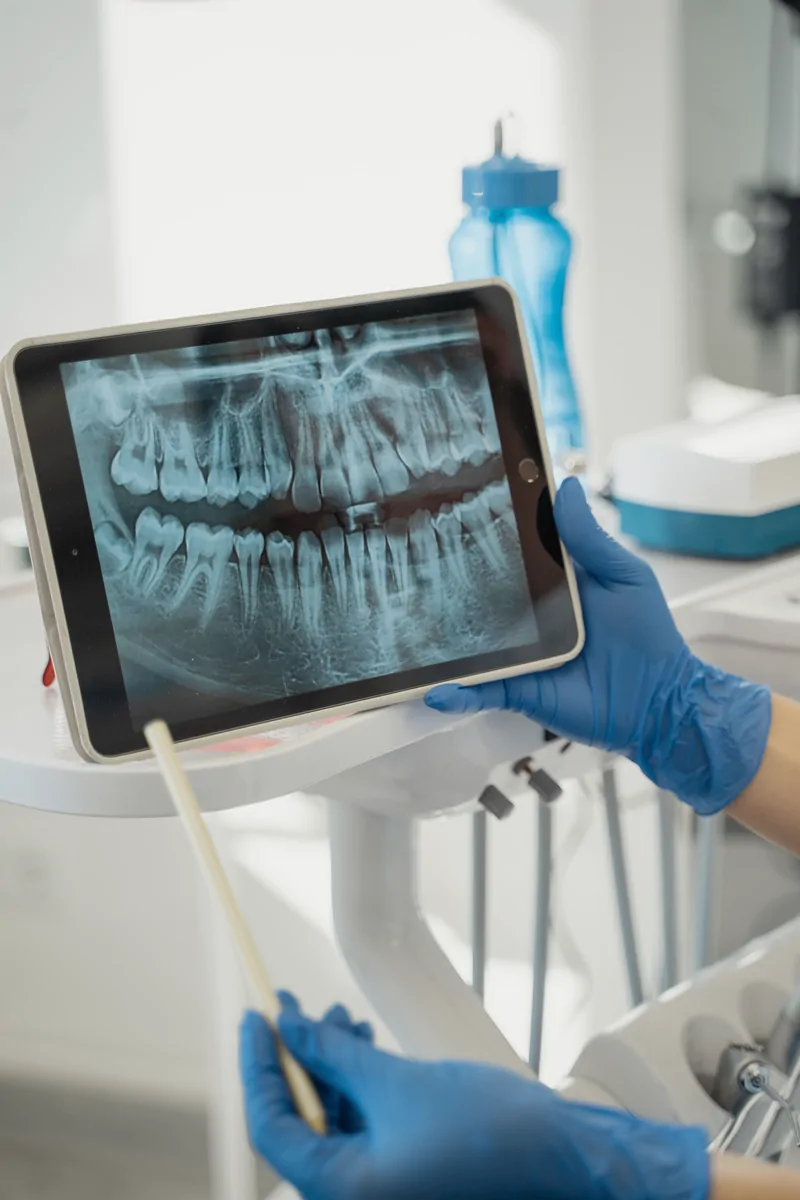
Your clinician examines the tooth and bite, takes X-rays, and discusses whether a monolithic or layered zirconia crown is more appropriate for the position and your appearance goals.
Under local anaesthetic, the tooth is shaped to make space for the crown. Monolithic zirconia can often be made thinner, so reduction may be more conservative than for layered or metal-supported crowns. A core build-up may be placed first if the tooth is badly broken.
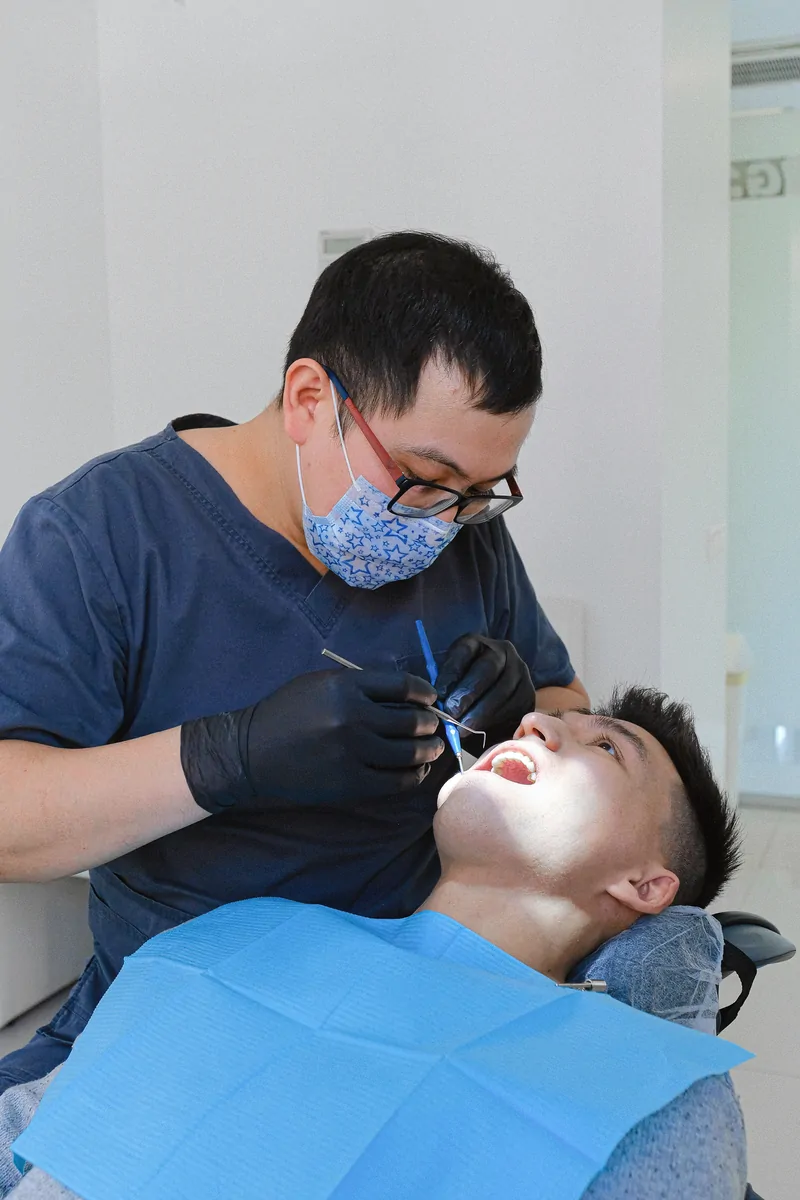
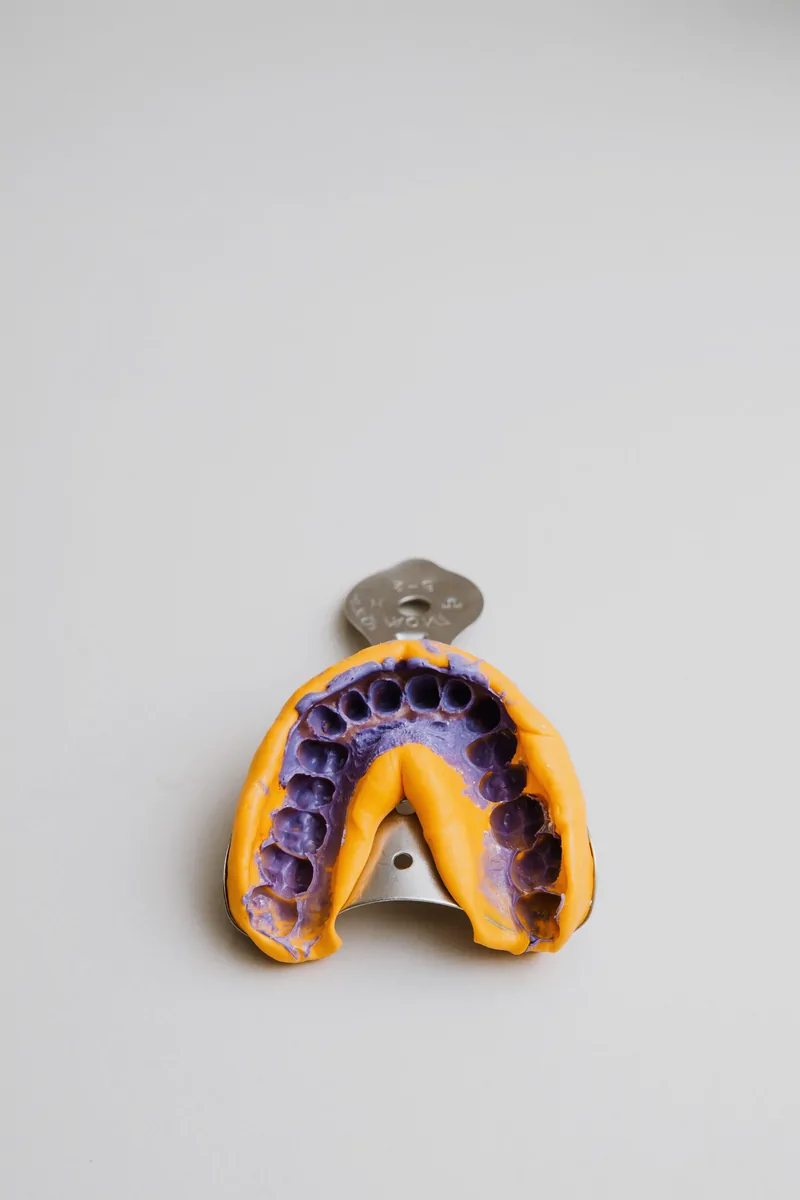
An intraoral scan or impression records the prepared tooth and bite, and the shade is matched to your neighbouring teeth. A temporary crown protects the tooth in the meantime.
The crown is designed by computer and milled from a zirconia block, then sintered at high temperature to reach its final strength. It is then stained and glazed, or layered with porcelain, to achieve the required colour and translucency.
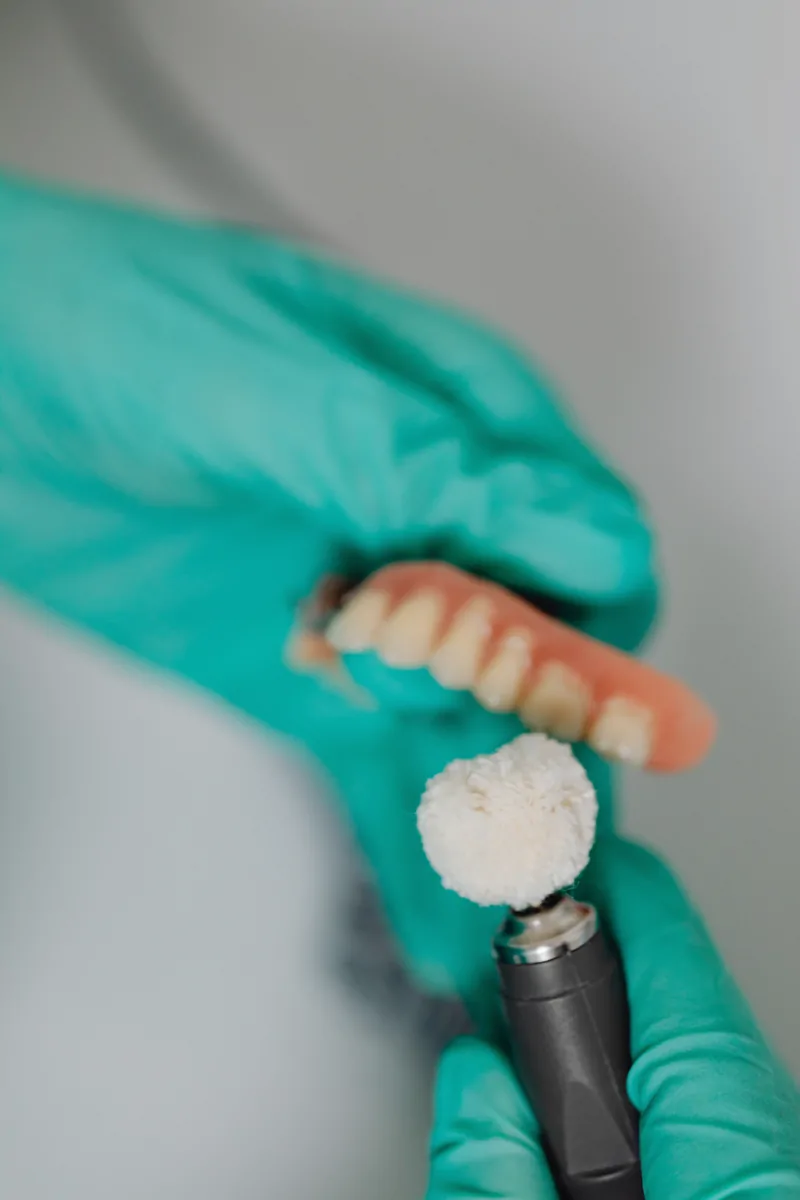
The crown is tried in to check fit, contacts, colour and bite. Once approved, it is cemented or bonded with a suitable cement, and the bite is adjusted and polished so it meets the opposing teeth smoothly.
Gallery
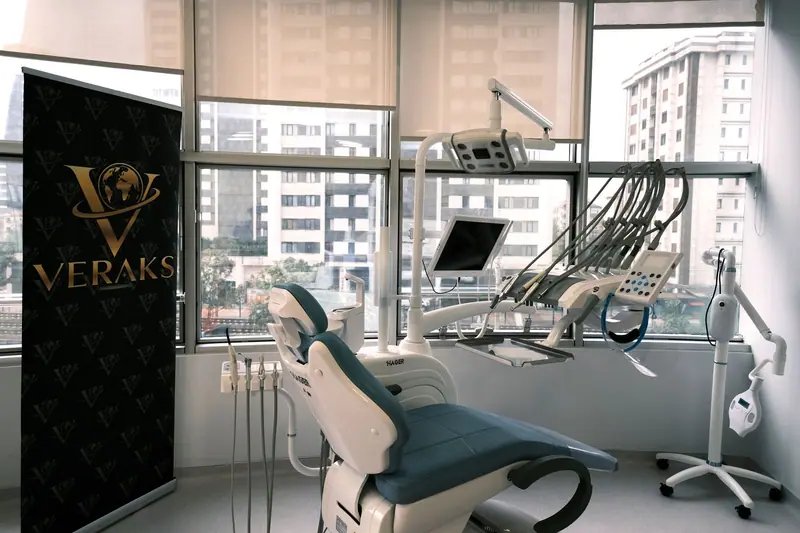

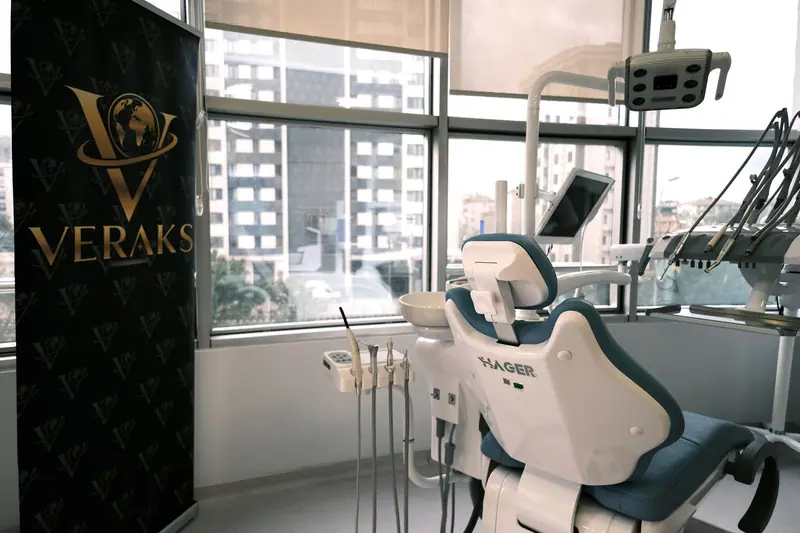
A zirconium crown is a full-coverage, all-ceramic crown made from zirconia. Compared with porcelain-fused-to-metal crowns, it has no metal framework, so there is no grey margin if gums recede, and monolithic zirconia is generally more fracture-resistant than porcelain layers. Compared with E-max (lithium disilicate) crowns, zirconia is usually stronger but less translucent, which is why E-max is often preferred on highly visible front teeth and zirconia on back teeth or under heavy forces. Layered zirconia sits between the two, adding porcelain for appearance. Veneers and laminates differ more fundamentally: they cover only the front of a sound tooth for cosmetic change, while any crown covers the whole tooth to restore strength.
Before & after treatment
Before you travel
Looking after them
In their words
Dental patients describe their experience — from the first conversation to aftercare.
All patient reviewsGoogle reviews
Spoken with us already? Share your experience on Google.
Honest reviews — good or critical — help the next person decide. We read every one and never offer anything in exchange.
Questions
General answers — your own plan always depends on an individual assessment.
All dental questionsZirconium itself is a metal, but dental crowns use zirconia — zirconium dioxide — which is a ceramic. Zirconia crowns are considered metal-free restorations.
Monolithic crowns are made entirely of zirconia and are very strong. Layered crowns add porcelain over a zirconia core for extra translucency, but the porcelain layer can chip. Your clinician will recommend one for your tooth.
Modern zirconia can look natural, especially when stained and glazed carefully or layered with porcelain. On very visible front teeth, a more translucent ceramic may sometimes be suggested instead.
Monolithic zirconia is often considered for patients who grind because of its strength, though a night guard is usually still recommended to protect the crown and the opposing teeth.
Many last for a number of years with good care. Lifespan depends on your bite, hygiene, diet and the health of the tooth and gum underneath.
Yes, zirconia is commonly used for implant crowns and bridges. The design is planned with the implant position and your bite in mind.
Also available
Free consultation
Tell us what you would like to change. A coordinator replies personally and arranges a dentist’s review of your photos — free, without obligation.
A person replies. Monday to Saturday, Istanbul time.
VHFree consultation
A coordinator replies personally — free, no obligation.