Afro hair transplant
Hair Transplant Methods
Sapphire FUE Hair Transplant in Turkey: how sapphire-tipped blades open recipient channels, who may be suitable, realistic growth phases, risks and aftercare.

Free · no obligation
Leave your name and number — a coordinator replies personally.
Sapphire FUE is not a separate kind of hair transplant – it is follicular unit extraction (FUE) in which one step, the opening of the tiny recipient channels that will hold the grafts, is carried out with a blade whose cutting tip is made of synthetic sapphire rather than steel. Follicles are still removed one by one from the donor area, usually the back and sides of the scalp, sorted under magnification and then placed into the channels. Everything that determines how natural a transplant can look – the hairline design, the angle and direction of each channel, the density chosen for each zone and how carefully the grafts are handled – depends on planning and technique rather than on the blade material alone.
Sapphire blades can be manufactured with a very smooth, sharp edge in a range of small widths, and some clinicians prefer them because they feel the blade glides through the skin cleanly and allows channels to be sized closely to the grafts. Proponents suggest this may help with tidier healing and less crusting in some patients. It is important to be clear, however, that published evidence comparing sapphire and steel channel opening is limited, and there is no reliable proof that sapphire FUE produces better growth or density than well-performed FUE with steel blades.
For that reason, we present sapphire FUE as one technique option among several. If your clinician recommends it, they should be able to explain why it suits your case, how many channels the plan involves in broad terms, and how your donor area and future hair loss have been taken into account.
What it can help with
Results · before & after
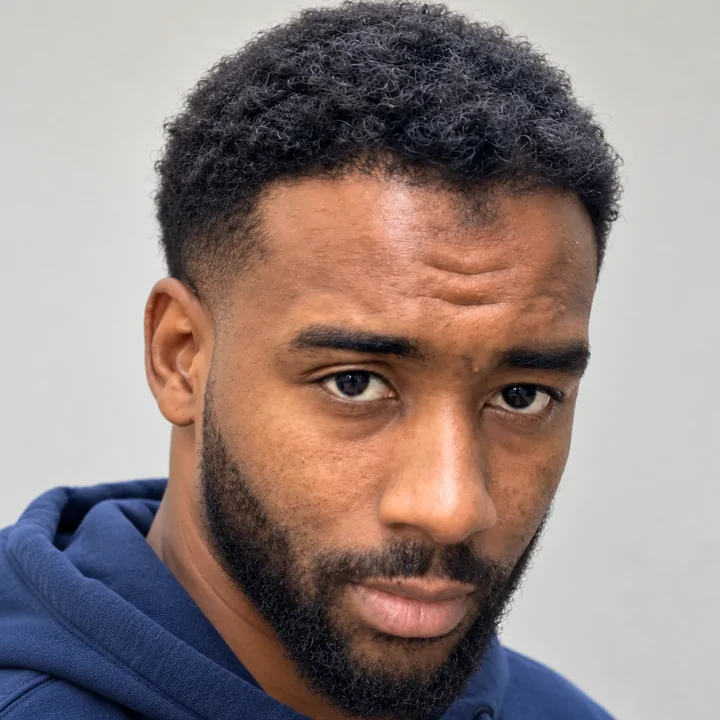
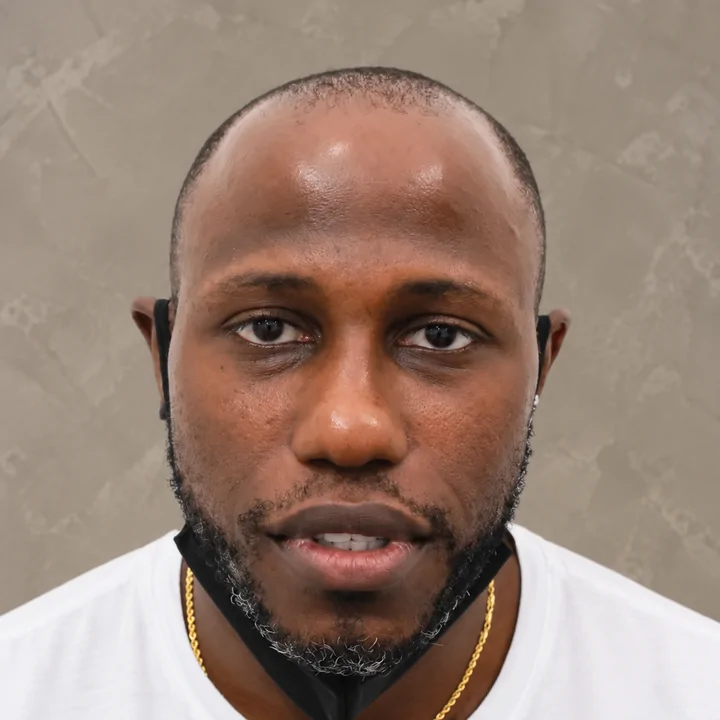
Before and after photographs from sapphire FUE hair transplant and related treatments at our clinic in Istanbul. Drag the handle to compare each pair.
All hair results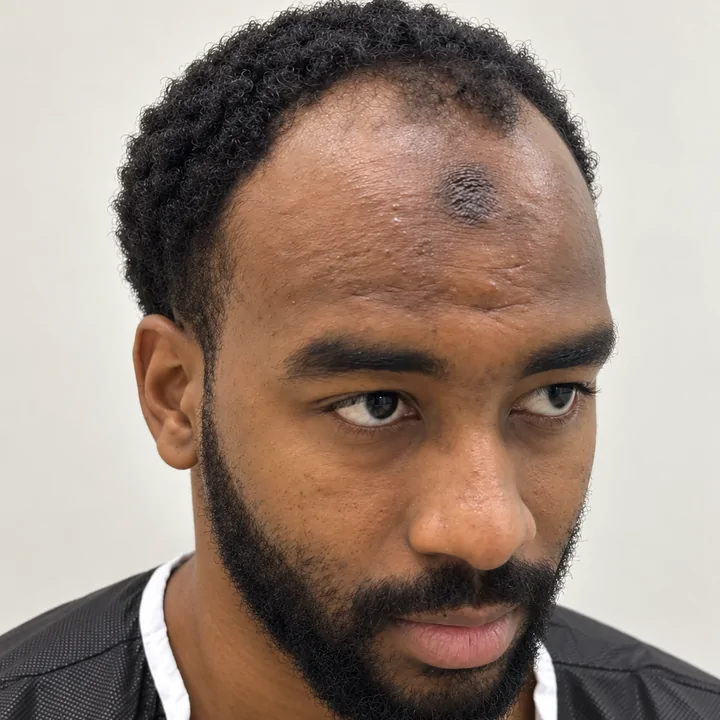
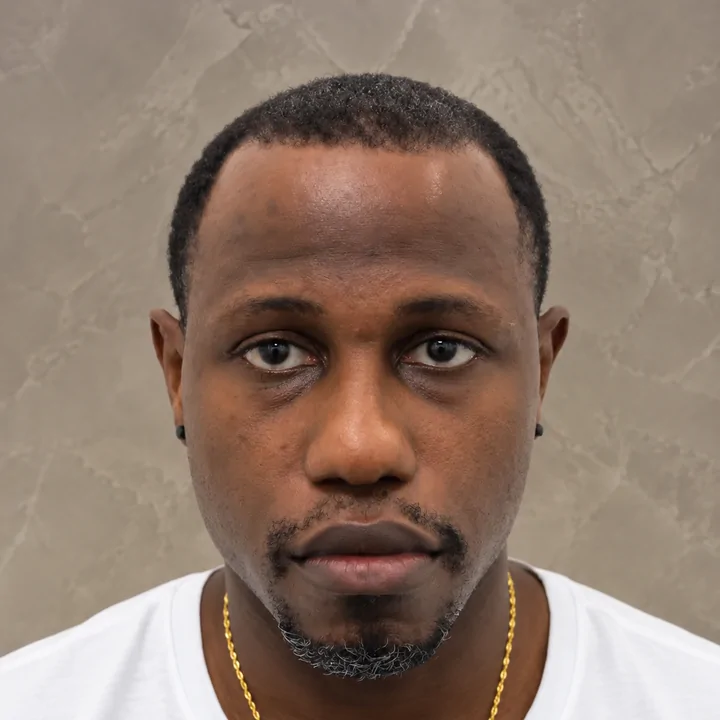
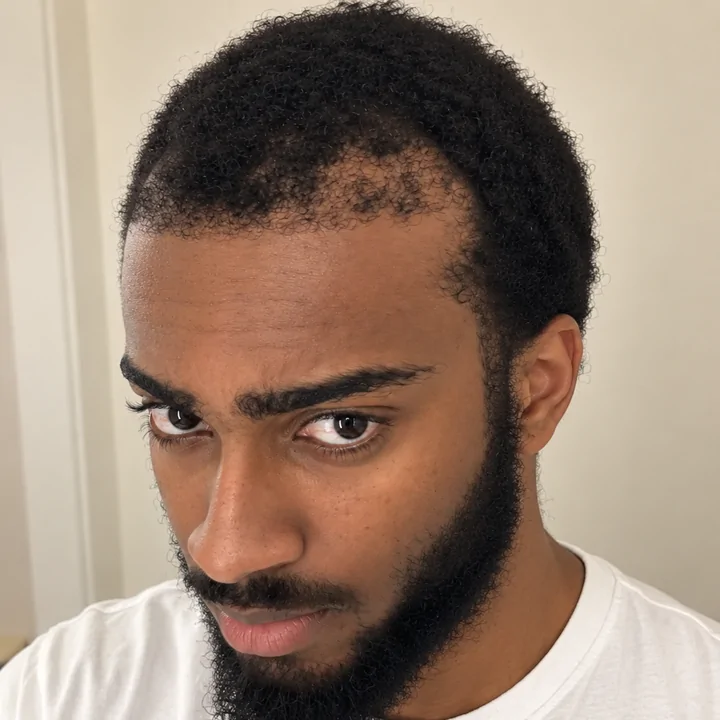
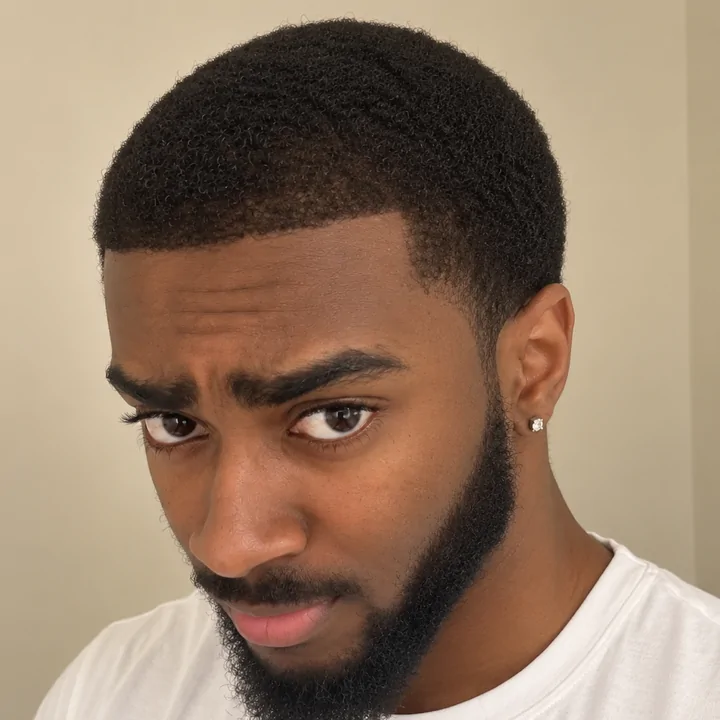
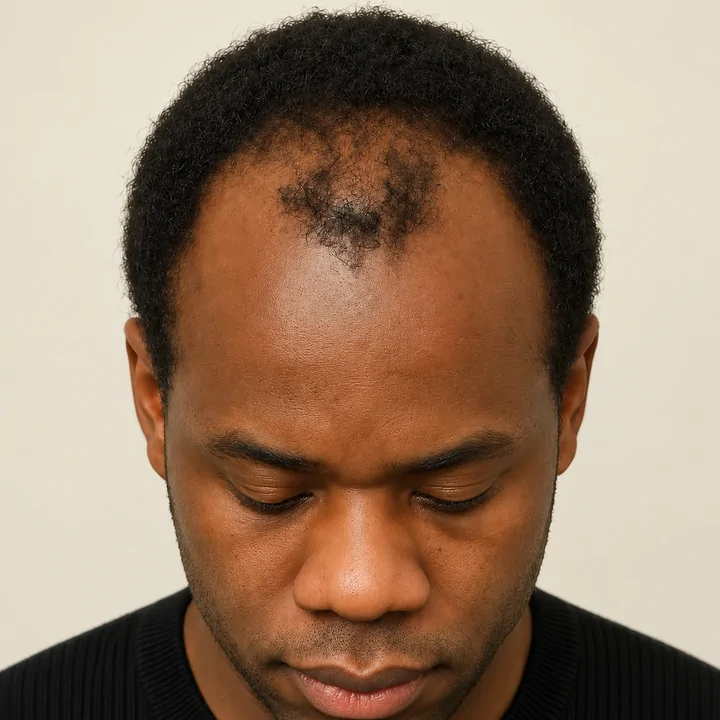
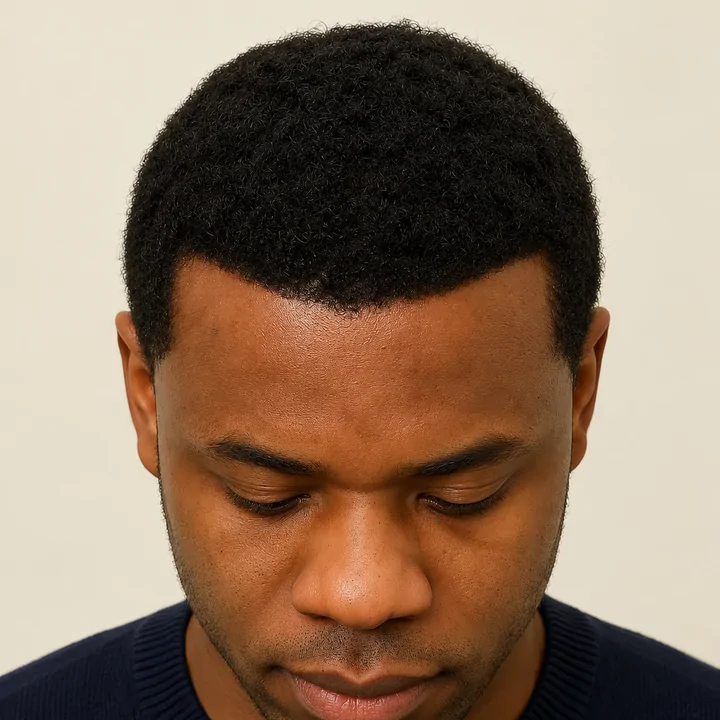
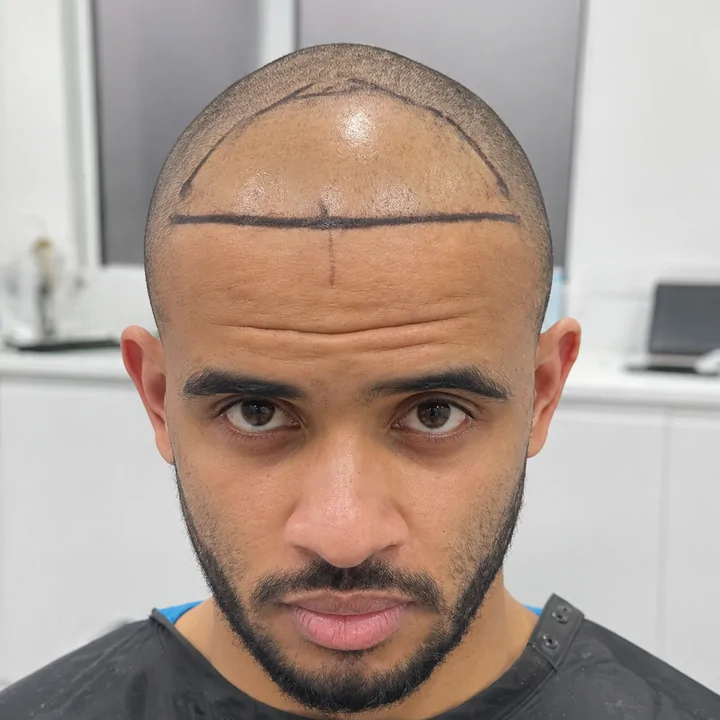
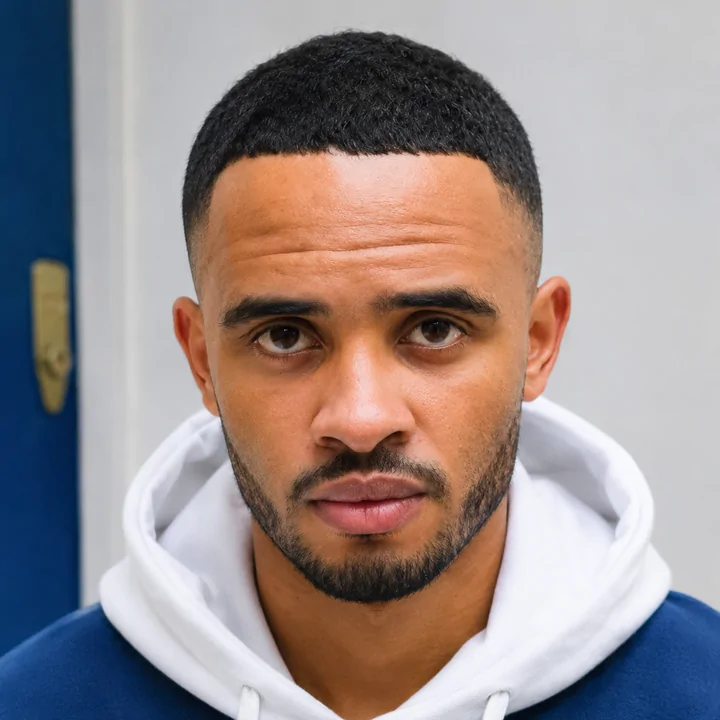
Whether sapphire FUE is appropriate depends far more on your hair loss and donor area than on the blade itself. A clinician will look at the pattern and pace of your hair loss, examine the donor zone under magnification and discuss what you hope to achieve before any method is chosen.
Often a good fit
Assessed carefully
Honest information
The procedure
The choice of blade is best treated as a technical detail inside a larger plan. The priorities are an honest diagnosis, a design that will still look appropriate as you age and a donor strategy that respects the limits of your scalp.
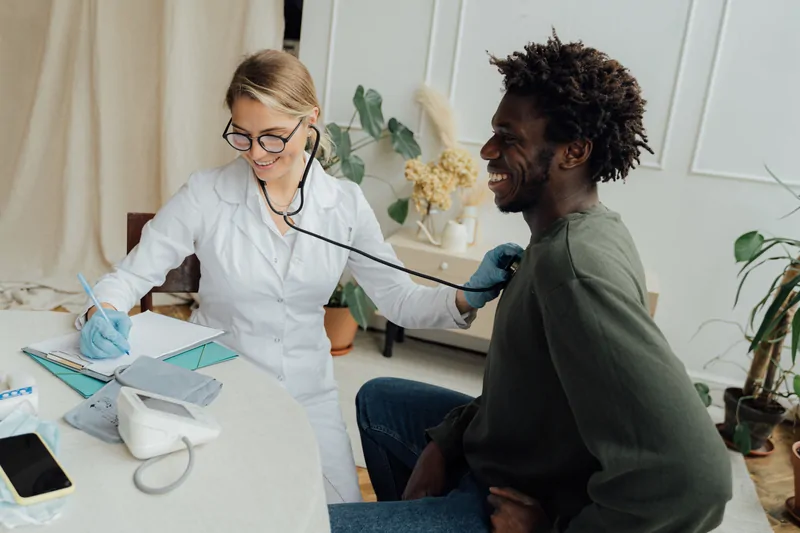
Your clinician reviews your medical history, the cause and progression of your hair loss and the quality of your donor area. Photographs may be taken and a provisional plan discussed, including whether sapphire channel opening is being considered and why.

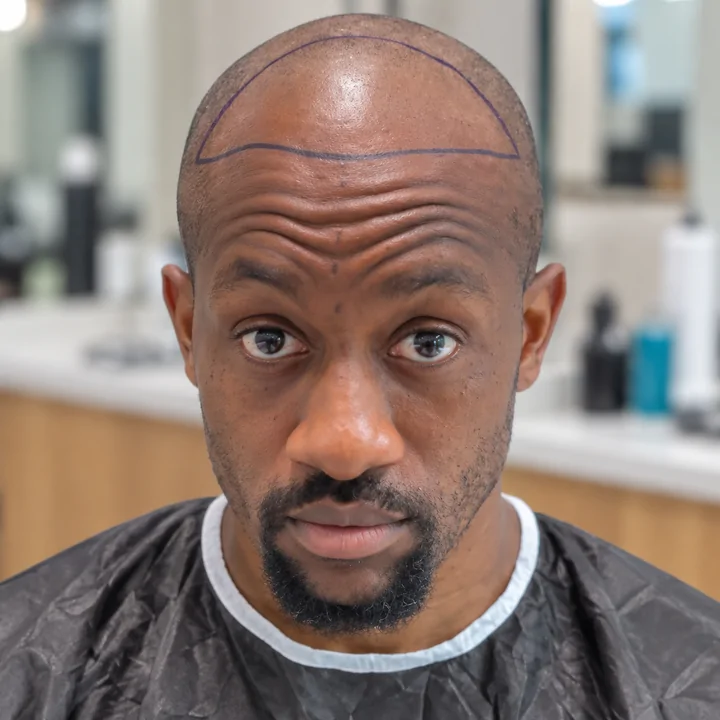
On the day, the proposed hairline and treatment zones are drawn on your scalp and reviewed with you in a mirror. This is the moment to raise questions about height, shape and temple points before anything begins.
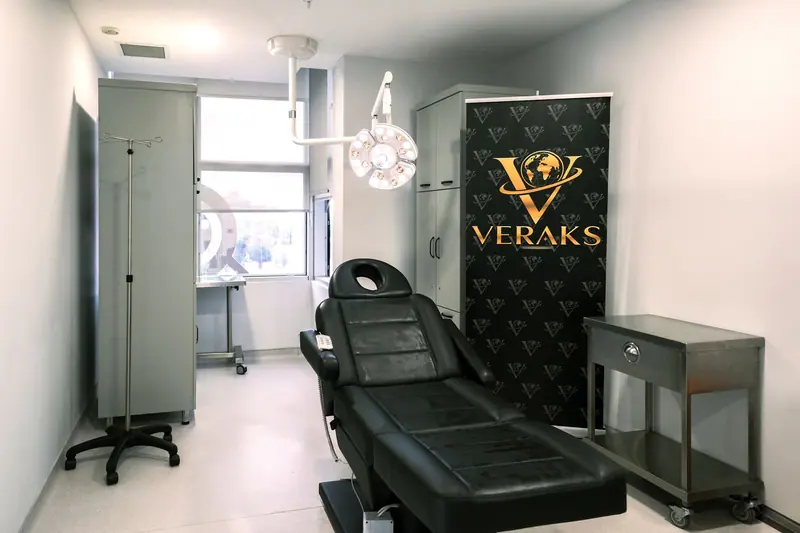
After local anaesthesia, the donor area is trimmed short and follicular units are removed individually with a fine micro-punch. Extractions are spread out to avoid visible thinning, and grafts are kept in a cooled holding solution while they are sorted.
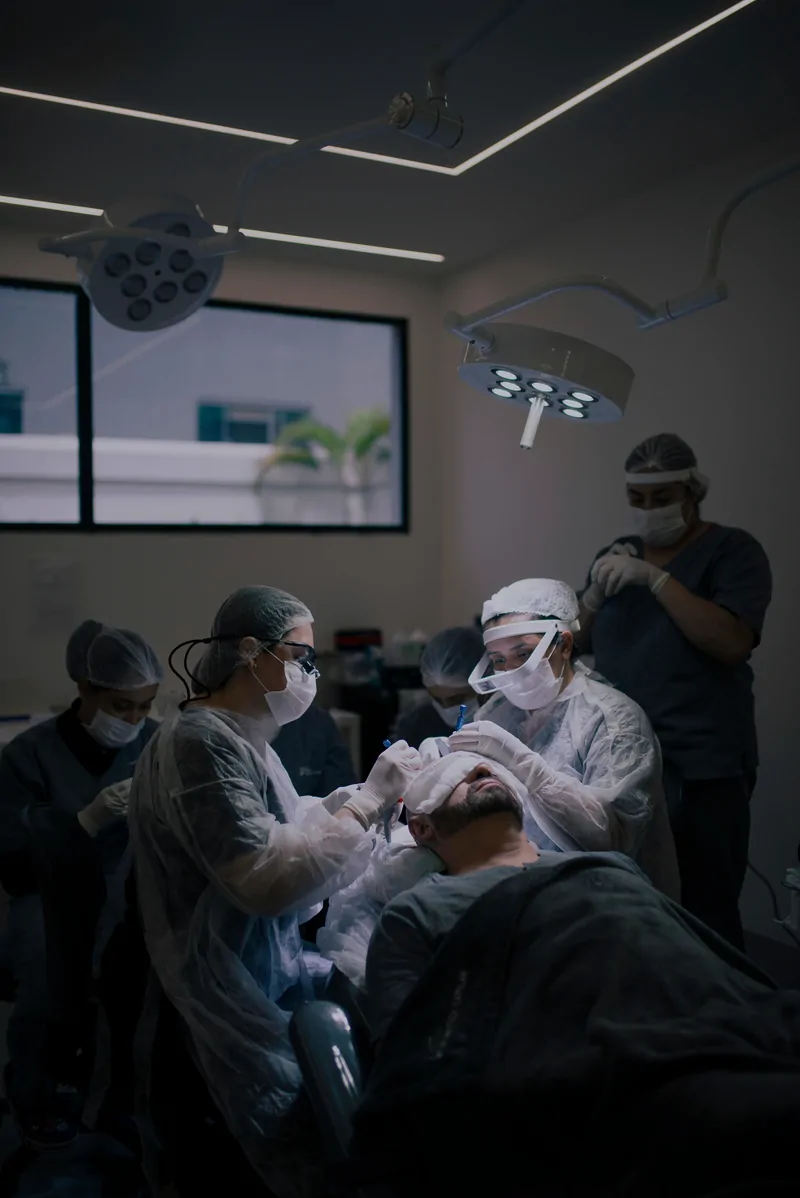
Using a sapphire-tipped blade, the recipient channels are opened one by one in the bald or thinning areas. The width, depth, angle and direction of each channel are chosen to match the grafts and the natural flow of surrounding hair.
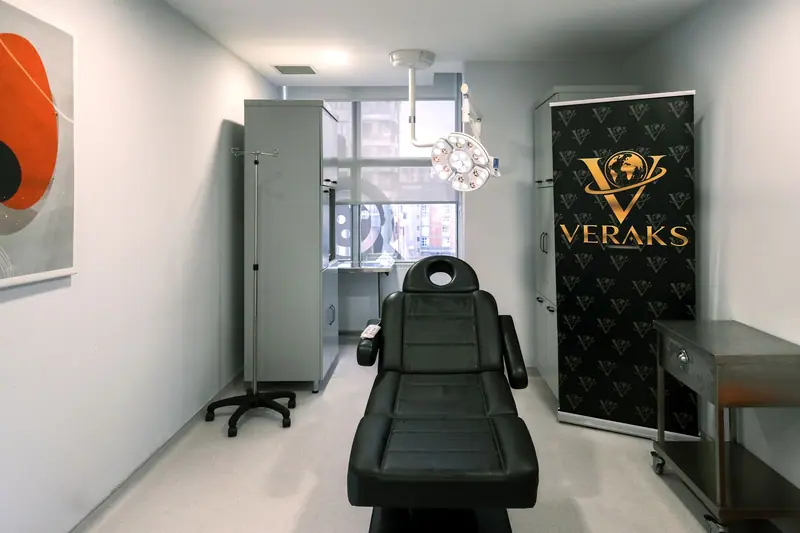
Grafts are placed into the prepared channels with fine forceps, usually with single-hair units at the front of the hairline and multi-hair units further back, depending on your design.
The area is checked, a dressing may be applied to the donor zone and you receive written aftercare instructions, including how and when the first gentle wash is carried out.
Gallery
All of these use follicular unit extraction to harvest grafts one by one; they differ mainly in how the recipient stage is performed. In classic FUE, channels are opened with steel blades or needles before grafts are placed with forceps. Sapphire FUE is the same process, but the channels are opened with a sapphire-tipped blade – a difference in blade material that some clinicians prefer for its sharpness and smoothness, though evidence that it produces better results is limited. DHI uses a Choi-type implanter pen to create the opening and place the graft in one movement, which may help in dense packing between existing hairs. Unshaven transplants keep the hair at length where possible and are usually reserved for smaller, well-defined areas, with longer sessions. None of these is objectively superior; the right choice depends on your hair, donor area, goals and your clinician’s experience with each technique.
Before & after treatment
Before you travel
Afterwards
In their words
Hair transplant patients describe their experience — from the first conversation to aftercare.
All patient reviewsGoogle reviews
Spoken with us already? Share your experience on Google.
Honest reviews — good or critical — help the next person decide. We read every one and never offer anything in exchange.
Questions
General answers — your own plan always depends on an individual assessment.
All hair questionsNot necessarily. The sapphire blade is used only for opening recipient channels, and comparative evidence is limited. Many people achieve natural results with steel-blade FUE. Design, graft handling and aftercare usually matter more than the blade material.
This can only be estimated after your donor area and the treatment zones are examined. Any figure discussed is a planning estimate, not a promise, and should leave room for possible future needs.
Transplanted hairs often shed in the first weeks. Many people notice early growth around months 3–4, with gradual thickening afterwards, and the result is typically assessed at 12 months or later. Timelines vary from person to person.
Some people experience temporary shock loss of native hair near the treated area. In many cases it regrows over the following months, but hair that was already miniaturising may not return.
A transplant does not stop pattern hair loss in non-transplanted areas. Your clinician may discuss medical therapy to help protect existing hair; whether it suits you depends on your health and preferences.
Local anaesthesia is used, so most people feel pressure rather than pain during the procedure. The anaesthetic injections and the first few days afterwards can be uncomfortable, and pain relief is usually advised.
Also available
Free consultation
Tell us what you would like to change. A coordinator replies personally and arranges a hair specialist’s review of your photos — free, without obligation.
A person replies. Monday to Saturday, Istanbul time.
VHFree consultation
A coordinator replies personally — free, no obligation.