Dental implants
Restorative Dentistry
Full Mouth Rehabilitation in Turkey: rebuilding worn, damaged or missing teeth with a coordinated plan for health, bite and function — stages, risks and options.

Free · no obligation
Leave your name and number — a coordinator replies personally.
Full-mouth rehabilitation is not a single procedure but an overall treatment plan that restores most or all of the teeth in both jaws. It is considered when problems are widespread – severe wear, multiple failing fillings, broken teeth, gum disease, missing teeth or a collapsed bite – and treating teeth one at a time would not resolve the underlying issue.
A key feature is attention to the bite, or occlusion. When teeth have worn down, the vertical height between the jaws can reduce, which may affect chewing comfort, the jaw joints and facial proportions. Rehabilitation plans often consider whether this height should be carefully restored, and test any change with provisional restorations before anything is made in final materials.
Depending on findings, a plan may combine gum treatment, root canal treatment, extractions, implants, crowns, bridges, onlays and sometimes orthodontics. The order matters: infection and gum disease are usually controlled first, foundations are then rebuilt, and aesthetic refinements come last.
What it can help with

Results · before & after
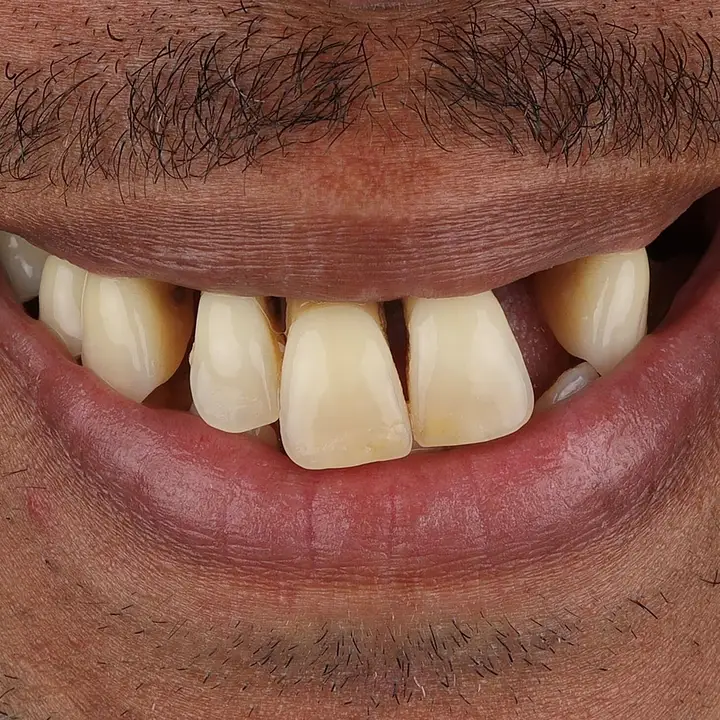
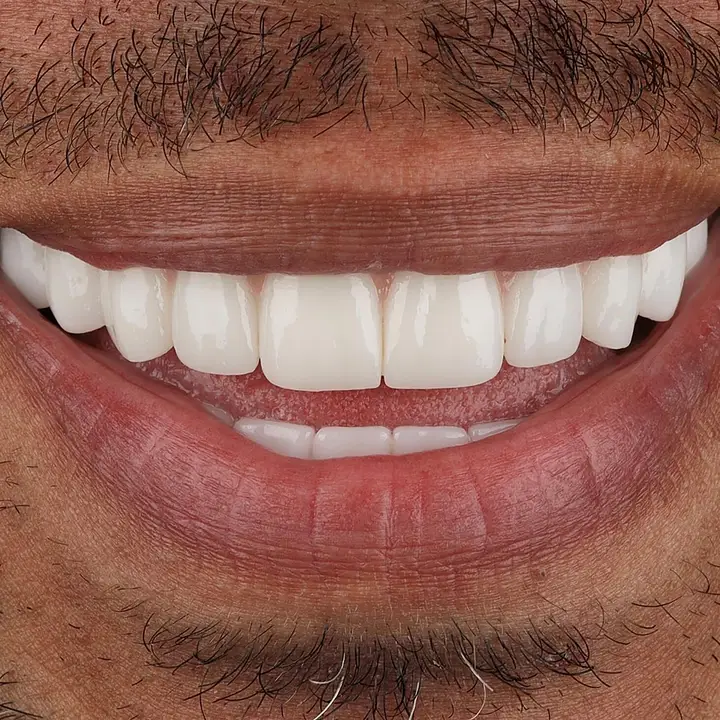
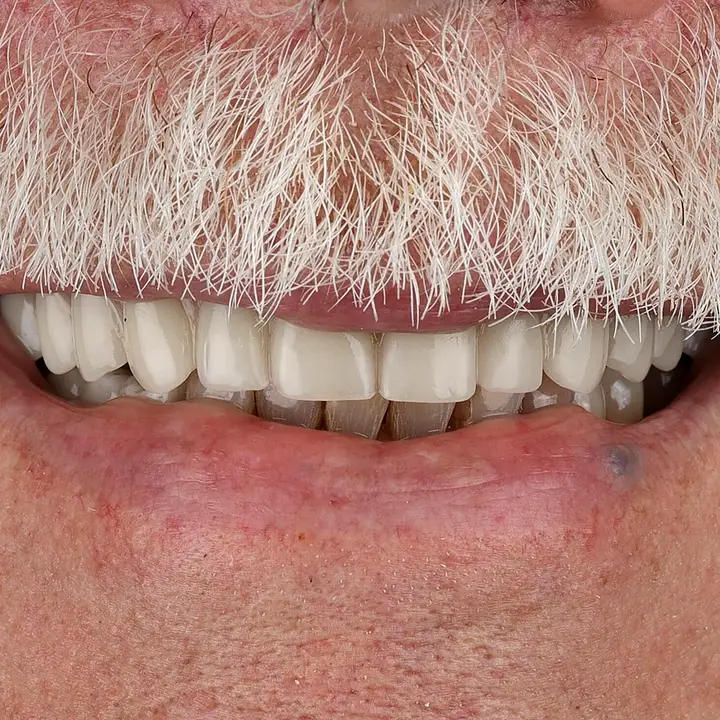
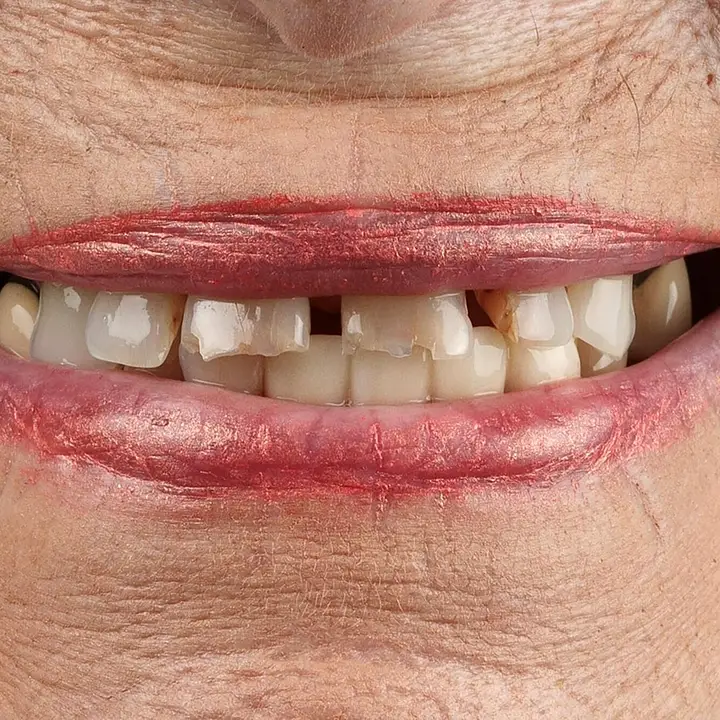
Before and after photographs from full mouth rehabilitation and related treatments at our clinic in Istanbul. Drag the handle to compare each pair.
All dental results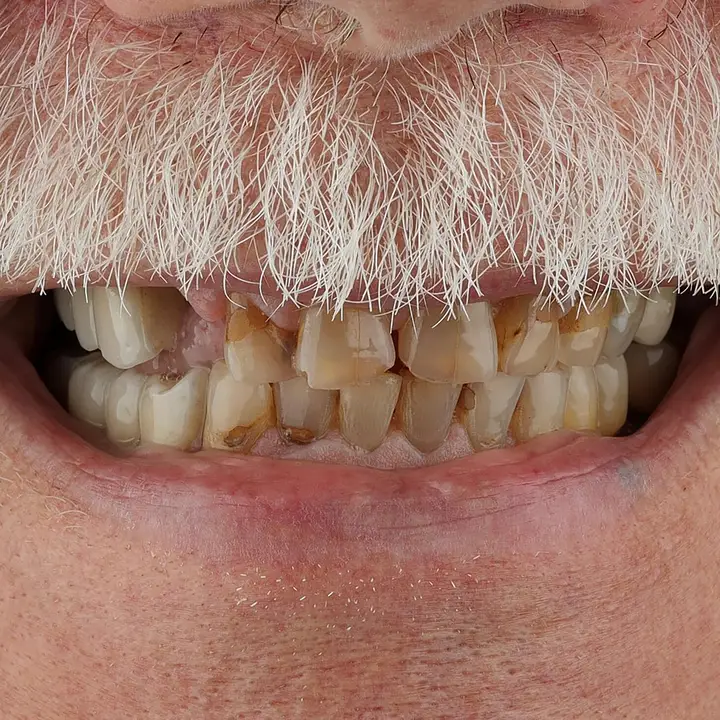
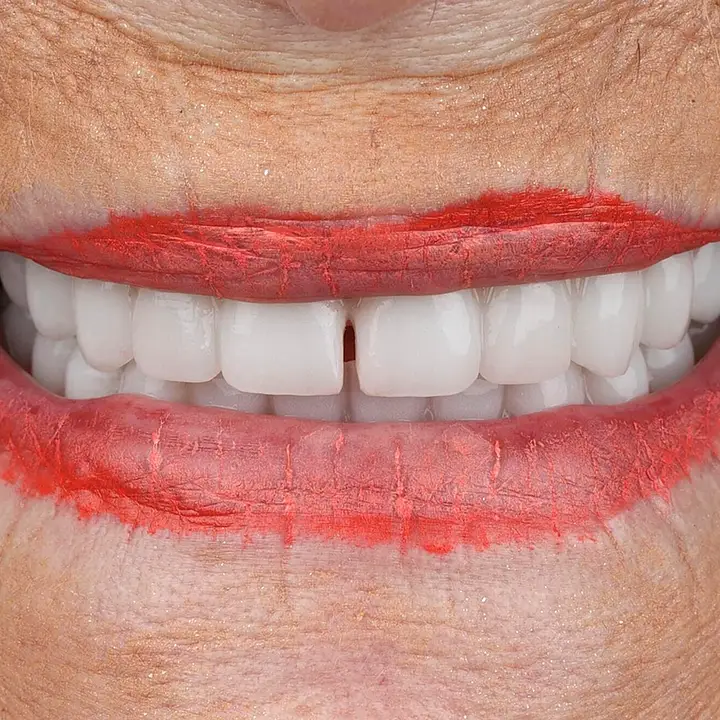
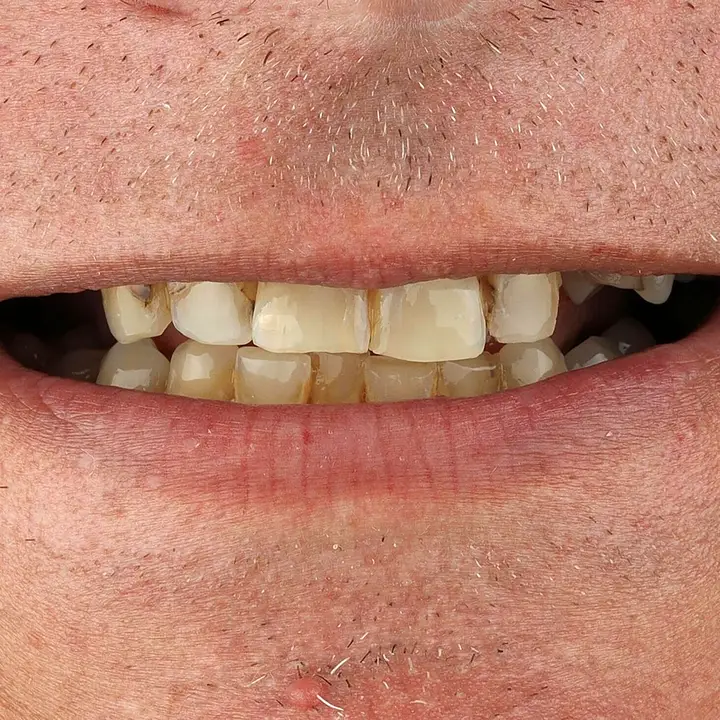
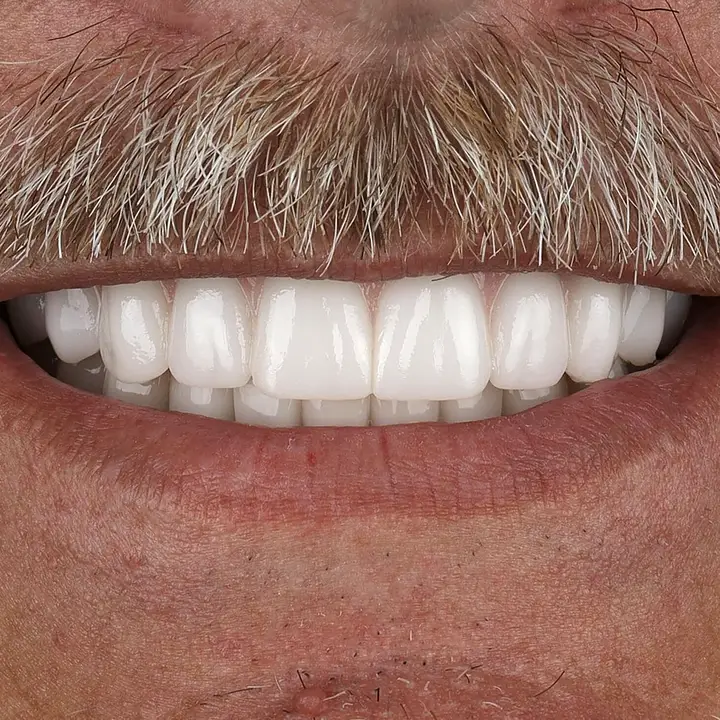

Rehabilitation is highly individual. Suitability depends on what can be saved, how stable the gums and jaw joints are, and how much time you can commit to a phased plan.
Often a good fit
Assessed carefully
Honest information
The procedure
Rehabilitation tends to be most predictable when every decision traces back to a clear diagnosis and a design that has been tried before it is finalised.
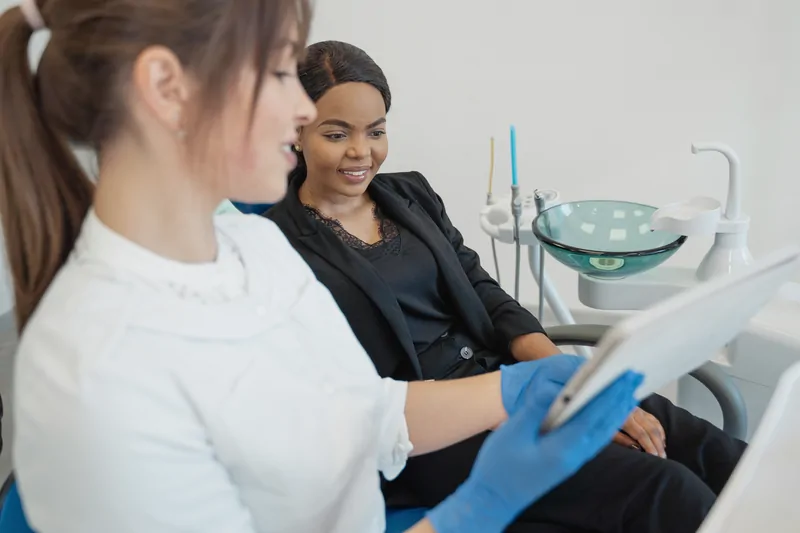
Records typically include a full examination, X-rays or a cone-beam CT scan, photographs, digital scans of both jaws, gum charting and a bite and jaw-joint assessment. These form the basis for a written, phased plan.
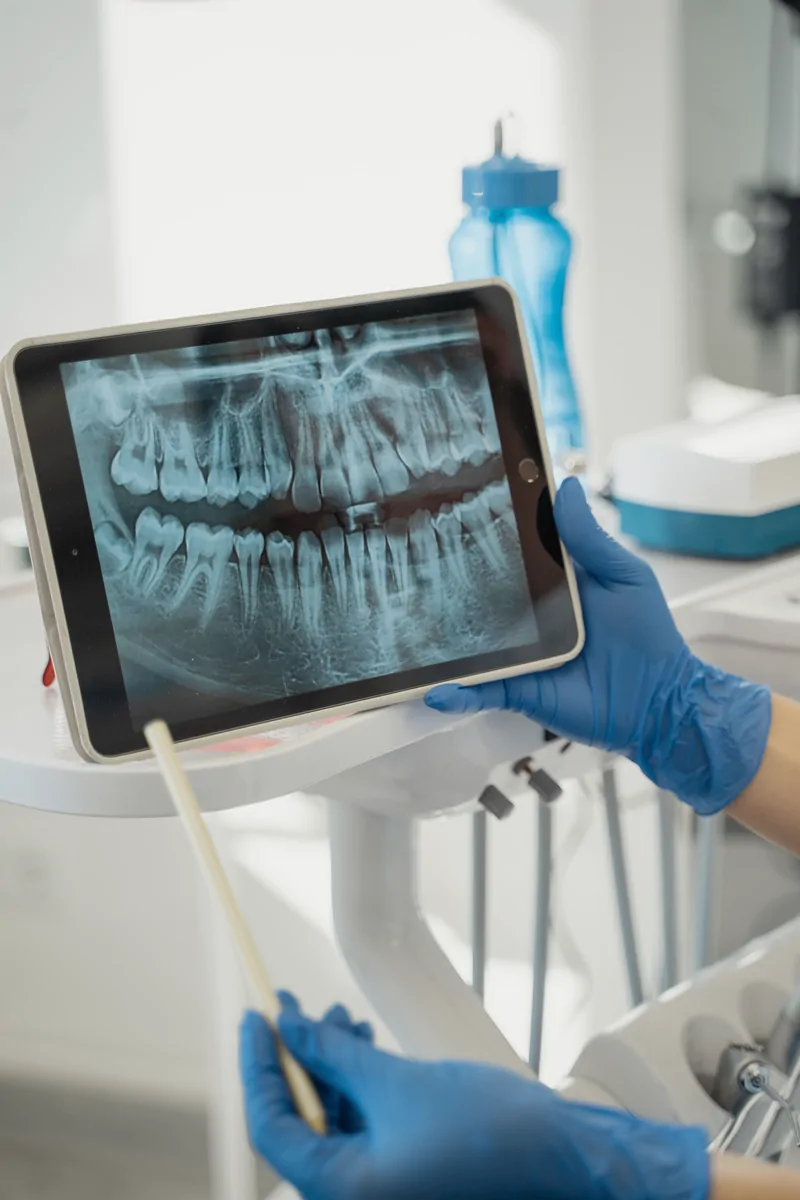
Urgent problems are addressed first: infected teeth may receive root canal treatment or be removed, decay is controlled and gum treatment begins so that later restorations sit on healthy foundations.
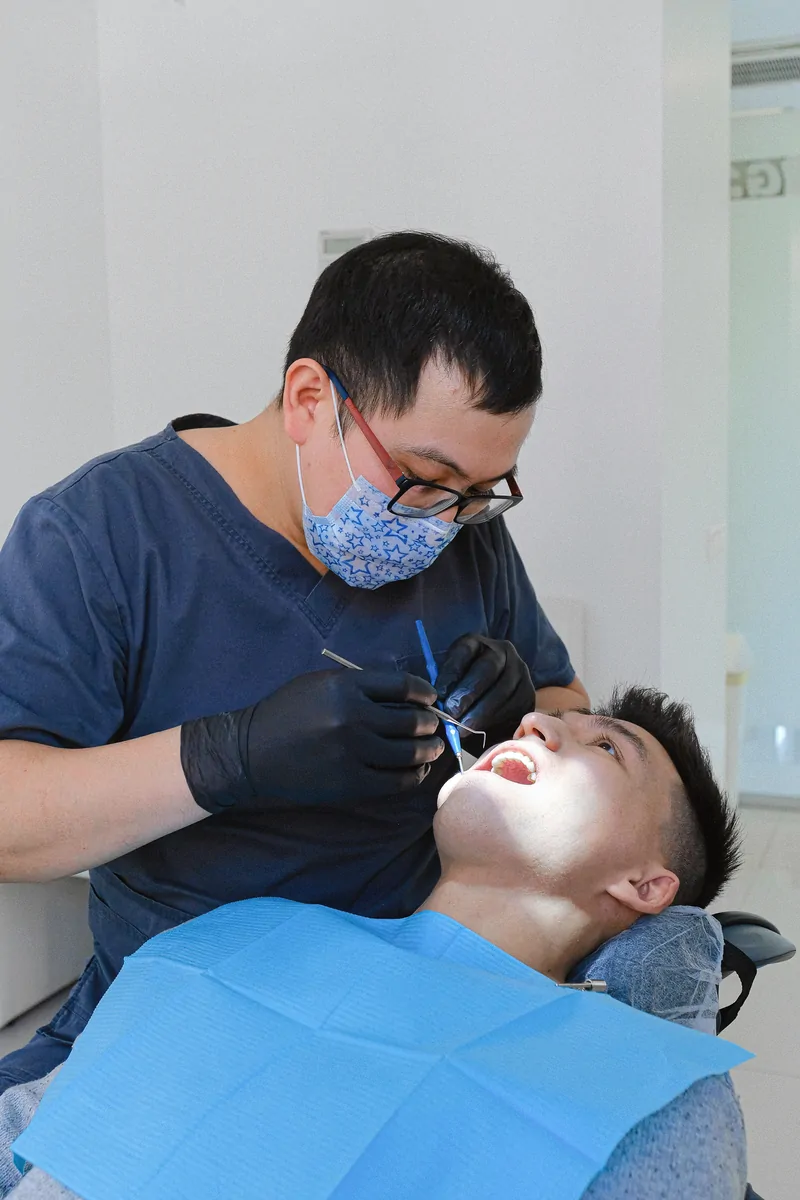
Using digital design or wax-up models, the clinician proposes tooth shapes and, if needed, a revised bite height. This blueprint guides every restoration that follows.
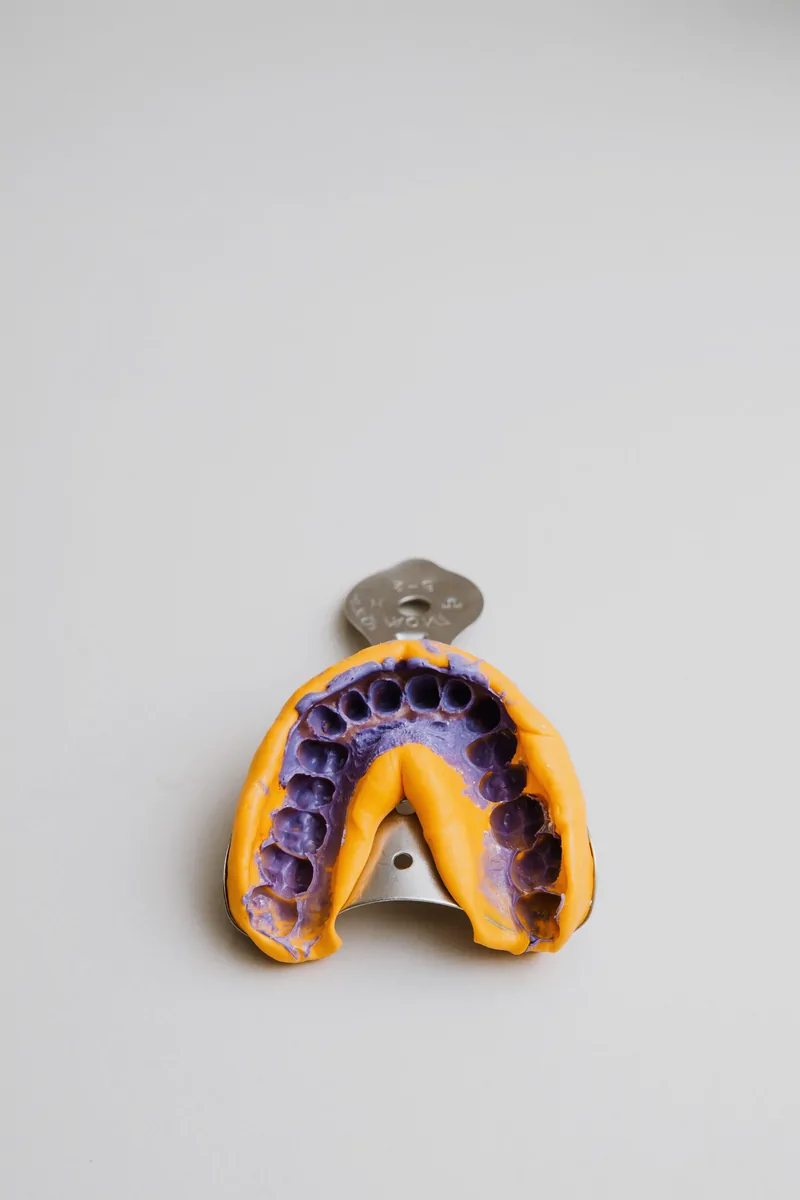
Teeth are prepared and temporary crowns or overlays are worn for a period to test comfort, chewing, speech and appearance. Adjustments are made until the new bite feels stable.
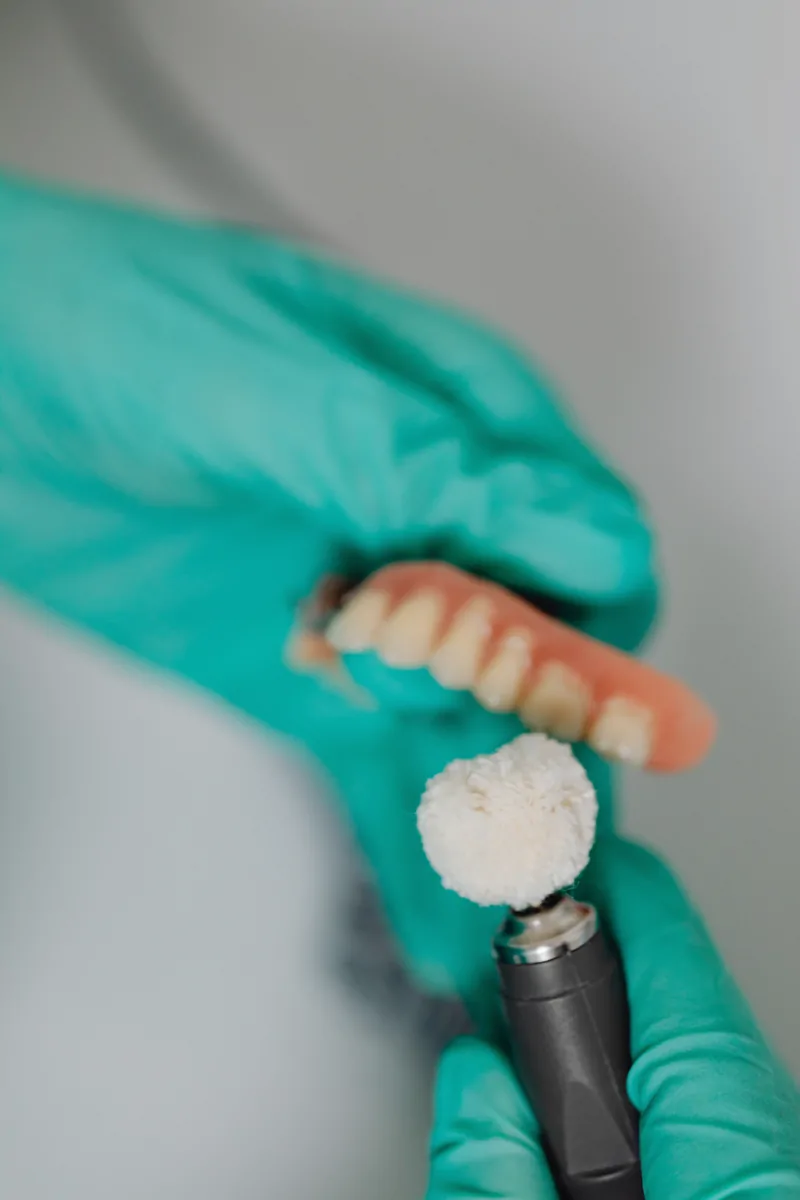
Final crowns, onlays, bridges or implant restorations are made, often in sections, and copied from the approved provisionals so that the tested bite is preserved.
A night guard is frequently recommended for grinders. Regular hygiene visits and reviews help detect wear, gum changes or restoration problems early.
Gallery
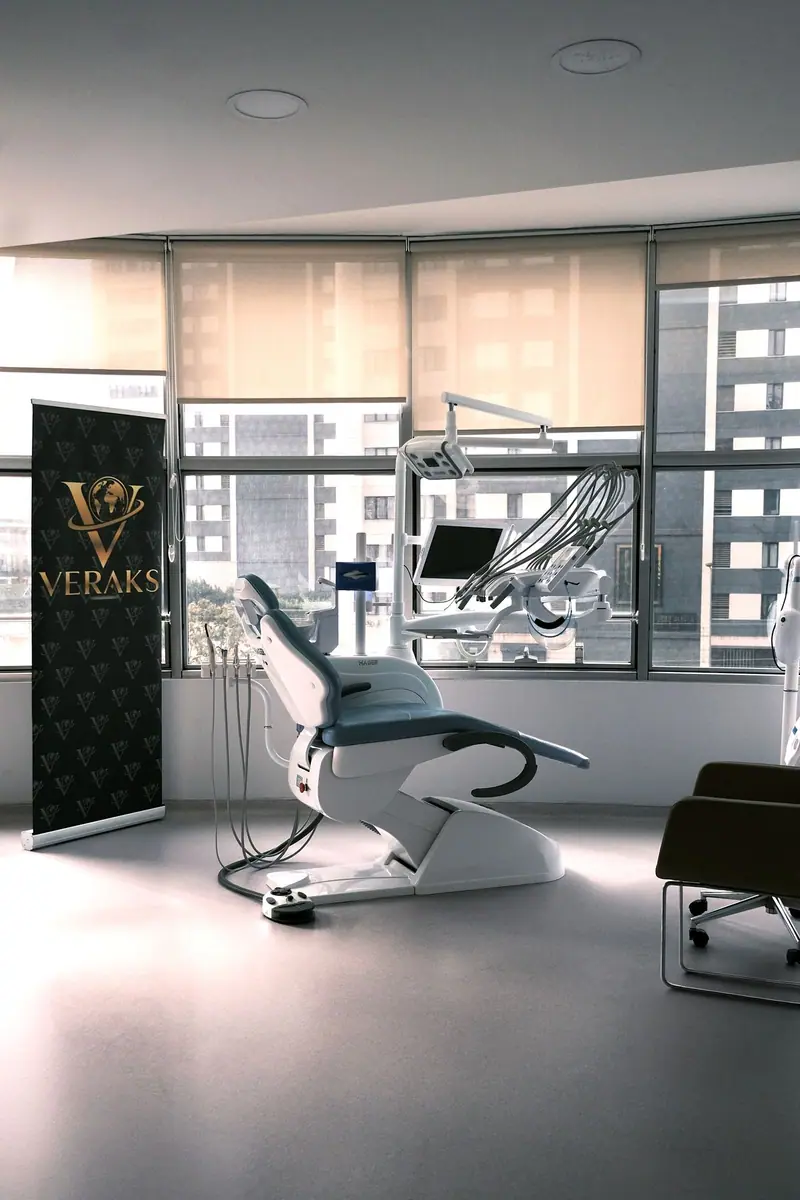
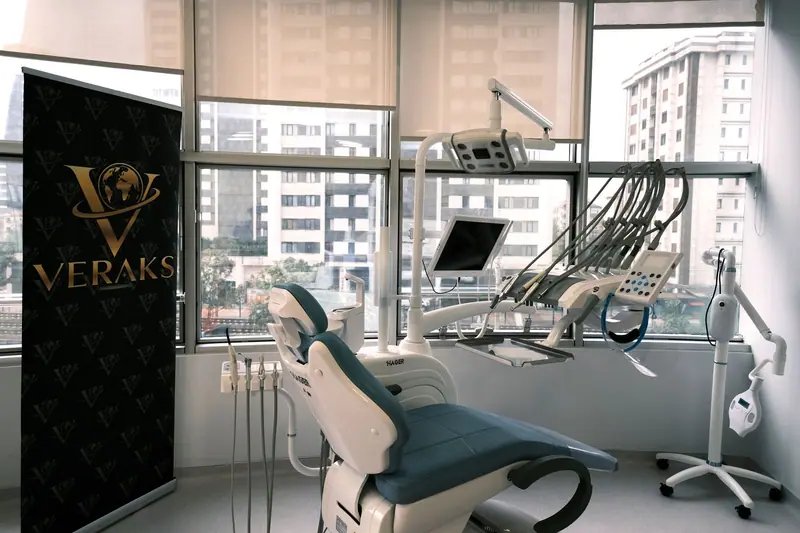

Smile design focuses mainly on the appearance of the visible teeth, often using veneers or bonding on otherwise healthy teeth. Full-mouth rehabilitation is driven by function and health first, rebuilding teeth throughout both jaws and frequently addressing the bite. Full-arch implant concepts such as All-on-4 replace an entire arch on implants; they may form part of a rehabilitation, but rehabilitation can also keep and restore natural teeth.
Before & after treatment
Before you travel
Afterwards
In their words
Dental patients describe their experience — from the first conversation to aftercare.
All patient reviewsGoogle reviews
Spoken with us already? Share your experience on Google.
Honest reviews — good or critical — help the next person decide. We read every one and never offer anything in exchange.
Questions
General answers — your own plan always depends on an individual assessment.
All dental questionsSeveral crowns treat individual teeth. Rehabilitation plans every tooth, the gums and the bite together, so restorations work as a coordinated system.
Only if assessment suggests it would help, for example after significant wear. Any change is usually tested with provisional restorations first.
Often some or many can be kept. The plan aims to preserve teeth with a reasonable outlook and replace those that cannot be predictably saved.
It depends on the treatments involved and healing times. Your clinician can outline the phases, and your coordinator can discuss scheduling.
Grinding can damage new restorations, so a protective night guard and material choices that tolerate higher forces are commonly discussed.
If this approach is relevant to you, availability at our clinic and your suitability are confirmed during your consultation.
Also available
Free consultation
Tell us what you would like to change. A coordinator replies personally and arranges a dentist’s review of your photos — free, without obligation.
A person replies. Monday to Saturday, Istanbul time.
VHFree consultation
A coordinator replies personally — free, no obligation.