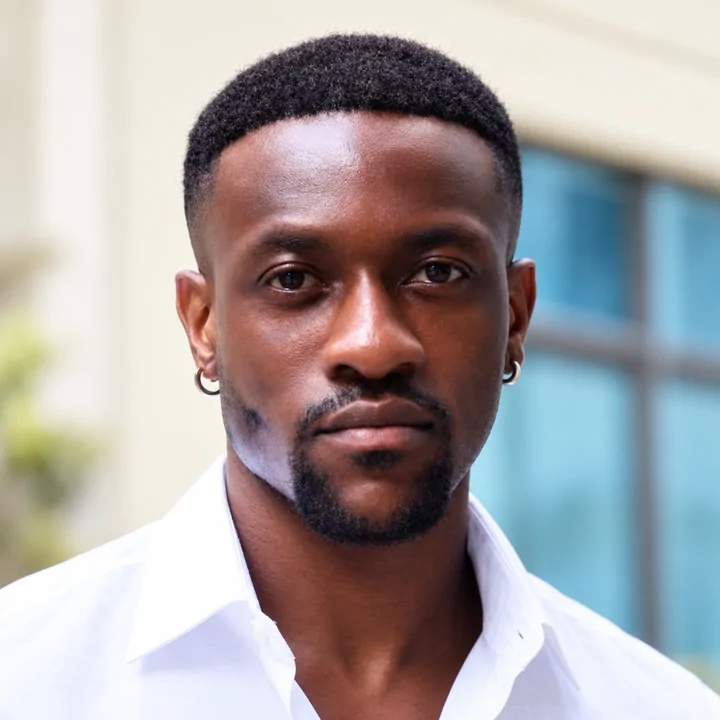
Afro hair transplant
Hair Transplant Methods
Unshaven Hair Transplant in Turkey: who may suit a no-shave or partial-shave approach, why it fits limited areas, longer sessions, risks and aftercare.

Free · no obligation
Leave your name and number — a coordinator replies personally.
An unshaven hair transplant – sometimes called no-shave FUE or long-hair FUE – aims to carry out follicular unit extraction and implantation without shaving your whole head. Depending on the plan, follicles may be extracted from small, hidden strips shaved in the donor area beneath longer hair, or from individually trimmed hairs scattered between untouched ones. In the recipient area, grafts are placed between your existing hairs, which stay at their normal length. The goal is that, once the initial redness fades, the procedure is less obvious to others during recovery.
The trade-off is complexity. Working between long hairs makes it harder to see the scalp, judge angles and avoid damaging existing follicles. Sessions often take longer, the number of grafts that can be handled comfortably in a day is usually smaller and the team needs to be meticulous about keeping long hair out of the way. For these reasons, unshaven transplants are usually most suited to limited areas such as a receding temple, a hairline refinement or filling in between existing hair – not for large areas of baldness.
Unshaven work can be combined with different recipient techniques, including implanter-pen (DHI) placement or forceps placement into pre-made channels. Your clinician will explain which approach they intend to use and why, and whether a conventional shaven procedure might serve you better.
What it can help with
Results · before & after
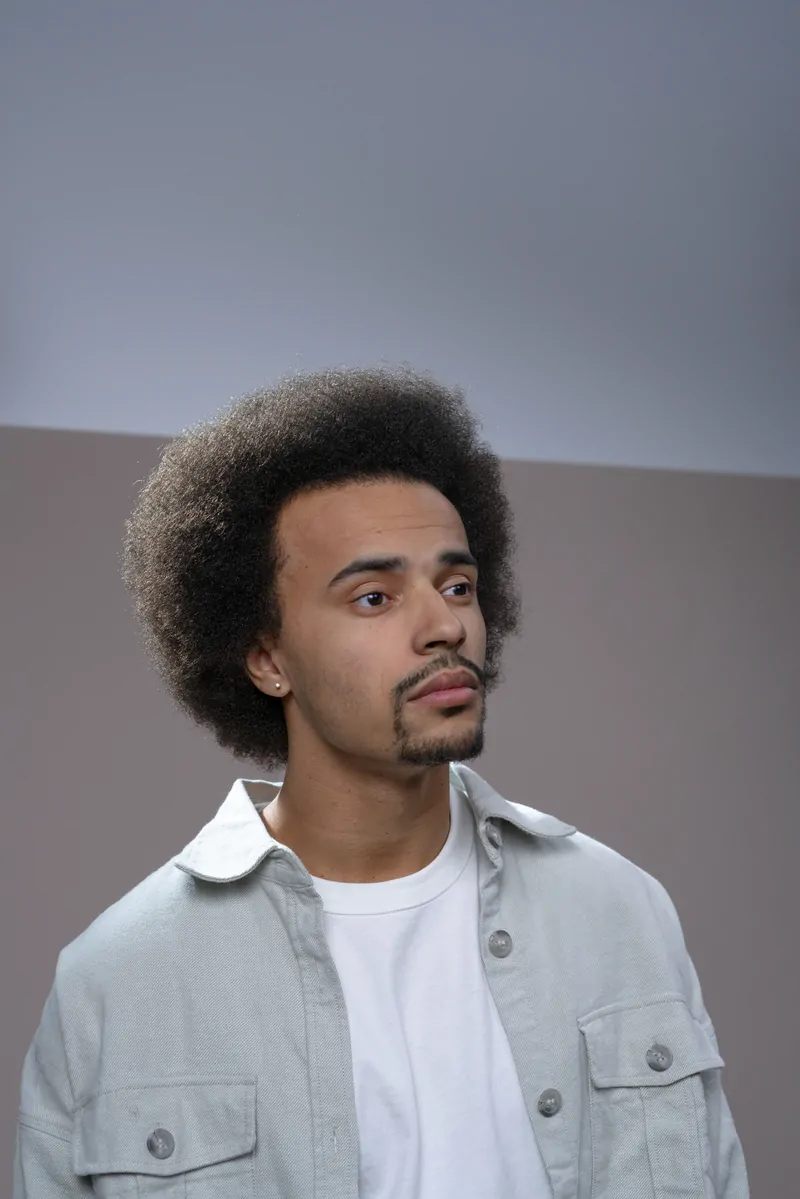
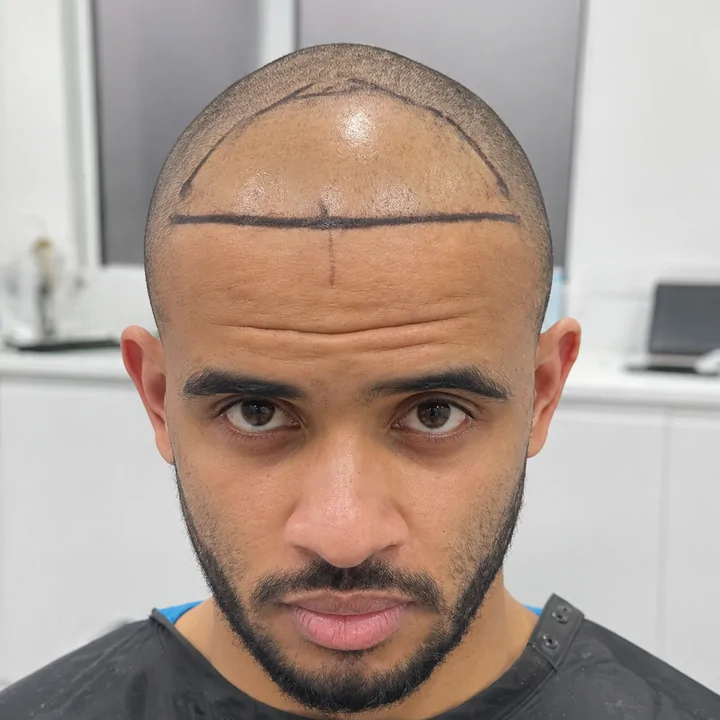
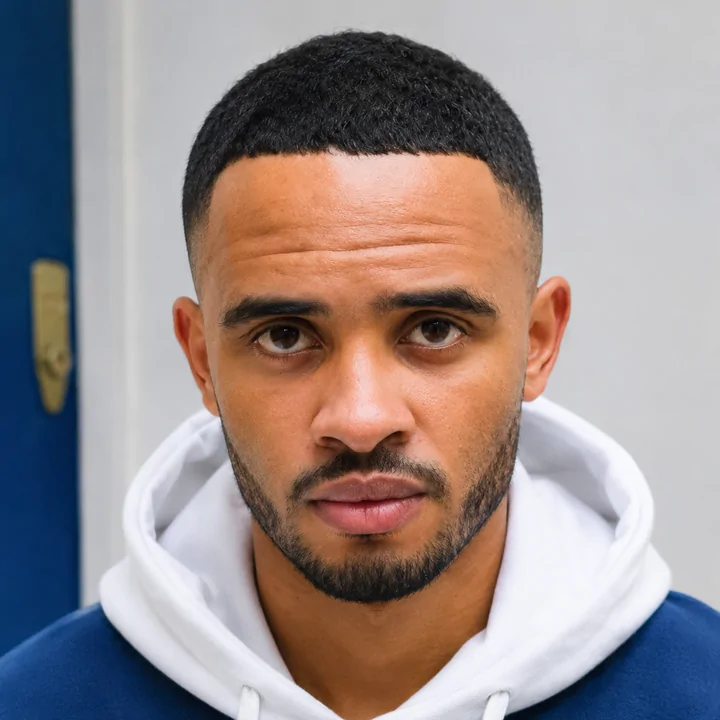
Before and after photographs from unshaven hair transplant and related treatments at our clinic in Istanbul. Drag the handle to compare each pair.
All hair results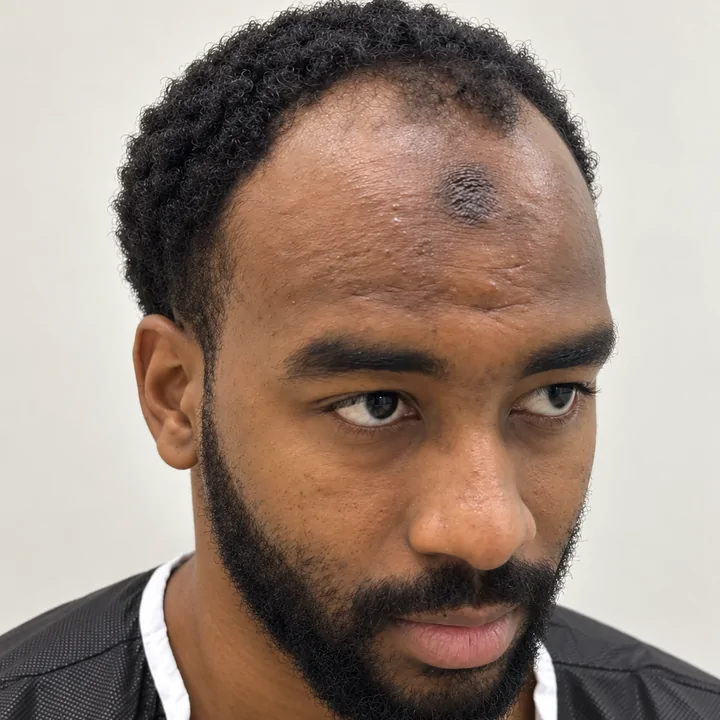
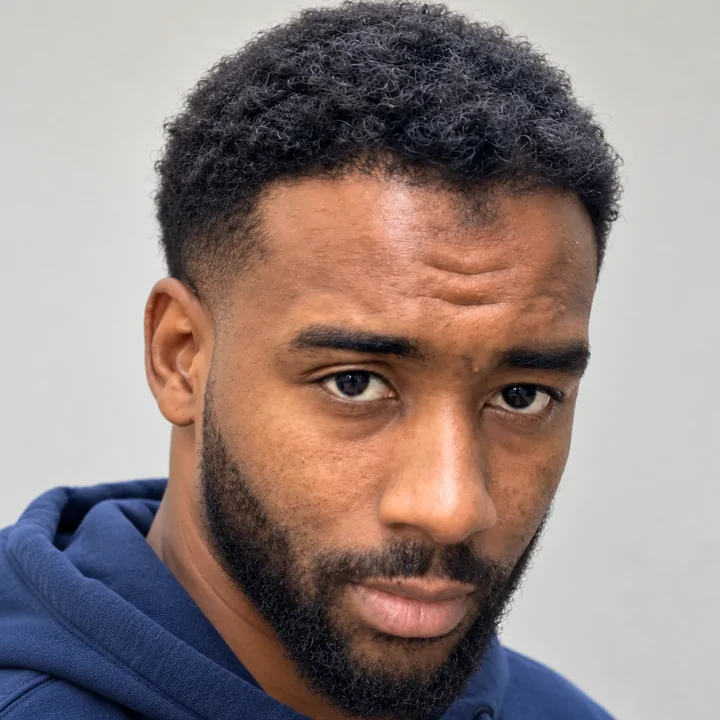
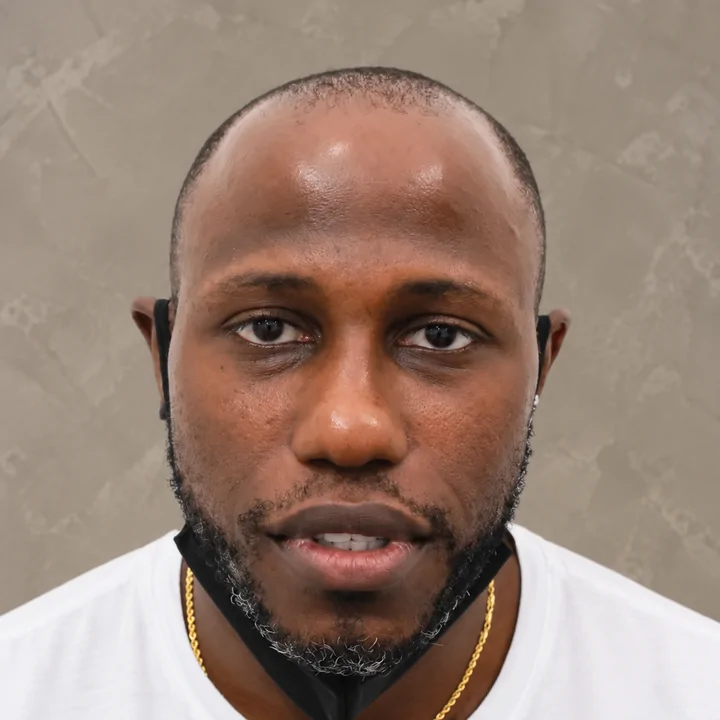
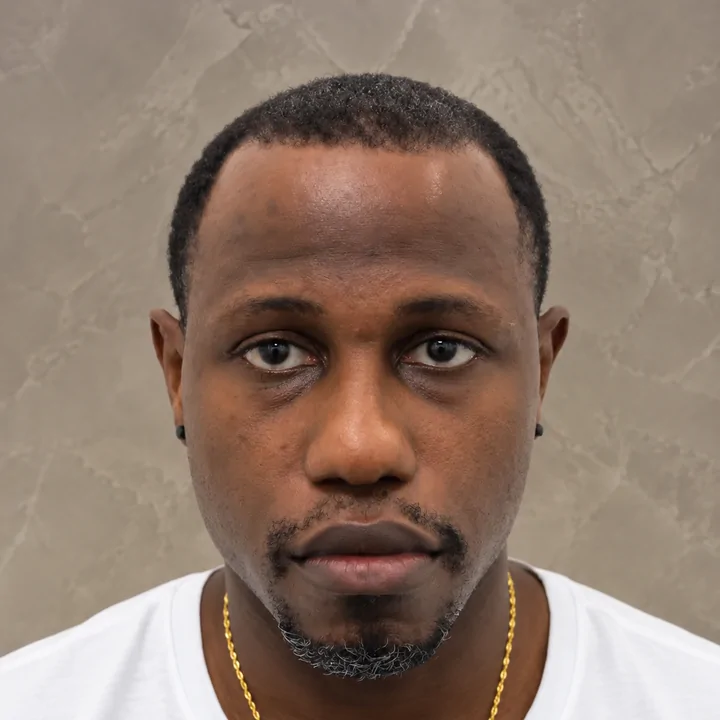
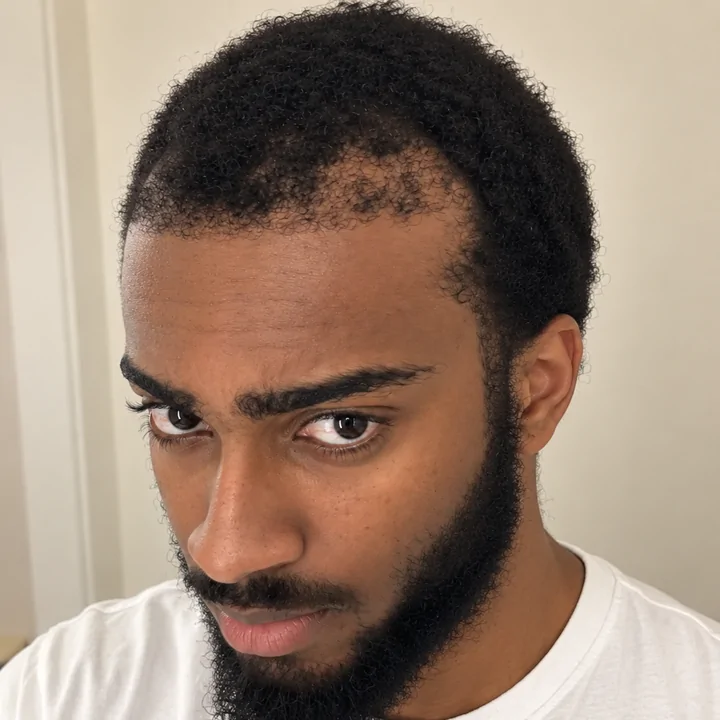
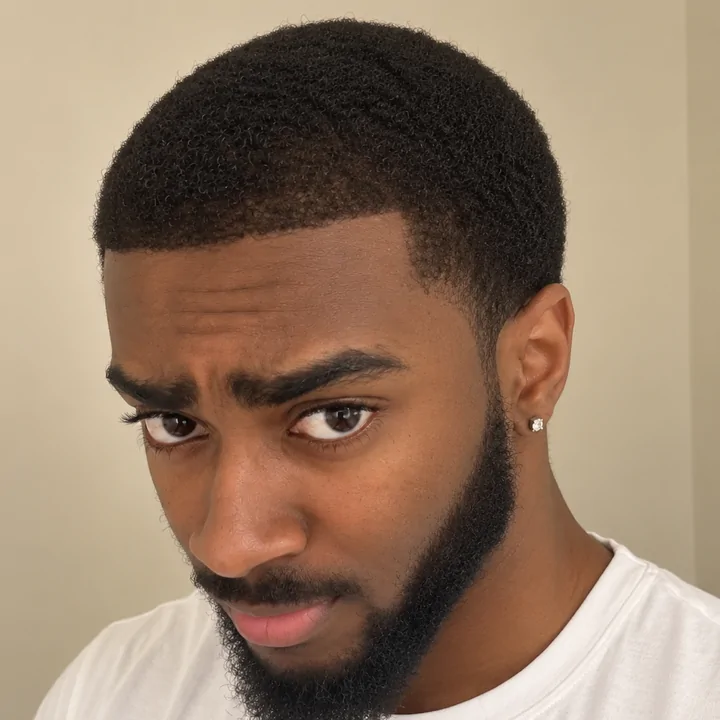
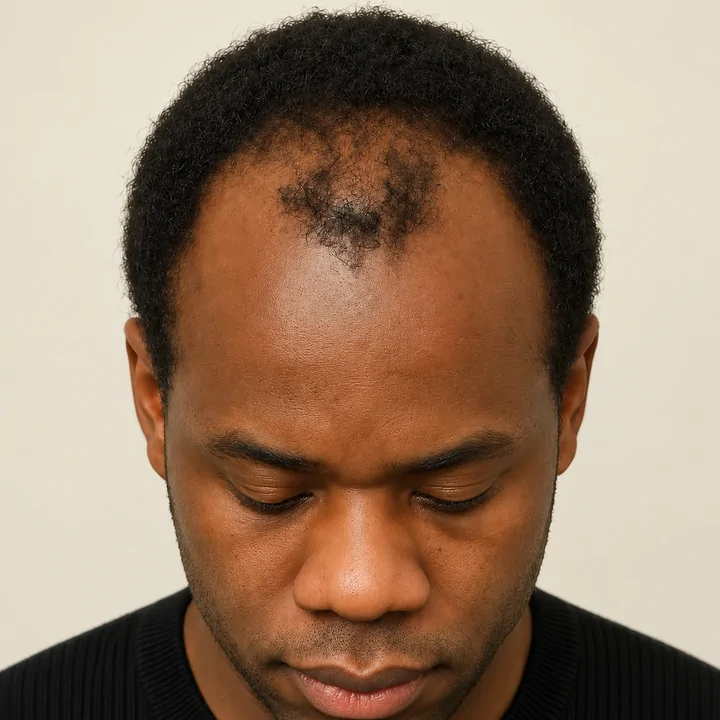
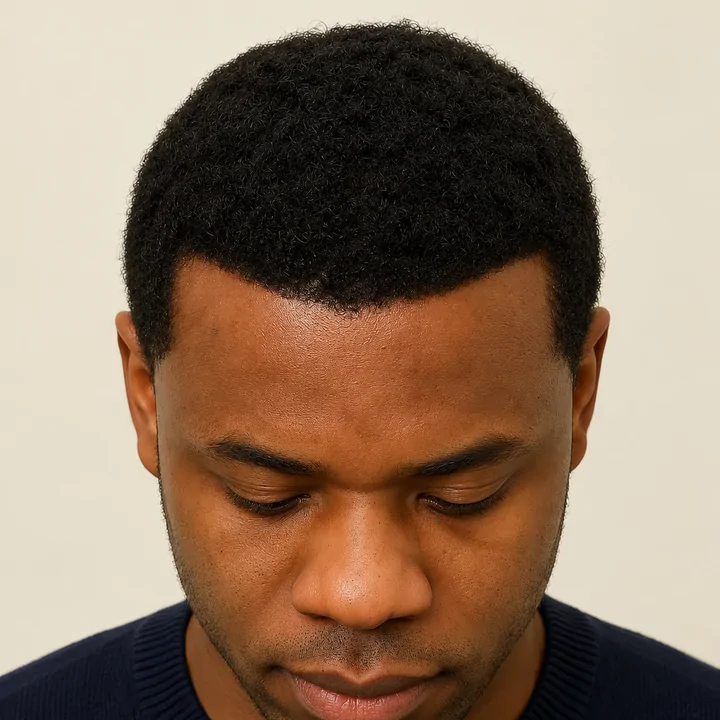
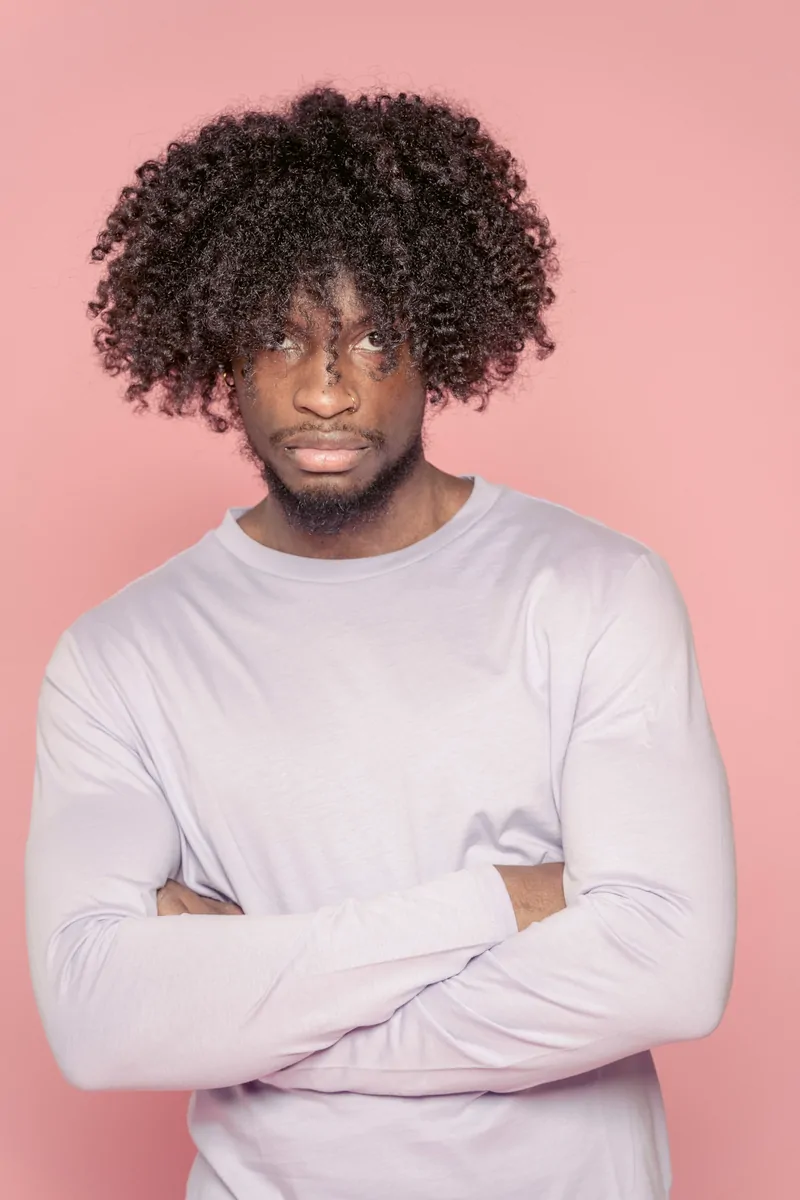
Not everyone who would like a no-shave transplant is a good candidate. Suitability depends on the size of the area, your hair length and texture, how much donor hair is needed and how much time a longer session would involve.
Often a good fit
Assessed carefully
Honest information
The procedure
An unshaven transplant is worth considering only when it is a sensible fit for the area and your hair. If a shaven or partially shaven plan would be safer or more effective, your clinician should say so.

Your clinician examines the size of the area, your hair length and donor area and discusses honestly whether an unshaven approach is practical or whether a partial-shave or shaven plan may be more appropriate.
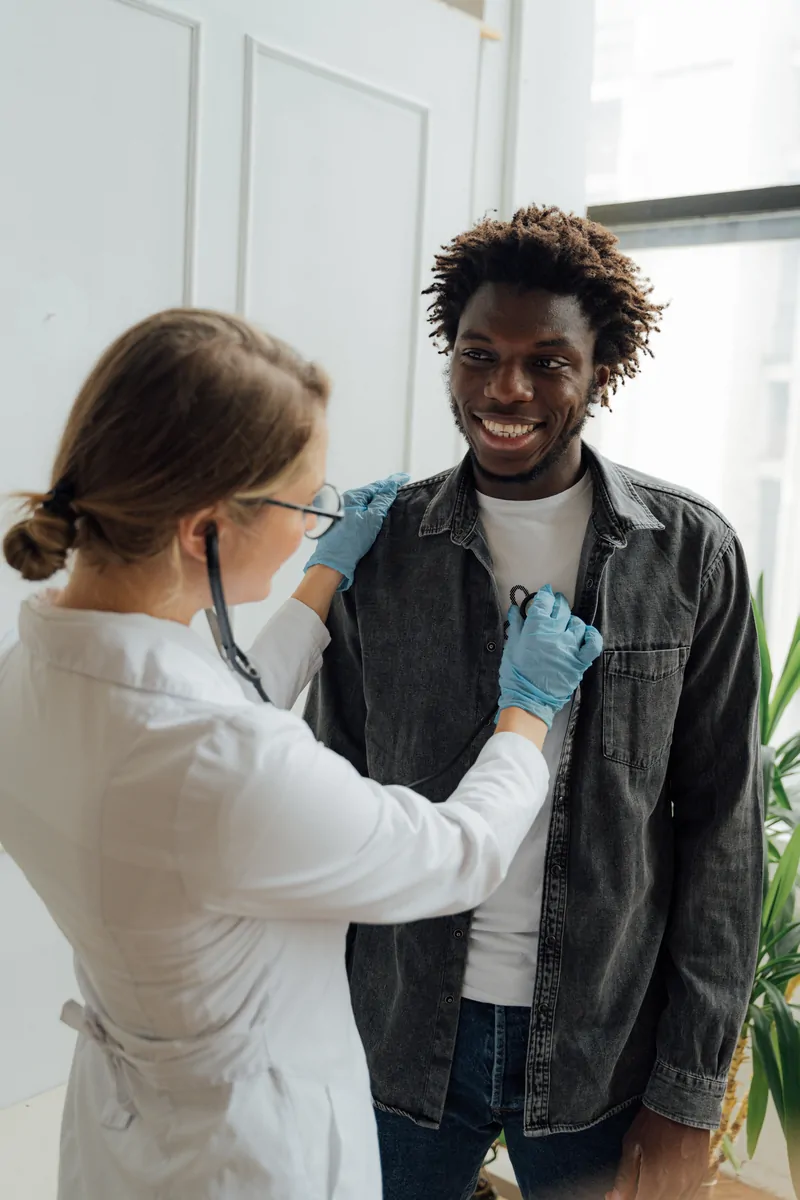
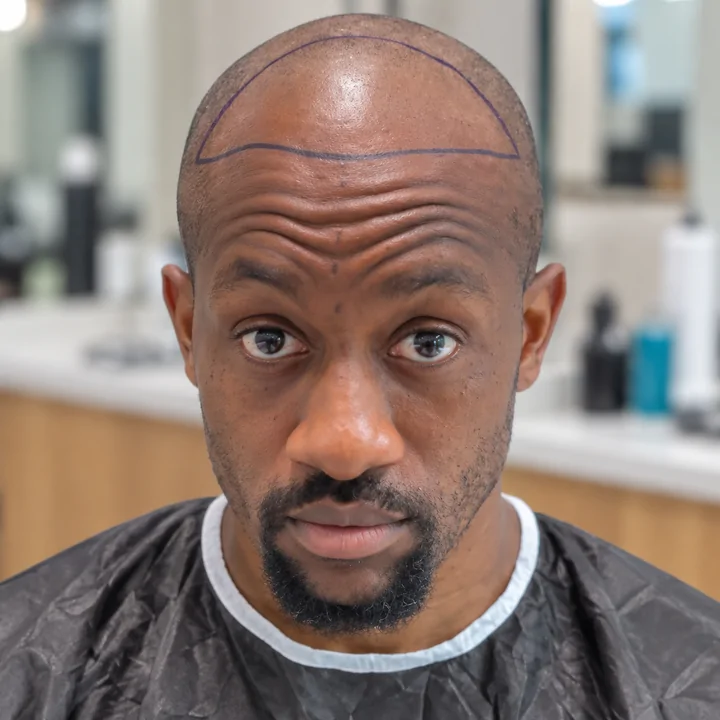
The hairline or treatment zone is marked while your hair is parted and held back, so the plan can be checked against your usual styling.
Under local anaesthesia, follicles are extracted from narrow shaved strips that will be covered by overlying hair, or from individually trimmed hairs, depending on the agreed method.
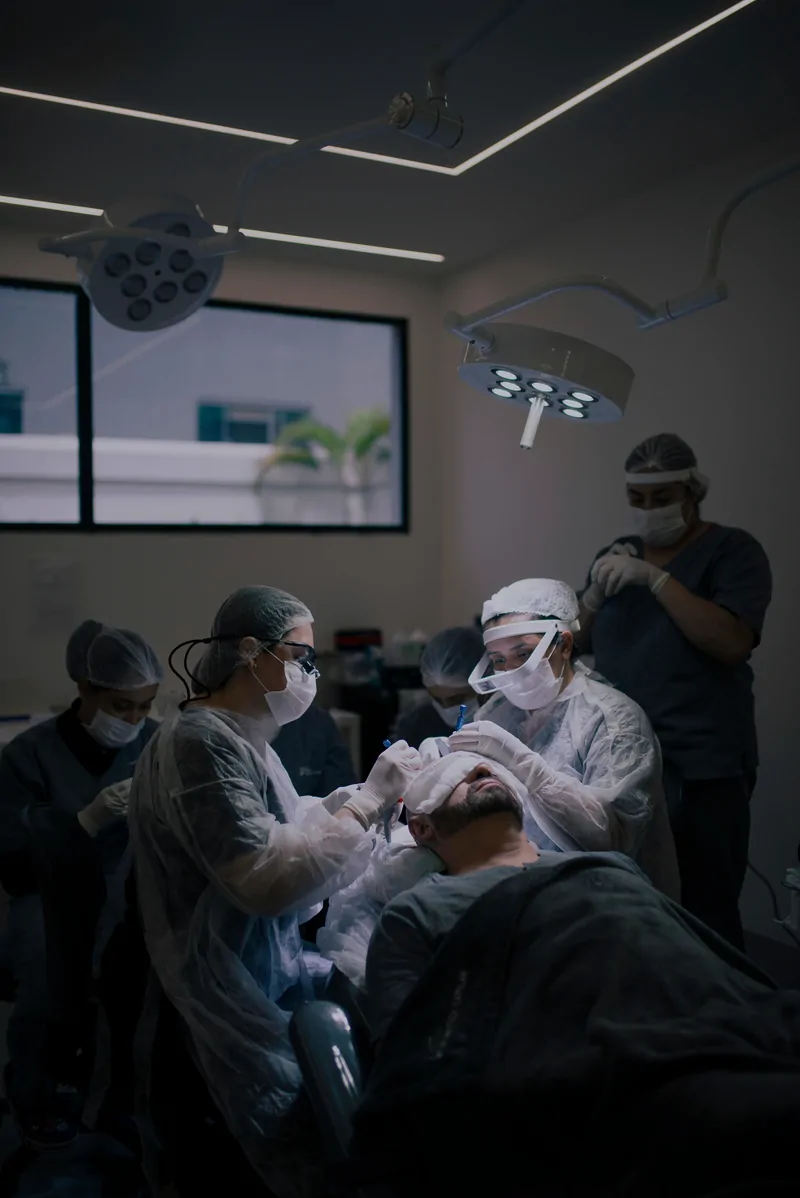
Grafts are placed between your native hairs, either with an implanter pen or into small channels, with existing hair carefully held aside to avoid damage.
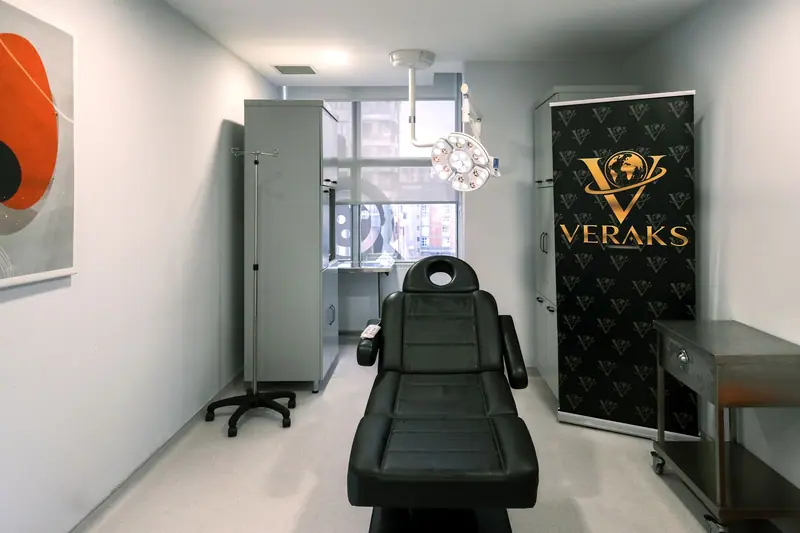
The team checks the treated area and can show you how to let your hair fall gently over it, without combing or pressing on the grafts.
Gallery


Unshaven is a way of organising the procedure rather than a separate extraction method. Follicles are still harvested individually as in FUE, but the surrounding hair is left long – meaning the team works with less visibility and more time per graft. Shaven FUE (with steel or sapphire-tipped blades for channel opening) gives a clear view of the scalp and generally suits larger areas; the sapphire variation changes only the blade material, and evidence of superiority is limited. DHI uses an implanter pen to place grafts and is often paired with unshaven work because it can slip between existing hairs. Unshaven transplants are usually limited to smaller areas, take longer and are not suitable for everyone; none of these approaches is objectively superior.
Before & after treatment
Before you travel
Afterwards
In their words
Hair transplant patients describe their experience — from the first conversation to aftercare.
All patient reviewsGoogle reviews
Spoken with us already? Share your experience on Google.
Honest reviews — good or critical — help the next person decide. We read every one and never offer anything in exchange.
Questions
General answers — your own plan always depends on an individual assessment.
All hair questionsLonger hair can conceal a great deal, but redness, small scabs or swelling may still be visible in the first days. How discreet it is depends on your hair, the area treated and how you heal.
Working between long hairs takes more time and care for each graft, and very long sessions can be tiring. Limiting the scope helps the team work precisely and protect existing hair.
In some cases a partial-shave approach can be discussed, but for extensive areas a conventional shaven procedure is often recommended. Your clinician will explain the reasons for their advice.
Grafts follow the same growth cycle as other FUE techniques. Shedding in the first weeks is common, with early growth often seen around months 3–4 and further maturing over the year.
Usually, yes, as long as it does not involve pulling, heat styling or products on the treated area during the early healing phase. Your clinician can advise on when normal styling may resume.
Also available
Free consultation
Tell us what you would like to change. A coordinator replies personally and arranges a hair specialist’s review of your photos — free, without obligation.
A person replies. Monday to Saturday, Istanbul time.
VHFree consultation
A coordinator replies personally — free, no obligation.