Dental implants
Implant Dentistry
Sinus Lift in Turkey: CBCT assessment, lateral window or crestal approach, sinus membrane care, healing time and flying and nose-blowing precautions.
Free · no obligation
Leave your name and number — a coordinator replies personally.
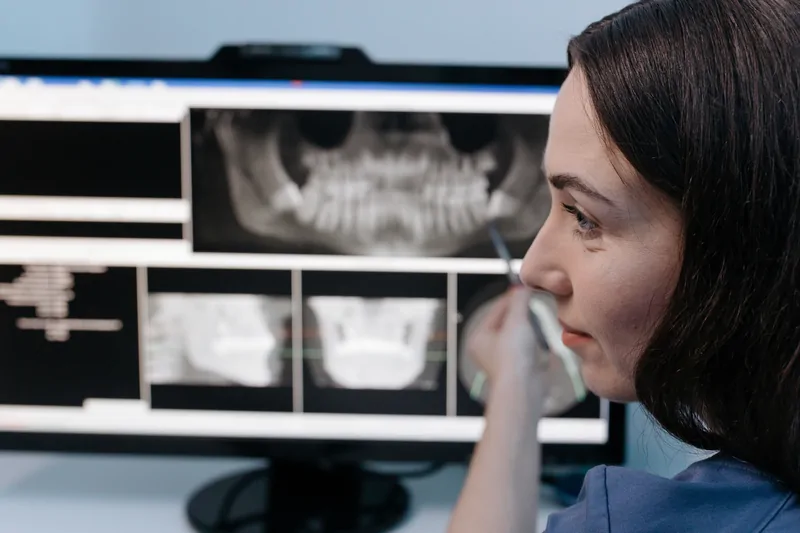
The maxillary sinuses are air-filled spaces that sit above the roots of the upper back teeth. When these teeth are lost, the bone beneath the sinus can thin and the sinus floor may extend downwards, sometimes leaving only a few millimetres of bone. A sinus lift gently raises the thin membrane that lines the sinus floor and places graft material in the space created, so that over time new bone can form and provide enough height for an implant.
There are two main approaches. In a lateral window technique, a small opening is made in the side wall of the upper jaw, the membrane is lifted through it and graft is placed beneath; it is generally used where more height is needed. In a crestal (osteotome) technique, the sinus floor is gently pushed up through the implant site from below; it is less invasive but suited to more modest height gains. Depending on the bone available, the implant may be placed at the same visit or after the graft has healed.
A sinus lift is a specific type of bone grafting used only in the upper back jaw. Rebuilding width or height elsewhere along the ridge is covered on the dental bone grafting page. The availability of sinus lift surgery at our clinic is confirmed during your consultation.
What it can help with
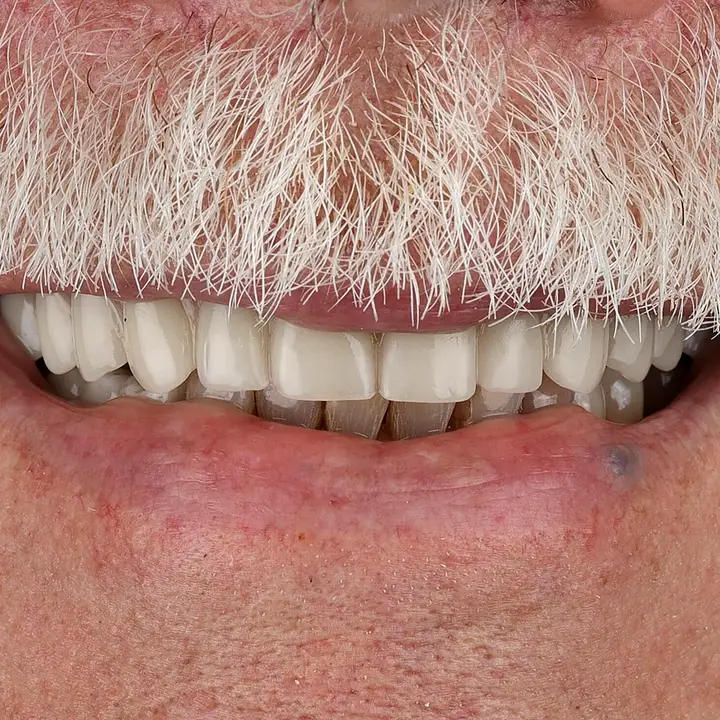
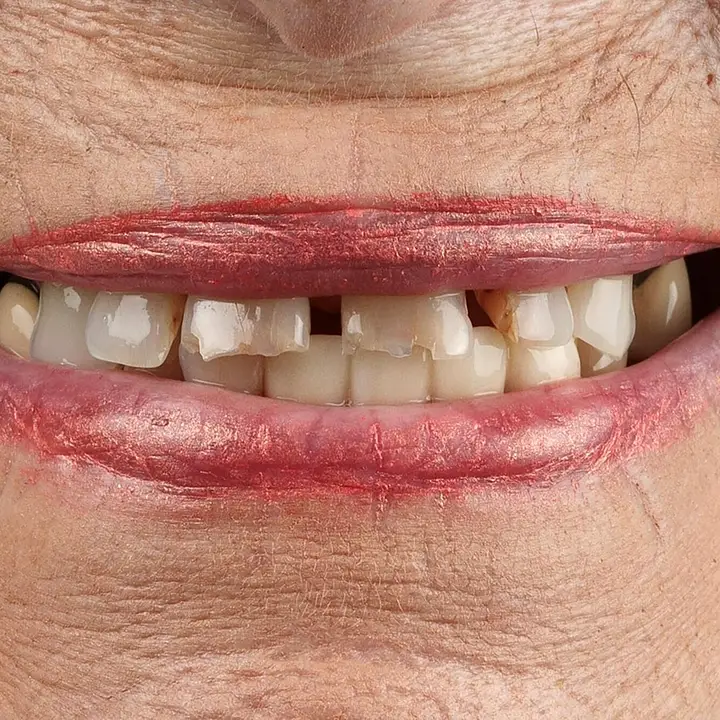
Results · before & after
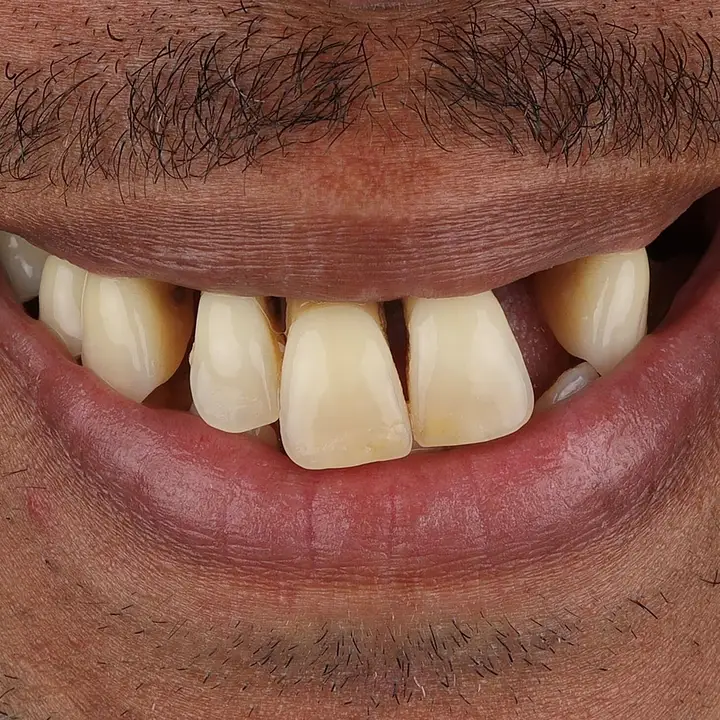
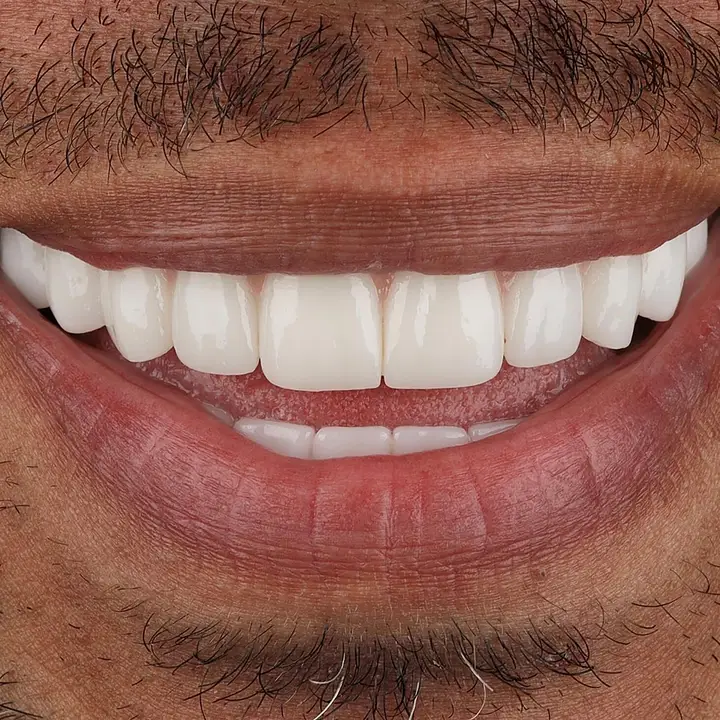
Before and after photographs from sinus lift and related treatments at our clinic in Istanbul. Drag the handle to compare each pair.
All dental results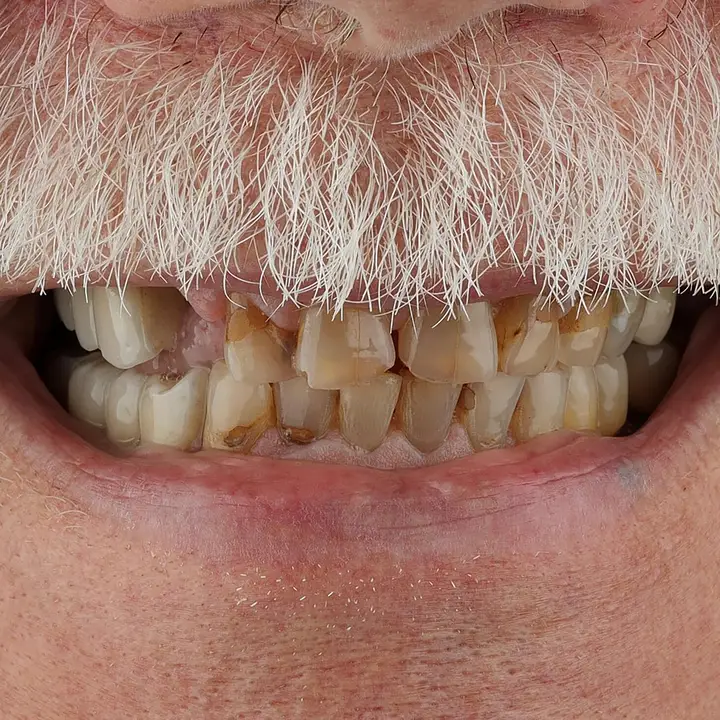
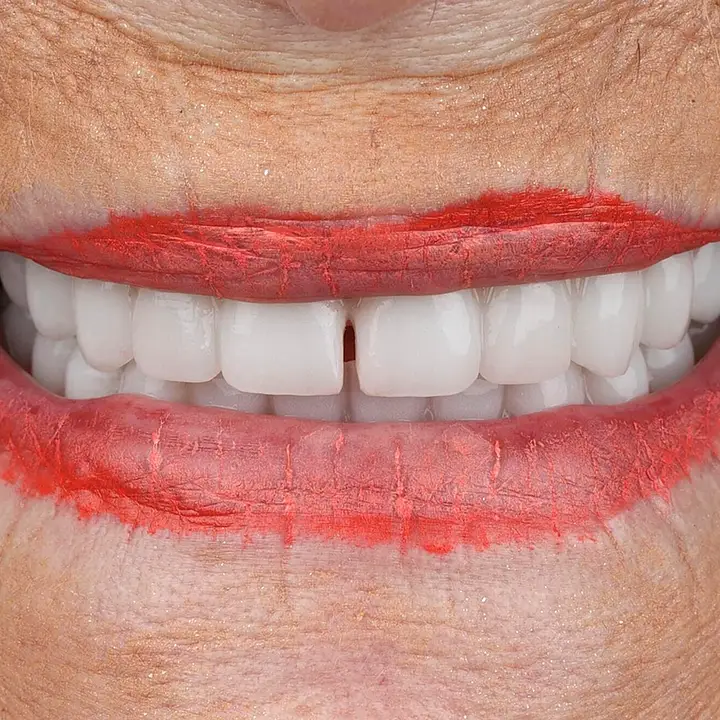
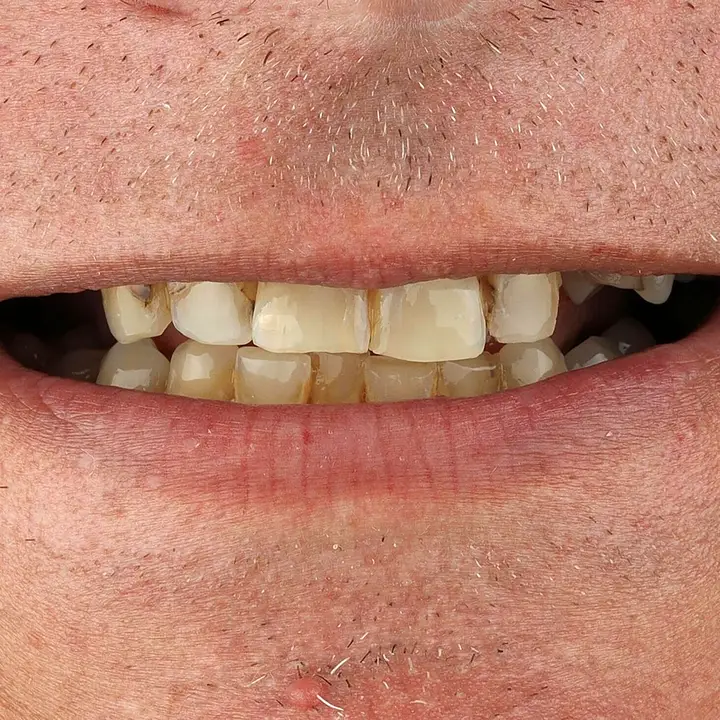
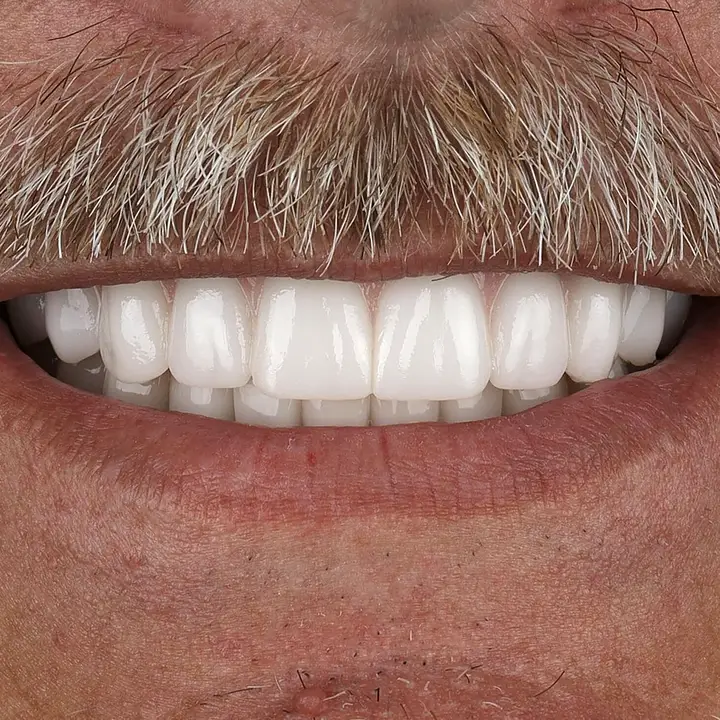
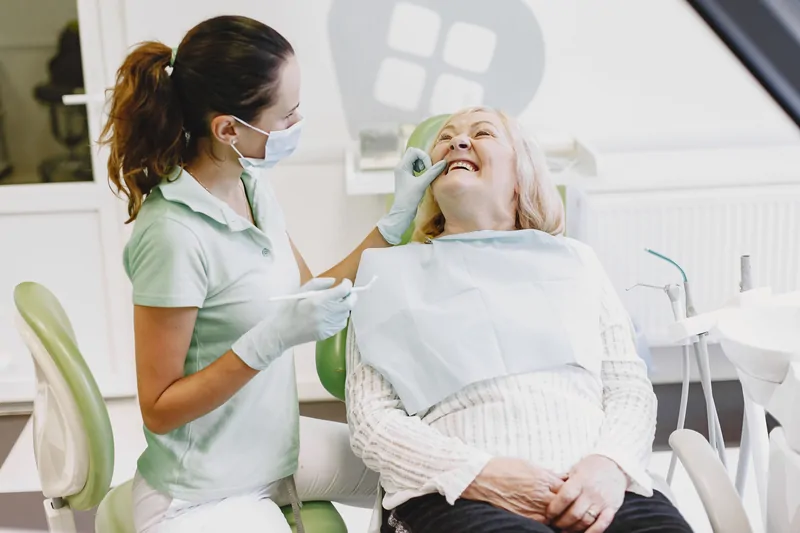
Suitability depends on both the bone and the sinus itself. A healthy, clear sinus is generally needed, so existing sinus problems are reviewed and sometimes treated before surgery is considered.
Often a good fit
Assessed carefully
Honest information
The procedure
Sinus lifts are planned around precise measurements of bone height and sinus anatomy, choosing the least invasive approach likely to gain the height needed. Protecting the membrane and the sinus’s normal function guides every step.

A cone-beam CT scan measures the bone height beneath the sinus and shows the sinus floor, membrane thickness and any signs of sinus disease. From this, your clinician explains whether a lift is needed and which approach is likely to suit.
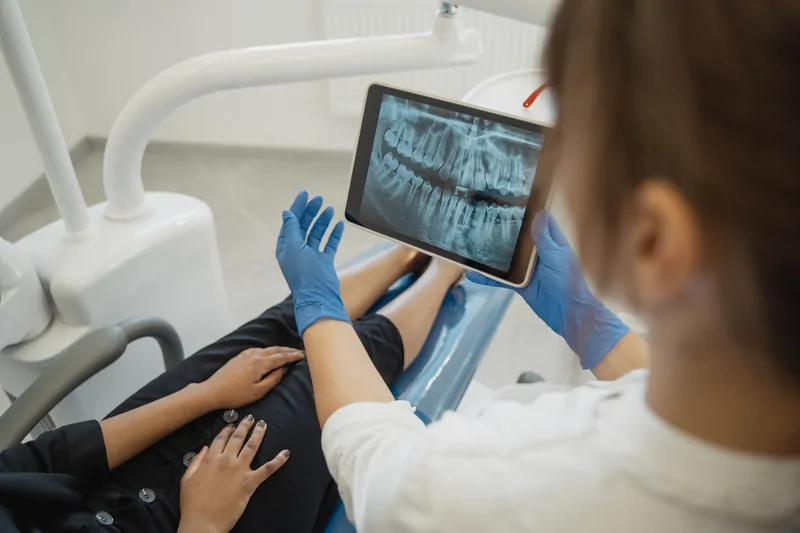
The area is numbed with local anaesthetic. For a lateral approach, a small flap of gum is lifted and a window is prepared in the outer wall of the jaw; for a crestal approach, the implant site is prepared to just below the sinus floor.
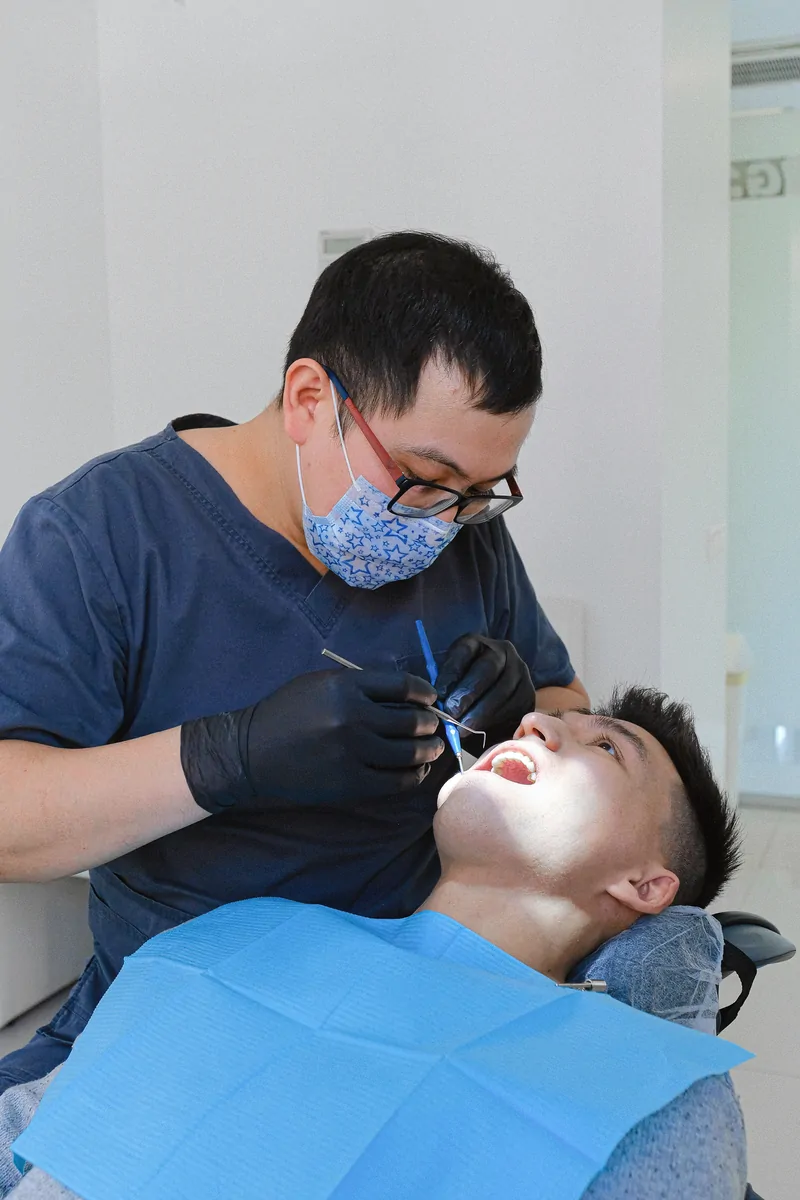
The sinus membrane is carefully separated from the bone and lifted. This is the most delicate stage, as the membrane is thin; if a small tear occurs, it may be repaired or the plan adjusted.
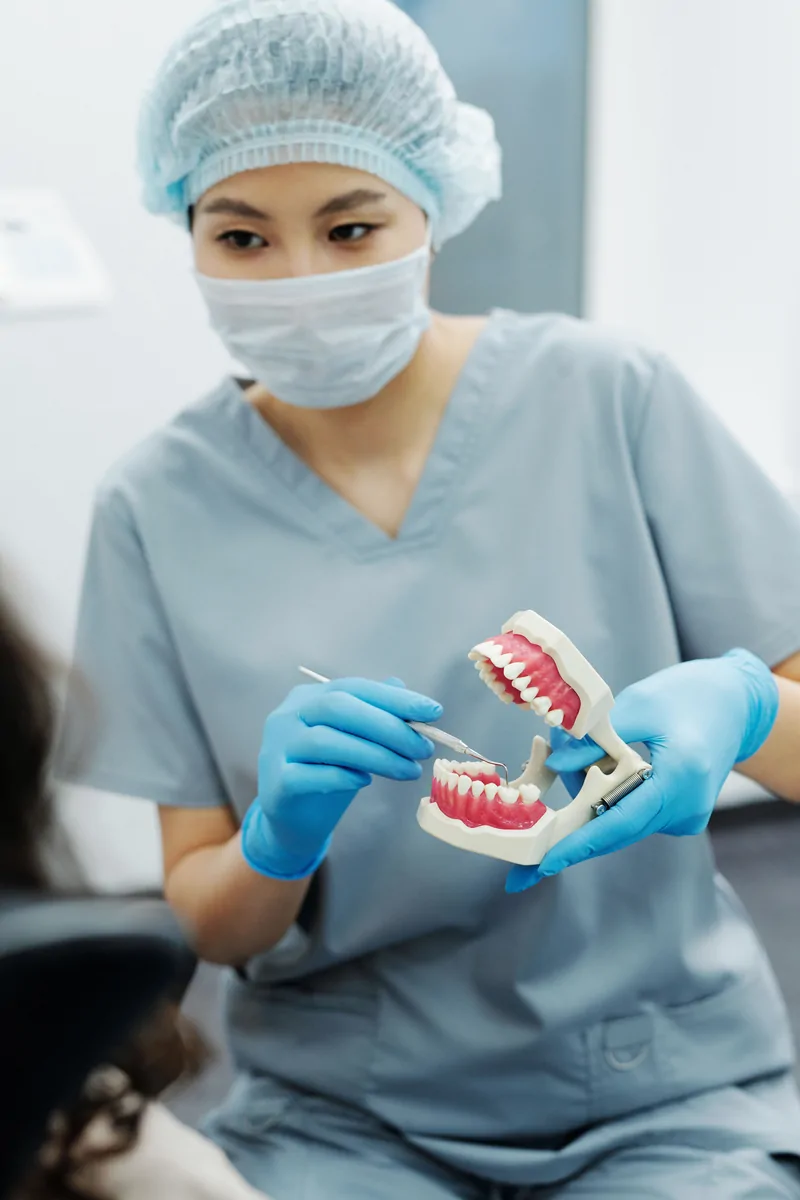
Graft material is placed in the new space beneath the membrane. Where enough bone exists to hold it firmly, an implant may be placed at the same time. The window is often covered with a membrane and the gum is stitched closed.
Over the following months the graft is gradually replaced by bone. Stitches dissolve or are removed, and a further scan before implant placement or loading helps confirm the area is ready.
Gallery


Bone grafting is the broad term for rebuilding missing jawbone, most often width or height along the ridge, anywhere in the mouth. A sinus lift is one specific kind of graft, used only in the upper back jaw, where the sinus floor is raised from inside so graft can be placed beneath it to gain height. Some plans involve one, some both, and many implant patients need neither.
Before & after treatment
Before you travel
Afterwards
In their words
Dental patients describe their experience — from the first conversation to aftercare.
All patient reviewsGoogle reviews
Spoken with us already? Share your experience on Google.
Honest reviews — good or critical — help the next person decide. We read every one and never offer anything in exchange.
Questions
General answers — your own plan always depends on an individual assessment.
All dental questionsThe procedure works on the floor of the sinus, not the nasal airway. Temporary congestion or slight nose bleeding is common at first, but lasting changes to breathing or voice are not expected.
A lateral lift reaches the sinus through a small window in the side of the jaw and is generally used when more height is needed. A crestal lift works through the implant site from below and suits smaller height gains. Your scan guides which is appropriate.
Cabin pressure changes can affect a healing sinus, so your clinician will advise on the timing for you. Your coordinator can help plan travel dates around this before surgery is booked.
Sometimes. If the existing bone can hold the implant firmly, it may be placed during the same procedure. Where bone is very thin, the graft usually heals first and the implant follows later.
Small perforations can happen and are often repaired during surgery, for example with a resorbable membrane. In some cases the procedure is paused and repeated after healing. Your clinician will explain what happened and the next steps.
It depends on the cause and how well it is controlled. Your clinician may recommend assessment or treatment of the sinus first, and in some cases an alternative that avoids the sinus may be discussed.
Also available
Free consultation
Tell us what you would like to change. A coordinator replies personally and arranges a dentist’s review of your photos — free, without obligation.
A person replies. Monday to Saturday, Istanbul time.
VHFree consultation
A coordinator replies personally — free, no obligation.