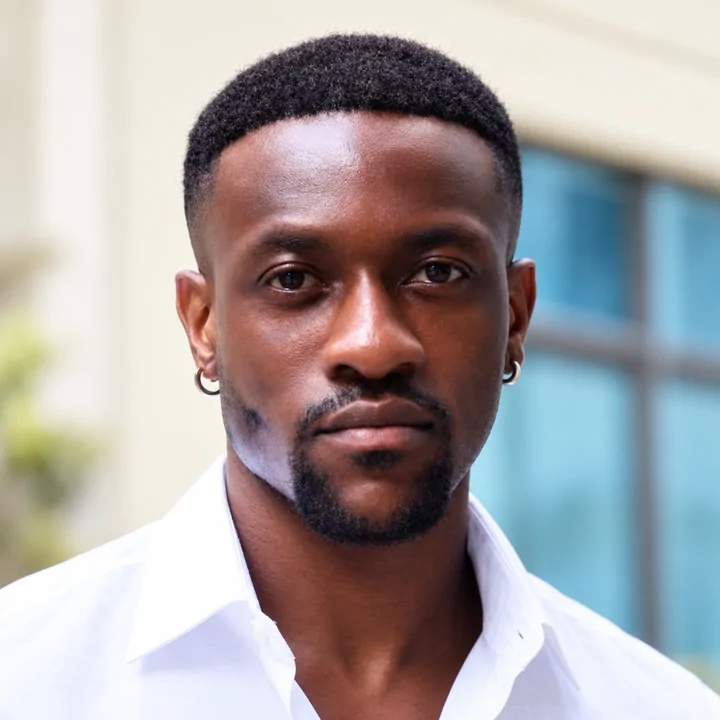
Free Consultation

Beard & Eyebrow Transplants

Beard Transplant in Turkey

Beard Transplant in Turkey: filling patchy cheeks, jawline and goatee areas with your own hair — candidacy, design, growth timeline, risks and aftercare.
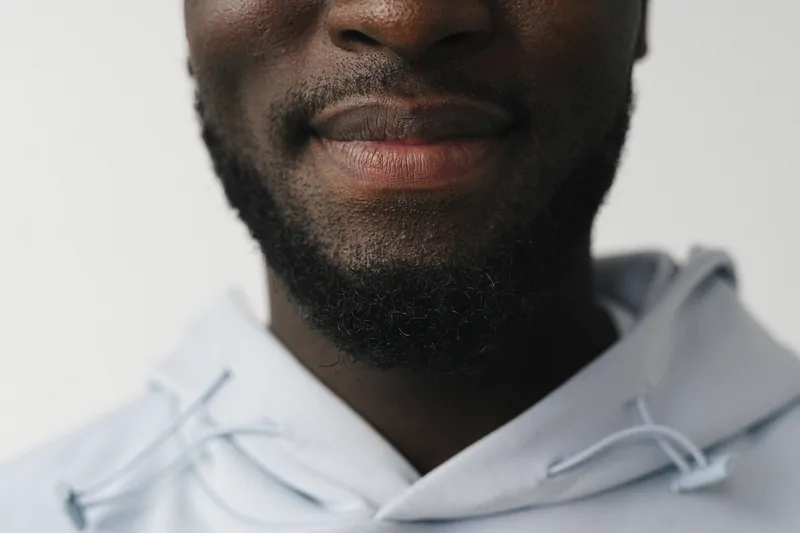
  • Free consultation
  • VIP airport transfer
  • Hotel stay included

Free · no obligation

Get a free consultation

Leave your name and number — a coordinator replies personally.

What is beard transplant?

A beard transplant uses FUE-style extraction to move hair follicles – usually from the back of the scalp – into areas of the face where beard growth is sparse, patchy or absent. Unlike the scalp, the beard is made up mostly of single-hair follicular units growing at a very low angle to the skin, and their direction changes considerably from sideburn to cheek, jawline and chin. A successful plan therefore depends on choosing suitable grafts and placing them closely following the natural grain of facial hair.

People seek beard restoration for many reasons: a beard that never filled in at the cheeks, gaps along the jaw, a goatee that does not connect to the moustache, or scars from acne, injury or surgery that interrupt growth. The shape is designed with you – some prefer a softly defined cheek line, others a sharper outline – and the plan considers how the beard will look both when grown out and when kept short.

Transplanted scalp hair often adapts well to the face, but it may not be identical in texture or colour to your existing beard. Where scalp hair is much finer or straighter, the clinician may suggest a different donor site, such as beard hair from under the chin, or discuss how the difference may appear when grown. Because the scalp donor area may be needed for future scalp hair loss, its use for the beard is balanced carefully.

What it can help with
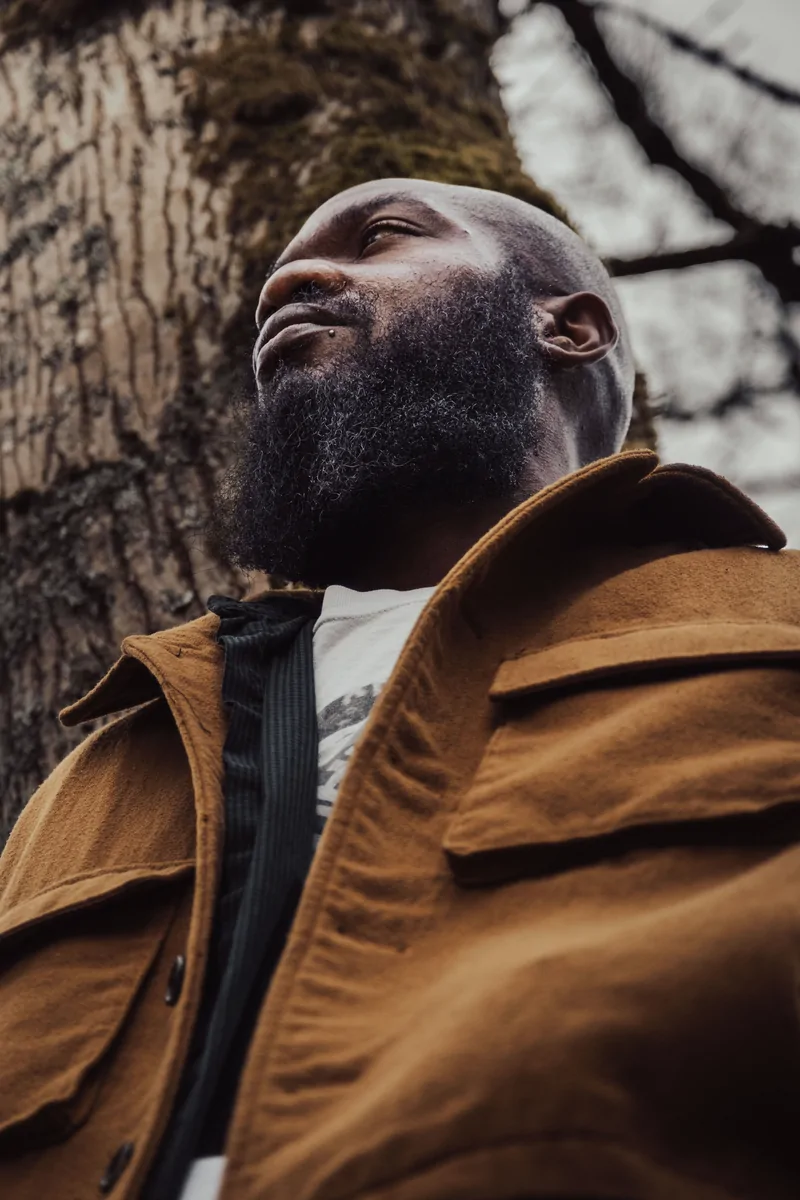
  • Fill patchy or sparse areas to create more even coverage
  • Define a cheek line, jawline or goatee shape that suits your face
  • Follow the natural direction of facial hair for a realistic look
  • Conceal scars in the beard area, after assessment
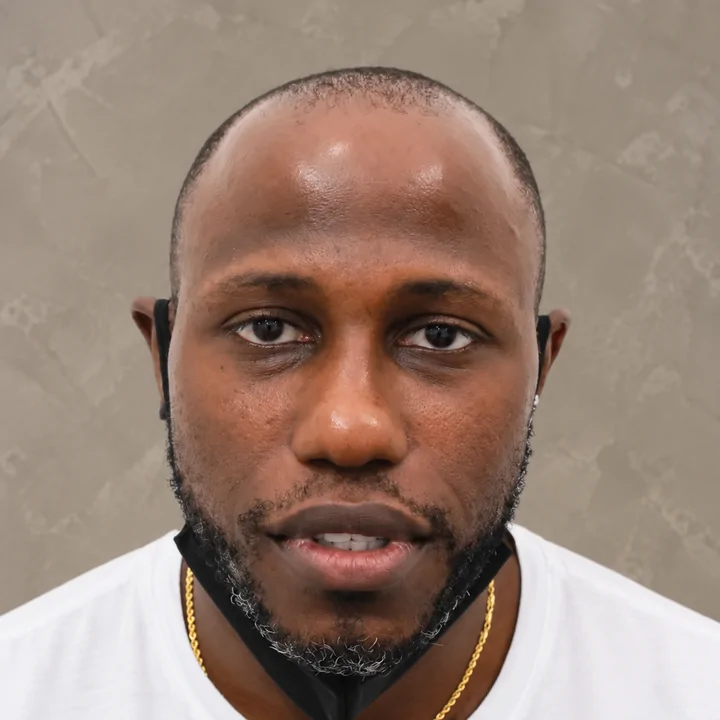
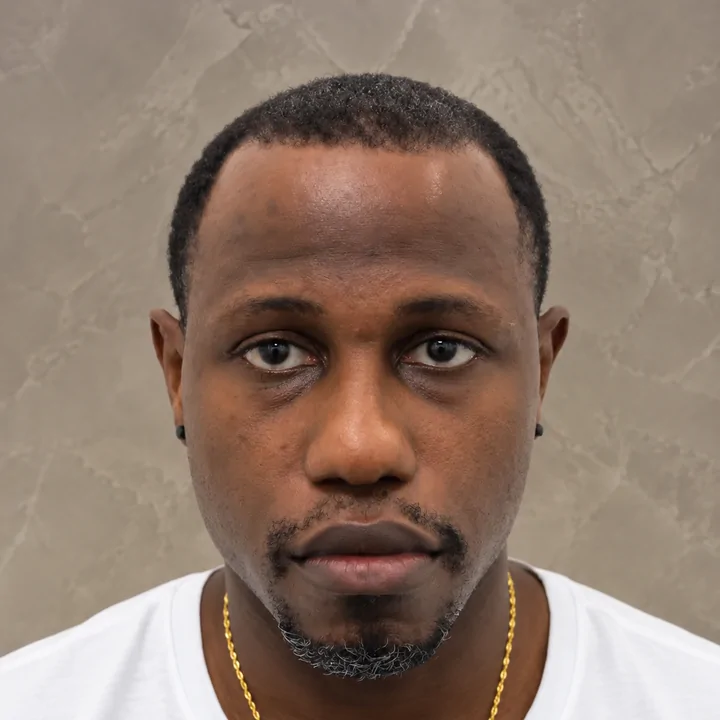
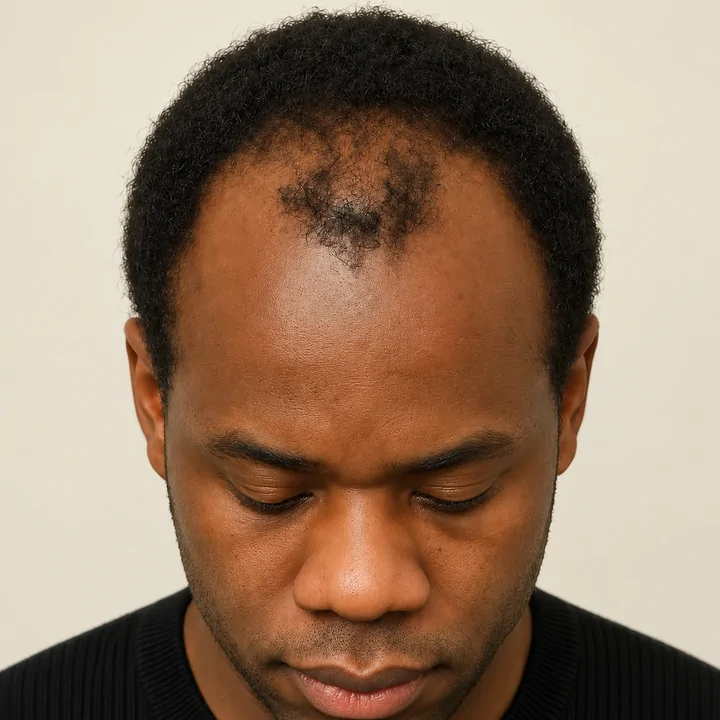
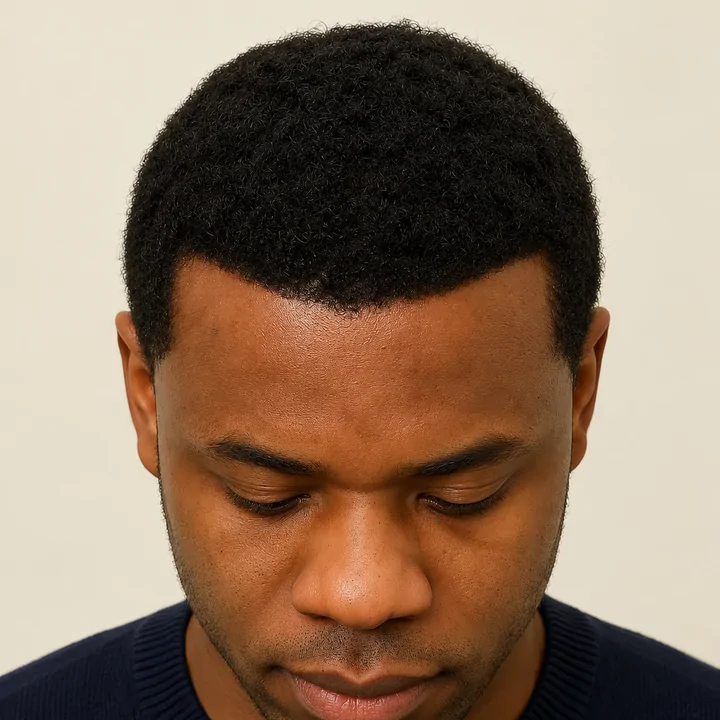
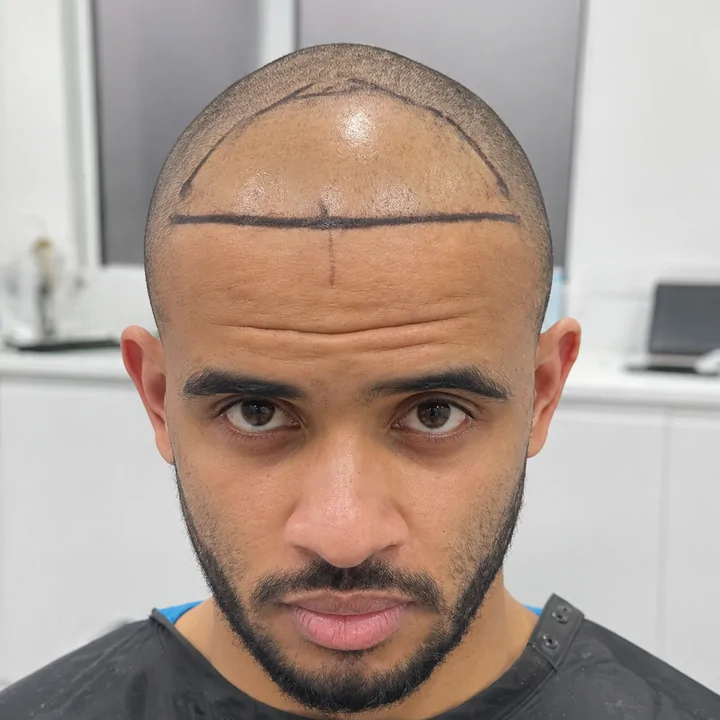
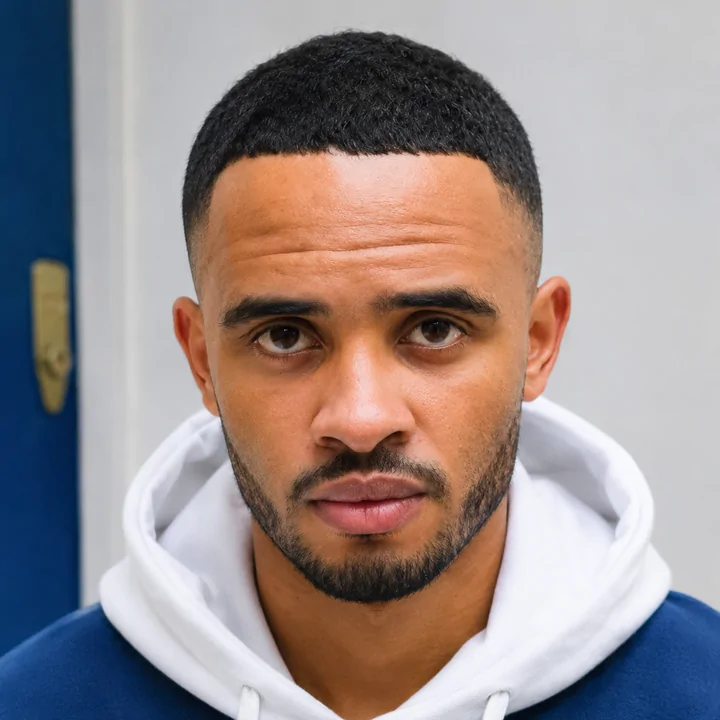
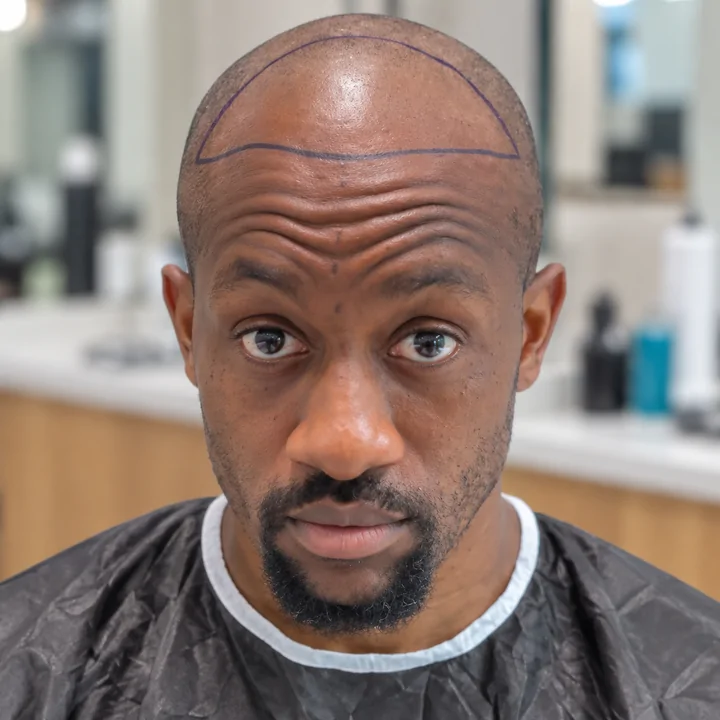
Beard Transplant: a patient after treatment

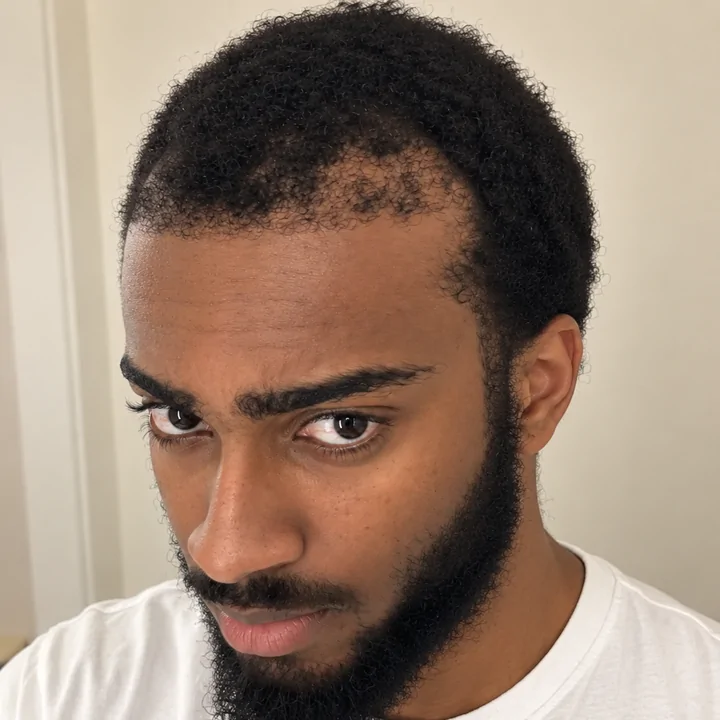
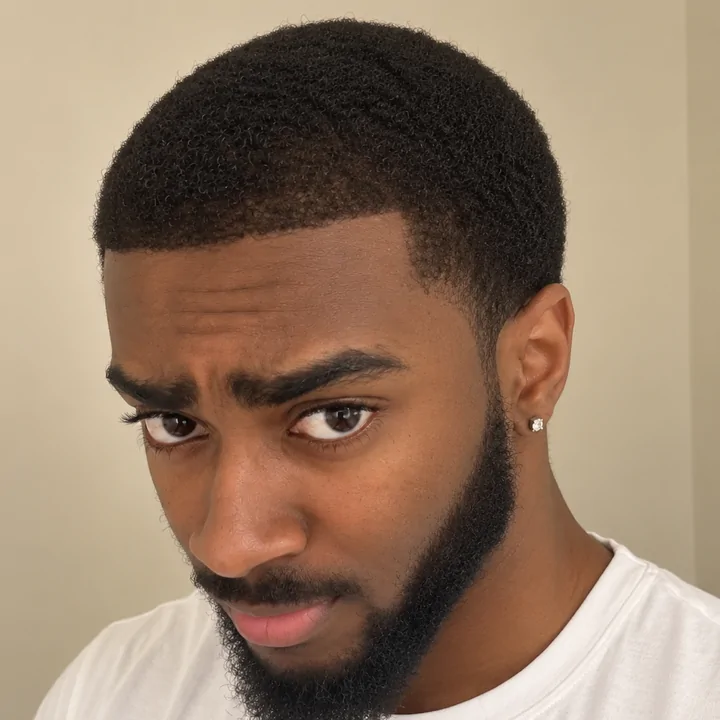
Results · before & after

Real hairlines, visible change.

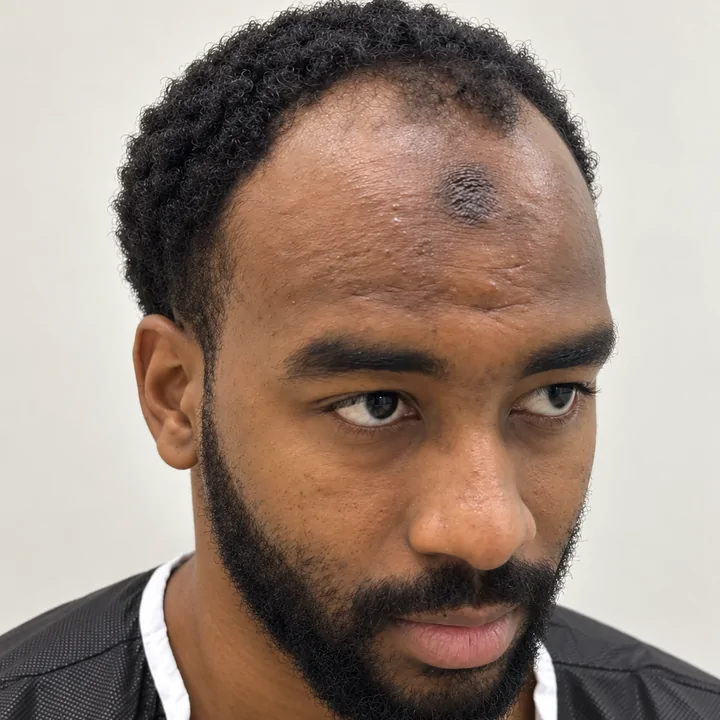
Before and after photographs from beard transplant and related treatments at our clinic in Istanbul. Drag the handle to compare each pair.

All hair results
A patient looking at their hair in a mirror

Who is beard transplant for?

Beard transplant suitability depends on the health of the facial skin, the quality of the donor hair and how your facial hair growth may change. If your beard is still developing, waiting may be suggested.

Often a good fit

  • Adult men whose natural beard growth has largely stabilised
  • People with adequate scalp donor hair, taking possible future scalp needs into account
  • Those wanting to improve the shape or continuity of an existing beard
  • Some transgender men, after medical review of hormone therapy timing

Assessed carefully

  • Age – facial hair can continue to develop into the mid-twenties or beyond
  • Donor hair characteristics, including calibre, colour and curl
  • Skin conditions such as active acne, eczema or infection in the beard area
  • Scar tissue, which may affect how grafts take
  • Tendency to keloid or hypertrophic scarring
  • Future scalp hair loss and the need to reserve donor supply

Honest information

Benefits, limitations & risks

Potential benefits

  • Uses your own hair, which can provide lasting growth for many people
  • The outline and density can be designed around your face
  • Can help conceal scars within the beard area
  • Transplanted beard hair can usually be trimmed, shaped and shaved once fully healed

Limitations

  • Transplanted scalp hair may differ slightly in texture or colour from natural beard hair
  • Very high density across the full beard may need more than one session
  • Uses donor hair that may later be wanted for the scalp
  • Facial swelling and small crusts make the early recovery visible
  • Results develop over many months and vary between individuals

Possible risks

  • Facial swelling, redness and tenderness in the first days
  • Temporary numbness in the cheeks or donor area
  • Ingrown hairs, folliculitis or small cysts
  • Shock loss of existing beard hair near grafts, usually temporary
  • Uneven growth, or hairs pointing in an unnatural direction
  • Scarring or infection, which is uncommon

The procedure

Beard Transplant, step by step

Beards are best designed around faces, not templates. The plan takes into account your style, your skin and the long-term needs of your scalp donor area.

  1. Step 01

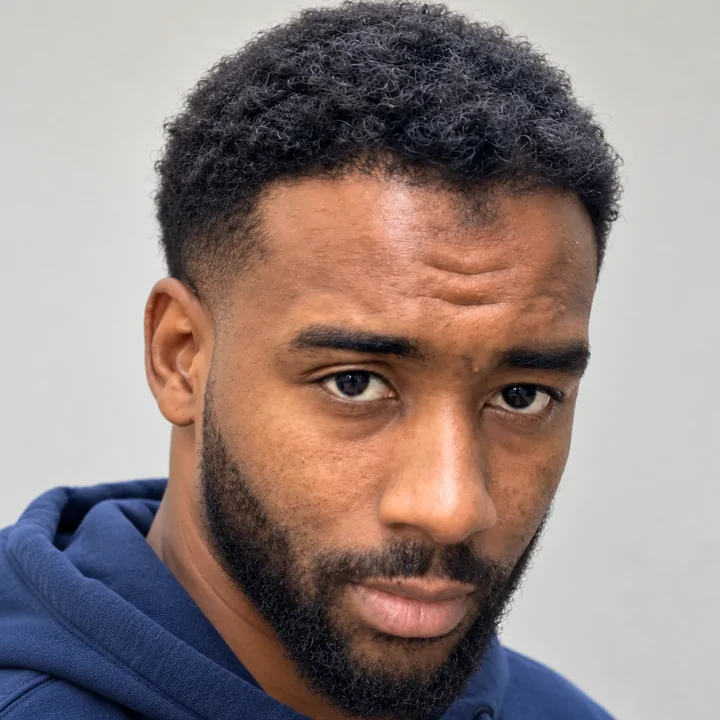
    Consultation and beard mapping

    Your clinician examines your facial hair pattern, skin and donor area, and asks how you usually wear your beard. Reference photos can help you describe the look you have in mind.
  2. Step 02

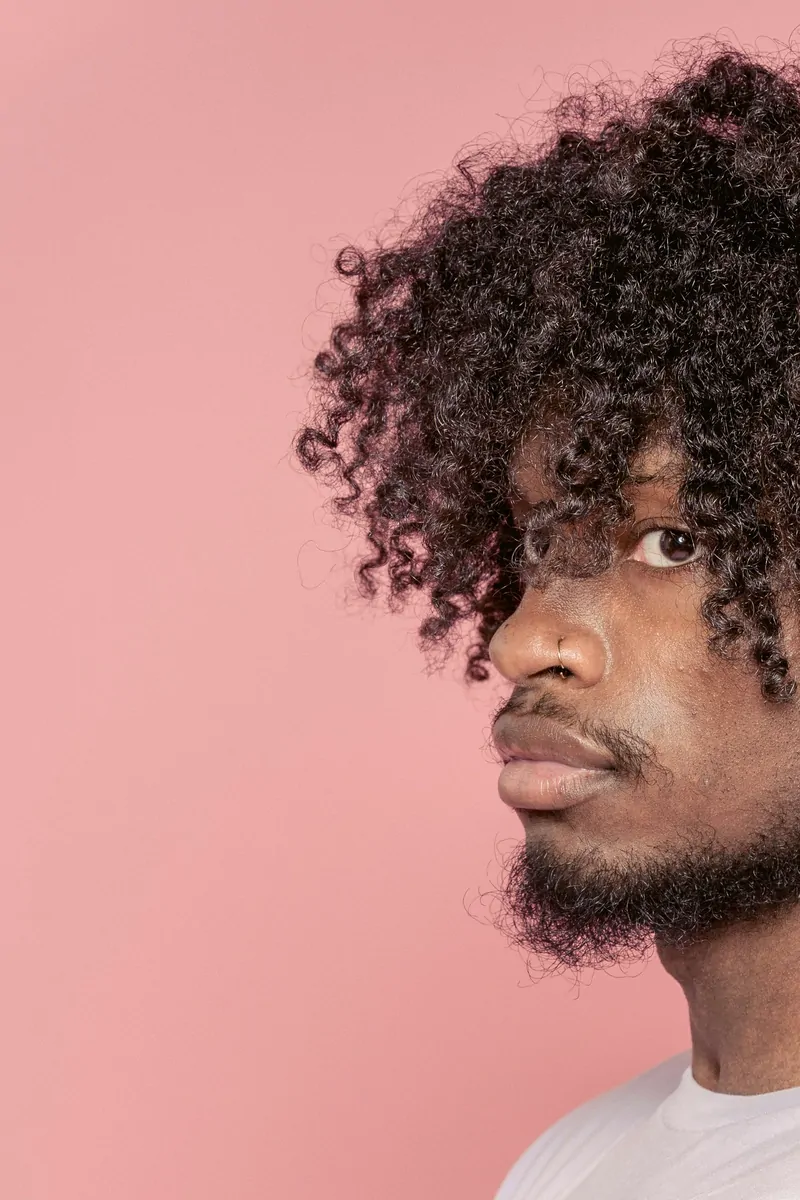
    Design on the day

    The planned outline and density zones are marked on your face, with attention to symmetry and the transitions from sideburns to cheeks and jaw.
  3. Step 03

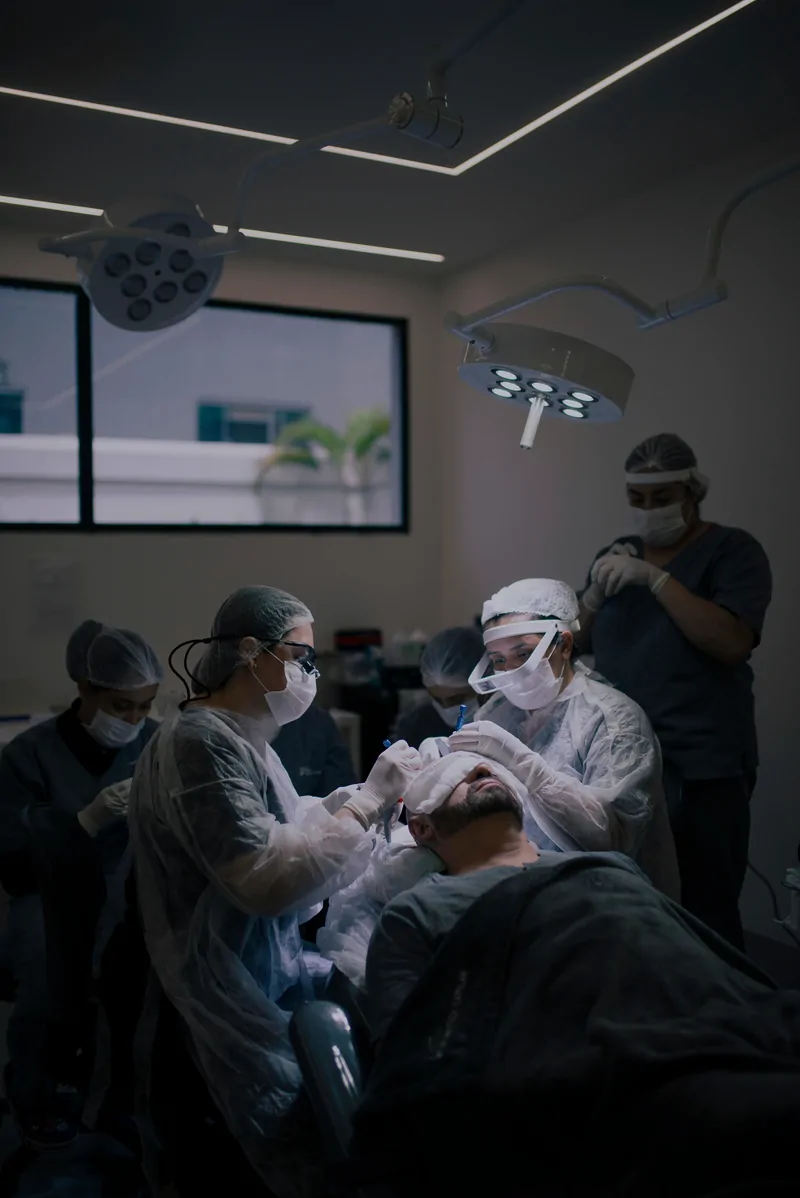
    Donor extraction

    Under local anaesthesia, single- and some double-hair grafts are extracted individually, most often from the back of the scalp, and kept chilled.
  4. Step 04

    Low-angle placement

    Grafts are placed into fine openings or with an implanter pen at shallow angles, following the direction of beard growth in each zone.
  5. Step 05

    Aftercare and follow-up plan

    You receive guidance on cleaning, shaving restrictions, sleep position and when to return for a review or send progress photos.

Gallery
Our clinic

Walk through the clinic
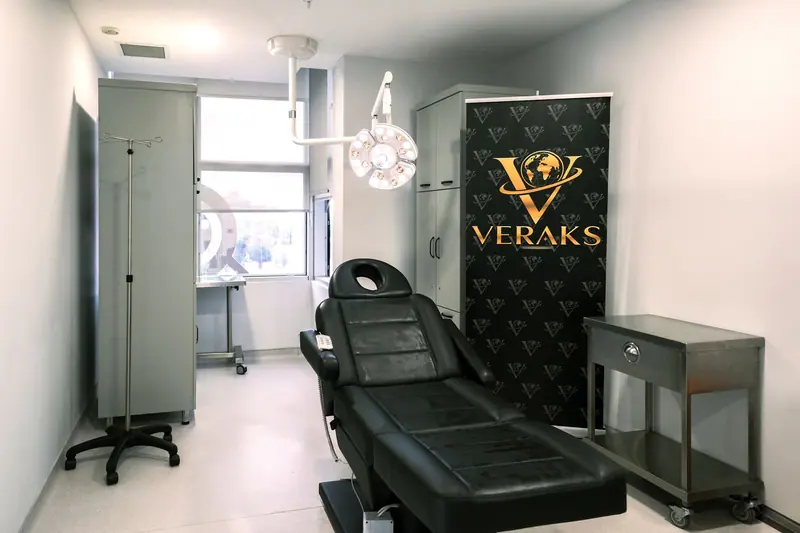
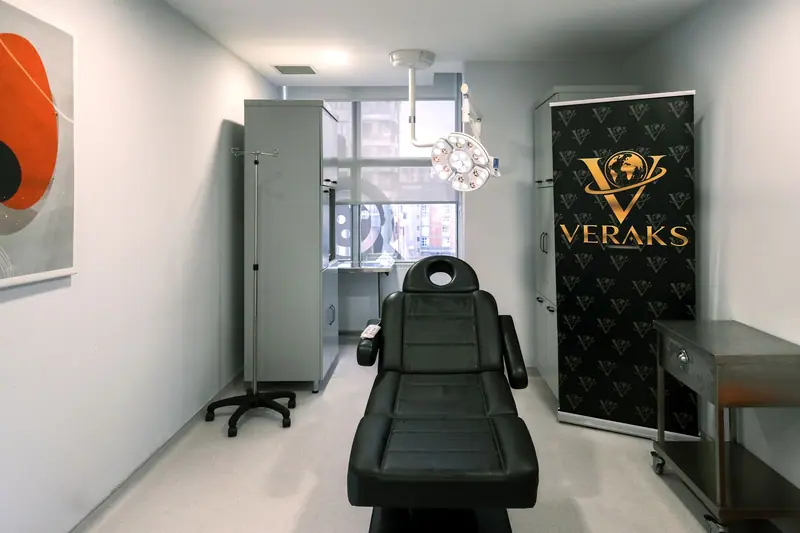
  • A hair procedure room with a black treatment chair and the VERAKS banner
    Procedure room
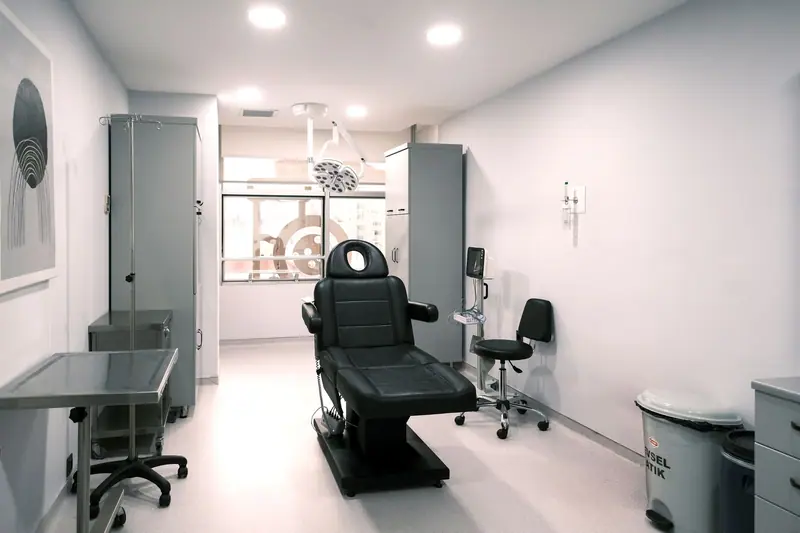
  • A second hair procedure room at the clinic
    Procedure room II
  • A third hair procedure room at the clinic
    Procedure room III
  • The café lounge with sofas and tables, where patients rest between appointments
    Rest area
  • The VERAKS reception desk
    Reception

Alternatives to consider

  • Moustache transplantIf your concern is focused on the upper lip, a targeted moustache restoration may be enough.
  • Allowing time and groomingFacial hair often continues to develop in early adulthood; letting it grow and shaping it carefully can sometimes reduce the appearance of gaps.
  • Medical advice on facial hair growthSome topical treatments are used off-label for beard growth; a clinician can explain the evidence and possible side effects.

Before & after treatment

Preparation & aftercare

Before you travel

  1. Grow your beard for a little while before consultation so the natural pattern is clear, unless advised otherwise
  2. Bring photos of beard shapes you like and of how you usually wear your facial hair
  3. Mention any skin conditions, previous facial procedures or tendency to scar
  4. Disclose medication and supplements; only pause blood thinners with your prescriber’s agreement
  5. Reduce smoking and alcohol in the days beforehand, as advised

Afterwards

  1. Follow your clinician’s instructions exactly – they take priority over general advice
  2. Avoid shaving or trimming the treated area until you are cleared, often after the first couple of weeks
  3. Clean the face gently as shown, without scrubbing or picking at crusts
  4. Sleep on your back with your head raised for the first nights to reduce swelling
  5. Avoid saunas, heavy exercise and strong sun on the face for the advised period
  6. Expect shedding in the first weeks; many people notice regrowth around months 3–4, with fuller results often reviewed at 9–12 months

In their words

What our patients say.

Hair transplant patients describe their experience — from the first conversation to aftercare.

All patient reviews

Google reviews

Spoken with us already? Share your experience on Google.

Honest reviews — good or critical — help the next person decide. We read every one and never offer anything in exchange.

Review us on Google

Questions

Asked about beard transplant.

General answers — your own plan always depends on an individual assessment.

All hair questions
Can I shave my beard after a transplant?

Once the area is fully healed and you have been cleared, transplanted beard hair can usually be shaved, trimmed and styled like natural facial hair.

Will the transplanted hair look different from my beard?

It often blends well, but scalp hair can be slightly finer, straighter or a different shade. Your clinician can discuss how your particular donor hair is likely to look.

How long until my beard fills in?

Transplanted hairs usually shed in the first weeks. Early regrowth is often visible around months 3–4, with the result commonly assessed around 9–12 months.

Does a beard transplant affect future scalp options?

It uses donor hair from the same finite supply. If you may need scalp restoration in future, this is factored into how many grafts are suggested.

Is the swelling noticeable?

Some swelling and small crusts are common for the first week or so. Many people plan a few quieter days before returning to work or social events.

Free consultation

Questions about beard transplant? Let’s talk.

Tell us what you would like to change. A coordinator replies personally and arranges a hair specialist’s review of your photos — free, without obligation.

  • Free consultation
  • VIP airport transfer
  • Hotel stay
  • One personal coordinator
A hair procedure room at the clinic

A person replies. Monday to Saturday, Istanbul time.

Free Consultation