Afro hair transplant
Beard & Eyebrow Transplants
Moustache Transplant in Turkey: design, single-hair grafts, shallow angles, donor choice, graft ranges that depend on you, and when to shave again.
Free · no obligation
Leave your name and number — a coordinator replies personally.
A moustache transplant moves individual hair follicles, most often from the back of the scalp, into the upper lip area to create, thicken or even out a moustache. It is a small-area procedure, but a detailed one: the skin of the upper lip is mobile and sensitive, the hairs need to lie almost flat against it, and small differences in direction are easy to see in such a central part of the face.
Design comes first. The shape is drawn with you, considering your lip, the width of your mouth, the corners where the moustache meets the beard and the style you would like to wear. Some people want to fill one or two gaps; others want a complete moustache where little hair grows. The number of grafts depends on that design, on how much hair you already have and on the density you are aiming for, so it can only be estimated as a range after you have been examined.
Grafts are usually single-hair follicular units, chosen because they look finer and more natural in facial skin. They are placed at very shallow angles, following the outward and downward direction in which moustache hair naturally grows from the midline. Where scalp hair is much finer or softer than your existing facial hair, your clinician may discuss beard hair from under the chin as a donor source, if it is dense enough. Transplanted hair keeps some of the characteristics of its donor site, so its texture may differ slightly from native moustache hair.
What it can help with
Results · before & after
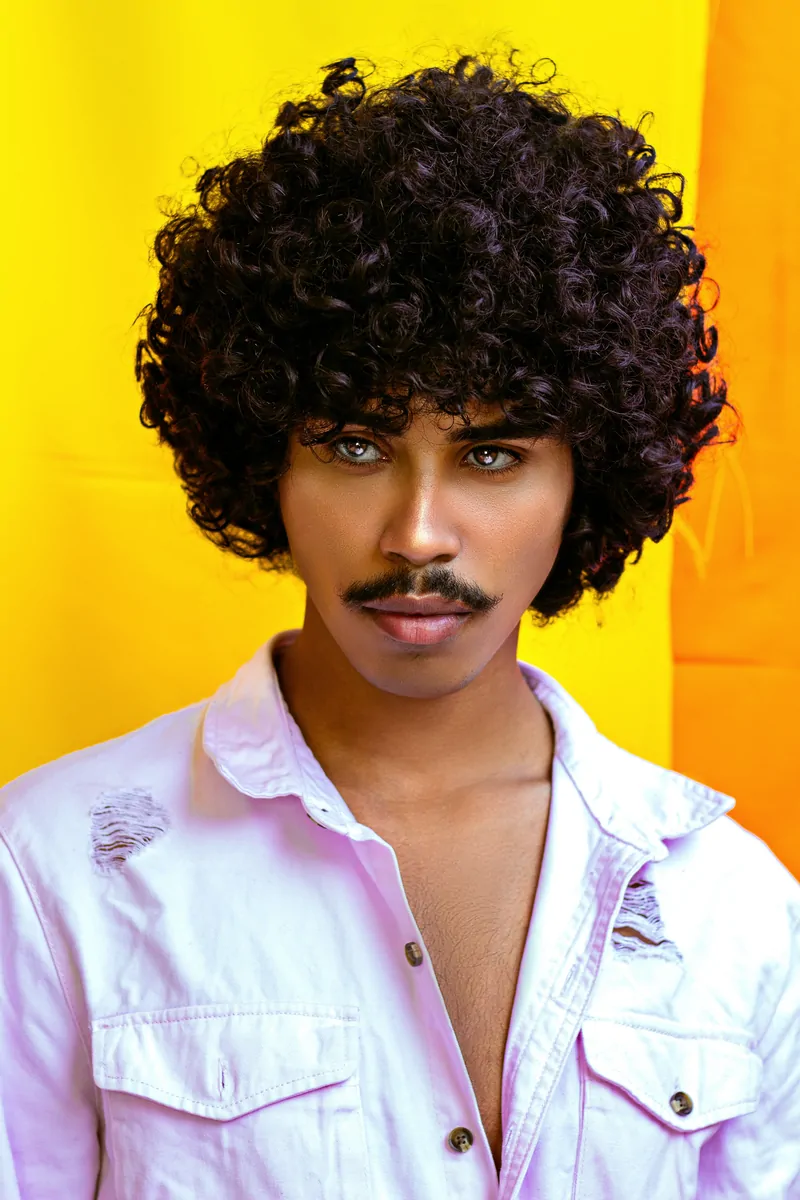
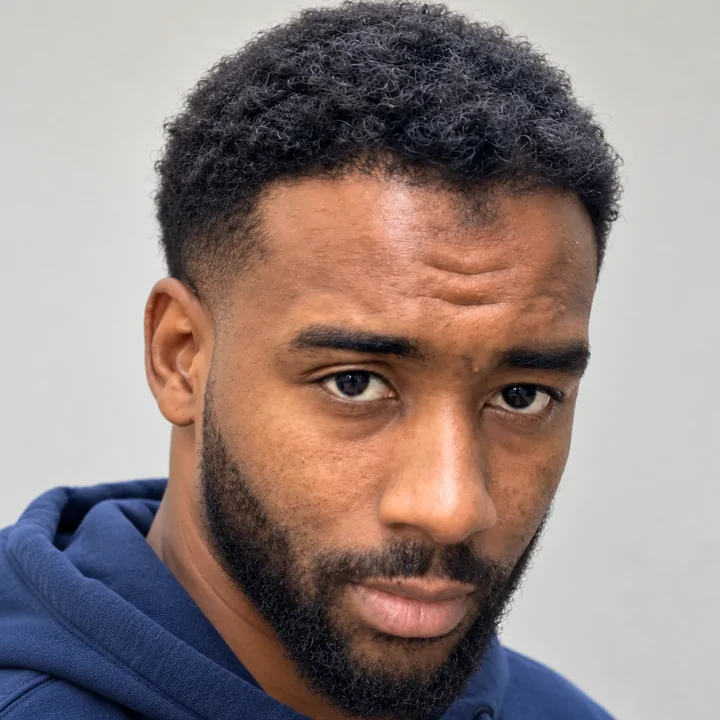
Before and after photographs from moustache transplant and related treatments at our clinic in Istanbul. Drag the handle to compare each pair.
All hair results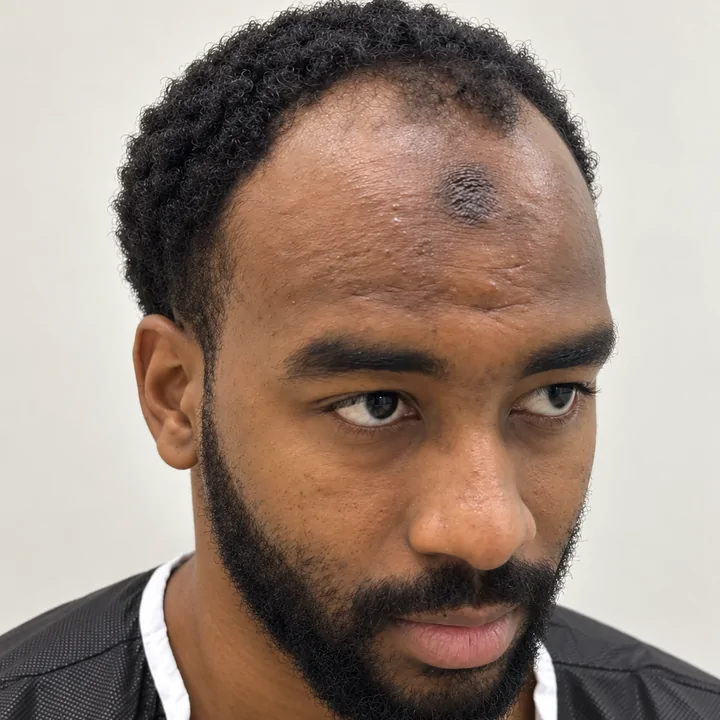
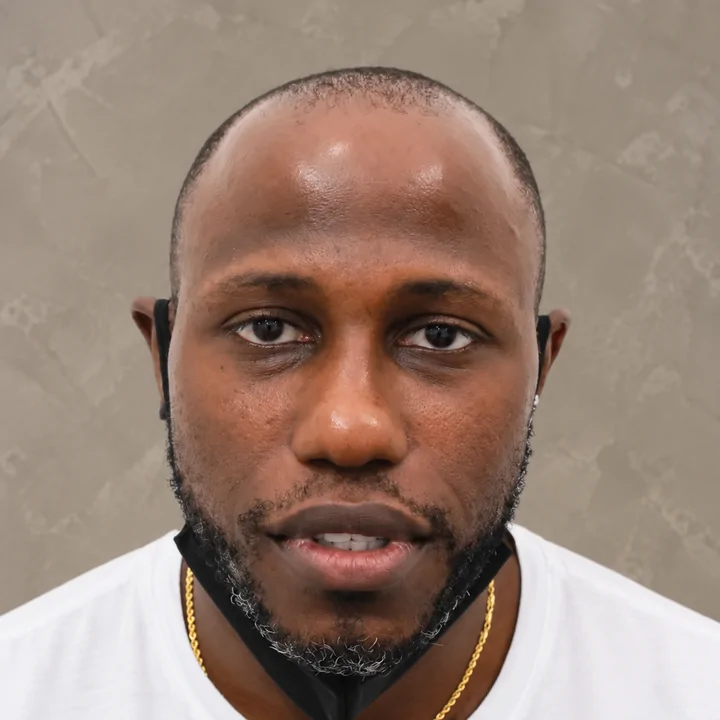
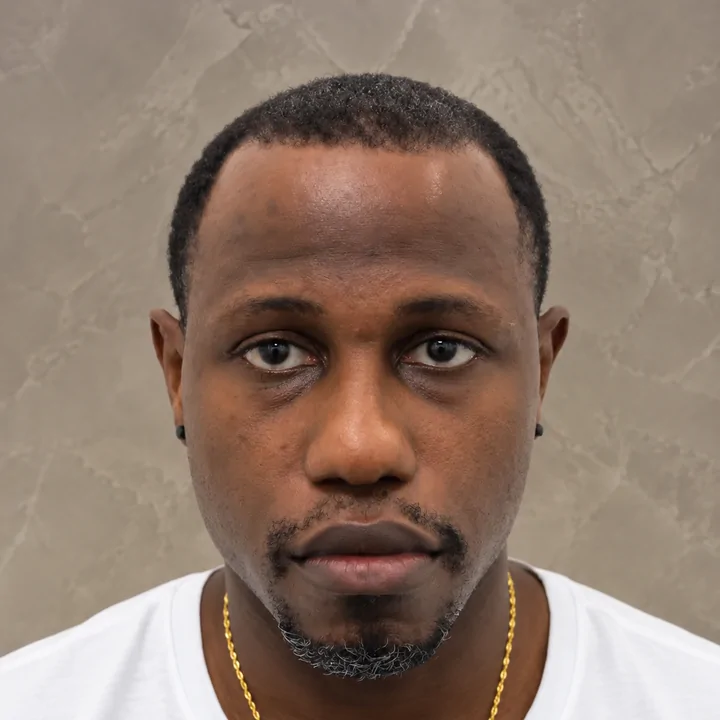
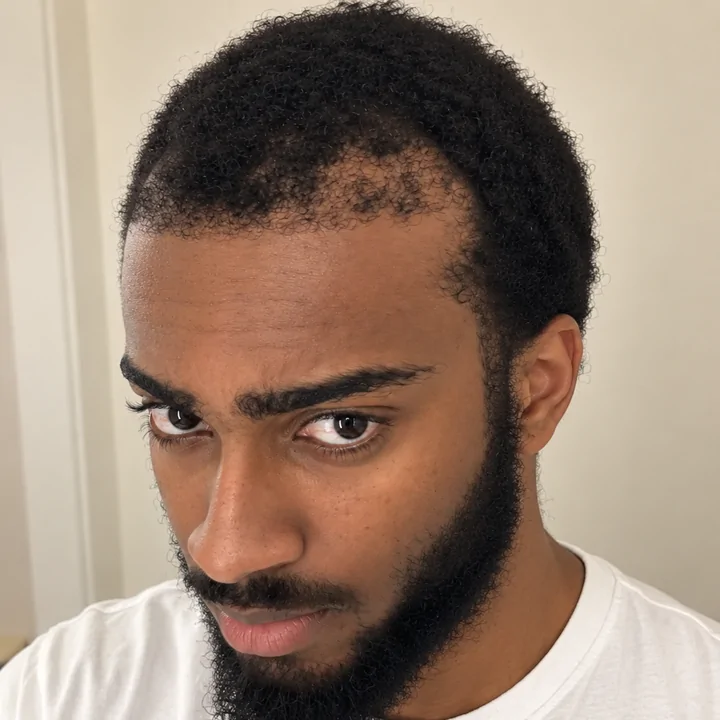
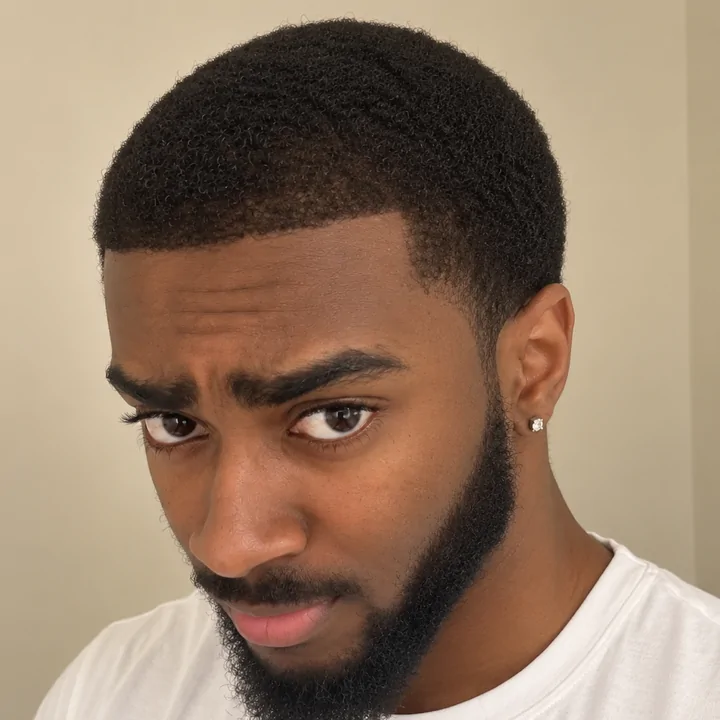
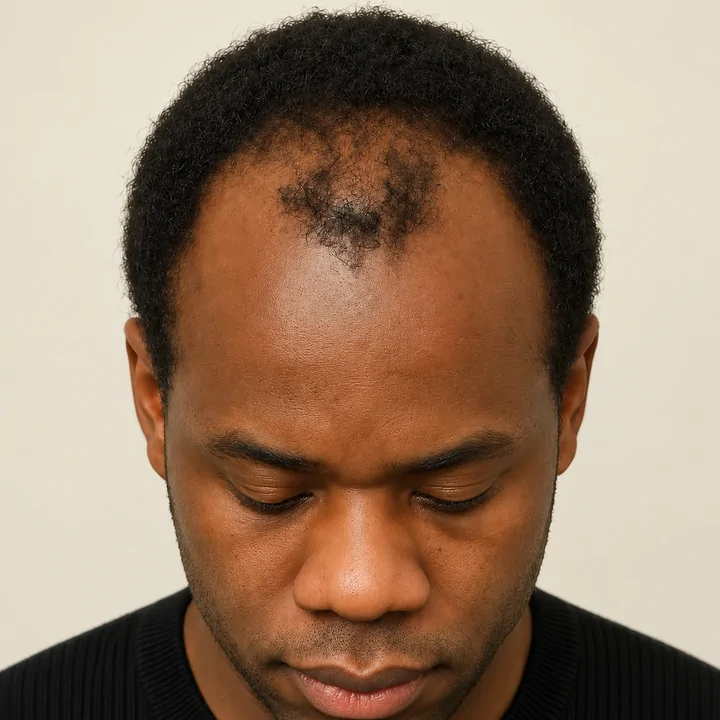
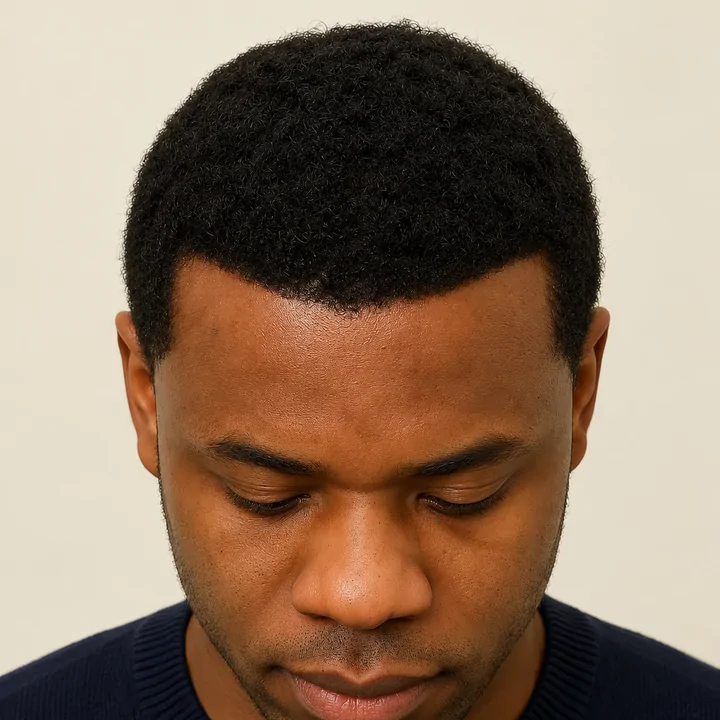
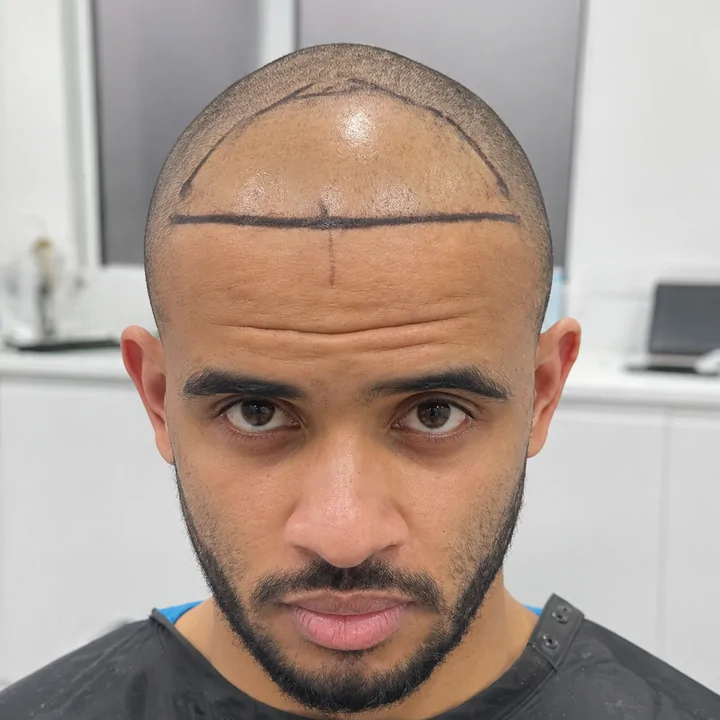
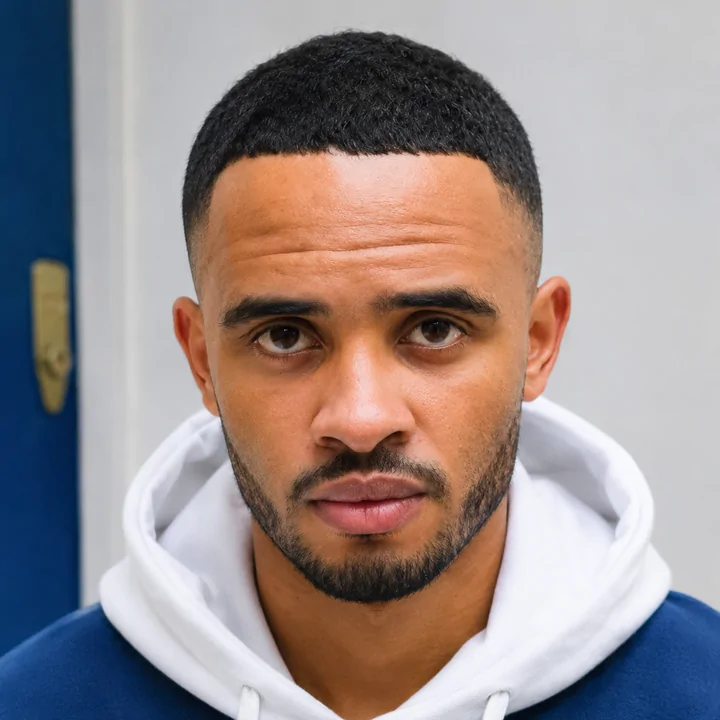
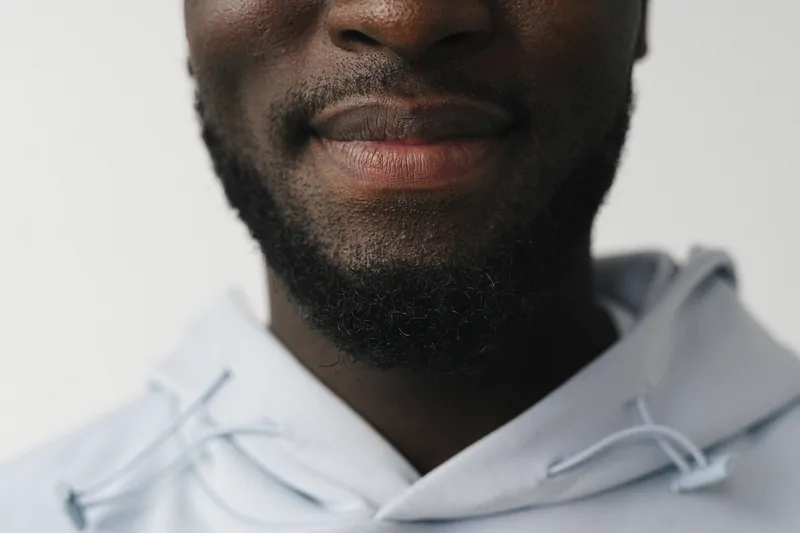
A moustache transplant may be considered by adults whose facial hair pattern has settled and who have suitable donor hair. Skin conditions, scarring and the reasons for missing hair are assessed first.
Often a good fit
Assessed carefully
Honest information
The procedure
A moustache sits at the centre of the face, so the plan concentrates on proportion, direction and fine grafts rather than graft numbers.

The shape and extent of the moustache are discussed and drawn in front of a mirror. Your clinician explains how the design relates to your face, how many grafts it is likely to need as a range, and which donor area is most suitable.
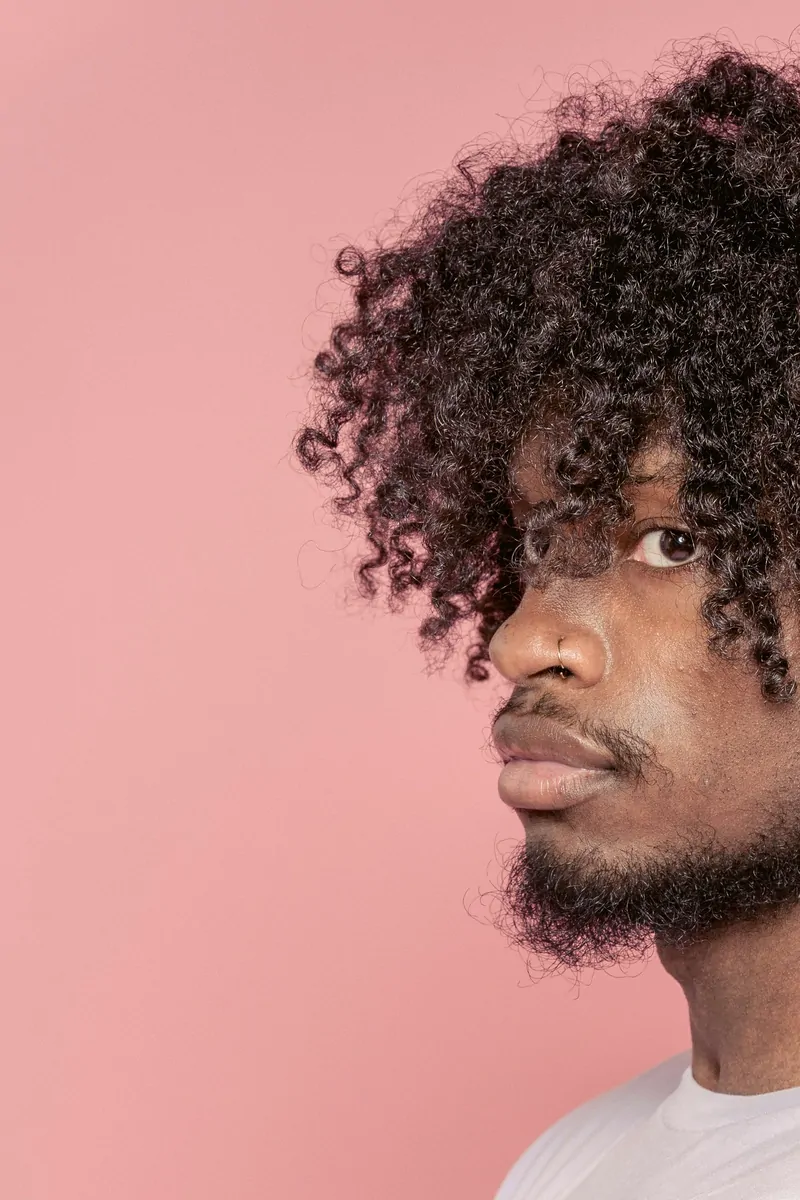
A small donor area, usually at the back of the scalp, is trimmed and numbed. Fine single-hair grafts are extracted with a micro-punch, in an even pattern so the donor area is not visibly thinned.
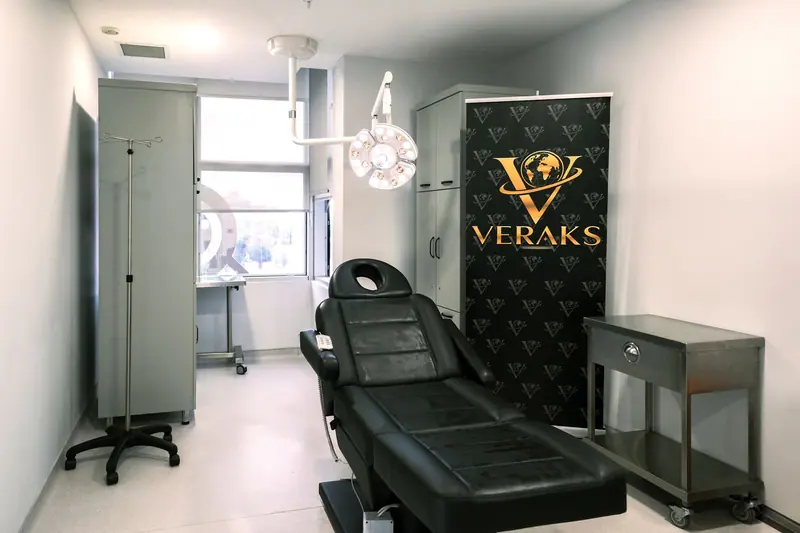
The upper lip is numbed. Very small sites are created at shallow angles that follow the natural flow from the centre outwards, slightly more upright near the lip edge and flatter towards the sides.
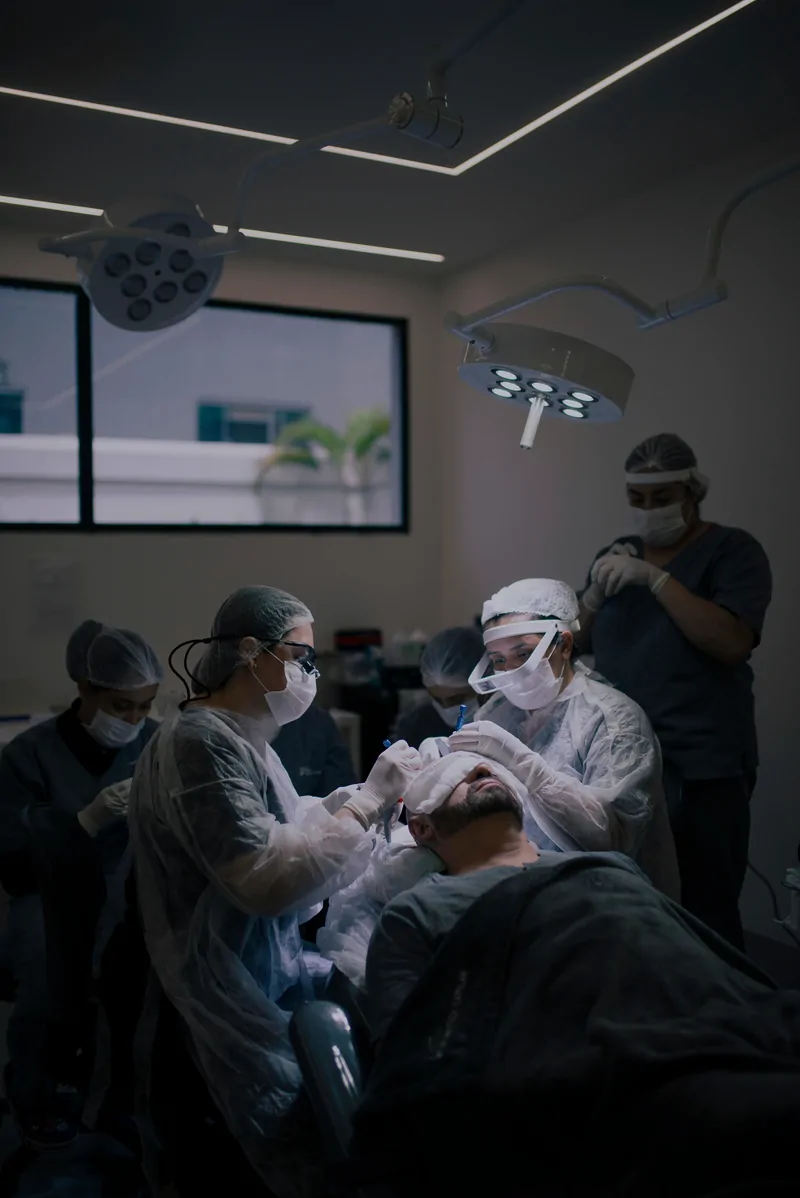
Grafts are placed one by one, with spacing and direction checked against the design. The procedure is usually shorter than a scalp transplant, but it is meticulous work.
Small crusts form around each graft and fall away over the following days. Transplanted hairs often shed within the first weeks, and new growth usually begins to appear after a few months.
Gallery


Both use the same principles and often the same donor area. A moustache transplant concentrates on the upper lip, where the skin moves constantly and the hairs must lie very flat in a fan-like pattern from the centre. A beard transplant covers cheeks, chin, jaw and neck and usually needs more grafts. Many plans combine the two, in which case donor supply is planned for the whole face.
Before & after treatment
Before you travel
Afterwards
In their words
Hair transplant patients describe their experience — from the first conversation to aftercare.
All patient reviewsGoogle reviews
Spoken with us already? Share your experience on Google.
Honest reviews — good or critical — help the next person decide. We read every one and never offer anything in exchange.
Questions
General answers — your own plan always depends on an individual assessment.
All hair questionsIt depends entirely on the design, how much hair you already have and the density you want. A few gaps need far fewer grafts than a full moustache. Your clinician gives an estimated range after examining you.
Shaving is usually avoided for a few weeks while grafts anchor and the skin heals. Your clinician will tell you when it is safe and how to trim carefully at first.
It can blend well, especially when single-hair grafts are angled correctly. Hair from the scalp may be slightly softer or straighter than native facial hair, which is one reason donor choice is discussed at assessment.
Sometimes. Scar tissue may have a weaker blood supply, so growth can be less predictable and a second session may be needed. The scar is assessed before this is recommended.
Shedding within the first weeks is common and expected. The follicles usually remain beneath the skin, and new growth typically begins after a few months.
If this option is relevant to you, availability at our clinic and your suitability are confirmed during your consultation.
Also available
Free consultation
Tell us what you would like to change. A coordinator replies personally and arranges a hair specialist’s review of your photos — free, without obligation.
A person replies. Monday to Saturday, Istanbul time.
VHFree consultation
A coordinator replies personally — free, no obligation.