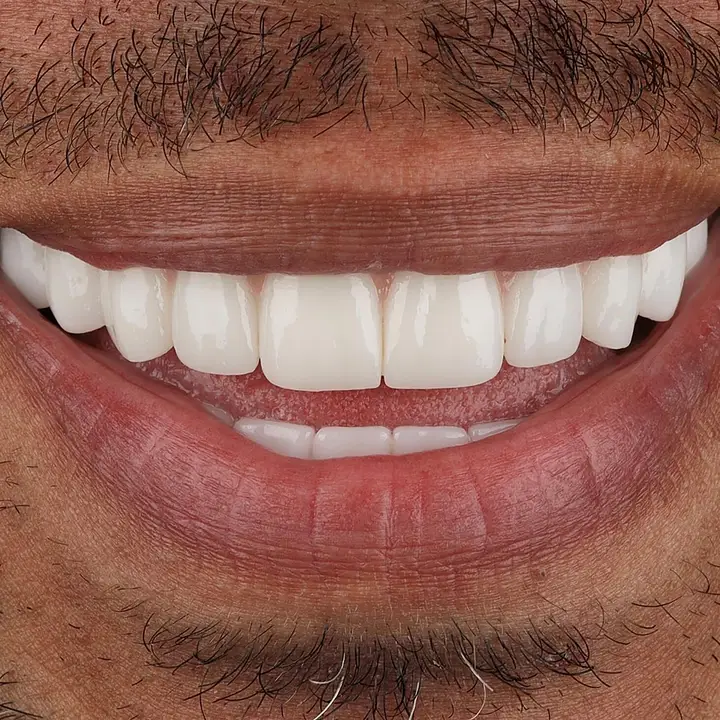
Dental implants
General Dentistry
Tooth Extraction in Turkey: assessment and X-rays, local anaesthesia, simple or surgical removal, socket care and planning for tooth replacement.
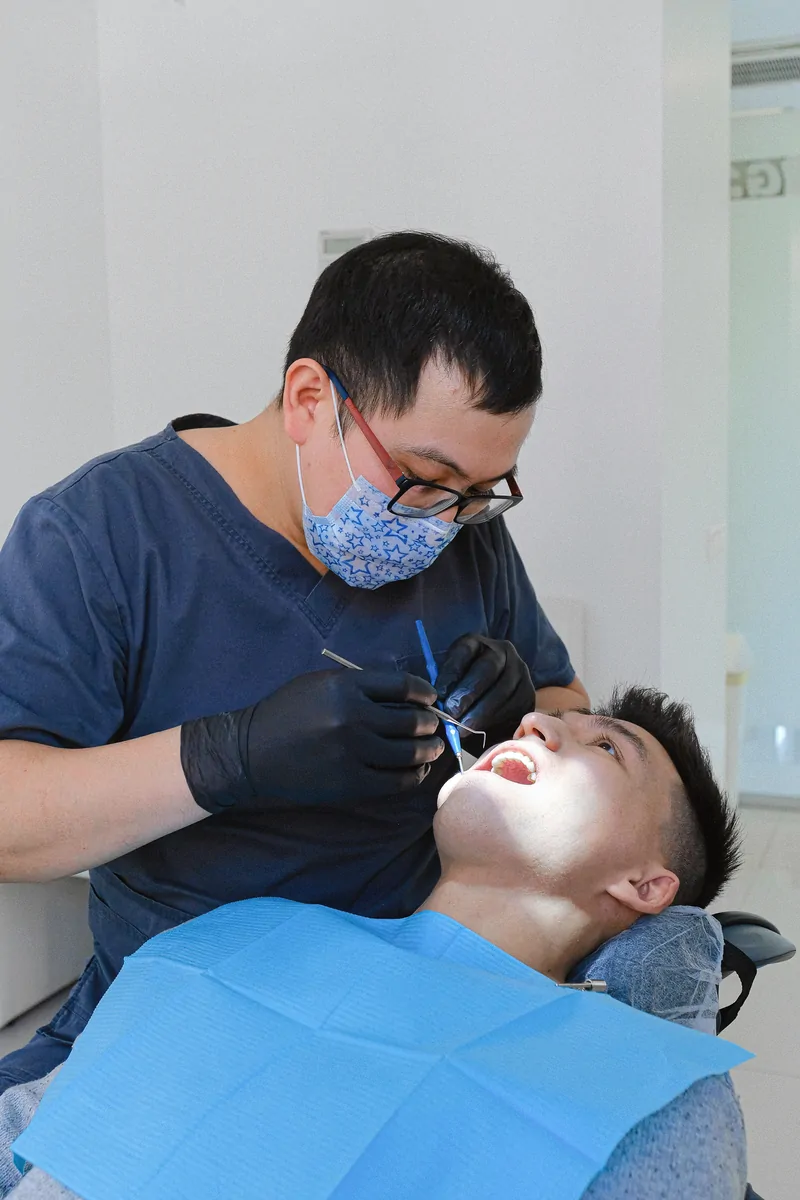
Free · no obligation
Leave your name and number — a coordinator replies personally.
A tooth extraction is the removal of a tooth from its socket in the jawbone. It is considered when a tooth is too damaged, infected or loose to be restored reliably, or when keeping it would put surrounding teeth, gums or bone at risk. A simple extraction lifts a fully visible tooth with dedicated instruments; a surgical extraction may involve a small gum incision or sectioning the tooth so it can be removed in parts.
Extraction is not treated as a stand-alone event. Before any tooth is removed, your clinician reviews whether root canal treatment, a crown or gum therapy could preserve it, and explains what removing it would mean for your bite and appearance. If replacement is likely to follow — with an implant, bridge or denture — the extraction can be planned to protect the bone and soft tissue for that next step.
Wisdom teeth have their own considerations, such as impaction and proximity to nerves, and are covered on a separate page. This page focuses on extraction of other teeth.
What it can help with
Results · before & after
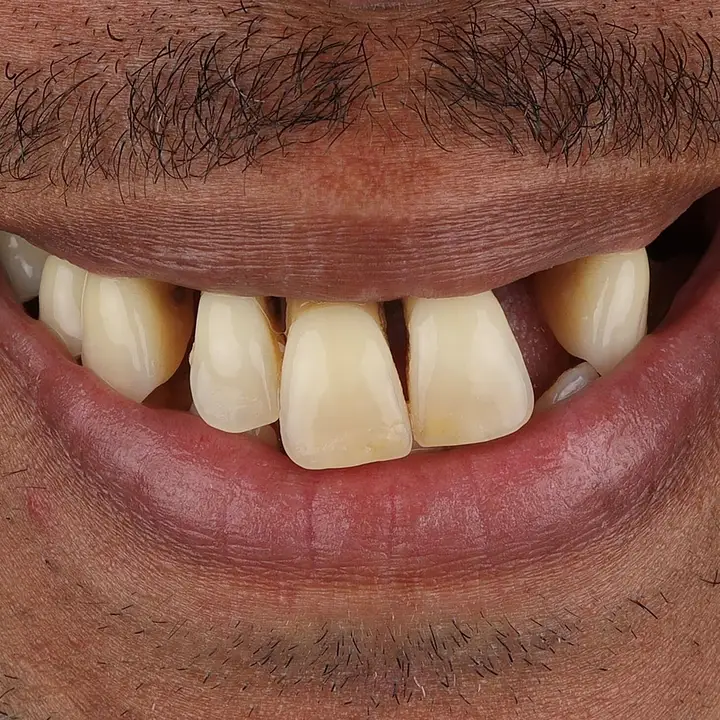
Before and after photographs from tooth extraction and related treatments at our clinic in Istanbul. Drag the handle to compare each pair.
All dental results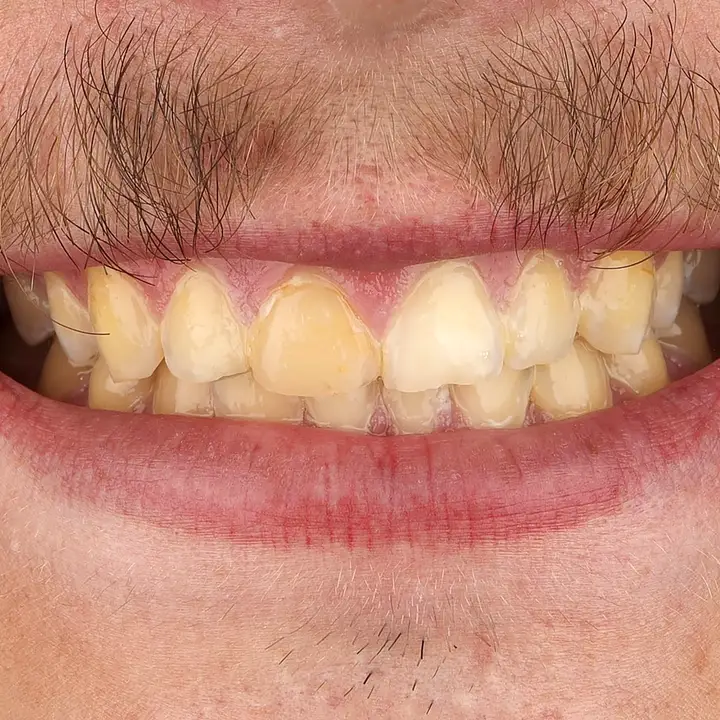
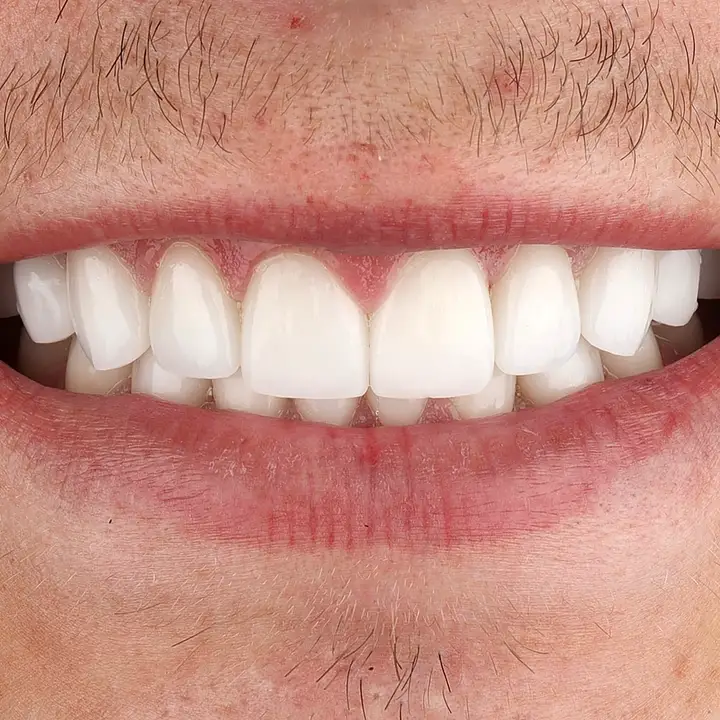
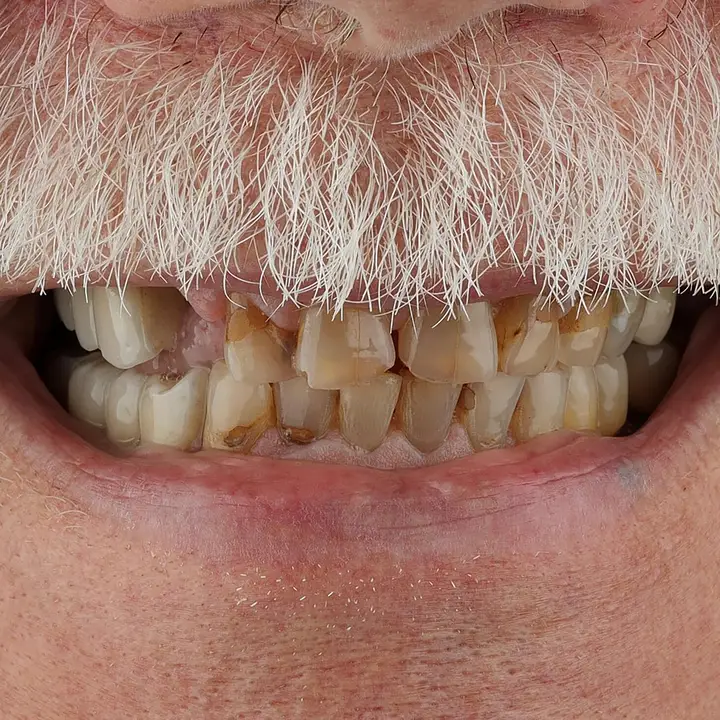
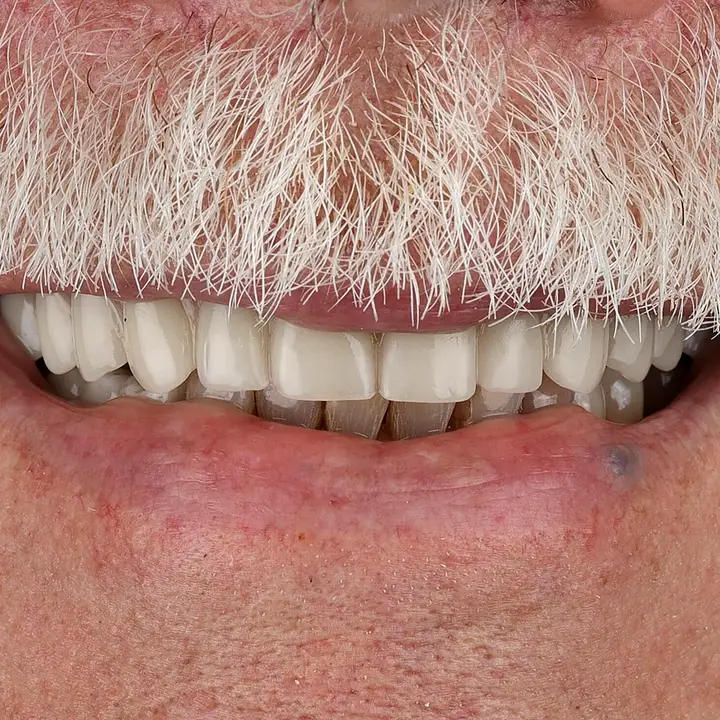
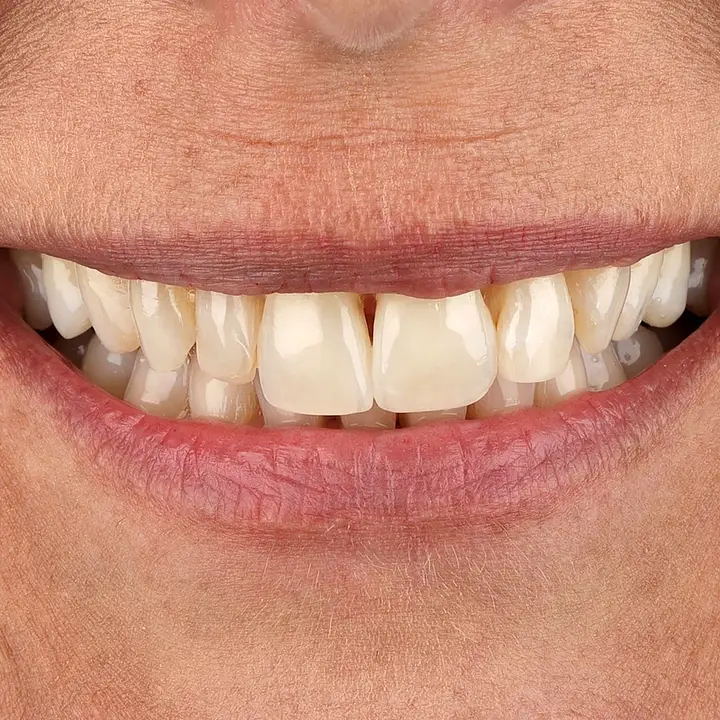
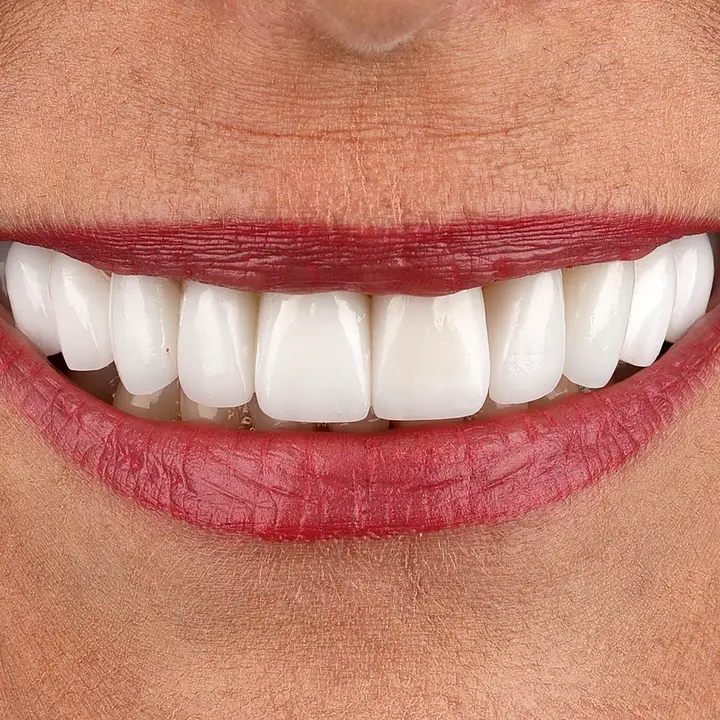
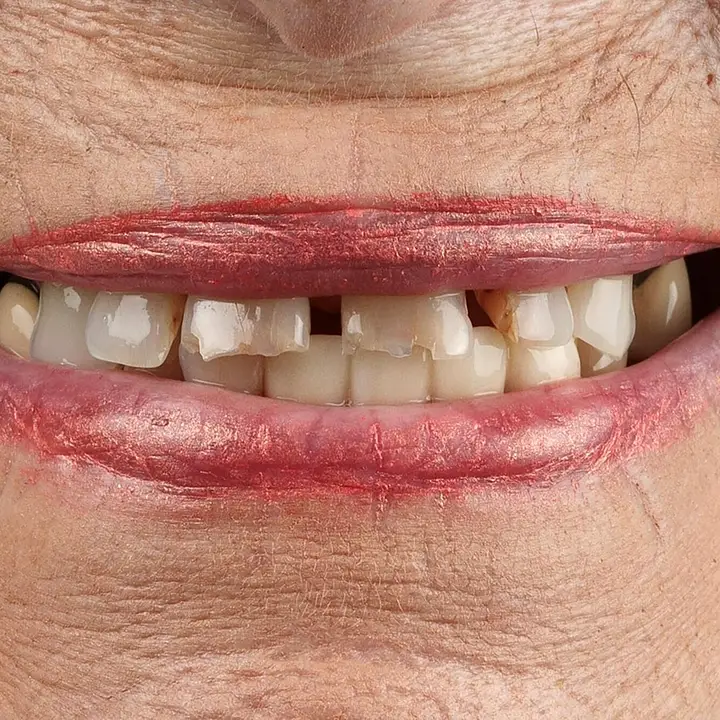
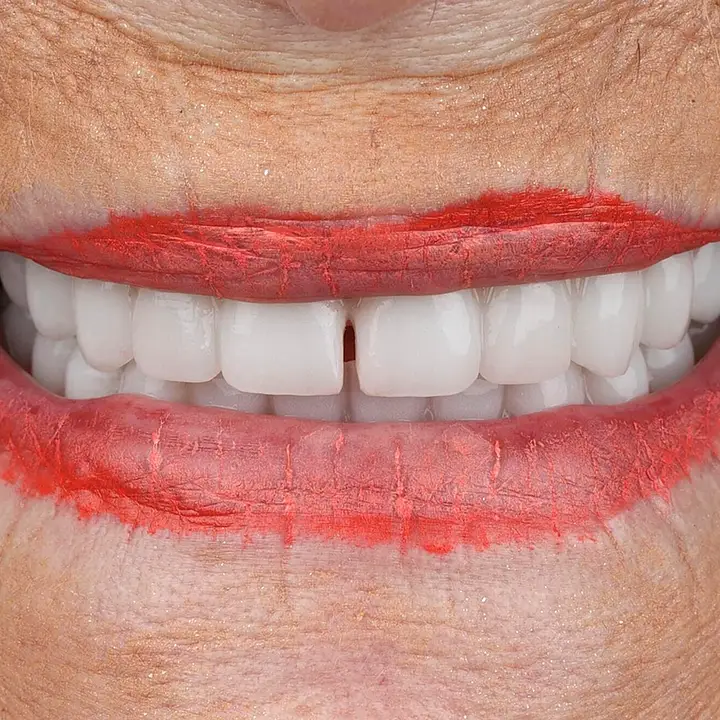
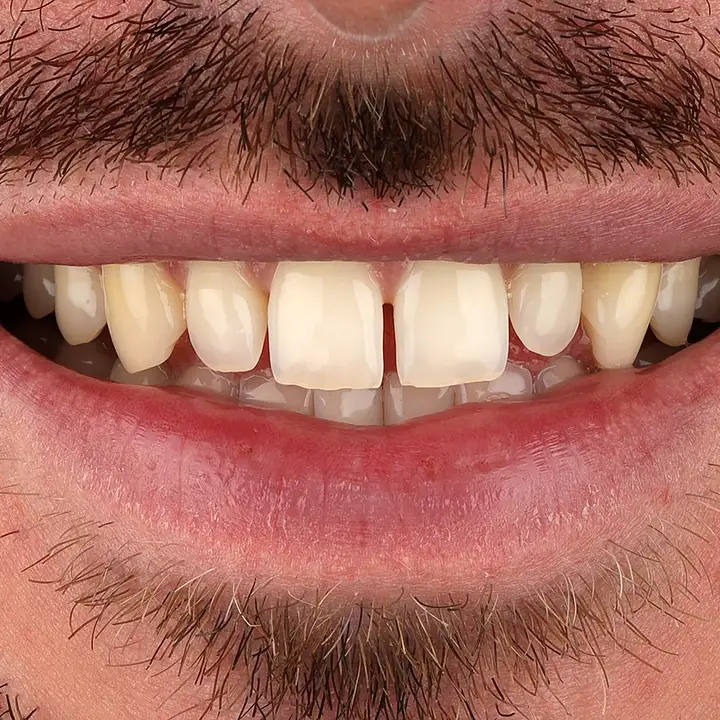
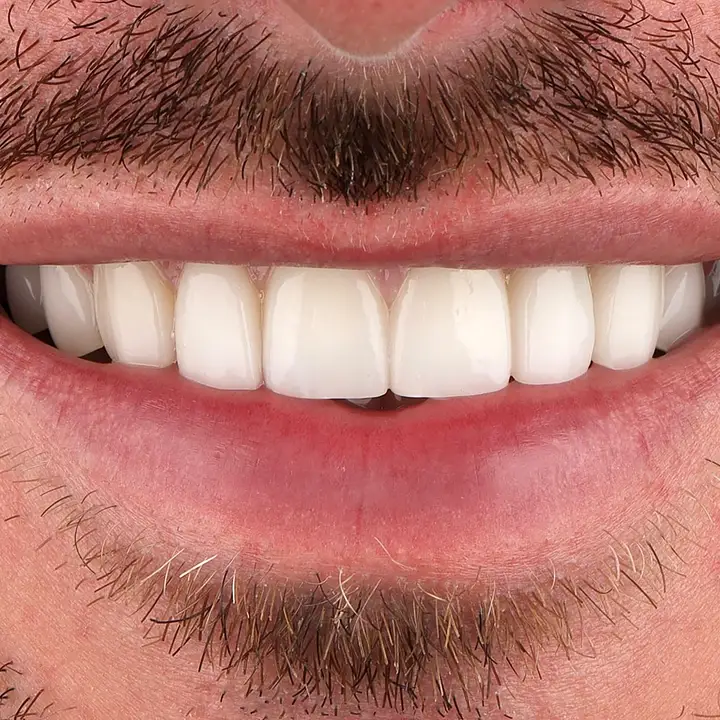
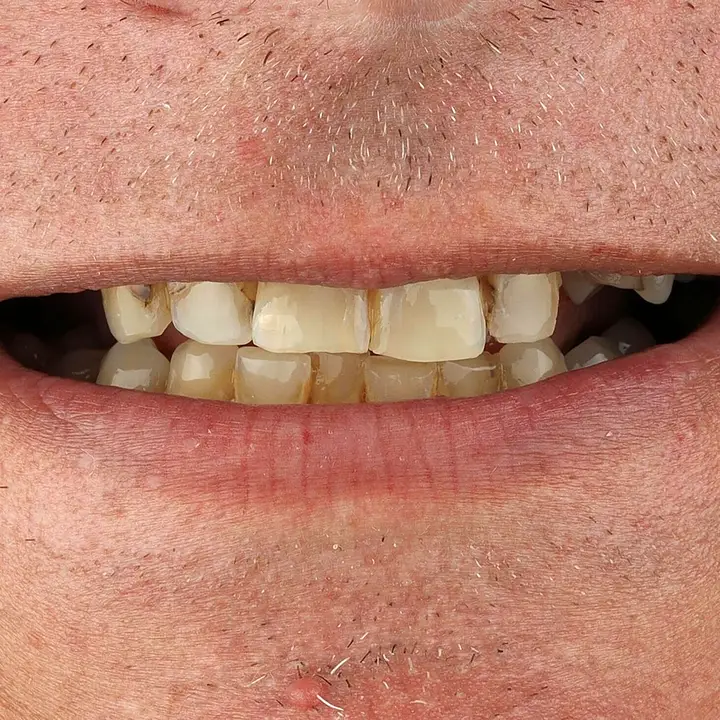
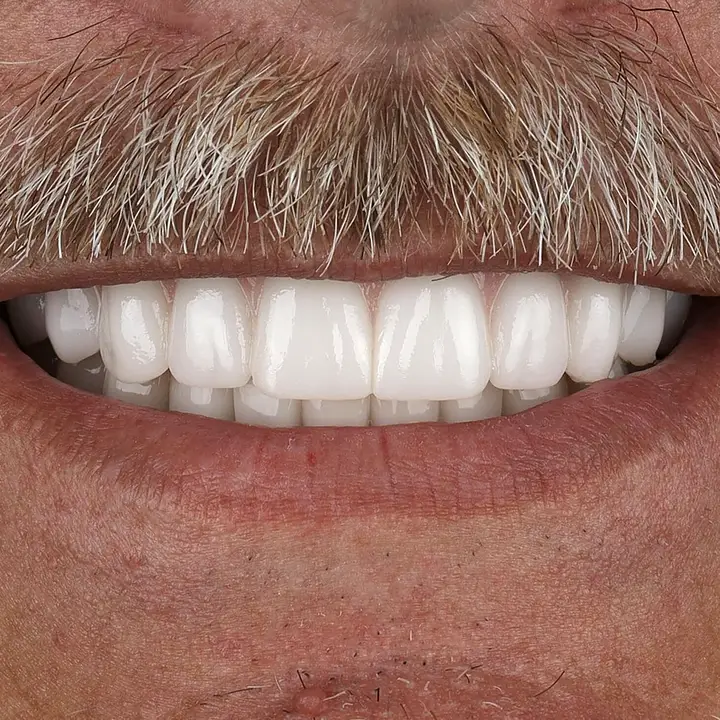
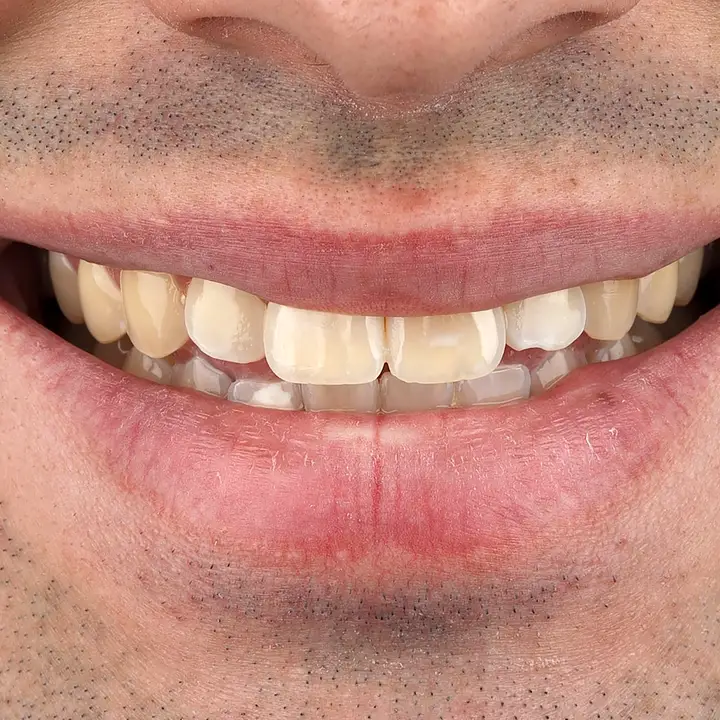
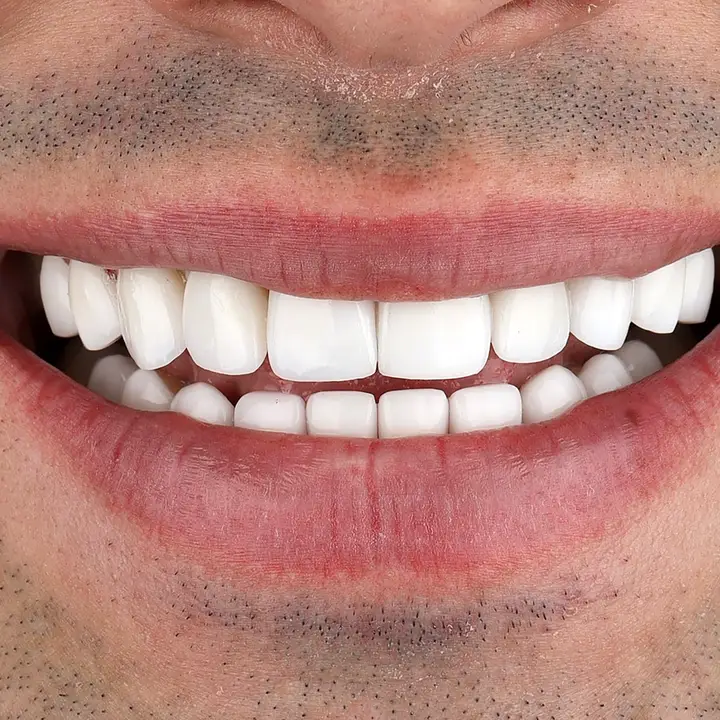

Extraction is usually a last resort for a natural tooth. Whether it is the right choice — and how it is carried out — depends on the tooth, the surrounding bone and your general health.
Often a good fit
Assessed carefully
Honest information
The procedure
The aim is to remove only what needs to be removed and to leave the site in good condition for healing and any future restoration.
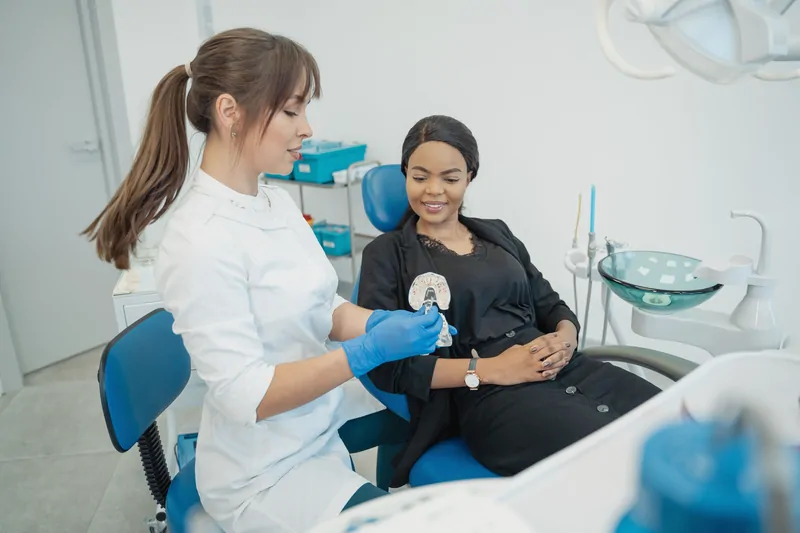
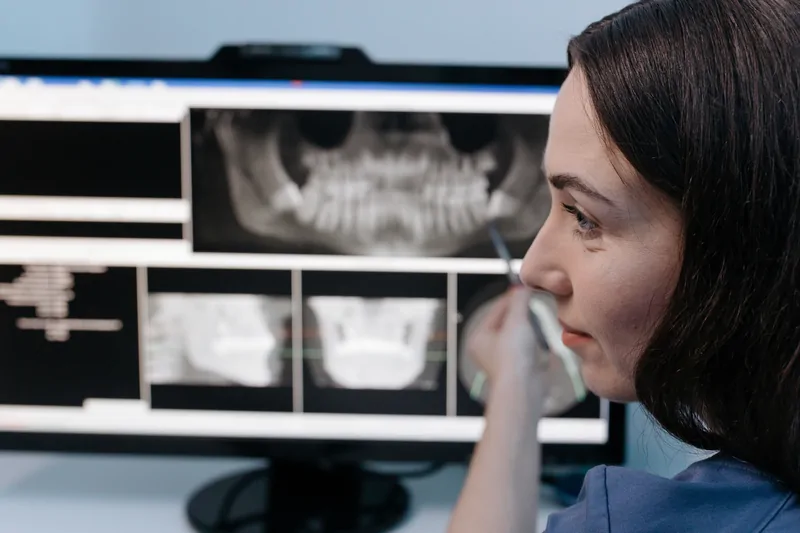
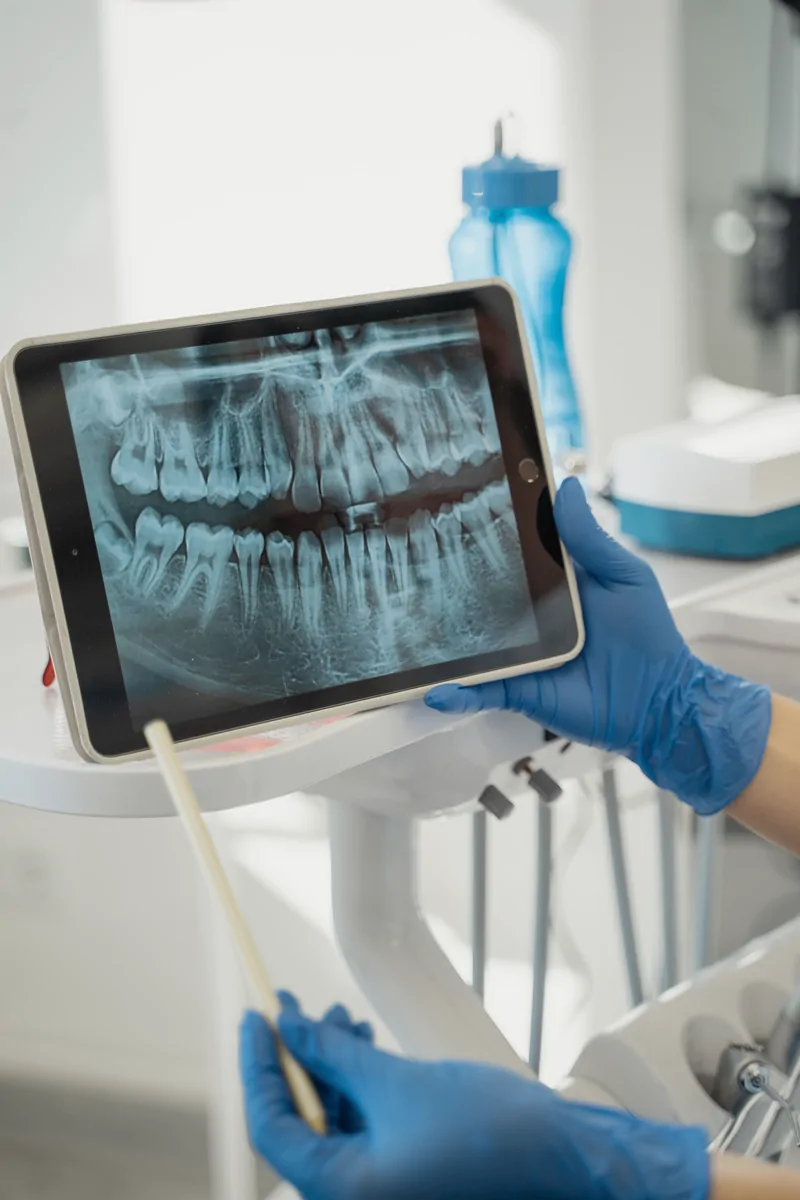
Your clinician examines the tooth and takes X-rays, or a 3D scan where roots are complex, to see root shape, bone levels and nearby structures. Your medical history and medications are reviewed, and alternatives to extraction are discussed.
The area is numbed with local anaesthetic, and the clinician checks that it is fully effective before starting. You may feel pressure during removal, but sharp pain should not be felt — let the team know straight away if it is.
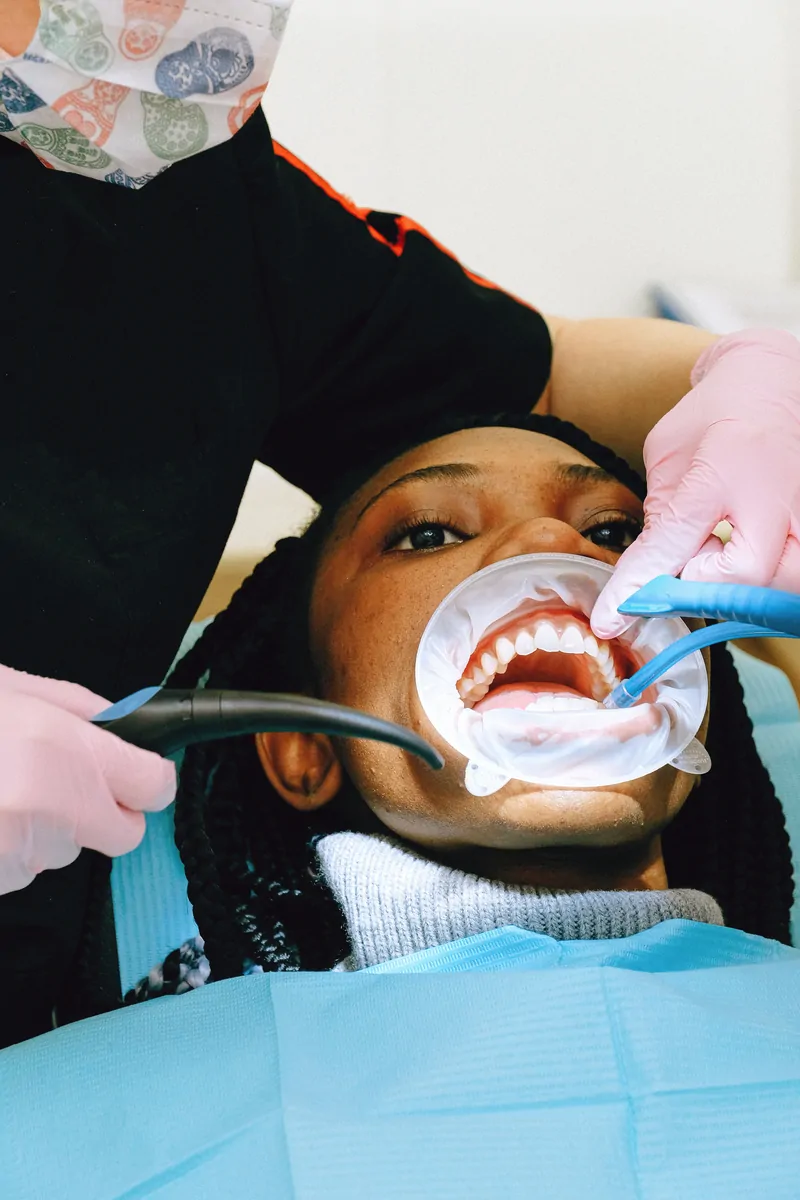
For a simple extraction, the tooth is gently loosened within its socket and lifted out. For a surgical extraction, a small flap of gum may be raised, a little bone may be adjusted, or the tooth may be divided so each root can be removed with less force.
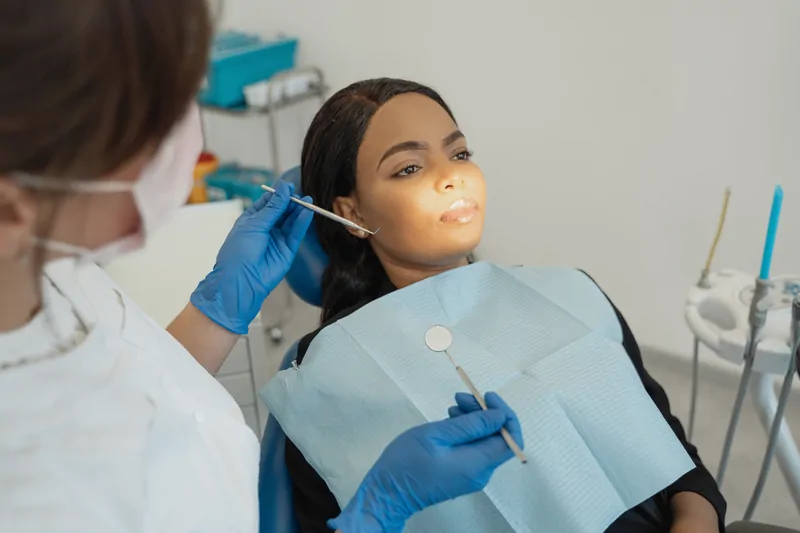
The socket is cleaned and checked. Where an implant is planned later, bone graft material may be placed to help maintain the ridge. Dissolvable stitches are used if needed, and gauze pressure helps a stable blood clot form.
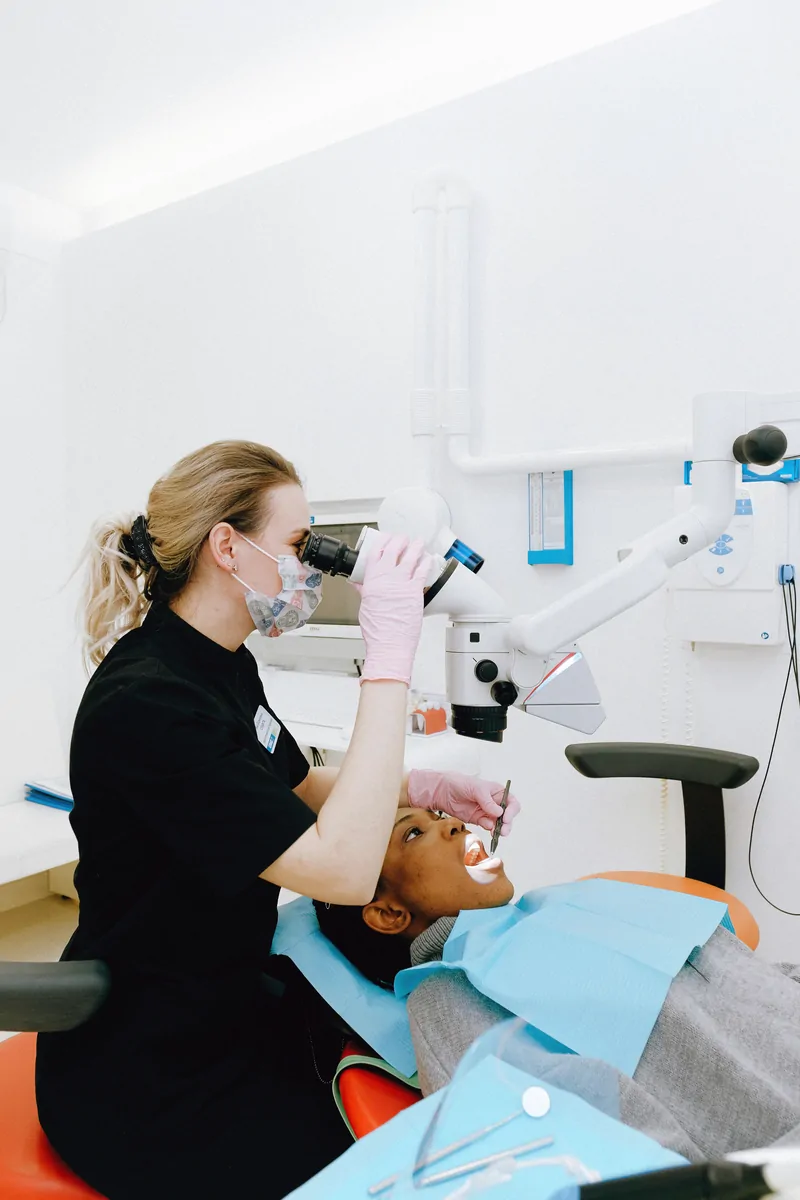
You receive written aftercare instructions and advice on pain relief. A review may be arranged to check healing, and options for replacing the tooth are discussed with realistic timings for each.
Gallery
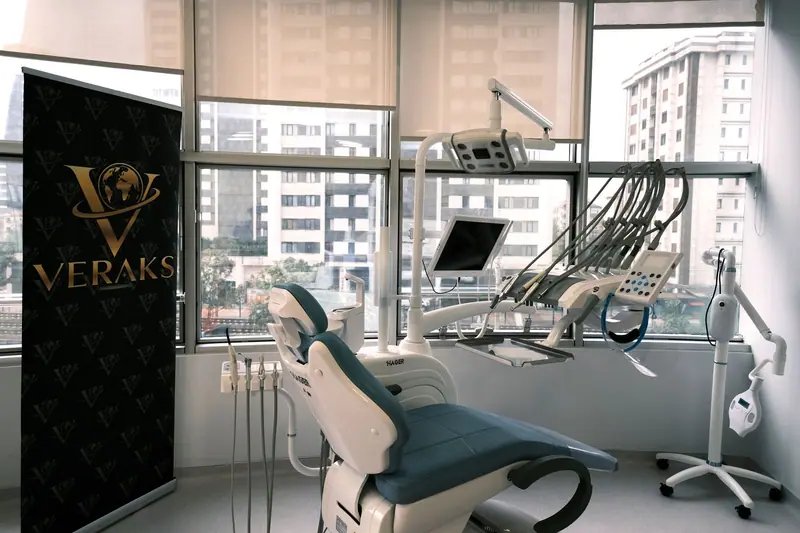



Before & after treatment
Before you travel
Afterwards
In their words
Dental patients describe their experience — from the first conversation to aftercare.
All patient reviewsGoogle reviews
Spoken with us already? Share your experience on Google.
Honest reviews — good or critical — help the next person decide. We read every one and never offer anything in exchange.
Questions
General answers — your own plan always depends on an individual assessment.
All dental questionsThe area is numbed with local anaesthetic, so most people feel pressure rather than pain during removal. Some soreness afterwards is normal and is usually manageable with the pain relief your clinician recommends.
It happens when the blood clot in the socket is lost or does not form, leaving bone exposed. It can cause throbbing pain a few days after extraction. Following aftercare — especially avoiding smoking and straws — helps reduce the risk, and the clinic can treat it if it occurs.
In some cases, yes. Immediate placement depends on infection, bone quality and the shape of the socket. Often the site is allowed to heal first, sometimes with a bone graft. Your clinician can advise after assessment.
Not every gap has to be filled, particularly at the back of the mouth, but an unrestored space can allow other teeth to move and may affect chewing. Your clinician will explain the likely effects for your specific tooth.
Many people fly within a day or two after a straightforward extraction, but surgical extractions in the upper jaw may need more time. Ask your clinician for advice based on your procedure.
Most extractions are comfortably carried out under local anaesthetic alone. For anxious patients or more involved surgical removals, sedation options can be discussed at consultation, including what they involve and how they affect your travel and recovery plans.
Also available
Free consultation
Tell us what you would like to change. A coordinator replies personally and arranges a dentist’s review of your photos — free, without obligation.
A person replies. Monday to Saturday, Istanbul time.
VHFree consultation
A coordinator replies personally — free, no obligation.