Dental implants
Orthodontics
Clear Aligners in Turkey: how removable trays move teeth in stages, attachments, wear time, who may suit them, limitations, risks and retainers afterwards.
Free · no obligation
Leave your name and number — a coordinator replies personally.
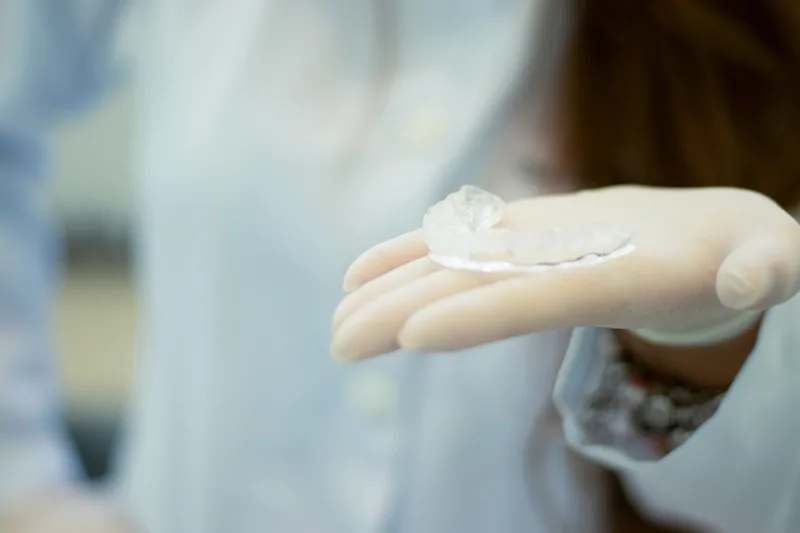
Clear aligners are thin, transparent plastic trays made to fit your teeth closely. Each tray in the series is shaped slightly differently from the one before, so when you wear it, it applies gentle pressure that moves selected teeth a small distance — often a fraction of a millimetre. Changing to the next tray every one to two weeks continues the movement step by step until the planned position is reached.
The sequence is planned on computer from a digital scan of your teeth. The clinician sets the target position and the order of movements, and the software generates the intermediate stages that are then produced as trays. Small tooth-coloured bumps called attachments are often bonded to some teeth to give the aligners more grip for movements such as rotation or extrusion. In some cases, a small amount of enamel is polished from between teeth (interproximal reduction) to create space.
Because aligners are removable, you take them out to eat, drink anything other than water, and clean your teeth. This makes daily hygiene easier than with fixed braces, but it also means the treatment only works while the trays are in. Consistent wear is the single most important factor in whether the teeth track as planned.
What they can help with
Results · before & after
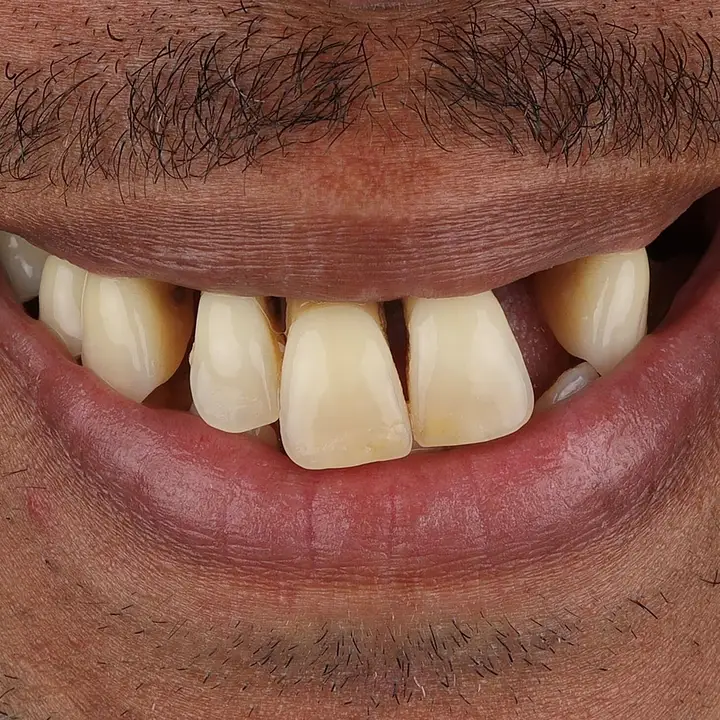
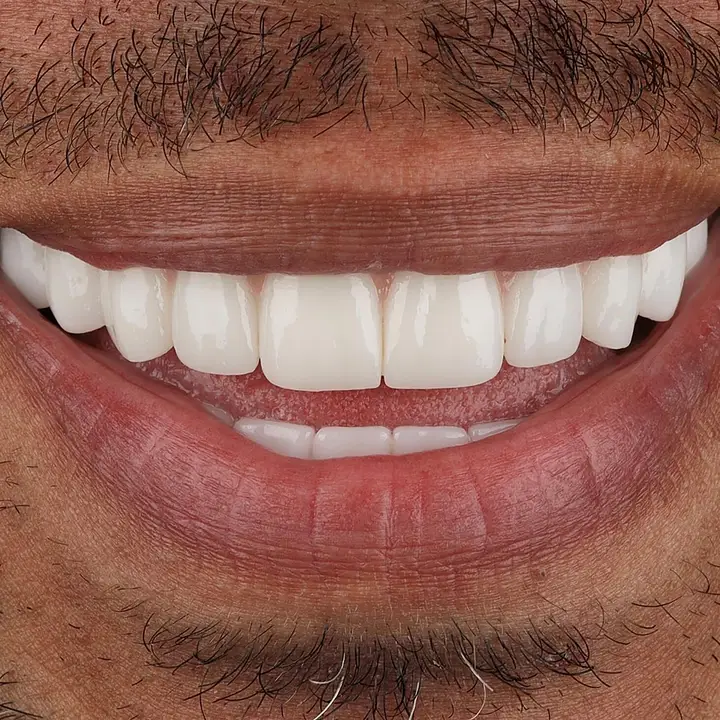
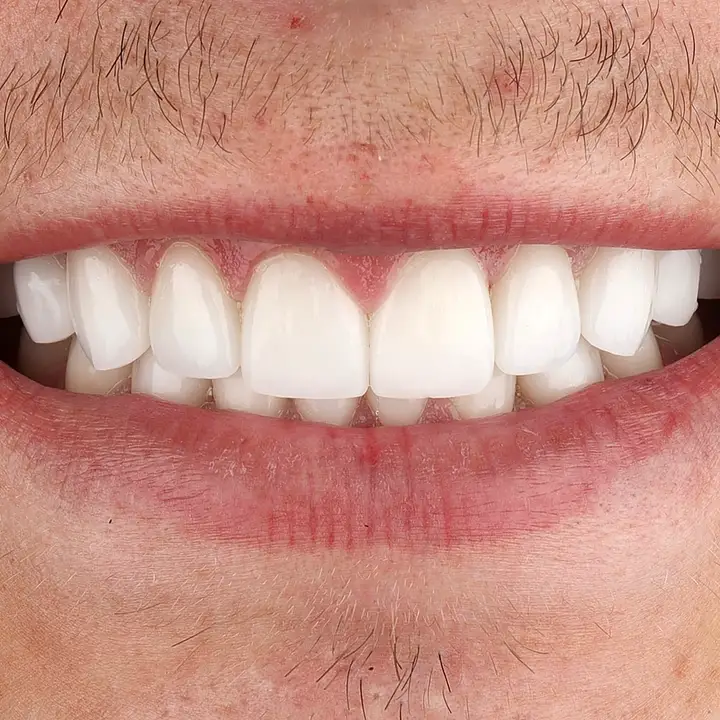
Before and after photographs from clear aligners and related treatments at our clinic in Istanbul. Drag the handle to compare each pair.
All dental results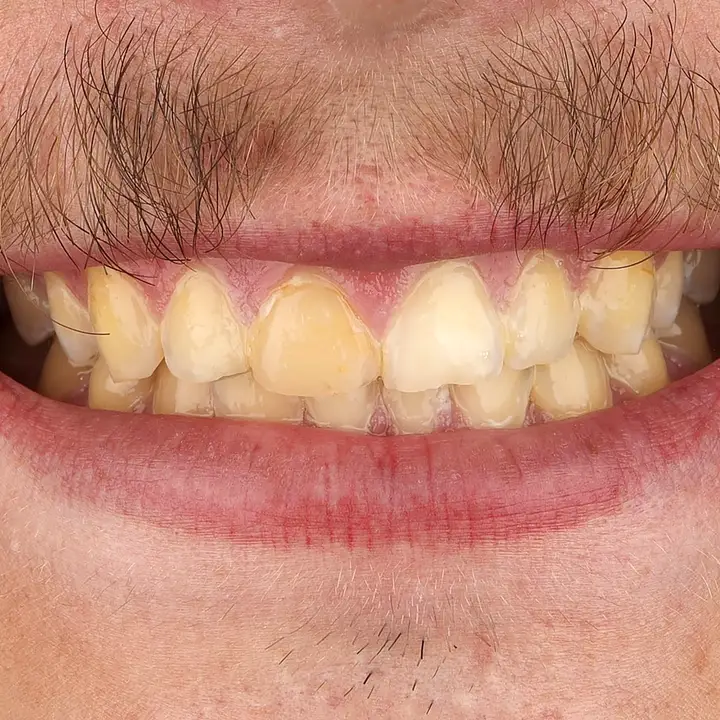
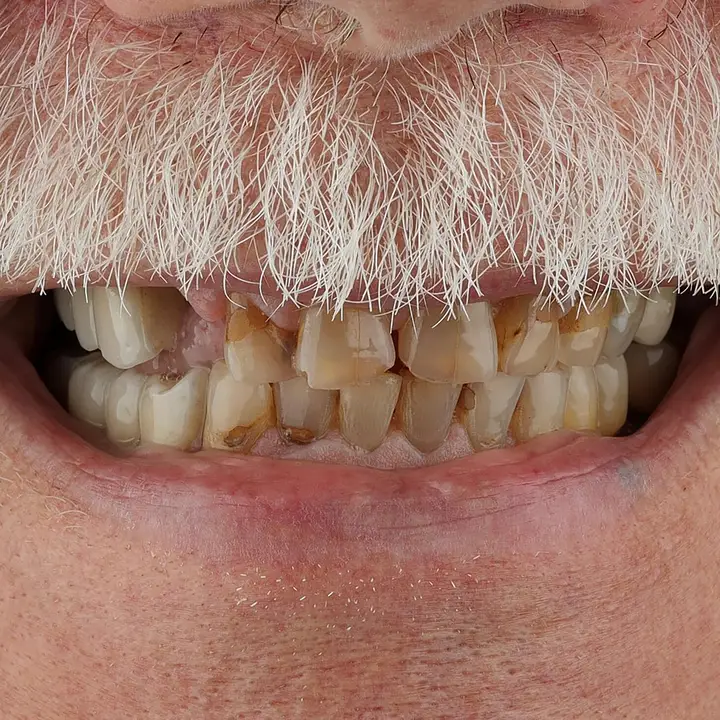
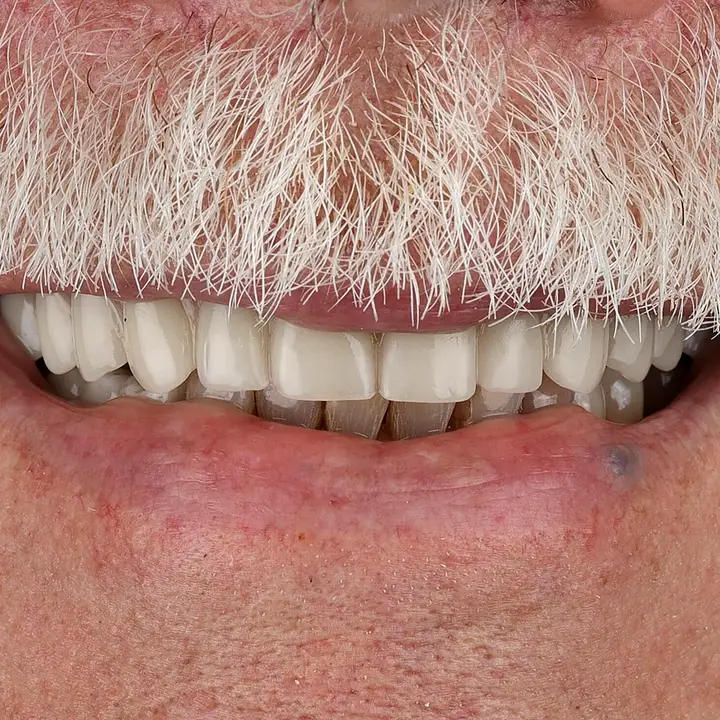
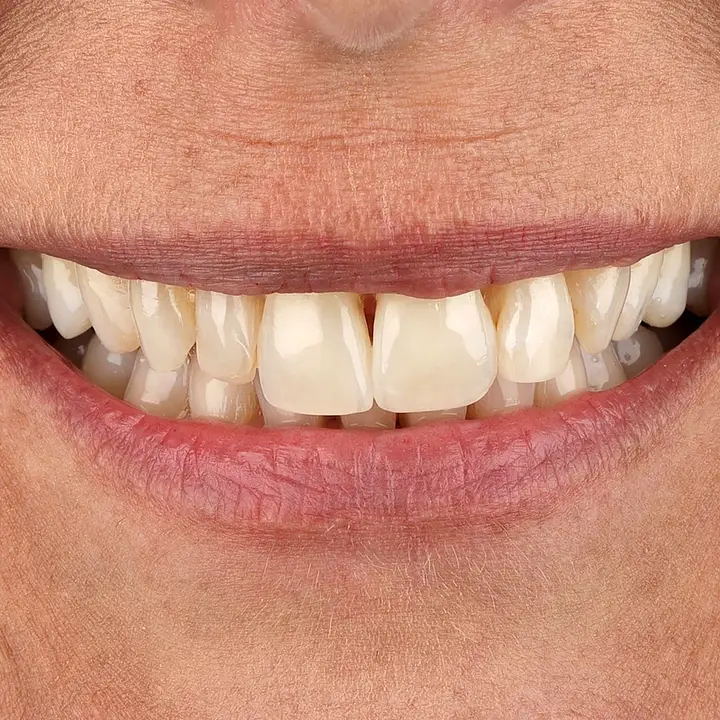
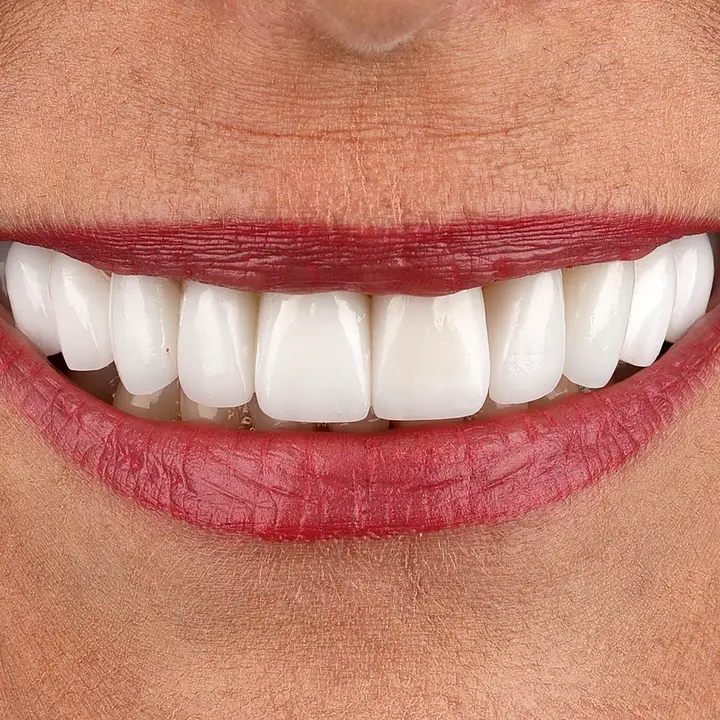
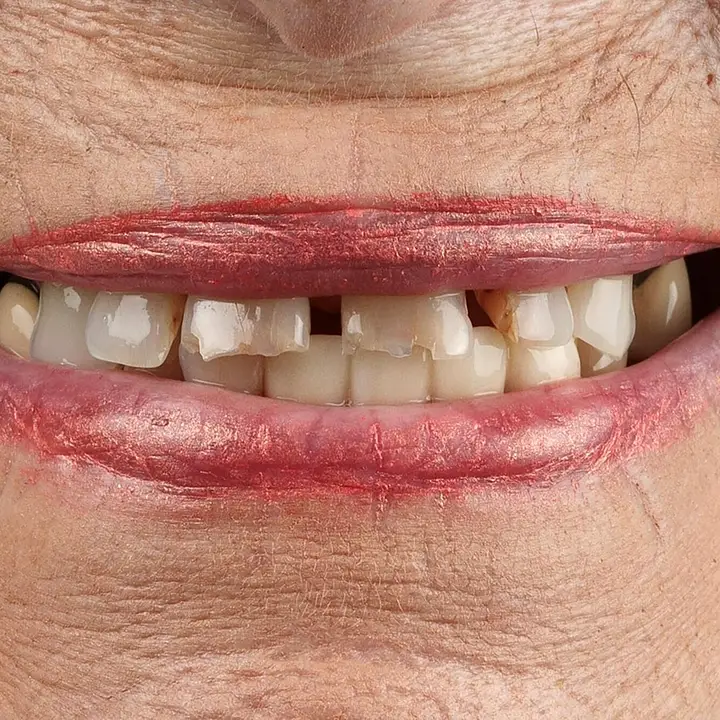
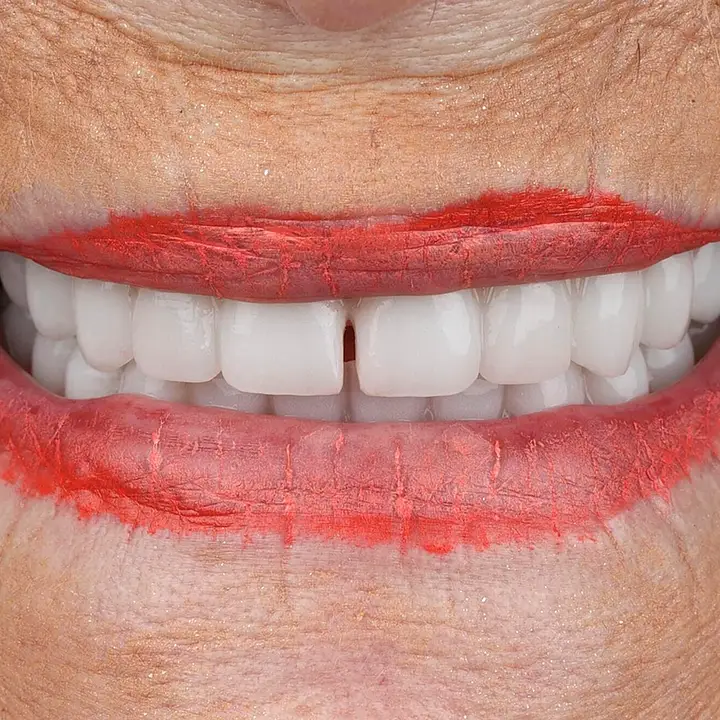
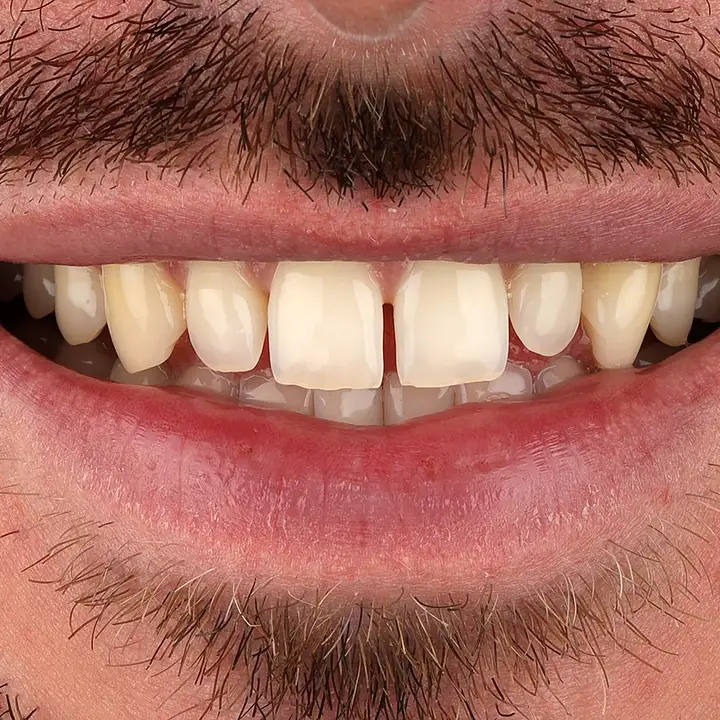
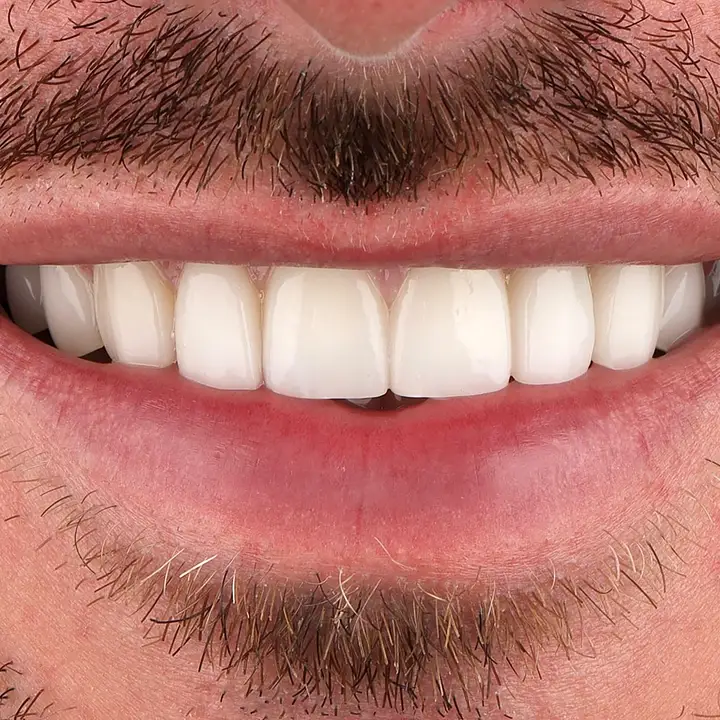
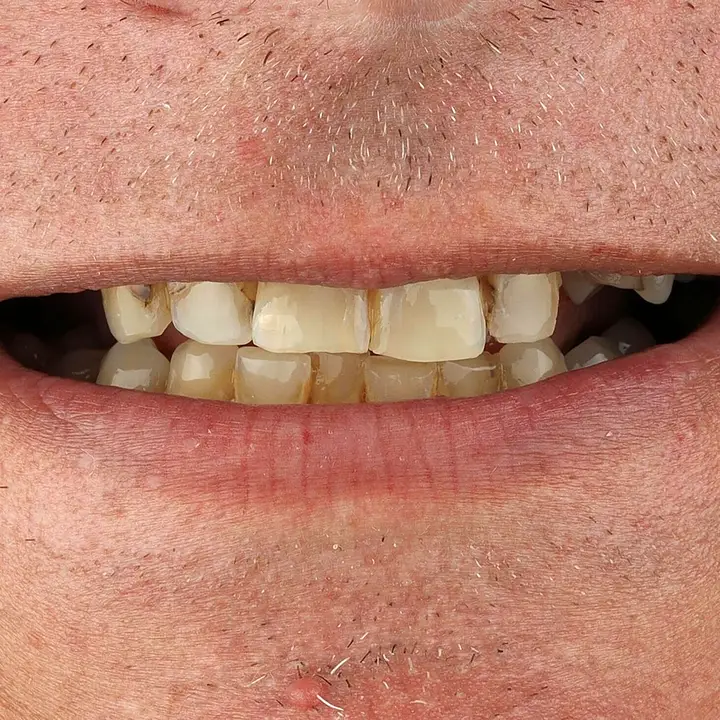
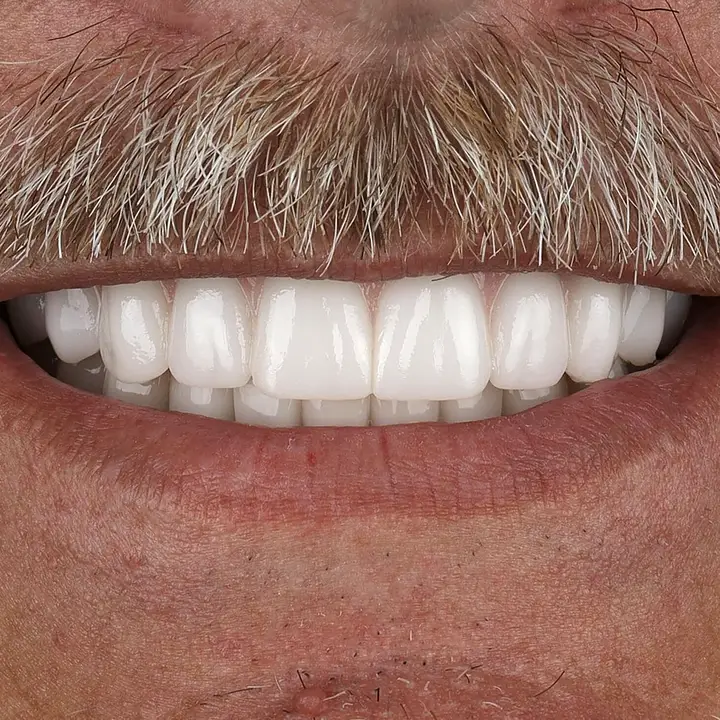
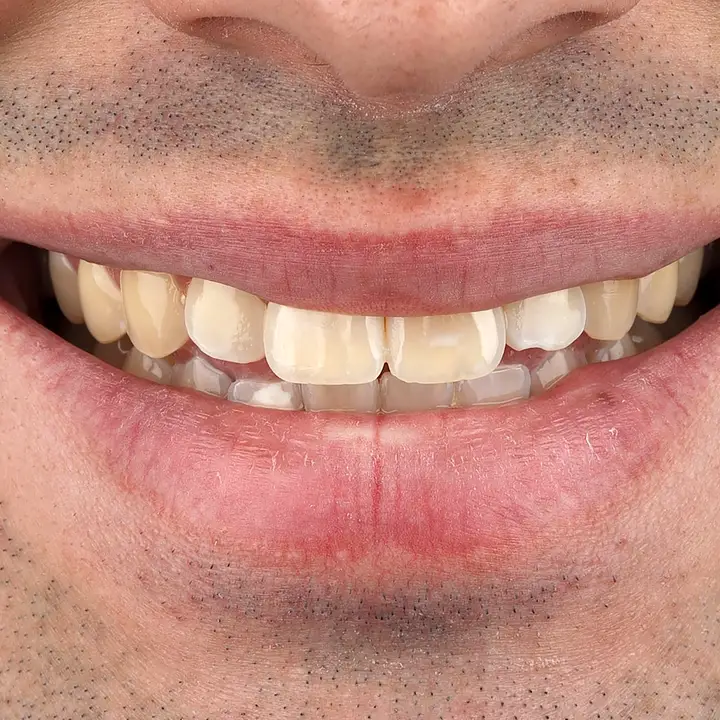
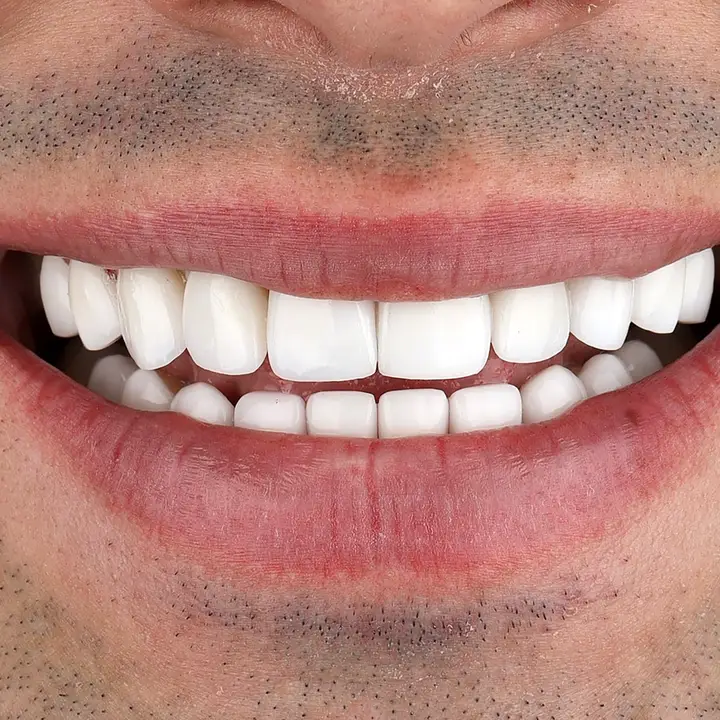

Clear aligners can treat many common alignment problems, but not every movement is equally predictable with trays. An assessment helps determine whether aligners, braces or a combination are more suitable.
Often a good fit
Assessed carefully
Honest information
The procedure
Software helps visualise movement, but the clinical decisions — which teeth move, how far and in what order — are made by your clinician.
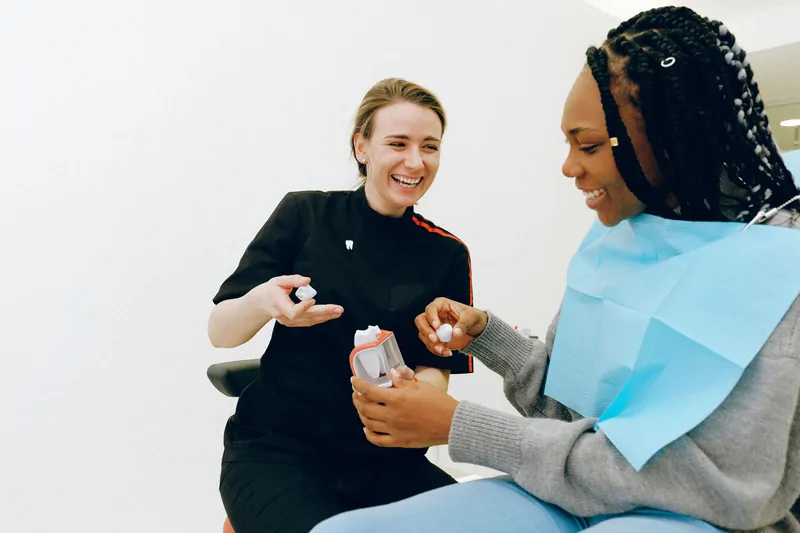
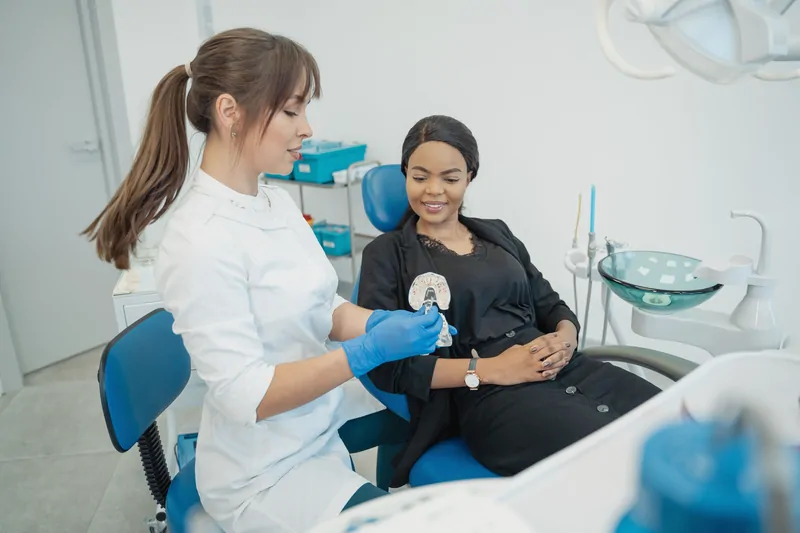
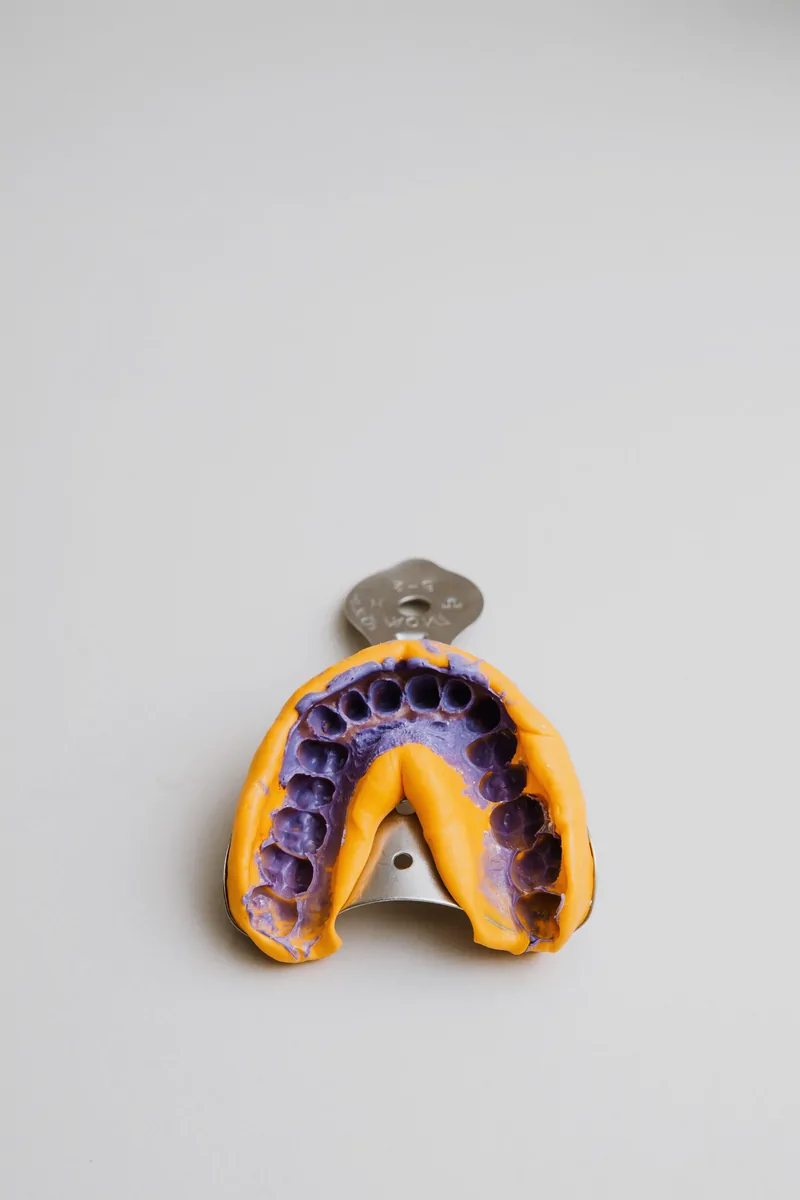
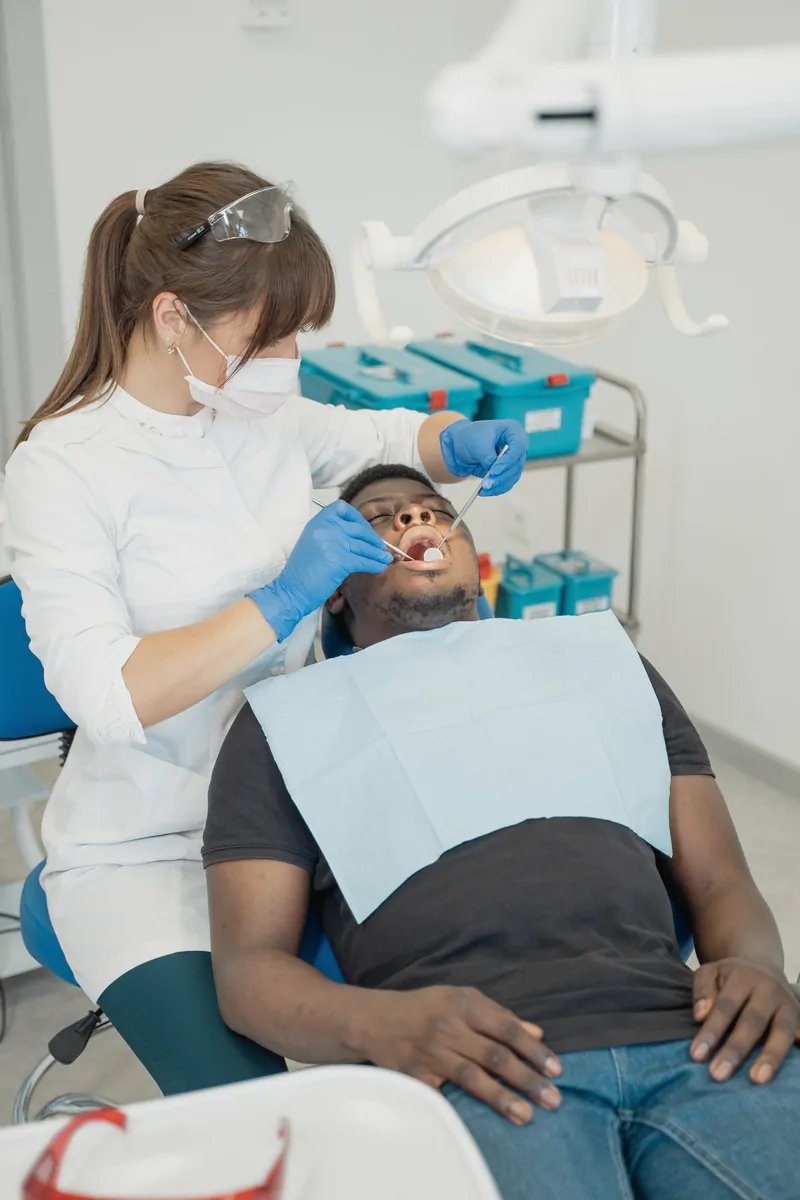
Your clinician examines your teeth, gums and bite and takes X-rays and photographs. An intraoral scanner records a precise 3D model of your teeth, replacing traditional impression putty in many cases.
The clinician plans the final tooth positions and the order of movement in software, deciding where attachments or space creation are needed. You can usually view a simulation of the planned movement before approving it — a guide to the intended result, not a promise.
Small tooth-coloured composite attachments are bonded to selected teeth using a template, and any planned enamel polishing between teeth is carried out. You receive your first aligners and learn how to insert, remove and clean them.
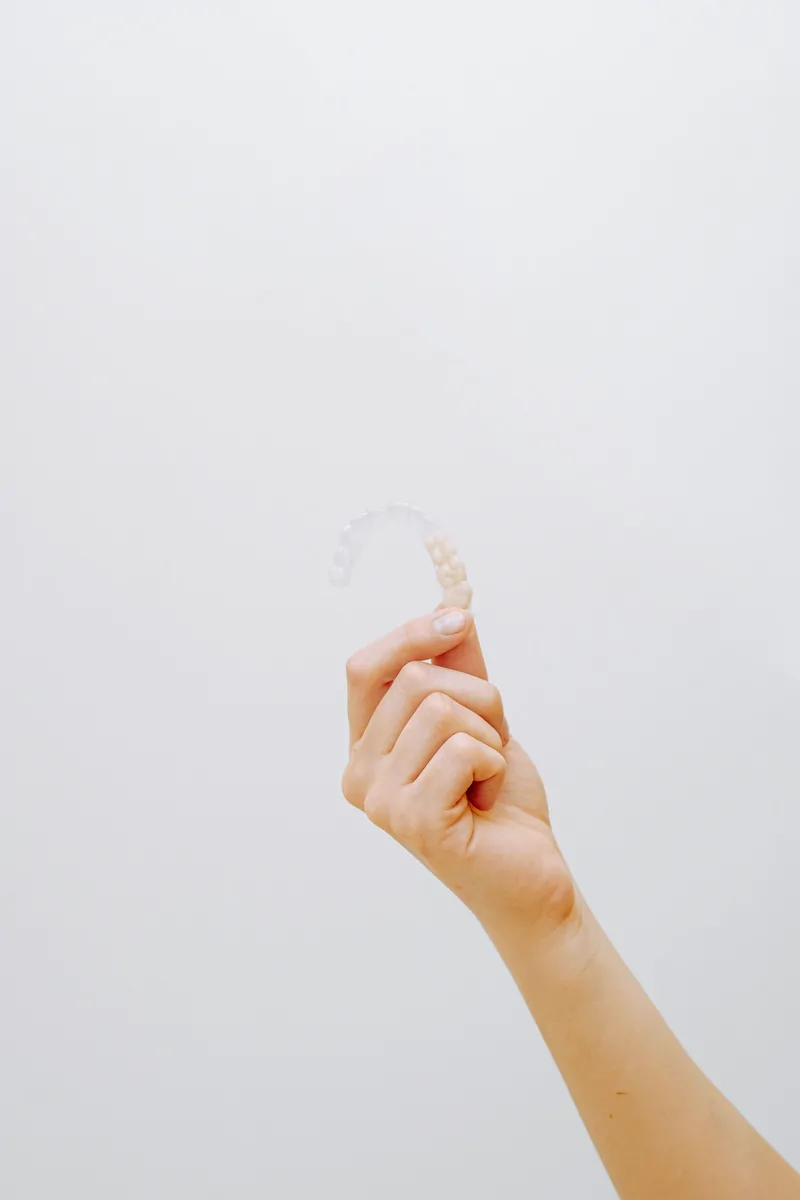
You move to the next tray at the planned interval. Progress is reviewed at check-ups — in person, or in some arrangements remotely with photos — to confirm teeth are tracking. Elastics may be added for bite correction.
If some teeth have not fully reached their positions, a new scan may be taken and additional refinement trays made. This is a common part of aligner treatment rather than a sign of failure.
Attachments are polished off and retainers are provided — usually clear removable retainers, sometimes with a bonded wire behind the front teeth — to help hold the new positions.
Gallery


Aligners and braces both move teeth by applying gentle, sustained force to which the bone responds. Aligners push teeth with removable plastic trays changed every week or two, planned in advance on computer; they are discreet and easy to clean around, but they work only while worn and some complex movements are harder to achieve. Braces are fixed brackets and wires adjusted by your clinician at each visit, giving more control over rotations, root position and bite correction without relying on wear time, at the cost of being more visible and making cleaning more demanding. Your clinician can explain which is likely to be more predictable for your teeth — and in some cases a combination is used.
Before & after treatment
Before you travel
Looking after them
In their words
Dental patients describe their experience — from the first conversation to aftercare.
All patient reviewsGoogle reviews
Spoken with us already? Share your experience on Google.
Honest reviews — good or critical — help the next person decide. We read every one and never offer anything in exchange.
Questions
General answers — your own plan always depends on an individual assessment.
All dental questionsUsually around 20–22 hours a day, removing them only to eat, drink anything other than water, and clean your teeth. Wearing them less often slows progress or causes teeth to stop tracking.
They are hard to see at conversational distance. Attachments on some teeth can be visible up close as small tooth-coloured bumps.
Some bite problems can be improved with aligners, often with elastics. More severe or skeletal bite issues may need braces or combined treatment. Your clinician will advise after assessment.
Most people feel pressure or tightness for a day or two after switching to a new tray. This usually settles as the teeth adjust.
In many cases the scan, planning and attachment placement are done in person, with progress checks arranged at intervals. Your coordinator can explain how follow-up and refinements may be organised.
Teeth naturally tend to shift over time. Wearing retainers as advised — often at night long term — is what helps maintain the result.
Also available
Free consultation
Tell us what you would like to change. A coordinator replies personally and arranges a dentist’s review of your photos — free, without obligation.
A person replies. Monday to Saturday, Istanbul time.
VHFree consultation
A coordinator replies personally — free, no obligation.