Hair Restoration
Beard and Eyebrow Transplantation: What to Expect
Facial hair transplants borrow the techniques of scalp surgery, yet the face asks for a different kind of precision. Here is how beard, moustache and eyebrow procedures work and what shapes the result.
Why facial hair is a specialist area
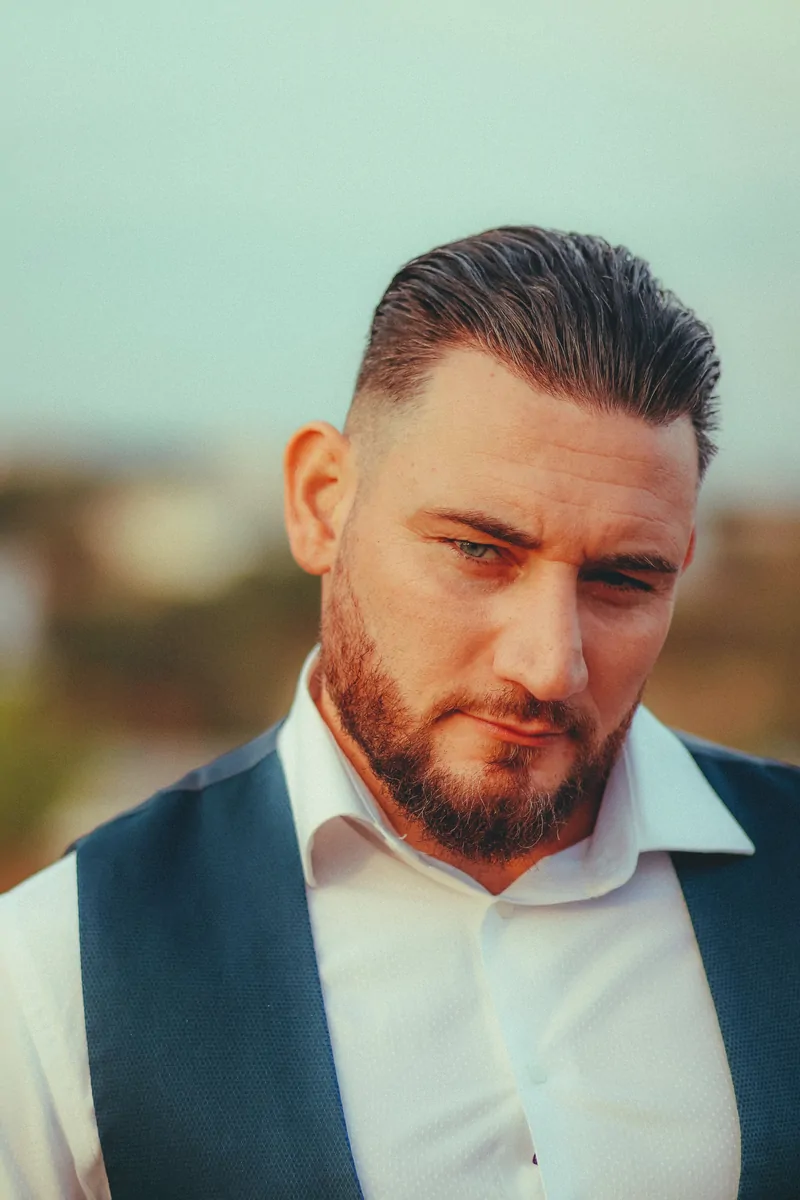
Hair transplantation is usually associated with receding hairlines, but the same principles can be applied to the face. Beard, moustache and eyebrow transplants move individual follicles, most often from the back of the scalp, into areas where facial hair is sparse, patchy or missing. For some people the reason is genetic; for others it follows scarring, injury, over-plucking or a medical condition.
The face is a far less forgiving canvas than the scalp. Facial hair grows at very low angles, changes direction across small distances and sits on skin that is constantly on show. A few misplaced hairs on the crown may go unnoticed, whereas a single hair pointing the wrong way in an eyebrow can be obvious. This is why planning and placement matter so much in facial work.
It is also worth knowing from the outset that a transplant redistributes hair you already have. It does not create new follicles, so the donor area and its characteristics shape what can realistically be achieved.
Beard and moustache transplants
A beard transplant is typically considered for patchy cheeks, a thin moustache, gaps around the chin or scars within the beard area. Grafts are generally taken from the back of the scalp, where the hair is often thick enough to blend with beard hair. In some cases, hair from under the chin may be used, depending on what is available.
Single-hair and two-hair grafts are usually favoured, as they help create the soft, natural edges a beard needs. The cheek line, the neckline and the shape of the moustache are drawn beforehand and discussed with you, since the design should suit your face and how you plan to wear your beard. A very sharp, dense cheek line may look striking in photographs but can appear artificial in person.
- Commonly considered for patchy cheeks, sideburn gaps and thin moustaches
- Grafts are usually harvested by FUE from the back of the scalp
- Design takes account of face shape, beard style and future grooming
- Transplanted hair can usually be shaved and trimmed once healed
Facial hair transplants move your own follicles, usually from the back of the scalp, into sparse areas.
Eyebrow transplants
Eyebrow transplantation is one of the most delicate procedures in hair restoration. Eyebrow hairs lie almost flat against the skin and change direction from the inner brow to the tail, so each graft has to be placed at a very shallow angle and in a carefully planned direction. Single-hair grafts are almost always used.
Hair moved from the scalp keeps many of its original characteristics, including its tendency to grow longer than natural brow hair. Most people therefore need to trim transplanted eyebrow hairs regularly. Some may also need gel or brushing to encourage the hairs to lie in the right direction, particularly in the first year.
Before an eyebrow transplant is considered, the cause of brow loss is usually explored. Thinning linked to thyroid conditions, alopecia areata or certain skin conditions may need medical assessment first, as surgery may not be appropriate while the underlying cause is active.
Who may be suitable
Suitability depends on the cause of the hair loss, the condition of the skin in the recipient area and the quality of the donor hair. People with stable patches of missing hair and a healthy donor area are often better candidates than those whose facial hair loss is still changing or linked to an active condition.
Hair texture and colour play a part as well. If scalp hair is much finer, straighter or a different shade from existing facial hair, the transplanted hairs may stand out more. Grey hair blends easily in some faces and less so in others. These details are best judged in person.
- A stable pattern of patchy or missing facial hair
- Enough healthy donor hair, considering any future scalp needs
- No active inflammatory skin or hair condition in the area
- Realistic expectations about density and maintenance
- Willingness to follow aftercare and trim transplanted hairs as needed
The procedure and early recovery
Facial hair procedures are usually carried out under local anaesthetic. After the design is agreed, grafts are extracted individually and placed into tiny openings in the face. Session length depends on the number of grafts and the area treated; an eyebrow session tends to be shorter than a full beard.
Small crusts usually form around each graft in the first days, and mild redness or swelling is common, particularly around the eyes after eyebrow work. Most people are advised not to shave, rub or wet the area for a period, to avoid steam rooms and heavy exercise, and to sleep with the head slightly raised. The donor area on the scalp heals separately and is normally concealed as hair grows back.
As with scalp transplants, many of the transplanted hairs shed in the weeks after the procedure. This is part of the normal growth cycle. New growth commonly starts to appear over the following months, and the result is usually judged from around a year onwards.
Risks and limitations to consider
Every procedure carries some risk. Possible side effects include redness, swelling, small cysts or ingrown hairs, folliculitis and, uncommonly, infection. Small scars can occasionally be visible on very fair or smooth skin. Poor angulation is a particular concern in the face, since hairs growing in the wrong direction are difficult to correct.
There are also practical limits. Facial skin cannot always hold the same density as a naturally full beard or brow, and donor hair used for the face is no longer available for the scalp. If you are likely to want scalp treatment in future, it is sensible to discuss your overall plan before committing grafts to the face.
- Growth varies between individuals and is not guaranteed
- Transplanted eyebrow hairs usually need regular trimming
- More than one session may be considered for some areas
- Donor hair is finite and shared between face and scalp
Questions worth asking
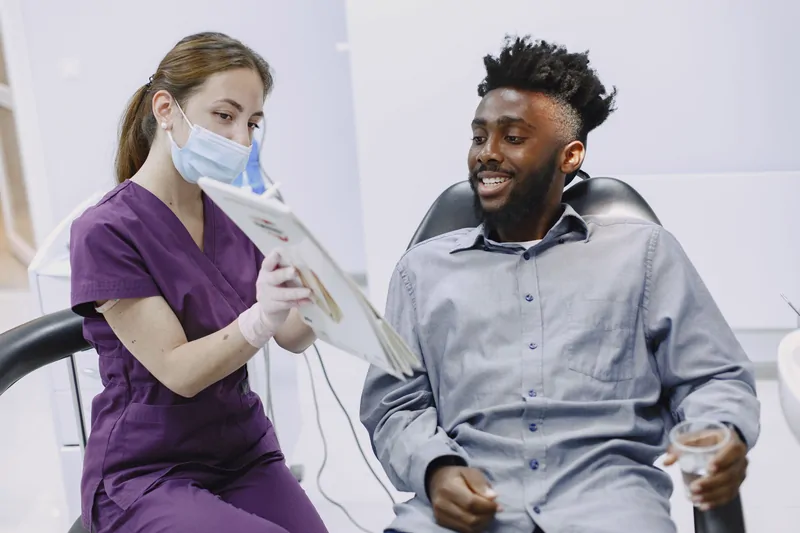
A good consultation should leave you understanding why a particular design and graft number are being suggested. Ask how the hairs will be angled, which donor area will be used, how the plan fits with any future scalp needs and what maintenance will look like day to day.
If you are considering a beard, moustache or eyebrow transplant, VERAKS HEALTH can talk through your goals and arrange an assessment by one of our doctors to see whether facial hair transplantation is a sensible option for you.
Key takeaways
- Facial hair transplants move your own follicles, usually from the back of the scalp, into sparse areas.
- Precise angles and single-hair grafts are central to a natural-looking beard or brow.
- Transplanted eyebrow hairs often keep growing like scalp hair and need regular trimming.
- The cause of facial hair loss should be understood before surgery is considered.
- Donor hair is limited, so face and scalp plans are best discussed together.

Written by the VERAKS HEALTH Editorial Team. This article is general education. It is not medical advice and does not replace an examination by a qualified clinician. Medical disclaimer.
The journal
Reading for
the curious.
Guides on treatments, recovery and travelling to Istanbul — written to help you ask better questions.
All articles


Free consultation
Ready when you are — let’s talk.
Share what you’d like to change. A coordinator replies personally, explains what a clinician would need to see and answers your practical questions.