Treatment Guides
Questions to Ask Before Choosing a Treatment Provider
Choosing where to have dental or hair treatment matters as much as choosing the treatment itself. These questions help you understand who will care for you, what is included and what happens afterwards.
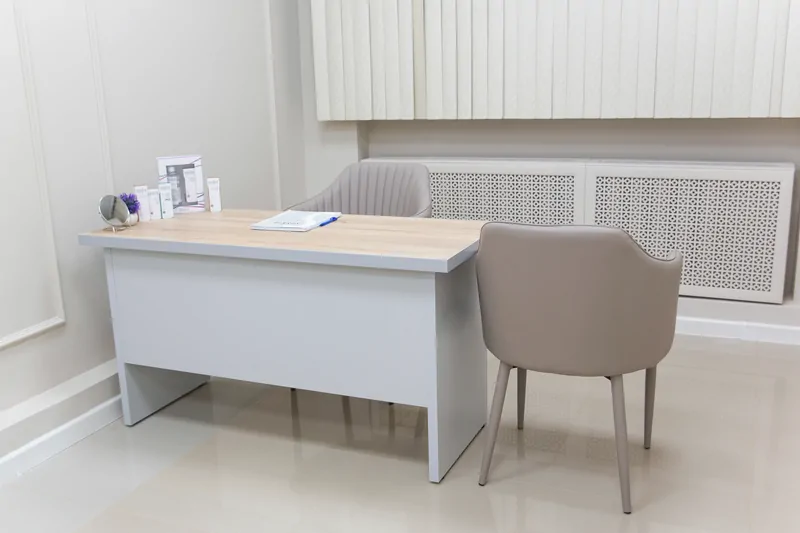
Why the provider matters as much as the treatment
Two clinics can offer treatments with the same name and deliver very different experiences. The quality of diagnosis, the honesty of the advice, the skill of the people carrying out each step and the way problems are handled afterwards all shape the result. When you are travelling for treatment, these differences matter even more, because you will be some distance away once you return home.
It is also worth understanding the different kinds of organisations you may deal with. Some are clinics that examine and treat patients directly. Others are coordination services that present treatment information and arrange consultations at clinics they do not run. At VERAKS HEALTH, examinations and treatment are carried out by our own doctors and licensed teams. Neither model is automatically better, but you should always know which you are dealing with, which clinic will treat you and who is responsible for your clinical care.
Who will examine and treat me?
This is the most important question, and it deserves a specific answer. Ask which clinic you will attend, who will carry out the examination, who will make the treatment decisions and who will perform each part of the procedure. In hair restoration in particular, tasks such as graft extraction and placement may be shared between a doctor and technicians, and it is reasonable to ask how the work is divided and supervised.
You can also ask how clinicians are licensed and registered, and how you can check this. A provider that is confident in its team will usually be willing to explain. Be cautious about answers that stay vague, or that focus on equipment and techniques without saying who will use them.
- Which clinic will I be treated at, and where is it?
- Who will examine me, and who will carry out each step?
- How are the clinicians licensed or registered, and how can I verify that?
- Will the same clinician I meet at consultation be involved on the day?
Always know which clinic will treat you and who will carry out each step.
How will my plan be made?
Good planning starts with diagnosis. Photographs can help a clinician form a first view, but they cannot replace an examination, X-rays or scans and a discussion of your medical history. Be wary of a firm plan or price offered before anyone has examined you, or of pressure to commit to a package before you have been assessed.
Ask whether more conservative options have been considered. A balanced provider will explain alternatives, including doing less, waiting or doing nothing, and the trade-offs of each. For dental work, that might mean whitening or bonding rather than veneers; for hair, medical treatment before surgery or a more conservative hairline. A plan that only ever moves towards the most extensive option is worth questioning.
- Will the plan be confirmed only after an in-person examination?
- What alternatives have you considered, and why do you recommend this one?
- What would happen if I chose a more conservative option or waited?
- Can I have the plan in writing, with time to think it over?
What exactly does the quote include?
Prices for treatment abroad are often presented as a single figure, but what that figure covers can vary a great deal. Ask for a written breakdown: consultations, imaging, temporary restorations, materials, the number of grafts or teeth involved, medicines, follow-up appointments and any second-stage visits. Find out what could change the price, for example if the examination reveals gum disease that needs treating first or if bone grafting proves necessary.
Travel, accommodation and transfers are a separate question. Some providers include them; many do not. Make sure you know what you are responsible for arranging yourself and get anything that is included confirmed in writing.
Consent, risks and realistic expectations
Informed consent means understanding what will be done, why, the realistic outcome, the risks and the alternatives before you agree. You should have the opportunity to ask questions, to have explanations repeated and to receive information in a language you understand. Consent should never be rushed on the day of treatment.
Pay attention to how results are described. Promises that a result is certain, that it will last for everyone or that treatment will not hurt at all, claims of flawless success and offers that expire within hours are not signs of careful medical practice. Responsible providers talk about ranges, variation between individuals and the factors that affect outcomes.
- What are the main risks for someone like me, and how are they managed?
- What result is realistic, and what could limit it?
- How long does healing usually take before the result can be judged?
- What happens if I change my mind before treatment starts?
Aftercare and what happens if something goes wrong
Recovery continues long after you fly home. Ask what written aftercare you will receive, who you can contact with questions, how quickly you can expect a reply and whether photographs can be reviewed remotely. Ask how the clinic handles complications or results that do not develop as expected, and whether further treatment would involve another visit.
It also helps to tell your own dentist or doctor about your plans. Ask the clinic for a written summary of the treatment, including materials or implant systems used, so that anyone treating you later has accurate information.
- Who do I contact after I return home, and how?
- How are concerns or complications handled, and at what cost?
- Will I receive a written record of the treatment and materials used?
- How does follow-up work with my local dentist or doctor?
Key takeaways
- Always know which clinic will treat you and who will carry out each step.
- A plan should be confirmed only after an in-person examination, with alternatives explained.
- Ask for a written quote that lists what is included and what could change it.
- Be cautious of promised outcomes, flawless success claims and pressure to decide quickly.
- Clarify aftercare, remote follow-up and how problems are handled before you travel.

Written by the VERAKS HEALTH Editorial Team. This article is general education. It is not medical advice and does not replace an examination by a qualified clinician. Medical disclaimer.
The journal
Reading for
the curious.
Guides on treatments, recovery and travelling to Istanbul — written to help you ask better questions.
All articles






Free consultation
Ready when you are — let’s talk.
Share what you’d like to change. A coordinator replies personally, explains what a clinician would need to see and answers your practical questions.