Istanbul & Health Tourism
Dental Treatment in Turkey: A Balanced Guide to Choosing Well
Travelling for dental treatment can work well when it is planned carefully. This guide covers how to research a provider, what remote reviews can and cannot tell you, and the warning signs worth noticing.

Starting with the right questions
Many people now consider travelling abroad for dental care, and Turkey is one of the destinations they often look at. Whatever the destination, the decision deserves the same care you would give to treatment at home. Dental work, particularly implants, crowns and veneers, is long-lasting and sometimes irreversible, so the quality of planning matters far more than the convenience of the trip.
A helpful starting point is to ask yourself what you actually need. Are you hoping to replace missing teeth, restore damaged ones or change the appearance of your smile? Have you had an examination at home recently? The clearer your own understanding, the easier it is to judge the advice you receive elsewhere.
Researching a provider
Reliable research goes beyond a polished website. Look for clear information about who will carry out your treatment, how the clinic is organised and how it communicates. Reviews from previous patients can be informative, but read them thoughtfully, looking for detail about the process and aftercare rather than only the final photographs.
- Who will examine and treat me, and what are their qualifications?
- Does the clinic explain treatment options, including more conservative ones?
- Are materials, implant systems and laboratories named and explained?
- Is there a clear written treatment plan, with stages and costs set out?
- How does the clinic handle follow-up and any concerns after you return?
Approach treatment abroad with the same care as treatment at home, especially for irreversible work.
What a remote review can and cannot tell you
Most clinics offer to look at photographs, X-rays or scans before you travel. This can be genuinely useful for understanding the general direction of treatment and the likely number of visits. It is not, however, a substitute for an in-person examination.
Gum health, hidden decay, the condition of old fillings, bone volume and the way your teeth meet can only be properly judged in the chair, often with fresh imaging. A responsible clinic will describe any remote plan as provisional and will expect it to change once you have been examined. Be cautious of a detailed, fixed plan offered entirely from photographs.
Planning your time realistically
Time is one of the most common sources of difficulty in treatment abroad. Some procedures, such as whitening or a small number of composite restorations, can fit into a short stay. Others need more time for laboratory work, try-ins and adjustments. Implant treatment usually requires healing time between stages, often meaning more than one trip.
Build flexibility into your plans wherever possible. Allow a few spare days in case adjustments are needed, avoid flying immediately after surgery, and ask the clinic to explain why they suggest a particular schedule. If you are arranging your own flights and accommodation, consider fares that allow changes in case the plan shifts after your examination.
Communication before, during and after
Clear communication is part of good care. You should feel able to ask questions in a language you understand and receive answers you can follow. Written records, such as treatment plans, consent forms and details of materials used, are especially important when your future dentist may be in another country.
- Ask for your treatment plan in writing before you commit
- Make sure you understand consent forms before signing
- Request copies of X-rays, scans and notes after treatment
- Keep a record of implant systems and restorative materials
- Agree on how to contact the clinic once you are home
Follow-up at home
Even well-planned treatment benefits from local support. Your dentist at home can carry out routine examinations and hygiene visits and may be the first to notice something that needs attention. Before you travel, it can be worth speaking to your own dentist about your plans, so that they are aware and able to help afterwards.
It is also realistic to think about what would happen if a problem arose. Ask the clinic how they handle concerns after treatment, whether remote reviews are possible and what would be involved if a return visit were needed.
Red flags worth noticing
Most warning signs are about pressure, certainty and speed. Good dental care involves explanation and choice, and it accepts that healing and individual biology vary. If something feels rushed or too certain, it is reasonable to pause.
- Pressure to book quickly, such as offers that expire within hours
- Promises of certain results or claims that nothing can go wrong
- Unrealistic timelines, for example final implant teeth within days in every case
- Recommending extensive crowns or veneers without discussing less invasive options
- Reluctance to provide written plans, records or details of materials
- Vague answers about who will treat you and how follow-up works
Choosing with confidence
Treatment abroad can be a positive experience when expectations are realistic, communication is clear and aftercare is planned from the outset. Taking time to research, asking direct questions and keeping your own dentist involved all help you make a decision you feel comfortable with.
If you are considering treatment in Istanbul and would like to understand how your care might be planned, the VERAKS HEALTH team is happy to talk through the process, the likely stages and the questions you may have, without any obligation to proceed.
Key takeaways
- Approach treatment abroad with the same care as treatment at home, especially for irreversible work.
- Remote reviews are useful for direction, but plans should be confirmed after an in-person examination.
- Build flexibility into your schedule, particularly for implants that need healing between stages.
- Keep written plans and records, and involve your local dentist in follow-up care.
- Be wary of pressure, promises of certain results and unrealistic timelines.

Written by the VERAKS HEALTH Editorial Team. This article is general education. It is not medical advice and does not replace an examination by a qualified clinician. Medical disclaimer.
The journal
Reading for
the curious.
Guides on treatments, recovery and travelling to Istanbul — written to help you ask better questions.
All articles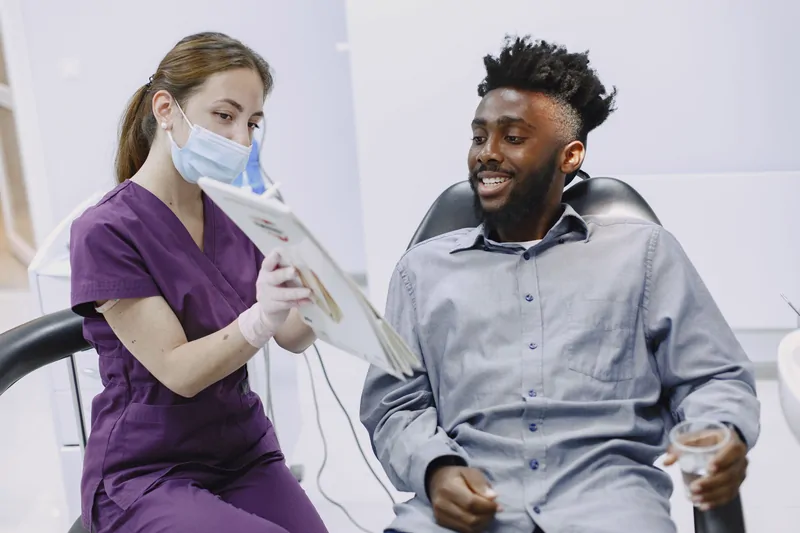


Free consultation
Ready when you are — let’s talk.
Share what you’d like to change. A coordinator replies personally, explains what a clinician would need to see and answers your practical questions.