Recovery & Aftercare
Caring for Veneers and Crowns: A Practical Guide
Veneers and crowns are durable, but they rely on healthy teeth and gums beneath them. A few steady daily habits and regular check-ups go a long way towards keeping them comfortable and looking as they should.
Why aftercare matters
Once veneers or crowns are fitted, it is tempting to think of them as finished work that needs no further attention. In reality, they are part of a living system. The ceramic itself does not decay, but the tooth underneath and the gum around it can still develop problems, particularly at the margins where restoration meets tooth.
Good aftercare is mostly about simple, consistent habits rather than special products. The same routines that protect natural teeth also protect restored ones, with a few additional considerations around biting forces and cleaning edges carefully.
Your daily cleaning routine
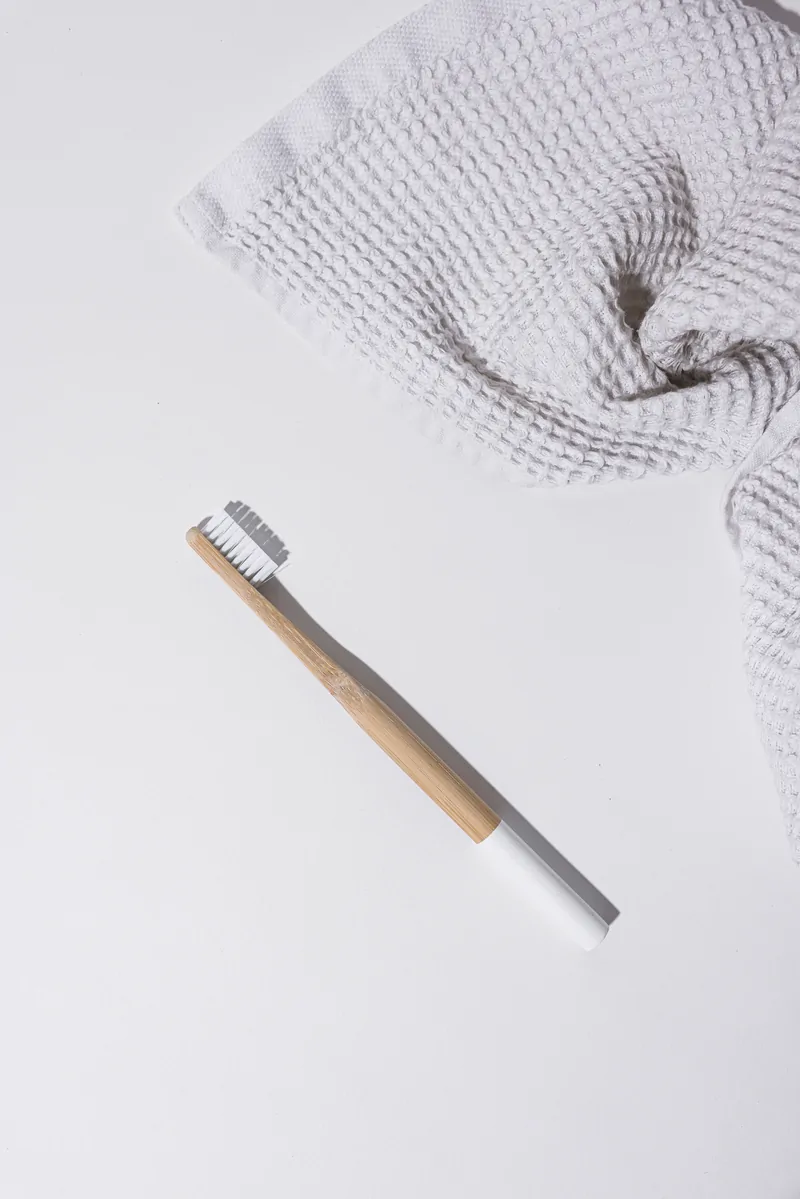
Brush twice a day for around two minutes using a soft or medium brush, whether manual or electric. Angle the bristles towards the gumline, where plaque tends to gather around the edges of veneers and crowns. A fluoride toothpaste helps protect the natural tooth structure that remains.
Highly abrasive toothpastes, including some marketed for whitening, can dull the glaze on ceramic over time and may roughen composite. If you are unsure which toothpaste to use, ask your clinician or hygienist for a recommendation suited to your restorations.
- Brush twice daily, paying attention to the gumline
- Clean between teeth once a day with floss or interdental brushes
- Choose a non-abrasive fluoride toothpaste
- Consider a water flosser if bridges or tight contacts make cleaning difficult
The tooth and gum beneath a restoration still need protecting from decay and inflammation.
Night guards and grinding
Grinding and clenching, especially during sleep, place considerable force on teeth. Many people are unaware they do it until a dentist notices signs of wear, or until they wake with tight jaw muscles or headaches. These forces can chip porcelain, loosen restorations or crack the teeth beneath them.
If grinding is suspected, a custom-made night guard is often recommended. It is a thin, removable appliance that sits over the teeth while you sleep and absorbs much of the pressure. Rinse it after use, clean it gently with a soft brush and store it dry in its case. Bring it to check-ups so its fit can be reviewed.
Food and everyday habits
Veneers and crowns are designed for normal eating, and there is no need to follow a restrictive diet. A little common sense, however, helps avoid unnecessary damage.
Porcelain and zirconia resist staining well, but composite restorations and the natural teeth around them can discolour over time. Rinsing with water after coffee, tea or red wine and keeping up regular hygiene visits helps keep everything looking even.
- Avoid biting directly on very hard items such as ice, hard sweets or nut shells
- Do not use your teeth to open packets, bottles or hair grips
- Take care with very sticky foods, particularly around newer restorations
- Avoid chewing pens, fingernails or other objects
- Wear a sports mouthguard for contact sports
Regular check-ups and hygiene visits
Professional reviews are an important part of looking after restorations. At a check-up, your dentist can examine the margins of veneers and crowns, look for early signs of decay or gum inflammation, check your bite and take X-rays where needed. Small issues found early are usually simpler to manage.
Hygiene appointments remove hardened deposits that brushing cannot shift. Let the hygienist know which teeth are restored, so that they can choose instruments and polishing pastes that are appropriate for ceramic or composite surfaces. How often you need these visits depends on your gum health and is a matter to agree with your dentist.
If your treatment was carried out abroad, keep your written records and share them with your local dentist. Knowing the materials used helps them care for your restorations properly.
Signs worth getting checked
Most veneers and crowns settle quietly and cause no trouble. Still, it is useful to know which changes deserve a closer look. None of these necessarily means something serious, but it is better to have them assessed than to wait.
- A veneer or crown that feels loose or moves when you bite
- A chip, crack or rough edge you can feel with your tongue
- Persistent sensitivity to hot, cold or sweet foods
- Pain when biting or a tooth that feels “high”
- Bleeding, swelling or recession of the gum around a restoration
- A dark line or change in colour at the edge of a restoration
If something does go wrong
If a veneer or crown comes off, keep it safe in a clean container and contact your dentist as soon as you can. Avoid trying to glue it back yourself with household adhesives, as this can damage the restoration and the tooth. Temporary dental cement from a pharmacy may help in some situations, but professional advice should come first.
Small chips in porcelain can sometimes be polished or repaired with composite, while larger fractures may mean the restoration needs replacing. Your dentist will advise on the most suitable approach.
A long-term partnership
Veneers and crowns are not permanent in the sense of lasting forever, and they will eventually need replacing. How long they serve you depends a great deal on everyday care, bite forces and gum health. Steady habits and regular reviews give them a good chance of remaining comfortable and attractive for many years.
If you have questions about caring for your restorations, or would like a review of existing veneers or crowns, VERAKS HEALTH can arrange a consultation with one of our licensed dentists.
Key takeaways
- The tooth and gum beneath a restoration still need protecting from decay and inflammation.
- Brush twice daily, clean between teeth and choose a non-abrasive fluoride toothpaste.
- A custom night guard is often recommended if you grind or clench your teeth.
- Avoid biting very hard objects and using your teeth as tools.
- Have any looseness, chips, sensitivity or gum changes assessed promptly.

Written by the VERAKS HEALTH Editorial Team. This article is general education. It is not medical advice and does not replace an examination by a qualified clinician. Medical disclaimer.
The journal
Reading for
the curious.
Guides on treatments, recovery and travelling to Istanbul — written to help you ask better questions.
All articles





Free consultation
Ready when you are — let’s talk.
Share what you’d like to change. A coordinator replies personally, explains what a clinician would need to see and answers your practical questions.