Smile Aesthetics
Teeth Whitening: Setting Realistic Expectations
Professional whitening can brighten a smile noticeably, yet results vary from person to person. Here is what influences the outcome and how to plan for a natural-looking shade.
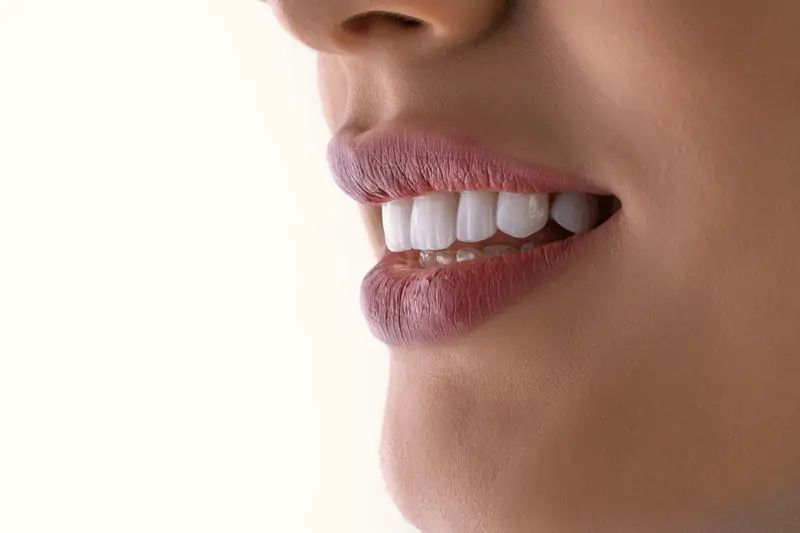
Why expectations matter
Teeth whitening is one of the most approachable cosmetic dental treatments, and for many people it is the first step towards a more confident smile. Because it is so widely advertised, though, it is easy to arrive with an image in mind that may not match what your own teeth can achieve.
Setting realistic expectations is not about lowering your hopes. It is about understanding how whitening works, what influences the result and how to look after a brighter shade, so that you feel pleased rather than surprised once treatment is complete.
It also helps to remember that whitening is one tool among several. It changes colour, not shape, alignment or the condition of the gums. If what bothers you most is a chipped edge, a gap or crowding, whitening alone may brighten the smile without addressing the concern you notice first. Being clear about what you would like to change allows your clinician to suggest whether whitening, another treatment or a combination is likely to meet your goals.
How professional whitening works
Professional whitening uses peroxide-based gels to break down staining molecules within the enamel and the dentine beneath it. It can be delivered in the clinic, where a stronger gel is applied under supervision while the gums are protected, or at home with custom-fitted trays and a lower-concentration gel used over a period of days or weeks. Some plans combine both.
In-clinic whitening tends to produce a visible change more quickly, which some people appreciate before a particular occasion. At-home whitening is gradual and gives you more control over the pace, which can make it easier to stop at a shade you like. Neither approach is right for everyone, and your clinician can suggest which may suit your teeth, your sensitivity and your schedule.
It is worth being cautious about whitening products bought without professional guidance. Gels of unknown strength, poorly fitting trays and abrasive whitening powders can irritate the gums or wear enamel, and they may not address the underlying cause of discolouration. Supervised treatment allows the concentration and contact time to be matched to your mouth.
Before whitening, a clinician will usually check the health of your teeth and gums. Untreated decay, cracked enamel or gum inflammation can make whitening uncomfortable or less effective, so these may need attention first. A professional clean is often suggested beforehand to remove surface deposits that could prevent the gel from reaching the enamel evenly.
Results vary with your natural shade, the type of staining and enamel thickness.
What influences your result
Every smile starts from a different place. The natural colour of your teeth, the type of staining and the thickness of your enamel all affect how much lighter your teeth can become and how quickly.
- Yellowish tones from food, coffee, tea or wine often respond well
- Greyish or bluish discolouration, sometimes linked to certain medications in childhood, can be more resistant
- Thin enamel may allow more of the darker dentine to show through
- White spots or uneven mineralisation may become more noticeable for a while during treatment
- A single tooth that has darkened after injury or root canal treatment may need a different approach
- Smoking and frequent dark drinks can shorten how long the result looks fresh
Crowns, veneers and fillings do not whiten
One of the most important things to know is that whitening gels act on natural tooth structure only. Existing crowns, veneers, bonded composite and tooth-coloured fillings will keep their current shade. After whitening, these restorations can appear darker than the surrounding teeth.
If you have restorations on visible teeth, it is worth discussing the order of treatment. Many people choose to whiten first, allow the shade to settle for a couple of weeks, and then have any planned restorations matched to the new colour. In some cases, replacing older restorations after whitening may be suggested for a more uniform appearance.
Sensitivity and comfort
Temporary sensitivity is a common side effect of whitening. Some people notice short, sharp twinges when drinking something cold; others feel a mild ache for a day or two. For most, this settles once treatment pauses or ends. The gums may also feel slightly irritated if gel comes into contact with them.
Whitening is generally not recommended during pregnancy or breastfeeding, and people with exposed roots, worn enamel or untreated gum problems may need extra caution. There are practical ways to reduce discomfort, and your clinician may tailor the plan if you already have sensitive teeth.
- Using a desensitising toothpaste for a couple of weeks before and during treatment
- Spacing out at-home sessions rather than whitening every day
- Choosing a lower-concentration gel over a longer period
- Avoiding very hot or cold food and drink for a day or two after in-clinic sessions
- Letting your clinician know promptly if discomfort feels unusual or persistent
Choosing a natural-looking shade
There is a growing appreciation for whitening that looks bright yet believable. Teeth that are dramatically lighter than the whites of the eyes or noticeably out of step with your skin tone can look artificial. A good outcome often means teeth that look healthy, clean and fresh rather than uniformly opaque.
Timing can matter too. Teeth often look slightly lighter immediately after a session because they are temporarily dehydrated, and the shade usually settles over the following days. Judging the result after this settling period gives a more accurate picture of where your teeth have arrived.
Your clinician can record your starting shade and discuss a target that suits your features. It can also help to remember that teeth are naturally slightly lighter at the edges and warmer near the gums. A gentle gradient tends to look more natural than a flat single colour.
Keeping your smile bright
Whitening is not a one-time change that lasts indefinitely. Teeth gradually pick up new stains, and the speed at which this happens depends largely on diet and habits. Many people find that occasional top-up sessions with their custom trays help maintain the shade they enjoy.
For the first couple of days after a session, enamel can be a little more receptive to staining. Many clinicians suggest a “white diet” during this window, favouring lighter-coloured foods and drinks and postponing curries, berries, soy sauce, coffee and red wine where possible.
Good daily hygiene, regular professional cleaning, rinsing with water after coffee or red wine and avoiding tobacco can all help. If you are wondering whether whitening is right for your teeth, or how it might fit alongside other cosmetic treatment, a personal consultation arranged through VERAKS HEALTH is a sensible first step.
Key takeaways
- Results vary with your natural shade, the type of staining and enamel thickness.
- Crowns, veneers and fillings do not change colour, so treatment order matters.
- Temporary sensitivity is common and can often be managed with simple adjustments.
- A natural-looking shade and sensible habits help results look fresh for longer.

Written by the VERAKS HEALTH Editorial Team. This article is general education. It is not medical advice and does not replace an examination by a qualified clinician. Medical disclaimer.
The journal
Reading for
the curious.
Guides on treatments, recovery and travelling to Istanbul — written to help you ask better questions.
All articles





Free consultation
Ready when you are — let’s talk.
Share what you’d like to change. A coordinator replies personally, explains what a clinician would need to see and answers your practical questions.