Smile Aesthetics
What Is Digital Smile Design?
Digital smile design lets you and your dentist explore a planned smile before any treatment begins. Here is how the process works, and where its limits lie.

Planning a smile before treatment
Cosmetic dental treatment changes something very personal: the way you look when you speak, laugh and smile. It is understandable to want a sense of how a new smile might look before committing to veneers, crowns, bonding or orthodontics. Digital smile design is an approach to planning that aims to make this possible.
In broad terms, it combines photographs, videos and records of your teeth with an analysis of your facial features. The dentist uses this information to plan changes to the shape, length and position of the teeth, and to share that plan with you visually. The result is a starting point for discussion rather than a fixed promise.
Starting with the face
A key principle of smile design is that teeth should suit the face they belong to. Rather than beginning with an idealised set of teeth, the process typically starts with your facial proportions, lip line and the way your lips move when you speak and smile.
Reference lines and proportions help the dentist assess symmetry and balance. The aim is not to make every smile identical, but to find tooth shapes and positions that look natural for you. Small irregularities often contribute to a natural appearance, and removing every one of them is not always desirable.
- The midline of the face in relation to the front teeth
- How much tooth shows at rest and when smiling
- The curve of the upper teeth against the lower lip
- Gum display and the symmetry of the gum line
- Tooth proportions, shape and colour in context
Digital smile design uses photos, videos and dental records to plan cosmetic changes.
How the process usually works
The details vary between clinics and between patients, but most digital smile design processes follow a similar pattern. Records are gathered first, usually including a series of photographs, short videos and an impression or digital scan of the teeth. Your dentist will also examine your mouth to check the health of the teeth and gums.
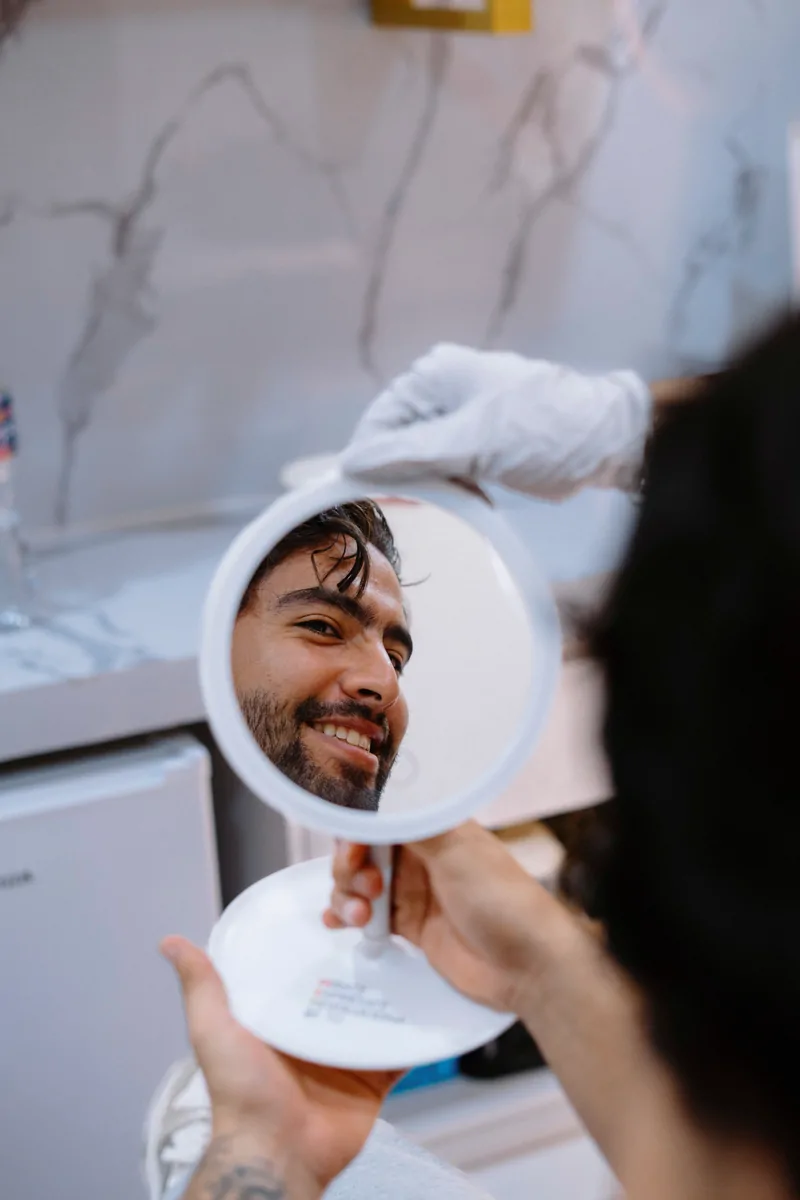
The records are used to create a proposed design, which you can then review together. In many cases this can be transferred into a physical or temporary trial, often called a trial smile, so that you can see and feel the proposed shapes in your own mouth. Feedback at this stage is valuable, and the design can be adjusted before any definitive work begins.
- Consultation and discussion of your goals
- Photographs, videos and dental records or scans
- Clinical examination of teeth, gums and bite
- A proposed design reviewed together
- A trial smile where appropriate, then refinement
What it can help with
Digital smile design is most useful as a communication and planning tool. It helps translate words such as brighter, longer or more even into specific, visible proposals. Many people find it easier to give useful feedback when they can see a plan rather than only hear it described.
It also helps the clinical team coordinate. When several treatments are combined, such as whitening followed by veneers, or orthodontics followed by bonding, a shared design helps keep each stage working towards the same end point. In some cases it can show that a less invasive option may achieve much of what you are hoping for.
Its limits
A digital design is a plan, not a guarantee. The final result depends on the health of your teeth and gums, the materials chosen, how your tissues respond and the way the restorations are made and fitted. Screen images can also look different from teeth in natural light, and colour in particular can be difficult to judge on a display.
It is also important to remember that some changes that look simple in a design may require more treatment than expected, such as orthodontic movement, gum procedures or the removal of tooth structure. A careful dentist will explain what each proposed change would involve and whether it is appropriate for you.
- The design does not change the underlying health of your teeth and gums
- Colours on a screen may not match how teeth look in daylight
- Some changes may involve more preparation or treatment than they appear to
- The final result can differ in detail from the proposed design
Questions to ask about your design
If you are considering cosmetic dental work, it is worth asking how the plan was arrived at and what treatment it would require. Understanding the trade-offs between options is as important as liking how the design looks.
- Which treatments would be needed to achieve this design?
- How much of my natural tooth would need to be prepared?
- Can I try the design in my mouth before deciding?
- Are there more conservative options worth considering?
- How should I expect the result to age over time?
A collaborative approach
At its best, digital smile design turns treatment planning into a conversation. You bring your preferences and concerns; your dentist brings clinical judgement about what is healthy, achievable and likely to last. The design sits between the two, giving both of you something concrete to refine.
Whether smile design is useful in your case, and which treatments it might involve, can only be decided after an individual assessment. The VERAKS HEALTH team would be happy to discuss your goals at a consultation.
Key takeaways
- Digital smile design uses photos, videos and dental records to plan cosmetic changes.
- Good design starts with the face, lips and gums rather than an idealised set of teeth.
- A trial smile can help you see and feel a proposed design before treatment.
- A design is a planning tool, not a guarantee of the final result.

Written by the VERAKS HEALTH Editorial Team. This article is general education. It is not medical advice and does not replace an examination by a qualified clinician. Medical disclaimer.
The journal
Reading for
the curious.
Guides on treatments, recovery and travelling to Istanbul — written to help you ask better questions.
All articles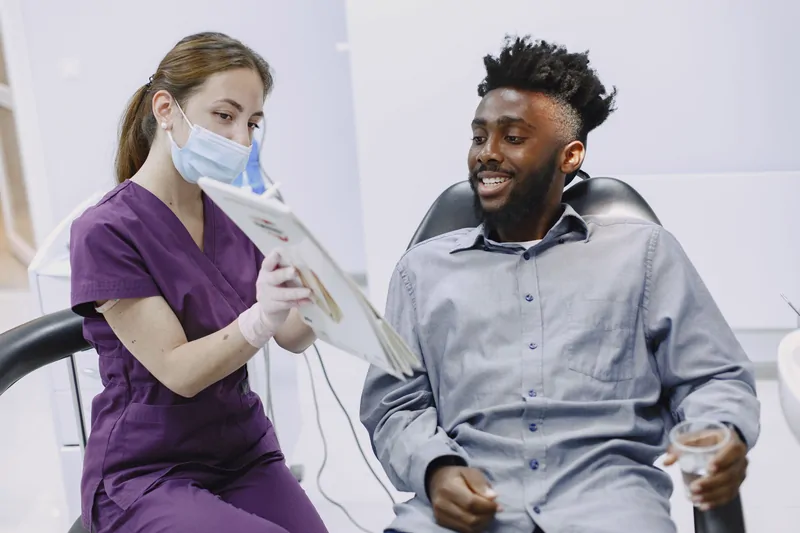




Free consultation
Ready when you are — let’s talk.
Share what you’d like to change. A coordinator replies personally, explains what a clinician would need to see and answers your practical questions.